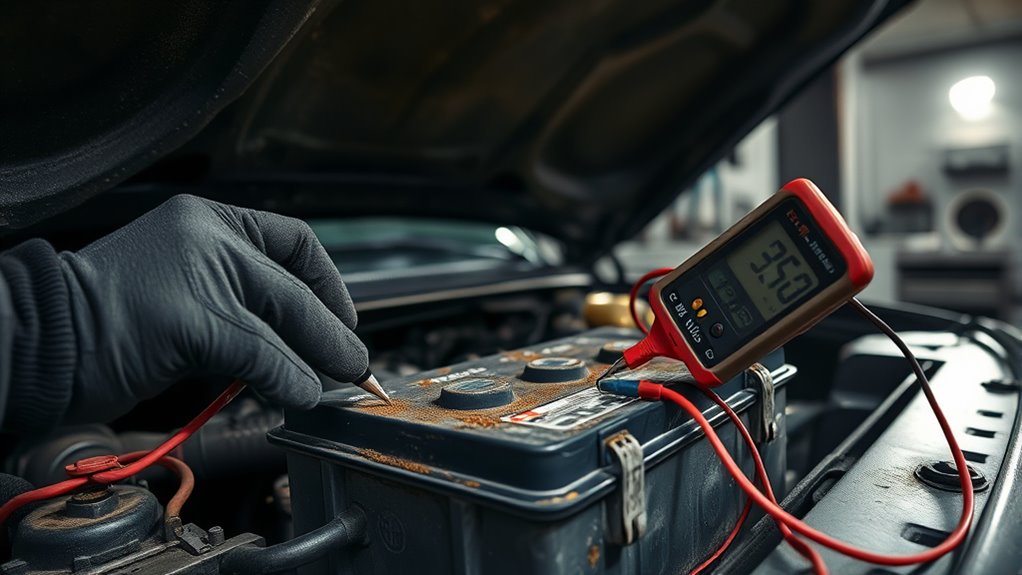
A 2006 Toyota Tundra with a battery that keeps going dead usually points to a charging fault, a parasitic draw, or poor connections. The first checks are simple: verify battery health, confirm alternator output, and inspect terminals and grounds for corrosion. If those pass, the problem may sit in the ignition switch or an accessory circuit that stays live after shutdown. The next test often reveals the real culprit.
Why Your 2006 Toyota Tundra Battery Keeps Dying
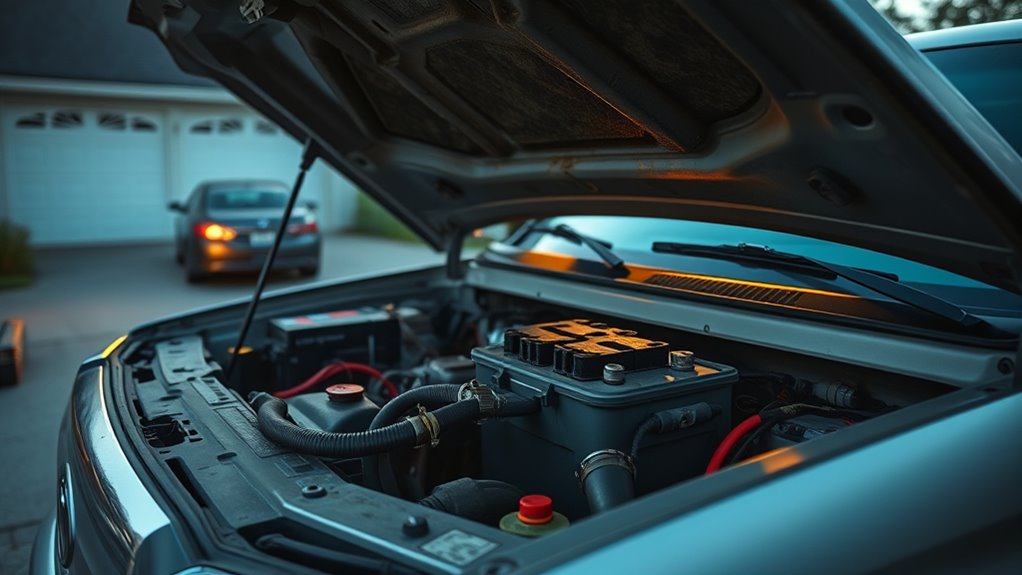
A common reason a 2006 Toyota Tundra battery keeps dying is an electrical parasitic draw that remains active after the key is removed, often pointing to a faulty switch, wiring issue, or accessory circuit that is not shutting down properly.
A dead battery often follows when the truck sits idle for days, especially if a draw remains near 0.05 mA and steadily consumes reserve capacity.
Aftermarket security systems, trailer harnesses, and added electronics should be inspected first, then disconnected one at a time to isolate the circuit.
Moisture from heavy rain or snow can worsen the problem by affecting connectors or leaking into hidden junctions, even when no visible wetness is present.
Corrosion, loose terminals, and aged grounds also reduce reliability.
A basic diagnostic routine should include checking connections, then evaluating the battery and alternator relationship, since a weak charging system can mask or compound a drain.
Regular maintenance preserves service life and supports electrical independence.
Test the Battery and Alternator First
Begin with the battery and alternator before chasing more complex faults. The first step is to test the battery with a load check; many auto parts stores offer this free, and it quickly shows whether the cell can hold a charge under demand.
Clean, tight terminals matter, because corrosion or looseness can mimic a failing component and interrupt power flow. Next, inspect the alternator with a meter at idle and higher RPM. A healthy alternator should push over 12 volts consistently; weak output can leave the battery undercharged and stranded.
- test the battery under load, not just at rest
- verify the alternator maintains voltage across RPM ranges
- confirm connections are clean, tight, and corrosion-free
If both parts test good, the fault lies elsewhere, but this first pass gives the driver a disciplined, freedom-minded path to reliable starting power.
Find the Parasitic Draw
If the battery and alternator check out, the next step is to look for a parasitic draw that is draining the battery while the truck sits off. A multimeter should be connected in series with the battery to measure key-off current; the target is under 0.05A, or 50mA, to protect battery life.
A steady reading between 0.03mA and 0.13mA calls for deeper diagnosis of electrical faults or accessory failures. To isolate the circuit, pull fuses one at a time while watching the amp draw. When the drain drops, the offending branch has been found.
If the dome light fuse has little effect, inspect aftermarket equipment such as a backup camera, security system, or trailer wiring. Clean, tight ground connections are essential, because weak grounding can magnify the parasitic draw and keep the battery from retaining charge.
This method gives the owner control and restores electrical independence.
Check the Ignition Switch, Grounds, and Accessories
The ignition switch should be checked next, because a faulty switch can keep accessories powered after the key is removed and slowly drain the battery. In a 2006 Toyota Tundra, the ignition switch can be tested for abnormal continuity while the key is in OFF and removed. Any stuck feed to accessories should be treated as a likely parasitic path.
Check the ignition switch next; a faulty switch can leave accessories powered and slowly drain the battery.
- Inspect ground points at the battery, firewall, and engine block for looseness, corrosion, or damaged terminals.
- Clean and tighten battery connections so current can return freely and resistance does not build.
- Disconnect aftermarket security systems or remote starters to see whether the drain disappears.
Accessory behavior also matters. Random beeping, lamps staying on, or delayed shutdown can indicate a wiring fault or ignition issue.
A careful technician treats these symptoms as clues, not noise, and follows them to the source of lost charge.
Fix Common Battery Drain Causes
Common battery drain in a 2006 Toyota Tundra is usually traced to loose connections, unwanted parasitic draw, or an accessory that fails to shut down.
On this first gen truck, technicians should begin with the battery and alternator terminals, cleaning corrosion and tightening each clamp to eliminate intermittent loss.
Next, a parasitic draw test with a multimeter should be performed after modules sleep; readings above 50mA suggest a circuit that remains active.
If the draw is excessive, aftermarket alarms, remote starters, and similar add-ons should be disconnected one at a time to isolate the offender.
Accessories that stay powered with the key removed point toward wiring faults or a faulty ignition switch.
Logging voltage and state of charge over several days helps expose patterns before the battery fails again.
This disciplined process restores control, reduces guesswork, and frees the owner from recurring battery drain.
Frequently Asked Questions
Why Does My Toyota Key Fob Battery Keep Dying?
Toyota key fob batteries usually die from reduced battery lifespan caused by frequent use, temperature extremes, or a fob left near the vehicle and repeatedly communicating with it.
Poor key fob maintenance can also allow unnoticed drain, intermittent signals, or delayed response. A weak CR2032 or CR2025 cell may need replacement.
If the issue repeats quickly, the fob may have an internal fault, not just a discharged battery.
Why Does My Car Battery Keep Dying Even With a New Battery?
A parasitic draw as low as 0.03mA can still flatten a battery over time.
Even a new battery may die because of battery drain causes such as lights, modules, aftermarket accessories, or a faulty alternator.
Electrical system issues can also keep accessories powered with the key off.
A technician should test current draw, inspect the ignition switch, and verify charging voltage.
Liberation comes from diagnosis, not replacement alone.
Why Does My Key Fob Battery Keep Going Dead?
A key fob battery keeps going dead because its battery lifespan is often only 2–3 years, and frequent use, extreme temperatures, or moisture can shorten it further.
Persistent key fob issues may also indicate a weak circuit board, poor contact, or reprogramming needs.
A technician would inspect the battery, clean terminals, and test signal output.
Regular replacement restores dependable access and reduces unnecessary dependence on failing hardware.
Why Does My Toyota Battery Keep Dying?
A Toyota battery usually keeps dying because battery drain causes hide beneath a healthy exterior: the engine looks ready, yet the electrical system issues silently consume charge.
Parasitic draws, faulty switches, aftermarket accessories, or water intrusion can leave circuits awake after shutdown. A failing alternator may also undercharge.
The practical path is testing resting draw, inspecting wiring, and verifying charging voltage, so the owner can reclaim reliable starts and freedom.
Conclusion
In a 2006 Toyota Tundra, a battery that keeps dying can feel like a full-scale electrical ambush. The fastest path to a cure is disciplined diagnosis: verify battery and alternator health, measure parasitic draw, and inspect ignition switches, grounds, terminals, and aftermarket loads. Corrosion, loose connections, or a hidden drain can quietly steal power overnight. With voltage logs and systematic testing, the fault usually reveals itself before the truck is stranded again.

