As an Amazon Associate I earn from qualifying purchases.
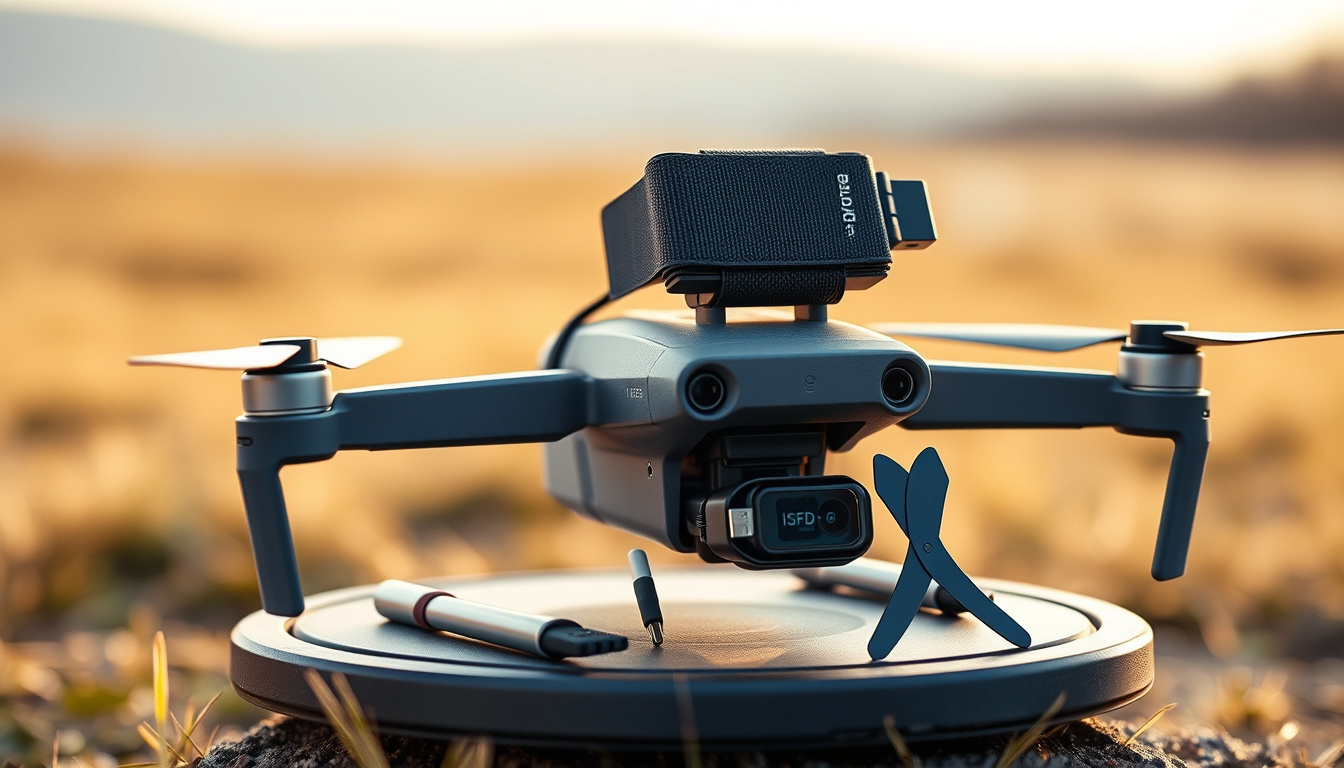
The best GPS trackers for drones are small Remote ID modules like the Ruko R111S and Gleesfun G115. They weigh about 13.5 g and broadcast your drone’s position over Bluetooth or Wi-Fi, but only phones nearby can pick up that signal, so they are not live flight trackers. This guide compares those two modules, a camera drone with built-in GPS, and a cellular vehicle tracker, so you can match the tool to your need: FAA Remote ID compliance, finding a drone that went down close by, or tracking gear on the ground.
Last checked: October 2026.
Top Picks
|
Category |
Product |
|---|---|
|
🏆 Best Lightweight |
|
|
💰 Best Battery Life |
|
|
🎯 Best for Aerial Video |
|
|
🔰 Best for Vehicles and Gear |
How to Choose GPS Trackers for Drones
Start with what the tracker must do. A Remote ID module meets the FAA broadcast rule. A cellular tracker reports its location over the mobile network, but it needs a monthly data plan and is much heavier. Bluetooth tags such as Apple AirTag (about 11 g) only update when another phone passes nearby, so they do not work as live flight tracking and often fail in remote areas.
Then check weight, battery life, mounting and subscription needs. A tracker adds to your takeoff weight, so keep it small on light drones. We compared manufacturer specs and owner reviews rather than flight-testing each unit.
Ruko R111S

The Ruko R111S is a 13.5 g (0.48 oz) Remote ID broadcast module. It attaches with Velcro, tape or zip ties, and you set it up over Bluetooth with the Ruko app. A built-in buzzer helps you find a downed drone once you are close.
The seller lists up to 3 hours of runtime (2.5 hours with the buzzer on) and a 40-minute USB-C charge. The battery is built in and cannot be replaced. The seller says it is FAA-compliant for drones over 250 g (0.55 lb), so it suits small camera drones, FPV builds and older drones that have no Remote ID of their own.
It is a simple add-on for pilots who want the lightest option. It is not a live tracker: the signal only reaches phones within Bluetooth range.
What People Say
Owner reviews are the best place to check app setup and how well the unit stays on your own drone. Read the newest reviews before you buy, because the companion app can change. Remember that this module only broadcasts a short-range signal and does not give a live map.
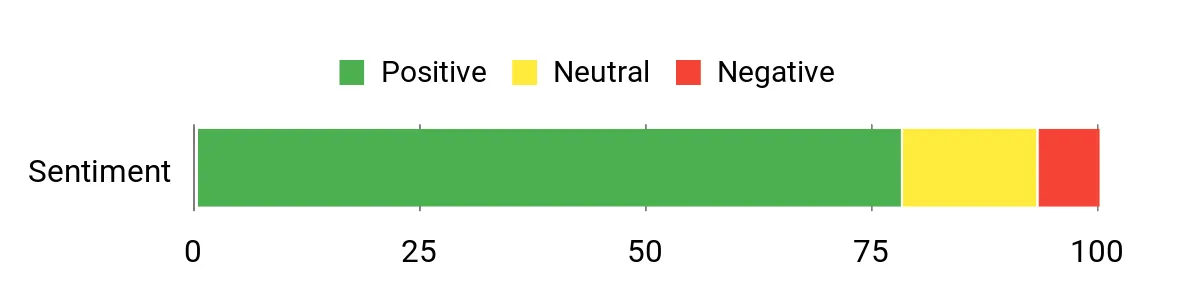
Overall Sentiment: Positive
Long-Term Cost Benefits
The battery is built in and cannot be swapped, so the module lasts only as long as that battery does. You need no other accessories to mount it: the kit includes Velcro, tape and zip ties.
Return on Investment
The module lets an older or non-compliant drone meet the Remote ID rule, and the buzzer can save search time. It will not help if the drone ends up out of phone range.
Situational Benefits
|
Situation |
How It Helps |
|---|---|
|
Flying Lightweight Photography Drones |
You maintain flight performance because the 13.5 g weight is negligible, while still broadcasting Remote ID and offering a recovery beep. |
|
Field Events and Group Flights |
You can quickly attach the module to meet event or venue RID requirements and swap it between crafts without tools. |
|
Lost-Drone Recovery |
The GPS broadcast combined with the beeper gives you both precise coordinates and an audible cue to recover a downed drone. |
Ease Of Use
|
Feature |
Ease Level |
|---|---|
|
Initial Setup |
Moderate |
|
Mounting Options |
Easy |
|
Daily Operation |
Easy |
Versatility
It mounts on drones, FPV quads and fixed-wing aircraft with straps, Velcro or zip ties. Place it where it does not block antennas, sensors or the gimbal. It is not a full telematics unit and has no cellular link.
Safety Features
Remote ID lets authorities and nearby pilots see where your drone is. The buzzer helps you find a drone on the ground. At 13.5 g it adds little weight, but always check that it is secured before takeoff.
Innovation
The R111S combines Remote ID, GPS and a buzzer in a 13.5 g unit that charges over USB-C in about 40 minutes.
Problem Solving
It solves two problems: meeting the Remote ID rule on a drone that lacks it, and finding a drone that lands nearby.
Key Benefits
- FAA Remote ID compatibility for regulatory compliance
- Light at 13.5 g (0.48 oz)
- Integrated beeper for faster visual recovery
- Multiple mounting options and included accessories
- Quick recharge and portable USB-C charging
Drawbacks
- Short-range signal: phones only pick it up when nearby, so it is not a live tracker.
- The built-in battery cannot be replaced.
Gleesfun G115

The Gleesfun G115 is a small Remote ID broadcast module for drones. You attach it with Velcro or zip ties and pair it over Bluetooth for first-time setup. The listing gives about 5 hours of runtime and a weight of 13.61 g.
That longer runtime is the main reason to pick it over the Ruko R111S, which lists 3 hours. Like all Remote ID modules, it sends a short-range signal that only nearby phones receive, so it is not a live tracker. Check the listing for the exact drones it supports before you buy.
What People Say
This listing has far fewer owner reviews than the Ruko R111S, so there is less feedback to go on. Read the newest reviews for pairing problems and for how well the unit stays on your drone, and test it on the ground before your first flight.
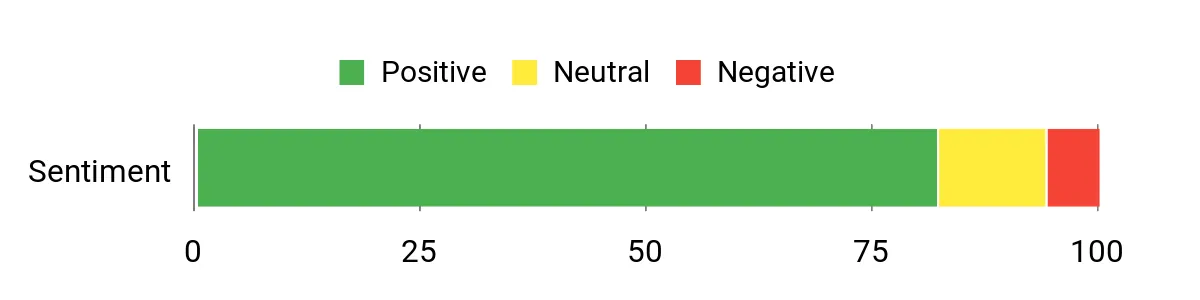
Overall Sentiment: Positive
Long-Term Cost Benefits
The module is rechargeable over USB-C, and the kit includes zip ties and Velcro, so you need no other mounting parts. One module can move between drones, as long as its serial number is listed in each drone’s FAA registration.
Return On Investment
It keeps a drone that has no Remote ID of its own legal to fly, and the signal can help you find the drone if it lands nearby.
Situational Benefits
|
Situation |
How It Helps |
|---|---|
|
Casual Local Flying |
You get compliance and extended runtime so you can fly multiple sessions without frequent charging. |
|
Field Events And Meetups |
Quick mounting options and simple setup let you swap the module between drones to meet event requirements. |
|
Upgraded Hobby Builds |
When you add guards or larger batteries that push you over 250 g, the G115 helps you remain visible and compliant. |
Ease Of Use
|
Feature |
Ease Level |
|---|---|
|
Initial Pairing |
Moderate |
|
Mounting |
Easy |
|
Daily Operation |
Easy |
Versatility
The seller says it fits consumer and FPV drones, and it attaches with simple mounts. Confirm fit for your drone on the listing before you buy.
Safety Features
Continuous Remote ID broadcasting makes your drone visible to authorities and nearby pilots. At about 13.6 g it adds very little weight.
Innovation
The listing claims about five hours of runtime in a 13.61 g module, which is longer than the Ruko R111S.
Problem Solving
It meets the Remote ID rule for drones that lack it and adds very little weight.
Key Benefits
- FAA Remote ID broadcasting for regulatory compliance
- About 5 hours of runtime (seller claim)
- Light at 13.61 g
- Fits many consumer and FPV drones (check the listing)
- Comes with zip ties, Velcro and USB-C for easy mounting and charging
Drawbacks
- Short-range signal: only nearby phones receive it, so it is not a live tracker.
- Far fewer owner reviews than the Ruko R111S.
Bwine F7GB2

The Bwine F7GB2 is not a tracker. It is a complete camera drone with built-in GPS, a three-axis gimbal and a 3 km control range. GPS lets it hold position and return home, and it offers follow-me, orbit and waypoint modes. It is included here for pilots who want one drone that handles GPS and video together.
It weighs roughly 550 to 570 g, so it must be registered with the FAA and follow Remote ID rules. Bwine says Remote ID is built in, but an independent review did not confirm this, so check the listing before you rely on it. The 4K claim also needs a caveat: Digital Camera World found that 4K runs at only 15 fps and that the 2.7K mode looked better.
What People Say
Digital Camera World liked the three-axis gimbal and the full kit with case and spare props. It also found no obstacle avoidance, some control lag and about 15 minutes of flight per battery. That test kit had two batteries, so check what your bundle includes.
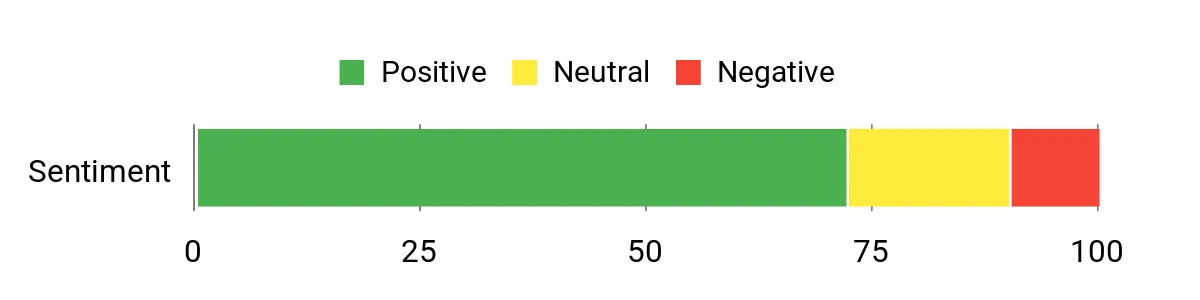
Overall Sentiment: Positive
Long-Term Cost Benefits
The bundle includes spare batteries, spare propellers and a carrying case, so you need fewer add-ons at the start. Charging is slow: one review measured about 6 hours per battery.
Return On Investment
You get a camera, gimbal and GPS in one drone, so you do not need a separate tracker. It is an entry-level drone, so do not expect the video quality of premium models.
Situational Benefits
|
Situation |
How It Helps |
|---|---|
|
Landscape Photography |
You capture wide, stable aerial panoramas with the gimbal, and spare batteries let you wait for ideal light. |
|
Event Coverage |
GPS follow and orbit modes let you frame moving subjects reliably while you focus on composition. |
|
Site Inspection |
GPS waypoints and steady video help you document structures and repeat inspection paths consistently. |
Ease Of Use
|
Feature |
Ease Level |
|---|---|
|
Initial Setup |
Moderate |
|
App Control |
Moderate |
|
Battery Swaps |
Easy |
|
Flight Modes |
Easy |
Versatility
It suits casual filming, landscape shots and simple site checks. It has no obstacle avoidance, so fly in open areas.
Safety Features
GPS lets the drone hold position and return home automatically, including at low battery. In one review the drone did not land itself after returning home, so stay close and be ready to land it. With no obstacle sensors, keep it away from trees and buildings.
Innovation
The kit pairs a three-axis gimbal with GPS flight modes and several batteries. The 4K video mode is limited to 15 fps, so the 2.7K mode is the better choice.
Problem Solving
It gives you steadier footage and GPS flight modes in one package, so you do not carry a separate stabilizer or tracker.
Key Benefits
- Three-axis gimbal for steadier video
- GPS smart flight modes including follow and waypoint
- Spare batteries and accessories for longer sessions
- App control with a 3 km operating range
- Included carrying bag for easier transport
Drawbacks
- 4K video runs at only 15 fps in one review; 2.7K looks better.
- No obstacle avoidance, and flights are short per battery.
LandAirSea 54

The LandAirSea 54 is a cellular GPS tracker made for vehicles, trailers and equipment, not for drones. It has a built-in magnet, an IP67 rating and a 4G LTE connection to the SilverCloud portal. At 4.8 oz (136 g) it is too heavy for most camera drones.
Use it for the ground side of drone work, such as a truck, trailer or gear case. It sends location updates, geo-fence alerts and location history to your phone or computer. A monthly data plan is required.
What People Say
The manufacturer lists 1 to 3 weeks of battery on normal tracking settings and up to 6 months in low-power mode. Check recent owner reviews for real-world battery life, because it depends on signal, update rate and temperature.
The monthly plan is the main ongoing cost. The tracker does not work without one, and faster update rates cost more.
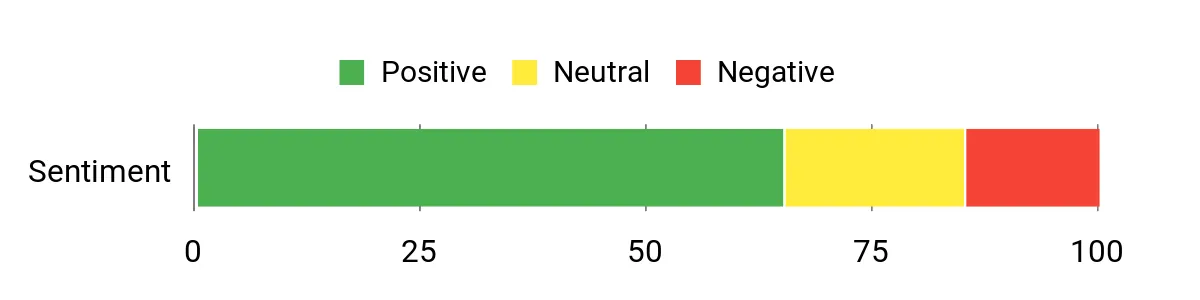
Overall Sentiment: Positive
Long-Term Cost Benefits
The tracker keeps a location history, which helps if a vehicle or trailer is moved or stolen. The monthly plan is an ongoing cost, so include it when you compare options.
Return On Investment
It pays off only if you need to track vehicles or gear on the ground. For finding a drone that went down, a Remote ID module with a buzzer is the better fit.
Situational Benefits
|
Situation |
How It Helps |
|---|---|
|
Vehicle Fleet Management |
You monitor vehicle locations, receive motion alerts, and keep a history of routes to improve dispatch and security. |
|
Equipment Storage |
You retain long battery life and waterproof protection so your gear remains trackable even in remote or harsh conditions. |
|
Temporary Installations |
You can place the magnetic tracker onsite for project durations and review movement or tampering without constant physical checks. |
Ease Of Use
|
Feature |
Ease Level |
|---|---|
|
Initial Setup |
Moderate |
|
Mounting |
Easy |
|
Monitoring |
Moderate |
|
Maintenance |
Easy |
Versatility
It works on vehicles, trailers, equipment and other metal items where a magnet will hold. It is not suited to drones: it is heavy for them and the magnet has nothing to grip.
Safety Features
Geo-fence and motion alerts tell you when a vehicle or trailer moves. The manufacturer says updates can arrive as often as every 3 seconds on its fastest plan.
Innovation
It combines a strong built-in magnet, an IP67 waterproof rating and 4G LTE tracking in one pocket-size unit.
Problem Solving
It tells you where a vehicle or trailer is without manual checks, and it alerts you if the item moves.
Key Benefits
- Battery life of 1 to 3 weeks on normal settings, longer in low-power mode
- Magnetic waterproof housing for discreet mounting
- Real‑time 4G LTE tracking and motion alerts
- Geo‑fencing and location history via SilverCloud
- Cross-platform access from phone and web portal
Drawbacks
- A monthly data plan is required.
- Not made for drones: too heavy for most, and a magnet has nothing to hold on a plastic airframe.
FAQ
Do I Need A Remote ID Tracker?
In the United States, Remote ID is required for drones that must be registered with the FAA. That means any drone over 250 g (0.55 lb) and any drone flown for work. It applies to recreational flights too, and flying on private land does not exempt you. You can comply with a drone that has Remote ID built in, with an attachable Remote ID broadcast module, or by flying inside an FAA-recognized identification area (FRIA). Many drones under 250 g flown for fun do not need it. Rules differ in other countries, so check local guidance.
If you use a module, list its serial number in your drone’s registration in FAA DroneZone.
How Do I Choose The Right Tracker?
Pick by job. For Remote ID, choose a light broadcast module. For finding a lost drone, a buzzer helps only when you are close. For long distances you need a cellular tracker, which weighs more and needs a monthly plan. Bluetooth tags such as Apple AirTag are about 11 g, but they update only when another phone passes nearby, so they do not give live tracking in the air or in remote areas. Always compare the tracker’s weight with your drone’s takeoff weight, and check battery life, mounting and app support.
How Do I Install And Use A Tracker Effectively?
Mount the unit where it does not block antennas, sensors or the gimbal. Use Velcro, tape or zip ties so it stays secure in turns and wind. Keep it balanced so it does not change how the drone flies.
Before the first flight, pair the module, check for a GPS lock and test the buzzer on the ground. Keep the app updated and carry spare zip ties. Add a tracker check to your normal preflight routine.
Customer Preferences
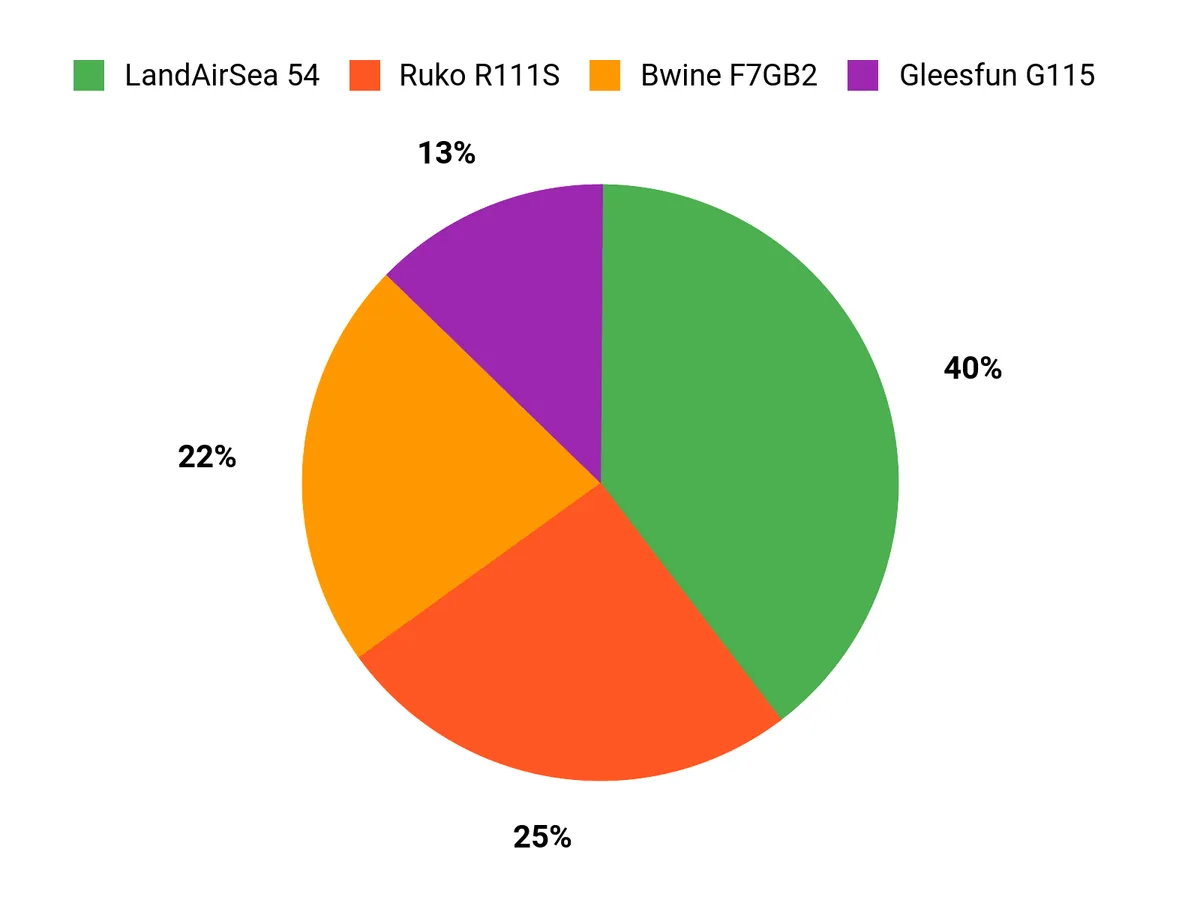
For Remote ID at the lowest weight, the Ruko R111S and Gleesfun G115 are the closest fit. Pick the Gleesfun G115 for longer runtime and the Ruko R111S if you want a buzzer. Choose the Bwine F7GB2 only if you also want an entry-level camera drone.
Wrapping Up
For the lightest Remote ID option with a buzzer, choose the Ruko R111S. For longer runtime between charges, choose the Gleesfun G115, which lists about 5 hours. If you want a drone with built-in GPS and a gimbal camera, the Bwine F7GB2 is an entry-level choice, but it is a drone, not a tracker.
The LandAirSea 54 is for vehicles and gear on the ground. It needs a monthly plan and is too heavy for most drones. Whatever you choose, match the tracker to your drone’s weight, how far you fly and whether you need Remote ID.
| Product Name | Image | Rating | Battery Life | Weight | Connectivity |
|---|---|---|---|---|---|
| Ruko R111S Remote ID Module |
|
See reviews on Amazon | 3 hours | 13.5 g | Bluetooth |
| Gleesfun G115 Remote ID Module |
|
See reviews on Amazon | 5 hours | 13.61 g | Bluetooth, Wi-Fi |
| Bwine F7GB2 Pro Drone |
|
See reviews on Amazon | About 15 min per battery | 570 g | Wi-Fi |
| LandAirSea 54 GPS Tracker |
|
See reviews on Amazon | 1-3 weeks (up to 6 months in low-power mode) | 4.8 oz (136 g) | 4G LTE |
This Roundup is reader-supported. When you click through links we may earn a referral commission on qualifying purchases.

