You rely on ready batteries to keep flights productive and safe. Choosing the right charging hub reduces downtime, keeps your battery fleet healthy, and makes field charging far less stressful.
This guide focuses on hubs that match DJI Mini-series models, balancing compatibility, charge speed, battery health features and portability so you can pick the hub that best fits how you fly.
Top Picks
|
Category |
Product |
Score |
|---|---|---|
|
🏆 Best Official Accessory |
95/100 |
|
|
🚀 Best Parallel Charging |
88/100 |
|
|
⚡ Fastest Charging |
87/100 |
|
|
💰 Best Budget Dual |
76/100 |
|
|
🎯 Best Travel-Friendly |
90/100 |
|
|
🎨 Best Display Readout |
84/100 |
|
|
🔌 Best Sequential Charger |
86/100 |
|
|
🔋 Best Three-Port Hub |
85/100 |
How We Picked
You need a charger that fits the way you fly, so we prioritized compatibility with Mini 3/4/5 series batteries, clear charge management and safety certifications. We weighted charge method and speed differently depending on the hub type, favoring parallel or high-wattage designs for rapid turnaround and sequential or two-way systems where battery longevity and organization matter. We also considered real-world factors like portability, build quality, display and monitoring features, the number of ports and value for price so you can match a choice to field needs or pro workflows.
DJI Two-Way

You get a compact, purpose-built hub that keeps three Mini-series batteries organized and topped up without juggling chargers. It charges in sequence, powers the remote and can act as a mobile power source when you need a quick top-up for a phone or controller.
For everyday sorties it removes downtime and clutter, and for longer shoots it helps you rotate batteries and maintain healthier cells. If you want a simple, reliable way to manage multiple DJI Mini batteries in the field, this is a very practical pick.
What People Say
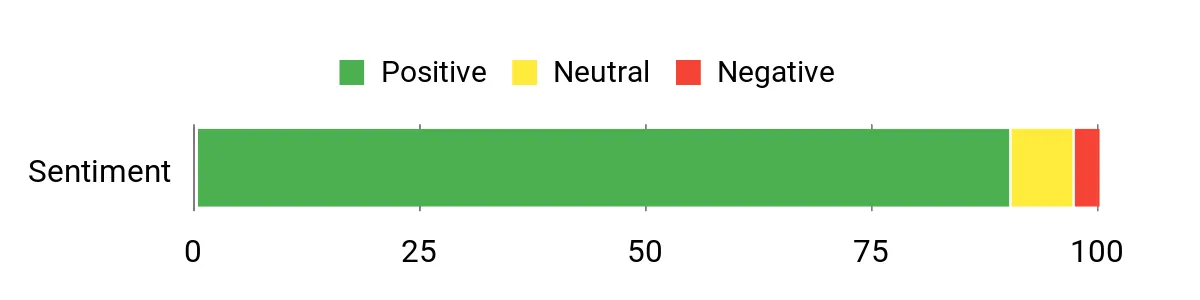
You’ll see consistent praise for how the hub simplifies battery management, especially its ability to hold and charge three batteries while showing individual battery levels. People also mention the unit’s compact footprint and the convenience of charging the remote without extra cables. Some users note that sequential charging takes longer than simultaneous charging but view that as a trade-off for better battery longevity.
Overall Sentiment: Positive
Where It Shines
|
Situation |
How It Helps |
|---|---|
|
Day Trip Flights |
You can rotate and charge batteries between flights without carrying multiple chargers, keeping flight time high and downtime low. |
|
Field Shoots |
The compact hub keeps batteries organized and shows charge status, so you can swap in a fresh cell quickly and avoid guesswork. |
|
Travel |
You can pack a single hub instead of several chargers and use it as a mobile power source for small devices while on the move. |
|
Battery Maintenance |
Sequential charging reduces stress on cells and helps you maintain a healthier battery fleet over many cycles. |
Usability
|
Feature |
Ease Level |
|---|---|
|
Setup |
Easy |
|
In-Field Swapping |
Easy |
|
Status Indicators |
Easy |
|
Charging Speed Management |
Moderate |
Versatile Use
You get more than a simple charger: it powers the remote, stores multiple batteries neatly and can act as a small power bank. That flexibility means one accessory covers multiple needs on a typical outing.
Safety
The hub includes the usual safety certifications (CE, FCC, RoHS) and uses sequential charging to limit stress on cells, which helps reduce overheating and extends battery life compared with aggressive simultaneous charging.
Practical Considerations
Its small footprint and built-in status lights make this a practical choice for pilots who want organized battery management without extra bulk. It’s designed to fit into your kit and simplify preflight prep.
Energy Efficiency
Sequential charging is not optimized for the absolute fastest turnaround, but it is gentler on batteries and avoids the heat spikes of parallel fast charging, which can be better for long-term efficiency.
Why You’ll Like It
- Charges up to three batteries in sequence while powering the remote
- Compact design that doubles as a mobile power source
- Clear status indicators to see each battery’s charge at a glance
- Sequential charging that helps preserve long-term battery health
Rating: 4.8 (total: 2817+)
Hanatora 6-in-1

You get a high-capacity hub that speeds up turnaround by charging multiple Mini-series batteries at once while giving you a clear LCD readout of status. It’s geared toward pilots who fly a lot in a day or run multi-battery shoots and want faster refill times than sequential chargers provide. For daily sorties it cuts waiting between flights, and for longer jobs it keeps your kit organized and visible. If you need quick repeat flights and easy monitoring, this hub is a practical, performance-focused choice.
What People Say
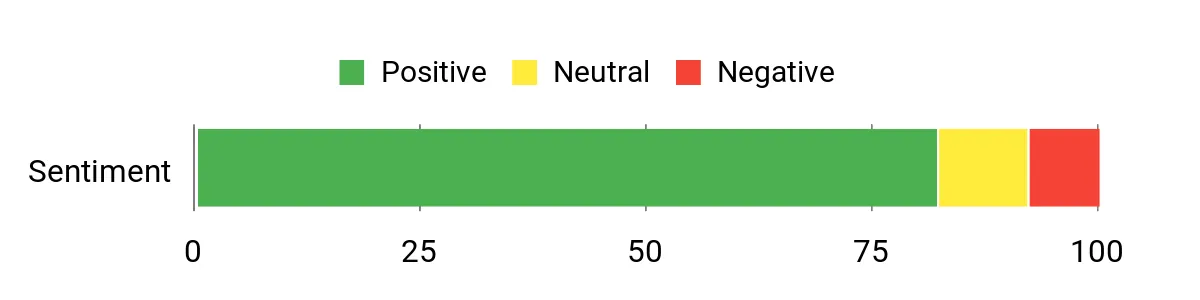
Customers often highlight the speed and convenience of the parallel charging and the usefulness of the LCD readout for keeping tabs on battery status. Many appreciate that it handles multiple Mini-series batteries without extra adapters, though a number of users point out you should pair it with a sufficiently powerful power brick and expect a short learning curve for optimal setup.
Overall Sentiment: Positive
Where It Shines
|
Situation |
How It Helps |
|---|---|
|
Day Trips |
You can top several batteries between flights and spend more time flying instead of waiting for chargers. |
|
Event Shoots |
Fast parallel charging keeps a pipeline of ready batteries when you need continuous coverage. |
|
Team Operations |
Multiple ports let you centralize charging for several pilots or devices in one compact hub. |
|
Quick Turnarounds |
Parallel charging reduces downtime when back-to-back sorties are required. |
Usability
|
Feature |
Ease Level |
|---|---|
|
Setup |
Moderate |
|
Parallel Charging |
Easy |
|
Display Readout |
Easy |
|
Power Requirements |
Moderate |
Versatile Use
This hub works well whether you’re topping off batteries between flights, charging several cells overnight, or managing kit for a small team. The LCD and multiple ports let it adapt to different workflows.
Safety
The unit meets CE and FCC standards and includes built-in protections common to smart chargers. The LCD helps you monitor status so you can spot issues early, and the design avoids running batteries without oversight.
Practical Considerations
It consolidates multiple chargers into one device and reduces cable clutter, but you should plan for a dedicated high-wattage power source to get the best performance in the field.
Energy Efficiency
Parallel fast charging gets batteries ready quickly but produces more heat than slow sequential charging; good airflow and a capable power brick help maintain efficiency and longevity.
Why You’ll Like It
- Simultaneous parallel charging for faster turnaround
- Clear LCD display for status monitoring
- Wide compatibility with Mini 5/4/3 Pro batteries
- Six ports to consolidate charging gear
Rating: 4.6 (total: 255+)
LKTOP 100W
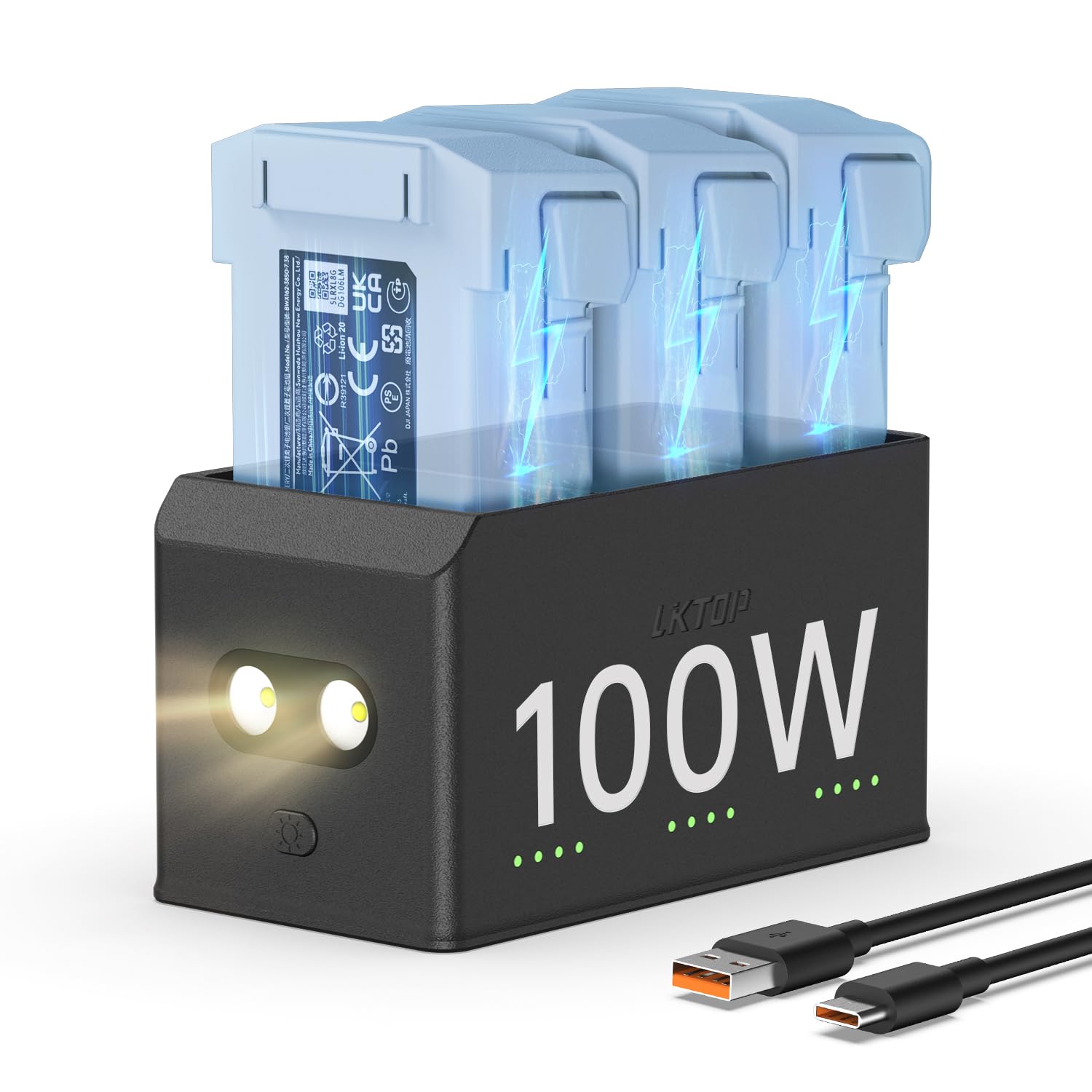
You get a purpose-built fast-charging hub that shrinks turnaround between flights by charging multiple Mini-series batteries quickly. It’s aimed at pilots who need rapid refreshes for back-to-back sorties, whether you’re running quick day trips or covering an event that demands continuous uptime.
The unit is compact enough to tuck into your kit and flexible enough to serve as a central charging point for a small team or multiple devices. If you value speed and consolidated charging over the gentlest cycle management, this hub is a solid pick for busier flight days.
What People Say
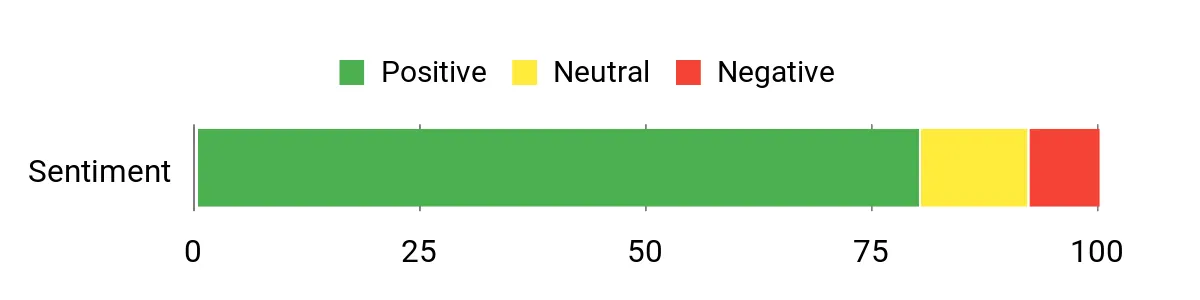
Customers commonly praise the hub for significantly reducing wait time between flights and for its ability to charge several Mini batteries quickly. Users also note the convenience of a compact, multiport unit that keeps cables and batteries organized.
A recurring point is the need for a robust power brick to unlock peak performance, and a few people mention wanting even clearer charge indicators.
Overall Sentiment: Positive
Where It Shines
|
Situation |
How It Helps |
|---|---|
|
Day Trips |
You can top multiple batteries between sorties so you spend more time flying and less time waiting. |
|
Event Coverage |
Fast parallel charging keeps a steady supply of ready batteries during long shoots or multi-hour assignments. |
|
Team Operations |
Multiple ports let you centralize charging for several pilots or devices, simplifying logistics on location. |
|
Packing Light |
Its compact footprint replaces several chargers, helping you carry less while keeping battery management efficient. |
Usability
|
Feature |
Ease Level |
|---|---|
|
Setup |
Moderate |
|
Parallel Charging |
Easy |
|
Port Management |
Easy |
|
Power Requirements |
Moderate |
Versatile Use
It handles batteries and peripherals, suits single pilots or small teams, and works well for quick turnarounds or centralized charging setups, making it adaptable across common drone workflows.
Safety
Built to standard charging protections and designed to manage heat during high-watt charging; pairing it with adequate ventilation and the correct power brick helps maintain safe operation.
Practical Considerations
The hub consolidates charging gear and reduces clutter in your bag, though you should plan for a capable power source and allow for slightly more heat during heavy use.
Energy Efficiency
Fast parallel charging shortens idle time but generates more heat than sequential charging, so balancing speed with battery longevity is worth considering for heavy use.
Why You’ll Like It
- High-wattage parallel charging for fast battery turnover
- USB-C support and broad Mini-series compatibility
- Compact design that centralizes multiple ports
- Good option for multi-battery workflows or team use
Rating: 4.5 (total: 174+)
Amazear Dual

You get a compact, purpose-built dual hub that focuses on speed and simplicity. It charges two Mini-series batteries at the same time, so you can get back in the air faster on busy days, and it’s small enough to fit in a travel kit. For everyday flying it trims downtime between sorties, and for quick gigs it keeps a pair of ready batteries without extra adapters. If you want straightforward, faster dual charging without a lot of setup, this model is an easy, practical choice.
What People Say
Users frequently call out the convenience of simultaneous dual charging and the hub’s small size, which makes it handy on day trips. Many appreciate how it simplifies battery rotation, while some note that peak performance depends on pairing it with a solid power source and that a few units could feel plasticky.
Overall Sentiment: Positive
Where It Shines
|
Situation |
How It Helps |
|---|---|
|
Casual Flying |
You can top up two batteries between short sessions so you aren’t stuck waiting after a couple of flights. |
|
Weekend Shoots |
Dual charging speeds up turnaround for a compact crew or solo operator covering several locations. |
|
Travel |
Its small size makes it easy to pack, replacing multiple single chargers and saving space in your bag. |
|
Quick Turnarounds |
Simultaneous charging reduces idle time when you need both batteries ready fast. |
Usability
|
Feature |
Ease Level |
|---|---|
|
Setup |
Easy |
|
Dual Charging |
Easy |
|
Portability |
Easy |
|
Power Source Match |
Moderate |
Versatile Use
It’s ideal if your routine relies on two batteries and you want a compact solution that also supports small peripherals via USB-C, though it’s less suited to users who need extensive telemetry or multiple simultaneous ports.
Safety
The hub carries standard protections and certifications and is designed for two-way charging; sensible ventilation and the correct input power help keep temperatures in check during faster charging.
Practical Considerations
This hub reduces charger clutter and is straightforward to pack, making it appealing for pilots who prioritize speed and simplicity in the field.
Energy Efficiency
Simultaneous charging shortens total downtime but can produce more heat than slow sequential charging, so balance speed needs against long-term battery care.
Why You’ll Like It
- Charges two batteries simultaneously for faster turnaround
- Compact, travel-friendly footprint
- USB-C connectivity for common power sources
- Simple two-way operation that’s easy to integrate into a kit
Rating: 4.2 (total: 729+)
Lyongtech Dual

You get a compact dual hub that balances convenience and battery care. It charges two Mini 3/4/5 batteries while showing their charge status, so you can rotate cells and avoid surprises on the next flight. The unit is small enough to slip into your kit but capable enough for regular use, making it a good fit for day trips, quick gigs or as a backup in a larger rig.
If you want straightforward battery management without extra complexity, this hub does the job reliably.
What People Say
Customers frequently praise the hub for its reliable charge management and clear status indicators, which remove guesswork when you’re juggling cells. Many users mention its compact size and how it simplifies preflight prep, while a few note that the sequential approach trades absolute speed for gentler charging and longer battery life.
Overall Sentiment: Positive
Where It Shines
|
Situation |
How It Helps |
|---|---|
|
Day Trips |
You can top two batteries between flights so you waste less time waiting and more time flying. |
|
On-Location Shoots |
Clear status lights and compact storage keep batteries organized for quick swaps during shoots. |
|
Travel |
Its small size makes it easy to pack as a single hub instead of multiple chargers, saving space in your bag. |
|
Battery Maintenance |
Sequential two-way charging is gentler on cells, helping you preserve battery health over many cycles. |
Usability
|
Feature |
Ease Level |
|---|---|
|
Setup |
Easy |
|
Battery Swapping |
Easy |
|
Status Monitoring |
Easy |
|
Power Matching |
Moderate |
Versatile Use
It works well as a day-to-day hub, a travel-friendly backup and part of a larger charging strategy, handling batteries and small peripherals with both USB-A and USB-C inputs.
Safety
Built-in protections and standard certifications help manage charging safely, and the sequential charging approach reduces heat stress compared with aggressive simultaneous charging.
Practical Considerations
The hub reduces charger clutter and keeps batteries visible and organized, making preflight routines faster and less error-prone for regular pilots.
Energy Efficiency
Sequential charging isn’t the fastest, but it generally produces less heat and can be kinder to battery longevity, which is important if you want consistent performance over time.
Why You’ll Like It
- Dual two-way charging for efficient battery rotation
- Visible battery level indicators for quick checks
- USB-A and USB-C support for flexible power sources
- Compact footprint that fits easily into a kit
Rating: 4.7 (total: 421+)
Lyongtech Display
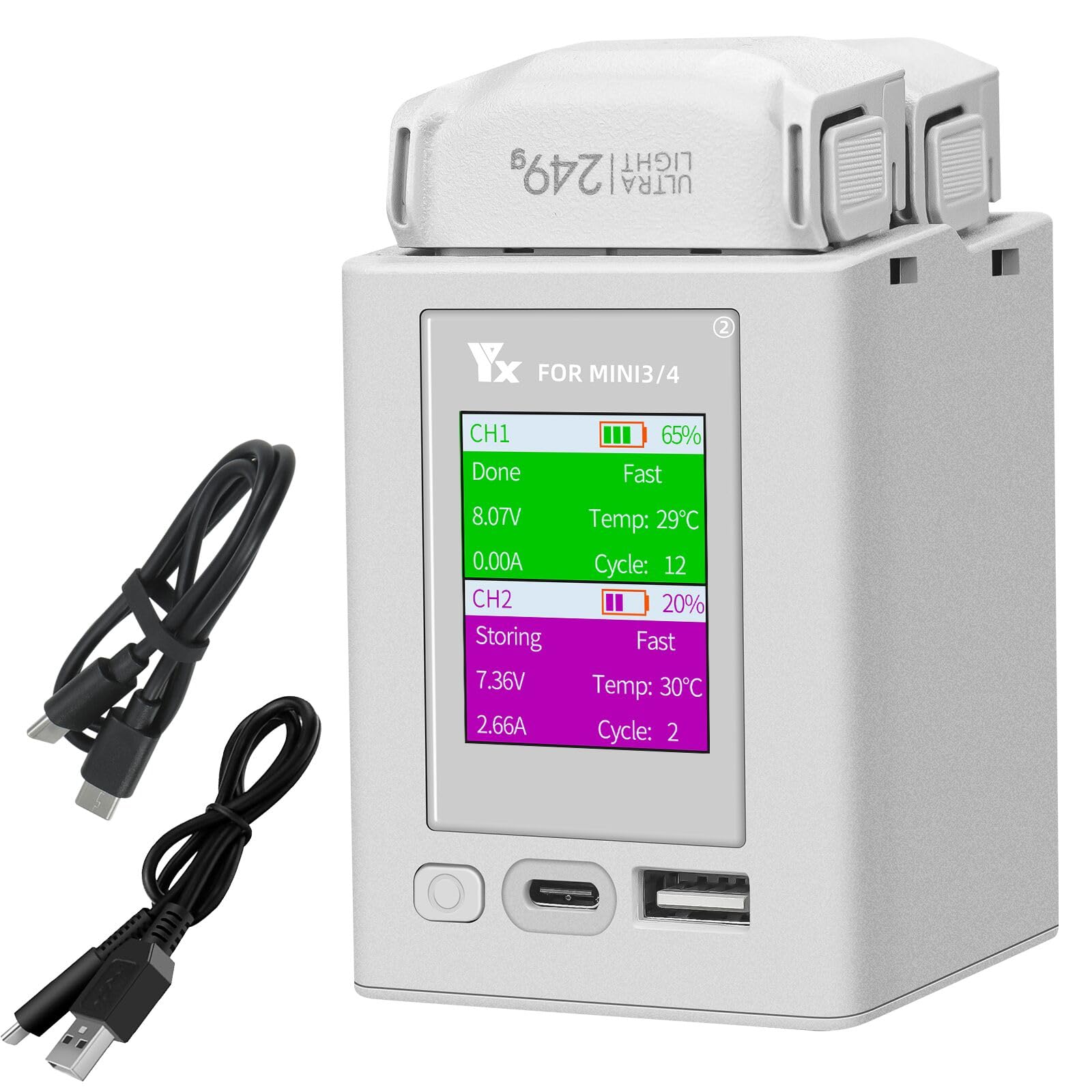
You get a smart dual charger that’s built around its LCD: it shows volt, temp and cycle counts so you can make informed decisions about battery use. That makes it useful for daily sorties where you want quick status checks and for professional shoots where tracking cycles and health matters.
It charges two batteries faster than stock chargers and offers pause/hold features to store batteries safely. If you value monitoring and control over simple plug-and-charge convenience, this unit is a practical choice.
What People Say
Users consistently praise the display for giving useful, actionable battery data that helps avoid guesswork during field use. Many note the faster charging and automated safety behaviors, and professionals appreciate the cycle tracking for maintenance. A common caveat is that it performs best with a higher-wattage power brick, which some buyers call out when discussing peak speeds.
Overall Sentiment: Positive
Where It Shines
|
Situation |
How It Helps |
|---|---|
|
Day Trips |
Quick status checks on the LCD let you rotate batteries confidently between short flights so you aren’t guessing which cell is ready. |
|
On-Location Shoots |
Cycle counts and temperature readouts help you manage battery health during long shoots and avoid mid-job failures. |
|
Road Trips |
It works well with powerful car chargers and can be a central charging point when you’re moving between sites. |
|
Maintenance Routines |
Detailed telemetry makes it easier to rotate and retire batteries thoughtfully, extending overall fleet life. |
Usability
|
Feature |
Ease Level |
|---|---|
|
Setup |
Moderate |
|
Display Readout |
Easy |
|
Charging Control |
Moderate |
|
Portability |
Easy |
Versatile Use
It fits into many workflows: daily pilots get quick battery checks, pros gain cycle insights for maintenance, and travelers can rely on USB-A/C support to charge from different sources.
Safety
The charger monitors temperature and voltage, offers pause/hold functions and stops charging when limits are reached, aligning with common safety standards to protect cells.
Practical Considerations
Its compact design and informative display reduce guesswork and clutter, making preflight prep faster and helping you keep batteries stored at healthy levels between uses.
Energy Efficiency
The unit balances speed and care: it charges faster than stock units but uses monitoring and automatic cutoffs to avoid heat stress, so you trade a bit of raw speed for safer, more consistent cycles.
Why You’ll Like It
- Detailed LCD readout with volt, temperature and cycle information
- Faster dual charging compared with stock chargers
- Pause/hold and safety cutoffs to protect battery health
- Supports USB-A and USB-C inputs for flexible power sources
Rating: 4.4 (total: 233+)
Hanatora Sequence

You get a compact hub designed to keep three Mini-series batteries organized and topped up without juggling multiple cables. It charges batteries in sequence, which helps you rotate cells and avoid guessing which one is ready. That makes it handy for regular flying days, quick field sessions and as a tidy storage solution between uses.
If you prefer orderly battery management and care more about longevity than raw charge speed, this hub fits neatly into a practical workflow.
What People Say
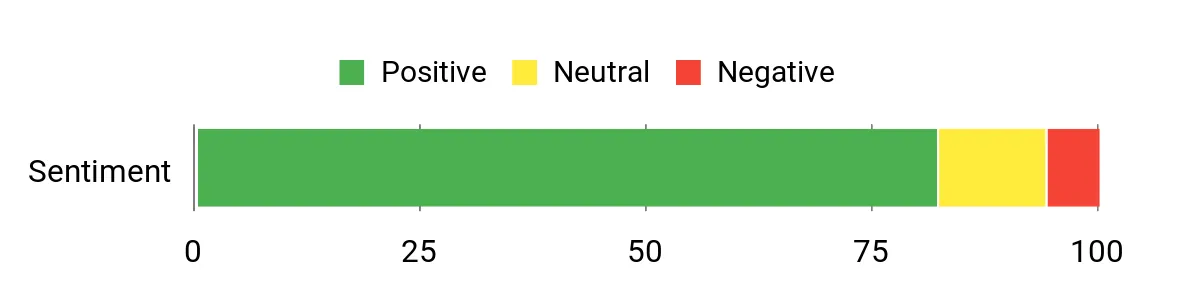
Customers often appreciate how the hub declutters a kit and makes battery rotation straightforward by charging in sequence. Many praise its compact size and reliability for regular field use, while a number of users mention that sequential charging is slower than parallel alternatives but gentler on battery health.
Overall Sentiment: Positive
Where It Shines
|
Situation |
How It Helps |
|---|---|
|
Weekend Flights |
Keeps three batteries organized and ready so you can fly multiple sorties without searching for chargers. |
|
Field Work |
Sequential charging lets you rotate batteries methodically, reducing surprises during long shoots. |
|
Travel |
Small footprint saves bag space and replaces several single chargers for simpler packing. |
|
Battery Care |
Gentler sequential charging lowers heat stress, which helps maintain battery longevity over many cycles. |
Usability
|
Feature |
Ease Level |
|---|---|
|
Setup |
Easy |
|
Battery Insertion |
Easy |
|
Status Visibility |
Moderate |
|
Charging Speed |
Moderate |
Versatile Use
It’s ideal for pilots who prioritize neat battery management and longevity; it works well for daily flying, travel and as part of a larger charging strategy where you favor order over maximum speed.
Safety
Built-in protections manage charge cycles and help prevent overcharging; the sequential approach also reduces peak heat compared with aggressive simultaneous charging.
Practical Considerations
The hub consolidates batteries into one compact unit that fits easily in your kit and streamlines preflight checks, cutting down on cable clutter and guesswork.
Energy Efficiency
Sequential charging trades raw speed for lower heat and gentler treatment of cells, which can improve efficiency over the long run by preserving battery capacity.
Why You’ll Like It
- Charges three batteries in sequence for orderly rotation
- Compact design that doubles as storage
- USB-C input for common power sources
- Simplifies preflight prep by keeping batteries visible and accessible
Rating: 4.5 (total: 200+)
Lyongtech 100W
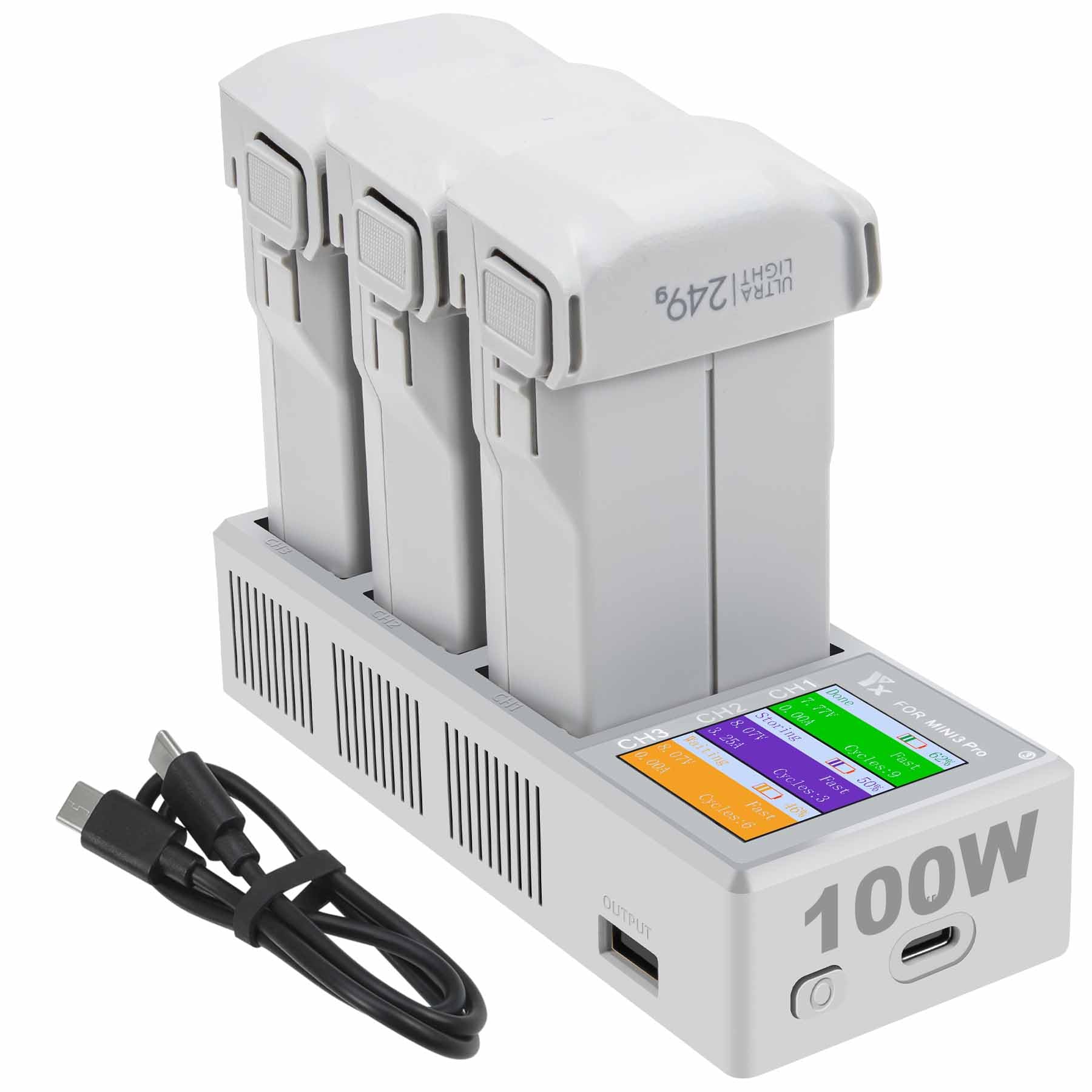
You get a powerful multifunction hub built around a clear LCD that shows voltage, temperature and cycle data while charging up to three Mini-series batteries. It supports storage and discharge modes so you can prep batteries for travel or maintenance, and the higher wattage shortens turnaround when paired with a capable power source.
For daily flying it reduces downtime and for multi-hour shoots it gives you the telemetry you need to manage battery health. If you want a single device that combines speed, monitoring and storage features, this unit balances those needs well.
What People Say
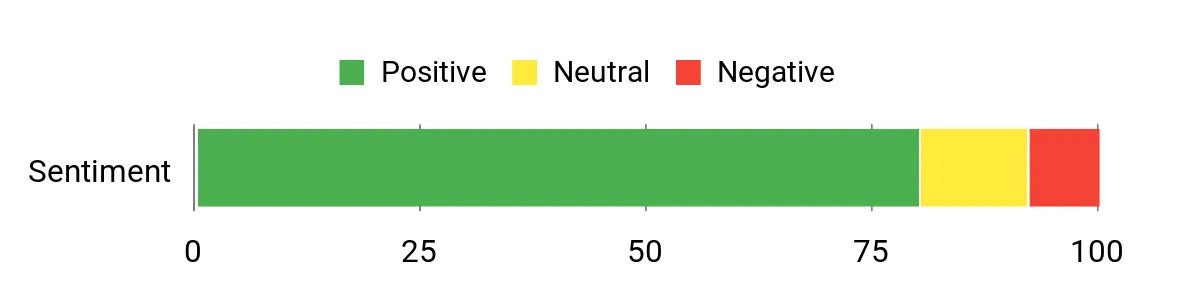
Users commonly praise the informative LCD and the unit’s ability to charge multiple batteries faster than stock chargers. Many appreciate the storage and discharge features for maintaining battery health, and several note it becomes noticeably more effective when paired with a higher-wattage power supply.
A few mention that the advanced features add a slight learning curve but are worth it for the control they provide.
Overall Sentiment: Positive
Where It Shines
|
Situation |
How It Helps |
|---|---|
|
Day Trips |
Faster charging and clear status lets you rotate cells quickly so you can fit more flights into a single outing. |
|
Event Coverage |
Multiple ports and rapid recharge keep a steady supply of ready batteries during long shoots or back-to-back sorties. |
|
Road Trips |
Storage and discharge modes make it easier to prepare batteries for travel and reduce stress on cells during transit. |
|
Maintenance Routines |
Telemetry and cycle counts help you track battery health and rotate or retire cells at the right time. |
Usability
|
Feature |
Ease Level |
|---|---|
|
Setup |
Moderate |
|
Display Readout |
Easy |
|
Charging Control |
Moderate |
|
Port Management |
Easy |
Versatile Use
This hub adapts to many workflows: quick turnarounds when you need speed, detailed monitoring for professionals, and storage/discharge modes for travel or long-term care.
Safety
On-screen monitoring of temperature and voltage, automatic cutoffs and storage/discharge controls help prevent overcharging and reduce heat stress during heavy use.
Practical Considerations
The three-port layout and screened telemetry consolidate several functions into one compact unit, reducing cable clutter and simplifying preflight checks.
Energy Efficiency
High-watt charging shortens idle time but can generate more heat; the unit’s monitoring features and controlled discharge modes help balance speed with long-term battery care.
Why You’ll Like It
- 100W output for faster charging when matched with a suitable power brick
- LCD telemetry shows volts, temperature and cycle counts for informed decisions
- Storage and discharge functions to prepare batteries for travel or long-term storage
- Three-port design consolidates chargers and reduces kit clutter
Rating: 4.5 (total: 234+)
FAQ
How Do I Choose The Right Charging Hub?
Start by matching the hub to how you fly: check compatibility with your Mini model, decide whether you want sequential charging for gentler battery care or parallel charging for faster turnaround, and think about how many batteries or devices you need to support in the field. Also consider monitoring features like an LCD or status lights if you want telemetry, and factor in portability and build quality so the hub fits your kit.
Finally, make sure the hub’s input requirements align with the power source you’ll use, because real-world performance often depends more on the adapter than on the charger itself.
Are Third-Party Hubs Safe And Compatible?
Many third-party hubs work well, but you should verify the compatibility list and look for safety certifications such as CE, FCC, RoHS or UL and built-in protections for overheat and overcharge. Read user feedback about long-term reliability and whether the hub handles OEM and non-OEM batteries without issues, and avoid models with vague specs or poor connector quality.
If you want the simplest compatibility guarantee, the official DJI hub removes guesswork, but reputable third-party units often add features like parallel charging or detailed telemetry that you may value.
How Fast Will My Batteries Charge And What Affects Speed?
Charging speed depends on the hub’s design (sequential versus parallel), its current and wattage rating, and the power adapter you pair it with; a high-wattage USB-C PD brick will let parallel chargers reach their potential while sequential hubs usually take longer but are gentler on cells. Expect trade-offs: faster parallel charging shortens downtime but produces more heat, while slower sequential charging tends to be kinder to battery health. To get reliable peak speeds, use a recommended high-capacity power brick and give the hub adequate ventilation during heavy charging.
Preferred Charging Features
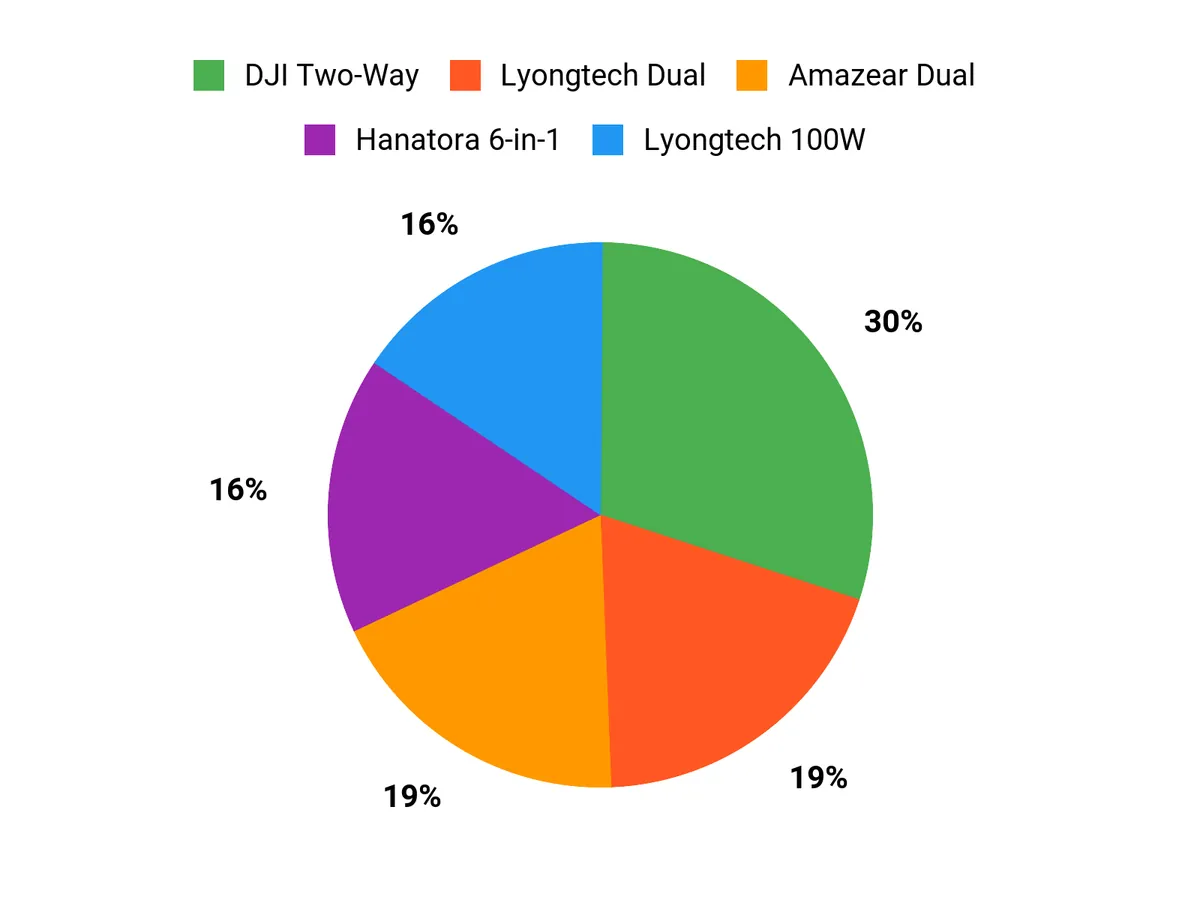
You typically prioritize whether you want speed or battery longevity: parallel, high-watt hubs like the LKTOP 100W and Hanatora 6-in-1 are chosen for rapid turnarounds, while the DJI Two-Way is favored when you want gentler sequential charging and tidy battery management. You also look for clear status indicators and practical portability, so LCD readouts, USB-C power support and the ability to charge the remote are common deciding factors.
Wrapping Up
If you want a no-nonsense, fully compatible option that balances convenience and longevity, the DJI Two-Way hub is the most reliable starting point. If speed is your priority pick a high-watt parallel charger like the LKTOP 100W or the Hanatora 6-in-1 for faster turnarounds.
Choose Lyongtech models when you need detailed battery telemetry or a compact travel-friendly hub, and opt for the Amazear Dual when budget and simple dual charging are your main constraints. Use this list to match a hub to how you plan to operate in the field so you get fewer interruptions and healthier batteries over time.
| Product Name | Image | Rating | Compatible Devices | Battery Charge Time | Number of Ports |
|---|---|---|---|---|---|
| DJI 30W USB-C Two-Way Charging Hub |
|
4.8/5 (2,817 reviews) | DJI Mini 3, DJI Mini 3 Pro, Smartphone | 3 hours | 4 |
| Hanatora LCD Simultaneous Charger |
|
4.6/5 (255 reviews) | DJI Mini 5, Mini 4 Pro, Mini 3, Mini 3 Pro | 110 minutes | 6 |
| LKTOP 100W Parallel Charging Hub |
|
4.5/5 (174 reviews) | DJI Mini 5 Pro, Mini 4 Pro, Mini 3 Pro, SKYROVER X1 | 47-70 minutes (for 3 batteries) | 4 |
| AMAZEAR Battery Charger for DJI Mini |
|
4.2/5 (729 reviews) | DJI Mini 3 Pro, Mini 4 Pro, Mini 5 Pro, SKYROVER X1 | 75 minutes | 2 |
| Battery Charger Hub with Storage Charge for DJI Mini |
|
4.7/5 (421 reviews) | DJI Mini 5 Pro, Mini 4 Pro, Mini 3, Mini 3 Pro | Varies | 2 |
| 100W Multifunction LCD Battery Charger for DJI Mini |
|
4.5/5 (234 reviews) | DJI Mini 5 Pro, Mini 4 Pro, Mini 3 series | Varies | 3 |
| Hanatora Charger Hub with Storage Charging |
|
4.5/5 (200 reviews) | DJI Mini 3, Mini 3 Pro, Mini 4 Pro | N/A | 1 |
This Roundup is reader-supported. When you click through links we may earn a referral commission on qualifying purchases.
