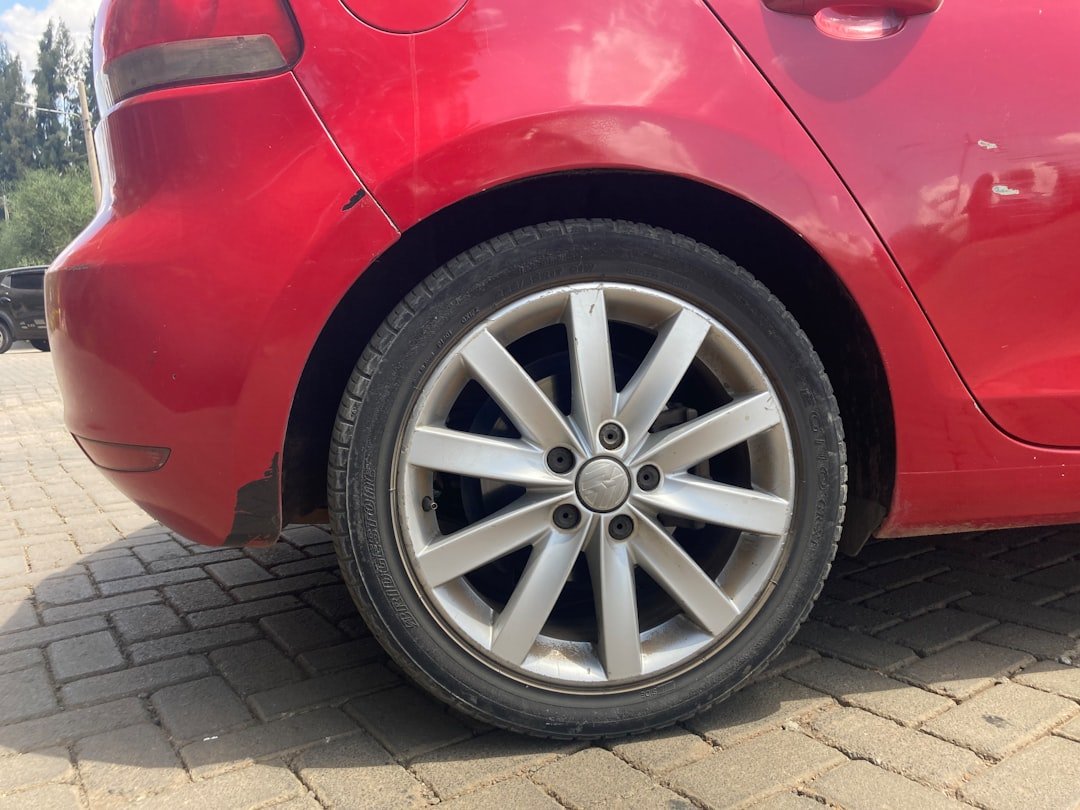
Tire size is a critical factor in vehicle performance, safety, comfort, and fuel efficiency. A tire size is usually shown as a series of numbers and letters, such as P215/65R15. In that example, “P” describes the tire class, “215” shows the tire width in millimeters, and “65” shows the aspect ratio, which is the sidewall height as a percentage of the tire width.
The “R” means the tire uses radial construction, while “15” shows the wheel diameter in inches. Understanding these markings helps you choose tires that fit your vehicle, support its weight, and match the way you drive.
Quick Answer
Choose car tires by matching the size, load index, and speed rating listed in your owner’s manual or driver-side door placard. Then pick a tire type based on your climate, road conditions, driving style, comfort needs, tread life expectations, and budget.
Using the incorrect tire size can affect handling, braking, tire wear, fuel economy, and safety systems such as ABS and traction control.
In addition to size, the type of tire plays a major role in performance. Common tire categories include all-season, summer, winter, performance, touring, and off-road tires. All-season tires are designed to provide balanced performance in mild to moderate conditions, making them suitable for many daily drivers.
Winter tires use rubber compounds and tread designs that help maintain grip in cold weather, snow, and ice. Summer and performance tires usually focus on dry and wet grip in warmer conditions. Off-road tires use deeper tread blocks and stronger sidewalls to handle rough terrain. Choosing the right tire type for your driving habits and conditions helps maximize safety, comfort, and value.
Key Takeaways
- Start with the tire size, load index, and speed rating recommended by your vehicle manufacturer.
- Match the tire type to your climate, road surfaces, and driving style.
- Check tread pattern and tread depth because both affect wet traction, braking, and control.
- Consider comfort, noise, fuel efficiency, and longevity before choosing the cheapest tire.
- Ask a tire professional when you carry heavy loads, tow, drive in severe weather, or change wheel sizes.
Considering Weather Conditions and Terrain
Weather conditions strongly influence tire performance and longevity. In regions with harsh winters, dedicated winter tires can improve traction on icy, snowy, and cold roads. These tires use compounds designed to stay more flexible in low temperatures, which helps the tread maintain contact with the road.
Winter tire tread patterns also help move snow, slush, and water away from the contact patch. This can reduce slipping and improve braking in winter driving. In warmer climates where snow and ice are rare, all-season or summer tires may be a better fit, depending on your driving needs.
Warning: Do not assume an all-season tire performs like a winter tire in severe snow or ice. If you regularly drive in freezing weather, compare winter-rated options before buying.
Terrain also plays a major role in tire selection. Drivers who often travel on gravel roads, muddy paths, job sites, or rocky trails may need all-terrain or off-road tires. These tires usually have deeper tread blocks and stronger sidewalls to resist cuts, punctures, and uneven wear.
Urban and highway drivers usually benefit from touring or grand touring tires that focus on comfort, road noise, wet braking, and tread life. Understanding the connection between climate, terrain, and driving style helps you narrow your tire options quickly.
[Amazon Products Picked for You]
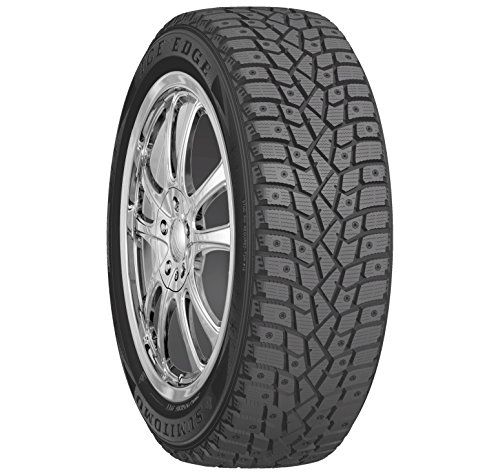
Fit Type: Vehicle Specific

Grip Plus outsole provides incredible traction on wet ice and slippery, oily conditions.
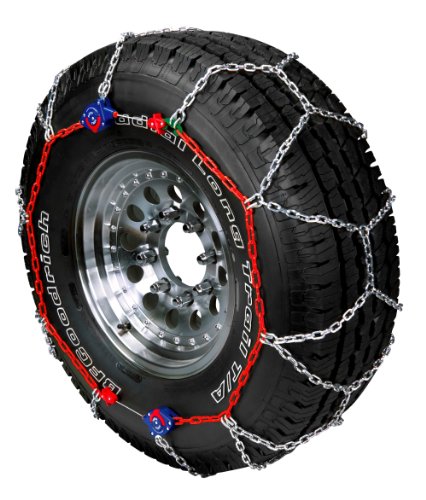
Worry-Free Self-Tightening Ratchets Provide Automatic Tightening And Centering
Evaluating Tread Patterns and Depth

The tread pattern of a tire affects traction, handling, braking, and water dispersion. Tires come with several tread designs, including symmetrical, asymmetrical, and directional patterns. Each design serves a different purpose.
Symmetrical tread patterns often support quiet, balanced everyday driving. Asymmetrical and directional patterns usually focus more on cornering, wet traction, or water evacuation.
Symmetrical tread patterns are common on many all-season and touring tires. They provide steady performance across everyday driving conditions. Asymmetrical tread designs use different inner and outer tread zones to improve cornering stability while still supporting comfort.
Directional tread patterns are designed to rotate in one direction. Their V-shaped grooves help move water away from the tire’s contact patch, making them useful for wet-road performance. However, directional tires must be mounted and rotated correctly, so installation matters.
Tread depth is another vital consideration. The depth of the tread grooves affects how well a tire grips the road, especially in rain, snow, or slush. A tire with shallow tread can increase stopping distances and raise the risk of hydroplaning.
Many drivers replace tires before they reach the legal minimum tread depth because wet traction drops as tread wears down. You can check tread depth with a tread depth gauge, wear bars, or a simple coin test. Regular checks help you catch unsafe wear before it becomes a serious problem.
Pro Tip: Check tread depth in several places across each tire. Uneven readings may point to alignment issues, underinflation, overinflation, or worn suspension parts.
[Amazon Products Picked for You]

Features an all-season tread design

Patented tread pattern: Provides a comfortable and quiet ride

Product Overview: The Fullway HP108 are 205/55R16 91V SL-Standard Load, 4 Ply Rated Performance Tires Manufactured For Passengers
Assessing Traction and Grip
| Surface Type | Traction Level | Grip Level |
|---|---|---|
| Dry Pavement | High | Strong |
| Wet Pavement | Medium | Moderate |
| Snow/Ice | Low | Weak |
Traction is a core part of tire performance because it affects safety, braking, acceleration, and steering control. It refers to the tire’s ability to maintain contact with the road surface under different driving conditions. Tire compound, tread design, temperature, inflation pressure, and road surface all influence traction.
For example, summer tires often provide strong traction in warm conditions because their rubber compounds are designed for dry and wet roads above colder winter temperatures. Winter tires perform better in cold weather because their materials and tread designs help maintain grip on snow and ice.
Grip is closely related to traction, but it covers a broader range of performance. It describes how well a tire holds the road during acceleration, braking, lane changes, and cornering. Tires with high grip levels can improve control, but they may also wear faster depending on the compound and driving style.
When comparing tires, consider how you actually drive. A commuter may need quiet operation and dependable wet braking. A spirited driver may want sharper handling. A driver on rural roads may care more about durability, puncture resistance, and all-weather traction.
Understanding Load Index and Speed Rating
The load index and speed rating are essential specifications. They indicate how much weight a tire can safely carry and the maximum speed capability under proper conditions. The load index is shown as a number that corresponds to a weight limit. For example, a load index of 95 commonly means the tire can support up to 1,521 pounds when properly inflated.
You should choose tires with a load index that matches or exceeds your vehicle manufacturer’s requirement. This is especially important for SUVs, trucks, vans, towing, work vehicles, and vehicles that regularly carry heavy passengers or cargo. Using tires with too low of a load rating can increase heat, wear, and failure risk.
The speed rating is shown as a letter. It indicates the maximum speed a tire can safely sustain under controlled conditions when properly inflated and loaded. For example, an “H” speed rating commonly indicates capability up to 130 mph. However, a higher rating does not automatically make a tire the best choice for every vehicle.
While higher speed ratings may support sharper handling, they can sometimes reduce ride comfort or tread life. Always match the rating to your vehicle, your driving needs, and the manufacturer’s recommendations. Using tires with an inadequate load index or speed rating can compromise safety.
Note: If you change wheel size, tow often, or carry heavy loads, ask a qualified tire professional to confirm the correct load index, inflation pressure, and fitment.
Considering Noise and Comfort

Tire noise is an often-overlooked part of tire selection, yet it can strongly affect driving comfort. The tread pattern, tread block spacing, rubber compound, and tire construction all influence how much road noise a tire creates while rolling.
Tires with aggressive tread patterns may provide strong traction in mud, gravel, or snow, but they can produce more road noise on pavement. Touring and grand touring tires usually focus on quieter operation, smoother ride quality, and predictable handling for daily driving.
Comfort also includes ride quality and vibration control. Tires with taller sidewalls may absorb bumps better than low-profile tires. Softer tire constructions can smooth out rough pavement, while stiffer performance tires can feel sharper but less forgiving.
A well-balanced tire choice can improve comfort without sacrificing safety or handling. When evaluating tires, consider sidewall height, tire category, road noise reviews, and the type of roads you drive most often.
Exploring Fuel Efficiency and Rolling Resistance
Fuel efficiency is an important consideration for many drivers. Tire selection can affect fuel economy through rolling resistance, which is the energy required to keep a tire moving. Tires with lower rolling resistance require less energy from the engine, which may help improve fuel efficiency.
Manufacturers often design fuel-efficient tires with tread patterns, casing designs, and rubber compounds that reduce energy loss. These are sometimes labeled as low rolling resistance tires. They can be useful for commuters, hybrid vehicles, electric vehicles, and drivers who prioritize long-term operating costs.
However, fuel efficiency should not be the only factor. Some low rolling resistance tires may trade off grip, ride feel, or tread life depending on the model. A smart tire choice balances fuel savings with wet braking, handling, comfort, and durability.
Keeping your tires properly inflated also supports fuel efficiency. Underinflated tires can increase rolling resistance, raise tire temperature, and speed up wear. Check the recommended pressure on the tire placard or in your owner’s manual, not the maximum pressure printed on the tire sidewall.
Understanding Tire Construction and Material
The construction of a tire affects performance, durability, comfort, and safety. Most modern passenger tires use radial construction, where internal cords run across the tire from bead to bead. This design helps the tire flex properly while maintaining stability.
Many tires include synthetic rubber compounds, steel belts, textile cords, bead bundles, sidewall rubber, and tread compounds. Each part contributes to a different performance area. Steel belts help support strength and stability. Rubber compounds affect grip, wear, heat resistance, and cold-weather flexibility.
High-performance tires often use advanced rubber compounds that provide strong grip but may wear out more quickly than standard touring or all-season options. Off-road and light-truck tires may use stronger sidewalls and tougher casing designs to resist damage under heavier use.
Understanding tire construction helps you compare tires beyond the basic size. Two tires may fit the same wheel, but they can perform very differently based on materials, load rating, tread design, and intended use.
Evaluating Longevity and Durability
Tire longevity matters because tires are a major vehicle maintenance expense. A tire’s lifespan depends on driving habits, road conditions, alignment, rotation schedule, inflation pressure, load, climate, and tire quality. Hard braking, fast cornering, potholes, and underinflation can all shorten tire life.
Many manufacturers provide mileage warranties that estimate expected tread life under normal driving conditions. These warranties can help compare value, but they do not guarantee identical results for every driver. Real-world use can vary widely.
Durability is closely related to longevity, but it focuses more on how well a tire resists damage. Tires designed for rugged use often feature reinforced sidewalls, stronger casing materials, and tougher tread compounds. These features can help resist punctures, abrasions, and impact damage.
Regular tire rotation, proper inflation, alignment checks, and visual inspections can extend tire life. You should also inspect for cracking, bulges, embedded objects, uneven wear, and sidewall damage. A tire may need replacement even if it still has tread left.
Considering Budget and Value
Budget plays a major role when choosing new tires. While it may be tempting to choose the cheapest available option, value matters more than price alone. Cheaper tires may save money at purchase, but they can cost more over time if they wear quickly, ride poorly, or perform poorly in wet conditions.
Higher-quality tires from reputable manufacturers often provide better value through improved traction, braking, comfort, tread life, and warranty coverage. They may also help reduce long-term costs through better fuel efficiency or fewer early replacements.
When comparing value, consider the full cost of ownership. Look at expected tread life, road hazard coverage, wet-weather performance, seasonal needs, installation fees, rotation costs, and whether you need a second set of winter tires.
Also consider your risk level. If you drive mostly short trips in mild weather, a balanced touring tire may be enough. If you drive at highway speeds, carry family members, tow, or face heavy rain or snow, investing in better tires can be a safety decision, not just a comfort upgrade.
[Amazon Products Picked for You]
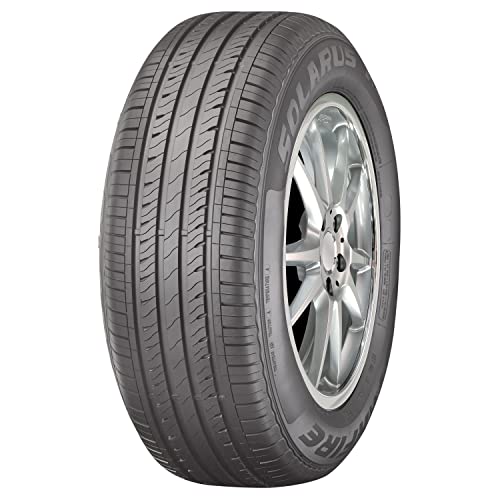
50,000 mile warranty

Responsive handling and S- and T-speed rated durability
50,000 mile warranty
Checking Tire Age Before Buying
Tread depth is not the only sign of tire condition. Tire age also matters because rubber can degrade over time. Heat, sunlight, storage conditions, and climate can affect how quickly tires age. A tire that looks usable may still be unsafe if it is too old or has sidewall cracking.
You can check tire age by reading the DOT code on the sidewall. The last four digits show the week and year the tire was made. For example, a code ending in 2424 means the tire was made in the 24th week of 2024.
When buying new tires, check the date code before installation. This helps you avoid older stock that may have lost some usable service life. If your current tires show cracks, bulges, vibration, or repeated pressure loss, have them inspected even if the tread still looks acceptable.
Matching Tires in Sets
Matching tires across your vehicle helps maintain predictable handling and braking. Ideally, all four tires should be the same size, type, brand, model, and tread depth. Mixing tire types can create uneven grip, especially during emergency braking or wet-weather driving.
All-wheel-drive vehicles can be especially sensitive to differences in tire circumference. Using mismatched tires may strain drivetrain components. If you own an AWD vehicle, check your owner’s manual before replacing only one or two tires.
If you replace only two tires, many tire professionals recommend placing the newer tires on the rear axle to help reduce oversteer and maintain stability in wet conditions. However, always follow your vehicle manufacturer’s guidance and local professional advice.
Seeking Professional Advice and Recommendations
Navigating tire selection can feel overwhelming because many tires look similar at first glance. A qualified tire professional can help you compare size, load index, speed rating, vehicle fitment, climate needs, and driving habits.
Tire specialists at dealerships and independent shops often have practical experience with different brands and tire categories. They can also inspect your current tires for uneven wear, alignment problems, suspension concerns, and signs of underinflation.
Online resources such as consumer reviews and automotive forums can also provide insight into ride comfort, tread life, road noise, and wet-weather performance. Still, reviews should support your decision, not replace the requirements listed by your vehicle manufacturer.
When it comes to choosing the right car tires, you should consider tire size, tread pattern, load rating, weather conditions, terrain, comfort, fuel efficiency, durability, and budget. For more information on making informed decisions about outdoor appliances, check out this article on the most reliable outdoor refrigerators. Just like selecting the right tires for your vehicle, choosing the right refrigerator for your outdoor space requires careful consideration of your specific needs and preferences.
Frequently Asked Questions
What factors should I consider when choosing car tires?
When choosing car tires, consider tire size, load index, speed rating, driving type, weather conditions, terrain, tread life, road noise, fuel efficiency, warranty coverage, and budget. Start with the tire information listed in your owner’s manual or driver-side door placard.
How do I determine the right tire size for my car?
You can find the recommended tire size in your owner’s manual or on the tire placard located on the driver’s side door jamb. The placard usually lists tire width, aspect ratio, wheel diameter, load rating, and recommended tire pressure.
What are the different types of car tires available?
Common tire types include all-season tires, summer tires, winter tires, performance tires, touring tires, all-terrain tires, and off-road tires. Each type is designed for different road conditions, climates, comfort levels, and driving needs.
How do I know if a tire is suitable for the weather conditions in my area?
Look at the tire type, tread design, rubber compound, and weather markings. Tires marked “M+S” may be suitable for mud and light snow, while tires with the 3PMSF symbol are designed to meet specific snow traction requirements. For severe winter driving, consider dedicated winter tires.
What is the importance of tread life when choosing car tires?
Tread life tells you how long a tire may last before it needs replacement. It matters because longer-lasting tires can improve long-term value. However, tread life should be balanced with wet traction, braking performance, comfort, and the weather conditions you drive in.
How can I determine the right tire pressure for my car?
You can find the recommended tire pressure in your owner’s manual or on the tire placard. Use that number rather than the maximum pressure printed on the tire sidewall. Check pressure when tires are cold for the most accurate reading.
Should I replace all four tires at the same time?
Replacing all four tires at the same time usually gives the most balanced handling and traction. If you replace only two, check your owner’s manual and ask a tire professional where they should be installed, especially if your vehicle has all-wheel drive.
How often should I rotate my tires?
Many drivers rotate tires every 5,000 to 7,500 miles, but the best interval depends on your vehicle, tire type, and driving conditions. Follow your owner’s manual and tire manufacturer’s guidance to help promote even wear.
Sources
- National Highway Traffic Safety Administration — Tires — supports tire safety, tire maintenance, tire labels, and tire buying guidance.
- U.S. Department of Energy — Tire Maintenance — supports tire pressure, fuel efficiency, and maintenance guidance.
- U.S. Tire Manufacturers Association — Tire FAQs — supports general tire type, tire care, and replacement guidance.