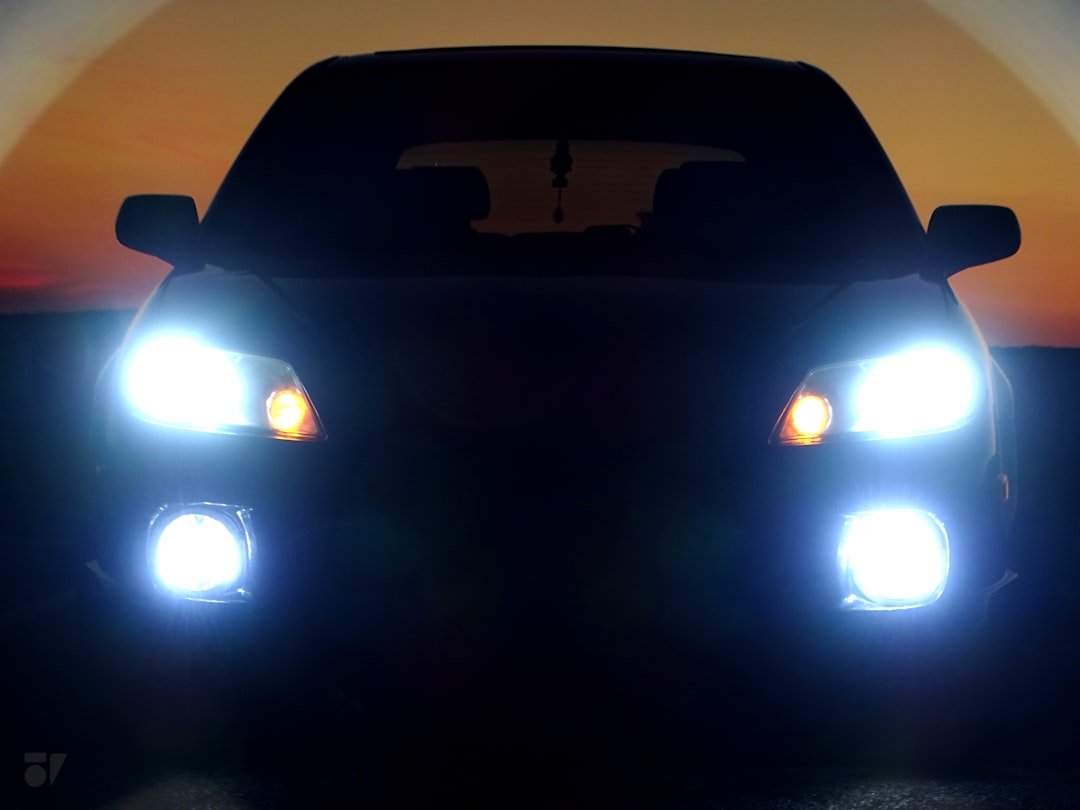
Headlight flickering can make night driving stressful and unsafe because your lights may dim, pulse, or cut in and out when you need steady visibility most. The cause is usually an electrical problem, such as a loose connection, weak battery, failing alternator, bad ground, worn bulb, or incompatible LED upgrade. Start with simple visual checks, then test the charging system before replacing parts.
Quick Answer
Headlights usually flicker because power is not reaching the bulbs consistently. Common causes include loose wiring, corroded terminals, a weak battery, a failing alternator, poor ground connections, faulty bulbs, a bad relay, or LED bulbs that do not match the vehicle’s electrical system.
Key Takeaways
- Headlight flickering is often caused by unstable voltage, loose wiring, corrosion, weak battery output, or a failing alternator.
- Moisture, heat, cold, and road vibration can worsen electrical problems by damaging connections or loosening parts.
- A multimeter test can help you check whether the battery and alternator are supplying steady power.
- If both headlights flicker at the same time, suspect the charging system, ground connection, relay, switch, or wiring before blaming the bulbs.
- Do not ignore flickering headlights because they can reduce visibility and make your vehicle harder for other drivers to see.
At a Glance
| Common Causes | Loose wiring, corrosion, weak battery, failing alternator, bad ground, worn bulb, bad relay, faulty switch, or incompatible LED bulb |
| Difficulty | Easy for visual checks; moderate for voltage testing; professional diagnosis recommended for wiring or charging-system faults |
| Tools Needed | Flashlight, gloves, owner’s manual, basic hand tools, battery terminal brush, and a digital multimeter |
| Safety Level | Important safety issue, especially at night, in rain, in fog, or on poorly lit roads |
Headlight flickering is a phenomenon that can be both alarming and confusing for drivers. When headlights flicker, they can create a sense of unease, not only for you but also for other road users. A sudden change in illumination can cause confusion, especially at night or in low-visibility conditions.
A steady headlight beam is not just a comfort feature. It helps you see the road clearly and helps other drivers judge your vehicle’s position.
Understanding the causes of headlight flickering helps you protect visibility, road safety, and your vehicle’s lighting system. Flickering can show up as a slight dimming, a rhythmic pulsing, or a rapid on-and-off pattern.
This inconsistent lighting can point to several problems, from a loose connection to a serious charging-system fault. As vehicles rely more heavily on electrical systems, you should treat flickering headlights as an early warning sign rather than a minor annoyance.
Common Causes of Headlight Flickering
There are several reasons why headlights may flicker. Finding the root cause matters because replacing bulbs will not fix the issue if the problem is actually the battery, alternator, wiring, or ground connection.
Flicker is also common straight after an LED conversion, when the bulb draws too little current for the vehicle to recognise and the circuit pulses instead of holding steady. Choosing a kit built for the vehicle usually avoids it, which is one thing we looked at in our 2005 F-150 LED headlight comparison.
One common cause is a faulty connection in the electrical system. Loose, damaged, or corroded wiring can interrupt the flow of electricity to the headlights. That interruption can make the lights dim, pulse, or shut off briefly.
This issue often gets worse with vibration from normal driving. Rough roads, potholes, and engine movement can loosen already weak connections over time.
Another frequent cause is a failing alternator. The alternator charges the battery and supplies power to the vehicle’s electrical systems while the engine is running. If the alternator cannot provide steady voltage, the headlight brightness may fluctuate.
If your headlights get brighter when you accelerate or dim when you idle, the charging system should be checked.
A weak battery can also contribute to flickering. If the battery cannot hold a charge well, it may not deliver stable power during startup or when several electrical accessories are running.
Electrical Issues

Electrical issues are the most common place to start when diagnosing flickering headlights. You should inspect the bulbs, connectors, fuses, relays, battery terminals, ground wires, and alternator output before assuming the headlight assembly itself has failed.
Fuses and relays play an important role in the headlight circuit. A blown or weak fuse can interrupt power, while a failing relay may not engage consistently. This can lead to erratic headlight behavior.
These components are often overlooked during routine maintenance, but they help keep headlight operation stable. A poor ground connection can also cause flickering because electricity needs a clean return path to complete the circuit.
The quality and condition of the bulbs can also affect performance. Halogen bulbs have a limited service life and may become dimmer or less reliable as they age.
LED headlights can also flicker when the vehicle’s electrical system does not support them properly. Some LED upgrades need compatible drivers, decoders, or anti-flicker modules to work correctly. Improper installation can also cause loose connections or unstable operation.
Warning: Do not drive at night with headlights that cut out or flicker heavily. If both headlights fail suddenly, your visibility can drop fast and other drivers may not see your vehicle clearly.
Environmental Factors
| Factor | How It Can Affect Headlights |
|---|---|
| Cold Weather | Can reduce battery performance and expose weak charging-system problems |
| Heat | Can stress wiring, connectors, bulb sockets, and electronic headlight drivers |
| Moisture | Can corrode terminals, damage sockets, and cause short circuits inside the headlight area |
| Road Vibration | Can loosen bulbs, harnesses, grounds, relays, and other electrical connections |
Environmental factors can play a real role in headlight flickering. Extreme temperatures affect electrical components, especially the battery and connections. Cold weather can reduce battery performance, while excessive heat can stress connectors and bulb sockets.
Moisture intrusion is another concern. Water, humidity, or condensation inside the headlight area can corrode connections and may lead to short circuits. If you see fogging, water droplets, or greenish corrosion near a connector, inspect that area carefully.
Road conditions can also contribute to headlight issues. Driving on rough terrain or poorly maintained roads can shake the electrical system enough to loosen weak connections or damage wiring.
In urban environments, streetlights and other vehicles can make flickering more noticeable. Still, if the brightness changes repeatedly or both headlights flicker together, you should check the vehicle rather than dismiss the issue as a lighting illusion.
Mechanical Problems
Mechanical problems can also contribute to headlight flickering or make it seem like your headlights are flickering. For example, a loose or misaligned headlight assembly may shake while you drive, causing the beam to bounce on the road.
This can happen after a pothole impact, front-end repair, minor collision, or worn mounting bracket. In that case, the bulb may be working normally, but the beam pattern looks unstable.
Another possible mechanical-related issue is a failing ignition switch. The ignition switch helps control power distribution throughout the vehicle, including circuits that support lighting and accessories.
If this switch is worn or damaged, it may not provide a stable connection. That can cause intermittent power loss, flickering lights, or other electrical symptoms. Regular inspections can help catch these issues before they become more serious.
How to Diagnose Headlight Flickering

Diagnosing headlight flickering requires a step-by-step approach. Start with simple checks before moving to electrical testing. This saves time and helps you avoid replacing parts that are still working.
1. Check Whether One or Both Headlights Flicker
If only one headlight flickers, the issue may be the bulb, socket, local wiring, or connector on that side. If both headlights flicker at the same time, the problem is more likely related to the battery, alternator, relay, switch, ground, or main wiring.
2. Inspect the Bulbs and Sockets
Turn the lights off and let the bulbs cool before touching anything. Check whether each bulb sits firmly in its socket. Look for melted plastic, dark marks, loose terminals, moisture, or corrosion.
If a bulb is near the end of its life, damaged, or poorly seated, replacing it may solve the flickering. Always use the correct bulb type listed in your owner’s manual.
3. Inspect Wiring and Connectors
Look at the wiring harnesses near the headlights. Watch for frayed wires, cracked insulation, loose plugs, bent pins, or corrosion. Gently wiggle the connector while the headlights are on only if you can do so safely and without touching hot or moving parts.
If the flickering changes when the connector moves, the connection is likely loose or damaged.
4. Check the Battery Terminals
Battery terminals should be clean and tight. Corrosion can block current flow and cause voltage drops. If you see white, blue, or green buildup, clean the terminals safely and tighten them properly.
A weak battery may still start the vehicle but struggle to provide stable power under load. That can show up as dimming or flickering lights.
5. Test the Alternator Output
A digital multimeter can help test the charging system. With the engine running, many healthy charging systems read roughly 13.5 to 14.5 volts at the battery. If the reading is much lower or much higher, the alternator or voltage regulator may need attention.
Turn on the headlights, heater fan, rear defroster, and other accessories during testing. If the voltage drops heavily or jumps around, the system may not be keeping up with electrical demand.
Pro Tip: If the headlights flicker along with dashboard lights, interior lights, or the radio display, check the battery, alternator, and ground connections before replacing headlight bulbs.
6. Check Fuses, Relays, and Grounds
Use your owner’s manual to locate the headlight fuses and relays. A fuse that is loose, damaged, or incorrectly seated can create intermittent lighting problems. A worn relay may also cause irregular power delivery.
Ground connections should be clean, tight, and free from rust. A bad ground can cause flickering, dim headlights, or strange electrical behavior in more than one part of the vehicle.
7. Review LED or HID Upgrades
If flickering started after installing LED or HID bulbs, the upgrade may not be compatible with the vehicle’s headlight circuit. Some vehicles monitor bulb resistance or use pulse-width power control, which can make certain aftermarket bulbs flicker.
In that case, you may need compatible bulbs, proper drivers, anti-flicker modules, or a return to the correct factory-style bulb.
Preventing Headlight Flickering
Preventing headlight flickering starts with regular maintenance. Inspect wiring harnesses, sockets, bulb connectors, ground points, battery terminals, and the alternator during routine service.
Keeping electrical connections clean and tight improves conductivity and lowers the risk of intermittent lighting failures. This matters more if you drive in wet, salty, dusty, or high-vibration conditions.
High-quality replacement bulbs can also reduce flickering problems. Cheaper bulbs may fail sooner, fit poorly, or create inconsistent performance. Always match the bulb to the vehicle’s required type and wattage.
If you upgrade to LED or HID lighting, choose components designed for your vehicle’s electrical system. Compatibility matters because the wrong parts can cause flickering, warning lights, radio interference, or uneven beam patterns.
Note: Headlight brightness can change briefly when the engine starts or when a heavy electrical load turns on. Repeated flickering while driving is different and should be diagnosed.
When to See a Mechanic
You should get professional help if the headlights flicker heavily, cut out completely, smell burnt, melt a connector, or flicker along with other electrical systems. These symptoms can point to a charging-system fault, short circuit, bad ground, or damaged wiring.
A technician can load-test the battery, test alternator output, inspect voltage drop, check grounds, and trace wiring problems safely. This is especially important on modern vehicles with computer-controlled lighting systems.
Conclusion and Final Thoughts
Headlight flickering is more than an annoyance. It can create safety risks if you ignore it, especially at night or during poor weather. The cause may be as simple as a loose bulb or as serious as a failing alternator.
By understanding the possible causes, including electrical issues, environmental damage, mechanical movement, and incompatible upgrades, you can take a smarter approach to diagnosis. Start with the visible parts, then move to battery and alternator testing.
If you notice flickering, act promptly. Stable headlights help you see the road, help other drivers see you, and support safer driving for everyone around you.
Frequently Asked Questions
What are the common causes of headlights flickering?
Common causes include a loose or corroded headlight bulb connection, failing alternator, weak battery, bad ground, faulty headlight switch, worn relay, damaged wiring, or incompatible LED bulbs.
How does a loose or corroded headlight bulb connection cause flickering?
A loose or corroded connection disrupts the flow of electricity to the bulb. When the connection opens and closes during vibration or movement, the bulb receives power intermittently and appears to flicker.
What role does the alternator play in causing headlights to flicker?
The alternator charges the battery and powers electrical systems while the engine runs. If the alternator or voltage regulator cannot supply steady voltage, the headlights may brighten, dim, pulse, or flicker.
How does a weak battery contribute to headlights flickering?
A weak battery may not provide stable power, especially during startup or when several electrical accessories are running. This can cause voltage drops that make the headlights dim or flicker.
Can a faulty headlight switch cause headlights to flicker?
Yes. A worn or faulty headlight switch may fail to maintain a steady connection. That can create intermittent power delivery and cause the headlights to flicker or cut out.
Why do my headlights flicker only when the engine is running?
If the flickering happens only when the engine is running, the alternator, voltage regulator, belt, pulley, or charging-system wiring may be involved. A charging-system test can help confirm the cause.
Why do LED headlights flicker after installation?
LED headlights may flicker if they are not compatible with the vehicle’s electrical system. Some vehicles need compatible LED drivers, decoders, resistors, or anti-flicker modules to keep power delivery stable.
Is it safe to drive with flickering headlights?
Light flickering should not be ignored. If the flickering is minor and brief, drive carefully and diagnose it soon. If the lights cut out, flicker heavily, or affect visibility, avoid night driving until the issue is repaired.
Sources
- SYLVANIA Automotive: Halogen vs. LED Headlights — supports the differences between halogen and LED headlight behavior.