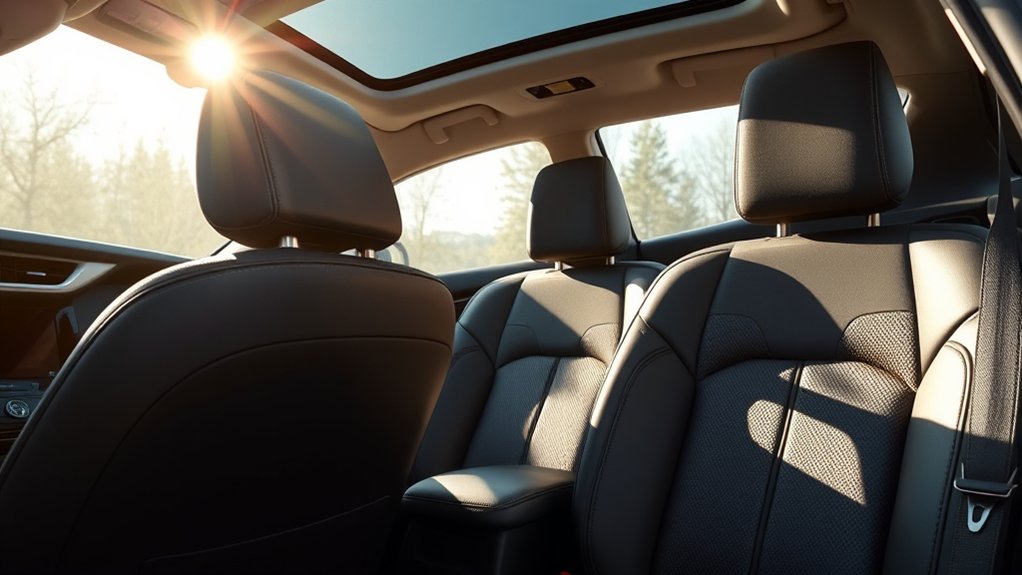
Toyota RAV4 seat comfort depends on more than the badge on the vehicle. Your model year, trim, body proportions, preferred driving position, and time behind the wheel can all change how supportive the seats feel. A seat that works well during a short dealership visit may feel very different after two hours on the highway.
Quick Answer
Toyota RAV4 seats are comfortable for many drivers, but the answer depends on your model year, trim, body shape, and trip length. Higher trims can add SofTex upholstery, power adjustment, heating, ventilation, or lumbar support, while some drivers find firmer cushions or limited thigh support tiring on long trips.
Key Takeaways
- Seat comfort varies by model year and trim, so do not apply one RAV4 review to the entire lineup.
- Cushion length, lumbar position, bolster width, pedal reach, and head-restraint position matter as much as upholstery.
- The current 2026 U.S. XLE Premium has SofTex-trimmed heated front seats, while the XSE adds SofTex and synthetic-suede trim with heated and ventilated front seats.
- A meaningful evaluation should include at least 30 minutes of driving and time in the rear seats.
- Aftermarket cushions may help, but they must not alter belt fit, block ventilation, or interfere with seat-mounted safety equipment.
Note: This guide uses current U.S.-market 2026 RAV4 information where available. Earlier RAV4 models can have different trim names, upholstery, seat controls, dimensions, and option packages. Check the exact vehicle rather than relying on the trim name alone.
User Complaints and Comfort Experiences in RAV4 Seats During Long Trips
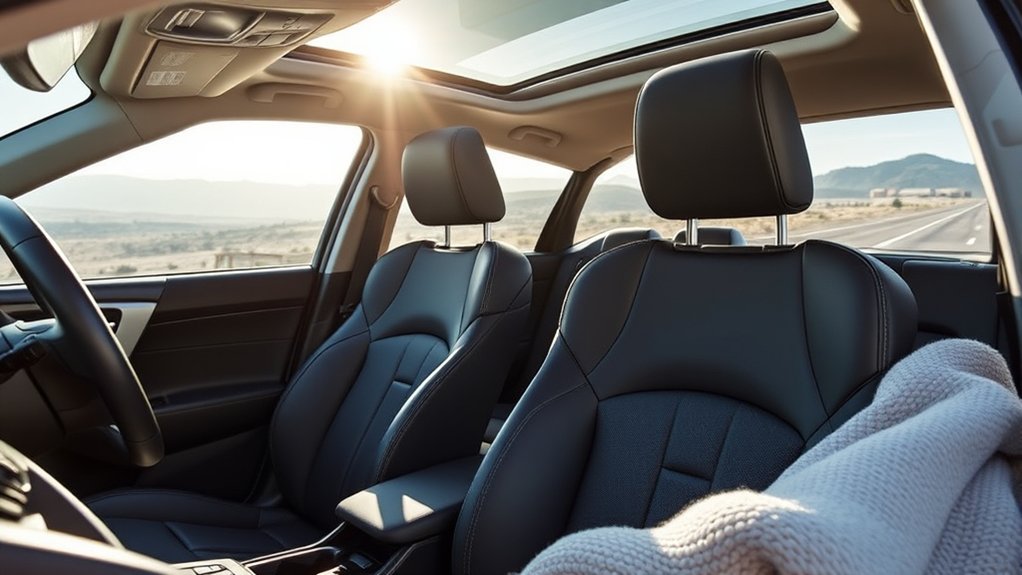
Reports about RAV4 seat comfort range from supportive and easy to live with to firm and tiring. These experiences are useful, but they should be treated as personal fit reports rather than proof that a trim is comfortable or uncomfortable for everyone.
A driver who feels sore after an eight-hour round trip may be reacting to cushion pressure, limited lumbar adjustment, a long reach to the steering wheel, or simply the length of the drive. Another driver with different leg and torso proportions may feel comfortable in the same seat.
Long-distance comfort usually depends on whether you can maintain a relaxed posture while reaching the pedals and steering wheel. Your back should remain supported, your shoulders should stay relaxed, and the front edge of the cushion should not press firmly against the backs of your knees.
Pro Tip: Do not judge the seat during a five-minute drive around the dealership. Drive for 30 to 45 minutes on roads similar to your normal commute, then remain seated for several minutes and check for pressure, tingling, lower-back fatigue, or shoulder tension.
Common Comfort Issues Reported by Owners
RAV4 seat complaints tend to involve fit and adjustability rather than one universal design defect. The most common concerns include:
- Firm cushion padding: Some drivers prefer a softer initial feel, especially when moving from a sedan or larger crossover.
- Limited lower-back support: A fixed lumbar shape may sit too high or too low for your spine, even when the seat feels supportive to someone else.
- Short or poorly positioned thigh support: Long-legged drivers may want more cushion length, while shorter drivers may feel pressure behind the knees.
- Bolster pressure: Side bolsters can help hold you in place, but narrow spacing may press against your hips, thighs, or ribs.
- Head-restraint position: Some drivers feel pushed forward when the backrest angle and head restraint do not suit their natural posture.
- Rear-seat cushion shape: Passenger comfort depends on thigh support, knee room, backrest angle, floor height, and the position of the front seats.
General ergonomic guidance emphasizes a backrest that supports the spine, a seat that supports most of the thighs, and a position that lets the feet remain stable. These principles are not specific comfort ratings for the RAV4, but they provide a useful way to evaluate any vehicle seat.
How Do RAV4 Seats Stack Up Across Different Trims?
Trim names and seating features change between model years. For the current U.S.-market 2026 RAV4, Toyota lists LE, SE, XLE Premium, Woodland, XSE, and Limited. Toyota’s current overview specifically confirms SofTex-trimmed heated front seats for the XLE Premium and SofTex/synthetic-suede-trimmed heated and ventilated front seats for the XSE.
| Trim | What to Know | What to Test |
|---|---|---|
| LE and SE | These are lower-priced trims in the current lineup. Exact upholstery and adjustment equipment should be confirmed on the vehicle’s build sheet. | Manual adjustment range, lower-back support, cushion firmness, and steering-wheel reach. |
| XLE Premium | Toyota lists SofTex-trimmed seats and heated front seats. | Lumbar placement, cushion pressure, heating controls, and seating position. |
| Woodland | The Woodland has a more adventure-focused configuration. Confirm the exact seat equipment on the vehicle you are considering. | Bolster width, entry height, and comfort on rougher pavement. |
| XSE | Toyota lists SofTex and synthetic-suede trim with heated and ventilated front seats. | Side-bolster pressure, ventilation strength, lumbar position, and long-drive support. |
| Limited | This is an upper trim, but equipment can still depend on configuration and market. | Every adjustment, the exact upholstery, climate functions, and passenger-seat controls. |
You can review the current lineup on the official Toyota RAV4 page. For an older vehicle, use its model year, VIN, window sticker, and owner’s manual rather than assuming it matches the current trim.
What Owners Love About RAV4 Seat Comfort and Design Materials
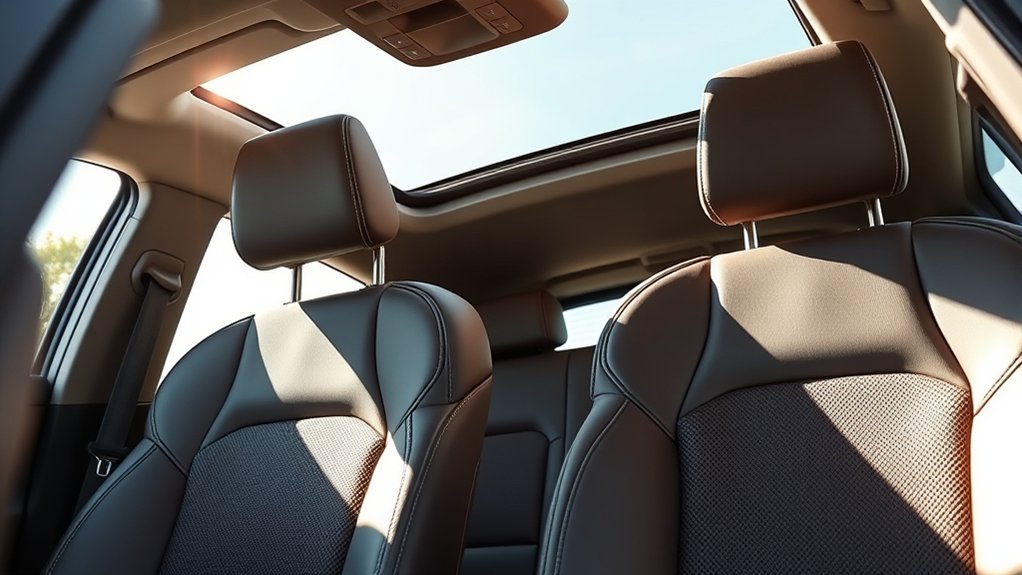
Drivers who like the RAV4’s seats often appreciate the upright seating position, straightforward entry and exit, and supportive feel around the torso. The elevated position can also provide a clear view of the road without requiring the driver to sit unusually low.
SofTex-trimmed seats may appeal to buyers who want a wipe-clean surface without choosing traditional leather. Heating can improve cold-weather comfort, while ventilation can reduce heat buildup on trims that include it. These features improve temperature comfort, but they do not correct a cushion or lumbar shape that does not fit your body.
Sportier bolsters can make the seat feel more secure during turns. The same bolsters may feel restrictive to someone with broader hips, thighs, or shoulders, which is why a personal test remains important.
How Your Body Type Affects RAV4 Seat Comfort
Height is only one part of seat fit. Two people of the same height can have different leg lengths, torso lengths, shoulder widths, and hip widths. Those differences change where the cushion ends, where the lumbar curve contacts the back, and how far you must reach for the wheel.
A comfortable vehicle seat should support your body without forcing you to trade pedal reach for back support or steering-wheel reach for legroom.
- Tall or long-legged drivers: Check thigh support, knee clearance, headroom, and whether you can reach the wheel without leaning forward.
- Shorter drivers: Make sure you can reach the pedals while keeping your back against the backrest. Check whether the cushion edge presses behind your knees.
- Drivers with broader hips or shoulders: Pay close attention to side-bolster pressure and whether the seatback supports you evenly.
- Drivers with a shorter torso: Confirm that the lumbar curve and head restraint do not sit too high.
- Rear passengers: Test the seat with the front seat adjusted for the actual driver, not pushed forward to create an unrealistic amount of space.
OSHA’s general chair ergonomics guidance explains why back support, seat-pan length, foot support, and adjustability affect seated comfort. Vehicle safety requirements differ from office-chair setup, but the fit principles can help you recognize pressure and support problems.
How RAV4 Seats Compare to Competing Models
Seat comfort cannot be ranked reliably with labels such as “good,” “moderate,” or “high” unless every vehicle is tested by the same people under the same conditions. Trim differences can also be larger than the difference between two vehicle models.
The Honda CR-V and Ford Escape are closer size-based comparisons for many shoppers. The Nissan Murano is a larger two-row vehicle, so its seat dimensions, cabin space, and price position may not make it a direct alternative.
| Test | What to Check |
|---|---|
| Initial fit | Hip room, shoulder room, bolster pressure, and whether your back contacts the backrest evenly. |
| Adjustment range | Seat height, fore-and-aft travel, recline, lumbar placement, steering-wheel reach, and head-restraint position. |
| Thirty-minute drive | Pressure under the thighs, lower-back fatigue, neck position, pedal comfort, and shoulder tension. |
| Rear-seat test | Knee room, thigh support, foot space, backrest angle, headroom, and entry through the door opening. |
| Climate test | Heating speed, ventilation strength, upholstery temperature, and control placement where equipped. |
Use identical seat settings and a similar route when possible. This approach gives you a more useful comparison than relying on a reviewer whose body shape and comfort preferences may differ from yours.
How to Address Common RAV4 Seat Comfort Issues
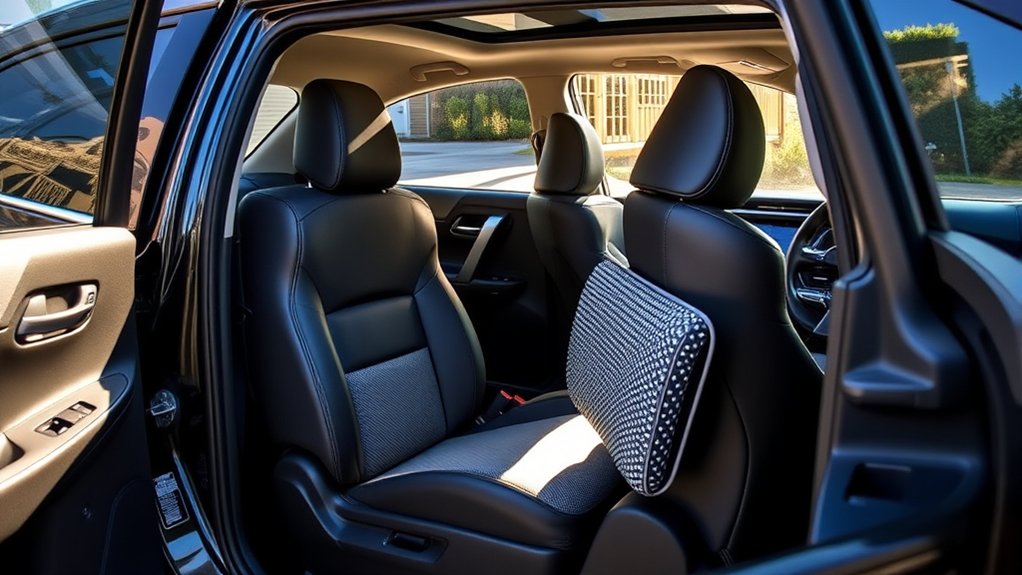
Start with the factory adjustments before buying a cushion or cover. Small changes to seat height, distance, backrest angle, lumbar position, and steering-wheel reach can reduce the need to lean, stretch, or slide forward.
Seat Adjustability Enhancements
Use this adjustment order so one change does not create another problem:
- Set the seat distance. You should reach the pedals without locking your knee or lifting your back away from the seat.
- Set the seat height. Maintain a clear view while preserving headroom and comfortable thigh support.
- Adjust the backrest. Keep your shoulders supported without forcing your head or neck forward.
- Position the lumbar support. Use enough support to fill the natural curve of your lower back without creating a hard pressure point.
- Adjust the steering wheel. Bring the wheel toward you rather than leaning your torso forward.
- Recheck mirrors and the head restraint. Changing your seat position affects both.
If you are buying a used RAV4, inspect the seat before the test drive. Look for collapsed foam, uneven cushion height, looseness in the seatback, damaged tracks, slow power movement, and heating or ventilation that does not work consistently.
Warning: Do not use a cushion or seat cover that changes the path of the seat belt, prevents you from sitting securely, covers ventilation openings, or may interfere with seat-mounted safety equipment. Check the instructions for your exact model year before adding an accessory.
Toyota provides model-specific information through its manual and warranty portal. Use that manual for seat controls, head-restraint adjustment, airbags, child-restraint anchors, and accessory warnings.
Material Comfort Options
Upholstery changes surface feel and temperature, but it does not change the basic cushion shape. Cloth may feel less hot when first entering a vehicle parked in the sun, while synthetic upholstery can be easier to wipe clean. Heated and ventilated seats can improve temperature comfort when included on the trim.
Do not cover a ventilated seating surface with a thick pad because it can reduce airflow. Keep perforations clean according to the vehicle’s care instructions, and avoid cleaners that leave a heavy residue.
A small removable lumbar support may help when the factory contour does not meet your lower back. Use the thinnest support that solves the problem, secure it so it cannot move while driving, and stop using it if it changes your seat-belt fit or makes you feel less stable.
Take normal rest breaks during long trips and change position when safely parked. Persistent pain, numbness, weakness, or tingling should not be treated only as a seat-adjustment problem.
Community Insights and Discussions on RAV4 Seat Comfort

Owner forums and discussion groups can help you identify possible pressure points, but broad statements such as “RAV4 seats are uncomfortable” or “the XSE fixes everything” leave out important context.
The most useful reports identify the model year, exact trim, seat equipment, driver dimensions, trip length, and the location of the discomfort. A complaint about a 2024 cloth seat should not automatically be applied to the redesigned 2026 model or to a different upholstery package.
User Experiences Shared
When reading owner experiences, look for details that resemble your situation:
- The same model year and trim.
- A similar height and leg-to-torso proportion.
- A similar commute or highway-trip duration.
- The same complaint location, such as the lower back, tailbone, thighs, hips, shoulders, or neck.
- Whether the owner corrected the issue through adjustment, a small support, or a different trim.
One detailed report can help you know what to test. It cannot establish how most owners feel without a representative survey.
Comfort Variability Among Models
Seat designs can change during a generation, and trim packages can add different adjustment ranges, upholstery, heating, ventilation, or bolster designs. Production market also matters because a trim sold in the United States may not match a similarly named trim elsewhere.
Before purchasing, record your preferred settings during the test drive. Confirm that another driver can also find a safe and comfortable position if the vehicle will be shared.
Related Guides
Frequently Asked Questions
What Are the Seat Material Options in the Toyota RAV4?
Materials depend on the model year and trim. Toyota’s current 2026 U.S. information lists SofTex-trimmed heated front seats for XLE Premium and SofTex/synthetic-suede-trimmed heated and ventilated front seats for XSE. Check the exact vehicle’s specifications for other trims and older years.
How Do RAV4 Seats Perform in Extreme Weather Conditions?
Surface temperature depends on the upholstery, exterior temperature, direct sunlight, cabin climate control, and whether the trim has heated or ventilated seats. Use a sunshade, start the climate system safely, and follow Toyota’s cleaning and care instructions. Do not rely on unsupported owner percentages.
Are RAV4 Seats Adjustable for Taller Drivers?
Adjustment range varies by year, trim, and seat. A taller driver should test headroom, thigh support, knee clearance, pedal reach, steering-wheel reach, and the ability to keep the shoulders against the backrest. Height alone does not guarantee a comfortable fit.
Is There Enough Legroom for Rear Passengers?
Many passengers may find the rear seat practical, but exact dimensions differ by model year and market. Test it with the front seat adjusted for the real driver. Check knee room, foot space, thigh support, headroom, door access, and the rear backrest angle instead of relying on one universal measurement.
How Do RAV4 Seats Accommodate Child Safety Seats?
Child-restraint fit depends on the restraint, seating position, and RAV4 model year. Follow both manuals and test the restraint in the vehicle. NHTSA advises installing with either the seat belt or lower anchors, not both, unless the manufacturers specifically permit another method. Use the top tether for a forward-facing restraint when instructed.
Conclusion
Toyota RAV4 seats can provide a comfortable driving position, but no trim guarantees a perfect fit for every person. Focus on the exact model year, adjustment range, cushion shape, lumbar position, and climate features. A longer test drive, a realistic rear-seat check, and careful setup will tell you more than unsupported owner percentages or broad comfort rankings.
Sources
- Toyota: 2026 RAV4 — current U.S. trim lineup and verified XLE Premium and XSE seat features.
- Toyota Manuals and Warranties — model-specific seat, restraint, airbag, and child-anchor instructions.
- NHTSA Car Seats and Booster Seats — child-restraint selection, installation, lower-anchor, seat-belt, and tether guidance.
- OSHA Chair Ergonomics Guidance — general principles for lumbar support, seat-pan fit, thigh support, and adjustability.

