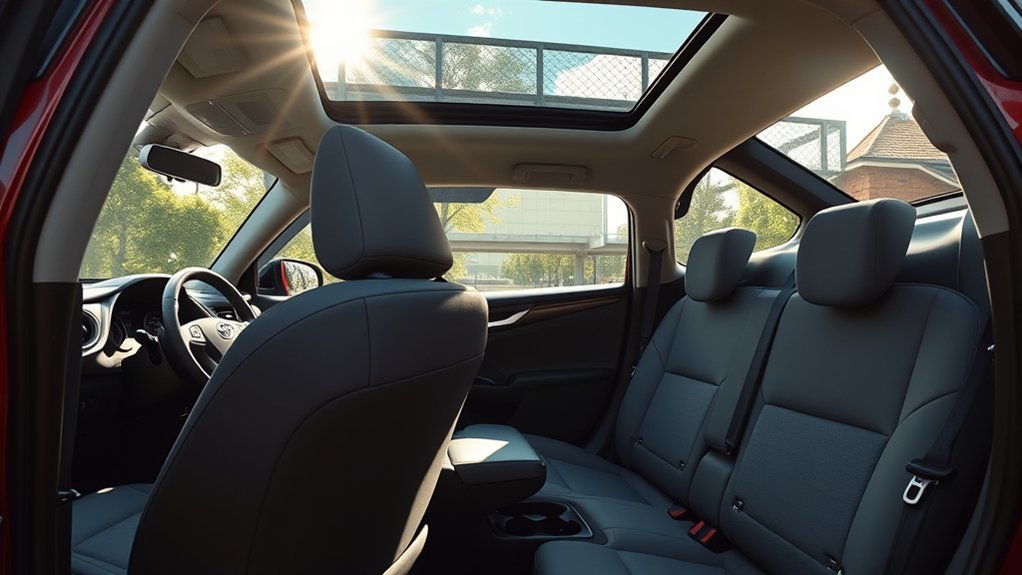
The Toyota RAV4 has two rows of seats and room for up to five people. For the current 2026 U.S. model, Toyota lists up to 37.8 cubic feet of cargo capacity behind the rear seating area. Because Toyota redesigned the RAV4 for 2026, you should not treat dimensions and trim names from 2019–2025 models as current specifications.
Quick Answer
The Toyota RAV4 is a two-row compact SUV with seating for five and no factory third row in the current U.S. lineup. Toyota lists the 2026 RAV4 with up to 37.8 cubic feet of cargo capacity. Older RAV4 measurements should be checked by model year.
Key Takeaways
- The current Toyota RAV4 seats up to five people in two rows and does not offer a third row.
- Toyota lists up to 37.8 cubic feet of cargo capacity for the redesigned 2026 RAV4.
- The familiar 41-inch front-legroom, 37.8-inch rear-legroom, and 69.8-cubic-foot maximum cargo figures apply to older fifth-generation specifications, not every RAV4.
- Current seat materials range from fabric to SofTex and Ultrasuede/SofTex, depending on the trim.
- Use your door-jamb loading label and owner’s manual for occupant, cargo, and child-seat limits.
Comfort and Space: What to Expect in the RAV4
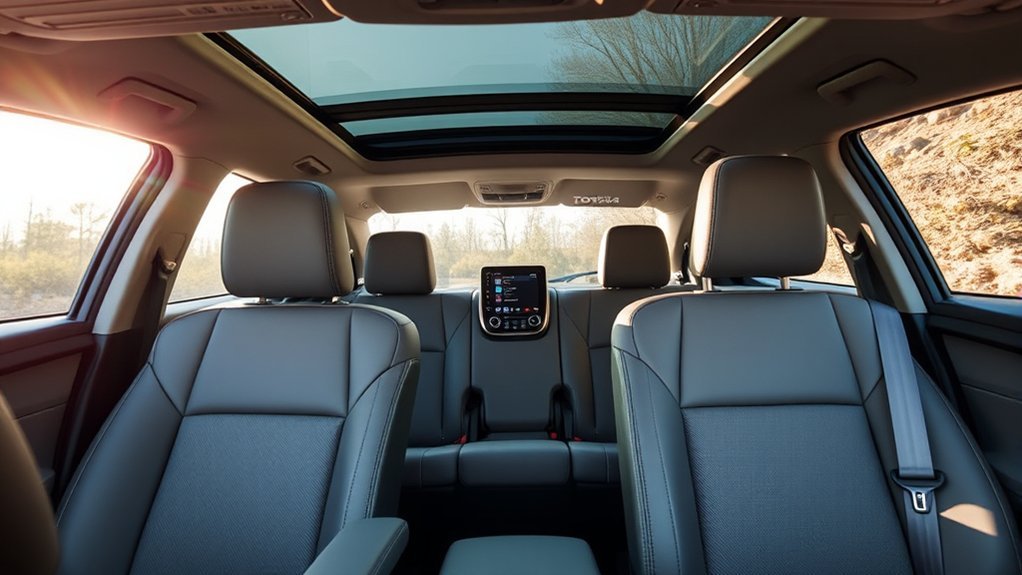
The RAV4’s two-row cabin is designed for daily commuting, family trips, and carrying a mix of passengers and cargo. Two adults generally have useful space in the rear, while three adults may find the bench tighter across the shoulders and hips. Your comfort will also depend on passenger height, child seats, and the position of the front seats.
Many online RAV4 guides quote 41 inches of front legroom, 37.8 inches of rear legroom, roughly 37.5 cubic feet behind the rear seats, and 69.8 cubic feet with the rear seats folded. Those numbers are associated with the outgoing fifth-generation design and should not be presented as universal specifications for the redesigned 2026 vehicle.
Note: Always match interior measurements to the exact model year, powertrain, trim, and cargo-floor position. Toyota began a new RAV4 generation for 2026, so older specifications may not match the current vehicle.
| RAV4 Version | Seating Layout | Useful Measurement Context |
|---|---|---|
| 2019–2025 fifth generation | Two rows, up to five occupants | Commonly published with 41 inches of front legroom, 37.8 inches of rear legroom, about 37.5–37.6 cubic feet behind the second row, and up to 69.8 cubic feet with the rear seats folded. |
| 2026 sixth generation | Two rows, up to five occupants | Toyota lists up to 37.8 cubic feet of cargo capacity. Use Toyota’s current specifications for trim-specific dimensions. |
The model year matters: 2026 begins a new RAV4 generation, so dimensions and trim names from the outgoing model should not be copied forward as current facts.
RAV4’s 2-Row Seating Overview
The RAV4 has front seating for the driver and one passenger, plus a three-position rear bench. It does not offer a factory third row in the current U.S. lineup. If you regularly need six or more seat belts, you will need a larger three-row vehicle.
The rear seatbacks can fold to create a longer cargo floor. Toyota states that the 2026 rear seatback can fold flat, helping you carry larger items. The exact split-folding arrangement, recline range, and cargo-floor position can vary by year and trim, so check the vehicle before buying accessories or planning a large load.
- Both rows in use: You retain all five seating positions and the cargo area behind the rear bench.
- Part of the rear seat folded: On models with a split-folding seat, you can carry a longer object while keeping one or more rear seating positions available.
- Rear seatbacks folded: You gain the largest cargo floor, but only the front seating positions remain available for passengers.
A height-adjustable or dual-level cargo floor can make loading easier and create a flatter surface. However, published cargo figures may use a specific floor position, so two websites can show different numbers for vehicles that appear similar.
Warning: Do not rely on a generic 1,000-pound passenger-and-cargo estimate. Check the Tire and Loading Information label on the driver-side door edge or pillar. The combined weight of occupants and cargo must stay within the limit printed for your exact RAV4.
How Toyota RAV4 Seating Compares With Competitors
The RAV4 remains practical for a compact SUV, but some competitors publish more rear-seat or cargo room. Comparisons should use the same model year and clearly identify the powertrain because hybrid equipment, cargo-floor design, spare-tire storage, and trim features can affect usable volume.
[Amazon Products Picked for You]

SPACIOUS STORAGE: With 2 large compartments and 6 extra mesh pockets, this car trunk organizer provides ample space to neatly store groceries, tools, sports equipment, and more. Keep your car trunk clutter-free and organized on every trip.

OFFICIALLY LICENSED - CAT Design: Built tough with the rugged, iconic Caterpillar style, this car seat organizer brings durability and authenticity to your vehicle’s storage needs.

MULTI-SECTION LAYOUT: This trunk organizer and storage solution combines two spacious compartments for main items, mesh side pockets for quick access, and covered front pockets to keep small belongings secure. Its divided layout prevents items from rolling around, making everything easy to find.
Interior Space Comparison
The 2026 Honda CR-V lists 41.0 inches of rear legroom, while the 2026 gas-powered Kia Sportage lists 41.3 inches. Toyota’s current RAV4 overview does not display one universal legroom figure for every configuration. That means comparing an older RAV4’s 37.8-inch figure directly with current rivals can produce a misleading result.
Regardless of the published measurement, test the seating position yourself. Move the front seat to the actual driver’s position, then sit behind it. Check knee clearance, foot space, headroom, door-opening width, and whether the middle rear passenger can sit without forcing the outboard passengers against the doors.
Cargo Capacity Analysis
| Vehicle and Configuration | Behind Rear Seat | Published Maximum |
|---|---|---|
| 2026 Toyota RAV4 | Up to 37.8 cu. ft. | Check Toyota’s trim-specific specifications |
| 2026 Honda CR-V, selected gas trims | 39.3 cu. ft. | 76.5 cu. ft. |
| 2026 Honda CR-V, selected hybrid trims | 36.3 cu. ft. | 71.8 cu. ft. |
| 2026 Kia Sportage, gas model | 39.6 cu. ft. | 74.1 cu. ft. |
Note: Manufacturer cargo figures are useful for screening vehicles, but they do not show whether your stroller, mobility equipment, pet crate, cooler, or luggage will fit through the hatch. Bring measurements or the actual item to your test drive.
The Hyundai Tucson and Ford Escape are also common compact-SUV comparisons. However, model-year availability and cargo specifications can change, so use the manufacturer’s page for the exact vehicle rather than relying on a mixed-year comparison chart.
Comfort Features Evaluation
Seat comfort depends on more than legroom. Cushion length, seat-bottom angle, lumbar support, door opening, roof shape, and the position of the center console can affect how the RAV4 feels during a long drive.
Base and sport-oriented trims use fabric seats, while higher trims add SofTex or a combination of Ultrasuede and SofTex. Depending on the trim, available comfort features include power adjustment, driver-seat memory, heated front seats, ventilated front seats, and heated rear outboard seats.
Before choosing a trim, spend at least several minutes in your normal driving position. Check whether you can reach the pedals without locking your knees, see the instrument display clearly, and maintain comfortable thigh support without the steering wheel touching your legs.
Ways to Customize Your RAV4 Seating
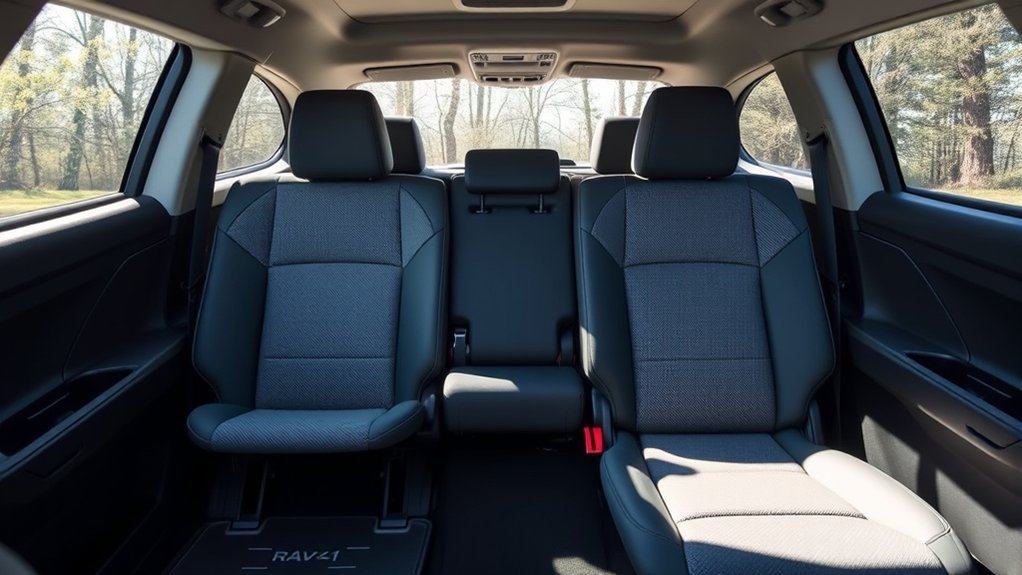
Your main seating choices come from the trim level, upholstery, adjustment controls, heating and ventilation features, and interior accents. Factory equipment usually provides a better fit than universal seat covers, especially around seat-mounted airbags, controls, and child-restraint hardware.
[Amazon Products Picked for You]

【Custom Fit 】This full set of seat covers custom fit for the 2019–2026 2025 2024 Toyota RAV4 Hybrid/Gas(LE, SE, XLE, Limited, Premium). They maintain a smooth, snug fit during daily driving, without loosening or slipping.

Compatible Models:Front car seat covers fit Toyota Rav4, Camry, Highlander, Corolla, Corolla Cross, Prius, Venza, Avalon(2-Pack)

【Precision Fit & Luxury Upgrade】Specifically tailored for Toyota Rav4(Gasoline) 2019 2020 2021 2022 2023 2024 2025 LE/XLE/XLE Premium/Limited. Our solvent-free leatherette delivers a premium soft-touch feel with an OEM-inspired finish—instantly elevating your truck’s interior to a cleaner, more upscale look.
Seat Upholstery Options
| 2026 Trim | Current Seating Highlights |
|---|---|
| LE | Fabric-trimmed seats with manual six-way adjustment for the driver and front passenger. |
| SE | Fabric sport seats, blue stitching, a power eight-way driver’s seat, and heated front seats. |
| XLE Premium | SofTex-trimmed seating, a power eight-way driver’s seat, and heated front seats. |
| Woodland | SofTex-trimmed seats with red-orange accents and a power eight-way driver’s seat. |
| XSE | Ultrasuede and SofTex sport-trimmed seats, power adjustment for both front occupants, driver memory, heating, and ventilation. |
| Limited | SofTex seating, power front-seat adjustment, driver memory, heated and ventilated front seats, and heated rear outboard seats. |
The current plug-in-hybrid selection also includes eligible SE, XSE, Woodland, and GR SPORT configurations. Equipment can differ between hybrid and plug-in-hybrid versions, so confirm the exact build rather than assuming that every vehicle with the same trim name has identical seating features.
Rear Seat Configurations
The rear seatbacks fold to expand the cargo area. This lets you choose between carrying five people, retaining part of the rear bench while loading a longer item, or folding the rear seatbacks for maximum floor length.
If you use child restraints, inspect the lower anchors, tether anchors, buckle locations, and seat-belt routing before purchase. A center-position child seat may also reduce the space available for outboard passengers or another child seat.
Pro Tip: Bring your child seats to the test drive. Install them according to the child-seat instructions and RAV4 owner’s manual, then check front-seat clearance, buckle access, door opening, and whether every required passenger still has a usable seat belt.
NHTSA recommends installing a child seat with either the lower anchors or the vehicle seat belt, not both unless the child-seat and vehicle manufacturers specifically allow it. Use the tether for a forward-facing seat when required, and follow the lower-anchor weight limit stated by the manufacturers.
What Safety Features Keep RAV4 Passengers Secure?
The 2026 RAV4 comes with Toyota Safety Sense 4.0. This replaces the Toyota Safety Sense 2.5 reference used for older RAV4 model years.
The standard TSS 4.0 suite includes:
- Pre-Collision System with Pedestrian Detection: Designed to detect certain vehicles, pedestrians, bicyclists, and motorcyclists and provide warnings or automatic emergency braking under specified conditions.
- Full-Speed Range Dynamic Radar Cruise Control: Helps maintain a preset following distance from a detected vehicle ahead.
- Lane Departure Alert with Steering Assist: Warns of certain unintended lane departures and can provide gentle steering support.
- Lane Tracing Assist: Provides steering support to help center the vehicle while compatible cruise-control functions are operating.
- Automatic High Beams: Switches between high and low beams when system conditions are met.
- Road Sign Assist: Displays certain detected road signs in the driver information area.
- Proactive Driving Assist: Can provide limited braking or steering support in qualifying driving situations.
Toyota also lists Blind Spot Monitor with Rear Cross-Traffic Alert, a backup camera with dynamic gridlines, a rear-seat reminder, and a tire-pressure monitoring system with individual tire-location information as standard 2026 features. Parking Assist with Automatic Braking, Panoramic View Monitor, Advanced Park, Front Cross-Traffic Alert, Lane Change Assist, and Traffic Jam Assist depend on the trim and equipment package. Some connected functions require an active trial or subscription.
Warning: Driver-assistance systems have operating limits and do not replace attentive driving. Keep your hands ready, watch the road, maintain a safe following distance, and read the owner’s manual before relying on any assistance feature.
How to Choose the Right RAV4 Trim for Your Needs
Choose the trim by focusing on the seating equipment you will use rather than exterior styling alone. The current 2026 hybrid lineup includes LE, SE, XLE Premium, Woodland, XSE, and Limited.
| Trim | Best Fit | Seating Considerations |
|---|---|---|
| LE | Value-focused buyers | Durable fabric and manual front-seat adjustment keep the configuration simple. |
| SE | Sport styling with added comfort | Adds a power driver’s seat and heated fabric sport seats. |
| XLE Premium | Everyday comfort | SofTex, heated front seats, and power driver adjustment provide useful upgrades without moving to the highest trim. |
| Woodland | Outdoor use and rugged styling | SofTex seating and all-weather-focused details may suit muddy or wet activities. |
| XSE | Sporty premium cabin | Adds Ultrasuede/SofTex trim, power adjustment for both front seats, driver memory, heating, and ventilation. |
| Limited | Maximum passenger comfort | Includes premium front-seat adjustment and climate features plus heated rear outboard seating. |
Taller drivers should compare the manual and power seats directly. Power adjustment can provide finer positioning, but a moonroof may affect headroom. Set the steering wheel, seat height, seatback, and pedals before checking whether an adult or rear-facing child seat can fit behind you.
Families should also compare door-opening width, rear buckle access, cargo-floor height, liftgate clearance, and the space required by their stroller or mobility equipment. These daily-use details may matter more than a small difference in a published cubic-foot figure.
[Amazon Products Picked for You]

【ULTIMATE SPACE SAVER & KEEP CAR CLEAN】: Tired of a messy backseat? Our car organizer with 8 large pockets is a must-have for parents. Perfectly store snacks, toys, books, diapers, and pet supplies, transforming your SUV or minivan into a tidy, stress-free zone for family trips and daily school runs.

Organize your Stuff - With our kick mats, your stuff will not only be at hand while traveling, but also you’ll forget about the dirty backs of the front seats - from now on, they’ll be neat and tidy.

Large Car Organizer, 24 x 16 inch size, extra-long straps with quick-release buckles ensure a perfect fit for any car
Frequently Asked Questions
Can the RAV4’s seats be rearranged for more cargo space?
The individual seats do not move to new positions, but the rear seatbacks fold to extend the cargo floor. On a split-folding configuration, you may be able to fold only part of the rear seat while retaining another rear seating position. Check the exact model year and trim for its folding arrangement.
What is the RAV4’s passenger-and-cargo weight limit?
The RAV4 does not have one generic weight limit that applies to every year and trim. Check the Tire and Loading Information label on the driver-side door edge or pillar. The combined weight of occupants and cargo must not exceed the vehicle-specific limit printed there.
Does the Toyota RAV4 have third-row seating?
No. The current U.S. Toyota RAV4 has two rows and seating for up to five people. Buyers who regularly need six or more seating positions should compare larger three-row SUVs.
How do RAV4 seat materials affect comfort and durability?
Fabric can remain comfortable in hot or cold weather and may suit buyers who prefer a softer surface. SofTex is easier to wipe clean, while the XSE’s Ultrasuede and SofTex combination adds a sportier texture. Durability still depends on cleaning, sun exposure, pets, child seats, and how the vehicle is used.
Is RAV4 seating adjustable for taller drivers?
Yes. The available adjustment range depends on the trim. Base models use manual adjustment, while higher trims provide power adjustment and, in some cases, driver memory. Taller drivers should test headroom, thigh support, steering-wheel clearance, pedal reach, and the remaining rear-seat space.
Can three child seats fit across the RAV4’s rear bench?
It may be possible with certain narrow child seats, but fit depends on the child-seat models, installation method, buckle access, and your RAV4’s model year. Test all three seats in the vehicle and follow both the child-seat instructions and Toyota owner’s manual. Anchor availability alone does not guarantee a safe three-across installation.
Do all Toyota RAV4 trims have the same cargo space?
Not necessarily. Cargo volume can vary with the model year, powertrain, cargo-floor position, trim equipment, and measurement method. Toyota lists the 2026 RAV4 with up to 37.8 cubic feet, so review the specification for the exact vehicle you are considering.
Conclusion
The Toyota RAV4 offers a practical two-row layout for up to five people, but its exact passenger and cargo measurements depend on the model year. Toyota currently lists the redesigned 2026 RAV4 with up to 37.8 cubic feet of cargo capacity and a revised trim range that includes fabric, SofTex, and Ultrasuede/SofTex seating options.
Before choosing a RAV4, test the driver’s position, rear-seat fit, child restraints, and the cargo you carry regularly. Confirm specifications through Toyota’s current information, and follow the loading label and owner’s manual rather than relying on a generic capacity estimate.
Sources
- Toyota 2026 RAV4 Overview — current cargo capacity, trims, interior features, and Toyota Safety Sense information.
- Toyota USA Newsroom: 2026 RAV4 — current generation, seat materials, adjustment features, trim equipment, and TSS 4.0 details.
- Honda 2026 CR-V Specifications — current competitor legroom and cargo measurements by configuration.
- Kia 2026 Sportage Specifications — current competitor seating and cargo measurements.
- NHTSA Car Seat and Booster Seat Guidance — child-restraint installation, tether use, and lower-anchor limits.
- NHTSA TireWise — location and use of the vehicle’s Tire and Loading Information label.
