
As an Amazon Associate I earn from qualifying purchases.
You want a mirrorless camera that matches how you create, whether that means detailed photos, polished video, or a compact kit you will actually carry. Sensor size, autofocus, stabilization, lens choice, card requirements, and ergonomics all affect what you can capture and how much the complete system will cost.
This guide compares five standout mirrorless cameras to consider in 2026, ranging from compact APS-C and Micro Four Thirds bodies to advanced full-frame hybrids.
Quick Verdict
Choose the Sony A7 V for the strongest all-around balance of resolution, speed, autofocus, and video. Choose the Canon EOS R6 Mark III when advanced video formats and high-speed hybrid shooting matter most. The Fujifilm X-M5 is the compact creator pick, the Nikon Z5 II is the accessible full-frame value option, and the OM-5 Mark II is the travel-friendly choice for outdoor photography.
Top Picks
|
Category |
Product |
Key Strength |
|---|---|---|
|
🏆 Best Hybrid |
33MP full-frame sensor, 30 fps bursts, strong autofocus, and 4K video |
|
|
🚀 Best for Video |
7K RAW, 7K open-gate recording, 4K 120p, and Canon Log 2 |
|
|
🎨 Best Compact Creator Camera |
Small APS-C body, film simulations, 6.2K open-gate video, and creator-friendly audio |
|
|
💰 Best Full-Frame Value |
24.5MP full-frame sensor, 5-axis stabilization, bright EVF, and dual SD slots |
|
|
🔰 Best Travel Companion |
Lightweight body, IP53 weather sealing, 5-axis stabilization, and computational tools |
Selection Criteria
We prioritized image quality, autofocus reliability, stabilization, video capability, handling, and system cost. We also considered battery and media requirements because a camera that needs expensive cards, extra batteries, or heavier lenses can cost considerably more than the body price suggests.
Portability and weather resistance mattered for travel and outdoor use, while lens availability and mount compatibility influenced long-term value. The recommendations below are based on published product specifications and buyer-focused use cases rather than claimed hands-on testing.
Before You Buy
- Budget for at least one suitable lens, a memory card, a spare battery, and any microphone or support gear you need.
- Check whether your preferred lenses are available in the camera’s native mount and at a size you are willing to carry.
- Confirm video crop, recording-time, heat, codec, and card-speed requirements before buying for professional video.
- Handle the body when possible; grip comfort, control layout, EVF quality, and menu design are highly personal.
The A7 V is the strongest all-rounder here because it combines useful resolution with fast bursts and modern autofocus without becoming a narrowly specialized body. It can cover portraits, travel, events, wildlife, and video work while giving you access to Sony’s broad E-mount lens ecosystem.
Its advantages come with a higher system cost and more demanding storage needs at maximum burst and video settings. Full-frame lenses can also make the complete kit heavier than the body specifications suggest.
Buyer Feedback Themes
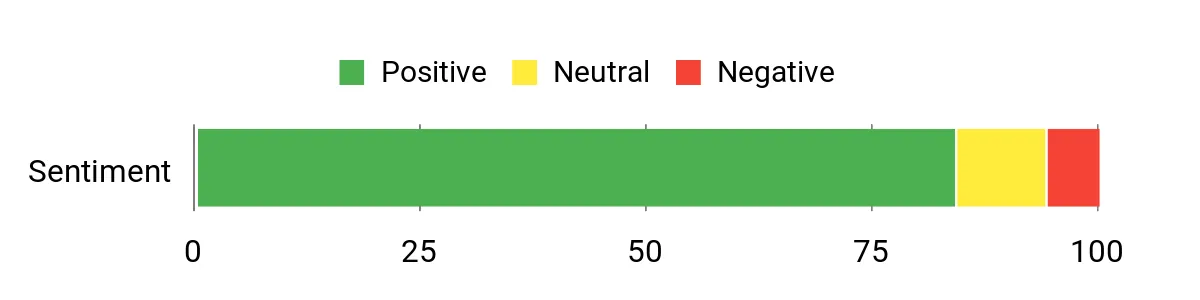
Likely strengths for buyers include dependable subject recognition, flexible stills-and-video performance, and a mature lens selection. Buyers should compare card requirements, rolling-shutter behavior in specific modes, battery needs, and the cost of suitable full-frame lenses before committing.
Source note: The sentiment graphic retained below comes from the original article layout and should not be treated as a current or comprehensive review study.
Versatility
This body suits city photography, outdoor work, studio portraits, events, wildlife, and run-and-gun video. Its blend of resolution, speed, stabilization, and autofocus reduces the need to own separate stills and video bodies.
Innovation
The partially stacked full-frame sensor, AI-assisted subject recognition, pre-capture tools, and 5-axis stabilization are practical upgrades for unpredictable subjects and handheld shooting.
Key Benefits
- 33MP full-frame sensor for a useful balance of detail and file size
- Blackout-free shooting up to 30 fps for fast action
- Subject-recognition autofocus for people, animals, birds, insects, and vehicles
- 5-axis in-body stabilization for handheld stills and video
- Broad E-mount lens selection from Sony and third-party manufacturers
Who Should Buy This?
Choose it when you want one premium body for both serious photography and video, especially if you already own E-mount lenses.
Who Should Avoid This?
Skip it if your priority is the smallest possible kit, the lowest system cost, or internal RAW video.
Check Product Details on Amazon
The EOS R6 Mark III is the most video-focused option in this roundup. It provides advanced recording formats and monitoring tools while retaining fast still-photo performance, making it attractive to wedding teams, documentary shooters, and creators who deliver both photos and video.
Its highest-quality recording modes can require CFexpress Type B media, large storage capacity, capable editing hardware, and careful heat and power planning. Buyers who only need standard 4K delivery may not benefit from paying for the full feature set.
Buyer Feedback Themes
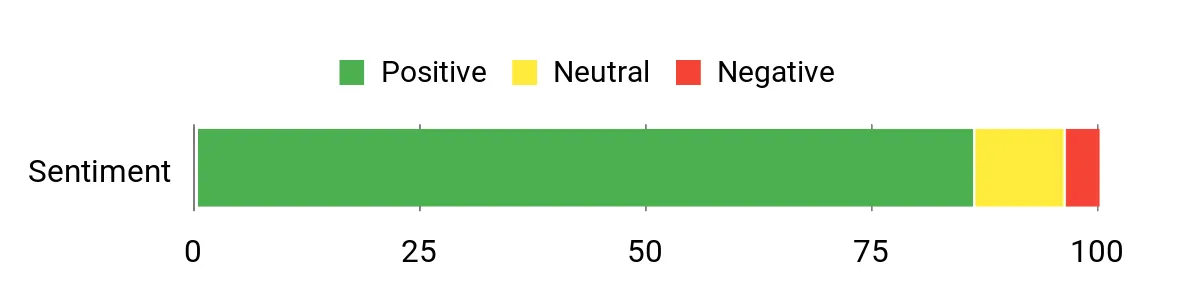
Key attractions include Canon’s Dual Pixel autofocus, strong ergonomics, high-speed shooting, and unusually deep internal video options. The main buying questions are media cost, file size, recording-mode limits, RF-lens budget, and whether 7K RAW is genuinely useful in your workflow.
Source note: The sentiment graphic retained below comes from the original article layout and should not be treated as a current or comprehensive review study.
Versatility
Use it for sports, weddings, documentary coverage, commercial content, interviews, and cinematic projects. It is particularly useful when one operator needs both fast stills and professional video formats.
Innovation
Pre-continuous stills, 7K RAW, 7K open-gate capture, 4K 120p, Canon Log 2, false color, waveform monitoring, and in-body stabilization give creators substantial control in a compact hybrid body.
Key Benefits
- 32.5MP full-frame stills with shooting up to 40 fps
- Internal 7K RAW up to 60p and 7K open-gate recording up to 30p
- 4K slow motion up to 120p and oversampled 4K up to 60p
- Canon Log 2 plus waveform, zebra, and false-color exposure tools
- In-body stabilization and Dual Pixel autofocus for hybrid work
Who Should Buy This?
Choose it when video deliverables are central to your work and you need advanced internal recording without moving to a dedicated cinema body.
Who Should Avoid This?
Skip it if you mainly shoot casual stills, want inexpensive media, or do not need high-bitrate 7K and 4K 120p workflows.
Check Product Details on Amazon
The X-M5 solves a common creator problem: getting interchangeable-lens image quality and flexible video tools in a body small enough for everyday carry. Its film simulations can reduce editing time when you prefer a finished look straight from the camera.
The main tradeoffs are the lack of an electronic viewfinder and the lack of in-body image stabilization. Stabilized lenses, careful handheld technique, or a gimbal may be important for smoother footage and slower-shutter photography.
Buyer Feedback Themes
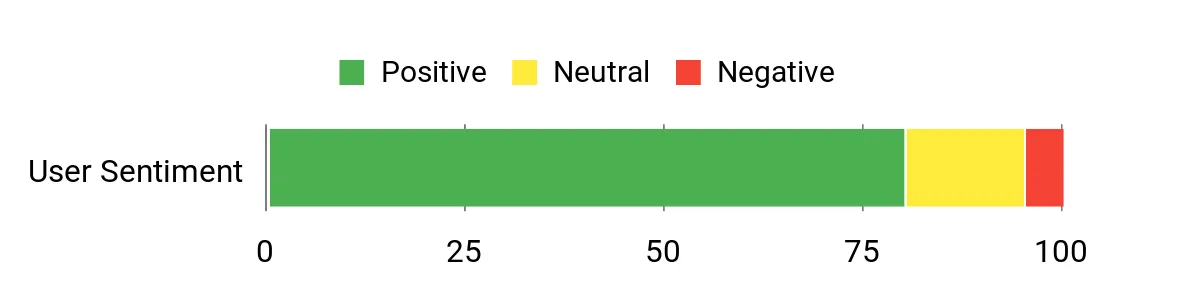
Buyers are likely to value the compact body, Fujifilm color options, accessible controls, and creator-oriented audio features. Before purchasing, consider whether you are comfortable composing only on the rear screen and whether your preferred lenses include optical stabilization.
Source note: The sentiment graphic retained below comes from the original article layout and should not be treated as a current or comprehensive review study.
Versatility
It works well for street walks, family moments, short-form content, travel diaries, interviews, and lightweight client work. Open-gate capture is especially useful when one recording needs to be reframed for horizontal and vertical delivery.
Innovation
Fujifilm combines film-inspired color with subject-detection autofocus, creator-focused microphone modes, open-gate recording, and direct access to popular looks.
Key Benefits
- Compact 26.1MP APS-C body for everyday carry
- Film simulations for distinctive JPEG and video looks
- 6.2K open-gate recording for flexible reframing
- Three built-in microphones and creator-oriented audio controls
- Vari-angle touchscreen and straightforward phone connectivity
Who Should Buy This?
Choose it when portability, color, and social-first video matter more than having an EVF or in-body stabilization.
Who Should Avoid This?
Skip it if you regularly shoot in bright sunlight through a viewfinder, rely on unstabilized lenses for handheld video, or need a weather-sealed body.
Check Product Details on Amazon
The Z5 II is designed for buyers who want full-frame image quality, dependable stabilization, and familiar camera handling without moving into the highest price tier. Dual SD card slots are convenient for backup or overflow recording without requiring CFexpress media.
Its headline 30 fps rate applies to JPEG high-speed capture; RAW shooting is slower. Video-first buyers should also compare its cropped high-frame-rate 4K modes and recording options with more expensive hybrid bodies.
Buyer Feedback Themes
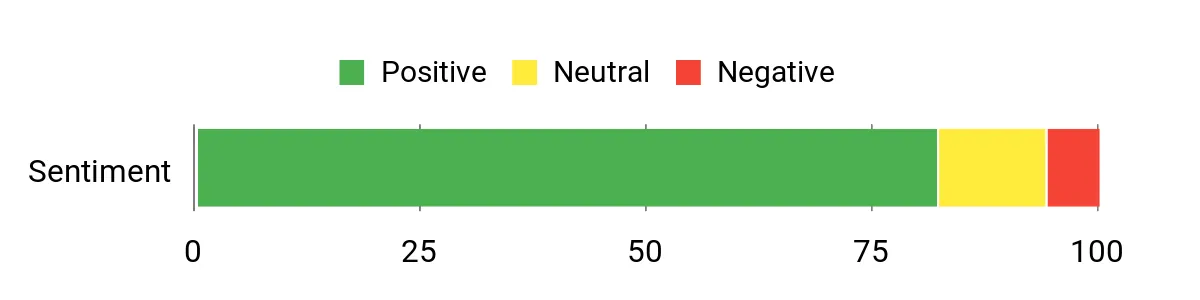
Likely strengths include comfortable handling, a bright EVF, strong low-light capability, flexible autofocus, and practical storage. Buyers moving from another mount should include lens replacement or adapter costs in the real system price.
Source note: The sentiment graphic retained below comes from the original article layout and should not be treated as a current or comprehensive review study.
Versatility
This body works for portraits, travel, events, landscapes, family photography, and general video. Nikon F-mount lenses can be used with compatible FTZ adapters, although autofocus and feature support depend on the specific lens.
Innovation
EXPEED 7 processing, subject detection, pre-release capture, customizable Picture Controls, and in-body stabilization bring higher-end Nikon workflow features to a more accessible full-frame body.
Key Benefits
- 24.5MP full-frame sensor for low-light work and subject separation
- 5-axis in-body stabilization rated up to 7.5 stops in specified conditions
- Bright electronic viewfinder and comfortable controls
- Dual UHS-II SD card slots for backup or overflow
- Up to 30 fps JPEG high-speed capture and up to 14 fps in supported non-RAW modes
Who Should Buy This?
Choose it when you want a practical entry into Nikon full frame for stills-first shooting, with enough video capability for general hybrid work.
Who Should Avoid This?
Skip it if uncropped high-frame-rate 4K, the fastest RAW bursts, or the smallest lenses are your top priorities.
Check Product Details on Amazon
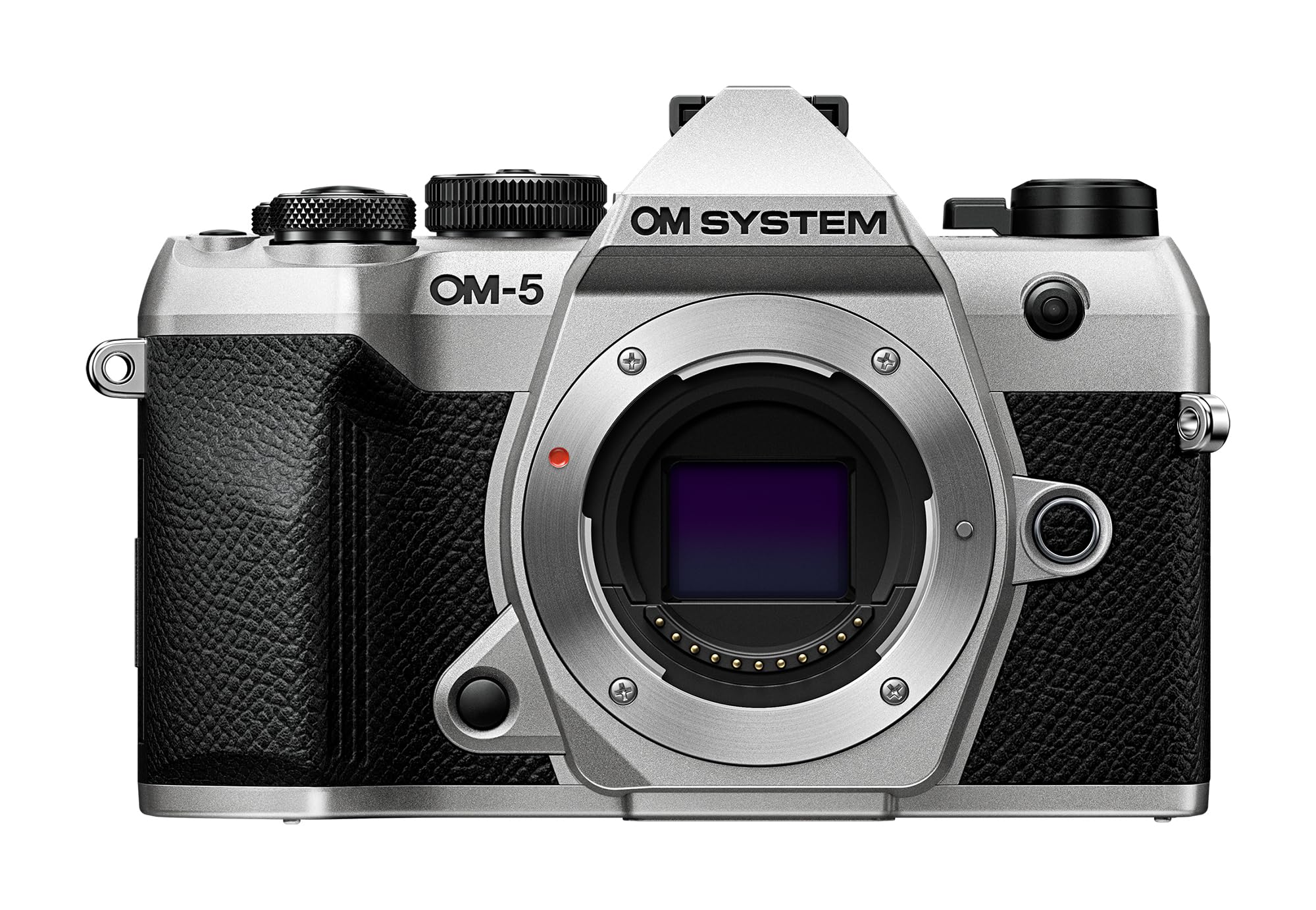
The OM-5 Mark II is built around portability and outdoor practicality. Its compact body, smaller Micro Four Thirds lenses, weather sealing, and strong stabilization make it easier to carry on long hikes or trips than most full-frame systems.
The 20.4MP sensor and 4K 30p ceiling are less attractive for heavy cropping or video-first production. Weather resistance also depends on using compatible sealed lenses and properly closed covers; it is not a license to submerge the camera.
Buyer Feedback Themes
Likely strengths include low weight, reliable stabilization, computational tools, and outdoor durability. Buyers should compare the modest upgrade over the original OM-5, the lack of advanced subject-recognition autofocus, and the smaller sensor’s high-ISO limitations.
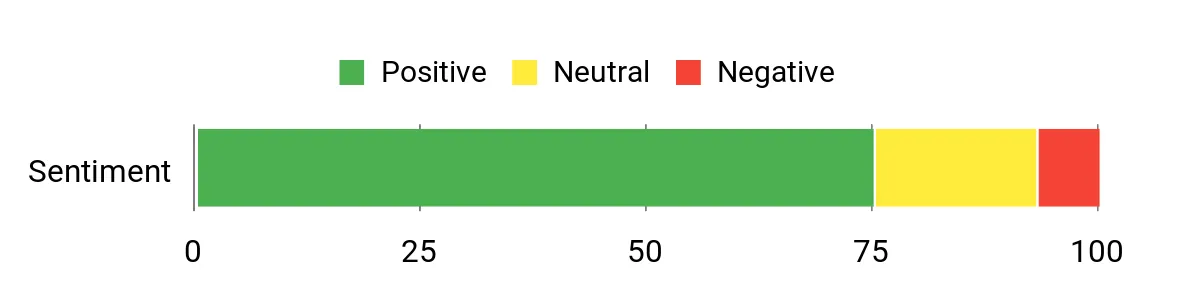
Source note: The sentiment graphic retained below comes from the original article layout and should not be treated as a current or comprehensive review study.
Versatility
Use it for street photography, hiking, landscapes, macro, family trips, and casual video. Features such as Live ND, High-Res Shot, Focus Stacking, Starry Sky AF, and Live Composite can reduce the amount of extra gear needed outdoors.
Innovation
A dedicated computational photography button, Pro Capture buffering, in-body stabilization, and USB-C charging focus on practical field use rather than headline resolution.
Key Benefits
- Lightweight body and compact Micro Four Thirds lens options
- IP53-rated weather sealing when paired with compatible sealed lenses
- 5-axis stabilization with up to 7.5 stops using supported Sync IS combinations
- Pro Capture and computational tools for action, landscapes, macro, and night work
- USB-C charging for easier travel power management
Who Should Buy This?
Choose it when low system weight, weather resistance, and handheld outdoor photography matter more than maximum sensor size or advanced video formats.
Who Should Avoid This?
Skip it if you need 4K 60p or higher, advanced subject-recognition autofocus, frequent extreme-ISO work, or substantial cropping latitude.
Check Product Details on Amazon
FAQ
Which Mirrorless Camera Should I Choose?
Match the body to your actual shooting. Choose the Sony A7 V for the broadest hybrid balance, the Canon EOS R6 Mark III for advanced video, the Fujifilm X-M5 for compact creator use, the Nikon Z5 II for accessible full-frame photography, or the OM-5 Mark II for a lightweight outdoor system.
Then compare total kit cost, native lenses, card requirements, battery needs, body comfort, and the features you will use every week rather than buying on headline specifications alone.
Do I Need Full Frame?
Full frame can improve low-light flexibility, dynamic range, and shallow-depth-of-field control, but compatible lenses are often larger and more expensive. APS-C and Micro Four Thirds systems can be easier to carry, less costly to build, and especially effective for travel, street, wildlife reach, and online content.
Does In-Body Stabilization Replace a Gimbal or Tripod?
No. In-body stabilization helps reduce camera shake, but it cannot freeze a moving subject and does not reproduce every type of gimbal movement. A tripod remains useful for long exposures, product work, and repeatable framing, while a gimbal may still be preferable for walking shots and complex camera moves.
What Extra Costs Should I Plan For?
Allow for lenses, memory cards, spare batteries, a charger or power bank, a microphone, filters, a bag, and editing storage. High-bitrate 7K or 4K 120p workflows may also require faster cards, larger drives, and a more capable computer.
How Do I Get Better Photos and Video?
Learn exposure, autofocus modes, light, composition, and audio before chasing every new feature. Shoot RAW when you need still-image editing flexibility, use appropriate shutter speeds, practice subject tracking, and test video codecs and card performance before an important job.
Wrapping Up
These cameras serve different buyers rather than forming a simple best-to-worst ranking. The Sony A7 V is the most balanced premium hybrid, while the Canon EOS R6 Mark III is the strongest choice for creators who will use advanced video formats.
Choose the Fujifilm X-M5 for compact creator-focused shooting, the Nikon Z5 II for practical full-frame value, and the OM-5 Mark II for lightweight outdoor photography. The best purchase is the body whose lenses, media, handling, and workflow fit the way you actually create.
| Product Name | Image | Photo Sensor Resolution | Video Resolution | Continuous Shooting Speed | Image Stabilization |
|---|---|---|---|---|---|
| Sony Alpha 7 V Full-Frame Hybrid Mirrorless Camera |
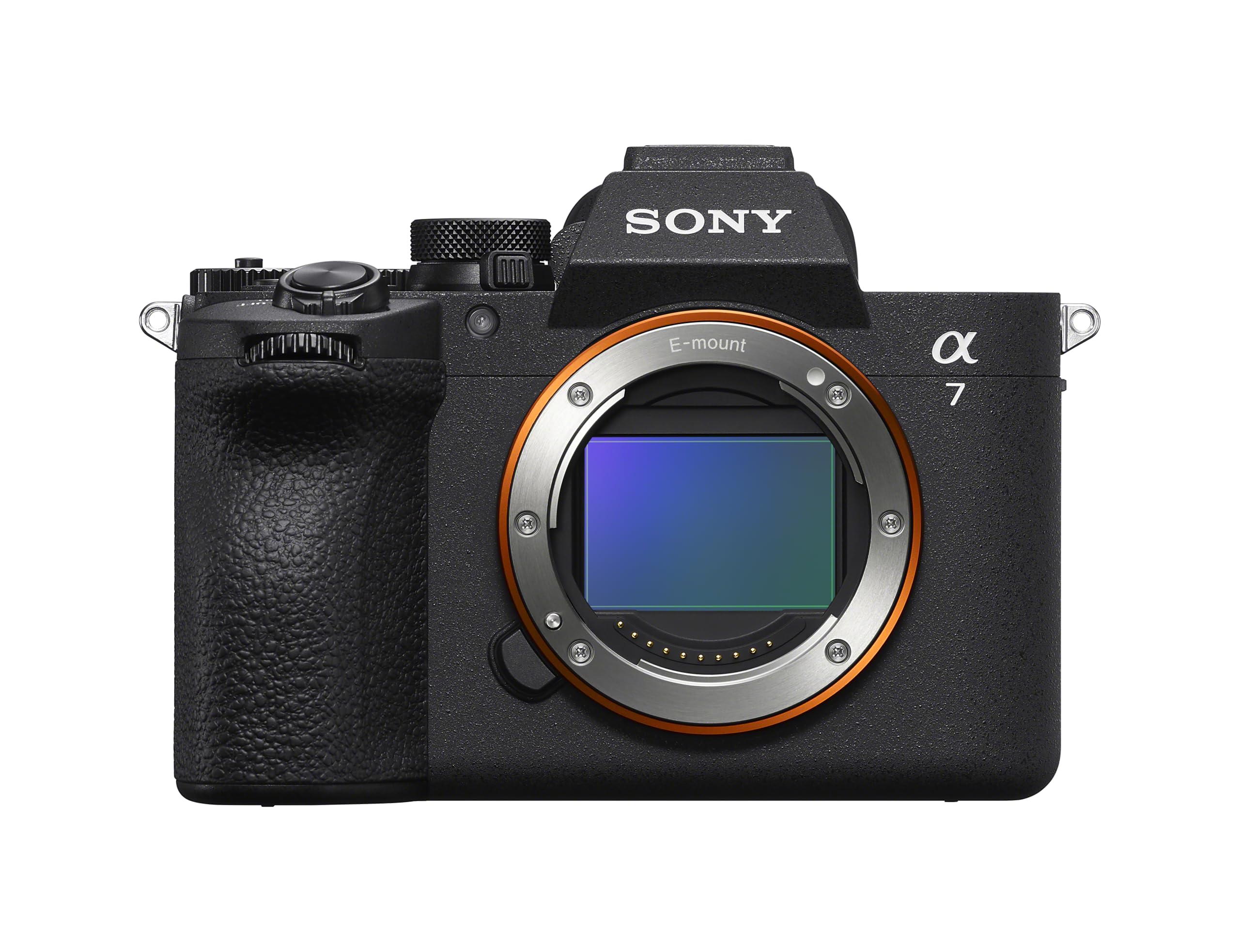 |
33 MP full frame | Up to 4K 120p; 4K 60p in supported full-frame modes | Up to 30 fps with electronic shutter | 5-axis sensor-shift IBIS |
| Canon EOS R6 Mark III Body |
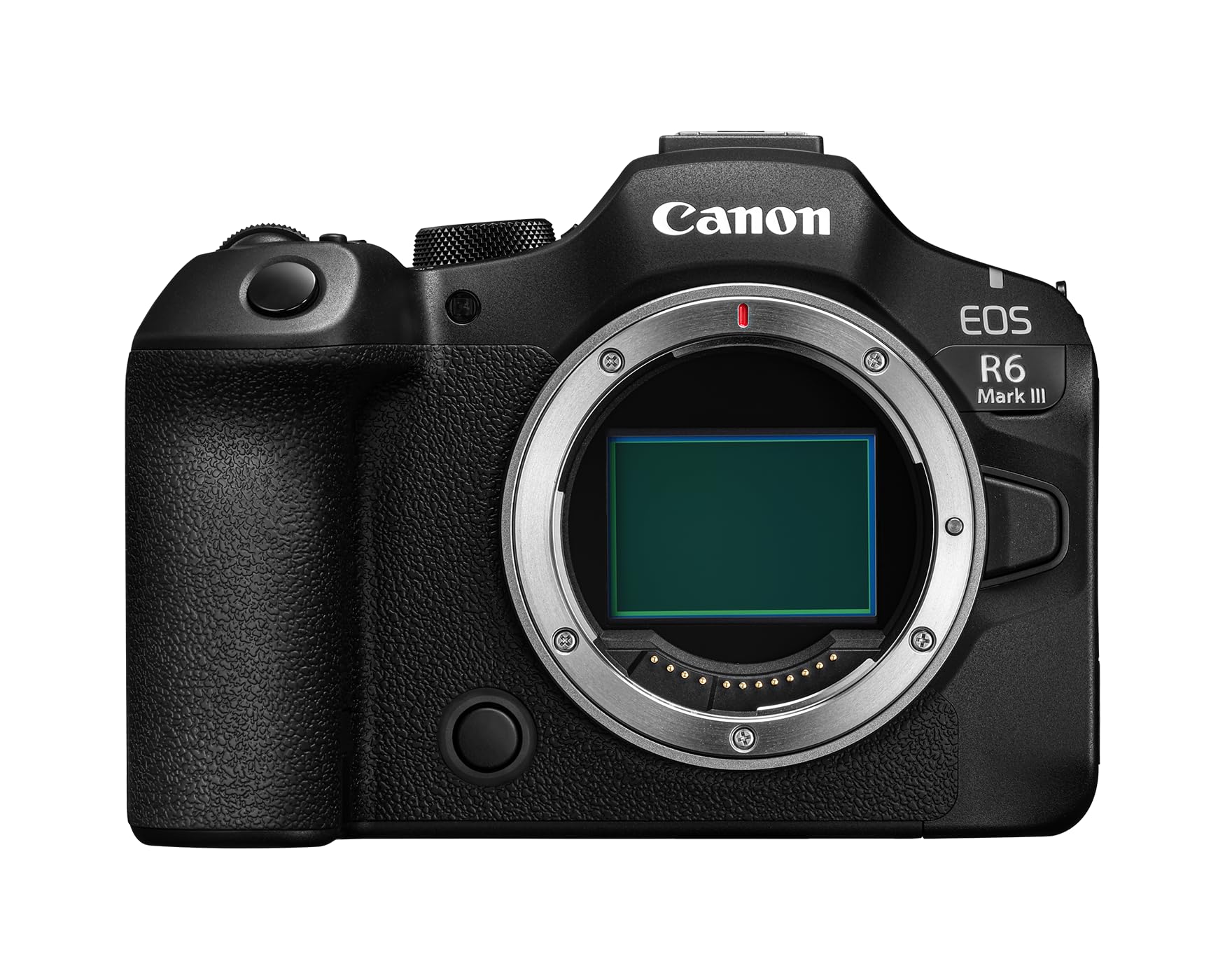 |
32.5 MP full frame | 7K RAW up to 60p; 7K open gate up to 30p; 4K up to 120p | Up to 40 fps electronic / 12 fps mechanical | Sensor-shift IBIS |
| FUJIFILM X-M5 Mirrorless Digital Camera Body |
 |
26.1 MP APS-C | 6.2K open gate up to 30p; 4K up to 60p | Up to 20 fps without crop / 30 fps with 1.25x crop | Digital stabilization for video; no IBIS |
| Nikon Z5 II Full-Frame Mirrorless Camera |
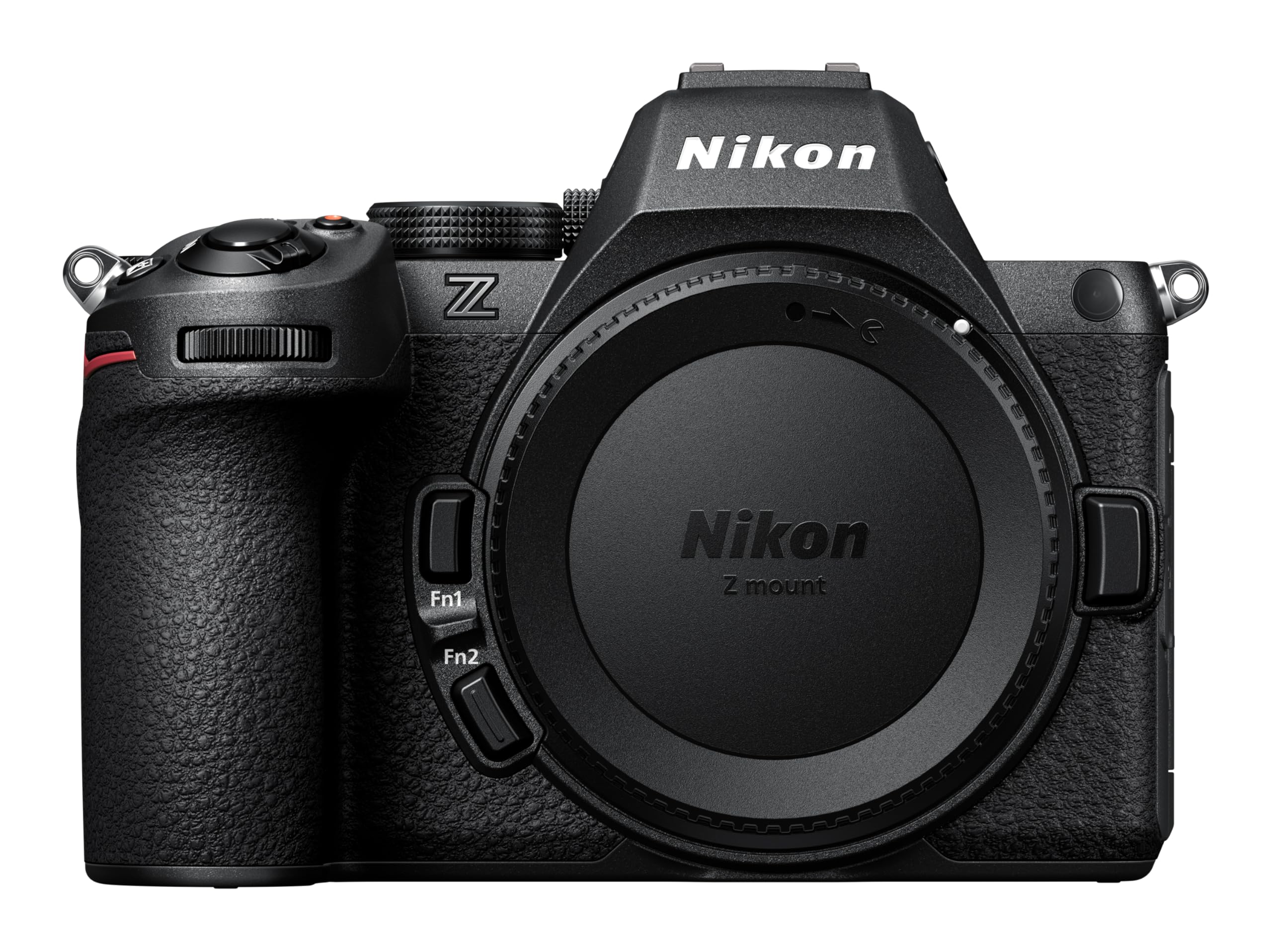 |
24.5 MP full frame | 4K up to 60p with crop; 4K up to 30p without the same crop | Up to 30 fps JPEG high-speed capture; up to 14 fps in supported modes | 5-axis sensor-shift IBIS |
| OM SYSTEM OM-5 Mark II Body |
 |
20.4 MP Micro Four Thirds | 4K up to 30p; Full HD up to 120p | Up to 10 fps with continuous AF / 30 fps with single AF | 5-axis sensor-shift IBIS |
Affiliate disclosure: This roundup is reader-supported. When you click qualifying links and make a purchase, we may earn a referral commission at no additional cost to you. Product specifications, listing details, and availability can change, so confirm the current Amazon listing and manufacturer specifications before purchasing.