As an Amazon Associate I earn from qualifying purchases.
If you care about carrying less weight, moving faster, and staying comfortable on the trail, choosing the right ultralight tent matters. Lightweight shelters reduce pack bulk, make multi-day trips easier, and help you enjoy camp without carrying unnecessary weight.
In this guide, you’ll find tents that balance packability, weather protection, setup speed, and livability. Whether you want a featherweight bivy for solo fastpacking, a compact 1-person backpacking tent, or a roomier ultralight shelter for two or three campers, these picks help you match the tent to your trip style.
Quick Verdict
Best premium pick: Big Agnes Copper Spur HV UL if you want stronger livability, more interior comfort, and a premium trail shelter.
Best value pick: Naturehike Cloud-Up 2 Person if you want a budget-friendly backpacking tent with solid packability and weather protection.
Best quick setup pick: Clostnature 2-Person if you want a simple freestanding tent for weekend backpacking, festivals, and lighter car camping.
Best solo ultralight options: Clostnature 1-Person, Naturehike Cloud-Up 1P, GEERTOP Bivy, or Night Cat if you want a compact shelter for solo trips.
Before you buy: Always compare listed packed weight, trail weight, floor dimensions, vestibule space, waterproof rating, and whether a footprint or trekking poles are included.
Top Picks
|
Category |
Product |
Score |
|---|---|---|
|
🏆 Best High-Performance |
95/100 |
|
|
💰 Best Budget 2-Person |
88/100 |
|
|
🎯 Best Solo Balance |
80/100 |
|
|
⭐ Best Quick Setup |
84/100 |
|
|
🚀 Best Ultralight Value |
85/100 |
|
|
🔰 Best Bright Visibility |
83/100 |
|
|
💼 Best Stealth Bivy |
86/100 |
|
|
🎨 Most Durable Build |
90/100 |
|
|
🔧 Best Trekking-Pole Bivy |
78/100 |
|
|
💡 Best Quick Pitch |
77/100 |
How We Chose These Tents
You want a tent that matches the way you camp. We prioritized four practical factors: weight and packed size, weather protection and materials, livability, and setup speed. These details affect how comfortable you feel after a long day on trail.
We also considered price position, buyer feedback themes, included accessories, and common real-world concerns such as thin floors, tight interiors, weak stakes, condensation, and whether a footprint is worth adding. Amazon ratings, review totals, prices, and availability can change, so check each product page for the latest details before buying.
Before You Buy an Ultralight Tent
- Check real sleeping space: Many 2-person ultralight tents feel better for one camper plus gear.
- Compare trail weight vs packed weight: Some listings separate minimum trail weight from the full kit weight.
- Look at waterproof ratings carefully: A higher number helps, but seam quality, fly tension, bathtub floor design, and pitching matter too.
- Plan for floor protection: Lightweight tent floors can wear faster, so a footprint or tarp often improves long-term durability.
- Confirm what is included: Some minimalist shelters need trekking poles, upgraded stakes, or a separate footprint.
- Match the shelter to the season: These are best treated as three-season backpacking shelters, not winter expedition tents.

You want a tent that won’t weigh you down but still feels simple at camp. This Clostnature 2-person tent fits that need. It has a freestanding dome design with aluminum poles, mesh inner walls for airflow, two doors, and two small vestibules for shoes or a compact pack. The PU-coated fabric and sealed seams are built for typical three-season rain when the tent is pitched correctly.
Setup is straightforward, and the packed size works well for weekend backpacking, bikepacking, festivals, or lighter car camping. It is best used as a roomy solo shelter or a snug two-person tent.
Who Should Buy This
Choose this tent if you want a lightweight freestanding shelter with dual doors, solid ventilation, and a practical comfort-to-packability balance.
Who Should Avoid This
Skip it if you need generous space for two adults plus large packs or if you regularly camp in harsh storms where a heavier-duty shelter is safer.
What People Say
Reviews commonly praise how light and simple the tent is to set up. People also like the ventilation, dual doors, and vestibules for shoes or a small pack. Common cautions include a thinner floor and the need for careful pitching in rough weather.
Overall Sentiment: Positive

Durability
Most customers find the tent durable enough for regular three-season use. The floor is thinner than premium models, so a footprint and careful site selection can help extend its life.
Travel Friendly
This tent is travel friendly because it is compact, freestanding, and quick to pitch. Vestibule space is limited, so plan where you will store bigger packs.
Why You’ll Like It
- Lightweight and compact for easier carrying
- Quick freestanding setup with clip-on poles
- Good ventilation from mesh inner walls
- Weather-ready design for typical three-season use
- Dual doors and vestibules for easier access and gear storage
Check Current Amazon Availability

If you want a no-fuss solo shelter that won’t bog you down, this Clostnature 1-person tent is worth a close look. It is a freestanding dome with aluminum poles, mesh inner walls for ventilation, and a modest vestibule for a small pack or muddy shoes.
Use it for weekend backpacking, bikepacking, canoe trips, festival nights, or as a lightweight car-camp backup. It is snug, so taller campers should check the listed dimensions before buying.
Who Should Buy This
It is best for solo campers who want easy setup, good wet-weather protection, and a compact packed size without paying premium ultralight prices.
Who Should Avoid This
Avoid it if you need lots of interior room, regularly camp with bulky gear inside the tent, or prefer thicker premium floor materials.
What People Say
Buyers often praise the light feel, quick setup, compact packed size, and ventilation. Common cautions include thin floor material, basic stakes, and a snug fit for tall users.
Overall Sentiment: Positive

Durability
The tent is built for regular three-season use, but the floor and some hardware feel more budget-oriented than high-end ultralight gear. A footprint and upgraded stakes can improve long-term durability.
Travel Friendly
This is a travel-friendly pick because it compresses to a small sack and pitches quickly. Vestibule space is limited, so pack with basic overnight gear in mind.
Why You’ll Like It
- Lightweight and compact for solo carrying
- Quick freestanding setup
- Mesh inner walls support airflow
- Small vestibule and pockets for basic organization
- Good value for short backpacking and bikepacking trips
Check Product Details on Amazon

You’re getting one of the most livable ultralight shelters in this list. The freestanding, high-volume layout gives better headroom than many minimalist shelters, while the two vestibules help protect packs, boots, or small gear from rain.
The built-in mtnGLO lights are useful for late-night gear sorting, and the premium materials make the tent feel more refined than budget options. It is a strong choice for longer backpacking routes, fast weekends, and trips where comfort matters as much as weight.
Who Should Buy This
Buy it if livability, headroom, premium materials, storage pockets, and trail comfort matter more to you than choosing the lowest-cost tent.
Who Should Avoid This
Skip it if you are shopping strictly by budget or if you prefer a minimalist bivy-style shelter for the lowest possible packed size.
What People Say
Most users praise how roomy and comfortable the Copper Spur feels for an ultralight tent. The extra headroom, dual doors, easy setup, interior lights, and storage pockets are frequent highlights. Some users still recommend careful staking in wind and a footprint for long-term floor protection.
Overall Sentiment: Positive

Durability
The lightweight fabric and aluminum pole structure are designed for backcountry use, but like most premium ultralight tents, the materials still need careful handling. A footprint can help protect the floor over years of use.
Travel Friendly
It is trail-friendly for multi-day trips, though the 3-person size takes more pack space than a solo or 2-person shelter. If you want lighter gear without giving up comfort, it travels very well.
Why You’ll Like It
- High-volume interior for better headroom and livability
- Premium ultralight construction
- Freestanding design with easy setup
- Two vestibules for covered gear space
- Integrated mtnGLO lights and multiple pockets
- Strong pick for longer trips where comfort matters
Check Product Details on Amazon

You’ll find the Cloud-Up a practical ultralight option when you want to shave ounces without giving up basic comfort. It uses a double-layer design, a single-pole style setup, mesh ventilation, and a vestibule for covered gear storage.
The included footprint and stakes make it easier to start camping without hunting for extras. It works well for weekend backpacking, bikepacking, solo trips when you want extra space, or car camping when you would rather carry lighter kit. For two adults, expect a snug fit.
Who Should Buy This
It fits hikers who want a lighter two-person shelter but still care about waterproofing, a footprint, and a quick setup.
Who Should Avoid This
Pass if you expect a truly spacious two-person interior. It may work better as a roomy solo tent for many campers.
What People Say
Buyers consistently point to the easy setup and strong value for the weight. People also appreciate the small packed size and included footprint, though several reviewers note that the two-person label is tight.
Overall Sentiment: Positive

Durability
The lightweight fabric and aluminum pole balance strength with packability. As with most lightweight tents, careful pitching and avoiding abrasive ground will help keep it in good shape.
Travel Friendly
This tent packs small and slips into most backpacks without hogging space. The vestibule gives you a covered spot for a pack or boots, though two people will find interior space snug.
Why You’ll Like It
- Good value for backpacking and bikepacking
- Included footprint and stakes
- Compact packed size
- Mesh inner supports airflow
- Useful vestibule for covered gear storage
Check Current Amazon Availability

If you like to travel light but still want a real shelter, this GEERTOP bivy is easy to pack into your kit. It has a low-profile solo layout, a double-layer design, vents, two doors, and modest vestibule coverage for boots or a small pack.
The camouflage color makes sense for hunting, low-visibility camping, and solo outdoor trips. It is a good match for weekend backpacking, solo hunting trips, moto camping, or any time you want a compact shelter that balances weight and protection.
Who Should Buy This
Choose it if you want a low-profile solo shelter with camouflage, compact packing, and more weather protection than an open tarp setup.
Who Should Avoid This
Avoid it if you want room to spread out, sit comfortably for long periods, or store a full pack inside the sleeping area.
What People Say
People tend to praise how light and packable the tent is and note that setup is quick. Reviewers also like the extra vestibules and camouflage pattern, though some mention that the stakes and lightweight components may need upgrading for rough use.
Overall Sentiment: Positive

Durability
The tent is robust enough for regular three-season solo use, but a footprint and stronger stakes can help protect it on rocky or root-covered ground.
Travel Friendly
The bivy-style shape slips into most packs without fuss. You get modest covered space for boots or a small pack, but not the storage room of a full 2-person backpacking tent.
Why You’ll Like It
- Compact bivy-style profile
- Double-layer construction for better weather coverage
- Two doors and vents improve airflow
- Small vestibules for boots or light gear
- Camouflage color for low-visibility use
Check Product Details on Amazon

You get a practical solo shelter that balances packability with real-world weather protection. This orange version is especially useful if you want your tent to be easier to spot around camp, at a festival, or near a shared trail area.
Two aluminum poles and a freestanding design make setup simple. The mesh panels help airflow, and the small vestibule gives you basic covered storage for shoes or a compact pack.
Who Should Buy This
It works well for solo campers who want the Clostnature-style design in a brighter color that is easier to spot around camp.
Who Should Avoid This
Skip it if low-visibility camping matters more than bright visibility or if you need a wider floor plan.
What People Say
Reviews often praise the easy setup, small packed size, and ventilation. Common downsides include basic stakes, occasional clip or seam concerns, and a snug fit for taller users.
Overall Sentiment: Positive

Durability
The tent is built for regular three-season use, but floor protection and upgraded pegs can help if you camp on rough ground.
Travel Friendly
Its compact packed size makes it easy to stash on a bike, canoe pack, or inside a backpack. It is a good choice when visibility matters more than blending into the landscape.
Why You’ll Like It
- Bright color is easy to find around camp
- Compact packed size
- Quick one-person setup
- Mesh panels improve airflow
- Vestibule space for shoes or light gear
Check Current Amazon Availability
You get a surprisingly roomy ultralight shelter built around practicality. Two lightweight aluminum poles cross to form a freestanding frame, so you can pitch it quickly by yourself.
The interior is generous for the weight, and the dual doors and vestibules give usable storage without cluttering the sleeping area. It works well for weekend backpacking, bikepacking, motorcycle camping, lighter car camping, and festival trips.
Who Should Buy This
Choose this if you want a roomy-feeling 1–2 person shelter with dual doors, usable vestibules, and a freestanding setup.
Who Should Avoid This
Skip it if you need a very proven long-term review history or if your main priority is the smallest possible packed weight.
What People Say
Customers repeatedly praise how light and easy the tent is to set up. Many note the spacious interior, smooth zippers, roomy vestibules, and solid pole hardware. Common cautions include a thinner floor and the need for a footprint on rough sites.
Overall Sentiment: Positive

Durability
The tent balances low weight with practical durability. Stitching and reinforcements around attachment points are useful, but the floor is still lightweight. A footprint or tarp will help it last longer.
Travel Friendly
The narrow stuff sack is easy to carry on multi-day trips or tuck onto a motorcycle or bike. The freestanding setup also makes it quick to stow and redeploy.
Why You’ll Like It
- Roomy interior for its category
- Quick freestanding setup
- Dual doors and vestibules
- Good ventilation from mesh panels and vents
- Useful for backpacking, moto camping, and festivals
View Product Details on Amazon
If you already hike with trekking poles, this kind of shelter can help reduce carried bulk. It has a bivy-style footprint, a low profile, and a simple pitch that suits fast solo overnights.
Confirm the exact package before buying because some configurations include poles while others rely on trekking poles you already own. You’ll give up living space compared with freestanding tents, but the trade-off is a compact shelter that packs well.
Who Should Buy This
It is best for hikers who already carry trekking poles and want a small, simple shelter for fast overnight trips.
Who Should Avoid This
Skip it if you dislike tight bivy-style interiors or need more protected storage space for a backpack.
What People Say
Buyers often highlight the low weight, compact pack size, and quick setup. Common caveats include limited interior space, possible stress at attachment points if over-tensioned, and the value of using a footprint or seam care for longer service life.
Overall Sentiment: Positive

Durability
The tent balances low weight with reasonable toughness. Treat seams, use a footprint, and avoid over-tensioning the pitch to extend its life.
Travel Friendly
This shelter is designed to fit into small pack spaces. It is best for minimalist hikers who accept limited interior room in exchange for compact carry.
Why You’ll Like It
- Compact trekking-pole-friendly pitch
- Low-profile solo shelter design
- Good choice for fast overnight trips
- Small footprint fits tight campsites
- Useful when pack space is limited
Check Product Details on Amazon
If you want a shelter that disappears in your pack and pitches quickly, this green Night Cat option makes sense. It is best for minimalist solo trips where weight and packed size matter more than roomy interiors.
Like the khaki Night Cat option, confirm whether the listing includes poles or expects trekking poles. It is a smart fit for overnight backpacking, bikepacking, beach nights, festivals, or an emergency shelter kit.
Who Should Buy This
Pick this one if you want a simple, compact, low-weight shelter for fast solo trips and prefer the lighter green color option.
Who Should Avoid This
Skip it if you want a freestanding tent with more headroom, larger vestibules, or easier organization for bulky gear.
What People Say
Reviewers commonly praise the compact carry and quick pitch. Recurring trade-offs are the snug interior, limited storage, and the need to handle attachment points carefully.
Overall Sentiment: Positive

Durability
The lightweight design is best treated gently. A footprint, careful staking, and seam maintenance can help reduce wear over time.
Travel Friendly
This tent is designed for compact carry. It is a better match for minimalist solo campers than for campers who want room to sit, sort gear, or wait out long storms.
Why You’ll Like It
- Very compact for solo travel
- Quick pitch for simple overnight trips
- Trekking-pole-friendly design
- Small footprint fits tight sites
- Good option when pack space is limited
Check Product Details on Amazon
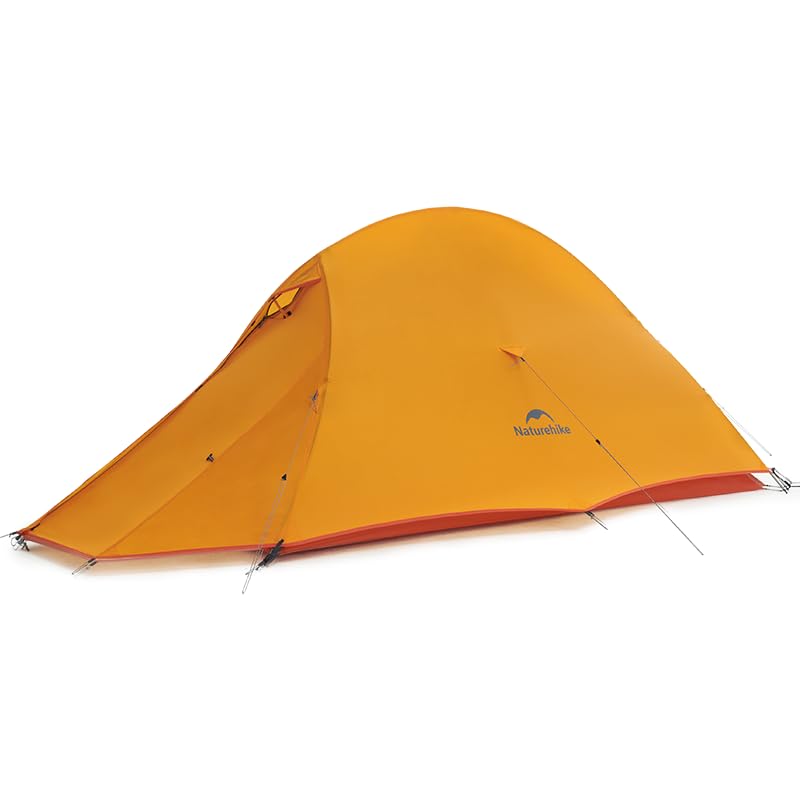
If you want a solo shelter that fits easily in your pack and still gives you enough protection for three-season trips, this is a smart choice. You get a double-layer 1-person design, aluminum poles, a compact packed size, and an included footprint.
The clip system and single support pole make pitching quick, and the vestibule gives you a place to keep shoes or a small pack out of the sleeping area.
Who Should Buy This
It is a good pick for solo backpackers who want a compact tent with included accessories and a balance of weather protection and packability.
Who Should Avoid This
Skip it if you need the room of a 2-person tent or if you want a premium ultralight shelter with more interior refinement.
What People Say
People consistently praise how light and compact this tent is and how fast it goes up. Reviewers also appreciate the included footprint and stakes. A few users mention zipper fiddliness or the need to adjust the rainfly carefully.
Overall Sentiment: Positive

Durability
The Cloud-Up balances light materials with useful reinforcement. Use the included footprint, avoid forcing zippers, and treat stake points carefully for best long-term results.
Travel Friendly
This tent is built to disappear in your pack. It is an easy pick for long hikes, bike travel, motorcycle travel, and solo camping where space and weight matter.
Why You’ll Like It
- Compact solo shelter design
- Good balance of weight and comfort
- Aluminum poles for a light framework
- Double-layer design helps manage condensation
- Comes with a footprint and basic accessories
- Quick solo-friendly pitching
Check Product Details on Amazon
FAQ
How Do I Choose The Right Ultralight Tent For My Trip?
You want a tent that matches the kind of trips you do, not just the marketing label. Start with occupancy. A “2-person” ultralight tent is often more comfortable for one camper plus gear, while a 1-person tent saves weight but leaves less room to move. Check the season rating, packed weight, trail weight, floor size, vestibule space, pole system, and whether the tent is freestanding or trekking-pole supported.
Also confirm what comes in the box. Footprints, stakes, guylines, repair sleeves, and trekking poles vary by model and configuration. Practice setting it up at home before your first trip so you know how it pitches and whether the interior works with your sleeping pad and gear.
Will An Ultralight Tent Keep Me Dry And Warm In Bad Weather?
Yes, if you match the shelter to the conditions and pitch it correctly. Lightweight tents can handle typical three-season rain when the fly is tensioned, seams are in good shape, stakes are secure, and the tent is oriented well against wind. They are not the right choice for severe winter weather or exposed high-wind camps unless the model is specifically built for that use.
Condensation can feel like leaking, especially in small tents with lots of mesh. Keep vents open, avoid storing wet gear inside when possible, and use a footprint or groundsheet to protect the floor from abrasion and moisture.
How Should I Pack, Set Up, And Care For An Ultralight Tent To Make It Last?
Treat the tent like technical gear. Pack poles and stakes separately if space allows, dry the tent fully before storage, and store it loosely at home rather than compressed long-term. During setup, do not force zippers, over-tension clips, or hammer stakes too hard.
Use a footprint or tarp under thin floors, carry a small repair kit, and replace weak stakes if you camp on rocky ground. Those small habits can extend the life of a lightweight tent.
Is A 1-Person Or 2-Person Ultralight Tent Better?
A 1-person tent is better when you are counting ounces, moving fast, or packing for solo hikes. A 2-person tent is better when you want more room, bring extra gear, or want the option to share the shelter. If comfort matters more than minimum weight, many solo hikers prefer a compact 2-person tent for extra elbow room.
Do I Need A Footprint With These Tents?
A footprint is strongly worth considering. Ultralight tent floors are often thinner to save weight, so a footprint helps reduce abrasion, punctures, and moisture exposure. Some tents include one, while others may require a separate groundsheet or tarp.
Are Trekking-Pole Tents Good For Beginners?
They can be, but they require more attention during setup. Freestanding tents are usually easier for beginners because the pole structure supports the tent shape. Trekking-pole shelters can save weight, but you need the right pole height, proper staking, and enough tension for a stable pitch.
What Customers Prefer
Most buyers balance weight, comfort, and price. Solo hikers often lean toward Clostnature 1P, Naturehike 1P, GEERTOP, or Night Cat because they pack smaller. Campers who want more room usually prefer Clostnature 2P, Naturehike 2P, MC TOMOUNT, or Big Agnes. If you care most about premium comfort and livability, Big Agnes is the standout. If you care most about budget-friendly packability, Naturehike and Clostnature are easier to justify.

Final Recommendation
Choose Big Agnes if you want the most premium-feeling shelter with better livability.
Choose Naturehike 2P if you want a stronger value balance for backpacking and casual backcountry trips.
Choose Clostnature 1P or Naturehike 1P if you want a compact solo backpacking tent that keeps your pack lighter.
Choose Clostnature 2P or MC TOMOUNT if you want a freestanding setup with more space than a bivy-style tent.
Choose GEERTOP or Night Cat if you prefer bivy-style packability and a lower-profile shelter for solo trips.
Wrapping Up
Choosing the right ultralight tent makes your trips more enjoyable because it reduces pack weight while still protecting you from weather and insects. If you want maximum comfort and reliability on long hikes, favor models with better weatherproofing, ventilation, vestibule space, and livability. If you want to shave ounces for fastpacking, focus on solo bivies or 1P designs with minimal packed volume.
The tents above cover a range of priorities, from premium performance with Big Agnes to budget-friendly two-person options from Naturehike and compact bivies from GEERTOP and Night Cat. Think about the conditions you usually face and match weight, durability, packed size, and vestibule space to those needs so your next trip is lighter, simpler, and more comfortable.
| Product | Image | Best For | Approx. Listed Weight | Occupancy | Water Resistance / Shelter Notes |
|---|---|---|---|---|---|
| Clostnature Lightweight Backpacking Tent – 2 Person |
 |
Quick weekend setup | Check current listing | 2 Person | PU-coated waterproof design; best for typical three-season use |
| Clostnature Lightweight Tent for Backpacking – 1 Person |
 |
Solo value | Check current listing | 1 Person | PU-coated waterproof design; footprint recommended on rough ground |
| Big Agnes Copper Spur HV UL – 3 Person |
 |
Premium livability | Varies by version | 3 Person | Premium ultralight shelter; verify exact generation and specs |
| Naturehike Cloud-Up 2 Person Tent |
 |
Budget 2-person backpacking | Check current listing | 2 Person | Waterproof coated fly; included footprint on many listings |
| GEERTOP Ultralight Bivy Tent for 1 Person |
 |
Stealth solo camping | Check current listing | 1 Person | Bivy-style shelter with compact coverage and low profile |
| Clostnature Lightweight Tent for Backpacking – 1 Person (Orange) |
 |
Bright visibility | Check current listing | 1 Person | PU-coated waterproof design; bright color is easy to spot |
| MC TOMOUNT Ultralight 2-Person Tent |
 |
Roomy 1–2 person setup | Check current listing | 1–2 Person | Freestanding design with dual doors and vestibules |
| Night Cat Ultralight 1-Person Tent – Khaki |
 |
Trekking-pole bivy use | Check current listing | 1 Person | Confirm whether poles are included or required separately |
| Night Cat Ultralight 1-Person Tent – Green |
 |
Fast solo pitch | Check current listing | 1 Person | Minimalist shelter; best for users comfortable with tight interiors |
| Naturehike Cloud-Up 1P |
 |
Balanced solo backpacking | Check current listing | 1 Person | Double-layer solo tent with footprint on many listings |
This Roundup is reader-supported. When you click through links we may earn a referral commission on qualifying purchases.