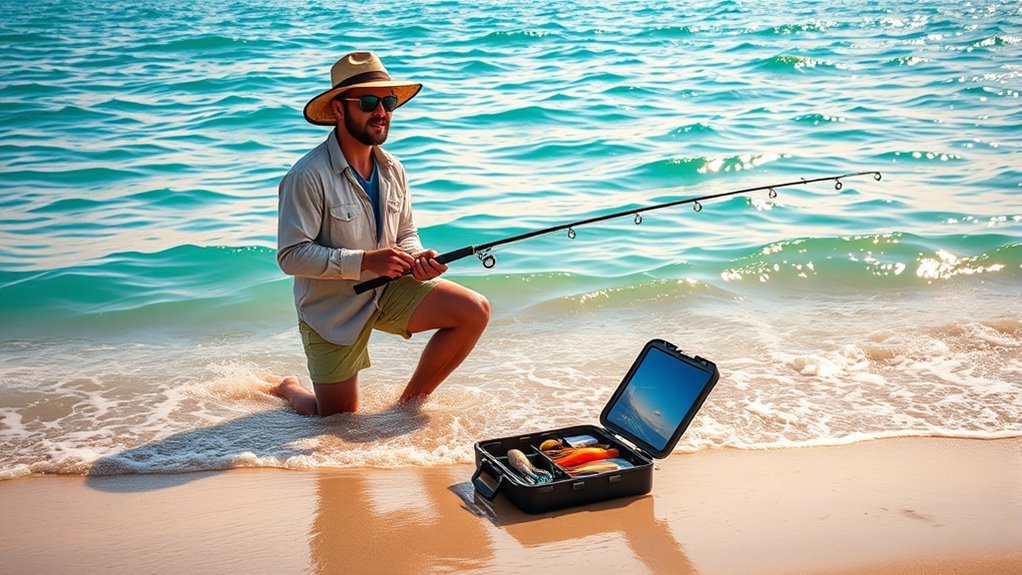
Bottom fishing is a practical, beginner-friendly way to target fish that feed near the sea floor, including snapper, grouper, halibut, flounder, catfish, and other bottom-dwelling species. To fish the bottom well, you need the right spot, a rig that holds bait near the bottom, strong knots, suitable bait, and enough patience to notice light bites. Start near underwater structures, match your weight to the depth and current, and always check local rules before you keep any fish.
Quick Answer
Bottom fishing means placing bait close to the sea floor or lake bottom where many fish feed. Use a strong rod, abrasion-resistant line, a sinker heavy enough to hold bottom, and bait like squid, shrimp, cut bait, minnows, or worms. Fish near reefs, wrecks, ledges, drop-offs, channels, or other structure.
Key Takeaways
- The best bottom fishing spots usually include structure, depth changes, current breaks, or soft-bottom feeding areas.
- Your sinker should be heavy enough to keep bait near the bottom without making bites impossible to feel.
- Squid, shrimp, cut bait, minnows, worms, and local natural bait often work better than random artificial lures.
- Circle hooks are a smart choice when you plan to release fish because they often hook in the corner of the mouth.
- Always check local size limits, bag limits, seasons, and protected areas before fishing or keeping your catch.
At a Glance
| Time Required | 1–4 hours for a simple trip; longer for offshore or deep-water fishing |
| Difficulty | Beginner to moderate, depending on depth, current, target species, and boat control |
| Tools Needed | Rod, reel, line, sinkers, hooks, leaders, bait, pliers, gloves, measuring tool, and a safe landing net or gaff where legal |
| Cost | Low to moderate for shore or pier fishing; higher for offshore trips, heavier tackle, and boat fuel |
What Is Bottom Fishing?
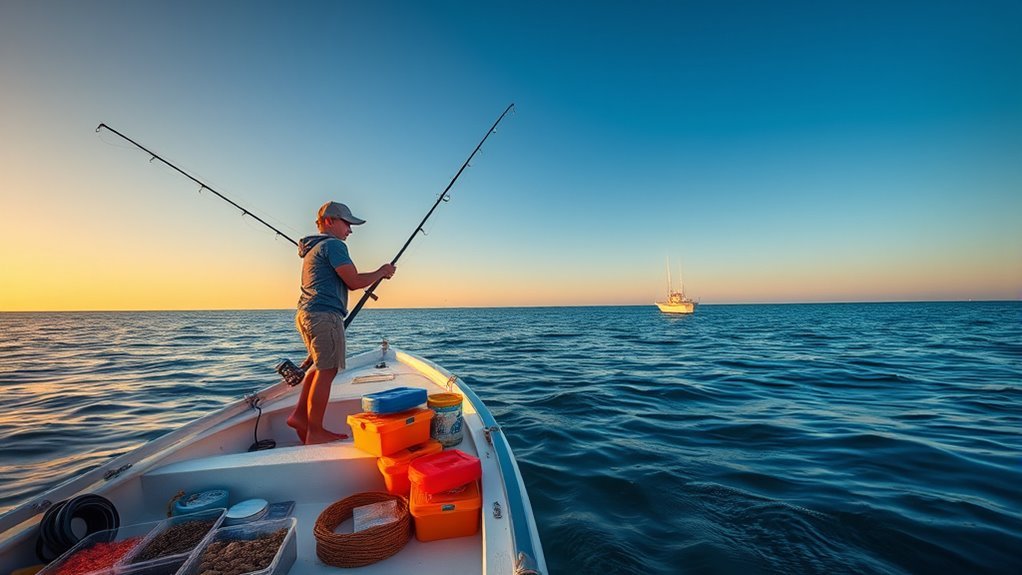
Bottom fishing is an angling technique that places bait near the bottom of the water column. In saltwater, anglers often use it for snapper, grouper, sea bass, flounder, halibut, cod, and other groundfish. In freshwater, the same basic idea works for catfish, carp, perch, walleye, and other fish that feed near the bottom.
You do not need to keep casting all day. Instead, you present bait where fish naturally feed, then watch your rod tip or feel the line for bites. That makes bottom fishing a strong method for beginners, but it still rewards skill, timing, and good location choices.
The key to successful bottom fishing is simple: keep your bait close to the feeding zone without making the rig so heavy or stiff that fish drop the bait before you can react.
Bottom fishing works best when your bait stays near the bottom, your line stays controlled, and your rig still lets you detect light bites.
This technique works from boats, piers, jetties, bridges, seawalls, beaches, riverbanks, and lake shores. Your setup changes with depth, current, bottom type, and target species, but the core method stays the same.
Choosing the Right Spot
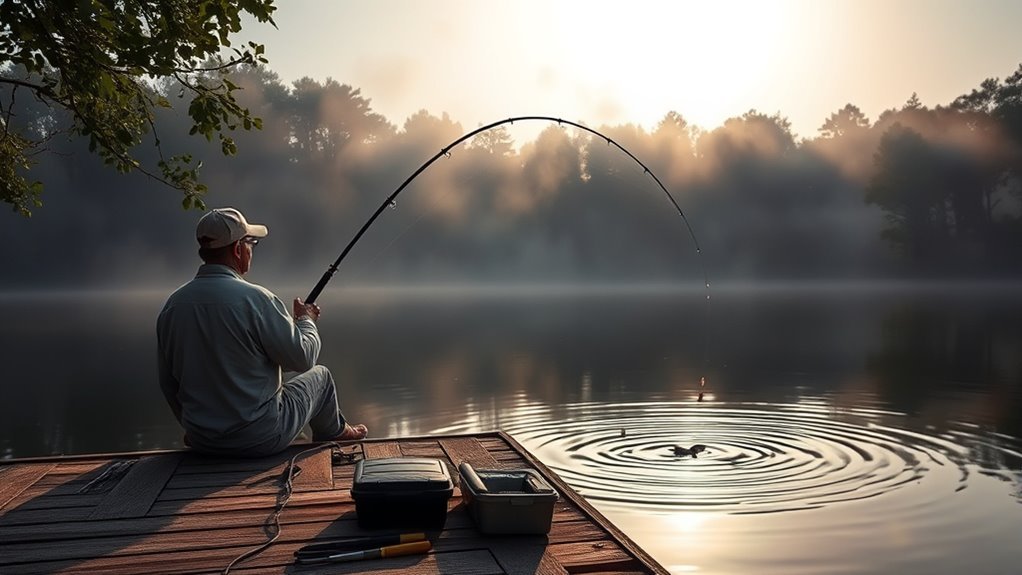
When it comes to successful bottom fishing, choosing the right spot can make all the difference. Look for underwater structures like reefs, wrecks, rock piles, bridge pilings, ledges, channel edges, weed lines, and natural drop-offs. These areas attract baitfish and give larger fish places to ambush prey.
Soft-bottom areas can also produce well. Sandy patches, mud flats, shell beds, and grass edges often hold flounder, rays, croaker, whiting, catfish, and other bottom feeders. If the area has food, current, and nearby cover, it deserves a few careful drops.
Using fish finders can boost your success by helping you identify depth changes, structure, bait schools, and fish activity. If you fish from shore, study visible clues instead. Current seams, foam lines, nervous bait, birds, deeper water near a pier, and color changes can all point to active feeding zones.
Local fishing reports can also help you narrow your search. Recent reports may show which species are active, what bait works, and whether fish are holding shallow, deep, near structure, or along channels.
Consider the time of day and tide movements, especially in saltwater. Many fish feed harder when moving water carries bait past structure. In freshwater, changes in light, current, water temperature, and weather can also affect bottom-feeding activity.
Finally, always review local regulations before you fish. Check seasons, size limits, bag limits, gear rules, protected species, and closed areas. Regulations can change by state, waterbody, species, and season.
Note: A good bottom fishing spot does not need to look dramatic from the surface. A small ledge, shell patch, current break, or depth change can hold fish when bait moves through the area.
Reading Depth, Current, and Bottom Type
Depth, current, and bottom type decide how your rig should behave. In shallow water with light current, a small sinker may be enough. In deep water, heavy current, or offshore conditions, you may need more weight to keep your bait in the strike zone.
Start with the lightest sinker that still holds bottom. Too little weight lets your bait drift too far. Too much weight makes bites harder to feel and can cause fish to drop the bait.
Bottom type matters, too. Sand usually lets sinkers slide and settle cleanly. Mud may need a pyramid or bank sinker to stay in place. Rocks, wrecks, reefs, and oyster beds can cut line, snag hooks, and require stronger leaders.
- Sand: Good for flounder, whiting, rays, and many surf species.
- Mud: Often holds worms, crabs, shrimp, and other natural food.
- Rock or reef: Great for structure-loving fish, but snags are common.
- Wrecks: Strong fish may dive back into cover, so use heavier tackle.
- Grass or weeds: Use rigs that reduce fouling and keep bait visible.
Setting Up Your Rig
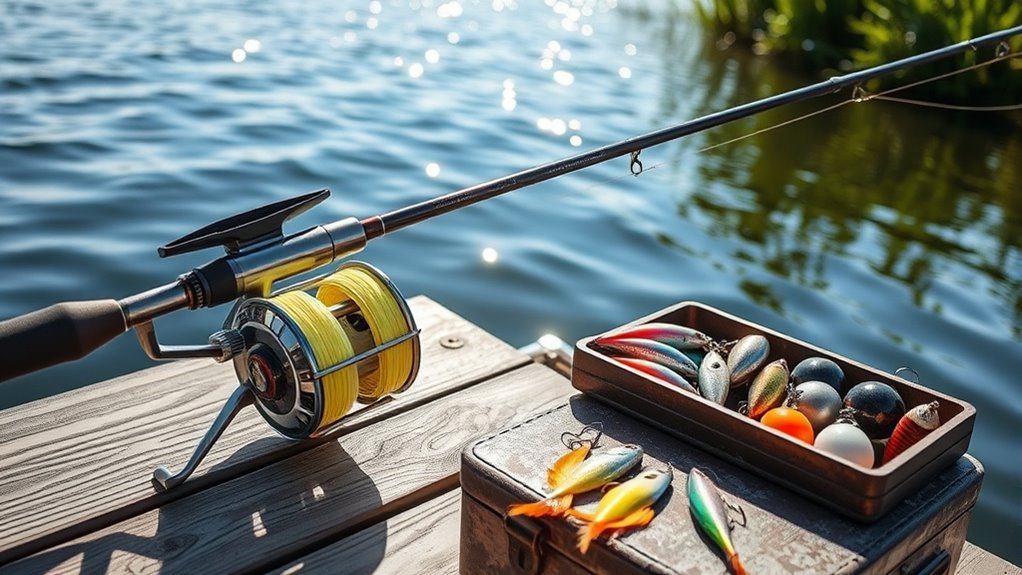
To set yourself up for success in bottom fishing, you need the right rig. A typical bottom fishing rig uses a weight to hold bait near the bottom, a hook to present the bait, and a strong line connected to your reel.
Choose sinkers based on depth, bottom type, and current. Bank sinkers work well on many sandy or mixed bottoms. Pyramid sinkers grip better in surf, mud, or current. Egg sinkers slide easily on Carolina rigs. Drop sinkers and bell sinkers work well for many simple bait rigs.
The hook size should match your bait and target species. Use larger hooks for grouper, big snapper, catfish, and other powerful fish. Use smaller hooks for flounder, perch, whiting, panfish, and light-biting species.
Common rig setups include the Carolina rig, which uses a sliding sinker above a swivel and leader, and the knocker rig, which lets the weight rest close to the hook. A high-low rig is another useful option because it presents two baits at slightly different heights.
Always secure your knots and use abrasion-resistant lines. Braided main line offers sensitivity and strength, while a monofilament or fluorocarbon leader adds shock absorption and abrasion resistance around rocks, shells, reefs, and wrecks.
Basic Bottom Rig Steps
- Thread your sinker onto the main line if you are using a sliding rig.
- Tie the main line to a swivel with a strong knot.
- Add a leader between the swivel and hook.
- Tie on the correct hook for your bait and target fish.
- Bait the hook so the point stays exposed enough for a clean hookset.
- Drop the rig until it reaches bottom, then reel up slack until you can feel the weight.
Pro Tip: After your sinker touches bottom, reel up just enough slack to stay connected. A tight line helps you feel taps, but too much tension can drag the bait out of place.
Best Bottom Fishing Rigs
Different rigs solve different problems. You do not need every rig at once, but learning a few basic setups helps you adjust when current, snags, or fish behavior changes.
- Carolina rig: Best for a natural bait presentation with a sliding sinker. It works well for many saltwater and freshwater species.
- Knocker rig: Best for structure fishing because the weight stays close to the bait and can reduce tangles.
- High-low rig: Best when you want to test two baits or keep bait slightly above grass, mud, or small crabs.
- Fish finder rig: Best for surf and pier fishing because the sinker can hold bottom while the bait moves naturally.
- Three-way rig: Best for current, deep water, or drifting because it separates the sinker from the baited leader.
If you are new to bottom fishing, start with one simple rig and learn how it feels. Once you understand how bites feel, you can switch rigs with more confidence.
Bait Selection

Choosing the right bait can make all the difference in your bottom fishing success. Popular bait choices include squid, cut bait, shrimp, minnows, worms, crabs, clams, and other natural food found in the area you are fishing.
Squid is durable and effective because it stays on the hook well. Cut bait is versatile and easy to prepare, especially when targeting scent-driven fish. Live bait, such as minnows, shrimp, and worms, often looks more natural than artificial lures and can trigger bites from wary fish.
When using shrimp, hook it through the horn, tail, or body depending on how you want it to move. For live minnows, hook through the lips, back, or tail area while keeping the bait lively. For cut bait, leave enough hook point exposed so the fish can get hooked cleanly.
Always consider local species and conditions when selecting bait. Fish often prefer food they already see in that water. If crabs, shrimp, squid, clams, worms, or baitfish are common in the area, start there.
Be sure to familiarize yourself with fishing regulations in your area. Some waters restrict bait types, live bait transport, chumming, protected species, or the use of certain natural baits.
With the right bait selection, you’ll be well on your way to attracting fish and enjoying a productive day on the water.
Gear Up for Bottom Fishing
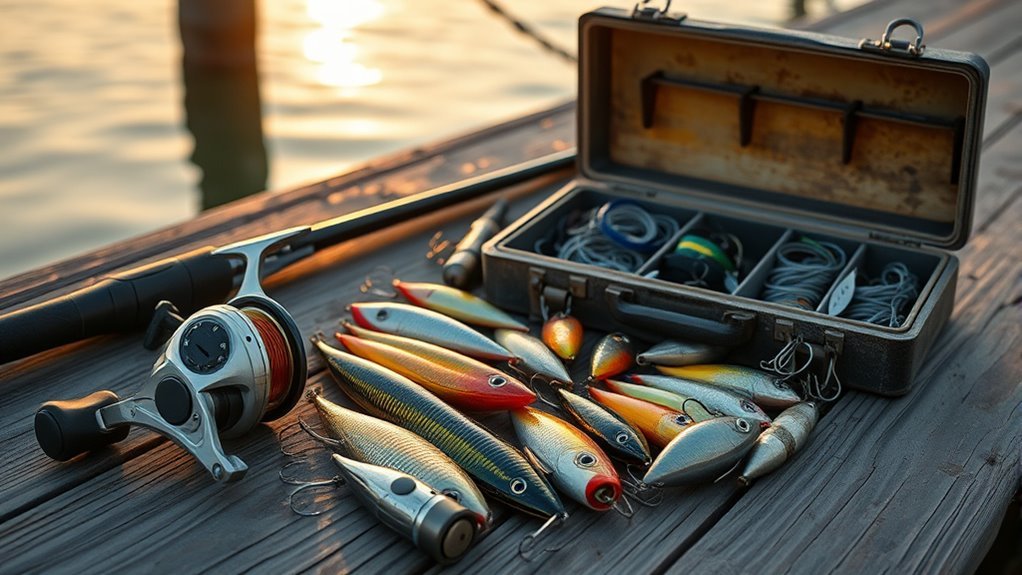
Before you head out for a bottom fishing adventure, make sure your gear is up to the task. Start with a rod and reel combo that matches your fishing location, target species, and weight size.
For light inshore, freshwater, pier, or bank fishing, a medium or medium-heavy rod may be enough. For offshore wrecks, reefs, strong current, or larger fish, use a heavier rod with more lifting power.
Pair your rod with a strong, abrasion-resistant fishing line. Braided line gives you sensitivity and helps you feel light bites in deep water. A monofilament or fluorocarbon leader helps protect against rough structure and sudden surges from fish.
Select appropriately sized, corrosion-resistant hooks, especially in saltwater. Circle hooks are a strong choice for catch-and-release practices. J-hooks and octopus hooks also work well when matched to the bait and fish species.
Choose heavier weights when your fishing environment demands it. Deeper waters with strong currents need more weight to keep your bait anchored on or near the bottom.
Lastly, pack your personal gear essentials, including durable gloves, non-slip footwear, pliers, a dehooking tool, a measuring device, sunscreen, water, and weather-appropriate clothing. This helps keep your fishing trip safe, comfortable, and efficient.
How to Bottom Fish Step by Step
A simple process helps you avoid tangles, missed bites, and wasted bait. Follow these steps when you reach your spot.
- Position yourself well: Anchor, drift, or stand where your bait can reach the bottom near structure or feeding lanes.
- Drop slowly: Lower the rig under control so it does not tangle around the leader.
- Find bottom: Let the sinker touch down, then reel in slack until you feel steady contact.
- Watch and feel: Look for rod-tip taps, line jumps, sudden slack, or steady pressure.
- Set the hook correctly: With circle hooks, reel steadily and let the hook rotate into place. With J-hooks, use a controlled hookset when the fish has the bait.
- Keep pressure on: Reel smoothly and avoid giving the fish slack, especially near rocks, reefs, wrecks, or pilings.
- Land carefully: Use a net for fish you plan to release. Use legal landing tools only when you plan to keep the fish.
Warning: Do not put your hands near a hook, leader, or sinker while a strong fish is still surging. Use pliers, gloves, and steady pressure to avoid cuts, punctures, and line burns.
Detecting Bites and Setting the Hook
Bottom fishing bites do not always feel the same. Some fish slam the bait and pull hard. Others tap lightly, lift the bait, or swim toward you and create sudden slack.
If you feel small taps, avoid jerking too soon. Many fish mouth the bait before turning away. Keep light tension, wait for steady pressure, then react based on your hook type.
With circle hooks, do not swing hard. Reel until the rod loads, then keep steady pressure. With J-hooks, give a short, firm hookset once the fish has the bait. With small hooks and light line, use a smoother lift instead of a hard snap.
If you keep missing bites, check your bait size, hook size, and hook exposure. A hook buried too deeply in bait may not connect. A bait that is too large can also cause short strikes.
Common Bottom Fishing Mistakes
Small mistakes can cost you fish. Watch for these common problems before you blame the spot.
- Using too much weight: Heavy sinkers can hide light bites and make your bait look unnatural.
- Using too little weight: If the rig drifts too far, your bait may leave the strike zone.
- Fishing with dull hooks: Bottom rigs touch sand, rock, shell, and debris, so check hook points often.
- Ignoring the leader: Rough bottom can weaken leaders quickly. Retie when you see nicks or frays.
- Setting circle hooks too hard: A hard jerk can pull the hook away before it sets properly.
- Leaving too much slack: Slack line makes bites harder to detect and gives fish time to drop the bait.
- Staying too long in a dead zone: If you get no taps, bait loss, or signs of life, adjust depth, bait, or location.
Safety and Fish Handling
Bottom fishing often uses heavy sinkers, sharp hooks, strong line, and slippery surfaces. Stay aware of your surroundings, especially on boats, rocks, jetties, bridges, and piers.
Wear non-slip footwear and keep the deck or fishing area clear. Heavy sinkers can swing during casting, so make sure nobody stands behind you. If you fish from a boat, keep life jackets available and follow boating safety rules.
Handle fish with care. Wet your hands before touching fish you plan to release, support larger fish properly, and avoid squeezing the gills or belly. Use pliers or a dehooking tool when a fish has sharp teeth, spines, or strong jaws.
If you plan to keep fish, measure them before putting them in the cooler. Keep only legal fish, and place them on ice quickly to protect meat quality.
Related Guides
Frequently Asked Questions
What is the 80/20 rule in fishing?
The 80/20 rule in fishing means a large share of your catch often comes from a small share of productive water. For bottom fishing, that usually means reefs, wrecks, ledges, drop-offs, pilings, shell beds, current seams, or other spots where fish can feed efficiently.
How do you properly bottom fish?
Choose a spot near structure or feeding activity, use a sinker heavy enough to reach bottom, bait the hook cleanly, and keep light tension on the line. Watch for taps, slack, or steady pressure. Use a steady reel-set with circle hooks and a controlled hookset with J-hooks.
What is the 90/10 rule in fishing?
The 90/10 rule means most fish may be concentrated in a small part of the water. Instead of fishing random bottom, focus on high-percentage areas like underwater structure, depth changes, current breaks, bait schools, and edges where fish can ambush food.
What is the basic bottom fishing rig?
A basic bottom fishing rig includes a main line, sinker, leader, and hook. The sinker holds the bait near the bottom, while the leader and hook present the bait to fish. Carolina rigs, knocker rigs, fish finder rigs, and high-low rigs are common options.
What bait is best for bottom fishing?
The best bait depends on your target fish and local forage. Squid, shrimp, cut bait, minnows, worms, clams, and crabs are common choices. Match the bait to what fish naturally eat in that area, and keep the hook point exposed enough for a clean hookup.
How heavy should my sinker be for bottom fishing?
Use the lightest sinker that still keeps your bait near the bottom. Shallow water and light current need less weight. Deep water, surf, offshore drops, and strong current need more weight. If your rig drifts too far, go heavier. If you cannot feel bites, try lighter weight.
Conclusion
Bottom fishing is more than dropping bait and waiting. It works best when you read the water, choose structure or feeding zones, match your rig to the bottom, and use bait that local fish already want to eat.
Start simple with a strong line, reliable knots, the right sinker, and fresh bait. Then adjust one detail at a time: location, depth, bait size, hook style, leader length, or weight. Each small change teaches you how fish behave near the bottom.
As you drop your line into the depths, remember that bottom fishing is a journey into the hidden side of the water. Each careful drop can reveal a reef, ledge, channel, or feeding lane you did not notice before. Gear up, fish responsibly, and let each trip sharpen your next one.