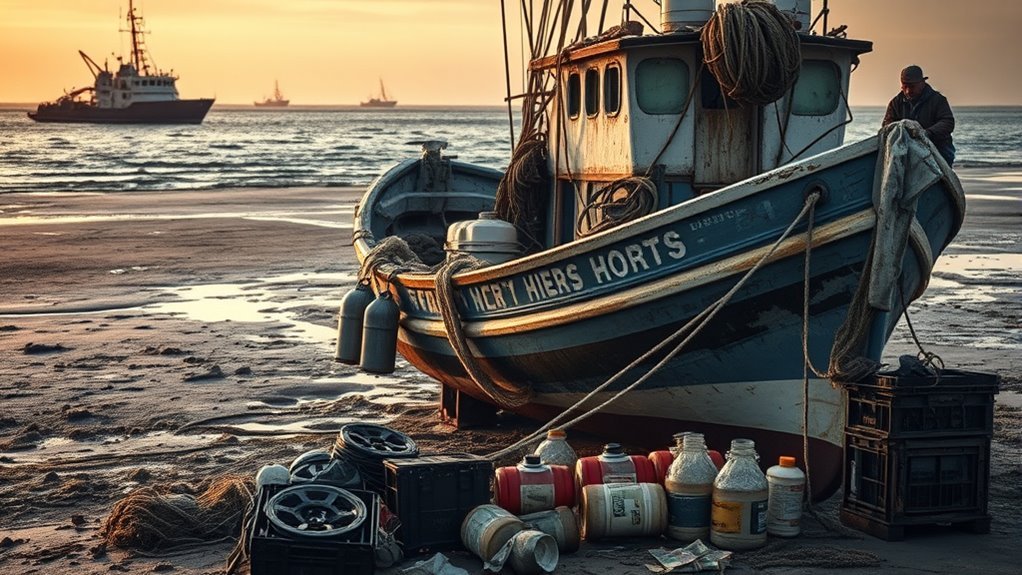
Fishing boat prices span a much wider range than one simple average suggests. A basic aluminum boat can cost only a few thousand dollars or less before adding an engine and trailer, while ready-to-fish 2026 models commonly start in the high teens and rise quickly with size, horsepower, electronics, and offshore capability. Large sportfishing boats can reach seven figures. The purchase price is only the beginning, because fuel, insurance, maintenance, storage, financing, and depreciation all affect the real cost.
Quick Answer
A fishing boat can cost from under $20,000 for some new entry-level packages to hundreds of thousands of dollars for large offshore models, while custom sportfishing yachts can reach seven figures. Used boats are often cheaper, but condition, engine hours, electronics, storage, insurance, maintenance, and financing determine the true ownership cost.
Key Takeaways
- There is no single reliable average fishing-boat price because aluminum boats, bass boats, bay boats, center consoles, and offshore sportfishers occupy very different price ranges.
- Current entry-level fishing boats can start below $20,000, while larger offshore boats may cost hundreds of thousands or more.
- Used boats generally cost less than comparable new boats, but the discount depends on age, condition, engine hours, brand, equipment, and demand.
- Fuel, insurance, storage, maintenance, registration, repairs, and loan interest should be budgeted separately rather than estimated with one universal percentage.
- A qualified survey and mechanical inspection can help uncover expensive problems before a used-boat purchase.
How Much Does a Fishing Boat Cost?
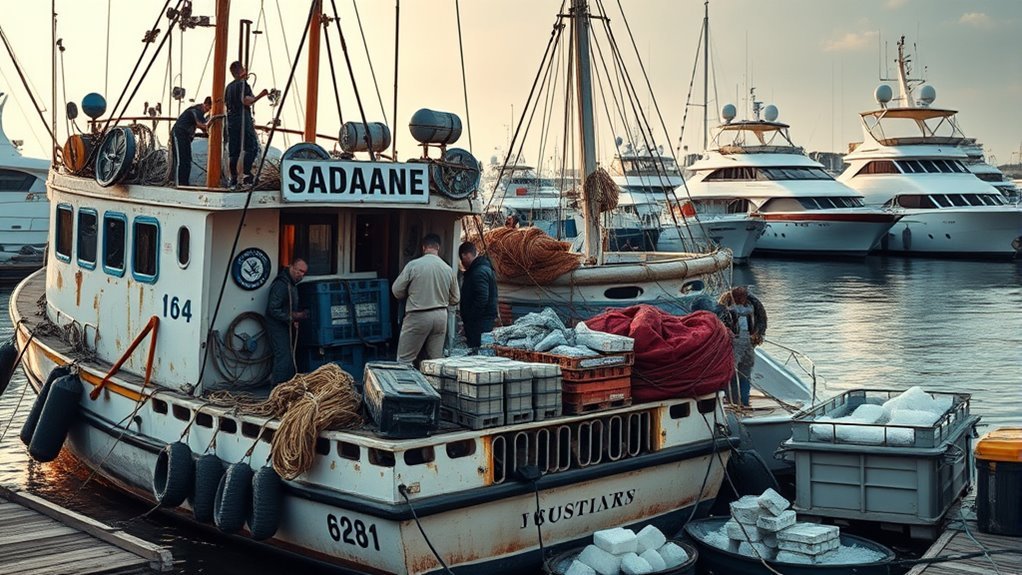
Fishing boat prices depend heavily on the type of boat being discussed. According to Discover Boating, the smallest bare aluminum fishing boats can cost under $1,000 before adding a motor or trailer. At the other end of the market, large multi-engine offshore boats and custom sportfishing yachts can cost hundreds of thousands or millions of dollars.
For buyers looking at complete, ready-to-fish new boats, the entry point is much higher than a bare hull but can still be below $20,000. Discover Boating’s updated affordable-fishing-boat guide includes 2026 examples such as the BASS TRACKER Classic XL starting at $16,995 and other fishing packages in roughly the $17,000 to $43,000 range before additional options, freight, prep, taxes, and other charges.
| Fishing-boat category | Typical pricing pattern |
| Small bare aluminum craft | Can start below $1,000, normally without engine or trailer |
| Entry-level ready-to-fish models | Many new packages are available below $50,000, with some starting below $20,000 |
| Larger center-console and offshore boats | Prices can climb well into six figures as size, horsepower, engines, electronics, and amenities increase |
| Large custom sportfishing yachts | Seven-figure prices are possible, especially for large custom builds |
The listed purchase price is only one part of the budget. Fuel, insurance, storage, dockage, maintenance, winterization, registration, safety equipment, repairs, and financing can materially increase the cost of ownership.
The most useful fishing-boat price is not a national average. It is the all-in cost of the specific boat, engine package, equipment, storage plan, and type of fishing you actually intend to use.
[Amazon Products Picked for You]

Waterproof Passport Holder for Travel: Keep passports, cards, folded cash, and small essentials dry around water. This waterproof passport pouch is ideal for cruises, beaches, pools, boating, resorts, and rainy-day travel.


Anti-Snag Off-Bottom Design: The built-in buoyant body holds bait off the river bottom. It keeps your hook away from underwater weeds, stones and muddy silt. You will lose far fewer rigs compared with traditional sinking fishing setups
What Affects Fishing Boat Prices?
Boat size is one of the strongest price factors, but it is far from the only one. A compact aluminum freshwater boat may use a small outboard, while a large offshore center console can carry multiple high-horsepower engines. The engines alone can represent a substantial portion of the total purchase price.
Boat type also matters. Bass boats, aluminum fishing boats, bay boats, center consoles, walkarounds, and convertible sportfishing yachts are designed for different water conditions and fishing styles. A large deep-V offshore boat requires more structure, power, fuel capacity, and equipment than a small lake boat.
Hull material affects weight, construction, maintenance, ride characteristics, and price. Aluminum boats are often lighter and less expensive than comparable fiberglass boats, but material alone does not determine future resale value. Brand reputation, maintenance history, engine condition, age, model demand, electronics, and local market conditions all influence depreciation.
Options can change the final bill dramatically. Common upgrades include larger outboards, trolling motors, sonar, radar, chartplotters, livewells, outriggers, upgraded seating, premium audio, lighting, stabilizers, and additional batteries.
Location matters too. Taxes, registration, marina rates, winter storage, labor rates, transportation costs, and saltwater-maintenance requirements vary by region.
Note: Compare the delivered price, not just the advertised base price. Freight, dealer preparation, trailer, electronics, taxes, registration, and optional equipment may not be included in the figure shown in an advertisement.
How Much Do New and Used Fishing Boats Cost?
New fishing boats provide the latest equipment, a clean service history, and usually some form of manufacturer warranty. Entry-level packages can start below $20,000, while larger fiberglass center consoles and offshore boats can move rapidly into six-figure territory.
Used fishing boats generally sell for less than comparable new models because boats depreciate, but there is no dependable rule that every used boat costs 20% to 40% less. The discount depends on the boat’s age, brand, condition, engine hours, service history, electronics, included trailer, location, and current market demand.
Older boats may also require immediate spending on batteries, pumps, upholstery, electronics, steering components, trailers, engines, or structural repairs. A low purchase price is therefore not always the lowest-cost choice.
For a higher-value used boat, a professional marine survey is worth considering. Discover Boating estimates a thorough marine survey at roughly $20 per foot, although actual rates vary by surveyor, vessel, region, and scope. An engine inspection by a qualified marine mechanic may be separate.
Pro Tip: When comparing a new and used boat, calculate what the used boat needs during its first year. Tires, batteries, electronics, engine service, trailer work, upholstery, pumps, and safety equipment can erase part of the initial savings.
[Amazon Products Picked for You]

JUST TWO INGREDIENTS: We use only sea salt and black anchovies caught off of the crystal clear waters of Vietnam’s Phú Quốc archipelago

【Comfortable & durable 】The toddler deck boots upper is made of nylon and high-quality durable rubber, combined with a sealed seam design, which not only resists wear and tear in various harsh environments, but also provides solid support for the shoe body, ensuring long-lasting use in a variety of outdoor activities such as playing and fishing, allowing children to fully embrace the challenges of nature.

What Does It Cost to Own a Fishing Boat?
There is no universal rule saying every fishing boat costs 10% to 20% of its purchase price to operate each year. The annual budget depends on how much the boat is used, where it is stored, whether it is kept in fresh or salt water, its size, engine configuration, insurance requirements, and how much maintenance the owner performs personally.
A more useful budget separates the major expenses:
- Fuel: Depends on engine size, number of engines, speed, hours of use, and fuel prices.
- Maintenance: Includes engine service, fluids, filters, batteries, cleaning, hull care, steering, electrical equipment, and repairs.
- Insurance: Depends on vessel value, location, navigation area, coverage limits, owner history, and insurer.
- Storage or dockage: Home storage may cost little, while marina slips, dry-stack storage, and winter storage can cost thousands per year.
- Registration and taxes: Requirements vary by state and jurisdiction.
- Winterization and seasonal preparation: Relevant in colder climates.
- Safety equipment and fishing gear: Life jackets, signaling devices, anchors, lines, electronics, tackle, and other equipment add to the budget.
- Repairs and upgrades: Pumps, electronics, upholstery, engines, trailers, and other components eventually need attention.
- Loan interest: Financing increases the amount ultimately paid for the boat.
Discover Boating’s ownership-cost guidance emphasizes that maintenance, insurance, storage, dockage, registration, fuel, and seasonal expenses vary widely with boat type and location.
Its maintenance guidance also uses roughly 10% of boat value or less as a broad rule of thumb for annual maintenance in many situations. That should not be confused with a universal estimate for all ownership expenses.
[Amazon Products Picked for You]
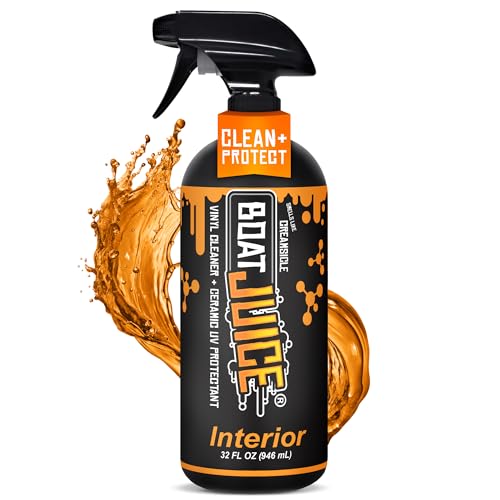
CLEANS AND PROTECTS IN ONE PASS: A single spray lifts dirt, food spills, stains, sunscreen and ground-in grime while laying down a ceramic UV coat that protects vinyl and plastic against sun damage and fading. One bottle, two jobs.
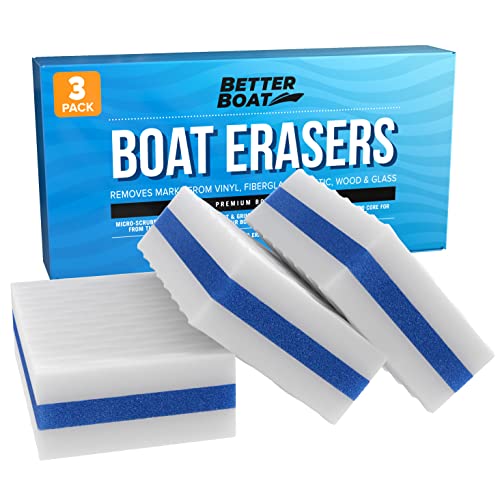
THE ORIGINAL BOAT ERASER: This is the one that started it all. Dozens of copycats have appeared since, but the original has a reinforced core, textured surface, and premium density that cheap knockoffs simply cannot match. Accept no imitations.

POWERFUL CLEANING ACTION - STAR BRITE Hull Cleaner removes tough stains from boat hulls, fiberglass, plastic & painted surfaces
How Do Fishing Boat Financing and Depreciation Work?
Boat financing can extend much longer than a typical auto loan. Discover Boating says common repayment terms range from about 5 to 15 years, with some lenders offering terms as long as 20 years. Down payments, when required, are commonly around 10% to 20%.
Interest rates vary substantially with credit profile, loan amount, boat age, loan term, lender, and market conditions. Current Discover Boating guidance cites a very broad approximately 7% to 35.99% range, so buyers should compare live offers rather than assume one standard marine-loan rate.
For example, a $150,000 boat with a 20% down payment leaves $120,000 financed. At 8.89% APR for 15 years, the principal-and-interest payment is approximately $1,209 per month. Taxes, lender fees, insurance, registration, storage, fuel, and maintenance are not included in that calculation.
Warning: A longer loan term can make an expensive boat look affordable by lowering the monthly payment while increasing the total interest paid. Compare total repayment, APR, fees, down payment, and expected resale value before signing.
Depreciation is also more nuanced than the original 20% to 30% first-year estimate. A 2026 BoatUS analysis says many boats experience roughly a 10% to 15% first-year decline. It found that an average dayboat may be around 20% below its original value by year five and 30% to 50% lower by year 10.
Those figures are averages, not guarantees. Well-regarded models in excellent condition can hold value better, while neglected boats, outdated engines, unpopular configurations, high engine hours, or weak market demand can accelerate depreciation.
Frequently Asked Questions
How Much Are Payments on a $20,000 Boat?
A $20,000 boat financed with no down payment for 15 years at 10% APR would have a principal-and-interest payment of approximately $214.92 per month. A down payment would reduce the financed balance. Taxes, loan fees, insurance, registration, maintenance, fuel, and storage would be additional expenses.
What Is the Most Expensive Fishing Boat in the World?
There is no authoritative global record identifying one vessel as the world’s most expensive fishing boat. Large custom sportfishing yachts can cost many millions of dollars, and private build prices are often undisclosed. The HCB 65 Estrella is an expensive high-performance center-console yacht, but the claim that it is definitively the world’s most expensive fishing boat at $6 million is not supported by current market evidence.
How Much Does a 40FT Fishing Boat Cost?
There is no single reliable price for a 40-foot fishing boat. Older used sportfishing boats can cost far less than newer offshore models, while a new heavily powered center console or premium sportfisher can reach the high six figures or more. Year, engines, construction, equipment, condition, electronics, and brand matter more than length alone.
How Much Is Michael Jordan’s New Fishing Boat?
The widely repeated $8 million figure referred to Michael Jordan’s earlier 80-foot Viking Catch 23, reported in 2020. His current Catch 23 is a custom Bayliss sportfishing boat completed later and used in current tournaments. The 2026 White Marlin Open registration lists Catch 23 as a Bayliss, while reliable public reporting does not establish a confirmed purchase price for the current vessel. The older $8 million estimate therefore should not be presented as the price of Jordan’s current boat.
Conclusion
The cost of a fishing boat depends far more on boat type, size, engines, condition, equipment, and intended use than on one national average. Some current entry-level boats start below $20,000, while large offshore and custom sportfishing boats can reach hundreds of thousands or millions of dollars.
Buyers should also plan for insurance, fuel, storage, maintenance, registration, repairs, depreciation, and financing. When shopping used, a survey and mechanical inspection can help identify expensive problems before purchase. Comparing the complete ownership budget instead of only the sticker price or monthly payment provides a much more realistic picture of affordability.
Sources
- Discover Boating — Affordable Fishing Boats — current entry-level fishing-boat examples and starting prices.
- Discover Boating — Costs of Boat Ownership — insurance, storage, maintenance, dockage, equipment, and other ownership expenses.
- Discover Boating — Boat Financing — current loan terms, down payments, and published interest-rate guidance.
- Discover Boating — Used Boat Ownership Costs — depreciation and professional survey-cost guidance.
- BoatUS — 2026 Boat Depreciation Analysis — first-year, five-year, and longer-term depreciation benchmarks.
- White Marlin Open — 2026 Catch 23 Registration — current Bayliss Catch 23 tournament identification and boat details.
