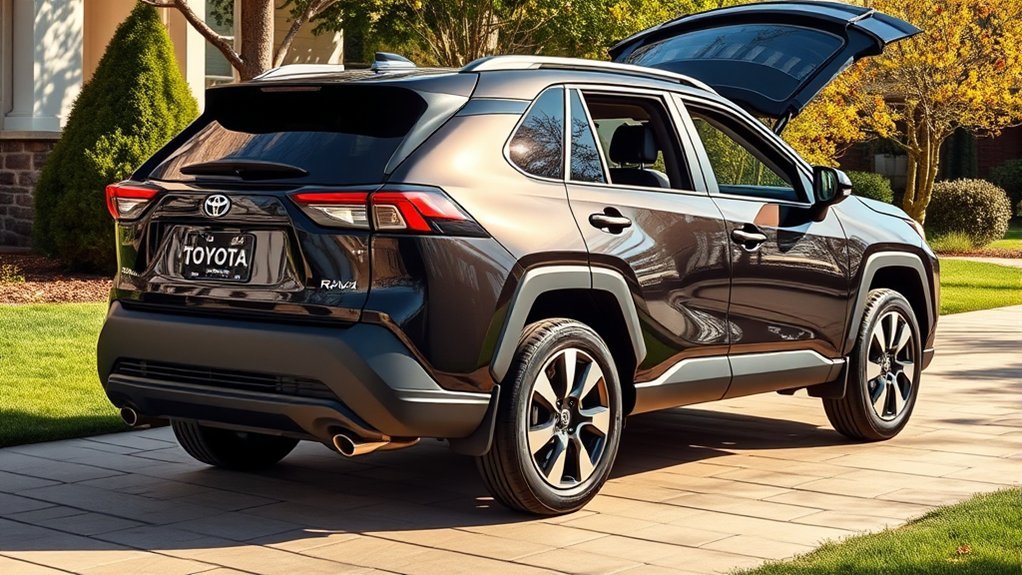
No current U.S.-market Toyota RAV4 has a third row. The 2026 RAV4 seats five in two rows. The factory seven-seat exception is the third-generation RAV4: select 2006–2012 U.S. models could be ordered with a two-seat third row that folded beneath the rear deck.
Last updated: September 22, 2026. Rechecked against Toyota U.S. product information for the 2012, 2013, and 2026 model years. This guide covers U.S.-market vehicles; equipment in other markets can differ.
Quick Answer
Current Toyota RAV4 models do not have a third row. In the U.S., Toyota offered an optional two-seat third row on select 2006–2012 RAV4 models. The factory seat folded beneath the rear cargo floor, but space was limited and availability varied by grade and vehicle configuration.
Key Takeaways
- The correct U.S. model-year range for RAV4 third-row seating is 2006–2012, not 2005–2012.
- The third row was optional on eligible vehicles and was not installed in every RAV4 from those years.
- The 50/50 split third row added two seating positions and folded beneath the rear deck.
- Toyota removed the option with the redesigned 2013 RAV4, and the 2026 model remains a two-row compact SUV.
- Families that use a third row regularly should compare the Highlander, Grand Highlander, Sienna, or Sequoia.
Does the RAV4 Have a Third-Row Seat?

No new Toyota RAV4 sold in the United States has a third-row seating option. That includes the redesigned 2026 Toyota RAV4, which uses a two-row, five-seat layout.
The exception is the third-generation RAV4. Toyota introduced an optional third row with the larger 2006 model and continued offering it through the 2012 model year. The fourth-generation RAV4 arrived for 2013 without that option.
Note: This article focuses on U.S.-market RAV4 models. Equipment, trim names, and seating configurations may differ in Canada, Japan, Europe, Australia, and other markets.
Which Toyota RAV4 Years Have Third-Row Seating?
Toyota identifies 2006–2012 as the RAV4’s third generation in North America. The longer and wider body created enough room for an optional rear seat, which was the only factory third row offered during the RAV4’s U.S. history.
| U.S. Model Years | Third-Row Availability | Maximum Seating | What to Know |
|---|---|---|---|
| 2001–2005 | Not offered | Five | The second-generation RAV4 used a two-row layout. |
| 2006–2012 | Optional on select grades and configurations | Up to seven | Verify the individual vehicle because many examples were built with only two rows. |
| 2013–2025 | Not offered | Five | Toyota returned the RAV4 to a two-row layout with the 2013 redesign. |
| 2026 | Not offered | Five | The all-new model remains a two-row compact SUV. |
Availability also varied within the third generation. For example, Toyota listed the third row as an option on the RAV4 and Limited grades for 2012, while the Sport grade did not receive it. Earlier configurations and non-U.S. vehicles may differ, so a model year alone cannot confirm that the seat is present.
Manufacturer cross-check: Toyota’s 2012 RAV4 product information confirms the optional two-passenger 50/50 Split-and-Stow third row on RAV4 and Limited grades. Toyota’s 2013 launch announcement then specifies two-row seating for five.
What Was the RAV4’s Factory Third Row Like?
Toyota called the factory system a 50/50 Split-and-Stow third-row seat. It provided two additional seating positions and folded beneath the rear deck when it was not needed.
On the 2012 model, Toyota listed three-point seat belts and height-adjustable head restraints for the second- and third-row seating positions. The third row therefore was not an improvised cargo-area bench. It was factory-designed passenger seating on properly equipped vehicles.
A factory-equipped third-row RAV4 could carry seven people, but it packaged those extra seats within a compact SUV rather than a dedicated three-row body.
The main limitation was space. Toyota did not publish a separate third-row legroom measurement in the product information reviewed for this article. However, the rear seating area sits close to the cargo door and behind a sliding second row, leaving less passenger room than you would find in a Highlander, Grand Highlander, Sienna, or Sequoia.
Children and smaller passengers may fit more easily than tall adults. Before buying one, have the intended passengers sit in the third row and check knee room, head clearance, entry space, and seat-belt fit.
Warning: Do not add an improvised bench or unapproved aftermarket third row to a two-row RAV4. Passenger seats require correctly engineered mounting points, restraints, head protection, and crash-performance considerations. Look for an original factory-equipped vehicle instead.
How the Third Row Affected Cargo Space
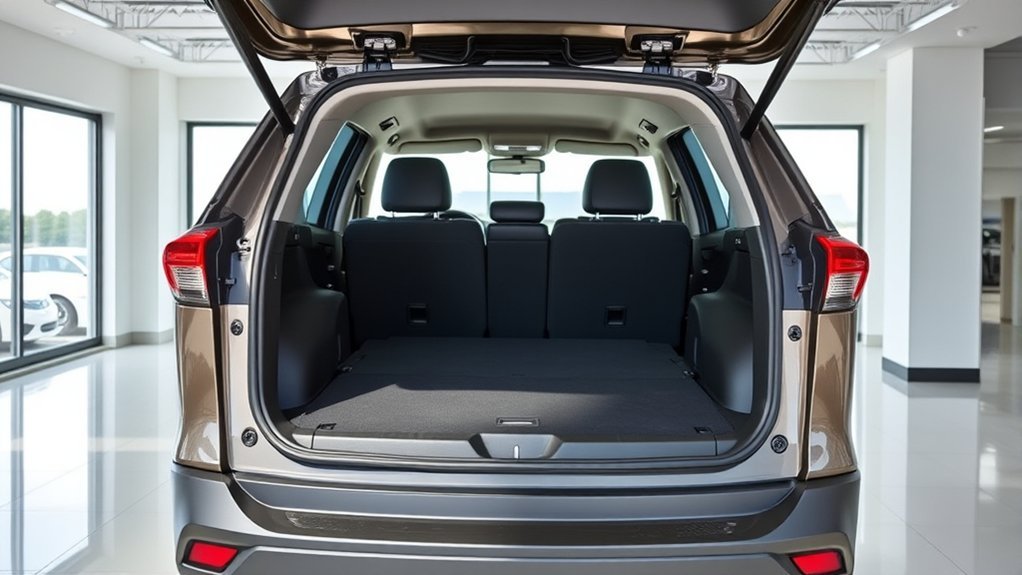
The old RAV4’s third row created a direct tradeoff between passenger capacity and cargo flexibility. When raised, it occupied the rear portion of the cargo area. Folding it beneath the floor restored a flatter loading surface, but the seat hardware still used space that two-row models could dedicate to storage.
Toyota specifically described underfloor storage compartments on two-row versions. Those compartments were not provided in the same way on models equipped with the stowing third row.
Toyota listed 73 cubic feet of cargo capacity with all rear seats folded for the 2012 RAV4. That figure does not describe how much usable luggage room remained with seven passengers aboard, so buyers should test the layout with their own stroller, suitcases, sports equipment, or groceries.
How to Identify a Factory Third-Row RAV4
A listing that says “seven-passenger RAV4” is not enough. Confirm the equipment in person before paying a deposit or traveling to inspect the vehicle.
- Check the model year: Focus on U.S.-market 2006–2012 vehicles.
- Look beneath the rear cargo floor: A factory-equipped vehicle should have the split folding seat assembly, not only storage compartments.
- Inspect both seating positions: Confirm that the cushions, seatbacks, head restraints, latches, and release mechanisms are complete.
- Check the restraints: Both rear positions should have intact factory seat belts with undamaged webbing and working buckles.
- Test the folding mechanism: Both halves should raise, latch, release, and stow correctly.
- Inspect the second row: Make sure it slides and folds correctly so passengers can reach the rear seats.
- Request the build information: A Toyota dealer may be able to confirm original equipment using the VIN.
- Review the correct manual: Use Toyota’s RAV4 manuals and warranties page for operating and safety instructions.
Pro Tip: Ask the seller to send clear photos of the third row raised, folded, and viewed from the cargo floor. This can prevent confusion with ordinary two-row underfloor storage before you inspect the vehicle.
Safety and Child-Seat Considerations
A factory third-row RAV4 should still be evaluated like any older used vehicle. Age, collision history, water damage, previous repairs, missing trim, and worn seat hardware can affect how the seating system works.
Do not assume that every rear position supports every child-restraint installation method. Lower anchors, top-tether anchors, seat-belt routing, and child-seat restrictions can differ by seating position and model year. Follow the instructions in the exact RAV4 owner’s manual and the child-restraint manufacturer’s instructions.
Check the vehicle’s 17-character VIN through the National Highway Traffic Safety Administration recall lookup. The tool identifies unrepaired safety recalls reported for that specific vehicle.
A qualified mechanic should also inspect the vehicle before purchase. Ask the technician to examine the seat mountings, belts, buckles, floor structure, corrosion, evidence of collision repair, and operation of the folding mechanisms.
Comparing the RAV4 With Other Toyota Models
The old RAV4 third row added emergency flexibility, but Toyota’s larger vehicles provide more practical access, passenger room, and cargo options for regular three-row use.
| Toyota Model | Current Row Layout | Best Fit | Main Tradeoff |
|---|---|---|---|
| RAV4 | Two rows | Small families that need five seats and compact dimensions | No current third-row option |
| Highlander | Three rows; seven or eight seats depending on configuration | Families wanting a midsize SUV | Larger exterior and higher ownership costs than a RAV4 |
| Grand Highlander | Three rows with an adult-oriented rear seating area | Frequent third-row passengers and substantial luggage | Bigger footprint and purchase cost |
| Sienna | Three rows; seven- or eight-passenger configurations | Frequent family transport, child seats, and easy entry | Minivan styling and dimensions |
| Sequoia | Three rows | Large families needing a full-size SUV and towing capability | Size, fuel use, and operating cost |
RAV4 Third-Row Limitations
The 2006–2012 RAV4’s third row was packaged into a compact body. Access required moving or folding part of the second row, and raising the rear seats reduced the area available for luggage.
This layout can work when you occasionally need two extra positions for smaller passengers. It is less suitable when adults must use the third row every day or when seven occupants need to carry substantial luggage.
Alternatives With a Third Row
Choose the Highlander when you want a conventional midsize SUV with up to eight seats. Consider the Grand Highlander when adults will use the rear row frequently or when you need more cargo room behind it.
The Sienna is often the most practical family option because sliding side doors make third-row access and child loading easier in tight parking spaces. The Sequoia suits drivers who need a full-size SUV, greater towing capability, or a more rugged body-on-frame platform.
Best Alternatives for Families Needing Extra Seats
Highlander Versatility and Space
The 2026 Toyota Highlander provides standard three-row seating for seven. Eligible configurations use a second-row bench to increase capacity to eight.
Toyota lists up to 84.3 cubic feet of cargo capacity with the second and third rows folded. The Highlander is a sensible step up when you need more seats but do not want the size of a full-size SUV.
Grand Highlander for More Third-Row Room
The 2026 Grand Highlander is designed around a more spacious third row for adults or children. Toyota lists up to 97.5 cubic feet of cargo space with the rear rows folded and enough room for seven small roller bags behind the raised third row.
It is the stronger Toyota SUV choice when rear-seat comfort and luggage capacity matter more than compact exterior dimensions.
Sequoia’s Roomy Accommodations
The 2026 Toyota Sequoia is a full-size three-row SUV with available second-row captain’s chairs or a bench, depending on grade. Its sliding third row can be adjusted to balance passenger room and cargo space.
The Sequoia makes more sense than an old seven-seat RAV4 when you need substantial towing capability, a larger cabin, and regular three-row use. However, its size and operating costs are considerably higher.
Sienna’s Family-Friendly Design
The 2026 Toyota Sienna offers seven- and eight-passenger configurations. Its Split & Stow third row folds into the floor, while sliding side doors provide wide access in parking lots and garages.
The Sienna is especially practical for families using multiple child restraints, carrying grandparents, or loading passengers several times each day.
Is a Two-Row RAV4 Enough for Your Family?
A current RAV4 is the simpler choice when your household never needs more than five seats. Compared with an old seven-seat RAV4, you avoid relying on a small fold-away third row and keep the rear of the vehicle focused on everyday cargo.
| Feature | Family Benefit | Consideration |
|---|---|---|
| Five-passenger cabin | Suitable for parents and up to three rear passengers | Cannot carry six or seven people |
| Folding second row | Creates space for larger cargo | Folding a seat reduces passenger capacity |
| Compact SUV dimensions | Easier parking and maneuvering than larger three-row models | Less cabin and cargo space than a midsize or full-size SUV |
| Electrified 2026 lineup | Hybrid and plug-in hybrid choices support lower fuel use | Efficiency varies by grade, drivetrain, weather, and driving conditions |
What Do You Gain With a Current Two-Row RAV4?
Compact Design Benefits
The RAV4’s compact footprint makes it easier to park, turn, and navigate crowded streets than a longer three-row vehicle. That difference can matter when you drive mainly in cities, use small garages, or regularly park near schools and shops.
The two-row cabin also keeps daily cargo access simple. You do not need to raise, lower, or climb around a third row when loading groceries, a stroller, school bags, or sports equipment.
Current 2026 Powertrain Choices
The redesigned 2026 RAV4 is offered with hybrid and plug-in hybrid powertrains in the United States. That is a meaningful ownership difference from the 2006–2012 third-row RAV4s, which were gasoline models. If you are choosing between an older seven-seat RAV4 and a current two-row model, compare seating need, vehicle age, fuel use, and maintenance condition together.
Do not rely on one blanket fuel-economy number when comparing vehicles. Ratings vary by model year, trim, drivetrain, wheels, powertrain, and testing method. Check the official rating for the exact vehicle you plan to buy.
Essential Considerations for Families Choosing a RAV4
Use your normal weekly passenger count as the decision rule. If you need six or seven seats every week, skip the old RAV4 third row and shop a purpose-built three-row vehicle. If five seats cover daily use, a current RAV4 is the cleaner fit. Consider a 2006–2012 third-row RAV4 only when the extra two seats are occasional and the specific used vehicle passes a thorough inspection.
- Choose a current RAV4 when five seats meet your regular needs and compact dimensions matter.
- Consider a 2006–2012 third-row RAV4 only when occasional seven-passenger flexibility outweighs its age and packaging limitations.
- Choose a Highlander or Grand Highlander when you need an SUV with a usable third row.
- Choose a Sienna when easy passenger access, child-seat use, and family cargo are top priorities.
- Choose a Sequoia when you need a full-size cabin and substantial towing capability.
Bring your family to the test drive. Install the child restraints you normally use, position the front and second-row seats correctly, test access to every row, and load the cargo items you carry most often.
Finding a Used RAV4 With Third-Row Seating
Search for 2006–2012 listings using phrases such as “seven-passenger RAV4,” “factory third row,” or “Split-and-Stow third row.” Treat those phrases as leads rather than proof because sellers can make mistakes.
Once you find a candidate, complete these checks:
- Confirm the VIN and model year.
- Ask a Toyota dealer or obtain original build information to verify the factory configuration.
- Inspect the complete seat assembly, belts, buckles, head restraints, trim, and release handles.
- Raise and stow both sides of the third row several times.
- Make sure the second-row seats slide and fold without binding.
- Check for corrosion or repaired collision damage around the rear floor and seat mountings.
- Review service records and obtain a professional pre-purchase inspection.
- Enter the VIN at NHTSA.gov/recalls and arrange repairs for any open recall.
- Test the third row with the passengers who will actually use it.
A well-maintained factory-equipped example can provide occasional seating flexibility. However, a newer Highlander, Grand Highlander, Sienna, or Sequoia will usually be a better long-term choice when six or seven seats are a daily requirement.
Related Guides
Frequently Asked Questions
Does the 2026 Toyota RAV4 have a third row?
No. The redesigned 2026 Toyota RAV4 remains a two-row compact SUV with seating for five. Toyota does not list a third-row option for the current model.
Which Toyota RAV4 years offered third-row seating?
In the United States, select third-generation RAV4 models from 2006 through 2012 offered an optional factory third row. It was not included in every vehicle, so inspect the actual RAV4 or verify its original equipment by VIN.
How many people can a third-row RAV4 seat?
A factory third-row RAV4 can seat up to seven people. The split rear seat provides two seating positions in addition to the five positions in the first and second rows.
What are the dimensions of the RAV4’s old third row?
Toyota’s product information does not provide a separate third-row legroom figure for the 2012 RAV4. Because published measurements are limited, the most useful approach is to test the seat with the intended passengers and check legroom, head clearance, access, and belt fit.
Is the RAV4’s third row comfortable for adults?
It may work for a short trip, but many adults will find the compact rear area restrictive. Passenger height, second-row position, trip length, and personal comfort standards all matter. Test the seat instead of relying only on a listing description.
Can the third-row seats be folded for more cargo space?
Yes. Toyota’s factory 50/50 Split-and-Stow third row folds beneath the rear deck. Removing the complete seat assembly is not the normal cargo-conversion method and could affect restraints, trim, mounting hardware, and resale value.
Can a child restraint be installed in the third row?
Compatibility depends on the model year, seating position, restraint type, seat-belt routing, and available tether or lower anchors. Follow the exact RAV4 owner’s manual and the child-restraint manufacturer’s instructions rather than assuming every installation method is approved.
Can I add a third-row seat to a two-row RAV4?
Do not add a universal or improvised third-row seat to a RAV4 that was not factory-equipped for one. Passenger seating depends on engineered seat mounts, belts, head restraints, vehicle structure, and crash protection. If you need seven seats, look for an original factory-equipped 2006–2012 RAV4 or choose a purpose-built three-row vehicle.
Which third-row RAV4 model year is the most reliable?
No official evidence establishes one 2006–2012 model year as the universally most reliable third-row version. Condition, maintenance history, accident repairs, corrosion, seat operation, and completed recalls matter more than choosing a year based only on reputation.
Conclusion
The Toyota RAV4 does not currently offer third-row seating. In the U.S., only select 2006–2012 models could be equipped with Toyota’s factory two-seat third row.
Those older RAV4s can provide useful occasional flexibility, but you should verify the factory configuration, inspect the complete seating and restraint system, check recalls, and test passenger comfort before buying. When six or seven seats are part of your normal routine, a Highlander, Grand Highlander, Sienna, or Sequoia will generally provide a more practical family layout.
Sources
- Toyota: 25 Years of the RAV4 in North America — confirms the 2006–2012 third-generation history and introduction of optional third-row seating.
- Toyota: 2012 RAV4 Product Information — confirms eligible grades, two-passenger Split-and-Stow seating, restraints, folding operation, and cargo details.
- Toyota: Fourth-Generation 2013 RAV4 Launch — supports the transition to a two-row model.
- Toyota: 2026 RAV4 Product Information — supports the current model update and two-row rear-seat configuration.
- Toyota: 2026 Highlander Product Information — supports current seating and cargo comparisons.
- Toyota: 2026 Grand Highlander Product Information — supports current third-row and cargo comparisons.
- Toyota: 2026 Sienna Product Information — supports current seven- and eight-seat configurations and Split & Stow third-row details.
- Toyota: 2026 Sequoia Product Information — supports current three-row seating and cargo/towing comparisons.
- National Highway Traffic Safety Administration Recall Lookup — provides VIN-based safety recall information for used vehicles.