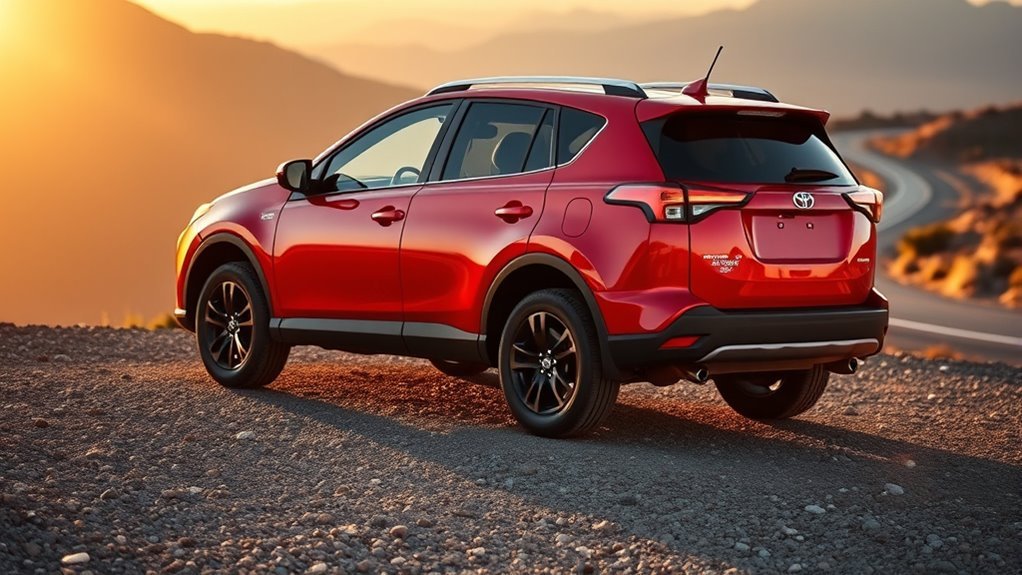
Should you buy a used 3-door RAV4? Yes, if you want a short, light, all-wheel-drive Toyota and the car has a solid body and proof of servicing. Walk away from any 3-door RAV4 with rust in the sills or wheel arches, or with no record of timing belt work. This guide shows which models exist, which engines to expect, and what to check before you pay.
Which 3-Door RAV4 Models Exist
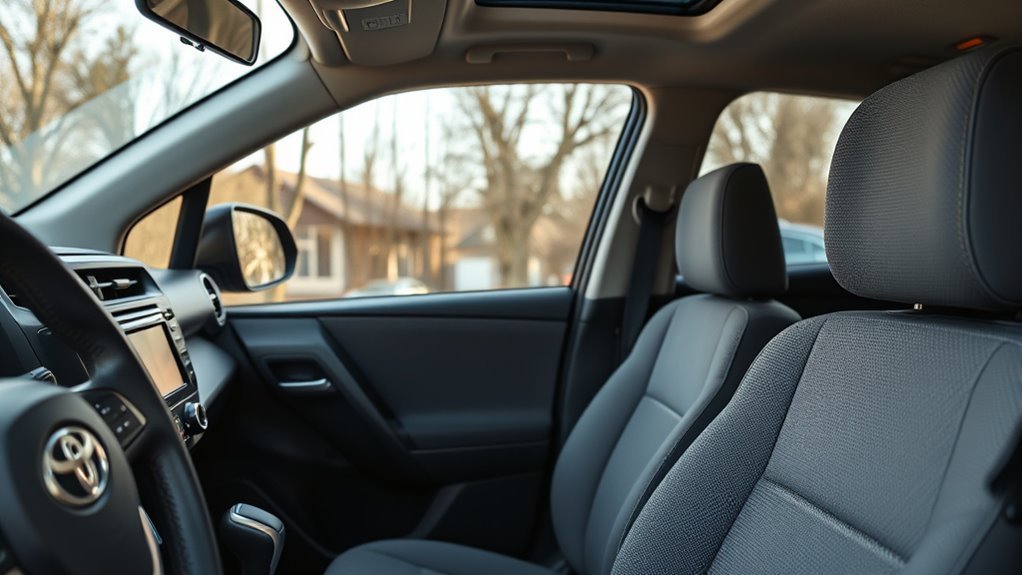
Toyota sold the 3-door RAV4 in two generations.
- First generation (1994 to 2000): sold as a 3-door and a 5-door from the start. The 3-door has a 2,200 mm wheelbase and is about 3.75 m long. A soft-top 3-door joined the range for the 1998 model year. In the US, the two-door hardtop was dropped in June 1999.
- Second generation (2000 to about 2005): sold as a 3-door and 5-door in Europe, Asia and Australia. The US only got the 5-door. The 3-door has a 2,280 mm wheelbase, against 2,490 mm for the 5-door.
Toyota did not offer a 3-door when the third generation arrived (around 2006), so the current RAV4 is 5-door only. End dates differ by market, so check the build date of the car you are looking at.
Engines You Will Find
| Generation | Engine | Notes |
|---|---|---|
| First | 2.0 petrol (3S-FE) | Uses a timing belt. A 3S-GE sport version was fitted to some Japanese-market cars only. |
| Second | 2.0 petrol with VVT-i (1AZ-FE) | Uses a timing chain. |
| Second | 2.0 D-4D diesel (116 hp) | Sold in some markets, including Europe. Uses a timing belt. |
| Second | 1.8 petrol | Some markets only. Front-wheel drive only. |
Not every engine was sold in every market. Check the registration papers and the engine plate to see what the car really has.
What to Check on a Used 3-Door RAV4
Look at the car in daylight, with the engine cold. Work through this list.
- Rust. Check the sills, wheel arches, fuel filler neck and rear suspension mounting points. Look under the car with a torch. Bubbling paint, flaking metal or holes are reasons to walk away.
- Rear door and spare wheel. The spare wheel hangs on the side-hinged rear door. Its weight wears the hinges and the door can sag. Open and close it. It should latch without lifting or slamming, and the hinge should have no play.
- Timing belt. The first-generation petrol and the 2.0 D-4D use a belt. Ask for an invoice that shows when it was last changed. Guides quote about 100,000 km, and belts also age with time, so a low-mileage car can still be due. With no proof, assume it is due.
- Timing chain. The 2.0 VVT-i has a chain. On a cold start, listen for rattling. Look for oil leaks around the valve cover and the chain tensioner.
- Smoke, oil and coolant. Blue or grey smoke at start-up on early second-generation 2.0 petrol cars (2001 to 2003) can mean leaking valve seals. Check the oil level, and look for milky oil on the filler cap. Check the coolant level too. Milky oil or falling coolant can point to head gasket trouble.
- Diesel. On the D-4D, look for black smoke, a rough idle and loss of power. Worn injectors and a clogged EGR valve are listed problems at high mileage.
- Gearbox. An automatic should shift smoothly. On early second-generation cars (2001 to 2003), a faulty engine computer was reported to cause poor shifting, so ask if it was replaced. On a manual, the clutch should bite cleanly and the gears should not crunch.
- All-wheel drive. The RAV4 has full-time all-wheel drive with a viscous coupling in the centre. Mismatched tyres can strain it. All four tyres should be the same size with similar wear. On a slow, full-lock turn in a car park, the car should not judder or bind.
- Steering and suspension. A clunk when turning can mean a worn steering rack. Also check the lower ball joints.
- Seals and interior. Look for damp carpets and perished door and tailgate rubbers. On a soft-top, check the hood fabric and rear window for leaks.
- Paperwork. Ask for the full service history. Compare the mileage with past inspection records and run a VIN check. Older Toyotas are a known target for clocked mileage.
Is a 3-Door RAV4 Good Off-Road?
It is a light soft-roader. Full-time all-wheel drive and a short wheelbase help on snow, mud and gravel tracks. It has no low-range gearbox, so it is not a hard-core 4×4. Good tyres matter more than anything else. Do not expect it to crawl up rocky trails.
3-Door or 5-Door?
The 3-door is shorter and easier to park. On the first generation, the wheelbase is 2,200 mm against 2,410 mm for the 5-door. The price of that short body is a harder climb into the back seat and less room for passengers and luggage. If you carry rear passengers often, look at the 5-door instead.
Frequently Asked Questions
Which RAV4 Should I Avoid?
Avoid any used RAV4 with rust on the sills, arches or rear suspension mounts. Also avoid one with no service history, no proof of timing belt work (where the engine has a belt), a sagging rear door or heavy oil use. Those problems usually cost more to fix than you save on the purchase.
Is a Used 3-Door RAV4 Reliable?
Toyota built these cars well, but even the youngest 3-door is about 20 years old. Condition and records matter more than the badge. A well-kept car with proof of servicing is a safer buy than a cheaper one with gaps in its history.
Is the 3-Door RAV4 Still Made?
No. Toyota dropped it when the third generation arrived, around 2006. The current RAV4 is sold only as a 5-door.
Did the US Get the 3-Door RAV4?
Only the first generation. The US two-door hardtop was dropped in June 1999, and second-generation cars were sold there as 5-doors only.
Conclusion
A used 3-door RAV4 is worth buying if the body is free of rust, the rear door closes properly and the timing belt or chain history is clear. Check the car in daylight with a cold engine, and walk away if the sills are rotten.
Last checked: October 2026.
