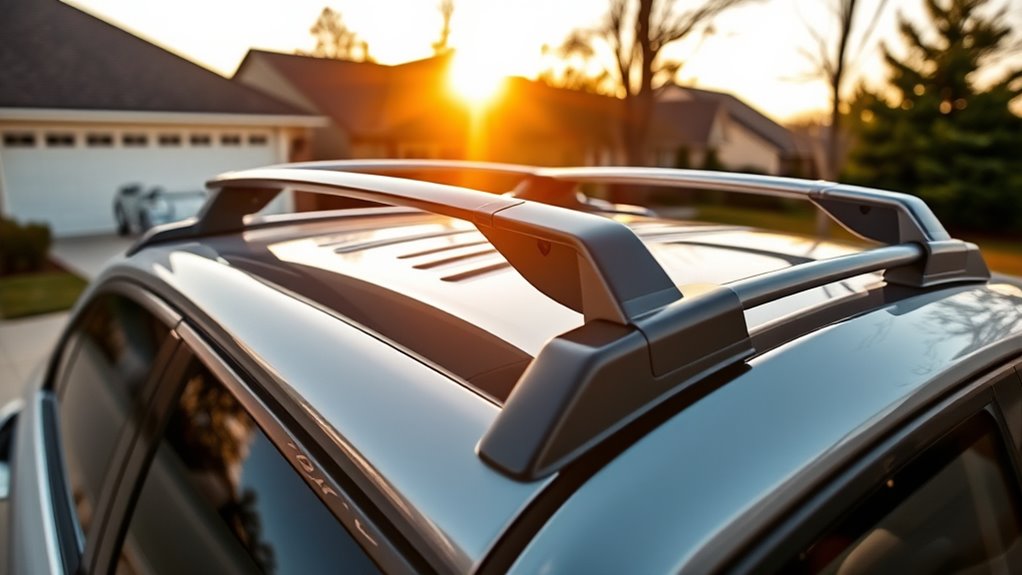
RAV4 low-profile cross bars are slim aluminium bars that clamp onto the factory side rails, sitting close to the roof for a cleaner look and usually less wind noise than tall towers. The points owners raise most in forum threads, including on Reddit, are simple: confirm your rail type and trim first, respect the roof load limit in your owner’s manual, and expect some noise and mileage penalty with any bar.
This guide turns those discussions into a practical checklist. We don’t quote individual posts; everything below is what you can verify on your own RAV4 and on the product fit chart.
Quick Answer: Are RAV4 Low-Profile Cross Bars Worth It?
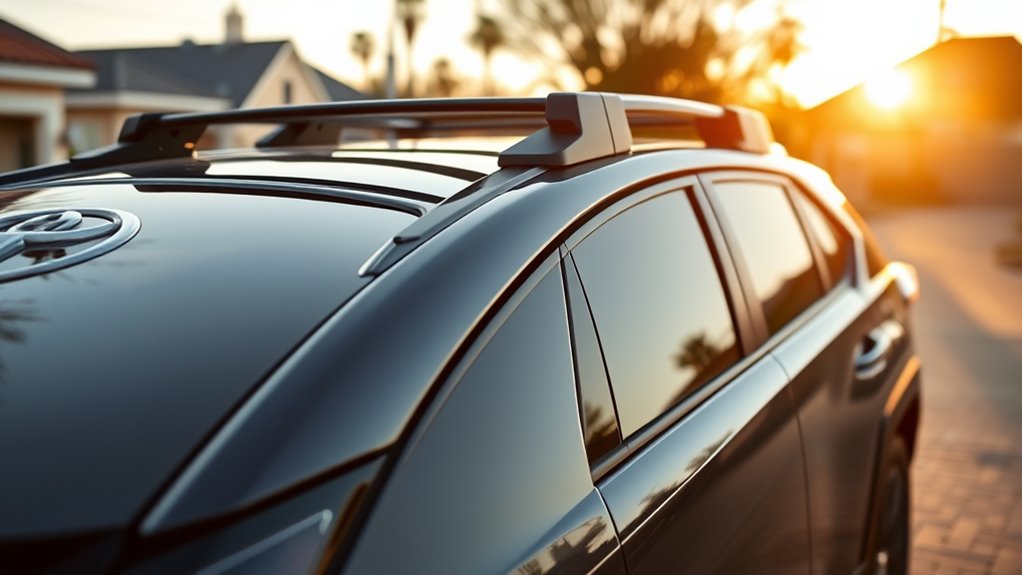
- Yes, if your RAV4 has factory side rails, you carry bikes, kayaks, skis or a cargo box sometimes, and you want bars that look integrated.
- Maybe not, if you rarely carry anything on the roof. Removing bars when you don’t need them is the easiest way to avoid wind noise and drag.
- Not without checking fit, if you have a trim with raised rails or no rails. Many aftermarket low-profile bars are listed as not compatible with certain trims.
Step 1: Identify Your RAV4 Roof Rails
Cross bars are designed for a specific rail type, so this matters more than the model year alone.
| Roof type | What it looks like | Cross bar options |
|---|---|---|
| Flush / low side rails | Rails sit close to the roof with little or no gap underneath | Clamp-on low-profile bars made for that rail; OEM Toyota bars |
| Raised side rails | Rails stand up on feet with a visible gap (common on rugged trims) | Universal raised-rail bars; many flush-rail low-profile bars won’t fit |
| Bare roof | No rails | Fit kit with door-jamb clamps from a rack brand, or a rails install |
On the 2019–2025 RAV4, several aftermarket low-profile bar listings say they do not fit the LE, Adventure, TRD Off-Road or Hybrid Woodland. That reflects different rail designs (or no rails), so check the fit chart for your exact year and trim. The redesigned 2026 RAV4 is a new generation: don’t assume bars for 2019–2025 models will fit.
Step 2: Check the Load Limits
Two numbers apply, and the lower one wins:
- Your RAV4’s roof load limit, listed in the owner’s manual (usually under cargo and luggage or roof rack). It varies by generation.
- The cross bar’s rated capacity from the manufacturer. Some aftermarket listings advertise figures as high as 260 lb, but that does not raise your vehicle’s limit.
The load includes everything on the bars: the carrier, box or bike mount plus the gear. Keep weight centred and evenly spread.
Common Owner Considerations
These are the recurring trade-offs RAV4 owners weigh when choosing low-profile bars.
Wind noise
Any bar adds some noise. Aero-shaped (wing) bars and correct spacing usually help. Some bars include a rubber strip in the T-slot; keeping it fitted reduces whistling.
Fuel economy
Bars add drag, especially at highway speeds, and a loaded box or bikes add much more. The effect depends on speed, bar shape and load, so take bars off if they sit unused for months.
Accessory fit
Low-profile bars sit close to the roof. Check that your bike mount, kayak cradle or cargo box clamps fit the bar profile and that a box clears the opened rear hatch.
Security
Look for lockable feet. Bars without locks can be removed in minutes.
Paint protection
Clamp-on bars shouldn’t need drilling. Clean the rail before fitting, use the supplied pads and recheck tightness after the first drive and periodically after that.
OEM Toyota vs Aftermarket Low-Profile Bars
| Factor | OEM Toyota cross bars | Aftermarket low-profile (budget) | Premium rack brands (Thule, Yakima etc.) |
|---|---|---|---|
| Fit | Designed for specific trims | Listing-specific; check exclusions | Fit kit chosen by vehicle and rail type |
| Accessory compatibility | Toyota and many universal mounts | Varies with bar shape | Broad within the brand’s system |
| Locks | Check the part listing | Often included per the listing | Usually available |
| Price | Dealer pricing | Usually lowest; check current price | Usually highest |
How to Install Clamp-On Cross Bars
- Read the bar’s instructions and your owner’s manual roof section.
- Clean the rails where the feet will clamp.
- Set the bar spread recommended by the bar maker (and your cargo box or bike mount maker).
- Centre each bar side to side and tighten the clamps evenly, to the torque in the instructions if given.
- Lock the feet, shake test each bar and recheck after the first 50 km or so.
Related RAV4 Guides
- Skiing this winter? Pair your bars with the best self-tightening tire chains for RAV4.
- Roof gear left on overnight? See our RAV4 theft deterrent guide.
- Upgrading the dash in an older hybrid? Read replacing the RAV4 Hybrid navigation system.
FAQ
Do low-profile cross bars fit every RAV4?
No. They are made for a specific rail type. On 2019–2025 models, many listings exclude the LE, Adventure, TRD Off-Road and Hybrid Woodland, so check the fit chart for your exact year and trim.
How much weight can RAV4 cross bars carry?
Use the lower of your owner’s manual roof load limit and the bar’s rated capacity. The total includes the carrier and the gear.
Do RAV4 cross bars make wind noise?
Some noise is normal. Aero-shaped bars, correct spacing and keeping the T-slot strip fitted usually help. Removing unused bars eliminates it.
Do cross bars lower a RAV4’s fuel economy?
Yes, somewhat, because they add drag at highway speed. Loaded boxes and bikes add much more. Remove bars when you don’t need them.
Can I install RAV4 low-profile cross bars myself?
Yes. Most clamp onto the factory rails without drilling. Follow the instructions, tighten evenly, lock the feet and recheck after the first drive.

