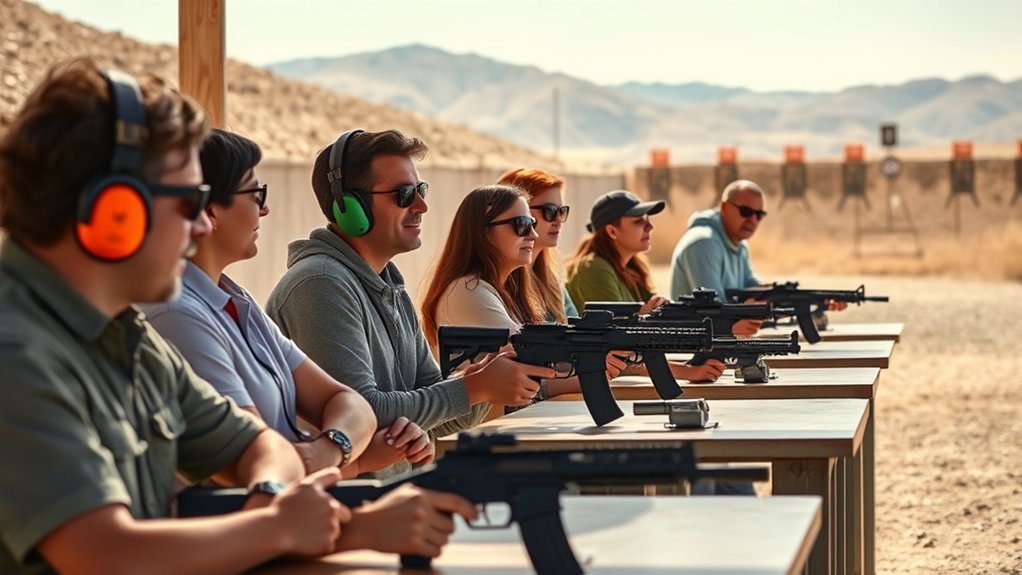
When handling firearms, safety must come first every single time. You need to control the muzzle, keep your finger away from the trigger, confirm the firearm is unloaded when not in use, and know your target and what is beyond it. These basic firearm safety rules help prevent negligent discharges, injuries, and unsafe habits before they become serious mistakes.
Quick Answer
The most important firearm safety rules are simple: treat every gun as loaded, keep the muzzle pointed in a safe direction, keep your finger off the trigger until you are ready to shoot, keep firearms unloaded when not in use, and always identify your target and what lies beyond it.
Key Takeaways
- Always control the muzzle so it points in a safe direction, even when the firearm is unloaded.
- Keep your finger outside the trigger guard until you have made the decision to fire.
- Unload firearms when they are not actively being used, then check the chamber, magazine, and action.
- Do not trust a mechanical safety as a replacement for careful handling.
- Know your target, the backstop, and what could be beyond the target before any shot.
At a Glance
| Time Required | A few minutes to review before every handling session |
| Difficulty | Beginner-friendly, but it requires constant attention |
| Tools Needed | Eye protection, hearing protection, secure storage, and safe handling habits |
| Cost | Free to practice, though proper storage and protective gear may cost extra |
Always Keep the Muzzle Pointed in a Safe Direction
One essential rule every beginner should follow is to always keep the muzzle pointed in a safe direction. This means directing it away from yourself and others to reduce the risk of injury if an unintended discharge happens. A safe direction also considers ricochets, hard surfaces, and the possibility that a bullet can pass through thin walls or other objects.
You need to develop the habit of controlling the muzzle at all times, including when you pick up, set down, carry, load, or unload a firearm. Do not let the muzzle drift toward your feet, another person, a vehicle, a doorway, or anything you do not intend to cover. If you stumble or turn suddenly, your first instinct should be to keep the muzzle controlled.
Practicing situational awareness is vital during loading and unloading because many unsafe moments happen when a person assumes the firearm is harmless. Stay calm, slow down, and keep the muzzle pointed where an unintended discharge would cause the least possible harm. By focusing on firearm safety, you minimize risks and promote responsible gun handling.
Warning: Never point a firearm at yourself, another person, a pet, or anything you are not willing to destroy. This rule applies even when you believe the firearm is unloaded.
Firearms Should Be Unloaded When Not Actually in Use
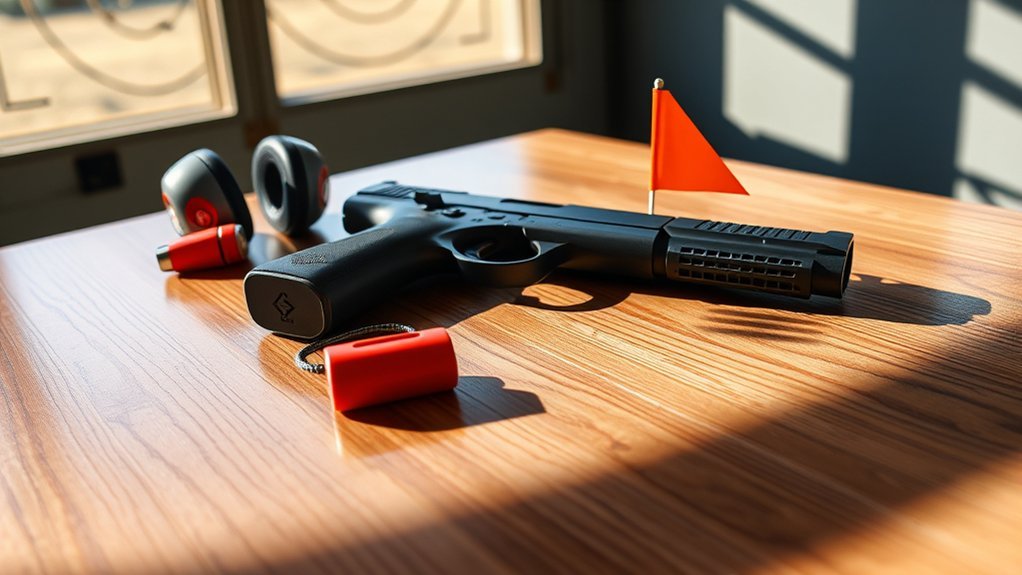
Keeping firearms unloaded when not in use is essential for safety. Unloading a firearm immediately after shooting and before storage helps prevent unintended discharges. Load your firearm only when you are in a lawful, safe place and are ready to use it for an approved purpose, such as supervised range practice or legal hunting.
When handling firearms, check the chamber, magazine, and receiver to confirm the firearm is unloaded before passing it to someone else or putting it away. Do not rely on memory, another person’s statement, or a quick glance. Open the action, look carefully, and, when safe to do so, physically verify that the chamber is clear.
Practice proper gun storage by keeping firearms and ammunition stored separately in secure locations to reduce unauthorized access. Use a locked safe, lockbox, cable lock, or other secure storage method that fits your situation. Never leave a firearm where a child, visitor, or unauthorized person can reach it.
Never carry a loaded gun in a scabbard, a holster that is not being worn, or a gun case. This increases the risk of accidental contact, dropping, or unsafe handling. Always keep your finger off the trigger, and remember that careful habits matter more than speed or convenience.
Note: Storage laws can vary by location. Check your local rules for safe storage, transportation, hunting, range use, and access by minors or prohibited persons.
Don’t Rely on Your Gun’s Safety
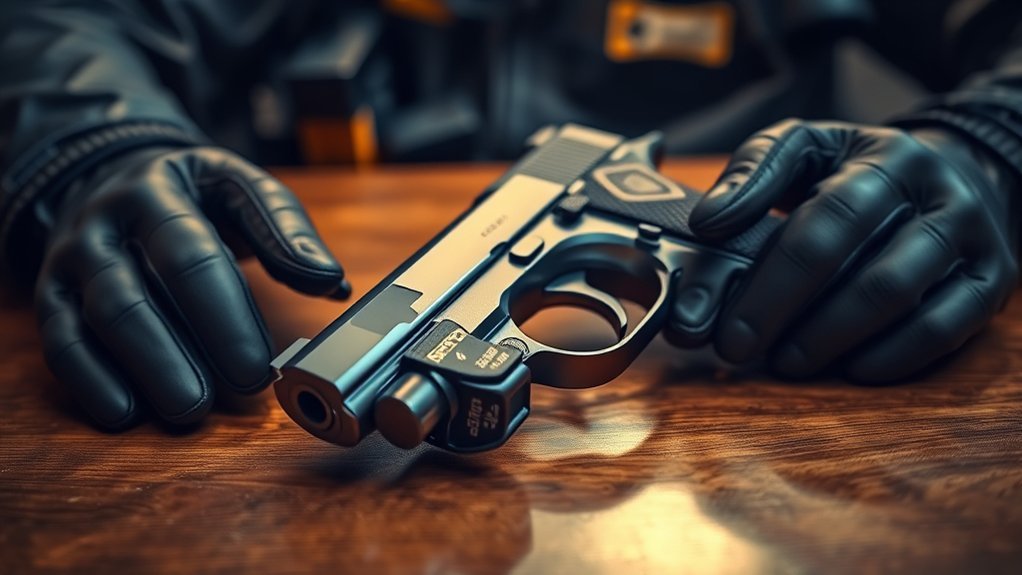
Even with firearms unloaded and stored safely, it’s important not to rely solely on your gun’s safety mechanism. A mechanical safety is only one feature, not a guarantee. It can be damaged, misunderstood, forgotten, or unintentionally disengaged.
Always treat every firearm as if it can fire at any moment. This mindset supports consistent safe handling. Keep your finger outside the trigger guard until your sights are on the target and you have decided to fire. This rule matters during loading, unloading, cleaning, carrying, and handing a firearm to another person.
Open the action and visually inspect the chamber to confirm your firearm is unloaded. Maintain control by keeping the muzzle pointed in a safe direction. Always wear eye protection and hearing protection when shooting. Your safety depends on habits you repeat every time, not on one mechanical part.
Pro Tip: Build a simple safety pause into every handling session: muzzle safe, finger off trigger, action open, chamber checked, and ammunition controlled.
Keep Your Finger Off the Trigger Until Ready to Shoot
Trigger discipline is one of the easiest safety habits to understand and one of the most important to practice. Keep your finger straight and outside the trigger guard until you are ready to shoot. Do this every time you pick up, carry, inspect, load, unload, or set down a firearm.
Do not rest your finger on the trigger while you are walking, turning, talking, loading, clearing, or adjusting your position. Stress, noise, movement, or a surprise can cause your hand to tighten without warning. Keeping your finger indexed along the frame helps prevent that mistake.
This habit also helps beginners slow down. Before your finger moves to the trigger, you should already know that your muzzle is safe, your target is identified, your backstop is suitable, and your decision to fire is deliberate.
Be Sure of Your Target and What Is Beyond It
Before pulling the trigger, you must be absolutely sure of your target and what lies beyond it. Every firearm can send projectiles farther than many beginners expect, which can create risks for unintended targets, people, animals, buildings, roads, or property.
Always keep your finger off the trigger until you’re ready to shoot, and assess the backdrop to make sure the area is safe. Use positive target identification to avoid shooting at movement, sound, color, or a vague shape without certainty. This is especially important in low light, wooded areas, crowded ranges, or any place where other people may be nearby.
Additionally, be aware of local laws regarding shooting areas to follow safe and lawful practices. A safe shot requires more than hitting the target. You also need a safe backstop, a clear area around the target, and confidence that nothing unsafe sits beyond it.
| Key Considerations | Actions to Take |
|---|---|
| Know Your Target | Identify it clearly |
| Beyond Your Target | Assess the backdrop |
| Muzzle is Pointing | Verify it’s directed safely |
Handle Firearms Only When Alert and Focused
Safe firearm handling requires clear attention. Do not handle a firearm when you are distracted, tired, angry, impaired, or rushed. Avoid alcohol, drugs, or any substance that affects judgment, balance, reaction time, or coordination.
Before you handle a firearm, remove distractions when possible. Put away your phone, stop side conversations, and focus on one task at a time. If someone interrupts you while you are loading, unloading, or checking a firearm, pause and restart your safety check from the beginning.
New shooters should learn from a qualified instructor or an experienced, responsible mentor. Clear supervision helps beginners understand range commands, safe loading areas, cease-fire rules, and what to do if something feels wrong.
Use Protective Gear and Follow Range Rules
Eye and hearing protection should be part of every shooting session. Eye protection helps guard against debris, hot brass, and unexpected fragments. Hearing protection helps reduce exposure to loud gunfire that can damage hearing.
At a range, follow posted rules and listen to the range safety officer. Keep firearms pointed downrange, obey cease-fire commands, and do not touch firearms when people are downrange. If you are unsure about a command or procedure, ask before acting.
When hunting or shooting outdoors, think beyond the immediate target area. Consider weather, visibility, terrain, trails, roads, livestock, homes, and other people who may enter the area. Safe shooting includes planning for what could change around you.
Firearm safety is not a one-time lesson. It is a repeated habit: check, control, confirm, and slow down before every action.
Conclusion
In the world of firearms, think of safety as your guiding compass. Just like a sailor wouldn’t set sail without checking their maps, you shouldn’t handle a gun without knowing the safety rules. Each time you practice these principles, you’re not just preventing accidents; you’re building habits that protect you and everyone around you.
Keep the muzzle pointed in a safe direction, keep the firearm unloaded when not in use, never rely only on the safety, keep your finger off the trigger, and know your target and what lies beyond it. A moment of carelessness can lead to irreversible consequences, so stay vigilant and treat every firearm with the respect it deserves.
