Understanding fish behavior helps you fish with more confidence instead of guessing where fish might be. Fish respond to food, safety, water temperature, light, oxygen, structure, pressure changes, and seasonal cycles. When you learn how these factors shape feeding patterns, movement, and cover use, you can choose better spots, baits, and times to fish.
Quick Answer
Fish behavior is shaped by instinct, learned experience, sensory cues, water conditions, and seasonal needs. For new anglers, the most useful signs to watch are feeding activity, baitfish movement, water temperature, cover, depth, light level, and time of day.
Key Takeaways
- Fish use sight, smell, hearing, touch, taste, and their lateral line to find food and avoid danger.
- Water temperature, oxygen, light, weather, and seasons can change where fish hold and when they feed.
- Small fish often school for safety, while larger predator fish may use deeper cover and feed more selectively.
- Surface activity, baitfish movement, birds, shade lines, and structure can all point you toward active fish.
- Responsible fishing means following local rules, handling fish gently, and keeping line and trash out of the water.
Understanding Fish Behavior

Understanding fish behavior is useful for anglers and anyone interested in aquatic ecosystems. Fish do not move randomly. Their actions usually connect to survival needs such as feeding, breeding, resting, avoiding predators, and finding comfortable water conditions.
Each species has its own habits. Shad and many minnows often school for protection. Bass may use ambush cover near weeds, docks, rocks, or fallen trees. Catfish often rely heavily on scent and may feed more confidently in low light or stained water. Trout often hold where current brings food past them while still giving them a place to conserve energy.
Fish also respond to their surroundings. Water temperature, oxygen level, current, light, season, depth, cover, and fishing pressure can all influence where they go and how they feed. When you notice these patterns, you can choose better casting angles, bait sizes, retrieve speeds, and fishing times.
The Role of Instincts and Conditioning

Fish behavior is shaped by both instinct and conditioning. Instinct helps fish react quickly to food, danger, spawning cues, and changes in their environment. Conditioning comes from experience. A fish may return to a productive feeding area or avoid a spot where it was hooked, chased, or disturbed.
Instinctual Feeding Responses
Fish have instinctive feeding responses that help them find prey and react to opportunity. These responses vary by species, size, habitat, and water clarity.
- Fish use sensory systems, including sight and the lateral line, to locate and pursue prey.
- Different species feed in different ways. Bass often respond to movement and profile, while catfish rely strongly on scent and taste.
- Larger fish often refine their feeding behavior through experience, which can make them more cautious.
- Fish may return to areas where they have found food before, especially when conditions remain favorable.
For anglers, this means bait choice should match the fish’s natural feeding style. A fast-moving lure may work well for active bass, while scented bait may be more useful for bottom-feeding species.
Behavioral Conditioning Effects
Although instinct forms the foundation of fish behavior, conditioning can change how fish respond to repeated experiences. Fish that often see boats, hooks, heavy line, loud noise, or unnatural bait movement may become harder to catch.
Older fish may also show more selective behavior because they have survived more encounters with predators, anglers, and environmental stress. This does not mean large fish are impossible to catch. It means you often need a more careful approach, such as lighter presentations, natural bait movement, longer casts, or fishing during lower-light feeding windows.
Pro Tip: If fish follow your lure but refuse to bite, change one thing at a time. Try a slower retrieve, smaller bait, different color, or longer pause before switching spots.
Sensory Systems and Their Impact

Fish rely on several sensory systems to move, feed, communicate, and avoid danger. Understanding these senses helps you choose bait, line, and presentations that fit the conditions.
- Vision: Sight helps many fish track prey, detect movement, and judge distance. It matters most in clear water and bright conditions.
- Smell and taste: Many fish can detect dissolved chemicals in the water. This is especially important for species such as catfish, carp, and some bottom feeders.
- Hearing and vibration: Fish can sense sounds and pressure changes. Heavy footsteps on a dock, dropped gear, or a noisy boat can affect nearby fish.
- Lateral line system: This special sensory system helps fish detect nearby movement and water pressure changes, even when visibility is poor.
- Touch: Fish use contact with cover, bottom, and current seams to orient themselves and stay in productive areas.
These senses explain why lure vibration, scent, profile, and sound can matter. In muddy water, a bait with vibration or scent may outperform a subtle visual lure. In clear water, a natural shape and quiet presentation may work better.
Environmental Factors That Change Fish Behavior
Fish respond quickly to changes in their environment. You do not need advanced gear to notice many of these changes. A simple thermometer, polarized sunglasses, and careful observation can help you read the water better.
Water Temperature
Water temperature affects fish metabolism, feeding activity, and location. In cooler water, many fish move slower and may prefer smaller, slower presentations. In warmer water, fish may feed more often, but extreme heat can push them deeper or toward shade, current, or oxygen-rich areas.
Oxygen Levels
Fish need dissolved oxygen. Low oxygen can make them sluggish or push them toward moving water, vegetation edges, deeper zones, or wind-blown banks where oxygen may be higher. After heavy heat, stagnant shallow water may hold fewer active fish.
Light and Water Clarity
Light level affects how fish feed and where they hide. Bright sun can push fish closer to shade, docks, grass, rocks, deeper water, or other cover. Cloud cover may encourage fish to roam and feed more freely. Clear water usually calls for natural colors and longer casts, while stained water often favors stronger vibration, contrast, or scent.
Current and Wind
Current positions fish because it carries food. In rivers and streams, fish often hold behind rocks, logs, bends, and current seams where they can save energy while waiting for food. Wind can also push plankton and baitfish toward one side of a lake, which may attract larger fish.
Note: Fish behavior changes by species and location. Use these patterns as a guide, then adjust based on what you actually see on the water.
How Size Affects Fish Behavior
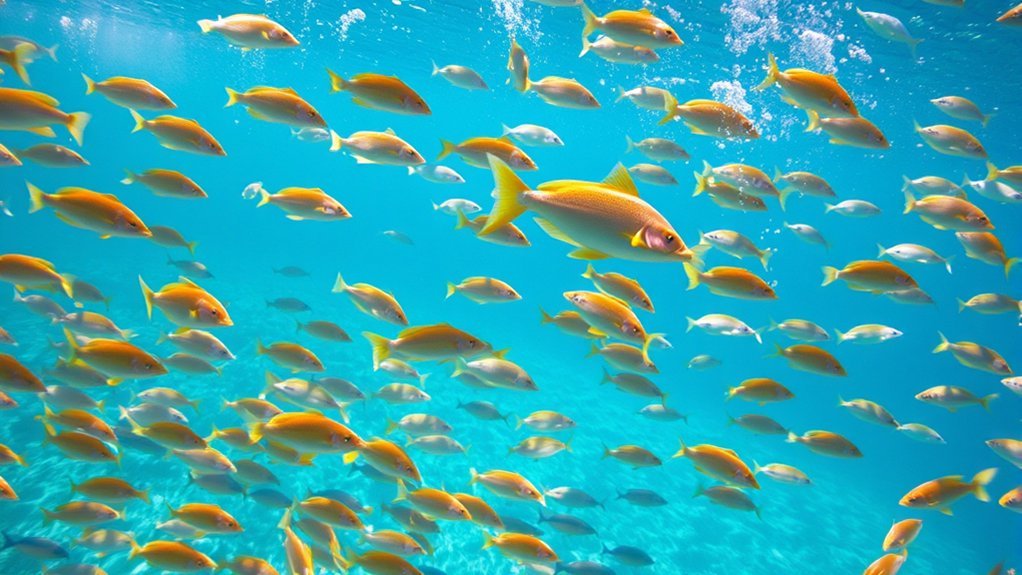
Fish size can strongly affect behavior. Smaller fish often stay in groups for safety and feed on smaller insects, plankton, minnows, or other easy prey. They may use shallow cover because it provides protection from larger predators.
Larger fish often behave differently. Big bass, pike, catfish, walleye, or trout may use deeper water, heavier cover, current breaks, or low-light periods to feed. They may target larger meals because bigger prey can provide more energy for less effort.
Feeding habits also change as fish grow. A small bluegill may peck at tiny insects, while a larger bluegill may take bigger insects, small minnows, or larger bait. A young bass may chase small baitfish in groups, while a mature bass may ambush prey from cover.
For fishing strategy, match your tackle and bait size to the fish you want to catch. Smaller hooks and light line often work for panfish. Larger predator fish may require stronger line, sharper hooks, bigger landing nets, and more careful handling.
Common Myths About Predator Fish
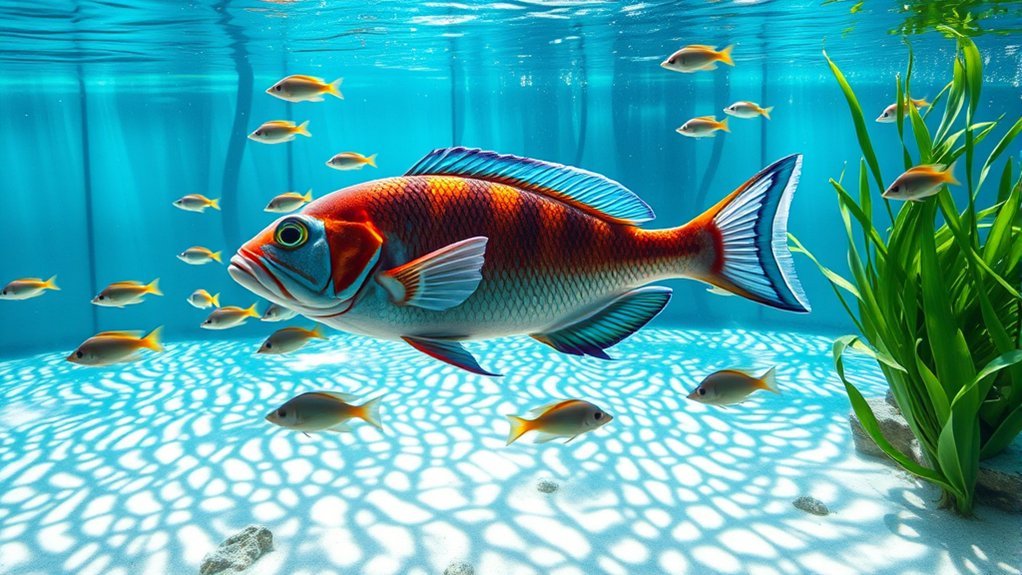
Many new anglers believe predator fish are always aggressive and easy to catch. In reality, predator fish can be active, cautious, selective, or inactive depending on conditions.
- Myth: Predator fish always bite aggressively. Their feeding behavior changes with water temperature, light, weather, food supply, and fishing pressure.
- Myth: Bigger fish are easier to catch. Large fish are often more cautious and may feed during shorter windows.
- Myth: Predator fish only feed at night. Many species feed during the day, dawn, dusk, and night, depending on conditions.
- Myth: Live bait always beats lures. Live bait can work well, but lures that match local prey can be just as effective in the right situation.
- Myth: If fish are not biting, they are not there. Fish may be present but inactive, pressured, suspended, or feeding on a different size of prey.
The best approach is to read the conditions and adjust. Change depth, retrieve speed, bait size, color, or location before assuming the fish have left the area.
Seasonal Changes and Fishing Strategies
Seasonal changes influence fish location, feeding patterns, and activity level. As water temperatures rise or fall, fish adjust where they spend time and how actively they feed.
Spring Fish Behavior
In spring, warming water often makes fish more active. Many species move toward shallower areas to feed or prepare for spawning. Look for protected bays, flats, vegetation, wood, rock, and areas that warm faster than the main body of water.
Summer Fish Behavior
In summer, fish may feed early and late when light is lower and water is cooler. During hot afternoons, they may move deeper, hold near shade, or use current and vegetation where oxygen and cover are better.
Fall Fish Behavior
In fall, many baitfish move, and predator fish often feed heavily before winter. Fish may school more, chase bait, and use shallower areas during stable conditions. This can be a productive season for moving baits, search lures, and covering water.
Winter Fish Behavior
In winter, colder water can slow fish metabolism. Many fish feed less often and may hold in deeper or more stable areas. Slow presentations, smaller baits, and careful depth control often work better than fast retrieves.
The more you connect fish movement to season, temperature, light, and food, the less you rely on luck.
Tips for Observing Fish Activity
To improve your fishing success, slow down and watch the water before you cast. Fish often reveal their location through small signs, especially near the surface, around cover, or where baitfish gather.
Watch for Surface Activity
Surface activity can tell you when fish are feeding or chasing prey. Look for:
- Ripples, splashes, or swirls that may suggest feeding fish.
- Jumping baitfish that may be escaping predators.
- Birds diving or hovering near baitfish schools.
- Small insects on the surface, especially around dawn and dusk.
- Boils near grass, docks, rocks, or shade lines.
Use polarized sunglasses when possible. They reduce glare and make it easier to see fish, cover, depth changes, and underwater movement.
Observe Fish Movement Patterns
Understanding fish movement patterns helps you predict where fish may go next. Watch how baitfish move, where schools gather, and whether larger fish are pushing them toward the bank, surface, or cover.
In rivers, look for current seams, eddies, rocks, bridge pilings, and deeper pools. In lakes and ponds, check weed edges, drop-offs, points, docks, fallen trees, and shaded banks. Fish often use these places because they provide food, cover, or easy travel routes.
Note Feeding Times
Fish can feed at many times, but some windows are often better than others. Early morning and late evening are popular because light is lower and many prey species become active. Overcast days can also extend feeding activity because fish may feel safer roaming away from cover.
- Fish are often active during early morning and late evening.
- Cloud cover can increase shallow feeding activity.
- Wind can push baitfish toward banks, points, or weed edges.
- Spring and fall often bring stronger feeding windows for many species.
- Stable weather may produce more predictable patterns than sudden cold fronts.
Essential Gear for New Anglers
Starting your fishing journey is easier when your gear is simple, reliable, and matched to common fish in your area. You do not need a complicated setup to learn fish behavior.
A medium-action spinning rod and reel combo is a good starting point for many freshwater situations. Pair it with monofilament fishing line in the 6- to 12-pound range, depending on the fish you expect to catch. Lighter line works well for panfish and trout, while heavier line helps with bass, catfish, or fishing around cover.
You’ll also need a small tackle box with hooks, sinkers, bobbers, swivels, pliers, and a few basic lures. Live worms are effective for many beginners because they attract several species. Artificial lures such as small jigs, spinners, soft plastics, and crankbaits can help you cover water and learn how fish respond to movement.
Polarized sunglasses are also useful. They reduce glare and help you see underwater structure, fish movement, and depth changes. A landing net, measuring tool, and fish-friendly pliers can make handling safer for both you and the fish.
Matching Bait and Presentation to Fish Behavior
Your bait should match what fish are doing. If fish are chasing bait near the surface, a moving lure may work well. If fish are holding near bottom, a slower bait may be better. If fish are cautious, a smaller and more natural presentation can help.
- Active fish: Try spinners, crankbaits, swimbaits, jerkbaits, or faster soft-plastic retrieves.
- Neutral fish: Use slower jigs, worms, live bait, or stop-and-go retrieves.
- Inactive fish: Downsize your bait, slow your retrieve, and focus on cover or deeper water.
- Stained water: Choose vibration, scent, or stronger contrast.
- Clear water: Use natural colors, lighter line, and longer casts.
Presentation matters as much as bait. A lure that looks good but moves unnaturally may be ignored. Pay attention to speed, depth, pauses, and direction. Many bites happen when a bait changes speed, falls, pauses, or passes close to cover.
Warning: Always check local regulations before fishing. Rules for seasons, size limits, bag limits, bait, and protected areas can change by location and species.
Best Practices for Responsible Fishing
Responsible fishing protects fish populations, wildlife, and the places you enjoy. It also helps make sure other anglers can have good experiences in the future.
- Check local fishing regulations for license rules, size limits, catch limits, seasons, and restricted areas.
- Practice careful catch-and-release when you do not plan to keep a legal fish.
- Wet your hands before touching fish to help protect their slime coat.
- Use pliers or a hook remover to reduce handling time.
- Keep fish in the water as much as possible before release.
- Dispose of fishing line, hooks, bait containers, and trash properly.
- Use barbless hooks when practical to reduce injury during release.
- Never move live fish, bait, or water between lakes, rivers, or ponds unless local rules allow it.
If you plan to keep fish, harvest only what you can use and follow all local rules. Clean your gear between waterways when needed to help prevent the spread of invasive species.
Frequently Asked Questions
What time of year is best for fishing?
Spring and fall are often strong seasons because many fish feed actively during temperature changes. Spring can bring shallow movement and spawning behavior, while fall often brings heavy feeding before winter. The best season still depends on your species, location, and local conditions.
How do different water temperatures affect fish behavior?
Water temperature affects fish metabolism and activity. Cooler water often slows feeding and movement, while moderate warming can increase activity. Very warm water can push fish toward shade, deeper water, current, or oxygen-rich areas.
What are the best bait options for beginners?
Live worms are one of the easiest beginner baits because they catch many freshwater species. Minnows, corn, small jigs, spinners, and soft plastics can also work well, depending on the fish you target and the rules in your area.
How can weather conditions impact fishing success?
Weather can change light, water temperature, wind direction, oxygen, and fish comfort. Overcast skies may help fish roam and feed. Bright sun can push fish deeper or into shade. Wind can move baitfish and create feeding opportunities along banks and points.
What should I wear for a comfortable fishing experience?
Wear lightweight, moisture-wicking clothing, comfortable shoes, and layers you can adjust as the weather changes. A wide-brimmed hat and polarized sunglasses help protect you from sun glare and make it easier to see into the water.
Why do fish suddenly stop biting?
Fish may stop biting because of changing light, pressure, temperature, boat traffic, predators, or fishing pressure. They may also switch prey size or move to a different depth. Try slowing down, changing bait size, or fishing nearby cover.
Conclusion
Understanding fish behavior turns fishing from guesswork into a more thoughtful and rewarding experience. Fish respond to instinct, learned patterns, water temperature, oxygen, light, food, cover, and seasonal change. When you watch the water, match your bait to the conditions, and adjust your presentation, you give yourself a better chance to catch fish consistently.
Keep your approach simple at first. Notice where fish feed, when they move, and how they react to your bait. Over time, these observations will help you make smarter decisions on every trip. Respect the water, follow local rules, and enjoy the process of learning how fish live and behave.
Sources
- NOAA Fisheries — fish biology, habitat, conservation, and responsible fisheries information.
- U.S. Geological Survey Water Resources — water conditions and aquatic ecosystem context.
- U.S. Fish & Wildlife Service — fish, wildlife, habitat, and conservation guidance.
- Take Me Fishing — beginner fishing education, licensing guidance, and responsible fishing basics.