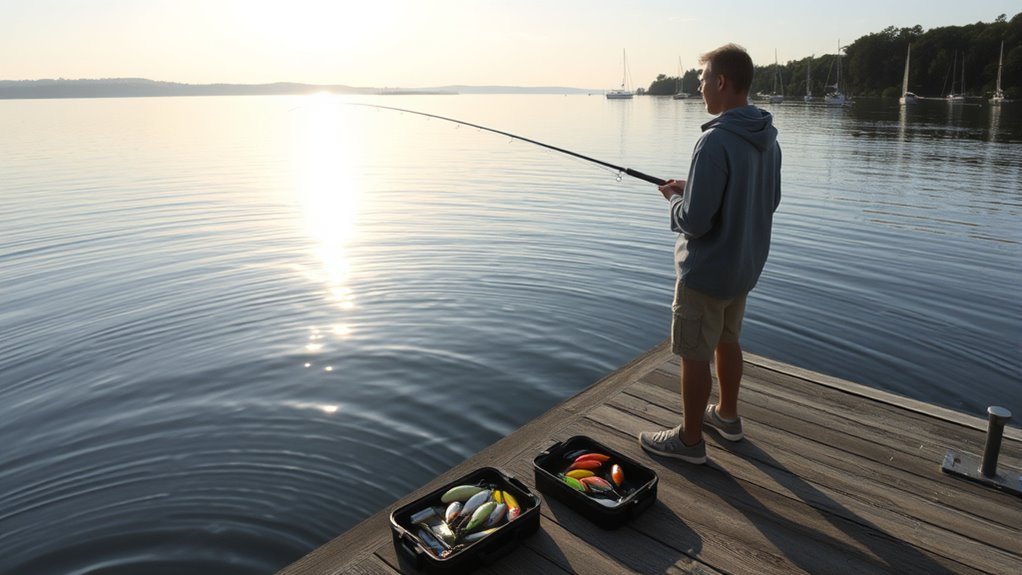
Bay fishing gives you a practical way to target inshore species such as redfish, speckled trout, flounder, snook, striped bass, and drum, depending on your region. You do not need offshore gear to get started, but you do need the right rod, line, bait, tide timing, and safety habits. A balanced setup, local knowledge, and respect for regulations will help you fish bays more confidently and responsibly.
Quick Answer
For bay fishing, start with a 7-foot medium-heavy to heavy-action rod, a saltwater-ready spinning reel, 15- to 30-pound braided or monofilament line, and bait such as live shrimp, crabs, baitfish, soft plastics, spoons, or jigs. Fish around grass beds, oyster bars, channels, jetties, mangroves, and drop-offs during moving tides.
Key Takeaways
- Bay fishing is most productive when you match your bait, lure, and location to the local species and tide stage.
- A 7-foot medium-heavy or heavy-action rod with a saltwater spinning reel works well for many inshore bay situations.
- Live shrimp, crabs, baitfish, gold spoons, soft plastic jigs, and bucktail jigs are reliable bay fishing options.
- Moving water matters. Rising, falling, and high tides can all produce fish when bait gets pushed through feeding zones.
- Always check your state fishing license rules, size limits, bag limits, seasons, and protected areas before you fish.
At a Glance
| Time Required | 2 to 6 hours for a typical bay fishing trip |
| Difficulty | Beginner to intermediate, depending on boat handling, tide movement, and local structure |
| Tools Needed | Rod, reel, line, hooks, jigheads, bait or lures, pliers, net, measuring tool, cooler, life jacket, sunscreen, and local license |
| Cost | Varies by gear, bait, license, launch fees, and whether you fish from shore, kayak, or boat |
Getting Started With Bay Fishing
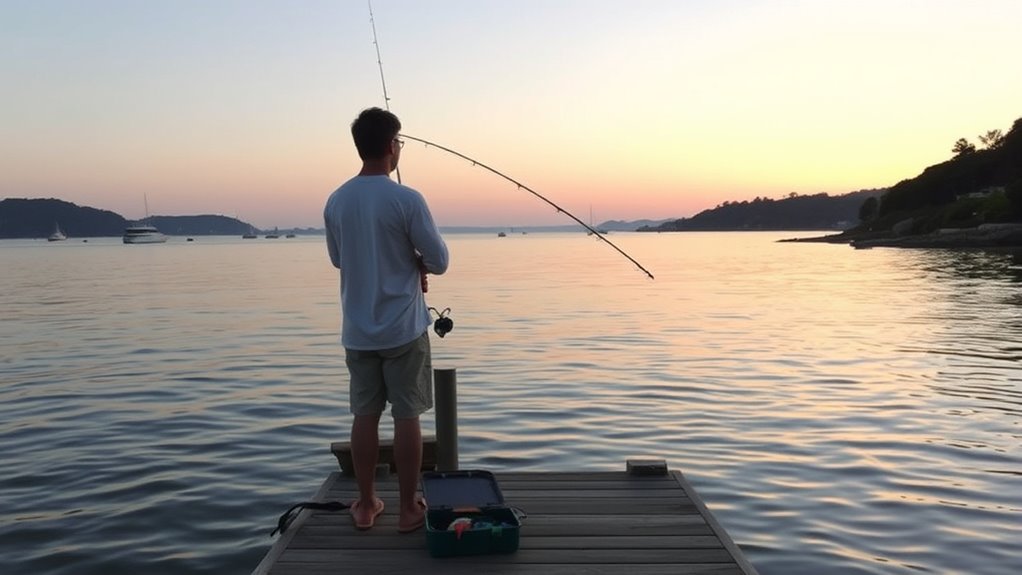
When you are ready to try bay fishing, begin with simple gear and a clear plan. Bays often hold fish near current breaks, grass flats, oyster bars, bridge pilings, jetties, mangroves, rocky banks, channel edges, and drop-offs. These areas give baitfish shelter and give predators easy feeding lanes.
Start with a 7-foot medium-heavy to heavy-action fishing rod paired with a saltwater spinning reel. This setup can handle many popular bay species, including redfish and speckled trout, while still giving you enough casting control for lures and live bait.
Make sure your tackle box is stocked with suitable bait, such as live shrimp, crabs, cut bait, or baitfish. Add artificial lures like gold metal spoons, soft plastic paddle tails, popping cork rigs, white bucktail jigs, and topwater plugs for low-light conditions.
Bay fish often feed where moving water pushes shrimp, crabs, mullet, and small baitfish past structure.
Know the best fishing locations before you launch or walk the shoreline. Use local nautical charts, tide tables, fishing reports, and safe access maps to identify channels, flats, protected shorelines, and structure. Early morning and late afternoon can be productive, especially when those low-light periods overlap with moving water.
Do not skip basic preparation. Wear a life jacket when boating, kayaking, or wading deep water. Apply sunscreen, carry drinking water, pack a first aid kit, and check the weather before you leave. With the right fishing gear and preparation, you will improve your chances of a safer and more successful day on the bay.
Essential Equipment for Bay Fishing
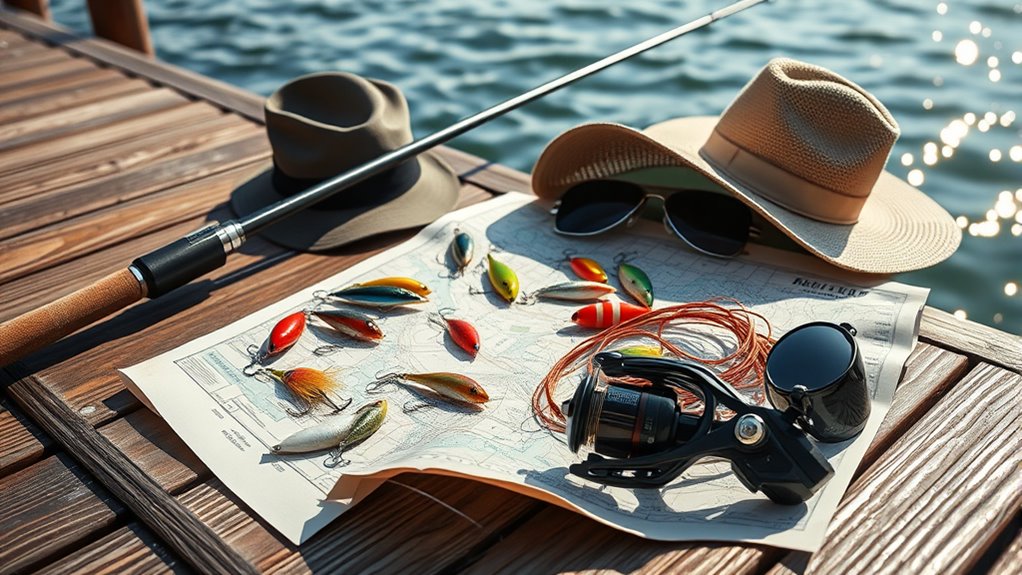
After you plan your trip, the next step is choosing the right equipment. A solid beginner-friendly setup includes a 7-foot medium-heavy or heavy-action rod paired with a saltwater spinning reel or baitcaster reel. Spinning gear is usually easier for beginners, while baitcasters give experienced anglers more control with heavier lures.
For line, choose 15- to 30-pound braided line when you want better sensitivity, long casts, and strong hooksets. You can also use 15- to 25-pound monofilament line for more stretch and forgiveness. Many anglers add a fluorocarbon leader to reduce visibility and protect against rough structure.
Stock your tackle box with essential gear, including J-hooks or circle hooks sized 1/0 to 5/0, lead jigheads, popping corks, swivels, split shot, leader material, and lures that mimic local baitfish. Circle hooks can help with catch-and-release fishing because they often hook fish near the corner of the mouth.
Live bait, like shrimp, crabs, mullet, menhaden, or pinfish, can greatly improve your chances when fish are picky. Artificial lures like soft plastic jigs, shiny gold metal spoons, suspending twitch baits, and white bucktail jigs can also produce steady action.
Bring tools that make landing and handling fish easier. Needle-nose pliers, dehookers, a rubber-coated landing net, a fish gripper, a measuring board, and a cooler with ice all help you handle your catch safely and legally.
Note: Saltwater is hard on gear. Rinse rods, reels, pliers, nets, and tackle with fresh water after each trip, then dry everything before storage.
With the right rod and reel, tackle, bait, and safety tools, you will be better prepared for a successful day of bay fishing.
Understanding Tides and Weather Patterns
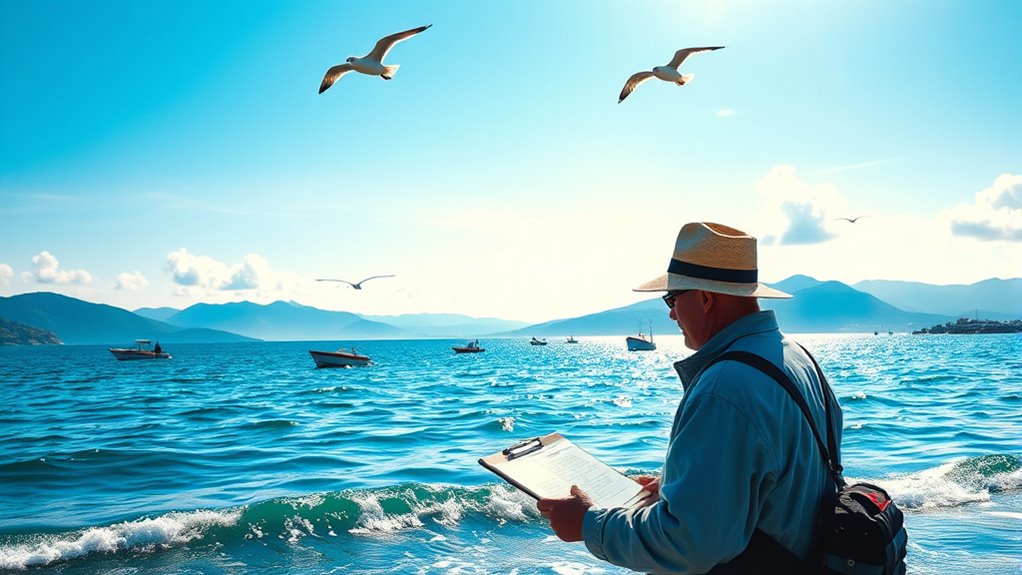
Understanding tides and weather patterns is one of the biggest keys to successful bay fishing. Tide movement changes water depth, current speed, bait location, and fish feeding behavior. Weather affects water clarity, comfort, safety, and how fish position around structure.
The phases of the moon can create stronger tidal currents in many coastal areas, which may lead to increased fish activity. Rising, falling, and high tides can all be productive when bait gets pushed across flats, through passes, along grass lines, and around points.
Also watch temperature, cloud cover, barometric changes, wind speed, and storms. These conditions can change where fish hold and how aggressively they feed.
Tide Phases Impact Fishing
Tides play an essential role in your fishing success because rising and falling water levels influence fish movement. Instead of guessing, check a reliable tide chart for the exact bay, inlet, pass, or nearby station you plan to fish.
Understanding tide phases can improve your fishing trips. Here is what to consider:
- Rising Tides: Fish often move onto shallow flats, grass beds, oyster bars, and shorelines as water covers feeding areas.
- Falling Tides: Fish may stage near drains, creek mouths, channels, and cuts where bait gets pulled out of shallow water.
- High Tides: Redfish and other inshore species may push tight to mangroves, marsh grass, flooded shell, or shallow cover.
- Low Tides: Deeper potholes, channel edges, bridge pilings, and drop-offs may concentrate fish when shallow flats lose water.
- Best Fishing Times: The first and last hours of daylight are often productive, especially when they overlap with moving water.
- Local Species: Different species respond differently. Redfish, trout, flounder, snook, striped bass, and drum may each prefer different tide stages in your area.
Weather Effects on Fish
While many anglers focus on tides, weather conditions can be just as important for successful fishing. Temperature and wind play major roles in fish behavior and feeding patterns. Rising air and water temperatures may increase fish activity in cooler seasons, while extreme heat can push fish deeper or into shaded areas.
Wind direction can affect water clarity, bait movement, and casting. A light onshore breeze may stir up bait and push food toward the bank. Strong wind can make boat control difficult and create unsafe conditions, especially in open bays.
| Weather Condition | Effect on Fish Behavior | Ideal Fishing Times |
|---|---|---|
| Rising Temperatures | Can increase activity and feeding in cooler water | Early morning, late evening, or warming trends |
| Strong Winds | May improve feeding near shore but can reduce safety and water clarity | Protected shorelines, leeward banks, and safe wind windows |
| Lunar Phases | Can enhance tidal movement in many coastal areas | Around stronger moving tides near new or full moons |
| Cloud Cover | May keep fish shallower longer during bright seasons | Morning, evening, and overcast periods |
| Approaching Storms | Can trigger feeding, but safety risks rise quickly | Only when conditions are safe and storms are not nearby |
Understanding local weather forecasts and tidal patterns helps you maximize your fishing opportunities while staying safe on the water.
Warning: Never stay on open water when lightning, fast-building storms, heavy fog, or dangerous wind conditions are nearby. Head in early when the forecast changes.
Choosing the Right Bait
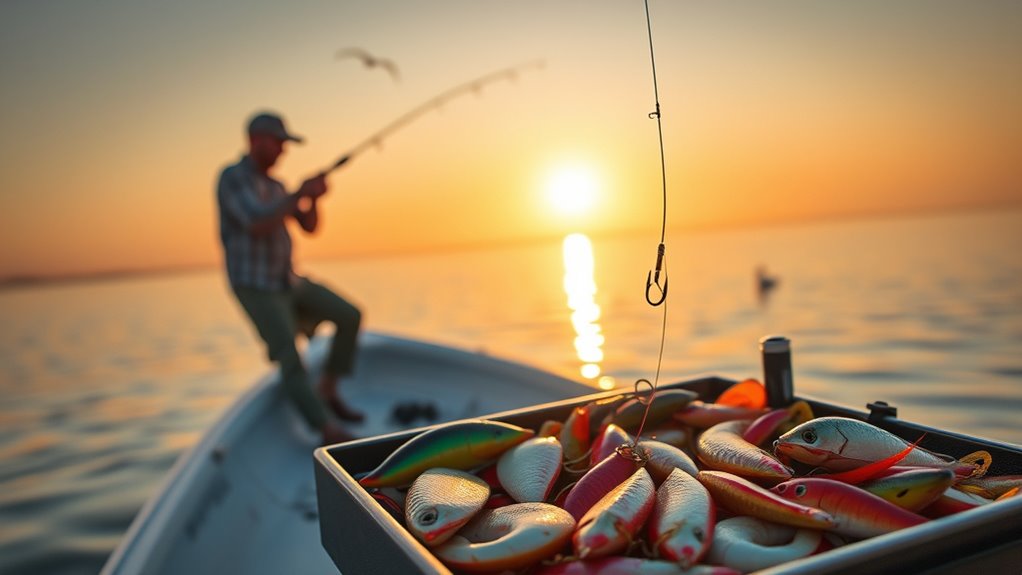
Choosing the right bait can greatly improve your chances of a successful bay fishing trip. Start by learning what local fish are already eating. Shrimp, crabs, finger mullet, glass minnows, menhaden, mud minnows, and small baitfish are common food sources in many bays.
The best bait usually matches the size, color, and movement of the natural prey fish are chasing that day.
Here are three effective options to keep in mind:
- Live Bait: Shrimp, crabs, mullet, pinfish, mud minnows, and other baitfish provide natural scent and movement.
- Artificial Lures: Gold metal spoons, soft plastic jigs, paddle tails, twitch baits, topwater plugs, and white bucktail jigs can mimic natural prey.
- Bait Size: Match your bait size to your target species. Use larger bait for bigger predators and smaller bait for trout, panfish, and finicky fish.
Live shrimp under a popping cork is a classic setup for trout, redfish, and other bay species. A spoon works well when fish are scattered because you can cover water quickly. Soft plastics on jigheads are useful around grass edges, potholes, sandy cuts, and deeper channels.
Do not be afraid to experiment with different types of bait during your outing. Conditions and fish preferences may change throughout the day, so being adaptable can lead to greater success on the water.
Pro Tip: If you see baitfish jumping, birds diving, shrimp popping, or nervous water near a shoreline, slow down and fish that area carefully.
Recommended Techniques for Success
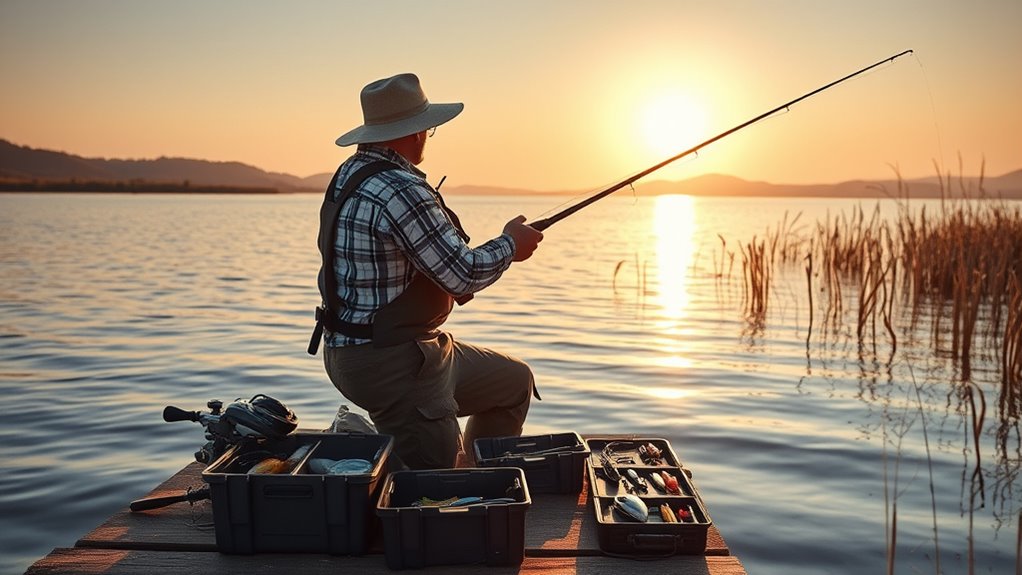
Once you have selected the right bait for your bay fishing trip, focus on techniques that help you find and hook active fish. Start by using a 7-foot medium-heavy or heavy-action rod paired with a spinning or baitcaster reel. Spool it with 15- to 30-pound braided line or 20-pound monofilament line, depending on your target species, cover, and preference.
Target structures like reefs, oyster bars, mangroves, bridge pilings, docks, grass flats, channel edges, and jetties. These places attract bait and give game fish ambush points. Cast beyond the structure when possible, then bring your bait or lure through the strike zone naturally.
Timing is key, so plan your trips around the tides. Fish often feed harder when water is moving. Rising tides may push fish shallow, while falling tides may pull them toward drains, cuts, and deeper edges.
When using artificial lures, practice a slow and steady retrieval technique first. Then adjust with pauses, twitches, hops, or speed changes until fish respond. With soft plastics, let the jig touch bottom or swim just above grass, depending on the depth and structure.
| Technique | Description |
|---|---|
| Rod | 7-foot medium-heavy to heavy-action rod for many bay species |
| Reel | Saltwater spinning reel for easy casting or baitcaster reel for experienced control |
| Bait | Live shrimp, crabs, baitfish, spoons, soft plastics, and jigs |
| Structures | Focus on reefs, mangroves, oyster bars, docks, jetties, and grass flats |
| Tides | Fish moving water during rising, falling, or high tide patterns |
| Retrieve | Start slow and steady, then add pauses, twitches, or hops |
| Boat Position | Stay quiet, drift naturally, and avoid running over the fish you want to catch |
Best Places to Fish in a Bay
Bay systems can look wide and empty at first, but fish usually relate to specific features. Your goal is to find places where bait, current, depth changes, and cover meet.
- Grass Flats: Look for sandy potholes, grass edges, and baitfish movement. Trout, redfish, snook, and other predators often patrol these areas.
- Oyster Bars: Oyster structure attracts crabs, shrimp, and baitfish. Fish the edges carefully because shells can cut line.
- Jetties and Rock Walls: Current breaks and deeper water can hold strong fish. Use heavier leader when fishing around rocks.
- Bridge Pilings: Pilings create shade, current seams, and ambush points. Cast up-current and let your bait drift naturally.
- Mangroves and Marsh Edges: High tides may push fish tight to cover. Cast accurately and keep your rod ready for quick hooksets.
- Channels and Drop-Offs: Deeper edges hold fish during low tides, hot afternoons, cold fronts, and heavy boat traffic.
- Creek Mouths and Drains: Falling water can pull shrimp, crabs, and baitfish through these natural funnels.
Move slowly and watch for signs of life. Birds, slicks, surface boils, nervous bait, and current seams can all point you toward feeding fish.
Safety Basics for Bay Fishing
Bay fishing can be calm and relaxing, but conditions can change fast. Shallow water, oyster bars, tides, wakes, storms, and boat traffic can create risks for anglers on foot, in kayaks, or in boats.
Wear a properly fitted life jacket when boating, kayaking, or wading in deeper water. Carry a whistle or sound device, navigation lights if needed, a charged phone in a waterproof case, and a basic first aid kit. If you use a boat, check fuel, battery, bilge pump, anchor, and required safety gear before leaving the launch.
Foot protection also matters. Oyster beds, sharp shells, stingrays, rocks, and hooks can injure bare feet. Wear sturdy water shoes or wading boots when fishing from shore or wading flats.
Warning: Shuffle your feet when wading sandy flats in areas where stingrays may live. This helps alert rays and may reduce the chance of stepping directly on one.
Local Regulations and Etiquette
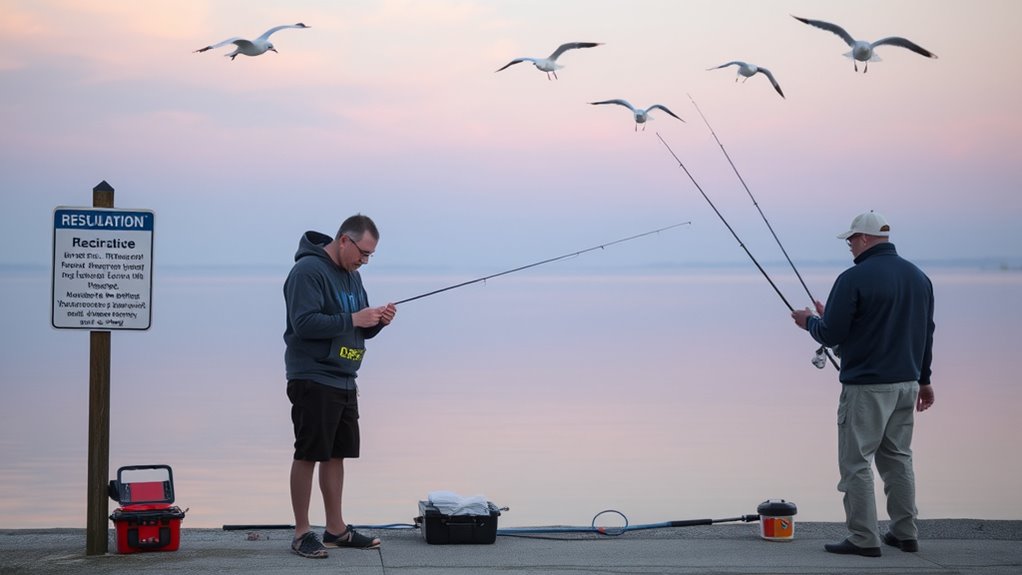
Understanding local regulations and etiquette is essential for a responsible bay fishing experience. Rules can change by state, bay system, species, season, and gear type. Always check the official fish and wildlife agency for the area you plan to fish.
Good bay fishing habits protect fish populations, shore access, wildlife habitat, and the experience of other anglers.
Follow these guidelines before and during your trip:
- Know your local regulations: Check size limits, slot limits, bag limits, seasons, gear restrictions, and protected species rules.
- Obtain the necessary fishing licenses: Make sure you have the required saltwater license, permits, stamps, or registrations before fishing.
- Respect fishing space: Give other anglers, guides, kayakers, and boaters enough room. Avoid cutting through someone’s drift or casting lane.
- Handle fish carefully: Wet your hands before touching fish, use a dehooker when possible, and release unwanted fish quickly.
- Protect habitat: Avoid damaging seagrass, marsh edges, oyster reefs, mangroves, and shoreline vegetation.
Practice the “leave no trace” principle by taking home trash, used line, bait containers, and broken tackle. Be mindful of wildlife protection regulations, especially during spawning seasons and near aquatic preserves, bird nesting areas, and sensitive habitats.
Tips for a Rewarding Fishing Experience
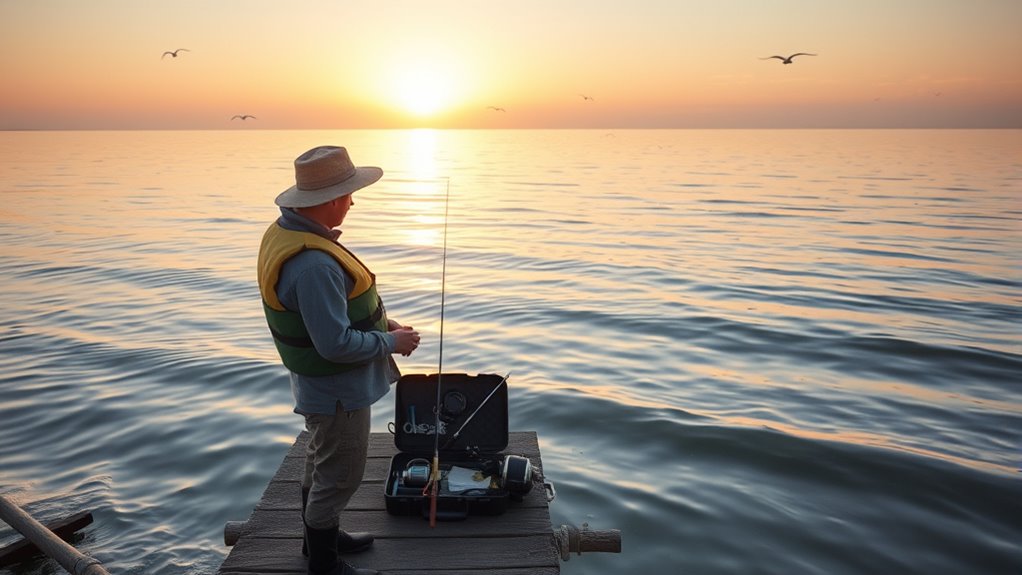
With a solid grasp of local regulations and etiquette in place, you are ready to improve your bay fishing experience. Keep your approach simple at first, then adjust as you learn the water.
Choose a 7-foot medium-heavy to heavy-action rod paired with a spinning or baitcaster reel. Use 15- to 30-pound braid or 20-pound monofilament line for common bay targets such as redfish and trout. For bait, gold metal spoons, white bucktail jigs, live shrimp, soft plastics, and popping cork rigs are proven choices.
Fishing around structures like reefs, jetties, docks, mangroves, oyster bars, and grass flats increases your chances of success. These spots offer shelter, current breaks, and feeding opportunities. Make quiet casts, keep your shadow off shallow fish, and avoid slamming lids or dropping gear in the boat.
Remember, tidal changes can affect fish activity. Aim to fish moving water, especially around rising tides, falling tides, high tides near cover, and drains that concentrate bait.
Visit your local tackle shop or talk with experienced anglers in the area. Their insights can help you choose bait, avoid unsafe zones, understand seasonal patterns, and adapt to current conditions.
Pro Tip: Keep a simple fishing log with tide stage, wind direction, water clarity, bait used, location type, and fish caught. Patterns become easier to spot after a few trips.
Common Bay Fishing Mistakes to Avoid
Small mistakes can make bay fishing harder than it needs to be. Many beginners struggle because they fish dead water, ignore tides, use weak knots, or move too quickly through productive areas.
- Ignoring tide movement: Fish may stop feeding when water goes slack. Plan around moving water whenever possible.
- Using the wrong leader: Rough shells, rocks, and toothy fish can damage light leader. Check your line often.
- Fishing too fast: Slow down when you find bait, current seams, birds, slicks, or structure.
- Making too much noise: Shallow bay fish can spook from boat wakes, banging gear, loud voices, and dropped tackle.
- Forgetting regulations: Size and bag limits can vary by species and location. Measure fish before keeping them.
- Poor fish care: If you keep fish, place them on ice quickly. If you release them, handle them gently and return them fast.
Focus on one improvement each trip. Better tide timing, cleaner casting, stronger knots, and smarter fish handling will all add up over time.
Frequently Asked Questions
What are the best times of day for bay fishing?
The best times for bay fishing are often early morning and late afternoon, especially when those periods overlap with moving tides. Fish may feed closer to the surface in low light, while bright midday conditions can push them deeper or toward shade.
How do I clean and prepare my catch?
Place your catch on ice as soon as possible. When you are ready to clean it, use a sharp knife, rinse the fish with clean water, remove scales or skin if needed, and fillet or dress it based on the species. Follow local consumption advisories and keep raw fish cold until cooking or freezing.
Can I fish from a kayak or small boat?
Yes, you can fish from a kayak or small boat in many bays. Choose calm conditions, wear a life jacket, carry required safety gear, and avoid strong current, heavy boat traffic, storms, and exposed open water until you have more experience.
What should I wear for bay fishing?
Wear lightweight, moisture-wicking clothing, a hat, polarized sunglasses, sunscreen, and comfortable non-slip shoes. If you wade, choose sturdy water shoes or wading boots to protect your feet from shells, rocks, hooks, and other hazards.
How can I identify different fish species?
You can identify fish species by checking body shape, fin placement, tail shape, color patterns, spots, mouth position, and size. Use a current field guide, official state fish ID guide, or trusted fishing app, and release any fish you cannot identify with confidence.
What line should I use for bay fishing?
Many bay anglers use 15- to 30-pound braided line with a fluorocarbon leader. Monofilament around 15 to 25 pounds can also work well, especially if you prefer stretch and easier knot handling.
Do I need a fishing license for bay fishing?
In most places, you need a saltwater fishing license or permit for bay fishing. Rules vary by state, age, residency, location, and fishing method, so check your official state fish and wildlife agency before you fish.
Conclusion
Bay fishing rewards patience, observation, and smart preparation. When you understand tides, weather, bait movement, structure, and local regulations, each trip becomes easier to plan and more enjoyable. Start with dependable gear, fish moving water, and focus on areas where bait and current meet.
Respect the bay, other anglers, and the fish you catch. Keep only what you can legally use, release fish carefully, and leave shorelines cleaner than you found them. With the right equipment, local knowledge, and steady practice, your bay fishing journey can lead to better catches and lasting memories.
Sources
- National Weather Service Safe Boating — supports boating weather and storm safety guidance.
- NOAA Tides and Currents — supports checking tide predictions and current conditions before fishing.
- U.S. Coast Guard Boating Safety Division — supports life jacket safety recommendations.
- U.S. Fish & Wildlife Service Fishing Regulations — supports checking current rules, licenses, and local regulations.
- NOAA Fisheries Recreational Fishing — supports responsible recreational fishing and fishery conservation guidance.
