
If your Toyota RAV4 came with a spare fuse, check the engine-compartment fuse box first. Older RAV4 manuals show spare fuses stored there and labeled SPARE. But the location—and whether loose spare fuses are supplied—varies by model year and powertrain. The 2026 RAV4 is an all-new sixth-generation model, so do not assume a 2019–2025 fuse diagram applies to it. Use the fuse-box lid and Toyota manual for your exact model year before removing or replacing a fuse.
Last updated: September 11, 2026
Verification scope: This guide cross-checks Toyota owner-manual information for older and current RAV4 generations. It does not assume one fuse layout fits every model year, powertrain, or market.
Quick Answer
On RAV4s supplied with spare blade fuses, look in the engine-compartment fuse box for positions labeled SPARE. Toyota’s 2007 RAV4 manual, for example, shows spare fuses in the underhood box. Do not assume an empty slot is a spare, and do not reuse a 2019–2025 diagram for the redesigned 2026 RAV4. Confirm the lid diagram and the manual for your exact vehicle.
Key Takeaways
- Look for replacement fuses labeled SPARE inside the underhood fuse box, but do not assume every RAV4 includes them.
- Fuse-box locations vary by model year, powertrain, market, and left- or right-hand-drive configuration; the redesigned 2026 RAV4 should be checked against its own manual.
- Replace a blown fuse only with the same physical type and exact amperage shown on the fuse-box lid or in the owner’s manual.
- An undocumented empty slot is not necessarily a spare-fuse holder or safe accessory connection.
- Stop troubleshooting and seek professional service if the replacement fuse blows again.
At a Glance
| Time Required | Varies by box access and diagnosis; an owner-accessible blade-fuse check is the simplest case |
| Difficulty | Easy for owner-accessible blade fuses; advanced for bolted main fuses |
| Tools Needed | Fuse puller; owner’s manual; multimeter and flashlight are optional |
| Cost | Varies by fuse type and whether electrical diagnosis or main-fuse repair is required |
Which RAV4 Fuse Layout Should You Use?
Use the fuse information for your exact model year and powertrain. The examples below show why a single “RAV4 fuse diagram” is not reliable across generations.
| RAV4 Example | Verified Fuse-Location Point | What You Should Do |
|---|---|---|
| 2007 RAV4 | Toyota’s manual shows spare fuses in the engine-compartment fuse box. | Check the underhood box and its lid diagram for SPARE. |
| 2025 gasoline RAV4 | Toyota identifies engine-compartment fuse boxes and a left-side instrument-panel fuse box. | Use the 2025 gasoline manual; do not copy a Hybrid diagram. |
| 2025 RAV4 Hybrid | Toyota also identifies a right-side luggage-compartment fuse box. | Use the Hybrid manual before removing cargo-area trim. |
| 2026 RAV4 | Toyota introduced an all-new sixth-generation RAV4 for 2026. | Do not assume 2019–2025 fuse-box locations apply; use the 2026 manual and lid diagram. |
Where Is the Extra or Spare Fuse in a Toyota RAV4?
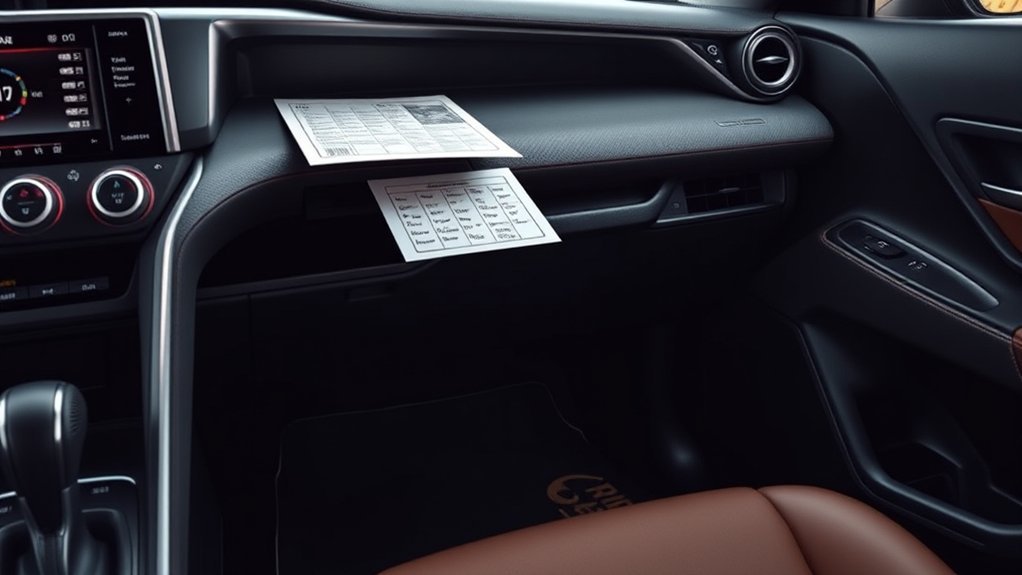
Start with the engine-compartment fuse box. Toyota’s 2007 RAV4 owner’s manual explicitly shows spare fuses in the underhood box, and its fuse table identifies SPARE positions rated 30A, 20A, and 10A. That is a verified older-model example, not a universal layout for every RAV4.
However, Toyota has used many different fuse layouts across RAV4 generations. A vehicle may contain:
- A clipped spare fuse: A real replacement fuse stored in the box but not connected to a circuit.
- A position labeled SPARE: A designated storage position shown on the box diagram.
- An empty cavity: A slot reserved for equipment not installed on your vehicle. It is not automatically a spare or accessory connection.
- An additional fuse box: Another panel serving a different part of the vehicle, not a replacement fuse.
Note: Older Toyota RAV4 manuals can explicitly identify spare fuses, but newer layouts differ. If your fuse-box lid does not show a SPARE position, do not treat an unlabeled empty cavity as a replacement fuse or accessory-power point.
If your box has no fuse marked SPARE, purchase an automotive blade fuse that matches the original fuse’s physical size and amperage. Keep a small assortment of the sizes specifically used by your RAV4 rather than installing a random fuse.
How to Locate the Main Fuse Boxes in Your RAV4
The exact layout must be confirmed from the manual for your model year. As current examples:
- The 2025 gasoline RAV4 owner’s manual identifies engine-compartment fuse boxes and a fuse box at the left side of the instrument panel.
- The 2025 RAV4 Hybrid owner’s manual identifies engine-compartment boxes, a left-side instrument-panel box, and a right-side luggage-compartment box.
- Older generations may have different underhood boxes, relay blocks, dashboard panels, and spare-fuse holders.
- Toyota identifies the 2026 RAV4 as an all-new sixth generation. Do not assume a 2019–2025 fuse diagram applies to a 2026 vehicle.
On a left-hand-drive vehicle, the interior panel is commonly below or beside the driver’s side of the dashboard. On a right-hand-drive model, the position may be mirrored or otherwise changed. Do not rely on “under the steering wheel” as a universal description.
You can retrieve the correct publication through Toyota’s manual and warranty guide lookup. Select the exact model year and powertrain before using a fuse diagram.
How to Access the Interior Fuse Box
The owner-accessible interior box is generally beneath or beside the instrument panel. The cover may face downward, outward, or toward the side of the dashboard depending on the generation.
Locate the Interior Panel
- Park the vehicle, apply the parking brake, and switch off the ignition or hybrid system.
- Turn off the lights, audio system, climate control, power outlets, and the component you are troubleshooting.
- Use a flashlight to inspect the lower dashboard and side trim near the driver’s seating position.
- Look for a small removable lid or a diagram molded into the cover.
Remove the Lid
Grip the lid at its tab or recessed edge and pull it in the direction shown in your manual. Avoid forcing the panel with a metal screwdriver because this can damage the trim, retaining clips, or wiring behind it.
Place the cover somewhere clean and note its orientation. The inside surface may contain the only readily available fuse map.
Read the Diagram Before Removing a Fuse
Identify the circuit label associated with the failed component. Common examples include labels for power outlets, interior lights, audio equipment, door locks, windows, horns, headlights, and control modules. Names and abbreviations vary by year, so do not assume a label from another RAV4 applies to yours.
Some components are protected by more than one fuse. If the first listed fuse is good, consult the complete diagram before concluding that the problem is elsewhere.
How to Access the Engine-Compartment Fuse Box
- Make sure the engine or hybrid system is off and allow hot engine-compartment parts to cool.
- Open the hood and locate the rectangular fuse-and-relay box or boxes shown in the owner’s manual.
- Release every retaining claw before lifting the cover. Do not pry upward while a clip remains locked.
- Inspect the underside of the cover for the circuit diagram, spare-fuse clips, and fuse puller.
Pro Tip: The fuse puller may be stored inside an underhood fuse box even when the blown fuse is in the interior panel. Check the cover and nearby molded storage clips before using pliers.
When reinstalling the cover, align it correctly and press until every clip locks. A poorly seated cover can allow water or debris into the electrical box.
Is There a Third Fuse Box on the Side of the Vehicle?

There is no single exterior “side of the vehicle” fuse-box location that applies to every Toyota RAV4. This wording may refer to one of the following:
- A panel at the side of the instrument panel, exposed when a front door is open.
- A fuse box beneath the driver’s lower dashboard.
- A panel behind the right-side luggage-compartment trim on certain hybrid models.
- An additional engine-compartment relay or fuse box used on a particular engine, market, or build configuration.
Do not remove exterior body panels or search behind a fender based on a generic guide. If a location is not shown in the manual for your VIN and model year, assume the description belongs to a different RAV4 configuration.
Special Considerations for Hybrid and Plug-In Hybrid Models
Hybrid and plug-in-hybrid RAV4s contain both conventional low-voltage circuits and a high-voltage propulsion system. The fuse-box procedure in the owner’s manual applies only to the owner-accessible fuses identified there.
Additional Luggage-Compartment Fuse Box
For example, the reviewed 2025 RAV4 Hybrid manual shows an additional box behind the right-side luggage-compartment trim. Access involves opening the deck board, disengaging the luggage-side-cover claws, removing the trim carefully, and then removing the fuse-box cover.
This location should not be generalized to every RAV4 Hybrid or plug-in hybrid, especially the redesigned 2026 generation. Confirm the instructions in your exact manual before pulling cargo-area trim.
Handling the Plastic Trim
Use the designated handhold or clip locations and pull evenly. Cold or aged trim can be brittle. When reinstalling it, confirm that every claw and clip is aligned before pressing the panel into place.
Do not leave the luggage-compartment trim loose, because it can rattle, interfere with stored cargo, or fail to protect the electrical components behind it.
Hybrid High-Voltage Safety
Warning: Do not touch, disconnect, probe, or remove orange high-voltage cables, the traction-battery service plug, inverter connections, high-voltage battery terminals, or any component not identified as an owner-serviceable fuse. High-voltage diagnosis and repair require trained personnel and the correct protective equipment.
A fuse box located near hybrid equipment does not make the surrounding high-voltage components safe to service. Stop if the cover requires removal of high-voltage shielding or if the fuse cannot be reached through the owner-manual procedure.
Why Fuses Matter in Your RAV4
A fuse protects its wiring and connected components by opening the circuit when current rises beyond the fuse’s designed limit. Once its internal element melts, power to the protected circuit stops.
A blown fuse may cause one or more of these symptoms:
- A 12-volt power outlet or USB-related accessory circuit stops working.
- Interior lights, exterior lights, or the horn fail.
- The radio, display, power windows, locks, or seat functions stop operating.
- A group of related systems loses power at the same time.
The fuse is a protective device, not usually the root cause. A fuse may blow because of a failed accessory, damaged wiring, water intrusion, a pinched harness, an incorrect bulb, or an internal component short.
If the only symptom is a phone that will not charge, rule out the cable, charging port, and operating mode before opening a fuse box. See our Toyota RAV4 USB-port guide for those checks.
How to Find Fuse Information in Your Manual

- Confirm the vehicle’s model year and whether it is gasoline, hybrid, or plug-in hybrid.
- Open the index and search for fuses, checking and replacing fuses, or electrical components.
- Review every listed fuse-box location before opening panels.
- Read the diagram on the relevant fuse-box lid.
- Match the failed feature to its circuit label and specified amperage.
- Check whether the manual identifies more than one fuse for that feature.
The lid diagram is especially important because a single owner’s manual may cover several trims and optional systems. A label shown in the publication may not be installed on your specific vehicle.
Note: A molded but empty cavity may exist because your RAV4 lacks an optional feature. Never add a fuse to an undocumented empty slot in an attempt to activate equipment or create an accessory power source.
How to Check Whether a Fuse Is Blown
Visual Inspection
Remove the suspected blade fuse and hold it against a light background. A transparent fuse is usually blown if the internal metal strip is visibly broken, melted, or darkened. However, a hairline break can be difficult to see.
Multimeter Continuity Test
- Switch the vehicle off and remove the fuse.
- Set a digital multimeter to continuity or the lowest resistance range.
- Touch one probe to each fuse blade.
- A good fuse should show continuity and very low resistance.
- A blown fuse normally shows an open circuit, often displayed as OL or infinite resistance.
Do not test resistance on an energized circuit. Remove the fuse first unless you are following an approved powered-circuit testing procedure with suitable automotive equipment.
How to Replace a Blown Fuse Safely
- Turn the vehicle off. Set the engine switch or hybrid power switch to OFF and remove the key from the immediate area.
- Turn off electrical loads. Switch off lights, accessories, climate control, and anything connected to the affected outlet.
- Locate the exact fuse. Use the lid diagram and model-year manual rather than guessing.
- Remove it with the puller. Pull the fuse straight out without twisting or crushing its plastic body.
- Confirm it is blown. Inspect the element or perform a continuity test.
- Install an exact replacement. Match the physical fuse family and the printed amperage number.
- Refit the cover. Secure every tab and clip before operating the vehicle.
- Test the circuit. Turn the vehicle on and operate only the repaired feature first.
Warning: Never install a fuse with a higher amperage, bridge the terminals with wire or foil, or replace a fuse with another object. Doing so can allow the wiring to overheat and may cause component damage or fire.
If the fuse is a large cartridge type, part of a fusible-link assembly, bolted into the fuse box, or inaccessible without disassembling the box, do not force it out with a blade-fuse puller. Consult a Toyota repair facility or qualified automotive electrician.
Do You Need to Disconnect the 12-Volt Battery?
For ordinary owner-accessible blade-fuse replacement, current Toyota RAV4 owner’s manuals direct the driver to turn the engine or power switch OFF. They do not require routine disconnection of the 12-volt battery for every small fuse.
Unnecessarily disconnecting the battery may erase stored settings or require some vehicle functions to be reinitialized. Follow a model-specific repair procedure when working on:
- A bolted main fuse or fusible link.
- Damaged wiring or an electrical connector.
- A fuse box that must be disassembled.
- A circuit that remains live with the vehicle switched off.
- Any hybrid or plug-in-hybrid component outside the owner-serviceable procedure.
When a repair procedure specifically requires battery disconnection, follow the stated terminal order, waiting period, initialization steps, and hybrid precautions for your exact vehicle.
What to Do If the New Fuse Blows Again
Do not keep inserting replacement fuses. The fuse is opening because the circuit is drawing excessive current or has a short.
| What Happens | Possible Cause | Next Step |
|---|---|---|
| The fuse blows immediately | Direct short, damaged wiring, wrong component, or incorrect fuse installation | Leave the circuit off and arrange professional diagnosis |
| It blows when an accessory is connected | Faulty accessory or excessive load on the outlet | Disconnect the accessory and inspect its plug, cable, and power requirement |
| It blows after rain or cleaning | Water intrusion in a lamp, connector, outlet, or fuse box | Do not energize the circuit until the moisture source is found |
| The fuse remains good but the feature is still dead | Failed bulb, relay, switch, ground, module, motor, or a second fuse | Check the complete circuit information or have the system diagnosed |
| Several unrelated systems fail | Main power, battery, ground, junction block, or fusible-link problem | Seek qualified electrical service rather than replacing random fuses |
How Often Should You Check RAV4 Fuses?
There is no need to remove and inspect every fuse every six months. Toyota’s 2025 RAV4 Warranty and Maintenance Guide lists scheduled service items but does not include routine fuse replacement as a maintenance interval.
Check the relevant fuse when:
- An electrical feature suddenly stops operating.
- A power outlet fails after an accessory was connected.
- A lamp, horn, window, lock, or seat circuit loses power.
- You see heat damage, corrosion, moisture, or melting around a fuse-box cover.
- A technician or diagnostic procedure directs you to a specific circuit.
Leave functioning fuses in place. Repeated removal can spread or damage terminals, and replacing a good fuse will not correct a failed component elsewhere in the circuit.
Frequently Asked Questions
Can I use any fuse type for a replacement?
No. Match both the physical fuse style and the exact amperage printed on the original fuse or specified on the fuse-box lid. A fuse that fits the slot is not necessarily the correct fuse.
How do I know which fuse is blown?
Use the lid diagram and owner’s manual to identify the circuit, then inspect the fuse’s internal strip. A continuity test with the fuse removed is more reliable when the break is too small to see.
What tools do I need to replace a RAV4 fuse?
A fuse puller and the correct replacement fuse are usually enough. A flashlight and digital multimeter are useful for identifying the box and confirming continuity. Do not use large pliers that can crush the fuse or contact nearby terminals.
Are Toyota RAV4 fuse diagrams available online?
Yes. Toyota provides owner’s manuals through its official manuals and warranties page. Select your exact model year and powertrain because diagrams from another RAV4 may show different boxes, labels, or ratings.
How often should I check the fuses?
Check the relevant fuse when an electrical circuit stops working or when troubleshooting directs you to it. Toyota does not specify a general six-month inspection interval for all fuses.
Where is the spare fuse in a Toyota RAV4?
On RAV4s supplied with spare fuses, they are commonly clipped inside the engine-compartment fuse box or its cover and identified as SPARE. Availability and amperage vary by model year, and some newer vehicles may not include loose spares.
Can I put a fuse into an empty slot?
Not unless the exact vehicle wiring information identifies that position for a fitted circuit or as a spare-fuse holder. An empty cavity may be unpowered, reserved for an option, or connected in a way that is unsafe for an added accessory.
Must I disconnect the battery before changing a fuse?
Toyota’s normal owner procedure for accessible blade fuses is to turn the engine or hybrid power switch off. Battery disconnection may be required for bolted main fuses, wiring repairs, or other model-specific service work, but it is not a universal first step.
Does a 2019–2025 RAV4 fuse diagram apply to the 2026 RAV4?
Do not assume it does. Toyota identifies the 2026 RAV4 as an all-new sixth-generation model. Use the 2026 owner’s manual and the diagram on your vehicle’s fuse-box lid before locating or replacing a fuse.
Conclusion
To find the extra or spare fuse in a Toyota RAV4, begin with the engine-compartment fuse box and look for a storage position labeled SPARE. Because Toyota changed fuse layouts across generations and powertrains—and redesigned the RAV4 for 2026—confirm every location and amperage in the manual for your exact vehicle.
For an ordinary blown blade fuse, switch the vehicle off, identify the correct circuit, test the fuse, and install an exact replacement. Never substitute a higher rating or treat an empty slot as a spare. If the replacement blows again, stop replacing fuses and have the underlying electrical fault diagnosed.
Sources
- 2025 Toyota RAV4 Owner’s Manual — gasoline-model fuse-box locations, fuse inspection, replacement procedure, and safety warnings
- 2025 Toyota RAV4 Hybrid Owner’s Manual — hybrid fuse-box locations, including the right-side luggage-compartment box
- 2007 Toyota RAV4 Owner’s Manual — older-model spare-fuse and replacement guidance
- Toyota Manuals and Warranties — official model-year manual lookup
- 2025 RAV4 Warranty and Maintenance Guide — factory scheduled-maintenance information
- Toyota: All-New 2026 RAV4 Debut — official confirmation that the 2026 RAV4 begins the sixth generation
