
If your Toyota Camry has heavy steering, clunking over bumps, popping during low-speed turns, extra cabin vibration, or uneven tire wear, the front strut mounts deserve attention. A worn mount can affect ride comfort, steering feel, and wheel alignment, but these symptoms can also come from other suspension or steering parts. Use the signs below to decide when to inspect the car and when to get a professional diagnosis.
Quick Answer
Common Toyota Camry strut mount failure symptoms include clunking or squeaking over bumps, popping or binding while turning, heavier steering, poor steering return, extra vibration, uneven tire wear, and a vehicle that pulls or feels unstable. Have the suspension checked soon if these signs appear together.
Key Takeaways
- A bad strut mount often causes noise first, especially clunks, squeaks, pops, or thumps from the front suspension.
- Heavy steering can point to a worn or binding upper mount bearing, but tire pressure, alignment, and steering parts can cause similar symptoms.
- Uneven tire wear may come from alignment problems, including camber or toe changes, so do not blame the mount without inspection.
- After strut or mount replacement, ask for an alignment check so the tires contact the road correctly.
- Do not disassemble a loaded strut assembly unless you have the correct tools and experience. The coil spring is under high tension.
At a Glance
| Time Required | 10–20 minutes for a basic visual and noise check; longer for a shop diagnosis |
| Difficulty | Easy for symptom checks; advanced for strut mount replacement |
| Tools Needed | Flashlight, tire tread gauge, tire pressure gauge, and a safe test-drive route |
| Cost | Basic inspection can be free at home; replacement cost varies by model year, parts, labor, and alignment needs |
Warning: Stop driving and arrange service if your Camry pulls hard to one side, the steering feels unpredictable, a front corner drops, a tire shows severe inner-edge wear, or the suspension makes loud metal-on-metal noises. Toyota owner guidance treats strange suspension noises, pulling, and uneven tire wear as clues that the vehicle needs adjustment or repair.
Common Symptoms of Strut Mount Failure in Your Toyota Camry
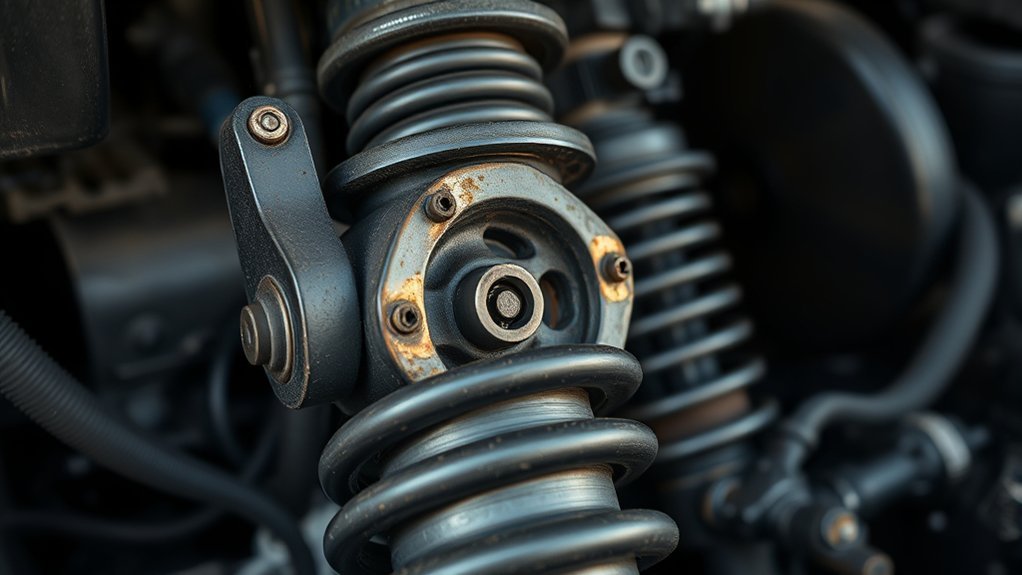
A strut mount connects the top of the strut assembly to the body of your Camry. On many front strut designs, the mount also includes a bearing that helps the strut turn as you steer. When the rubber, bearing, or mounting hardware wears out, you may feel or hear the problem before you see it.
- Clunking over bumps: A dull knock from the front suspension can happen when the mount allows excess movement.
- Squeaking or popping while turning: A dry, worn, or binding upper bearing can make noise during parking-lot turns.
- Heavy or sticky steering: The wheel may feel harder to turn, or it may not return to center smoothly.
- Extra vibration: More road vibration can pass into the cabin when the mount no longer isolates the strut well.
- Uneven tire wear: Inner-edge or one-sided shoulder wear can point to alignment or suspension geometry problems.
- Poor handling: The car may feel loose, noisy, or less settled when cornering or driving over rough pavement.
These signs do not prove the strut mount has failed by themselves. Sway bar links, ball joints, control arm bushings, tie rods, loose fasteners, worn struts, and tire problems can create similar symptoms. Treat the symptoms as a reason to inspect the suspension, not as a final diagnosis.
How Heavy Steering Can Point to Strut Mount Issues
Heavy steering can happen when the upper strut mount bearing binds or the mount no longer lets the strut rotate smoothly. You may notice it most at low speeds, such as when turning into a parking space or backing out of a driveway.
Still, do not assume the strut mount is the only possible cause. Low tire pressure, poor alignment, worn tie rods, seized ball joints, electric power steering issues, and tire damage can also make steering feel heavy. Start with easy checks, then have the suspension inspected if the symptom remains.
Causes of Heavy Steering
The table below shows how to separate strut mount symptoms from other common causes of heavy steering.
| Possible Cause | What You May Notice | What to Check |
|---|---|---|
| Worn strut mount or bearing | Popping, creaking, or stiff steering during low-speed turns | Top mount movement, bearing noise, rubber cracking, and spring bind |
| Low tire pressure | Heavy steering at all speeds and poor fuel economy | Cold tire pressure against the door-jamb placard |
| Alignment problem | Pulling, crooked steering wheel, or uneven tire wear | Professional alignment report for camber, caster, and toe |
| Worn steering or suspension joint | Loose feel, clunking, wandering, or steering play | Tie rods, ball joints, control arm bushings, and sway bar links |
Impact on Vehicle Control
A worn strut mount can reduce steering precision because the strut assembly is no longer held or pivoting as designed. That can make the Camry feel less settled over bumps and less predictable when turning.
If heavy steering appears with clunking, tire wear, or pulling, have the front suspension checked soon. Waiting can let the problem spread to tires, struts, and other suspension parts.
Pro Tip: Before blaming the strut mount, check tire pressure when the tires are cold. Low pressure can make steering feel heavy and can also create uneven tire wear.
Effects of Uneven Tire Wear From Strut Mount Failure
Uneven tire wear is one of the most useful clues because your tires show what the suspension is doing over time. A worn mount can contribute to alignment changes, but worn bushings, bent suspension parts, tire pressure problems, and previous alignment settings can also cause abnormal wear.
Bridgestone explains that alignment adjusts steering and suspension angles such as camber, toe, and caster so the tires contact the road according to manufacturer specifications. It also notes that improper alignment can cause uneven and premature tire wear, including one-sided shoulder wear linked with excessive camber.
Increased Tire Replacement Frequency
When alignment is off, the tire may scrub against the road instead of rolling evenly. That can wear one edge faster and shorten tire life. If you replace tires without correcting the suspension or alignment issue, the new tires can start wearing the same way.
Look for these tire clues:
- Inner-edge wear: May point to camber, toe, worn parts, or lowered ride height.
- Feathered tread: Often points to toe alignment problems.
- Cupping or scalloping: Can come from worn struts, tire imbalance, or loose suspension parts.
- One tire wearing faster: May point to a localized suspension, alignment, or tire issue.
Compromised Vehicle Handling Stability
As a strut mount wears, the top of the strut may move more than it should. That movement can make the car feel less stable over rough roads or during cornering. You may also hear extra road noise or feel vibration through the body.
Do not ignore a Camry that pulls, wanders, or feels unstable. Those symptoms can reduce your margin for quick steering corrections, especially in rain, on rough roads, or during emergency braking.
Uneven Tread Wear Patterns
Check the tread across the full width of each front tire. Run your hand lightly over the tread blocks, then compare the inside edge, center, and outside edge. If the inside shoulder is wearing faster than the rest of the tire, schedule a suspension and alignment check.
Tire rotation can help even out normal wear, but it will not fix a worn mount, loose joint, bent component, or bad alignment. Fix the cause first, then rotate or replace tires as needed.
Understanding Altered Camber Angle From Strut Mount Wear
Camber is the inward or outward tilt of the tire when viewed from the front of the car. A small amount of camber is normal when set to Toyota specifications, but excessive positive or negative camber can wear one shoulder of the tire faster.
A damaged strut mount may contribute to suspension geometry changes if it lets the strut move out of position. However, camber problems can also come from worn control arm bushings, bent parts, previous collision damage, or improper installation. That is why an alignment report matters.
Note: A visual tire check can show wear, but it cannot measure camber, caster, or toe. A shop alignment machine is the proper way to confirm whether the suspension angles are within specification.
Identifying Noises Indicative of Strut Issues
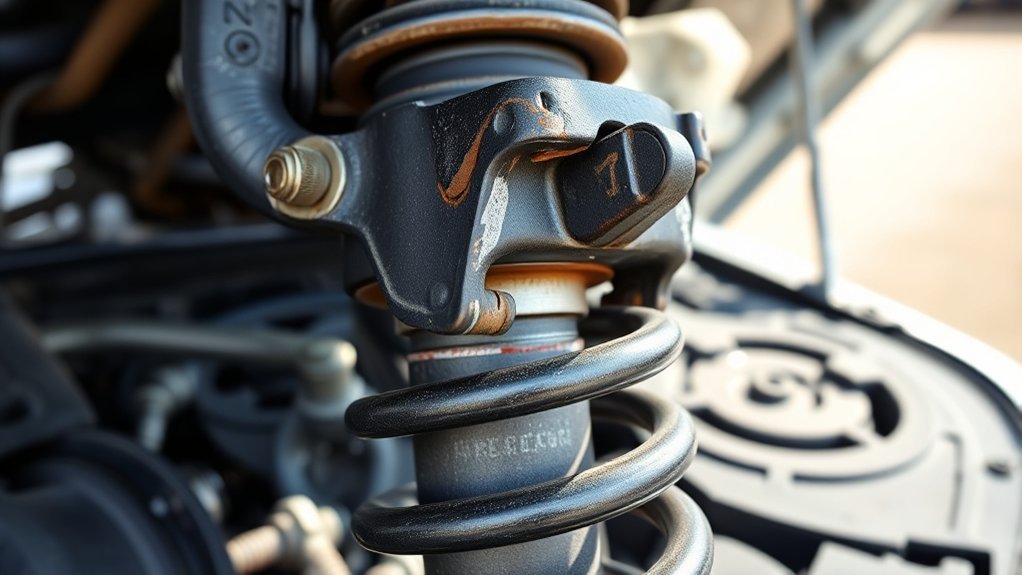
Noise is often the first sign drivers notice. Listen with the radio off and the windows slightly open on a safe, low-speed route. Pay attention to when the sound happens, because timing helps narrow the cause.
| Noise Type | When It Happens | Possible Cause |
|---|---|---|
| Clunk or knock | Over bumps, potholes, or driveway lips | Worn strut mount, loose mount hardware, sway bar link, bushing, or ball joint |
| Squeak or creak | Slow turns or suspension movement | Dry or worn rubber, binding bearing, or worn suspension bushing |
| Pop or twang | Turning the steering wheel at low speed | Binding strut bearing, spring movement, or incorrect strut assembly position |
| Grinding | While steering or driving over rough roads | Damaged bearing, loose part, or another worn suspension component |
KYB notes that clunking can be caused by mounting problems, including worn mounts or loose mountings that let the shock or strut move relative to the bolt, bushing, or attachment point. That is why a hands-on inspection matters before parts are replaced.
A strut mount problem is most likely when noise, heavy steering, vibration, and uneven tire wear appear together rather than as one isolated symptom.
Importance of Regular Inspection for Strut Mount Failure
Regular suspension checks help you catch wear before it damages tires or affects steering. You do not need to disassemble anything for a basic check. Keep the inspection simple and safe.
- Listen during low-speed driving: Note clunks over bumps and pops during turns.
- Check the tires: Look for inner-edge wear, cupping, feathering, or one tire wearing faster than the other.
- Look at the upper mount area: Watch for cracked rubber, separation, corrosion, missing hardware, or obvious movement.
- Check steering feel: Notice stiffness, poor return to center, or a crooked steering wheel.
- Schedule service after impacts: Potholes, curb strikes, and collisions can damage mounts and alignment.
Warning: Do not loosen the center strut nut or take apart a strut assembly without the right spring compressor and training. The coil spring is under stored energy and can cause serious injury if released incorrectly.
Symptoms That Can Mimic a Bad Strut Mount
Many front-end problems sound alike from the driver’s seat. Before replacing strut mounts, rule out nearby parts that commonly cause the same noises.
| Look-Alike Problem | Common Clue |
|---|---|
| Sway bar link or bushing | Rattle or clunk over small, repeated bumps |
| Ball joint | Clunking, looseness, wandering, or uneven tire wear |
| Tie rod end | Steering play, pulling, or a shaky steering wheel |
| Worn strut cartridge | Bouncy ride, nose dive, tire cupping, or fluid leakage |
| Loose wheel or damaged tire | Vibration that changes with speed or gets worse quickly |
Consequences of Ignoring Strut Mount Problems
Neglecting strut mount problems can reduce ride comfort, steering response, and tire life. The longer the mount moves, binds, or knocks, the more stress it can place on nearby parts.
Possible consequences include:
- Premature or uneven tire wear
- More vibration and road noise in the cabin
- Poor steering return or heavier steering
- Less predictable handling over bumps and during turns
- Extra wear on struts, tires, and suspension hardware
- Higher repair costs if the problem damages related parts
If the car feels unstable, pulls sharply, or makes loud suspension noises, do not keep driving as if nothing is wrong. Get the vehicle checked before the issue becomes a safety risk.
When Replacement and Alignment Are Needed
A strut mount usually needs replacement when inspection shows cracked rubber, separation between rubber and metal, bearing binding, corrosion, excessive movement, or repeated noise from the mount area. Many technicians also recommend replacing mounts when replacing struts, because the labor overlaps and the old mount may not last as long as the new strut.
Replacing strut mounts in pairs on the same axle can help keep steering feel and ride quality balanced. Delphi recommends replacing top strut mounts left and right when needed because both sides usually experience similar mileage and road conditions.
After strut or mount replacement, ask for an alignment check. KYB states that strut removal and installation can affect tire alignment, and Monroe recommends alignment after struts or other steering and suspension components are replaced. This step helps protect your tires and restores proper handling.
Best Practices for Maintaining Strut Mounts in Your Camry

Strut mounts are not usually routine grease-and-go maintenance items. The best way to protect them is to reduce impact damage, inspect the suspension when symptoms appear, and fix alignment or tire problems early.
- Inspect tires and suspension during tire rotations, brake service, and oil changes.
- Slow down for potholes, speed bumps, and rough railroad crossings.
- Check tire pressure monthly and before long trips.
- Do not ignore a crooked steering wheel, pulling, or new front-end noises.
- Replace worn mounts with quality parts that match your Camry’s year and suspension design.
- Get an alignment check after strut or strut mount replacement.
Note: Camry suspension layouts and parts vary by model year and trim. Always confirm parts and repair procedures with the correct Toyota service information or a qualified technician.
Frequently Asked Questions
How do you tell if your Camry strut mounts are bad?
Watch for clunking over bumps, squeaking or popping while turning, heavy steering, poor steering return, extra vibration, visible rubber cracking, and uneven tire wear. If several of these signs happen together, have the front suspension inspected.
What are the symptoms of a failing strut?
A failing strut can cause a bouncy ride, nose dive when braking, tire cupping, poor control over bumps, fluid leakage, and longer body movement after hitting a dip. A bad strut mount often causes more noise, vibration, steering bind, or top-mount movement.
Is a torque strut mount the same as a suspension strut mount?
No. A torque strut mount usually refers to an engine or transmission mount that limits drivetrain movement. A suspension strut mount holds the top of the strut assembly to the body and may act as a steering pivot. The symptoms and repairs are different.
What happens if a strut mount breaks while driving?
A severely failed mount can make the car noisy, unstable, and harder to control. In extreme cases, the strut assembly may move more than designed. If you hear loud metal-on-metal noises, feel sudden steering changes, or see the vehicle sitting unevenly, stop driving and arrange service.
Can you drive with a bad strut mount?
You may be able to drive briefly with mild noise, but you should not ignore it. Avoid high speeds and rough roads, then schedule an inspection. Do not keep driving if the car pulls sharply, steering feels unsafe, the suspension bangs loudly, or a tire shows severe uneven wear.
Do you need an alignment after replacing Camry strut mounts?
Yes, an alignment check is a smart final step after strut or strut mount replacement. Strut removal and installation can affect tire alignment, and an alignment check helps prevent pulling, crooked steering, and premature tire wear.
Conclusion
Toyota Camry strut mount failure symptoms usually show up as front-end clunks, squeaks, popping during turns, heavy steering, vibration, uneven tire wear, or a loose feeling over bumps. These signs overlap with other suspension problems, so a careful inspection matters before replacing parts.
Act early if the noise gets louder, the car pulls, or the steering feel changes. A timely strut mount repair, followed by an alignment check when needed, can protect your tires, restore steering confidence, and keep your Camry safer on the road.
Sources
- Toyota Camry Owner’s Manual PDF — supports guidance on suspension noises, pulling, uneven tire wear, and repair warnings.
- Delphi Auto Parts: Best Practice Advice on Strut Mount Replacement — supports strut mount function, symptoms, visual inspection points, and pair replacement advice.
- KYB: Why Would I Hear Clunking Noises Even Though My Shocks/Struts Are New? — supports mounting-related noise diagnosis.
- KYB: Do I Need to Align My Wheels After Replacing My Struts? — supports alignment-check guidance after strut work.
- Monroe: Importance of Alignment After Strut Replacement — supports alignment recommendations after strut or suspension component replacement.
- Bridgestone: Tire Tread Wear & Causes — supports tire wear, inflation, camber, toe, and alignment explanations.
