
You want smooth, watchable footage without wrestling a heavy tripod or relying on shaky handheld video. A well-matched three-axis camera gimbal gives you steadier movement, cleaner framing, and more creative control for weddings, commercial shoots, travel videos, interviews, and social content.
This guide compares five camera gimbals that stand out for different needs. You will find options for professional cinema rigs, heavier mirrorless setups, value-focused buyers, lightweight travel kits, and solo creators who need automatic subject tracking.
Affiliate disclosure:. As an Amazon Associate I earn from qualifying purchases. This roundup is reader-supported. We may earn a referral commission from qualifying purchases made through the links in this article, at no additional cost to you.
Quick Verdict
Choose the RS 4 Pro when you need the highest verified payload and a professional control ecosystem. Choose the Weebill 3S for a practical balance of portability, handling, and runtime. Choose the RS 3 Mini when minimizing weight matters most. The Crane 4 suits larger camera combinations and long production days, while the SCORP 2 is the strongest choice here for built-in AI tracking.
Top Picks
|
Category |
Product |
Best For |
|---|---|---|
|
🎥 Best Professional Gimbal |
Heavy professional camera rigs |
|
|
🚀 Best Heavy-Duty Alternative |
Large mirrorless and DSLR setups |
|
|
💰 Best Value |
Events, weddings, and everyday filming |
|
|
🎒 Best for Travel |
Compact mirrorless travel kits |
|
|
🤖 Best for AI Tracking |
Solo creators and tracked shots |
How We Picked
The right gimbal must do more than carry a camera. We compared stabilization capability, payload guidance, balancing range, battery runtime, ergonomics, portability, vertical-shooting support, camera-control features, software requirements, and overall value.
We also considered the practical differences between travel shoots, run-and-gun event work, solo content creation, and professional production rigs. No numerical testing score is used because the ideal choice depends heavily on your camera, lens, accessories, and shooting style.
Before You Buy a Camera Gimbal
- Weigh your complete rig, including the camera, lens, cage, microphone, monitor, transmitter, filter, cables, and quick-release plate.
- Confirm that the camera and lens combination fits within the gimbal’s physical balancing range—not only its stated payload.
- Check the manufacturer’s camera-control compatibility list if you want recording, focus, zoom, ISO, or shutter control from the handle.
- Confirm whether vertical shooting requires rebalancing, repositioning a plate, or buying an additional accessory.
- Allow payload headroom so the motors do not operate continuously near their limit.
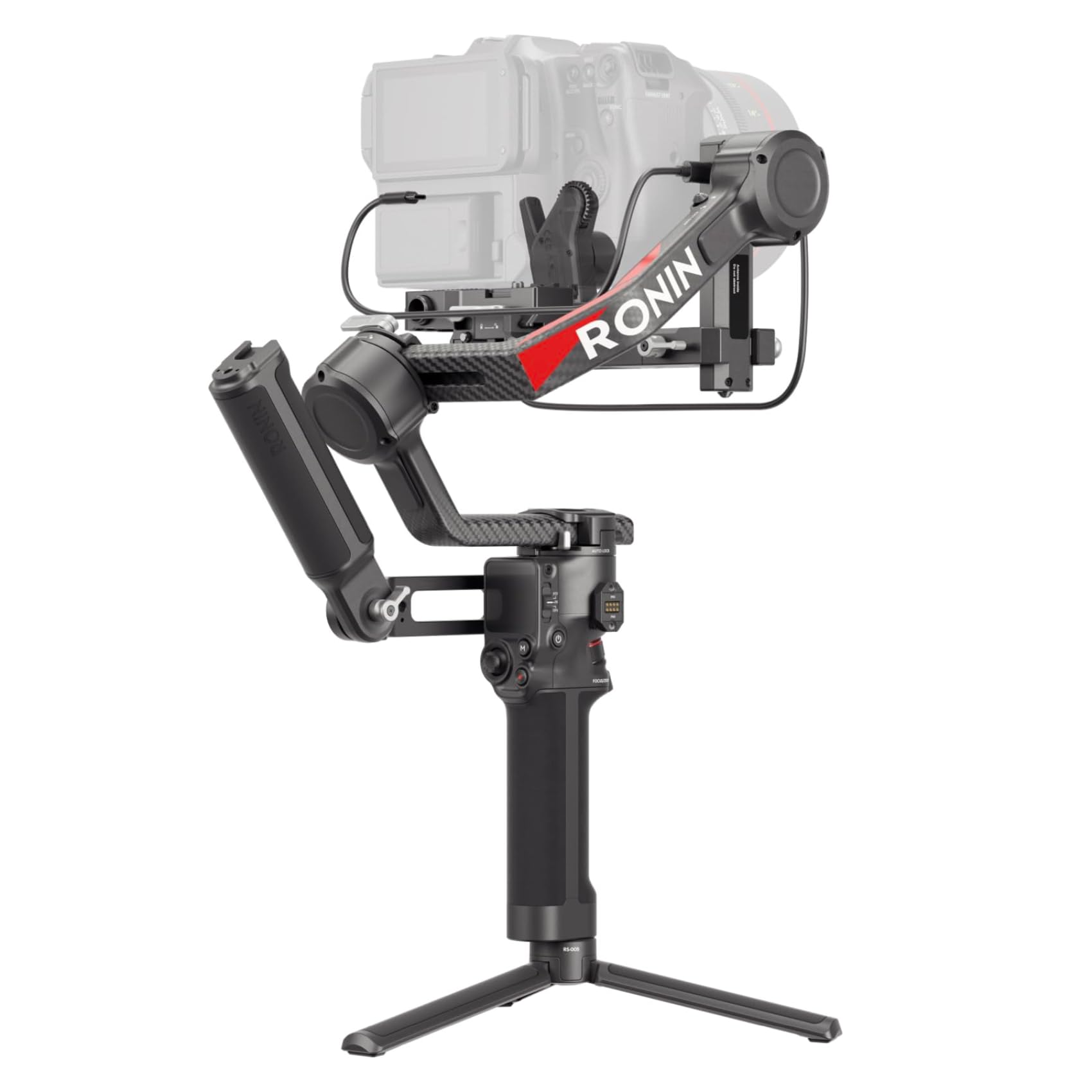
The RS 4 Pro solves the problem of stabilizing a larger production rig without immediately moving to a much bulkier cinema support system. Its high payload rating leaves room for many full-frame bodies, fast lenses, and selected accessories, provided the completed setup fits within the balancing range.
Its standard BG30 battery grip is rated for up to 13 hours under balanced, stationary test conditions. Real runtime will vary with movement, motor load, accessories, temperature, and balance quality. Switching between horizontal and vertical configurations also requires rebalancing.
Why You’ll Like It
You get strong motors, refined balancing controls, native vertical mounting, professional accessory support, and an interface designed for demanding production work.
Who Should Buy It?
Choose the RS 4 Pro for commercial shoots, narrative productions, weddings, live events, or any workflow where a heavier camera-and-lens combination must remain stable for long sessions.
Who Should Avoid It?
It is unnecessary for lightweight travel cameras and may feel cumbersome for creators who prioritize a minimal backpack kit. It also costs more and requires more setup knowledge than compact alternatives.
What People Say
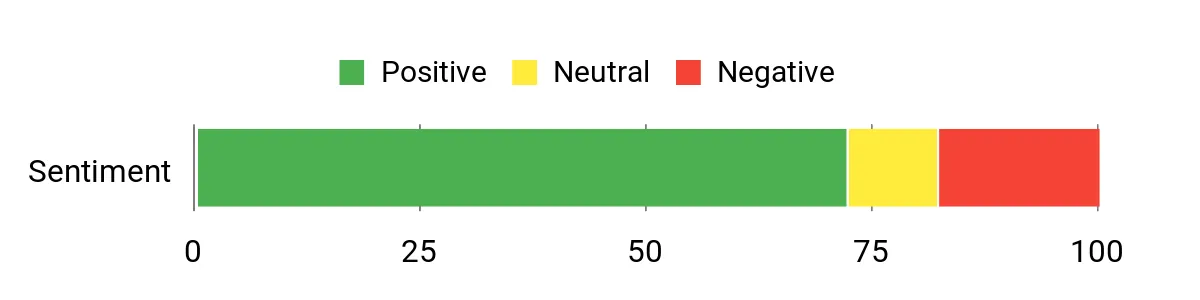
Recurring buyer-feedback themes include strong stabilization, useful payload headroom, long runtime, and professional controls. Common frustrations involve setup complexity, app activation, accessory configuration, and the need to rebalance after major rig changes.
Overall Sentiment: Positive
Editorial note: This visual is a directional sentiment summary. The source material does not provide its sample size or calculation methodology.
Durability
The metal and carbon-fiber construction is designed for frequent professional use. As with any motorized stabilizer, careful transport, correct balancing, firmware maintenance, and protection from moisture remain important.
Travel Friendliness
This is a production workhorse rather than the lightest travel companion. Its carrying case helps with transportation, but the gimbal, grip, plates, handle, camera, and accessories create a substantial kit.
Key Benefits
- Manufacturer-tested 4.5 kg (10 lb) payload
- Up to 13 hours of advertised runtime with the standard grip
- Native vertical shooting and automatic axis locks
- Support for professional focusing and video-transmission accessories
The Crane 4 is built for shooters who find compact gimbals limiting but do not need the entire DJI professional accessory ecosystem. Its high-torque motors and long axis arms accommodate many larger setups, while the sling grip and wrist support help distribute weight during longer takes.
The built-in fill light and fast-charging support add convenience for event work, interviews, and smaller productions. However, the gimbal is still a relatively heavy piece of equipment, and careful balancing is essential with long or front-heavy lenses.
Why You’ll Like It
The ergonomic grip system makes low-angle work and extended handheld operation more comfortable, while the balance indicators reduce some of the guesswork during setup.
Who Should Buy It?
It suits wedding filmmakers, commercial crews, and videographers using larger mirrorless bodies, DSLRs, or compact cinema cameras.
Who Should Avoid It?
Travel creators and beginners with a lightweight kit may find it larger and more complicated than necessary. Buyers should also avoid assuming that total weight alone guarantees compatibility.
What People Say
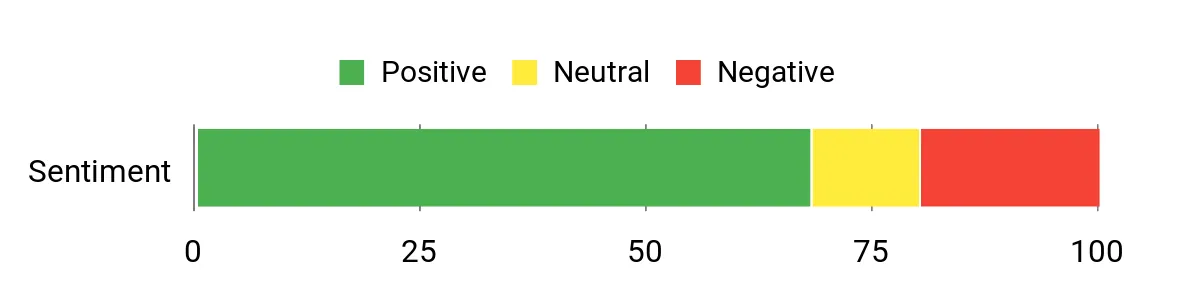
Recurring feedback themes include smooth stabilization, a sturdy build, comfortable handling, and useful additions such as the fill light. Some users report calibration, connectivity, or firmware-related setup frustrations.
Overall Sentiment: Positive
Editorial note: This visual is a directional sentiment summary. The source material does not provide its sample size or calculation methodology.
Durability
The metal construction and secure axis locks feel suited to frequent field use. Protect the touchscreen, motors, and moving joints during transport, and keep firmware current.
Travel Friendliness
At roughly 1.7 kg before adding the camera and accessories, it is better suited to production cases, larger carry bags, and car-to-location work than lightweight backpack travel.
Key Benefits
- High-torque stabilization for many larger camera setups
- Sling grip and adjustable wrist support
- Integrated fill light and fast-charging support
- Balance-status indicators on the axes
The Weebill 3S occupies a useful middle ground between small travel stabilizers and heavier professional gimbals. It provides enough control and motor strength for many mainstream mirrorless and DSLR combinations while remaining easier to carry than the largest models.
The rotating sling grip supports two-handed and underslung operation, helping reduce fatigue during weddings, events, music videos, and extended run-and-gun sessions.
Why You’ll Like It
It combines comfortable handling, portrait-video support, useful runtime, and strong everyday stabilization without the size or complexity of a flagship cinema gimbal.
Who Should Buy It?
Choose it for regular paid video work, social content, weddings, events, or travel assignments where you still need more capability than an ultra-light mini gimbal provides.
Who Should Avoid It?
It is not the best option for extremely heavy cinema rigs. Some camera-and-lens combinations may also require careful plate positioning or rebalancing when switching orientation.
What People Say
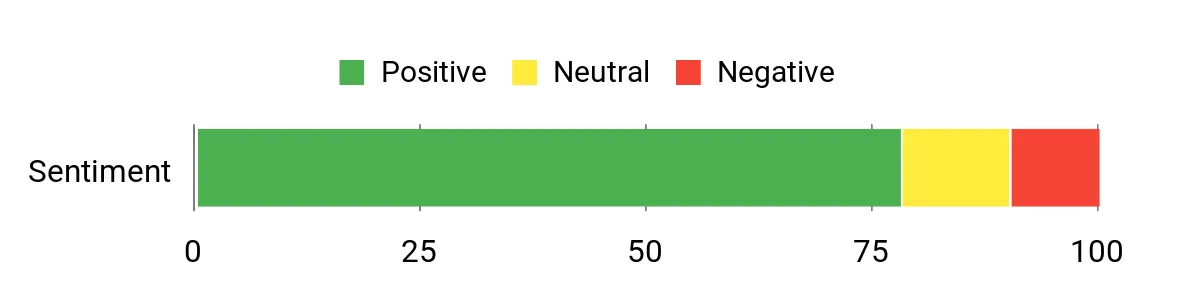
Common positive themes include comfortable handling, dependable stabilization, native vertical shooting, and long runtime. A smaller number of buyers mention baseplate-locking issues or compatibility complications with particular camera setups.
Overall Sentiment: Positive
Editorial note: This visual is a directional sentiment summary. The source material does not provide its sample size or calculation methodology.
Durability
The body and motors feel suitable for routine professional use. Keep the quick-release mechanism clean, verify that all locks are fully engaged, and transport the gimbal with its axes secured.
Travel Friendliness
Its compact folded design and approximately 1.05 kg body weight make it more travel-friendly than full-size professional stabilizers, although the complete kit still requires meaningful bag space.
Key Benefits
- Native vertical shooting for social formats
- Rotating sling grip for comfortable two-handed operation
- Integrated fill light
- Up to approximately 11.5 hours of advertised runtime
The RS 3 Mini solves a common travel problem: larger gimbals can weigh nearly as much as the camera kit they are stabilizing. This model weighs approximately 795 grams in portrait configuration or 850 grams in horizontal configuration, excluding the extended grip and tripod.
It is well suited to mainstream compact mirrorless bodies and moderate lenses. Heavy zooms, cages, external monitors, and front-heavy combinations may exceed its balancing or motor limits even when the total weight appears acceptable.
Why You’ll Like It
It fits more easily into a camera bag, remains comfortable during longer handheld sessions, and supports native vertical filming without requiring a large production rig.
Who Should Buy It?
Choose it for travel films, destination weddings, vlogging, social-first video, and solo assignments built around a compact mirrorless setup.
Who Should Avoid It?
It is not intended for large cinema cameras, heavy full-frame zoom lenses, or accessory-heavy rigs. Buyers needing substantial payload headroom should choose a larger stabilizer.
What People Say
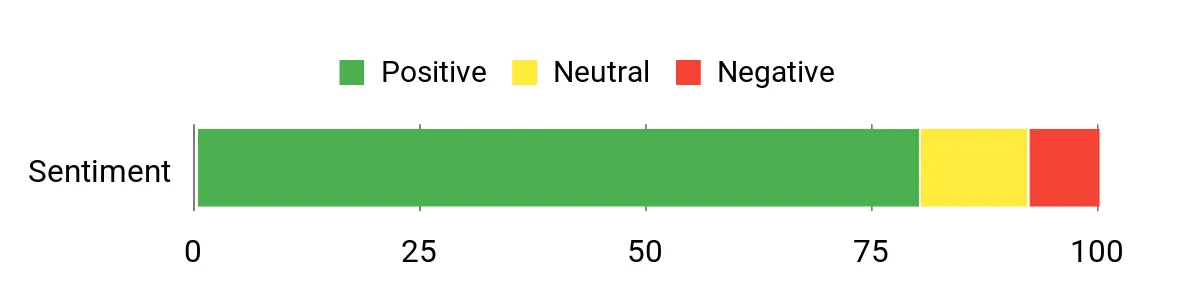
Common feedback highlights its low weight, smooth stabilization, vertical-video support, and straightforward controls. Some buyers report that precise balancing takes practice and that heavier lenses can limit movement.
Overall Sentiment: Positive
Editorial note: This visual is a directional sentiment summary. The source material does not provide its sample size or calculation methodology.
Durability
The construction is appropriate for normal field use, but its lightweight design is not a substitute for a heavy-duty cinema chassis. Lock the axes and protect the touchscreen during transport.
Travel Friendliness
This is the most travel-focused option in the guide. Its compact size and sub-kilogram gimbal weight make it easier to carry through airports, city shoots, hiking locations, and long production days.
Key Benefits
- Manufacturer-tested 0.4–2 kg payload range
- Approximately 795–850 g gimbal weight, depending on orientation
- Native vertical mounting
- Up to 10 hours of advertised operating time
The SCORP 2 addresses one of the biggest challenges for solo creators: keeping a moving presenter framed without employing another camera operator. Its integrated AI module can begin or stop face tracking through supported hand gestures without requiring a separate tracking accessory.
The underslung handle supports low-angle movement, while the touchscreen and multifunction control knob make common adjustments accessible from the gimbal. Camera-control functions vary by camera model and connection method, so verify compatibility before relying on remote recording or exposure control.
Why You’ll Like It
You get subject tracking, gesture control, vertical mounting, an ergonomic underslung design, and a useful payload rating in one relatively compact stabilizer.
Who Should Buy It?
It is particularly useful for talking-head videos, demonstrations, solo interviews, livestream-style recordings, online courses, and social content where the subject moves around the frame.
Who Should Avoid It?
Choose another model if you use a rig above approximately 2.5 kg, need a fully waterproof stabilizer, or prefer a professional transmission and focus-control ecosystem.
What People Say
Recurring positive themes include convenient built-in tracking, gesture controls, the touchscreen, and the underslung grip. Some users report a learning period for tracking gestures, balancing, and camera-control connections.
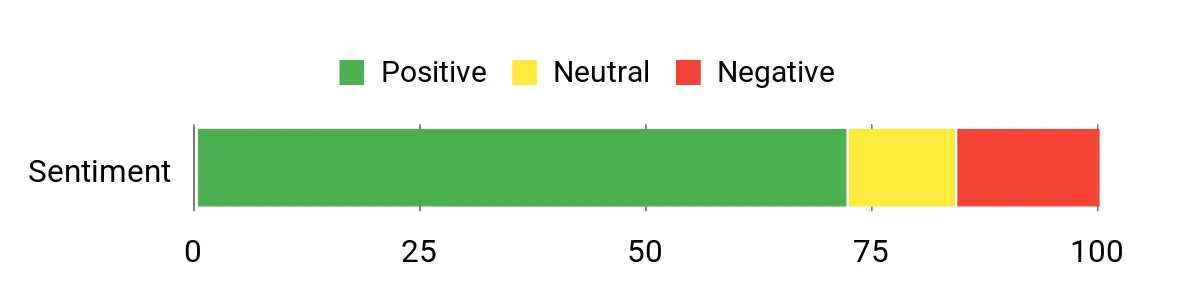
Overall Sentiment: Positive
Editorial note: This visual is a directional sentiment summary. The source material does not provide its sample size or calculation methodology.
Durability
The aluminum-alloy and reinforced-resin construction is suitable for regular production work. The manufacturer states that the gimbal is not waterproof, so protect it from rain, splashes, and wet environments.
Travel Friendliness
The gimbal weighs approximately 1,070 grams without the tripod, accessories, or camera. It is portable enough for a carry bag while still offering more payload and control than many mini stabilizers.
Key Benefits
- Integrated AI tracking and gesture control
- Approximate 2.5 kg (5.51 lb) balanced payload
- Approximately 1,070 g body weight without accessories
- Up to 13 hours of theoretical battery life
FAQ
How Do I Choose the Right Gimbal for My Camera?
Start by weighing your complete filming rig, not only the camera body. Include the lens, cage, filter, microphone, monitor, transmitter, cables, quick-release plate, and any focus or zoom motor.
Next, check the manufacturer’s compatibility list and physical balancing limits. A long or front-heavy lens can be difficult to balance even when the total weight is below the stated payload. Allowing some payload headroom also reduces strain on the motors.
Is Setup and Balancing Hard?
Initial balancing takes patience, but the process becomes faster with practice. Balance each axis while the gimbal is powered off, secure all locks and plates, then run the manufacturer’s balance check or motor auto-tune function where available.
Rebalance whenever you change the lens, add an accessory, move a zoom lens substantially, or switch to a vertical configuration that changes the camera’s position.
Can Any Gimbal Control My Camera?
No. Stabilization may work even when electronic camera control does not. Recording, focus, zoom, shutter, aperture, and ISO functions depend on the camera model, firmware, control cable, Bluetooth support, and manufacturer compatibility.
Do I Need Native Vertical Shooting?
Native vertical mounting is useful when you regularly create Reels, Shorts, TikTok videos, or other portrait-oriented content. Confirm how the camera is repositioned and whether changing orientation requires rebalancing.
How Travel-Friendly Are These Gimbals?
The RS 3 Mini is the most mobility-focused option in this guide. The Weebill 3S and SCORP 2 provide a middle ground between portability and capability, while the RS 4 Pro and Crane 4 are better suited to larger cases, production bags, and car-to-location work.
When flying, lock the axes, protect the touchscreen and motors, pack loose accessories securely, and follow the airline’s current rules for carrying lithium batteries.
Wrapping Up
The RS 4 Pro is the strongest choice for a professional kit that needs a verified 4.5 kg payload and access to advanced focus and transmission accessories. Its size, cost, and setup requirements make the most sense for serious production work.
The Weebill 3S offers the best all-around value for many event, wedding, and everyday filmmakers. Choose the RS 3 Mini when low weight and easy transport matter more than heavy payload capacity.
The Crane 4 is a capable alternative for larger camera combinations and users who value its sling grip, wrist support, and balance indicators. The SCORP 2 stands out for solo creators who want integrated AI tracking without attaching a separate module.
Before ordering, verify the exact camera, lens, accessories, control features, and vertical-mounting requirements. The best gimbal is the one that balances your real filming setup comfortably—not simply the model with the largest advertised number.
| Product Name | Image | Payload Guidance | Advertised Runtime | Shooting Features |
|---|---|---|---|---|
| DJI RS 4 Pro Combo |
 |
Manufacturer-tested 4.5 kg (10 lbs) | Up to 13 hours |
|
| ZHIYUN Crane 4 |
 |
Designed for larger setups; verify exact camera and lens compatibility | Up to approximately 12 hours |
|
| ZHIYUN Weebill 3S |
 |
Midweight mirrorless and DSLR setups; verify exact combination | Up to approximately 11.5 hours |
|
| DJI RS 3 Mini |
 |
Manufacturer-tested 0.4–2 kg (0.8–4.4 lbs) | Up to 10 hours |
|
| FeiyuTech SCORP 2 |
 |
Approximately 2.5 kg (5.51 lbs) when properly balanced | Up to 13 hours theoretical |
|
Battery figures are manufacturer-stated or advertised maximums measured under controlled conditions. Actual runtime depends on balance quality, payload, accessories, movement, temperature, battery condition, and settings.
