
Toyota Tacoma code P0441 means the ECM detected incorrect EVAP purge flow; it does not identify one failed part. Start by saving all codes and freeze-frame data, then inspect the fuel cap, filler neck, EVAP hoses, connectors, and wiring before testing the purge valve and the rest of the EVAP system. Hard starting after refueling or rough idle can increase suspicion of a purge valve that leaks when it should be closed, but those symptoms still require testing.
Last updated: September 22, 2026
Quick Answer
P0441 means your Tacoma’s engine computer detected EVAP purge flow outside the expected range. The code does not identify one failed part. Record all codes and freeze-frame data, inspect the fuel cap and hoses, then test the purge valve and EVAP system using the procedure for your exact model year and engine.
Key Takeaways
- P0441 means the EVAP purge-flow monitor failed. It does not automatically prove that the purge valve is bad.
- A loose or damaged fuel cap, disconnected hose, faulty purge valve, wiring problem, canister fault, or vent-system problem may be involved.
- A basic code reader retrieves the code but may not provide the active tests and live data needed for a complete diagnosis.
- Do not replace parts until you inspect the system and test the suspected component using specifications for your Tacoma.
- After the repair, confirm that the EVAP readiness monitor completes and that no pending or confirmed code returns.
At a Glance
| Time Required | Initial code and visual checks are usually brief; complete testing time varies by model year, access, fault, and diagnostic equipment |
| Difficulty | Beginner for cap and visual checks; intermediate to advanced for electrical, active, or smoke testing |
| Tools Needed | OBD-II scanner, flashlight, gloves, and basic hand tools; advanced diagnosis may require a multimeter, vacuum pump, bidirectional scan tool, or approved smoke tester |
| Cost | Varies by model year and failed part. A cap or hose is usually simpler than a canister, pump module, wiring repair, or professional diagnosis. |
What Does P0441 Mean on a Toyota Tacoma?
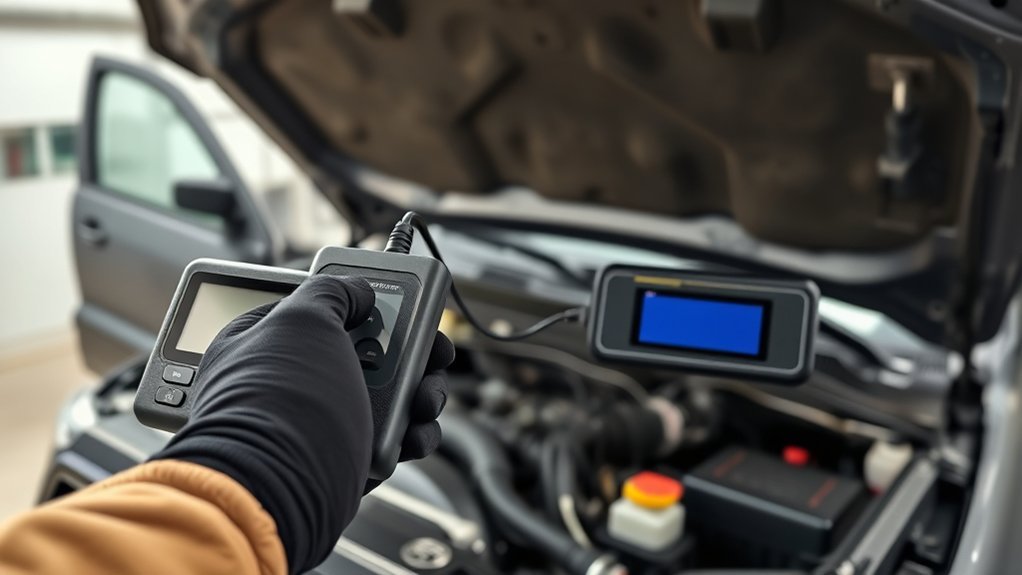
P0441 stands for “Evaporative Emission Control System Incorrect Purge Flow.” Your Tacoma stores this code when the engine computer runs an EVAP monitor and detects flow or pressure behavior outside the expected range.
The EVAP system prevents gasoline vapors from escaping directly into the atmosphere. It stores vapor in a charcoal canister and allows the engine to draw that vapor through the purge system under controlled operating conditions.
The California Air Resources Board explains that an OBD system monitors emissions-related components, turns on a warning lamp when it detects a qualifying malfunction, and stores information that helps a technician diagnose the problem.
P0441 tells you that the EVAP purge-flow test failed. It does not tell you which valve, hose, sensor, connector, or other component caused the failure.
Possible P0441 Symptoms
A steady Check Engine Light is often the only symptom. Depending on the failure, you may also notice:
- Rough idling or stalling, especially if the purge valve is stuck open
- Difficult starting shortly after refueling
- A gasoline-vapor odor
- Other EVAP trouble codes stored with P0441
- Changes in fuel economy or drivability in some cases
Do not assume that every P0441 fault will cause rough running or reduced fuel economy. The symptoms depend on how the system failed and whether other codes are present.
Why Your Tacoma’s Model Year Matters
P0441 diagnostic strategy varies across Tacoma model years. Component layout, monitor logic, wiring, valve specifications, code detail, and test procedure can differ by year and engine, so do not transfer one generation’s test values to another.
Use the Toyota manuals portal for owner information. For component locations, electrical values, active tests, and repair specifications, use Toyota’s Technical Information System or a professional service database that covers your exact truck.
| Tacoma model-year group | Why the diagnostic path changes |
| 1995–2004 | Older Tacoma service information may use a vapor-pressure sensor and multiple vacuum switching valves. Hose routing and valve tests are engine-specific. |
| 2005–2015 | Many procedures use both a key-off EVAP check and an engine-running purge-flow monitor, with canister pressure data and Techstream active tests. |
| 2016–2023 | Later service information can use more specific P0441 subcodes on some engines, so a Toyota-capable scanner can provide more direction than a basic generic reader. |
| 2024 and newer | Do not reuse earlier resistance values, connector pinouts, or monitor procedures. Use current Toyota service information for the exact VIN, engine, and emissions specification. |
2005 Tacoma note: Toyota TSB EG037-05 covered certain 2005 Tacomas with P0455 or P0456 together with P0441 and directed technicians to check for an EVAP leak at the top of the fuel-suction plate sub-assembly. The bulletin applied only to specified vehicles, so confirm VIN/VDS applicability in Toyota TIS before using that repair path.
What Causes a P0441 Code on a Toyota Tacoma?
No single cause applies to every Tacoma. Begin with simple inspections, but use test results before buying replacement parts.
Use Codes and Symptoms to Narrow P0441
| What you see | What it changes |
| P0441 by itself, normal drivability | Start with the cap, filler neck, hoses, connector condition, and the model-specific purge-valve test. Do not assume one failed part from the code alone. |
| P0441 with P0455 or P0456 | Leak evidence broadens the search to the cap, vapor lines, tank connections, canister, vent side, and purge valve. Check year-specific Toyota bulletins before replacing parts. |
| Hard start or rough idle after refueling | A purge valve that leaks when closed becomes more suspicious because excess vapor can enter the intake, but confirm sealing and commanded operation before replacement. |
| P0441 plus an EVAP circuit or sensor code | Diagnose the electrical or sensor fault first because a control or feedback problem can make the purge-flow monitor fail even when the valve itself is mechanically sound. |
Bad Gas Cap
A loose, damaged, incorrect, or poorly sealing fuel cap can prevent the EVAP system from controlling pressure correctly. Although fuel-cap faults are often associated with EVAP leak codes, the cap and filler-neck sealing surface are still sensible early checks when P0441 is stored.
- Remove the cap and inspect its seal for cracking, hardening, distortion, or contamination.
- Inspect the filler-neck sealing surface for rust, dents, dirt, or damage.
- Confirm that the cap is the correct type for the truck.
- Reinstall it according to the owner’s manual and make sure it tightens securely.
Tightening the cap may not turn the warning light off immediately. The engine computer must run the applicable monitor again before it can confirm that the problem is gone.
Faulty Purge Control Valve
The purge control valve regulates vapor flow from the charcoal canister toward the engine. A valve that leaks when closed, fails to open, sticks intermittently, or has an electrical fault can contribute to P0441.
A stuck-open valve may also allow unwanted vapor or air into the intake, which can cause difficult starting after refueling, rough idle, or stalling. However, those symptoms do not prove the valve is defective.
Inspect the valve’s hoses and electrical connector before testing it. Use the model-specific Toyota procedure for resistance, power, ground, active-control, and airflow checks. Do not apply battery voltage directly unless the service procedure specifically permits it.
Damaged EVAP Hoses or Connections
A cracked, split, pinched, loose, or incorrectly routed hose can alter purge flow. Pay particular attention to areas disturbed during recent engine, intake, fuel-system, or body repairs.
Check both underhood connections and accessible lines leading toward the canister. Small cracks may be difficult to see without gently flexing the hose or using a controlled smoke test. For intake-side leak-testing basics, see how to check for vacuum leaks on a Toyota Tacoma.
Canister, Vent Valve, Pump, or Pressure-Sensor Problems
Depending on the Tacoma’s model year, the EVAP system may use a canister-mounted pump or switching-valve assembly, a separate vent valve, and a pressure sensor. A restricted canister, failed valve, faulty pump, blocked vent, inaccurate sensor, or damaged wiring can interfere with the purge-flow monitor.
These components can be expensive and may be difficult to access. Test them before replacement rather than treating P0441 as an automatic canister or pump-module diagnosis.
Electrical and Wiring Faults
Loose terminals, corrosion, rubbed-through wiring, damaged grounds, and connector problems can prevent an otherwise functional valve or sensor from operating correctly.
Check related circuit codes before condemning a mechanical component. A valve that does not respond to a scan-tool command may have a power, ground, wiring, or control problem rather than an internal failure.
Before You Troubleshoot P0441
Warning: Gasoline vapor is flammable. Work in a well-ventilated area away from cigarettes, flames, heaters, sparks, and hot surfaces. Do not use an open flame, improvised smoke source, or unregulated shop air to test the EVAP system.
Park the truck on a level surface, set the parking brake, and let hot engine components cool before reaching around hoses or connectors. Wear eye protection and gloves.
Do not disconnect the battery or erase the code before recording diagnostic information. Doing so can remove freeze-frame data and reset emissions-readiness monitors.
How Do You Diagnose a Toyota Tacoma P0441 Code?
1. Read All Codes and Save Freeze-Frame Data
Connect an OBD-II scanner and record:
- Confirmed, pending, and permanent codes
- Freeze-frame information
- EVAP readiness-monitor status
- Fuel level, engine temperature, speed, load, and other available data
Related codes can change the diagnostic direction. For example, a circuit code deserves attention before a general flow code, while additional leak or vent-system codes may point toward a broader EVAP problem. If you are sorting out a warning light before focusing on P0441, use the site’s Toyota Tacoma Check Engine Light guide as the broader starting point.
Pro Tip: Photograph the scan-tool screens before clearing anything. Freeze-frame conditions can help a technician reproduce the fault and avoid replacing a part that merely appears suspicious.
2. Inspect the Fuel Cap and Filler Neck
Check the cap seal, filler-neck surface, cap type, and tightening action. Correct any obvious problem, but continue the inspection when other codes, symptoms, or damaged components are present.
3. Inspect Hoses, Connectors, and Wiring
Trace accessible EVAP hoses and look for cracks, loose fittings, incorrect routing, abrasion, or pinching. Inspect electrical connectors for broken locks, moisture, corrosion, backed-out terminals, and damaged wires.
Pay special attention to anything recently removed or disturbed during maintenance.
4. Test the Purge Control Valve
Follow the Toyota procedure for your exact Tacoma. Depending on the system, testing may include:
- Checking for power, ground, and control at the connector
- Measuring coil resistance against the model-specific specification
- Checking whether the valve seals when it should be closed
- Confirming that air or vacuum passes when the valve is commanded open
- Using a bidirectional scan tool to command the valve while monitoring system response
A click by itself does not prove the purge valve is good. A solenoid can click yet still leak when closed, fail to pass enough flow when opened, or have an intermittent electrical problem. Replace the valve only if it fails the applicable sealing, airflow, circuit, or active-command test, or if it has physical damage.
5. Perform a Controlled Smoke or Pressure Test
If the cap, hoses, and purge valve do not reveal the problem, a professional-grade EVAP smoke tester can help locate small leaks and disconnected lines.
Use the manufacturer-approved connection point and pressure limit. EVAP systems are designed for very low test pressure. Excessive pressure can damage the canister, valves, seals, or fuel tank.
6. Evaluate the Canister, Vent System, and Pressure Data
Use active tests and live pressure data when supported. Confirm that the vent or switching valves respond correctly and that the pressure reading changes in a reasonable direction when the system is sealed or purged.
A reading that does not change can result from a valve problem, blocked passage, inaccurate pressure sensor, leaking hose, damaged canister, wiring fault, or scan-tool limitation. Follow the Toyota diagnostic chart rather than guessing from one reading.
7. Repair, Clear, and Verify
Repair damaged wiring or replace the component that failed testing. Reconnect every hose and connector before clearing the code with a scan tool.
Drive the Tacoma normally while monitoring pending codes and readiness status. EVAP testing only runs when certain fuel-level, temperature, soak-time, and driving conditions are met, so the monitor may not complete immediately. For a broader explanation of monitor status, see Toyota Tacoma OBD-II readiness monitors.
Model-year example: Toyota’s 2011 Tacoma 2.7L service procedure states that its automatic EVAP System Check can take up to about 19 minutes, should not be run with the fuel tank above 90% full, and can be inaccurate when fuel temperature is 35°C (95°F) or higher. Treat those as an example, not a universal specification; use the procedure for your exact Tacoma.
The CARB OBD II Fact Sheet explains that clearing diagnostic information or disconnecting a battery can leave readiness indicators incomplete until the vehicle has completed its self-diagnostic checks.
Note: A permanent code may remain visible after the repair until the OBD system completes the required monitor and confirms that the fault is no longer present. Do not keep clearing the code in an attempt to erase it.
What Tools Do You Need to Diagnose P0441?
Basic Tools Required
- OBD-II scanner that displays code status, freeze-frame data, and readiness monitors
- Flashlight or inspection light
- Safety glasses and protective gloves
- Basic metric socket set, screwdrivers, and pliers
- Vehicle-specific repair information
The exact socket sizes and fasteners depend on the Tacoma’s year, engine, and component location. A torque wrench is useful when the repair manual specifies a tightening torque, but it is not required for every initial inspection.
Diagnostic Equipment Needed
Advanced diagnosis may require:
- A digital multimeter
- A hand-operated vacuum pump
- A bidirectional scan tool that can command EVAP valves
- A regulated automotive EVAP smoke tester
- Back-probing leads or manufacturer-approved test adapters
A basic Bluetooth adapter may be useful for reading generic codes and data, but software and adapter capabilities vary. Confirm that the equipment can access the functions required by the Toyota procedure.
Should You Repair or Replace Your EVAP Parts?
Base the decision on inspection and test results rather than the code alone.
| Component or Fault | Recommended Action |
| Dirty filler-neck surface | Clean the sealing surface carefully and reinspect it for damage. |
| Cracked or incorrect fuel cap | Replace it with the correct cap for the truck. |
| Split or hardened EVAP hose | Replace the damaged section with the correct EVAP-rated hose or assembly. Do not rely on tape or temporary patches. |
| Loose or corroded connector | Repair the terminal, connector, seal, or wiring using proper automotive methods. |
| Purge valve that fails testing | Replace the valve and inspect its hoses and connector before reassembly. |
| Canister, vent valve, or pump-module fault | Replace only after targeted testing confirms the failure. |
Most EVAP valves and sealed canister assemblies are replaced rather than rebuilt. Wiring, terminals, loose connections, and certain damaged hoses can be repaired when the repair follows manufacturer-approved methods.
How Much Does P0441 Diagnosis and Repair Cost?
The cost depends on the Tacoma’s model year, local labor rates, component access, and the actual fault. Quoting one fixed amount without diagnosing the truck would be misleading.
- Lower-cost possibilities: A loose cap, damaged cap seal, disconnected hose, or simple wiring-terminal repair
- Moderate repairs: A purge valve, accessible hose assembly, connector, or vent valve
- Higher-cost repairs: A charcoal canister, integrated pump module, difficult wiring fault, or extensive smoke-test diagnosis
Paying for a proper diagnostic test can cost less than replacing several working EVAP components by trial and error.
Can You Drive a Toyota Tacoma With P0441?
If the Check Engine Light is steady, the truck runs normally, and you do not smell gasoline, a short drive to obtain diagnosis is usually more reasonable than treating the code as an immediate breakdown. However, you should arrange a repair because the truck may release excess fuel vapor and may fail an emissions inspection.
Stop driving and seek prompt assistance if you notice:
- A strong gasoline odor
- Visible liquid fuel
- Stalling or severe rough running
- Smoke from the vehicle
- A flashing Check Engine Light
A flashing Check Engine Light can indicate a malfunction that may damage the catalytic converter. CARB advises prompt service when the light blinks. Toyota’s warning-light information also directs owners to the model-specific owner’s manual for warning guidance.
How to Maintain Your Tacoma After Fixing the P0441 Code
The EVAP system does not normally require routine valve or canister cleaning. Instead, use a few preventive habits:
- Tighten the fuel cap securely after every refueling stop.
- Replace a cracked, hardened, or incorrect fuel cap with the correct part.
- Stop adding fuel when the pump nozzle shuts off automatically.
- Do not top off the tank, because liquid fuel can enter areas designed to handle vapor.
- Check nearby EVAP hoses and connectors after engine or fuel-system work.
- Investigate a returning Check Engine Light instead of repeatedly clearing it.
- Use components that match the truck’s model year, engine, and emissions specification.
After a repair, continue checking readiness status until the EVAP monitor completes. If P0441 returns, review the saved data and continue the diagnostic chart rather than replacing the same component again.
Frequently Asked Questions
Is P0441 always a bad purge valve?
No. P0441 reports an incorrect purge-flow result, not a confirmed purge-valve failure. The cause can be a leaking or stuck purge valve, a cap or hose problem, a vent or canister fault, a pressure-sensor issue, wiring, or another EVAP leak. Test the suspected component before replacing it.
How do I fix a P0441 code on my Toyota?
Record every code and the freeze-frame data, inspect the fuel cap, filler neck, hoses, connectors, and wiring, then test the purge valve using Toyota specifications. If those checks pass, perform controlled smoke and active tests on the remaining EVAP components. Repair the confirmed fault and verify that the monitor completes.
What does code P0441 mean on a Toyota Tacoma?
P0441 means the engine computer detected incorrect flow during an EVAP purge-system test. It identifies the failed monitor result, not a specific failed valve, cap, sensor, hose, or canister.
Why does my Tacoma start hard after refueling with P0441?
A purge valve that leaks when it should be closed can allow extra fuel vapor into the intake after refueling, which may make starting difficult or cause a rough idle. That symptom raises suspicion of the purge valve, but it does not prove the valve is bad; confirm the valve’s sealing, airflow, electrical circuit, and commanded operation.
Will tightening the gas cap clear P0441?
It may help when the cap was loose or could not seal, but the warning light may remain on until the EVAP monitor runs again. If the code returns, the system needs further testing. Avoid disconnecting the battery merely to turn off the light because that also resets readiness information.
Can a Tacoma pass an emissions inspection with P0441?
An active emissions-related code and illuminated warning light can cause an inspection failure where OBD testing is required. Clearing the code immediately before testing may also leave the EVAP readiness monitor incomplete, which can prevent the truck from passing.
Conclusion
P0441 means your Toyota Tacoma failed an EVAP purge-flow test, but it does not identify the failed part. Start with the stored codes, freeze-frame data, fuel cap, hoses, wiring, and connectors. Test the purge valve and remaining EVAP components according to the procedure for your exact truck.
After completing the repair, clear the code once and confirm that the EVAP monitor runs without returning a pending or confirmed fault. If P0441 comes back, reopen the saved freeze-frame data and continue the Toyota diagnostic chart from the last confirmed test instead of replacing another part by guesswork.
Sources
- Toyota Manuals and Warranties — vehicle-specific owner information and manual access
- Toyota Technical Information System — model-specific diagnostic procedures, wiring, specifications, and repair information
- California Air Resources Board OBD Program — purpose and operation of onboard emissions diagnostics
- CARB OBD II Systems Fact Sheet — warning lights, diagnostic information, readiness monitors, and inspections
- U.S. EPA Vehicle and Engine Emissions Regulations — federal vehicle-emissions regulatory information
