Best for Families
VEVOR SUV Tailgate Tent
VEVOR SUV Tailgate Tent
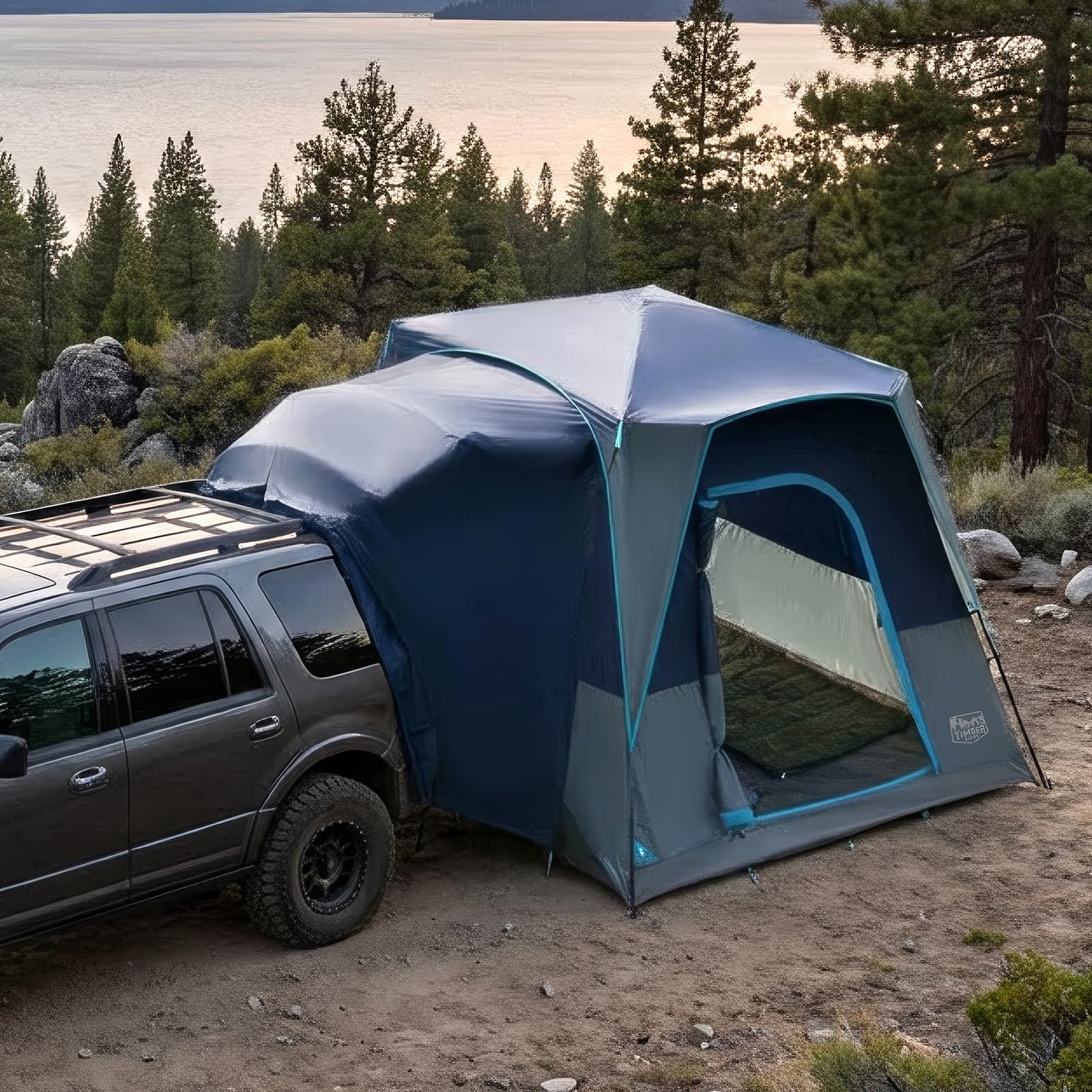
- 3-in-1 SUV Tailgate Tent for Car Camping: Designed to connect directly to your vehicle, this SUV tailgate tent expands your car camping space instantly.
- Spacious Screen House with Open Views: This roomy SUV camping tent comfortably fits 4–6 people, creating a relaxed screen house for dining, lounging, or social time.
- Bug-Free Ventilation & Sun Shade Protection: High-density mesh walls keep mosquitoes out while maintaining airflow, turning the tent into a breathable net tent.
- Stable & Wind-Resistant Structure: Built with reinforced fiberglass and steel poles, this car camping tent stays upright and secure in outdoor conditions.
What People Say
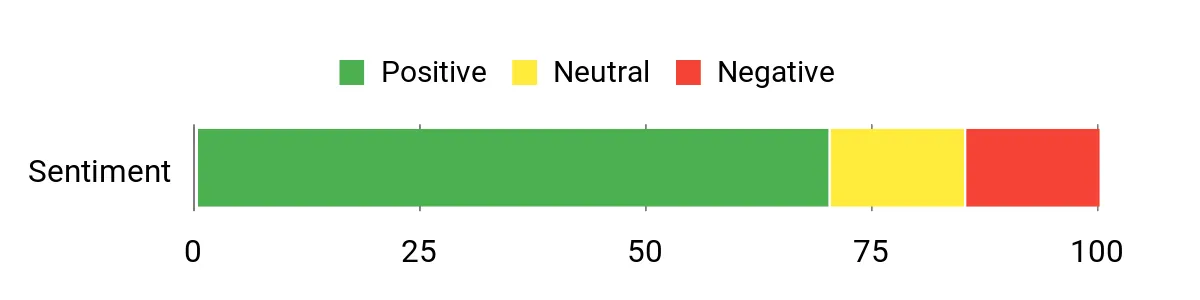
The source review summary praises the interior room, screened porch and rain handling. The main cautions are quality-control reports involving poles or screens and the effort required to warm such a large space.
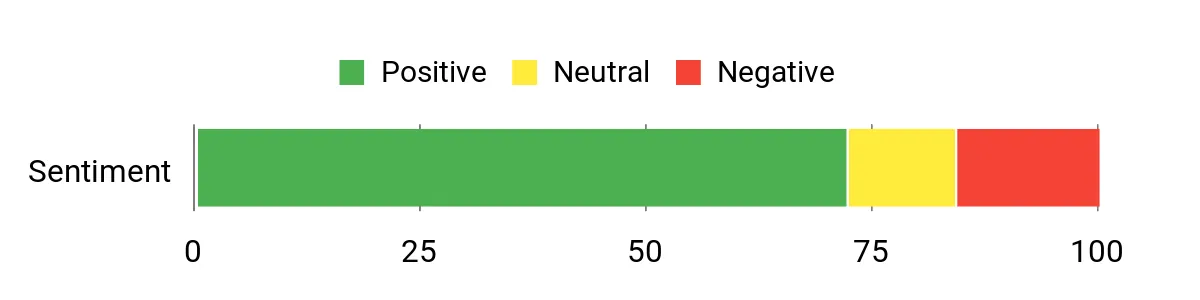
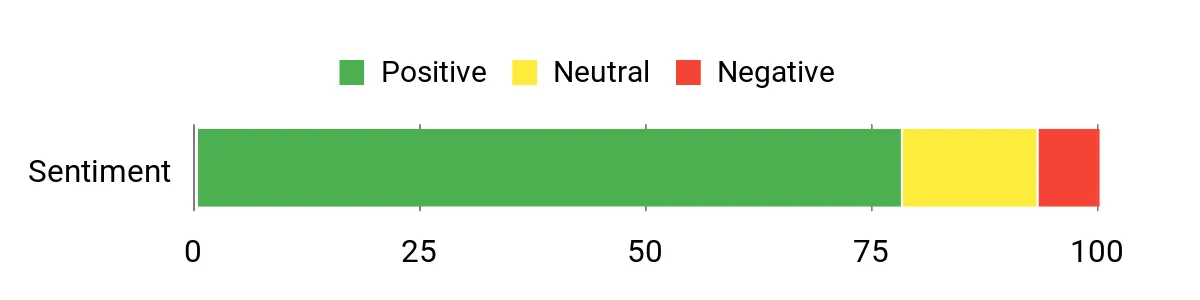
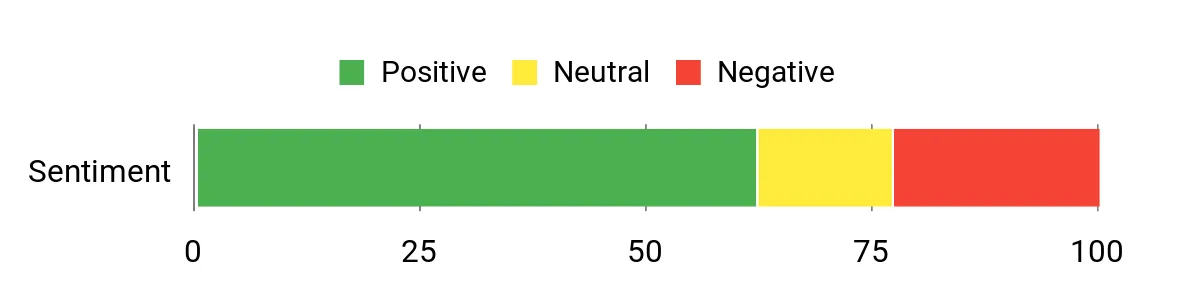
Buyer feedback trend: Generally positive
Safety and Winter-Use Notes
Secure the steel frame at every tie point, clear snow before it accumulates and keep the vehicle exhaust completely outside the enclosed area. Use ventilation even in cold weather.
Where To Use It
Best for family car camping, rainy weekends, tailgates and basecamp-style trips where packed size is less important than living space.
Why You’ll Like It
- Very large listed footprint with full standing height
- Separate screened porch helps isolate mud and insects
- Vehicle-attached and freestanding configurations
- Listing states PU3000 mm outer fabric and a PU5000 floor
- Steel poles and multiple anchors provide a more substantial frame than basic fiberglass designs
Who Should Avoid It
Skip it for small campsites, frequent one-person setup or trips where you must carry the shelter far from the vehicle.
VEVOR SUV Tailgate Tent
Best Porch Design
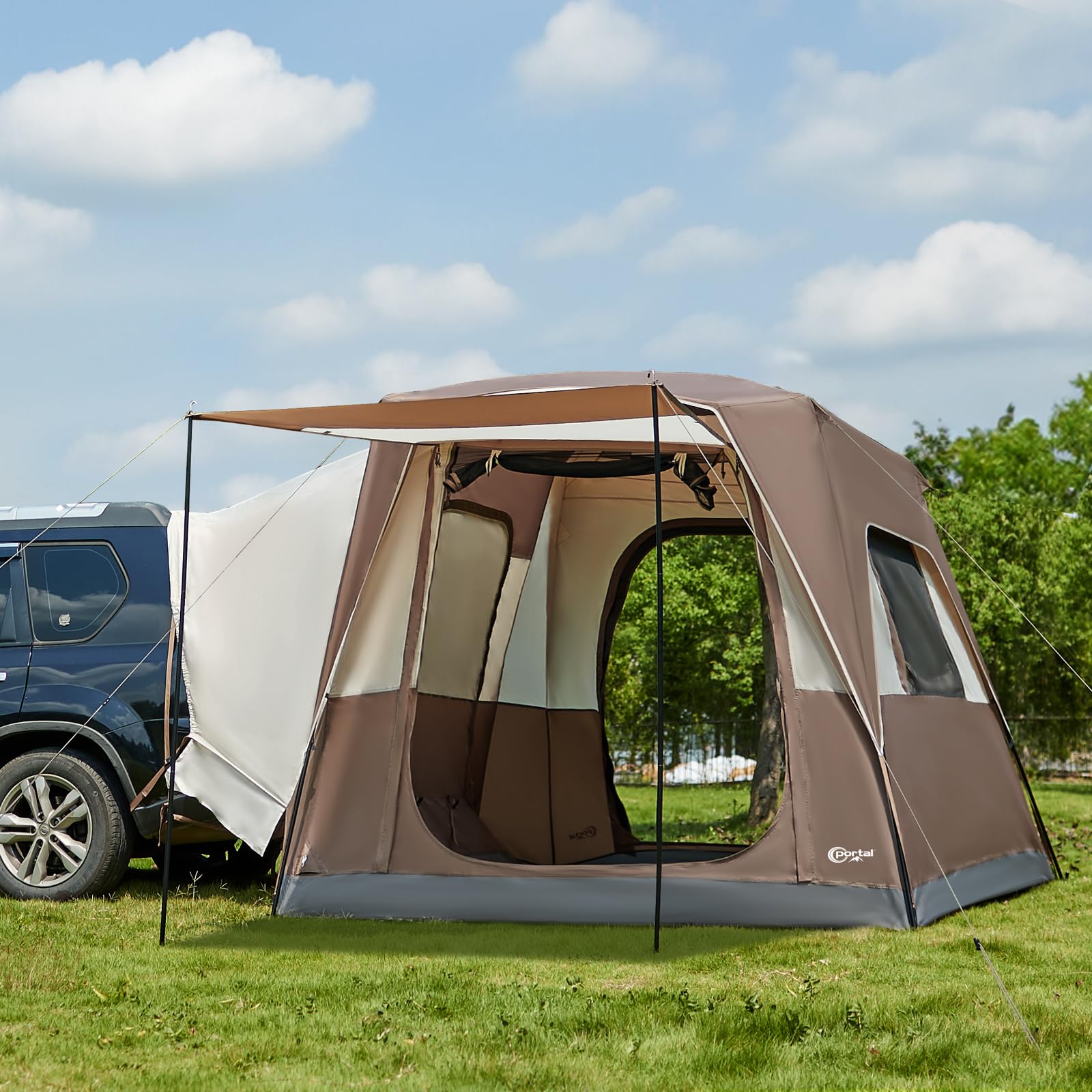
Portal 5-Person SUV Tent
Five-person 2-in-1 SUV tent with an extended porch, rainfly and freestanding capability.
Check Price on Amazon
Best for: Campers who want a dry entry zone for boots, pets and gear plus the option to detach the vehicle.
Keep in mind: The fiberglass frame is better suited to ordinary car camping than severe winter wind or snow loading.
This 2-in-1 SUV tent is listed for up to five people and includes an extended porch, rainfly and a connector for SUVs, hatchbacks and minivans. It can also stand alone once camp is established.
The porch solves a practical winter-road-trip problem by giving wet boots and muddy gear somewhere to stay outside the sleeping area.
What People Say
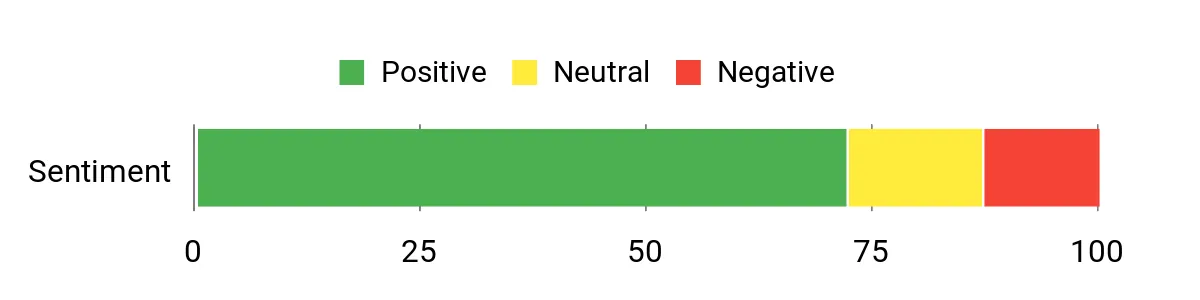
Buyer themes in the source are positive about the height, doors, porch and rain protection. The most consistent frustration is confusing first-time attachment and sparse instructions.
Buyer feedback trend: Generally positive
Safety and Winter-Use Notes
Practice the connector setup at home, stake the porch separately and keep fabric away from the exhaust. Add heavier anchors in exposed conditions.
Where To Use It
Useful for road trips, family camping, tailgates and mild cold-weather weekends with an appropriate sleeping system.
Why You’ll Like It
- Extended porch creates a sheltered entry and gear zone
- Attaches to several common vehicle body styles
- Freestanding option allows day trips without losing the campsite
- Tall interior is comfortable for changing and organizing
- Rainfly and multiple stake points support routine wet-weather use
Who Should Avoid It
Avoid it for alpine conditions, persistent heavy snowfall or buyers who need guaranteed one-person setup.
Check Current Amazon Availability
Best Spacious Dome
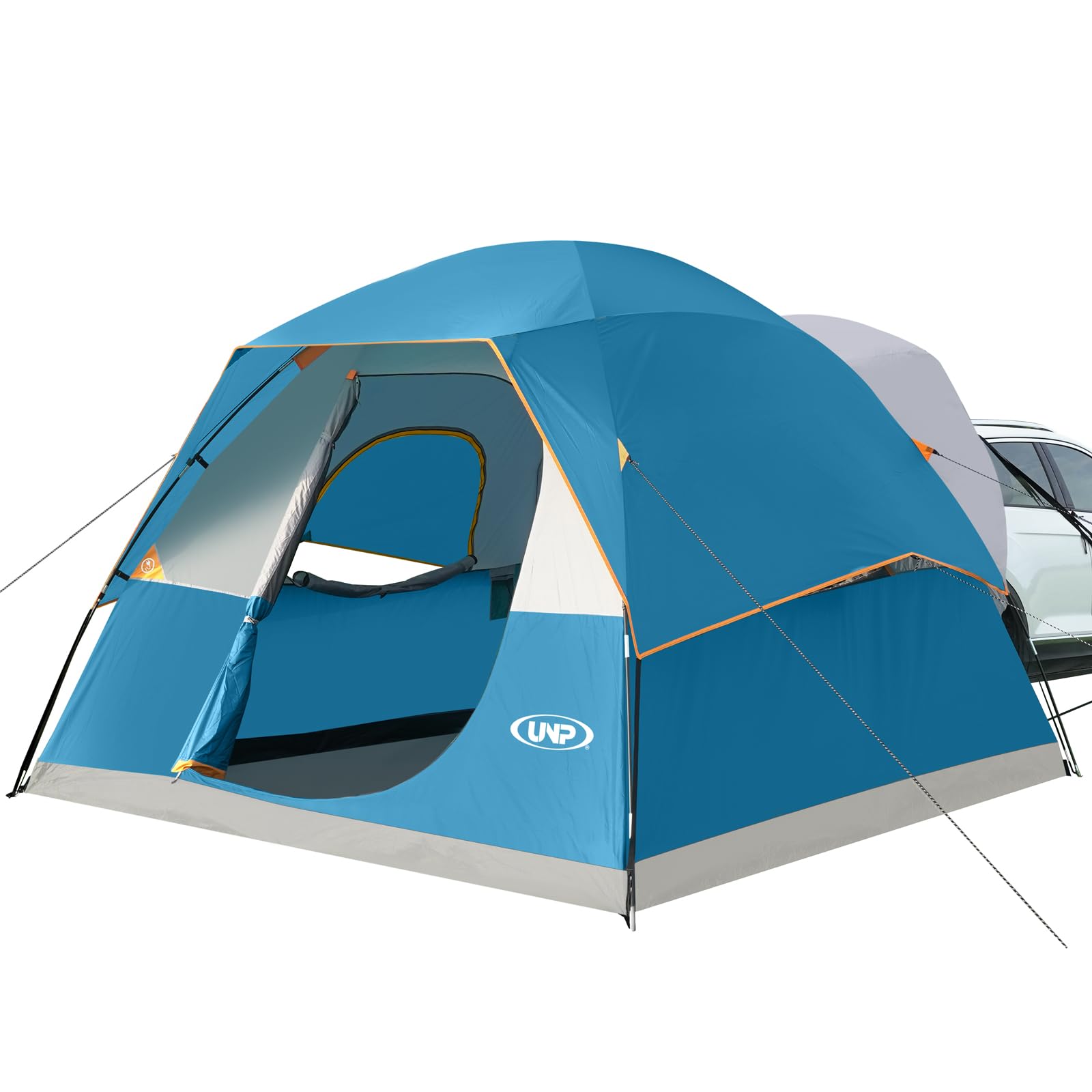
UNP SUV Dome Tent
Large 10 x 10-foot SUV dome tent with a rainfly, taped seams, mesh windows and a vehicle tunnel.
Check Price on Amazon
Best for: Campers who want a familiar dome layout, a large square floor and direct vehicle access.
Keep in mind: The tunnel fit is vehicle-dependent, and advertised occupancy will feel tight once winter bedding and gear are inside.
The listed 10 x 10-foot floor and 7-foot peak height provide room for a queen air mattress and equipment. The source describes a rainfly, taped seams, mesh windows, a polyester floor and an electrical access port.
It offers a conventional tent interior while using the vehicle as an attached storage locker and sheltered entry.
What People Say
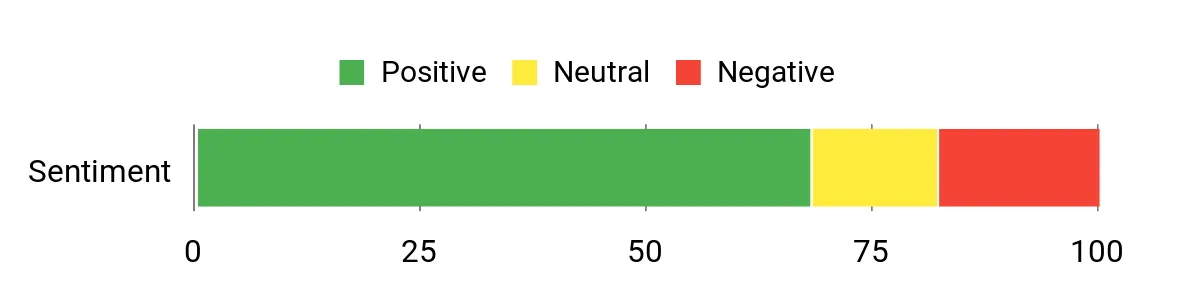
The source feedback is generally favorable on room, ventilation and rainfly coverage. Repeated cautions involve water or gaps at the vehicle connection and easier setup with two people.
Buyer feedback trend: Generally positive
Safety and Winter-Use Notes
Pitch on level ground, tension the rainfly and tunnel separately and keep cords routed through the intended access point. Do not seal a running vehicle into the tent.
Where To Use It
A practical choice for campsite road trips, backyard use, tailgates and trailhead basecamping in ordinary rain and cold.
Why You’ll Like It
- Large 10 x 10-foot listed floor area
- Standing-height dome layout
- Vehicle tunnel keeps gear accessible
- Rainfly, taped seams and floor support routine wet-weather use
- Mesh windows and a power-cord port improve livability
Who Should Avoid It
Skip it if your hatch shape is difficult to seal or you need a compact tent for narrow pads.
Check Current Amazon Availability
Best Covered Gear Space
Motovecor SUV Camping Tent
Large SUV camping tent with an awning, three doors and a listed PU4000 mm coating; marketed for up to four people.
Check Price on Amazon
Best for: Road trippers who want a large awning and an enclosed area for gear, cooking prep and sleeping beside the vehicle.
Keep in mind: The very large footprint and long poles are easier to manage with two people, and the listed waterproof rating should be confirmed on the current product page.
The source describes a universal SUV tent with a generous awning, three doors, mesh panels and a listed PU4000 mm coating. It is marketed for up to four people and includes anchoring ropes and steel nails.
The oversized awning adds a useful transition space so wet gear and camp tasks do not take over the sleeping cabin.
What People Say
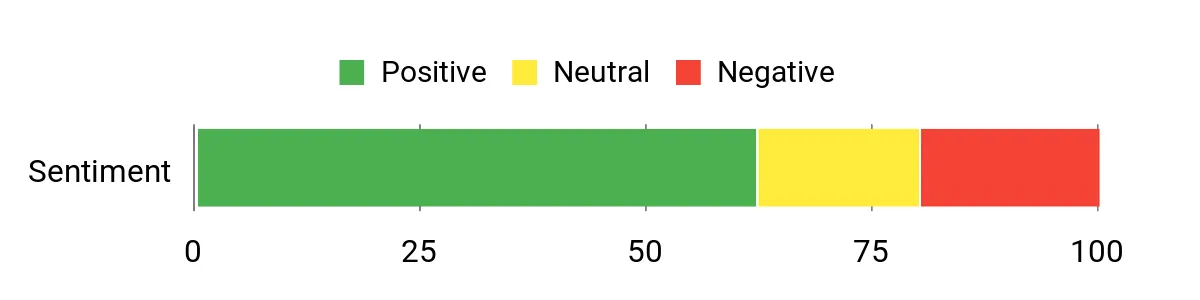
The source review summary notes useful covered space and decent performance when fully anchored. Common concerns include one-person setup, occasional zipper or strap failures and a tighter-than-expected sleeping capacity.
Buyer feedback trend: Generally positive
Safety and Winter-Use Notes
Use every anchor point, inspect the long support poles and keep all vehicle and heater exhaust outside. Large awnings can lift in gusts, so lower or remove them when conditions deteriorate.
Where To Use It
Best for roomy car campsites, tailgates, family weekends and rainy road-trip stops where pack weight is not a priority.
Why You’ll Like It
- Large awning protects boots, coolers and camp furniture
- Three doors and mesh panels support ventilation
- Attaches to common SUV and hatchback layouts
- Listing states a PU4000 mm coating
- Includes ropes and substantial stakes for anchoring
Who Should Avoid It
Avoid it for tight campsites, frequent solo pitching or conditions where a large awning becomes a wind liability.
Check Current Amazon Availability
Best Budget Large
KAMPKEEPER SUV Car Tent
Budget SUV tailgate tent with a large covered area, fiberglass poles and basic weather protection.
Check Price on Amazon
Best for: Value-focused campers who want a large tailgate-connected living area and are comfortable upgrading basic stakes or accessories.
Keep in mind: The source information is inconsistent about floor coverage and sparse on specifications, so verify the current listing and plan to bring a groundsheet.
This budget-oriented SUV tent is described as creating roughly 110 square feet of covered space for sleeping, changing or storing gear. It uses a polyester shell, fiberglass poles, guy lines and a vehicle-mounted layout.
It provides much more sheltered room than sleeping inside the vehicle without the cost or permanence of a rooftop tent.
What People Say
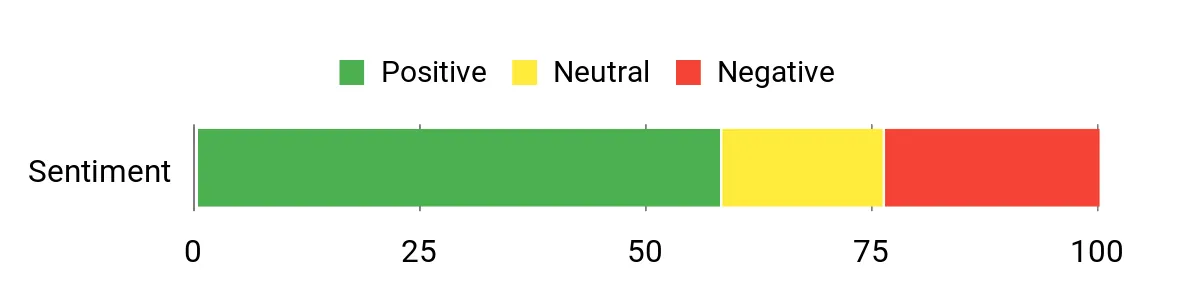
The source feedback is mixed: buyers like the room and value once pitched, while setup instructions, stakes, zippers and first-use complexity draw the most criticism.
Buyer feedback trend: Mixed
Safety and Winter-Use Notes
Replace weak stakes before exposed trips, inspect fiberglass pole joints and never rely on the vehicle connection alone for stability. Keep exhaust and combustion heaters outside.
Where To Use It
Suitable for budget weekend camping, tailgates and sheltered sites where you can practice setup and reinforce the anchors.
Why You’ll Like It
- Large listed covered area for the price-focused buyer
- Vehicle-mounted design expands cargo and sleeping space
- Polyester shell and guy lines provide basic weather protection
- Mesh panels add airflow and bug control
- Compact alternative to a permanent rooftop setup
Who Should Avoid It
Skip it if you need polished instructions, expedition-grade hardware or dependable performance in severe winter storms.
Check Current Amazon Availability
Best Dual-Use
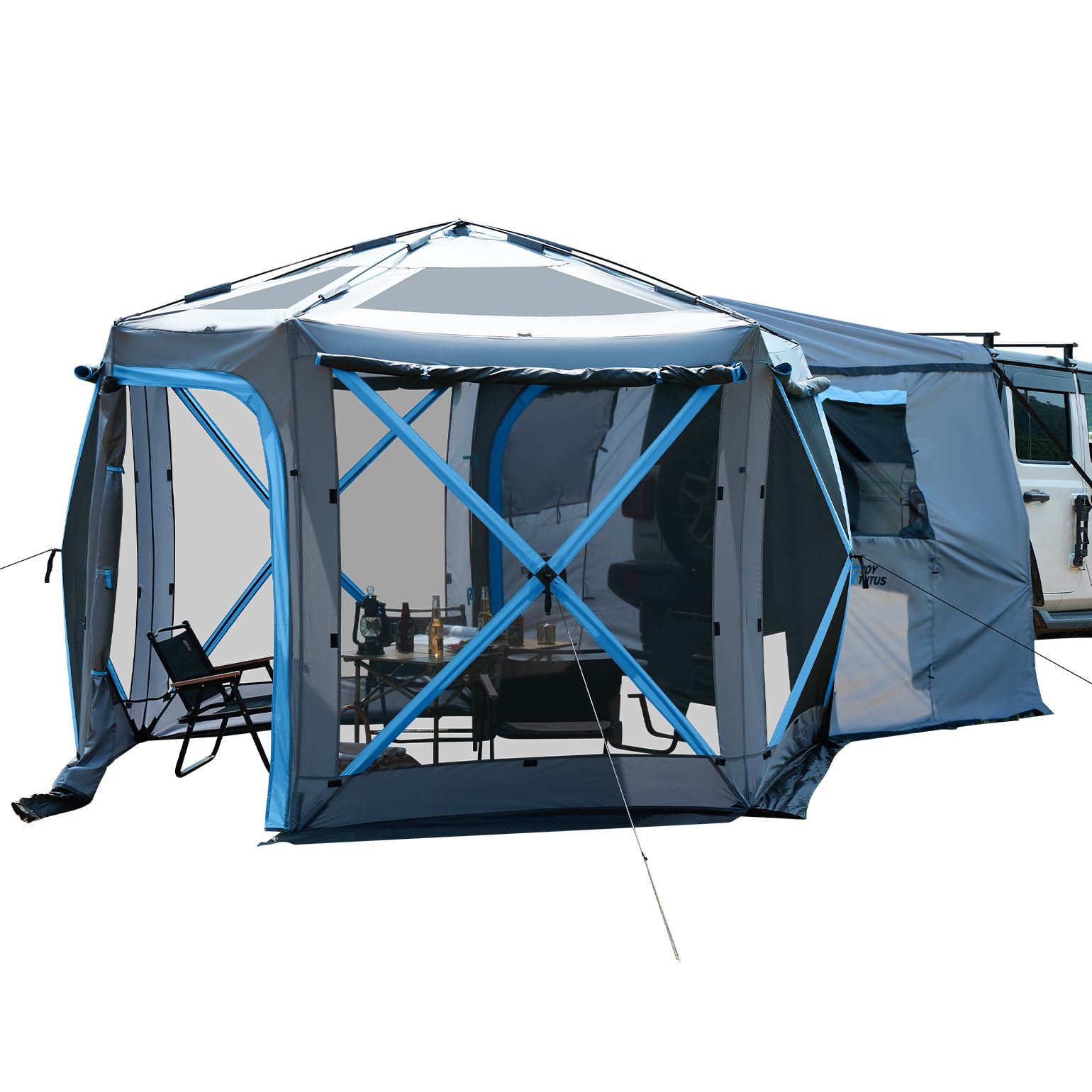
JOYTUTUS Dual-Use SUV Tent
Dual-use 10 x 10.5-foot SUV tent and screen-room-style shelter with a rainfly and two-zone layout.
Check Price on Amazon
Best for: Campers who want one shelter that can attach to a vehicle or serve as a freestanding screen-room-style base.
Keep in mind: It is better framed as a mild-winter or shoulder-season option than a true heavy-snow tent, and the main area may need a separate groundsheet.
The source describes a 10 x 10.5-foot dual-use layout with a vehicle tunnel, five-sided canopy, rainfly, fiberglass poles and a two-room feel. The pop-up-style frame can be quick after the setup sequence is learned.
It works for both sleeping-space expansion and a covered social or cooking zone, making it useful on varied road trips.
What People Say
The source feedback is mixed. Buyers like the roomy tunnel and fast setup after practice, while lightweight stakes, zipper durability and occasional quality-control issues are the main drawbacks.
Buyer feedback trend: Mixed
Safety and Winter-Use Notes
Use heavier stakes in wind, inspect zippers and pole hubs before travel and add a groundsheet where needed. Do not use it as a snow-load shelter.
Where To Use It
Best for mild winter road trips, rainy weekends, tailgates and shoulder-season car camping in protected sites.
Why You’ll Like It
- Vehicle-attached or freestanding configurations
- Large 10 x 10.5-foot listed footprint
- Two-zone layout separates sleeping and covered activity space
- Rainfly and Oxford fabric provide routine rain protection
- Pop-up-style structure can reduce setup time after practice
Who Should Avoid It
Avoid it for heavy snowfall, exposed winter wind or buyers who do not want to upgrade stakes and add a groundsheet.
Check Current Amazon Availability
Before You Buy: Winter Car-Tent Checklist
- Measure the vehicle: Record hatch width, hatch height, bumper depth and roofline height before choosing a tunnel-style tent.
- Check the campsite footprint: Large SUV tents may require much more space than a standard parking stall or compact tent pad.
- Plan for realistic capacity: Marketed occupancy usually assumes closely packed sleepers and little winter gear.
- Confirm the floor: Some tailgate shelters have partial or removable flooring; pack a durable groundsheet when the listing is unclear.
- Upgrade anchoring: Heavy-duty stakes, extra guy lines and sand or snow anchors are inexpensive insurance in exposed conditions.
- Manage condensation: Keep vents open, avoid drying soaked clothing inside and use an insulated sleeping pad rather than relying on a heater.
- Protect against exhaust: Never idle a vehicle with an attached tent enclosed around the hatch, and keep all fabric away from the tailpipe.
- Practice at home: A dry test setup reveals fit problems, missing parts and confusing straps before you reach a cold campsite.
Safety note: Do not use an unvented fuel-burning heater, stove or running vehicle to heat an enclosed car tent. Follow the tent and heater manufacturers’ instructions, maintain ventilation and use a sleeping system rated for the expected temperature.
FAQ
How Do I Choose the Right Car Tent for a Winter Road Trip?
Start with vehicle fit, then compare usable floor area, peak height, rainfly coverage, ventilation and anchoring. A tall tent feels more comfortable but presents more surface area to wind. A large listed capacity may also shrink quickly once you add insulated pads, bulky sleeping bags and wet-weather gear. Choose the smallest shelter that comfortably fits your actual group and equipment.
Are These True Four-Season or Snow-Load Tents?
Do not assume so. “Four-season,” “winter-ready” and high waterproof numbers can be marketing language rather than proof of structural snow-load performance. The tents in this roundup are best treated as vehicle-based camping shelters for ordinary cold, rain and light winter conditions unless the current manufacturer documentation explicitly states otherwise. Clear accumulating snow promptly and leave exposed sites when conditions exceed the shelter’s design.
How Do I Secure a Car Tent in Wind or Snow?
Use every stake and guy point, orient the lowest or narrowest side toward the prevailing wind and add anchors suited to the surface. Retension lines after temperature changes or precipitation, keep the awning lowered in gusts and remove snow before it becomes heavy. Never rely only on suction cups, vehicle straps or the hatch connection for structural support.
Can I Run My Vehicle or a Heater While the Tent Is Attached?
Do not run the vehicle with the tent enclosed around the hatch because exhaust can enter the sleeping area. Avoid unvented combustion heaters and never use a cooking stove as a heater. Safer warmth comes from an insulated ground layer, temperature-rated sleeping pad and sleeping bag, dry clothing and adequate ventilation.
How Do I Prevent Condensation and Mildew?
Keep upper and lower vents open, reduce wet gear inside the sleeping cabin and wipe moisture from walls before packing. After every trip, dry the tent fully, clean road salt and mud, inspect seam tape and store the shelter loosely in a cool, dry place. Lubricate zippers with a tent-safe product and repair small fabric or pole damage before the next trip.
Buyers’ Top Picks
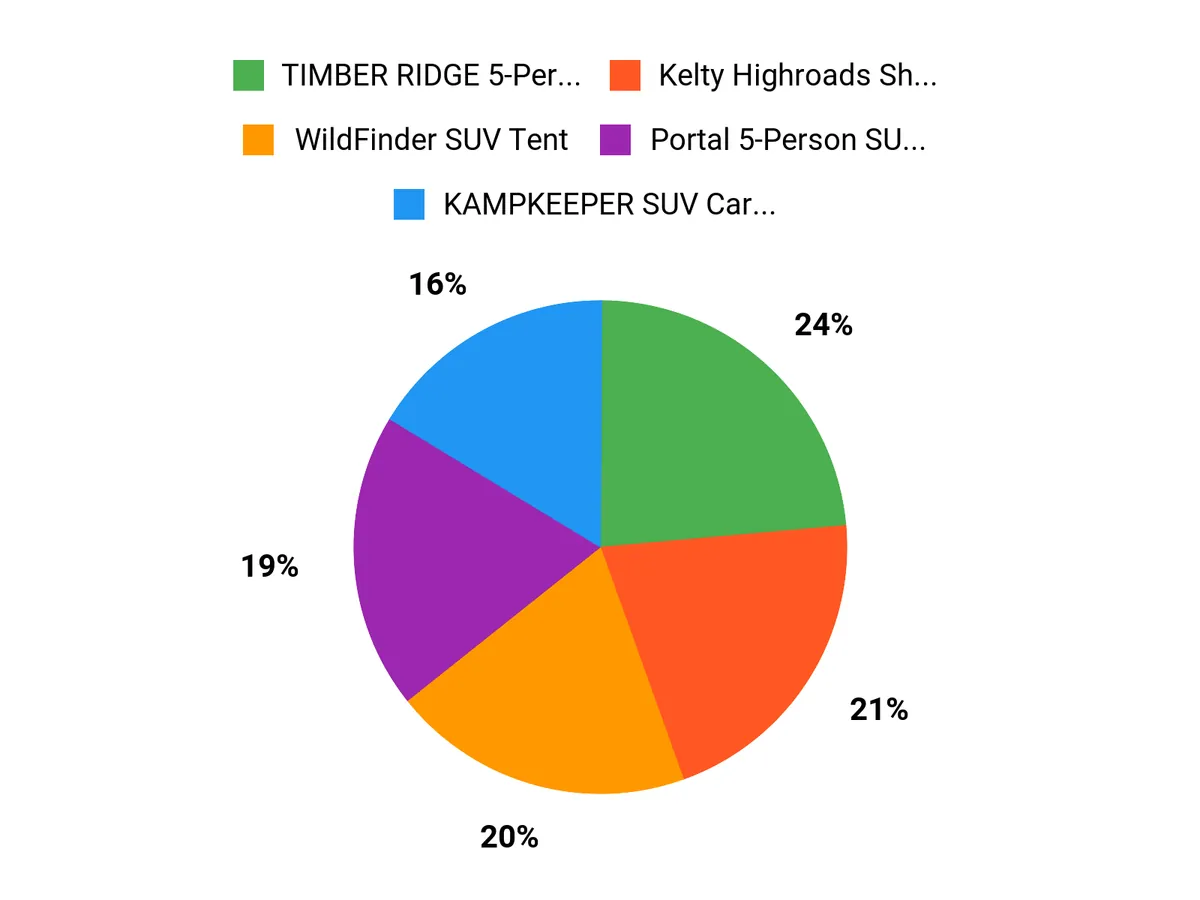
For the most balanced all-around setup, the WildFinder combines a vehicle tunnel with freestanding flexibility. The TIMBER RIDGE is the better fit when headroom is the priority, while the Eolzzi offers the most family-oriented living space. Portal is a practical porch-focused alternative, and UNP suits buyers who prefer a familiar square dome layout.
Detailed Comparison
| Product |
Image |
Listed Size |
Marketed Capacity |
Best For |
Main Limitation |
Amazon |
| WildFinder SUV Tent |
|
About 96.5 x 96.5 x 82.7 in (listed) |
2–4 people (listing language) |
Drivers who want a roomy, freestanding-capable SUV tent with a strong wet-weather feature set. |
Test the vehicle seal; light floor and zipper concerns appear in feedback. |
Check Price |
| TIMBER RIDGE 5-Person SUV Tent |
|
About 120 x 96 x 86 in (listed) |
4–5 people (marketed) |
Couples or small families who value standing room and an easy transition between the tent and cargo area. |
Tall profile needs disciplined staking; first setup may take practice. |
Check Price |
| VEVOR SUV Tailgate Tent |
|
About 157.5 x 118.1 x 86 in (listed) |
Large-group capacity; verify current listing |
Larger groups that want a full-height cabin, a screened porch and a vehicle-attached layout. |
Bulky, harder to heat and not proven for sustained snow loading. |
Check Price |
| Portal 5-Person SUV Tent |
|
About 120 x 96 x 87 in (listed) |
Up to 5 people (marketed) |
Campers who want a dry entry zone for boots, pets and gear plus the option to detach the vehicle. |
Fiberglass frame and setup complexity limit severe-weather use. |
Check Price |
| UNP SUV Dome Tent |
|
About 120 x 120 x 84 in (listed) |
Up to 6 people (marketed) |
Campers who want a familiar dome layout, a large square floor and direct vehicle access. |
Vehicle-tunnel fit varies; two-person setup is easier. |
Check Price |
| Motovecor SUV Camping Tent |
|
About 172.8 x 117.6 x 82.8 in (listed) |
Up to 4 people (marketed) |
Road trippers who want a large awning and an enclosed area for gear, cooking prep and sleeping beside the vehicle. |
Large footprint and long poles are cumbersome in wind or solo setup. |
Check Price |
| KAMPKEEPER SUV Car Tent |
|
About 110 sq ft covered area (source listing) |
Verify current listing |
Value-focused campers who want a large tailgate-connected living area and are comfortable upgrading basic stakes or accessories. |
Sparse specs and mixed feedback on instructions, stakes and zippers. |
Check Price |
| JOYTUTUS Dual-Use SUV Tent |
|
About 10 x 10.5 ft (listed footprint) |
Verify current listing |
Campers who want one shelter that can attach to a vehicle or serve as a freestanding screen-room-style base. |
Best for protected, mild-winter use; not a heavy-snow shelter. |
Check Price |
Final Recommendation
Choose WildFinder for the best blend of weather-focused features, usable space and the ability to leave the tent standing when you drive away.
Choose TIMBER RIDGE when a tall ceiling and comfortable changing space matter more than compactness.
Choose Eolzzi for a larger family basecamp with separate porch space, provided you have room to pitch and do not expect heavy snow loading.
Whichever model you select, measure your vehicle, check the current listing, practice the setup and pack stronger anchors before a cold-weather trip.
This roundup is reader-supported. When you click through qualifying links, we may earn a referral commission at no extra cost to you.