
Air rifles can differ substantially in power system, handling, maintenance needs, supplied accessories, and overall weight. Understanding those differences can help you evaluate whether a particular design is appropriate for lawful recreational target shooting in your area.
This guide compares three .177 air rifles described in the supplied source material: the Gamo Coyote Whisper Fusion PCP, Hatsan Mod 125 Spring Sniper, and Barra TPR 1200/1300. Exact specifications, included accessories, legal restrictions, and model configurations can change, so confirm current manufacturer information before relying on any specification shown here.
Quick Comparison: The Gamo Coyote Whisper Fusion PCP uses a pre-charged pneumatic system and a multi-shot magazine design. The Hatsan Mod 125 Spring Sniper is a large spring-piston break-barrel model with several adjustment features. The Barra TPR 1200/1300 is presented as a simpler spring-piston break-barrel design with basic optics included.
Safety note: Airguns can cause serious injury and may be regulated differently depending on your location. Follow local laws, manufacturer instructions, secure-storage practices, and established range-safety rules.
Three .177 Air Rifles Compared
|
Design |
Product |
Power Type |
|---|---|---|
|
Multi-shot pneumatic design |
Gamo Coyote Whisper Fusion PCP .177 |
PCP |
|
Large break-barrel design |
Hatsan Mod 125 Spring Sniper Camo Combo (.177) |
Spring-Piston |
|
Simpler break-barrel design |
Bear River Barra TPR 1200/1300 Pellet Gun (.177) |
Spring-Piston |
How These Air Rifles Were Compared
The comparison focuses on information contained in the supplied source material rather than claiming independent hands-on testing. The main factors are power system, handling, supplied accessories, adjustment features, maintenance requirements, overall size, and safety considerations.
PCP and spring-piston systems operate differently. PCP rifles require an appropriate compressed-air filling system and manufacturer-specified filling procedures. Spring-piston break-barrel rifles are self-contained but require the barrel to be cocked between shots. Weight, stock dimensions, controls, and supplied optics can also affect how comfortable a model feels to an individual user.
Safety and Legal Considerations
- Check local rules: Airgun ownership, transportation, discharge, age restrictions, and recreational-use rules vary by location.
- Use an appropriate shooting facility: Follow established range rules or use only a location where airgun discharge is lawful and where an appropriate pellet-rated backstop is installed.
- Store securely: Keep the air rifle unloaded and secured against unauthorized access when it is not being used.
- Follow the manufacturer manual: Filling procedures, maintenance requirements, compatible pellets, inspections, and safe operating procedures vary by model.
- Verify current specifications: Included scopes, dimensions, materials, model configurations, and accessories may change over time.
Barra TPR 1200 Pellet Rifle
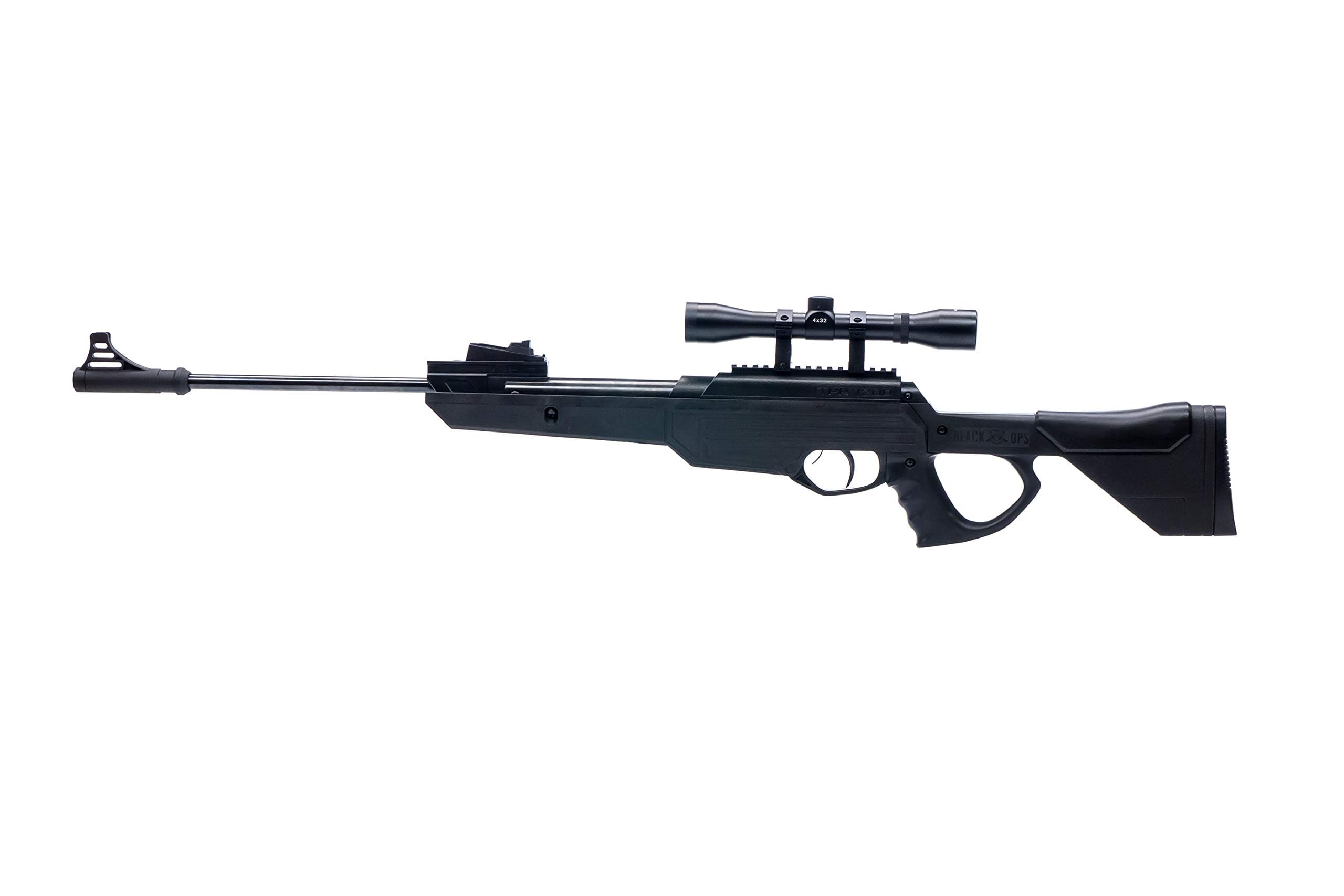
The supplied source describes the Barra TPR 1200/1300 as a .177 break-barrel, spring-piston air rifle. It lists an 18-inch rifled steel barrel, a 4×32 scope with covers, and fiber-optic sights. Because these details have not been independently verified here, confirm the current manufacturer specification for the exact model number you are evaluating.
Its spring-piston design is self-contained and does not depend on CO₂ cartridges or an external PCP air supply. Unlike a magazine-fed PCP system, the break-barrel action must be operated between shots.
What Distinguishes It
The Barra is presented in the source as the most straightforward of the three designs. Its main distinguishing points are the spring-piston action, break-barrel format, and bundled basic sighting equipment.
Use-Case Fit
Its configuration is most relevant to lawful recreational target shooting where a traditional break-barrel air rifle is permitted and appropriate facilities are available.
Important Limitations
A spring-piston action requires manual cocking between shots and produces a different recoil impulse from a PCP system. Users should also verify current weight, stock material, optics package, and cocking requirements before use.
Pros and Cons
|
Potential Advantages |
Potential Limitations |
|---|---|
|
✓ Self-contained spring-piston system |
• Requires manual cocking between shots |
|
✓ Source lists a 4×32 scope and fiber-optic sights |
• Included optic quality has not been independently assessed |
|
✓ Does not require a PCP filling system |
• Spring-piston recoil characteristics differ from PCP rifles |
Source Feedback Themes
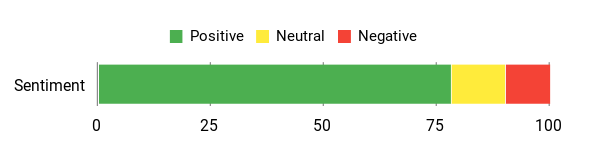
The supplied copy characterizes feedback as generally favorable toward the simple spring-piston format and included sighting equipment. No sample size, collection period, or sentiment-analysis methodology was supplied, so this should not be treated as independently verified customer research.
Source-Reported Overall Sentiment: Positive; methodology not independently verified.
Durability
The source identifies a metal barrel and spring-piston action. Long-term durability depends on the actual materials used, maintenance, storage conditions, and whether the rifle is operated according to the manufacturer manual.
Indoor/Outdoor Use
Use only in a lawful shooting environment designed to contain pellets safely. Ordinary rooms, garages, yards, and other confined spaces should not be assumed to be suitable simply because an air rifle is used instead of a firearm.
Source-Listed Features
- 4×32 scope and fiber-optic sights listed in the supplied copy
- Spring-piston power system
- 18-inch rifled steel barrel listed in the supplied copy
- Break-barrel operating system
Hatsan Mod 125 Spring Sniper
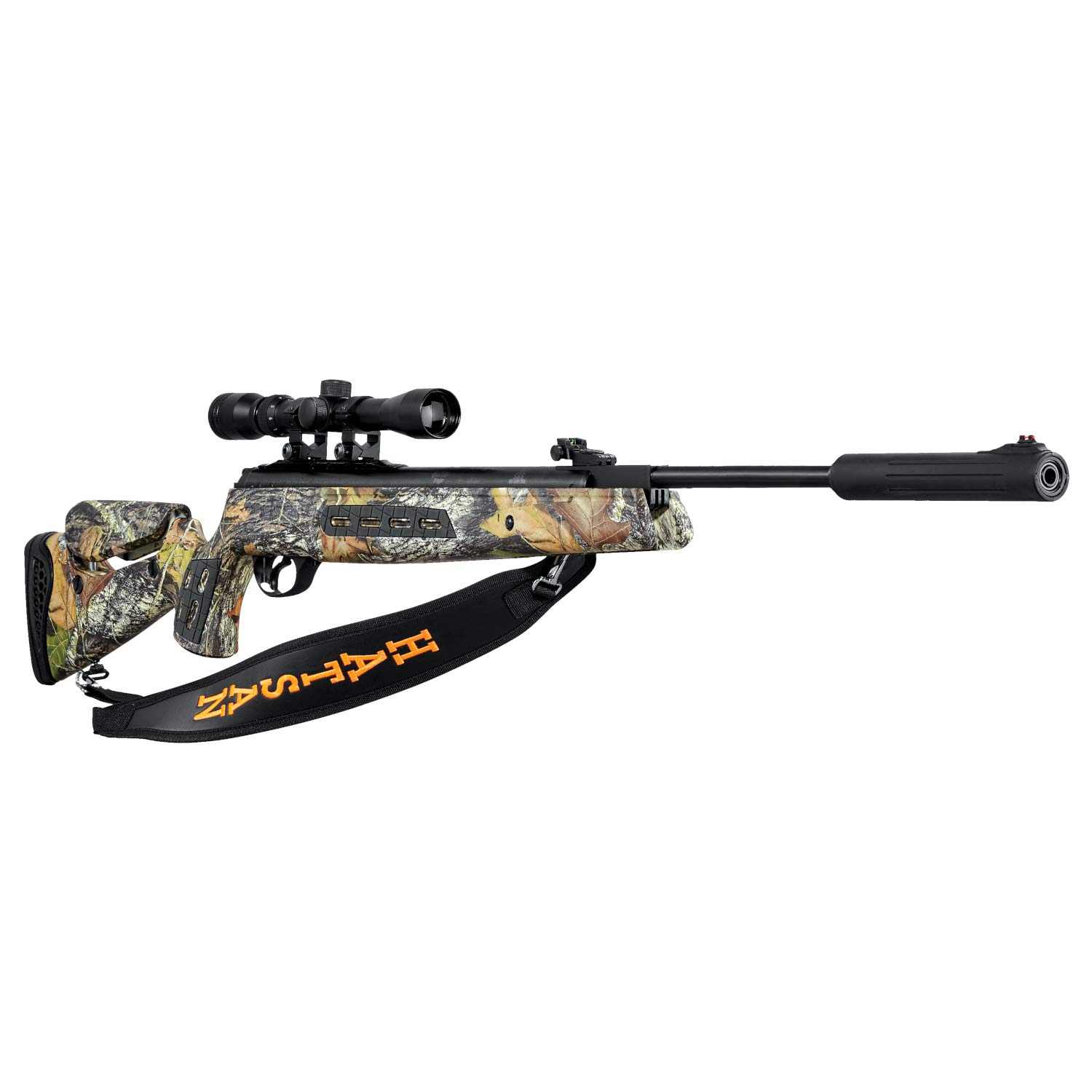
The supplied source describes the Hatsan Mod 125 Spring Sniper as a large .177 spring-piston break-barrel air rifle. It lists an adjustable two-stage Quattro trigger, elevation-adjustable cheekpiece, TRIOPAD butt spacers, an integrated sound moderator, fiber-optic sights, and an Optima scope package.
The source also characterizes this model as comparatively long, heavy, and demanding to cock. Those characteristics make physical fit and handling important considerations. Confirm current manufacturer dimensions, weight, cocking requirements, and supplied equipment for the exact version.
What Distinguishes It
The Hatsan is presented as the most adjustment-heavy spring-piston option in the supplied lineup. Its cheekpiece, butt spacers, trigger adjustments, and other stock features distinguish it from a simpler break-barrel design.
Use-Case Fit
Its configuration may be relevant to lawful range or recreational target use for adults who can comfortably manage its size and operating requirements.
Important Limitations
The source repeatedly notes substantial weight and cocking effort. Users who have difficulty safely handling a large break-barrel rifle should use a more suitable platform or seek qualified instruction rather than forcing operation.
Pros and Cons
|
Potential Advantages |
Potential Limitations |
|---|---|
|
✓ Several adjustment features are listed in the source |
• Source describes substantial cocking effort |
|
✓ Adjustable cheekpiece and TRIOPAD spacers are listed |
• Large overall dimensions can make handling more difficult |
|
✓ Source lists scope, rings, sling swivels, and sling |
• Bundled optic performance has not been independently verified |
|
✓ Spring-piston system does not require PCP filling equipment |
• Break-barrel action must be operated between shots |
Source Feedback Themes
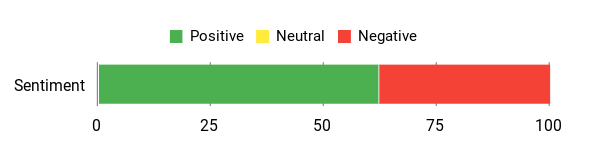
The supplied article describes feedback around build quality, adjustment features, weight, cocking effort, and the bundled optic. Because no underlying review dataset or methodology was supplied, these themes should be treated as source-provided observations rather than independently validated findings.
Source-Reported Overall Sentiment: Mixed; methodology not independently verified.
Durability
The supplied copy lists an alloy-steel barrel and metal frame. Actual durability depends on the specific production version, maintenance, storage, and correct operation. Inspect any airgun for damage or loose components and follow the manufacturer’s inspection schedule.
Indoor/Outdoor Use
Use only in an environment where airgun discharge is lawful and where a suitable pellet-rated backstop and established safety procedures are in place.
Source-Listed Features
- Optima scope package and scope rings listed in the source
- Adjustable two-stage Quattro trigger listed in the source
- TRIOPAD butt system with spacers
- SAS shock-absorber feature listed in the source
- Integrated sound moderator and camouflage stock listed in the source
Gamo Coyote Whisper Fusion PCP 177
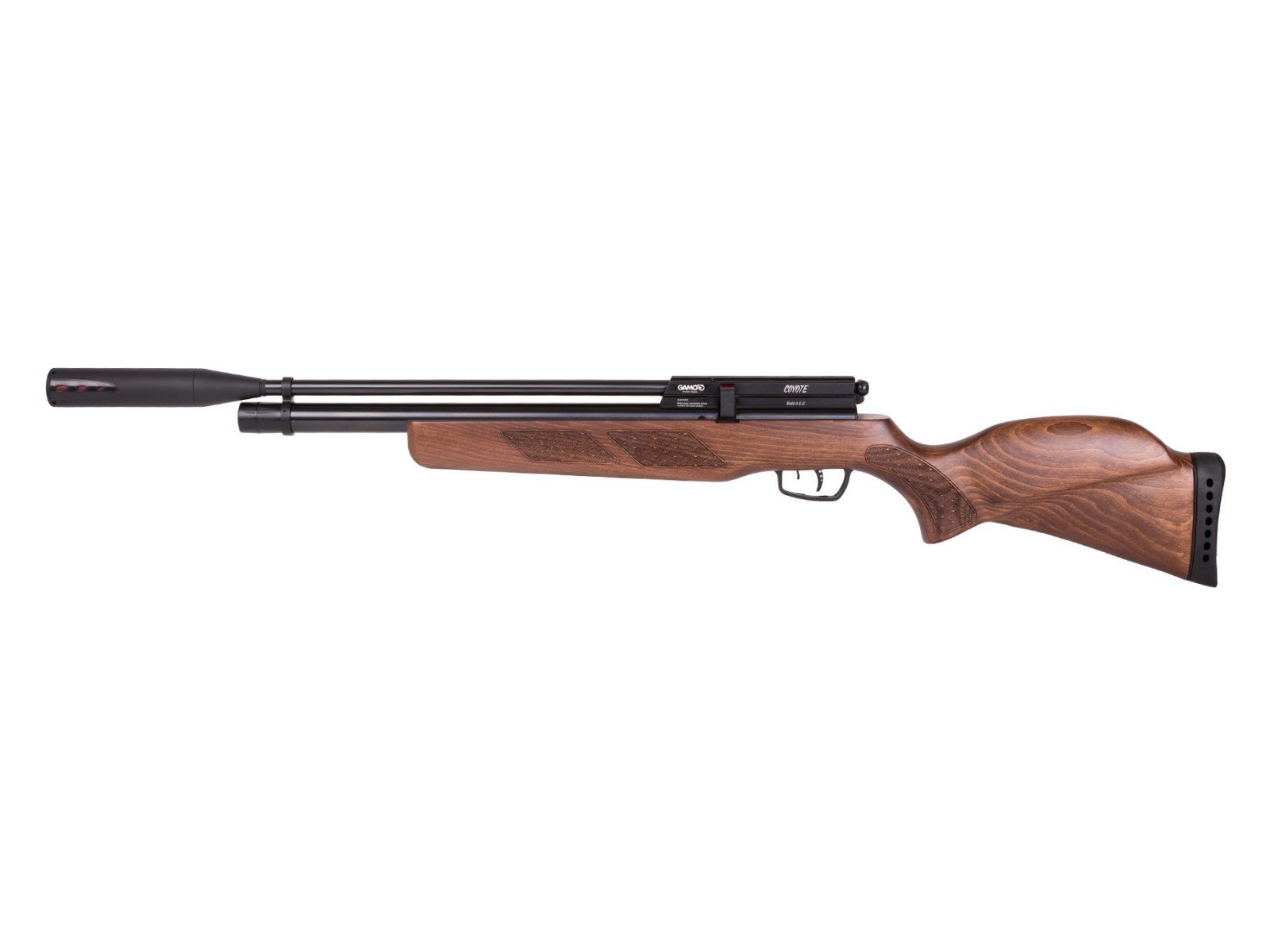
The supplied source describes the Gamo Coyote Whisper Fusion as a .177 pre-charged pneumatic air rifle with a 10-shot magazine system. It also lists a full-floated barrel, two-stage adjustable CAT trigger, Whisper Fusion sound-dampening design, and beechwood stock.
A PCP system requires a compatible compressed-air filling source and strict adherence to the manufacturer’s pressure limits and filling procedures. Anyone unfamiliar with PCP equipment should consult the manual or receive qualified instruction before filling or servicing the system.
What Distinguishes It
The Gamo differs from the two spring-piston models because it uses stored compressed air rather than a spring-powered break-barrel mechanism. The supplied source also describes a magazine-fed system and a wood stock.
Use-Case Fit
Its configuration may be relevant to lawful recreational target use for people already familiar with PCP filling, storage, and inspection requirements.
Important Limitations
The need for compressed-air equipment adds complexity compared with a self-contained spring-piston rifle. The source also mentions possible quality-control concerns, so any new unit should be inspected according to manufacturer guidance before use.
Pros and Cons
|
Potential Advantages |
Potential Limitations |
|---|---|
|
✓ Source lists a 10-shot magazine system |
• Requires compatible PCP filling equipment |
|
✓ Whisper Fusion sound-dampening system is listed |
• Source mentions occasional quality-control concerns |
|
✓ Full-floated barrel and adjustable trigger are listed |
• PCP seals, fittings, and pressure system require appropriate maintenance |
|
✓ Beechwood stock is listed in the source |
• Current configuration should be verified with the manufacturer |
Source Feedback Themes
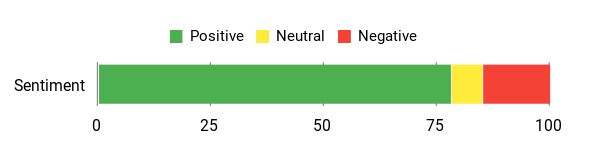
The supplied copy describes favorable themes around the PCP operating system, sound-dampening design, and general handling, while also mentioning filling requirements and occasional quality-control concerns. No review sample size or independent sentiment methodology was supplied.
Source-Reported Overall Sentiment: Positive; methodology not independently verified.
Durability
The source describes a metal frame, PCP pressure system, and full-floated barrel. Because the source also mentions possible leaks, gauge concerns, or surface issues in some feedback, follow the manufacturer’s inspection instructions and do not operate a unit that appears damaged or defective.
Indoor/Outdoor Use
Use only in an appropriate and lawful shooting environment with suitable pellet containment. Reduced sound does not make an air rifle suitable for ordinary indoor rooms or other spaces not designed for shooting.
Source-Listed Features
- 10-shot magazine system listed in the source
- Pre-charged pneumatic power system
- Whisper Fusion sound-dampening system
- Full-floated barrel listed in the source
- Beechwood stock and adjustable CAT trigger listed in the source
Related Guides
FAQ
What Is the Main Difference Between PCP and Spring-Piston Air Rifles?
A PCP air rifle stores compressed air in an onboard reservoir and therefore requires compatible filling equipment and pressure-management procedures. A spring-piston break-barrel rifle is mechanically self-contained but must be cocked as part of its normal operating cycle. Each system has different handling, maintenance, and storage requirements.
Are All Three Models Confirmed to Be .177 Caliber?
The supplied source identifies all three versions discussed here as 4.5 mm (.177 caliber). Because manufacturers may offer multiple caliber variants or change product packages, confirm the caliber marked on the specific product and in current manufacturer documentation.
Can the Exact Weight and Dimensions Be Trusted Without Verification?
No. The supplied comparison lists dimensions and approximate weights, but those figures have not been independently checked in this article. Different production versions or package listings may also vary.
What Safety Practices Matter Most?
Treat an air rifle as capable of causing serious injury. Keep it unloaded until it is being used in an appropriate shooting environment, control access, follow the manufacturer’s manual, know what is beyond the intended impact area, and use a properly designed pellet backstop. Follow all local laws regarding possession, transportation, storage, and discharge.
What Should You Know About PCP Maintenance?
PCP systems operate under significant pressure. Follow the manufacturer-specified fill pressure, fittings, inspection schedule, depressurization instructions, and service procedures. Do not disassemble or repair pressure-bearing components unless the manufacturer specifically authorizes the procedure and you are qualified to perform it.
What Should You Know About Spring-Piston Maintenance?
Follow the manufacturer’s instructions for lubrication, inspection, fasteners, storage, and servicing. Avoid improvised modifications or maintenance procedures that are not approved for the model.
Use-Case Comparison
The three designs primarily differ in operating system and handling. The Gamo uses a PCP system with a magazine-fed configuration. The Hatsan is a comparatively large spring-piston break-barrel model with several adjustment features. The Barra is presented as a simpler spring-piston break-barrel format with basic sighting equipment included.
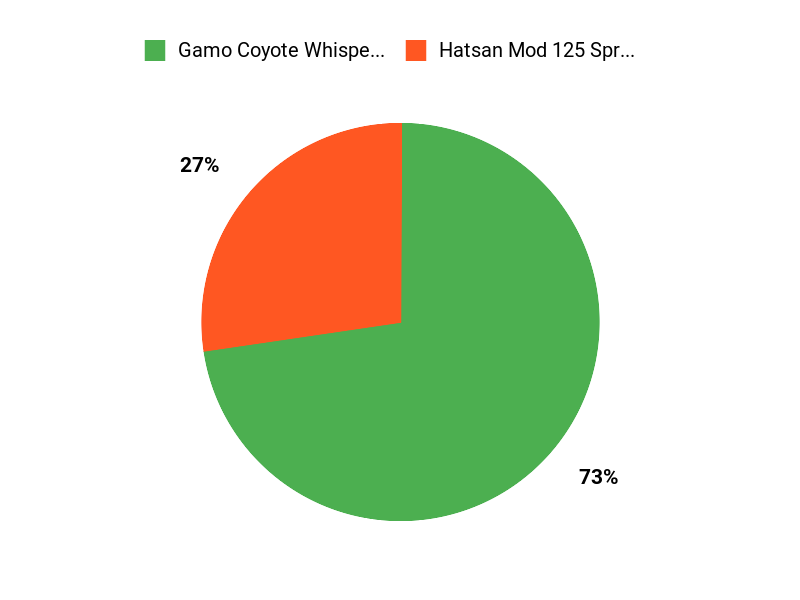
The source-provided graphic above is preserved from the original article. Its scoring or selection methodology was not independently verified.
Wrapping Up
The most useful way to compare these three .177 air rifles is by understanding their operating systems rather than relying on unsupported rankings. The Gamo Coyote Whisper Fusion uses PCP technology, while the Hatsan Mod 125 and Barra TPR 1200/1300 use spring-piston break-barrel systems.
Before using any air rifle, verify the exact model specifications with the manufacturer, read the complete operating manual, understand applicable local laws, and make sure the shooting environment has appropriate pellet containment and access controls.
| Barra TPR 1200 and 1300 Pellet Guns for Adults | Hatsan Mod 125 Spring Sniper Camo Combo | Gamo Coyote Whisper Fusion PCP Air Rifle 177 | |
|---|---|---|---|
 |
 |
 |
|
| Primary Design | Break-barrel spring-piston | Break-barrel spring-piston with multiple adjustment features | Magazine-fed PCP system |
| Caliber Listed in Source | 4.5 mm (.177 cal) | 4.5 mm (.177 cal) | 4.5 mm (.177 cal) |
| Air Gun Power Type | Spring-Piston | Spring-Piston | PCP |
| Product Dimensions Listed in Source | 39.3"L x 2.25"W x 7.1"H — verify current specification | 50"L x 7"W x 3"H — verify current specification | 42.9"L x 9.75"W x 3.75"H — verify current specification |
| Item Weight | Source lists approx. 7.93 lb; verify current specification | Source lists approx. 10 lb; verify current specification | Not reliably established in the supplied copy; verify current specification |
| Additional Equipment | No PCP filling system required | No PCP filling system required | Requires compatible PCP filling equipment and manufacturer-specified fittings |

1 thought on “Best .177 Air Rifles for 2026: Top 3 Picks”