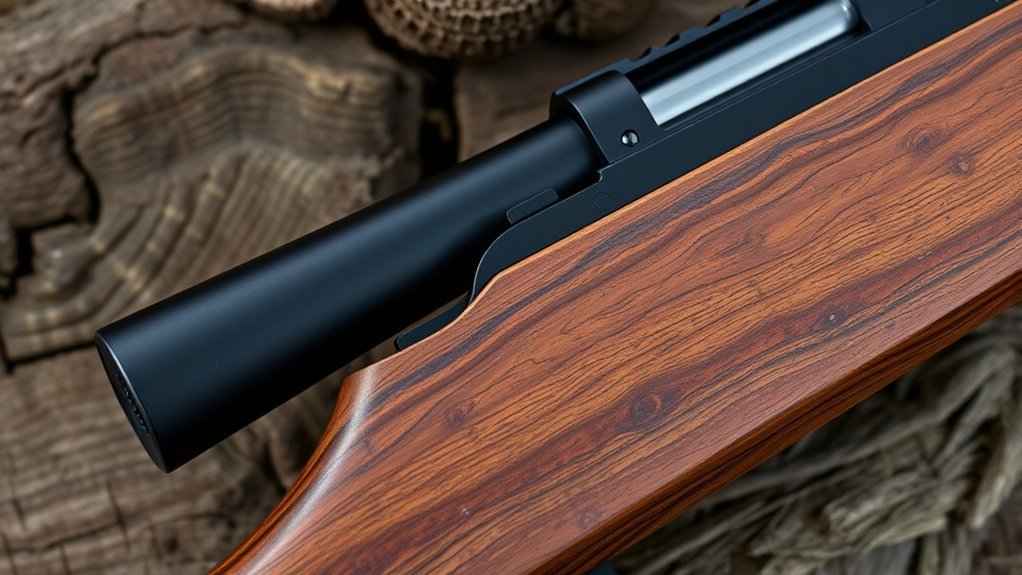
Choosing between a polymer stock and a wooden stock is not only about looks. Stock material affects moisture resistance, impact durability, weight, maintenance, long-term fit, and how well the firearm holds up in rain, heat, cold, and storage. For most hard-use or wet-weather situations, polymer is usually the more forgiving choice. Wood can still last for decades, but it needs more careful cleaning, sealing, and climate control. For context, this article focuses on U.S. usage and general care guidance.
Quick Answer
Polymer stocks are usually more durable than wooden stocks in wet, humid, or high-use conditions because they resist moisture, swelling, and warping. Wooden stocks offer classic beauty, balance, and a traditional feel, but they need regular care to avoid cracks, finish wear, and moisture damage.
Key Takeaways
- Polymer stocks handle moisture, temperature swings, and rough field conditions better than most wooden stocks.
- Wooden stocks offer a warmer feel, classic appearance, and strong craftsmanship appeal, especially on traditional rifles and shotguns.
- Wood can warp, swell, crack, or decay when humidity and finish care are ignored.
- Polymer usually needs less upkeep, but it should still be cleaned gently and stored away from high heat and harsh chemicals.
- Your best choice depends on climate, intended use, maintenance habits, weight preference, and how much you value traditional aesthetics.
Understanding Polymer Stocks
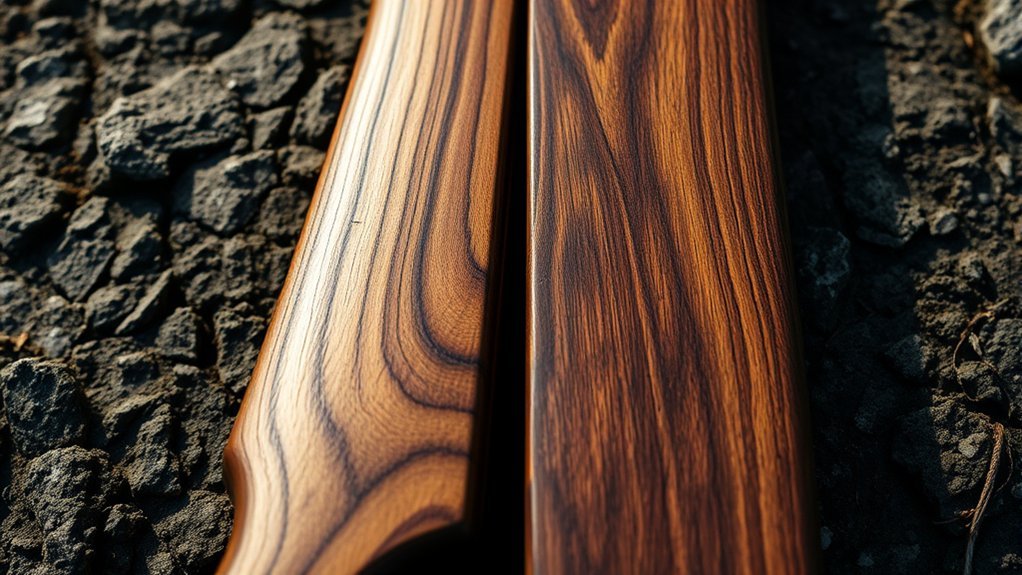
When you consider the materials used in firearm stocks, polymer stocks stand out because of their durability, consistent shape, and resistance to many environmental factors. These stocks are typically made from high-strength thermoplastics, often glass-fiber-reinforced nylons or similar engineered resins, that provide stability and impact resistance Conventus Polymers, 2019.
Their lightweight nature can improve carry comfort and handling, especially during long range sessions, hunting trips, or field use. Many formulations also include UV stabilizers to help reduce sunlight-related fading, brittleness, or surface wear over time Piedmont Plastics, 2024.
Polymer stocks are also far less prone to warping or cracking from humidity swings compared to wood. Wood is a hygroscopic material, meaning it exchanges moisture with the surrounding air, which can change its dimensions over time USDA Forest Products Laboratory, 2021. Polymer does not behave the same way, so it tends to maintain its structural integrity with less day-to-day care.
The manufacturing process also allows for molded-in checkering, textured grip areas, adjustable features, and ergonomic shapes. That makes polymer a practical choice when you want durability, weather resistance, and function over traditional styling.
Understanding Wooden Stocks
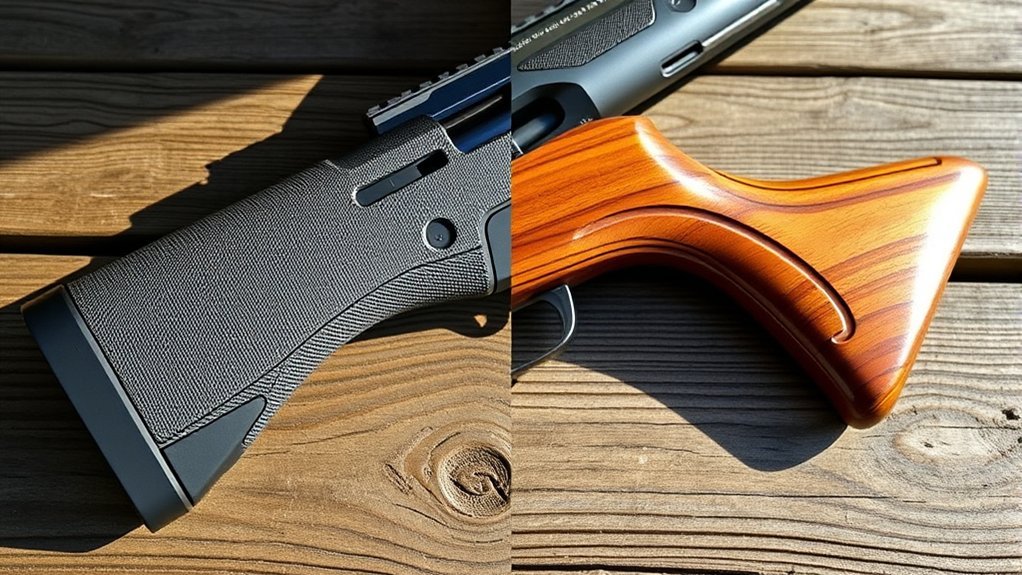
Wooden stocks have long been favored in the firearms community for their aesthetic appeal, natural grain, and traditional craftsmanship. They are often made from hardwoods such as walnut, maple, birch, beech, or laminate wood. A well-shaped wooden stock can feel warm in the hand and give a rifle or shotgun a classic look that polymer usually cannot match.
Wood can also offer a comfortable shooting feel. Its density may help with perceived balance, and some shooters prefer the way a wooden stock carries and settles into the shoulder. On certain firearms, the added weight of wood can also help steady the gun, although this depends on the design, cartridge, and shooter preference.
However, wooden stocks are more sensitive to environmental factors, including humidity, rain, storage conditions, and temperature changes. Moisture movement in wood can lead to warping, swelling, shrinking, checking, or cracking over time USDA FPL Wood Handbook, 2021.
Maintenance, including regular wiping, finish inspection, careful storage, and occasional oiling or refinishing, is essential to preserve their integrity. Ultimately, while wooden stocks deliver a timeless look and feel, their durability can be compromised without proper care, making them less forgiving than polymer in harsh or changing conditions.
Polymer vs Wood at a Glance
At a Glance
| Best for Rough Weather | Polymer, because it resists moisture-related swelling and warping better than wood. |
| Best for Traditional Looks | Wood, especially walnut, maple, and other attractive hardwoods with visible grain. |
| Maintenance Level | Polymer is usually low maintenance. Wood needs more cleaning, finish care, and humidity control. |
| Typical Trade-Off | Polymer favors function and durability. Wood favors beauty, tradition, and natural feel. |
Weather Resistance of Polymer
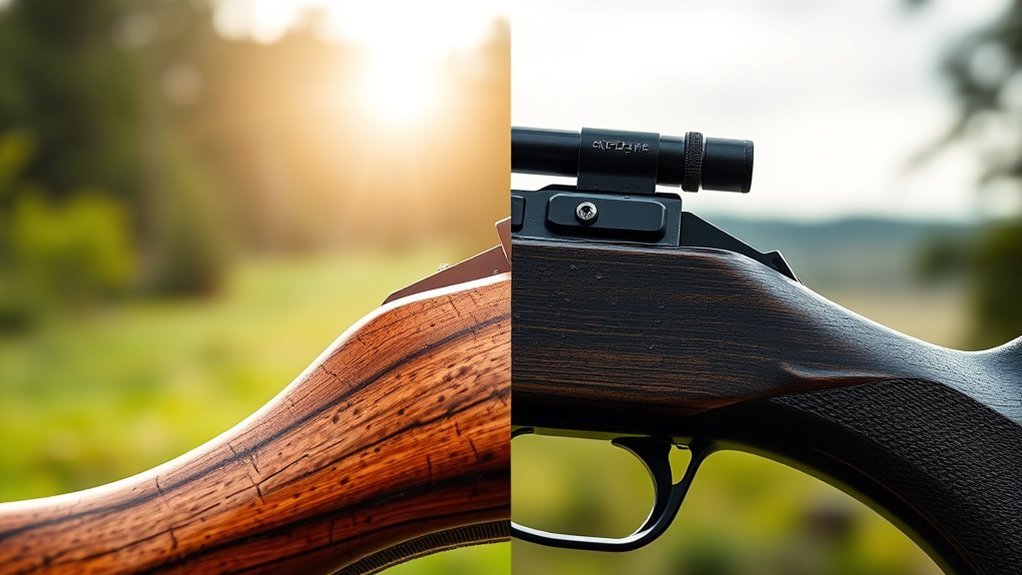
Although wooden stocks can be susceptible to environmental damage, polymer stocks excel in weather resistance, making them a practical choice for many conditions. Their synthetic materials provide several advantages, especially when the firearm may be exposed to humidity, rain, mud, snow, sweat, or repeated outdoor use.
- Water resistance: Polymer stocks do not absorb ambient moisture like wood, helping prevent dimensional change USDA FPL, 2021.
- UV stability: Many are formulated with UV stabilizers to reduce sun-related degradation Piedmont Plastics, 2024.
- Temperature resilience: Engineered polymers used in stocks are designed to maintain performance across a wide temperature range Conventus Polymers, 2019.
- Chemical resistance: Quality polymer stocks typically tolerate common gun-care oils and solvents when you follow the manufacturer’s care instructions.
- Low maintenance: Unlike wood, polymer typically requires minimal upkeep to retain its appearance and function.
Note: Polymer is weather-resistant, not indestructible. Extreme heat, incompatible solvents, deep scratches, and poor storage can still damage the material or finish.
Weather Resistance of Wood
While wood can offer aesthetic appeal and a traditional feel, its weather resistance falls short compared to most polymer alternatives. Wood is susceptible to moisture exchange with the air, which can lead to warping, swelling, shrinking, checking, and decay over time USDA FPL, 2021. In contrast, polymers are engineered to withstand many harsh conditions with less dimensional movement.
The biggest issue with wood is not a single rainy day. The larger risk comes from repeated wet-dry cycles, poor sealing, long storage in high humidity, and finish damage that allows moisture to enter the stock. Even small changes in stock shape can affect comfort, fit, and the way metal parts sit in the stock.
Here’s a comparison of weather-related factors for wood:
| Factor | Wood | Polymer |
|---|---|---|
| Moisture Resistance | Low to moderate, depending on finish | High |
| UV Resistance | Moderate and finish-dependent | High when UV-stabilized |
| Temperature Tolerance | Variable | Generally consistent |
| Longevity in Weather | Shorter if neglected | Longer with basic care |
| Maintenance Required | High | Low |
Impact Resistance: Polymer Vs Wood
Impact resistance is a critical factor when evaluating stocks for firearms, as it directly influences durability and functionality during use. When comparing polymer and wood stocks, you’ll notice key differences in how each material responds to drops, bumps, recoil stress, and hard field use.
Impact resistance matters because a stock must protect fit, stability, and handling after bumps, falls, transport wear, and repeated use.
- Polymer stocks typically absorb shock well, reducing the risk of fracture, although strength depends on the exact design and material.
- Wood stocks can dent, chip, splinter, or crack upon severe impact, potentially compromising performance USDA FPL, 2021.
- Weight affects handling; polymers often weigh less, improving maneuverability and carry comfort.
- Temperature fluctuations can affect wood’s integrity, while polymers usually remain more stable under varied conditions.
- Aesthetics may matter; wood offers a classic look, but its resilience can be lower than that of polymer under hard use.
That said, not all polymer stocks are equal, and not all wooden stocks are fragile. A dense, well-sealed walnut stock may last for many years with proper care. A thin, low-quality polymer stock may feel flexible or cheap. The strongest comparison is between well-made examples of both materials, where polymer usually wins for rough durability and wood wins for traditional character.
Weight, Handling, and Balance
Durability matters, but stock material also changes how a firearm feels in your hands. Polymer stocks are often lighter, which can make the firearm easier to carry over long distances. This can help hunters, sport shooters, and anyone who values a lighter setup.
Wooden stocks are often heavier, and that extra weight can be either a benefit or a drawback. Some shooters like the steadier feel and natural balance of wood. Others prefer a lighter polymer stock for quicker handling and easier transport.
The right choice depends on how you use the firearm. For long walks, wet woods, and rough handling, polymer’s lighter and weather-resistant design may make more sense. For bench shooting, traditional hunting rifles, or heirloom-style firearms, wood may feel more satisfying and balanced.
Accuracy, Fit, and Dimensional Stability
A stock does not need to be beautiful to perform well. It needs to keep the action supported, maintain fit, and resist movement that changes how the firearm behaves. This is where dimensional stability becomes important.
Polymer stocks generally resist moisture-related movement better than wood. That can help maintain a more consistent fit in changing weather. Wooden stocks can perform very well, but humidity changes may affect how the wood contacts the action or barrel channel if the stock is not sealed and maintained.
For precision-focused use, the exact bedding system, stock stiffness, and firearm design often matter more than material alone. A high-quality wooden stock can outperform a poor polymer stock. A reinforced polymer stock can outperform a poorly sealed wooden one. Material is only one part of the full durability and performance picture.
Maintenance and Care for Polymer Stocks
To maintain polymer stocks effectively, you’ll want to use specific cleaning techniques that prevent damage and preserve the material’s integrity. Proper storage is also essential for long-term performance. Understanding these steps will help you keep your polymer stocks in ideal condition with minimal effort.
Cleaning Techniques
Maintaining a polymer stock requires simple but careful cleaning techniques to support longevity and peak performance. To effectively care for your stock, follow these guidelines:
- Use a soft cloth or sponge with mild soap and warm water.
- Avoid harsh chemicals or solvents that can degrade the polymer material; follow the manufacturer’s care instructions.
- Rinse thoroughly to eliminate any soap residue.
- Dry completely with a clean, lint-free cloth to prevent moisture buildup on nearby metal parts.
- Regularly inspect for scratches, loose hardware, surface wear, or stress marks, and address issues promptly.
Pro Tip: Test any cleaner on a small hidden area first, especially if the stock has a textured, coated, painted, or camouflaged finish.
Storage Recommendations
While proper cleaning is crucial, effective storage of polymer stocks plays an essential role in long-term performance. To maintain their integrity, store your polymer stocks in a cool, dry environment, away from direct sunlight and extreme temperatures. High heat can deform some plastics, while excessive moisture can promote surface mold on other components.
Use protective cases or padded storage solutions to prevent physical damage during transport. Avoid stacking heavy objects on or near your stocks to prevent deformation. Also avoid leaving firearms in hot vehicles, damp basements, or poorly ventilated storage areas for long periods.
Regularly inspect your storage conditions and maintain ventilation to minimize humidity. By following these guidelines, you’ll enhance the durability of your polymer stocks, helping them remain functional and reliable for years to come.
Warning: Always confirm the firearm is unloaded before cleaning, inspection, storage, or transport. Keep the muzzle pointed in a safe direction and follow the manufacturer’s safety instructions.
Safety note (U.S.): Always store firearms unloaded and locked, with ammunition secured separately, and follow all applicable state and local laws U.S. DOJ/ATF, 2024 CDC, 2024.
Maintenance and Care for Wooden Stocks
Maintaining wooden stocks requires specific cleaning techniques to preserve their integrity and appearance. You’ll need to regularly clean the wood surface with appropriate products that remove dirt without damaging the finish. Additionally, protecting the wood against moisture is essential to prevent warping, finish lifting, cracking, and deterioration over time.
Cleaning Techniques for Wood
To ensure your wooden stocks remain in ideal condition, it is crucial to adopt proper cleaning techniques. Regular maintenance supports longevity and preserves the stock’s appearance. Here are some recommended techniques:
- Use a soft, dry cloth to remove dust and debris after handling.
- Apply a gentle wood cleaner specifically designed for firearm stocks or finished wood.
- Avoid harsh chemicals that can damage the finish or strip protective oils.
- Wipe down the stock with a microfiber cloth to prevent scratches.
- Apply a thin coat of quality wood oil or finish when appropriate to nourish the wood and enhance its appearance; UV-resistant finishes can improve protection outdoors.
Do not over-oil the stock. Too much oil can soften wood around inletting, attract dirt, or create a sticky surface. A light, even application is usually better than heavy treatment.
Protecting Against Moisture
Moisture poses a considerable threat to wooden stocks, as it can lead to warping, swelling, and even rot. To protect your wooden stock, first make sure it is sealed with a high-quality finish, such as oil, varnish, or polyurethane, which provides a barrier against moisture.
Regularly inspect the finish for worn spots, chips, open pores, or dull areas. Reapply finish as needed to maintain its integrity. Pay close attention to the inletting, sling swivel areas, recoil pad edges, and any spot where moisture can enter the wood.
Store your firearm in a controlled environment with moderate humidity levels, often around 30–50% relative humidity for many wood-storage situations USDA FPL, 2021. You might also consider using silica gel packets or dehumidifiers in your storage area. When cleaning, always dry the wood thoroughly to prevent moisture retention. By following these practices, you’ll greatly enhance the longevity and durability of your wooden stock against moisture-related damage.
Longevity and Lifespan of Both Materials
While both polymer and wooden stocks have their merits, their longevity and lifespan can vary considerably based on factors such as usage, maintenance, storage, and environmental conditions. A well-made and well-maintained stock of either material can last a long time. The main difference is how much care each material usually needs to stay reliable.
- Polymer Stocks: Resist moisture and temperature-related dimensional change and are designed for impact resistance, often lasting for many years with minimal maintenance Conventus Polymers, 2019.
- Wooden Stocks: Can last a long time but are susceptible to warping, cracking, swelling, and decay if not properly cared for USDA FPL, 2021.
- Maintenance: Regular upkeep prolongs lifespan; polymer requires less, while wood needs oiling, sealing, finish inspection, and climate control.
- Environmental Factors: Exposure to extreme humidity, direct sunlight, standing moisture, and temperature swings affects both, but wood is generally more vulnerable.
- Usage: Frequent use can wear both materials down, but polymer’s resilience tends to outperform wood under stress, transport wear, and field conditions.
For a firearm that will see rain, snow, mud, boat use, hunting blinds, truck transport, or heavy range use, polymer often offers a better durability-to-maintenance ratio. For a firearm that is carefully stored, used in controlled conditions, or valued for heritage and appearance, wood can remain an excellent long-term choice.
Aesthetic Considerations
When considering aesthetic aspects, visual appeal plays an essential role in your choice between polymer and wooden stocks. Wooden stocks often offer a classic, traditional look that can be enhanced with various finishes, while polymer stocks provide a modern, practical appearance with many customization options. Your preference for style and personalization can greatly influence your decision.
Visual Appeal
Many enthusiasts consider the visual appeal of a firearm to be as important as its functionality. When comparing polymer and wooden stocks, various aesthetic factors come into play that can influence your choice.
- Finish: Wooden stocks often feature rich stains and natural grain patterns, while polymer stocks typically come in solid colors, textured finishes, or camouflage patterns.
- Texture: Wood provides a tactile warmth, whereas polymers can offer a modern, sleek, or aggressively textured feel.
- Design: Wooden stocks can show intricate craftsmanship, while polymers prioritize streamlined, utilitarian designs.
- Weight: Wood tends to be heavier, which some find appealing; polymer stocks are lighter, emphasizing practicality.
- Durability: While primarily functional, the durability of the finish affects long-term appearance, influencing your decision.
Customization Options
Customization options for stocks can greatly enhance both the functionality and aesthetic appeal of your firearm. When considering polymer stocks, you’ll find a variety of colors, textures, and finishes available, allowing you to create a look that fits your use and style.
Many polymer stocks also feature modular designs, enabling you to add or adjust accessories such as grips, spacers, sling mounts, recoil pads, or cheek risers where compatible. These features can improve fit, comfort, and personalization without requiring custom woodworking.
In contrast, wooden stocks offer the possibility of intricate woodworking, stains, checkering, varnishes, and hand-rubbed finishes. You can also select different wood types, each contributing to the firearm’s overall character. Ultimately, your choice between polymer and wood may hinge on whether you prioritize modern versatility or traditional craftsmanship in your customization efforts.
Cost and Value Analysis
Cost plays an essential role in the decision-making process when choosing between polymer and wooden stocks. You’ll want to consider several factors to evaluate the value each option provides:
- Initial Purchase Price: Polymer stocks usually cost less upfront than wooden stocks, although pricing depends on brand, model, construction, and features.
- Longevity: While wooden stocks can be durable, polymer often withstands harsher conditions with less upkeep.
- Maintenance Costs: Wooden stocks may require more care products, refinishing work, or repair, which can increase long-term expenses.
- Resale Value: Wooden stocks can retain higher resale value if well-maintained, especially on collectible, classic, or premium firearms.
- Customization Costs: Modifications to polymer stocks tend to be cheaper and easier when the stock is designed for modular parts.
For pure utility, polymer often delivers stronger value because it combines lower maintenance with better weather resistance. For appearance, tradition, and collectibility, wood may justify a higher cost. The best value depends on whether you care more about rugged use or long-term aesthetic appeal.
Best Use Cases for Polymer Stocks
Polymer stocks make the most sense when durability, weather resistance, and low maintenance matter more than traditional appearance. They are especially useful in environments where wood would need constant care.
- Wet climates: Polymer resists swelling and warping better in rain, snow, and humidity.
- Field use: A lighter polymer stock can be easier to carry over long distances.
- Training and range use: Polymer handles repeated handling, transport, and casual bumps well.
- Utility firearms: If the firearm is a working tool rather than a display piece, polymer is often practical.
- Low-maintenance ownership: Polymer is a strong fit if you want simple cleaning and storage.
Best Use Cases for Wooden Stocks
Wooden stocks remain a strong choice when you value feel, tradition, balance, and visual character. They are best for owners who enjoy maintenance and are willing to protect the stock from harsh conditions.
- Classic firearms: Wood preserves the traditional look of many rifles and shotguns.
- Display and collection: A well-finished wood stock can add beauty and long-term appeal.
- Controlled conditions: Wood performs best when stored and used away from repeated moisture exposure.
- Custom craftsmanship: Wood allows carving, checkering, refinishing, and unique grain selection.
- Shooter preference: Some shooters simply prefer the warmth, weight, and feel of real wood.
Common Mistakes to Avoid
Both stock materials can last longer when you avoid common care mistakes. Many durability problems come from storage habits, poor cleaning choices, or ignoring early signs of damage.
- Leaving firearms in damp storage: Moisture can damage wood, metal parts, optics, cases, and accessories.
- Using harsh solvents on the stock: Some cleaners may damage finishes, coatings, or polymer surfaces.
- Ignoring loose hardware: Loose screws or fittings can cause stress, movement, and wear.
- Over-oiling wood: Too much oil can soften or stain wood and attract grime.
- Assuming polymer needs no care: Polymer is low maintenance, but it still needs cleaning, inspection, and proper storage.
Conclusion
In the battle of durability, polymer stocks clearly edge out wooden stocks in wet, humid, rough, or low-maintenance situations. Their resistance to moisture, warping, impact stress, and temperature-related movement gives them a practical advantage for many modern users.
That does not make wood a poor choice. A well-made wooden stock can be strong, beautiful, comfortable, and long-lasting when it receives proper care. It simply asks more from you. You need to protect the finish, control humidity, clean it carefully, and inspect it regularly.
If you rely on your equipment in extreme conditions, the choice becomes critical. Imagine facing rain, heat, or humidity with a neglected wooden stock, only to find it warped or cracked when you need consistent fit and feel. Polymer’s resilience offers peace of mind in those conditions. Ultimately, your decision can affect performance, longevity, maintenance, and your next outdoor experience. Choose polymer for rugged practicality. Choose wood for classic beauty and tradition.
Sources
- USDA Forest Products Laboratory, Wood Handbook Chapter 4 — supports wood moisture movement, dimensional change, and humidity-related behavior.
- USDA FPL Wood Handbook — supports wooden stock vulnerability to cracking, warping, and moisture-related damage.
- USDA FPL Treesearch — supports wood weathering and moisture-related deterioration concerns.
- Conventus Polymers Specialty Compounds for Firearms — supports engineered polymer use in firearm-related components.
- Piedmont Plastics Guide to UV-Resistant Plastics — supports general UV-stabilized plastic performance claims.
- U.S. DOJ/ATF Secure Firearm Storage Guidance — supports safe firearm storage guidance.
