
Finding the best drones under $100 can be difficult because similar-looking models often have very different cameras, flight helpers, motors, and battery kits.
Our best overall pick is the Tercaso HK88 because it combines GPS assistance, brushless motors, and a 2K-listed camera. For a simpler lower-cost starter, compare the Hiturbo S20.
We checked current listings, manuals, manufacturer information, safety guidance, camera details, flight assistance, battery setup, and portability.
Best Drones Under $100 Compared
| Product | Best for | Camera | Flight assistance | Battery / weight |
|---|---|---|---|---|
|
Budget
|
Best value starter | 1080p | Altitude hold, headless mode | 2 batteries; 146 g |
|
Budget
|
Best overall | 2K listed | GPS auto return, Follow Me | 2 batteries; under 250 g listed |
|
Mid-range
|
GPS flight modes | 2K, 90° electric tilt | GPS, optical flow, waypoint | 2 batteries; about 145 g |
| Flagged: current linked model is outside this roundup’s budget limit | EIS 4K listed | GPS return, Follow Me, orbit | 2 batteries; under 249 g listed | |
|
Mid-range
|
Adjustable camera and FPV | 3840×2160 stills; 2048×1152 video listed | Optical positioning, altitude hold | 2 batteries; about 200 g |
|
Budget
|
Compact beginner flying | 1080p, 90° adjustable | Altitude hold, headless mode | 2 batteries; under 249 g listed |
Best Drones Under $100: Our Top Picks
1. Hiturbo S20

Bottom line: The Hiturbo S20 is a straightforward starter drone for learning basic controls without paying for GPS features you may not need.
- Camera: 1080p, suitable for casual phone-viewed clips
- Flight assistance: Altitude hold and headless mode simplify practice
- Battery setup: Two batteries, about 12 minutes each listed
- Weight: 146 g, easy to carry between flying spots
One-key takeoff and landing, altitude hold, and headless mode reduce the number of controls you need to manage during your first flights. The remote supports basic flying, while Wi-Fi FPV lets you see the camera view on your phone.
The camera is designed for casual use rather than stabilized filmmaking. Its lightweight frame is convenient for travel, but calm conditions are a better match than gusty outdoor weather.
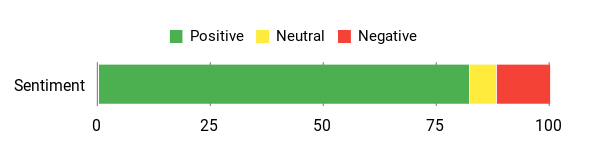
Original Sentiment Graphic
This graphic is retained from the original article and is not used as live owner-feedback evidence in this update.
- Beginner controls include altitude hold and one-key start
- Two batteries extend total practice time
- Compact 146 g design is easy to transport
- 1080p FPV supports basic aerial framing practice
- No GPS return-to-home
- Listed per-battery flight time is relatively short
- Lightweight design is better suited to calm weather
2. Tercaso HK88

Bottom line: The Tercaso HK88 gives beginners GPS assistance, brushless motors, and a 2K-listed camera in a compact foldable package.
- Camera: 2K listed, with adjustable wide-angle viewing
- Flight assistance: GPS auto return plus Follow Me-style modes
- Battery setup: Two rechargeable batteries listed with the kit
- Weight: Under 250 g listed, convenient for travel
GPS-assisted return is the key upgrade over basic toy-style drones. The listing also includes Follow Me, circle-style movement, custom flight paths, headless mode, and one-key takeoff and landing.
Brushless motors are another useful feature because they avoid the brush wear found in conventional brushed motors. The camera remains an entry-level fixed drone camera rather than a premium mechanical-gimbal system, so keep your footage expectations realistic.
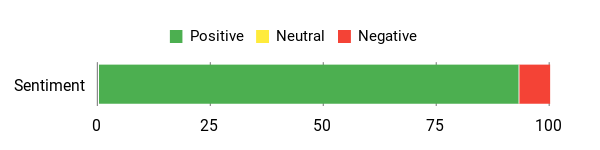
Original Sentiment Graphic
This graphic is retained from the original article and is not used as live owner-feedback evidence in this update.
- GPS-assisted auto return adds a useful outdoor safety aid
- Brushless motors avoid normal brush wear
- 2K-listed camera offers more detail than basic 1080p models
- Foldable under-250 g design is easy to pack
- No mechanical camera gimbal is listed
- GPS and smart modes require more setup than a toy drone
- Lightweight drones still require care in wind
3. BLINORY HK55

Bottom line: The BLINORY HK55 is the feature-focused GPS choice for beginners who want waypoint, Follow Me, and automatic-return functions.
- Camera: 2K listed with 90° electric tilt
- Flight assistance: GPS, optical flow, auto return and waypoint flight
- Battery setup: Two batteries, up to 32 minutes total listed
- Weight: About 145 g, compact for travel
The combination of GPS and optical-flow positioning gives you more assisted-flight tools than most basic starter drones. The HK55 also uses brushless motors and supports point-of-interest, Follow Me, waypoint, and one-button takeoff or landing functions.
The camera is suitable for casual aerial footage, but no 3-axis mechanical gimbal is listed. The current specifications also do not establish obstacle-avoidance sensing, so automated routes still need clear open space.
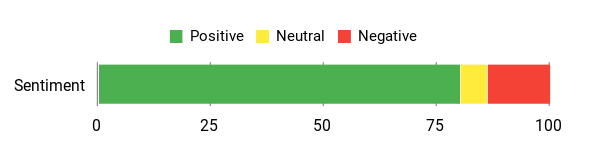
Original Sentiment Graphic
This graphic is retained from the original article and is not used as live owner-feedback evidence in this update.
- GPS auto return and waypoint functions add useful flight assistance
- Optical flow supports position holding at lower altitude
- Brushless motors avoid conventional brush wear
- Two-battery kit and carrying case suit travel practice
- No 3-axis mechanical camera gimbal is listed
- No verified obstacle-avoidance system is listed
- Smart-flight features depend on app setup and GPS conditions
4. PLEGBLE PL-710

Bottom line: The supplied Amazon URL now resolves to the PLEGBLE PL-710, not the PL-510 described in the original draft. Its current listing falls outside this roundup’s under-$100 budget qualifier, so it is retained here but not recommended as a pick.
- Camera: EIS 4K listed, aimed at higher-resolution capture
- Flight assistance: GPS return, Follow Me and orbit functions
- Battery setup: Two 2700 mAh batteries, up to 70 minutes total listed
- Weight: About 8.4 oz and under 249 g listed
The current linked PL-710 includes a 5-inch screen on its controller, so you can view FPV video without using a phone. Its feature set is substantially different from the former PL-510 listing that this article originally described.
Because both the model and budget fit changed, compare the current Amazon page carefully before relying on any older PL-510 references, images, or specifications.
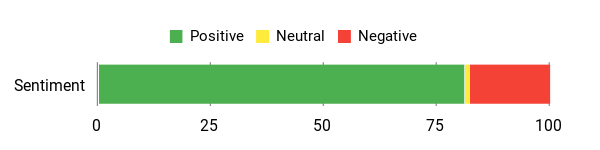
Original Sentiment Graphic
This graphic is retained from the original article and is not used as live owner-feedback evidence in this update.
- Controller includes its own FPV screen
- GPS supports automatic-return functions
- Two large batteries provide long listed total flight time
- Foldable under-249 g design remains travel friendly
- Current linked model does not fit this roundup’s budget limit
- Amazon URL no longer matches the original PL-510 model
- More complex feature set than a simple starter drone
5. LANSAND EC130

Bottom line: The LANSAND EC130 suits beginners who value an adjustable wide-angle camera, brushless motors, optical positioning, and phone-based FPV.
- Camera: 3840×2160 stills and 2048×1152 video listed
- Flight assistance: Optical positioning, auto-hover and headless mode
- Battery setup: Two batteries included with the listed kit
- Weight: About 200 g, below 250 g
The seller markets the EC130 as a 4K UHD camera drone, but the detailed listing separates still-photo and video resolution. It lists 3840×2160 images while video recording is listed at 2048×1152, so buyers should not assume the video file itself is 3840×2160.
A 120° field of view, 90° adjustable camera angle, 5 GHz FPV, brushless motors, and optical positioning make it flexible for casual framing practice. It does not list GPS return-to-home, so it is better suited to controlled open areas.
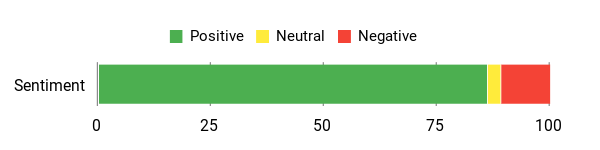
Original Sentiment Graphic
This graphic is retained from the original article and is not used as live owner-feedback evidence in this update.
- 120° field of view gives you wider framing options
- 90° adjustable lens lets you change the view remotely
- Brushless motors avoid conventional motor-brush wear
- Optical positioning helps with low-altitude hovering
- No GPS auto-return feature is listed
- Listed video resolution is below 3840×2160 despite 4K marketing
- No mechanical camera gimbal is listed
X-shop 1080P Drone with Camera for Adults Beginners

Tercaso HK88 vs Hiturbo S20: Is the Upgrade Worth It?
The Tercaso HK88 gives you GPS assistance and brushless motors, while the Hiturbo S20 keeps the setup simpler and focuses on basic beginner flying.
- GPS: The Tercaso adds auto-return and GPS-assisted modes; the Hiturbo does not.
- Motors: The Tercaso lists brushless motors, while the Hiturbo manual does not list brushless motors.
- Camera: The Tercaso lists 2K capture; the Hiturbo lists 1080p.
- Simplicity: The Hiturbo has fewer advanced modes to configure before flying.
Which Budget Drone Should You Buy?
- Best all-around beginner option: get the Tercaso HK88.
- Simple learning and value: get the Hiturbo S20.
- More GPS flight modes: get the BLINORY HK55.
- Adjustable camera and optical positioning: get the LANSAND EC130.
- Compact travel-friendly starter: get the X-shop 1080P Drone with Camera for Adults Beginners.
Before You Fly a Budget Drone
- Check the bundle: Battery count, spare propellers, guards and cases can vary by seller.
- Start in open space: Practice low and slow before testing faster modes or automated routes.
- Avoid strong wind: Lightweight beginner drones can drift more easily as conditions worsen.
- Inspect the propellers: Replace damaged blades and confirm the correct blade position before takeoff.
- Supervise younger pilots: Keep hands, faces, pets and bystanders away from spinning propellers.
U.S. Safety and Registration Note
Recreational flyers in the U.S. must take TRUST and carry proof while flying. Drones weighing less than 250 g can qualify for the recreational registration exception when flown exclusively under that exception, but weight alone does not remove the other recreational flight rules.
Drones that must be registered, or are voluntarily registered, are generally subject to Remote ID requirements. Keep the drone within visual line of sight, follow airspace rules, and check current FAA guidance before flying.
Official guidance: FAA Recreational Flyers and FAA Drone Registration.
How We Chose
- Current listing match: We checked that the linked ASIN still represents the product described, and flagged the one link that changed models.
- Beginner controls: We prioritized altitude hold, headless mode, one-key controls, GPS assistance and stable-hover features where available.
- Camera usefulness: We compared actual listed capture details instead of relying only on headline 2K or 4K marketing.
- Battery and portability: We checked battery count, listed flight time, foldability and weight where reliable documentation was available.
- Sources: We used current Amazon listings, manufacturer information, manuals, major-retailer cross-checks and official FAA safety guidance.
How to Choose the Best Drones Under $100
Start With Flight Control, Not Camera Resolution
A first drone is easier to enjoy when you can keep it stable. Altitude hold, headless mode and one-key takeoff or landing reduce workload while you learn. GPS adds another layer of assistance outdoors. The Tercaso HK88 is the strongest balance here if GPS matters.
Decide Whether You Need GPS
GPS is useful for outdoor beginners because it can support position holding, automatic return and automated flight modes. It does not replace careful piloting or visual line of sight. If you want the widest GPS feature set in this list, compare the BLINORY HK55.
Understand Budget-Drone Camera Claims
A 2K or 4K label does not tell you whether the camera has a mechanical gimbal, what resolution the actual video file uses, or how steady footage will look. Check photo resolution, video resolution, lens angle and stabilization separately. The LANSAND listing, for example, separates its high-resolution still claim from its lower listed video resolution.
Brushless vs Brushed Motors
Brushless motors do not use the physical brushes found in traditional brushed motors, so there are fewer wear parts in the motor itself. The Tercaso HK88, BLINORY HK55 and LANSAND EC130 all list brushless motors. That feature can be more meaningful for long-term ownership than a higher headline camera number.
Battery Count and Flight Time
Two batteries are useful because you can swap packs instead of ending a practice session after one discharge. Treat advertised runtime as an ideal-condition figure because wind, speed, temperature, climbing and camera use can reduce actual time. Never recharge a battery immediately after a hard flight while it is still hot.
Weight and Outdoor Use
A very light drone is convenient to carry, but less mass also means wind can have a larger effect on its position. New pilots should begin in calm weather and open areas. Do not assume that an under-250 g label means you can ignore local airspace, safety or operating rules.
Mistakes to Avoid When Buying a Budget Drone
- Buying by resolution alone: Check stabilization, lens movement and actual video resolution too.
- Ignoring GPS: Decide before buying whether automatic return is important to you.
- Assuming listed runtime is guaranteed: Expect real flight time to vary with conditions.
- Skipping bundle details: Confirm batteries, case, guards, spare blades and charging cables.
- Flying immediately in wind: Learn the controls in a large calm area first.
FAQs
How Do I Choose the Best Beginner Drone Under $100?
Prioritize stable controls before camera resolution. Altitude hold, one-key takeoff and landing, headless mode, propeller protection and extra batteries make early practice easier. GPS auto return is useful for outdoor learning when your budget allows it. A foldable design and carrying case are helpful if you plan to fly away from home.
Will a Drone Under $100 Take Good Photos and Videos?
A budget drone can produce useful casual photos and clips in bright, calm conditions, but it should not be compared with a premium mechanically stabilized camera drone. Camera angle, stabilization, lighting, wind and smooth control inputs can matter as much as the advertised resolution. Check whether the listed resolution refers to still photos, video or both.
Are Budget Drones Better for Indoor or Outdoor Flying?
Many small beginner drones can fly indoors in a large clear room, especially at low speed with propeller guards. Outdoor flying gives you more room, but lightweight drones are more affected by wind. For a first outdoor flight, choose calm weather and an open location away from people, trees, traffic, buildings and power lines.
Do I Need to Register a Drone Under 250 g in the U.S.?
A drone weighing less than 250 g can qualify for the FAA recreational registration exception when it is flown exclusively under the recreational exception. Recreational pilots still need to take TRUST and follow the applicable operating and airspace rules. All drones flown under Part 107 must be registered regardless of weight.
Does an Under-250 g Drone Need Remote ID?
Remote ID generally applies when a drone is required to be registered or has been registered. A qualifying sub-250 g drone flown only under the recreational exception may avoid registration and therefore may not need Remote ID. Your operating purpose matters, so confirm the current FAA rules before relying only on the drone’s advertised weight.
Are Brushless Motors Worth It on a Beginner Drone?
Brushless motors can be a useful upgrade because they eliminate the wear brushes found in conventional brushed motors. They are common on more feature-rich beginner drones such as the Tercaso HK88 and BLINORY HK55. They do not automatically guarantee better video or wind performance, so consider the whole flight system rather than motor type alone.
How Can I Make a Budget Drone Battery Last Longer?
Begin with fully charged batteries, avoid constant full-throttle flying, and land before the battery is completely depleted. Cold weather can shorten usable flight time. After landing, allow a warm battery to cool before charging it again. Inspect packs for swelling or damage and follow the charging and storage instructions supplied with your exact drone.
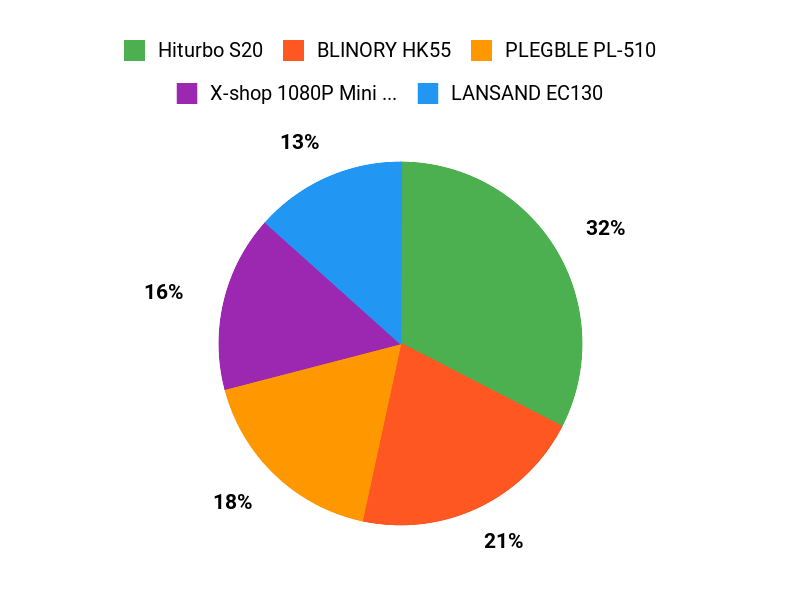
Original Buyer Preference Graphic
This graphic is retained from the original article for continuity and is not used as verified live buyer-feedback evidence in this update.
Quick Comparison Image Reference
The original product images below are retained unchanged. Use the verified comparison table near the top of the article for the current decision-making details.
| Product | Image | Current Note | Amazon Details |
|---|---|---|---|
| Hiturbo S20 |
|
Simple 1080p beginner drone with two batteries | Check Price on Amazon |
| Tercaso HK88 |
 |
GPS-assisted 2K beginner drone with brushless motors | Check Price on Amazon |
| BLINORY HK55 |
 |
GPS, optical flow and waypoint-assisted flying | Check Price on Amazon |
| PLEGBLE PL-710 |
 |
Flagged because the linked model no longer fits this roundup’s budget qualifier | Check Price on Amazon |
| LANSAND EC130 |
 |
Wide-angle adjustable camera with optical positioning | Check Price on Amazon |
| X-shop 1080P Drone with Camera for Adults Beginners |
 |
Compact 1080p starter drone with two batteries | Check Price on Amazon |
Final Verdict
The best drones under $100 should make learning easier without relying on inflated camera claims. Among the verified options, the Tercaso HK88 offers the strongest overall mix of GPS assistance, brushless motors, portability and beginner controls.
The Hiturbo S20 is simpler if you mainly want low-pressure practice, while the BLINORY HK55 adds a broader set of GPS-assisted modes.
For the Best value option, see the Hiturbo S20. For more GPS flight modes, compare the BLINORY HK55.
