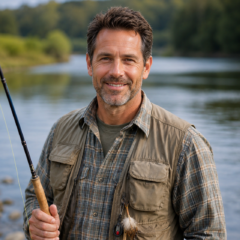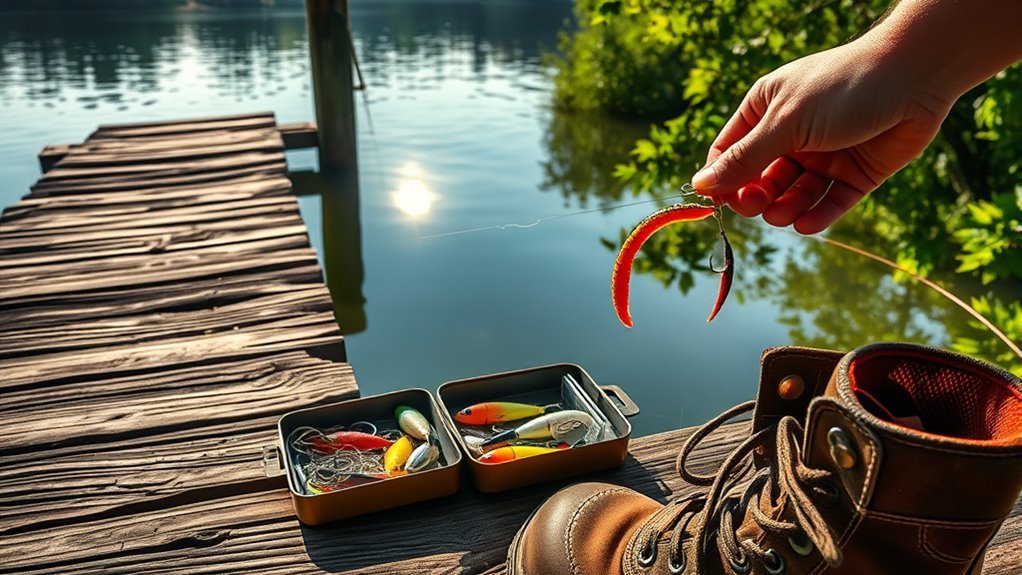
Bass fishing is a fun, beginner-friendly way to learn how fish behave, where they hide, and how small changes can lead to more bites. Start by fishing during low-light windows, choosing ponds or lakes with cover, and using simple baits or lures you can control with confidence. Pay attention to water temperature, clarity, shade, structure, and seasonal movement. Once you understand those basics, you can adjust your location, lure, retrieve, and depth until you find active bass.
Quick Answer
To catch bass as a beginner, fish around cover during dawn, dusk, or cloudy conditions. Use simple lures like spinnerbaits, soft plastic worms, crankbaits, or live bait where legal. Cast near stumps, docks, grass, rocks, or shaded banks, then change depth, retrieve speed, or bait style if bass are not biting.
Key Takeaways
- Bass usually feed best during low light, especially early morning, evening, and cloudy weather.
- Cover matters. Focus on docks, grass beds, lily pads, stumps, rocks, timber, drop-offs, and current breaks.
- Spinnerbaits, Texas-rigged soft plastics, crankbaits, jigs, and topwater lures cover most beginner situations.
- Seasonal movement affects depth. Bass often move shallow in spring and fall, then deeper or into shade during hot summer periods.
- If you are not getting bites, change one thing at a time: location, lure color, bait size, depth, or retrieve speed.
At a Glance
| Best For | Beginner bass anglers, bank fishing, pond fishing, lake fishing, and simple weekend trips |
| Best Time | Dawn, dusk, cloudy days, spring, early summer, and fall feeding periods |
| Basic Gear | Medium spinning or baitcasting rod, fishing line, hooks, weights, soft plastics, spinnerbait, crankbait, pliers, tackle box, and net |
| Difficulty | Easy to start, with room to improve through practice, observation, and seasonal pattern learning |
Warning: Always check local fishing rules, license requirements, size limits, bait restrictions, and boating safety laws before you fish. Rules can change by state, lake, river, species, and season.
Best Times to Fish For Bass
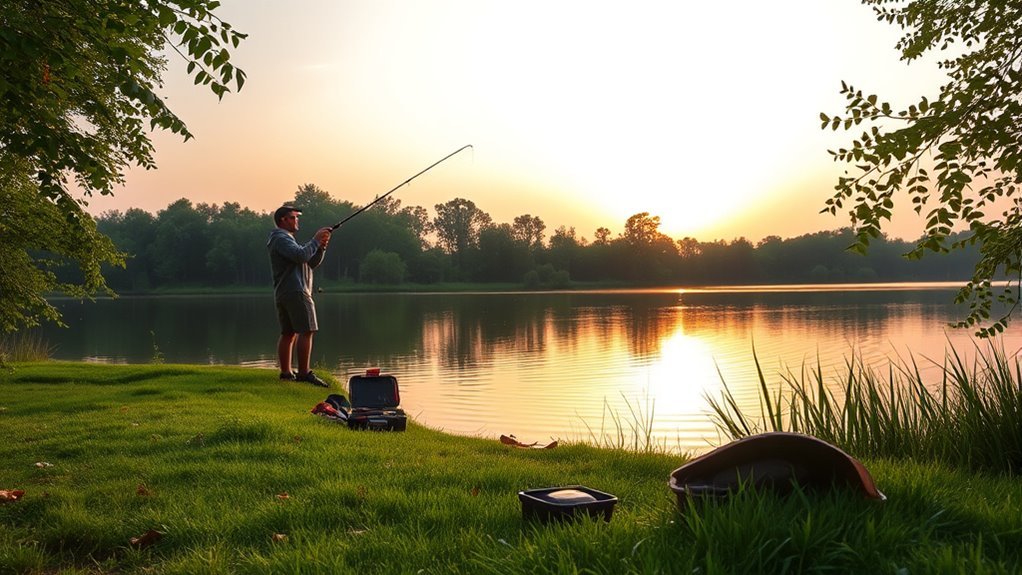
When you’re planning a bass fishing trip, timing can make all the difference. The best times for bass fishing often happen during low light conditions, such as sunrise and sunset, when bass feel safer moving shallow to feed.
Timing is crucial for bass fishing. Target low-light periods like sunrise, sunset, and cloudy weather when bass often feed more actively.
You’ll usually see stronger bass activity in spring and early summer as water temperatures rise and bass move toward shallower areas. Many anglers look for the 60 to 75 degrees Fahrenheit range because bass often feed more aggressively in that general window.
During hot weather, bass may feed early, late, or after dark when shallow water cools. Midday fishing can still work, but you may need to target deeper water, shade, docks, vegetation, or offshore structure.
Weather patterns also matter. Overcast days can keep bass comfortable in shallow zones for longer. Light wind can push baitfish toward banks or points, while sudden cold fronts can make bass less willing to chase fast-moving lures.
Understanding seasonal cycles gives you a better plan before your first cast. In spring, bass often move shallow. In summer, they may hold deeper or use shade. In fall, they frequently chase baitfish. In winter, slower presentations usually work better because fish metabolism often drops in colder water.
Pro Tip: If you only have one hour to fish, choose the first hour after sunrise or the last hour before sunset. Then spend that time casting near visible cover instead of randomly fishing open water.
Where to Fish For Bass Near You
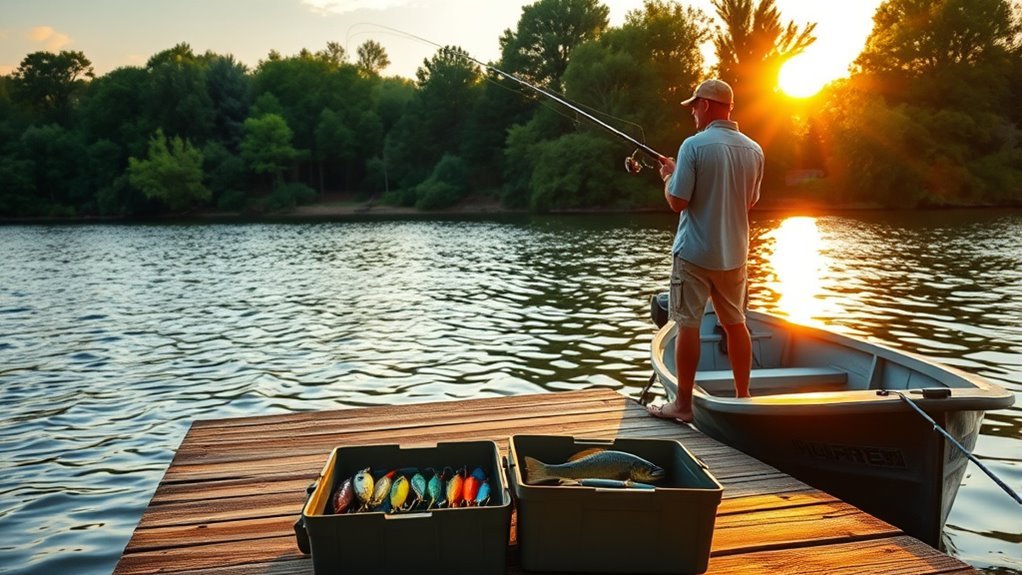
When you’re looking to catch bass, consider local fishing spots like ponds, rivers, reservoirs, and lakes that offer plenty of cover. You do not need a large boat or famous lake to start. Many beginners catch their first bass from a bank, dock, pier, neighborhood pond, or small public lake.
Pay attention to seasonal changes, as bass move to shallow water in many spring conditions and deeper or shaded areas during hot summer periods. Your best spot can change from week to week, so observe the water before choosing your first cast.
Local Fishing Locations
Finding the perfect spot to fish for bass can turn an ordinary day into an unforgettable experience. You’ll find largemouth bass in many freshwater locations, including:
- Ponds
- Streams
- Rivers
- Natural lakes
- Reservoirs
Look for areas with decent water clarity, baitfish, bluegill, insects, frogs, or other natural forage. Bass are predators, so they usually stay close to places that help them hide, ambush prey, or move between shallow and deeper water.
Good beginner targets include stumps, rocks, laydown trees, grass edges, lily pads, boat ramps, docks, drain pipes, bridges, and shaded banks. If you can see baitfish flickering near the surface, birds feeding nearby, or bluegill beds along the bank, bass may be close.
In rivers and streams, target current breaks and eddies where bass can rest without fighting strong current. Cast upstream or across current, then let your bait move naturally past rocks, seams, undercut banks, or logs.
Seasonal changes play a critical role in their behavior. During spring, fish in shallow spawning areas and nearby staging zones. During summer, deeper water, shade, grass, and oxygen-rich areas may produce better results.
Remember, bank fishing during peak feeding times can greatly improve your catch rates. Walk quietly, avoid casting a shadow over shallow water, and make your first cast from a few steps back before you stand directly on the bank.
Happy fishing!
Seasonal Bass Habitats
As the seasons change, so do the habitats where you can find bass thriving in your local waters.
Largemouth bass become more active in spring and early summer, often moving into shallow waters near spawning areas. Look for them around structure like stumps, timber, docks, grass lines, and shallow flats close to deeper water.
During warmer months, focus on vegetation and shaded areas. Lily pads, matted grass, overhanging trees, docks, bridge shade, and deeper grass edges can hold bass that are waiting to ambush baitfish or frogs.
In river systems, target current positions and eddies, especially near seasonal depth changes, where bass hide to catch prey. In many rivers, a small current seam beside a rock, log, or point can be more productive than a long stretch of open bank.
As summer progresses, bass may retreat to deeper water, but come fall, they often return to shallower areas to feed again. Fall fishing can be exciting because bass may chase shad, minnows, and other baitfish across flats, points, and creek channels.
Knowing these seasonal patterns will improve your fishing success because you will spend less time casting in empty water and more time targeting places bass actually use.
Cover and Structure
Understanding the habitats where bass thrive sets the stage for effectively targeting them near cover and structure.
Bass often seek shelter and ambush opportunities in areas that provide both cover and forage. Focus your fishing efforts on:
- Stumps and timber in ponds
- Grass beds and lily pads
- Docks and man-made structures
- Rocks and boulders in rivers
- Depth shifts along the bank
Cover means something a bass can hide in or under, such as grass, wood, pads, brush, docks, or shade. Structure means the shape of the lake or river bottom, such as points, ledges, humps, channels, flats, or drop-offs.
These spots are prime locations for bass, especially when they relate to current positions in rivers or provide shade during the day. A single dock beside a drop-off, a grass line near deep water, or a laydown tree on a shaded bank can be better than a long stretch of empty shoreline.
Pay attention to depth changes and shifts, as they often indicate where bass hang out, enhancing your chances of landing a catch. If you catch one bass, slow down and fish the area carefully because more fish may be using the same cover.
Happy fishing!
Best Bass Fishing Techniques
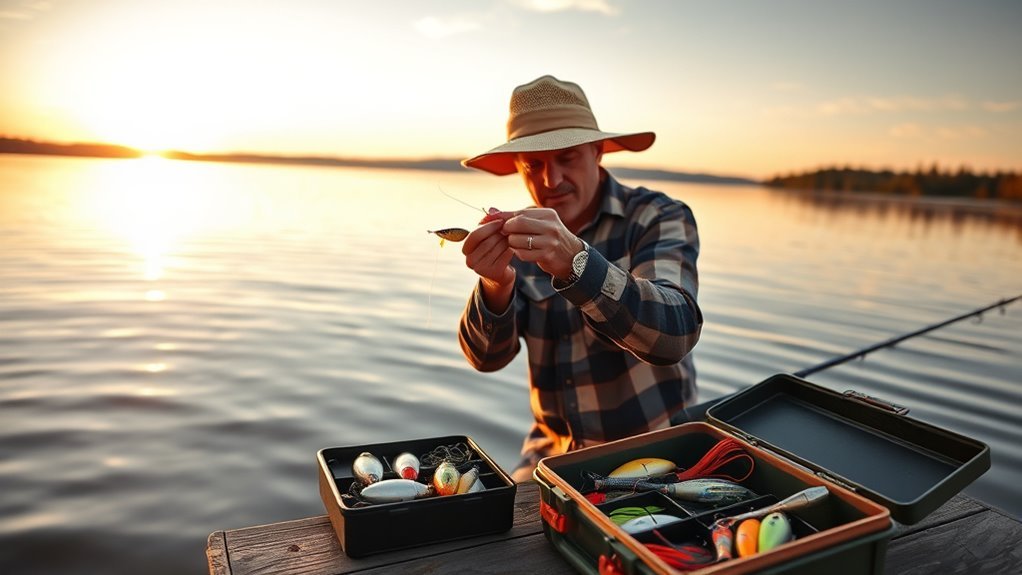
When it comes to bass fishing, employing the right techniques can make all the difference in your success on the water. Start with methods that are easy to cast, easy to feel, and simple to adjust.
Spinnerbaits are great for beginners because they move through cover well, create flash and vibration, and work in shallow or mid-depth water. Cast them along grass lines, beside docks, across points, or near stained-water banks.
Texas-rigged plastics offer a stealthy presentation, especially around grass beds, brush, and docks. A soft plastic worm, creature bait, or craw can slide through cover with fewer snags when rigged correctly.
In clear water, Ned rigs and shaky heads can shine because their subtle movements can entice pressured bass. These rigs work well when fish follow faster lures but refuse to strike.
Don’t forget about topwater lures, like frogs, poppers, and walking baits. They can be fantastic over matted vegetation, around lily pads, or along shaded banks during warmer months. For heavy vegetation, use stronger gear and braided line so you can pull fish out of cover.
Understanding seasonal behavior is essential too. Targeting shallower waters in the fall, when bass often feed on baitfish, can yield impressive results. In colder periods, slow down with jigs, soft plastics, or finesse rigs.
Combine these bass fishing techniques for a successful day on the water. Instead of changing everything at once, make one adjustment at a time so you can learn what actually helped.
How to Start Bass Fishing Step by Step
If you are new to bass fishing, keep the first trip simple. You do not need every lure in the tackle aisle. You need a small plan, a safe location, a few proven baits, and enough patience to adjust when the first spot does not work.
- Choose a beginner-friendly location. Start at a pond, small lake, public pier, or calm shoreline where you can cast safely.
- Check the rules before you fish. Confirm your license, season, size limit, bag limit, and bait restrictions for that exact water.
- Start with simple gear. A medium spinning rod, 8 to 12 lb monofilament or fluorocarbon line, hooks, weights, soft plastics, and one moving bait are enough for many beginners.
- Fish visible cover first. Cast beside grass, docks, rocks, timber, shade, lily pads, and bank points before trying open water.
- Work the lure slowly and naturally. Let soft plastics sink, pause often, and watch your line for jumps or sideways movement.
- Set the hook with control. Reel down, feel the fish, then sweep the rod firmly instead of jerking wildly.
- Handle bass carefully. Wet your hands, support larger fish with two hands, remove the hook quickly, and release fish gently if you are not keeping them legally.
Note: Beginners often change lures too quickly. Give a good-looking area several careful casts from different angles before moving on.
Bass Fishing Lures
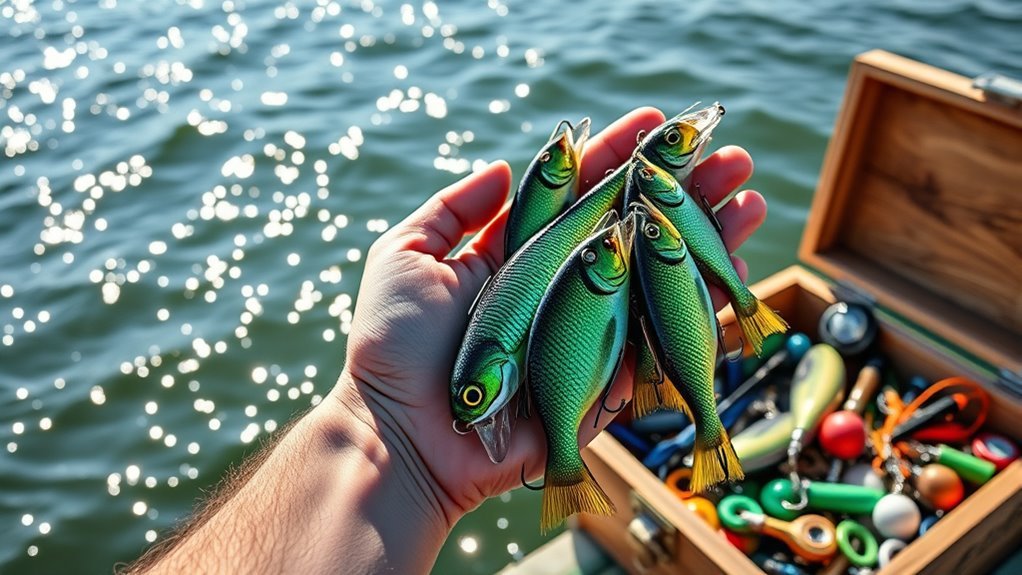
When it comes to bass fishing lures, knowing your options is key to success.
You’ll find a variety of types, like hardbaits, softbaits, spinnerbaits, topwater lures, and jigs, each suited for different conditions and techniques.
Seasonal selection also plays an essential role. By matching your lure to the time of year, water clarity, cover, and bass mood, you can improve your chances of landing a quality catch.
[Amazon Products Picked for You]

【Essential Fishing Tackle Kit】- PLUSINNO's high-quality bait provides beginners with a variety of options, capable of catching nearly any type of fish, from bass to trout. This versatile starter tackle box with tackle include Texas, Carolina, Florida, Split Shot, No Sinker, Jig Head, and Wacky rigs, totaling 7 types of lure rigs. It's the latest fishing gear for 2024, Whether you're targeting bass or other freshwater fish, this 137-piece baits set in a convenient box has everything you need.
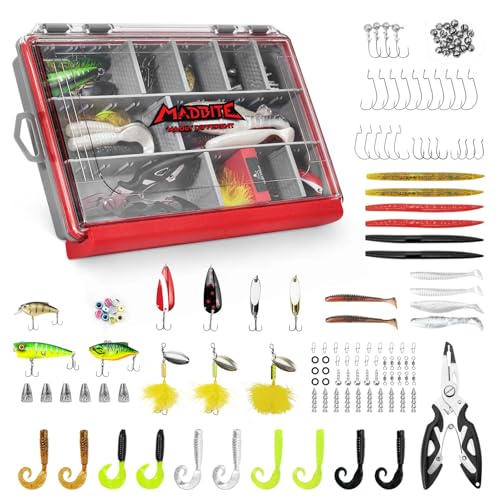
Al’s Expert-recommended Lure Pick: With over 50 years in the fishing tackle industry, Alan G. Noraker recommends the MadBite By KastKing143pcs Freshwater Fishing Lure Kit for its impressive variety and reliable performance. “I love this kit because it is so versatile for every situation!” It includes poppers, crankbaits, spinners, spoons, KastMaster-style lures, hooks, weights, grubs, paddle tails in multiple styles and sizes, plus a tackle box and pliers…ready for any freshwater adventure.

Christmas Gift:The Best Christmas Gift,Birthday Gift for Your Friends,Your Familes,and Fishing Enthusiasts
Types of Bass Lures
Choosing the right bass lure can greatly enhance your fishing experience and increase your chances of landing a big catch.
Each type of lure offers unique advantages for bass anglers, helping you target different species and conditions effectively. Here’s a quick overview of popular bass lures:
- Crankbaits: Hard-bodied lures that dive to various depths, mimicking baitfish.
- Softbaits: Versatile options made from soft plastic, like worms, craws, swimbaits, and grubs, ideal for various retrieves.
- Spinnerbaits: Weighted lures with rotating blades that create vibration, perfect for fishing around cover.
- Jigs: Weighted hooks with rubber skirts, allowing for multiple presentations and techniques.
- Topwater lures: Create surface disturbances, great for low-light conditions or warmer months.
With the right fishing tackle, you’ll be well-equipped to catch bass. Start with a few confidence baits instead of carrying too many choices. A soft plastic worm, a spinnerbait, a squarebill crankbait, and a topwater lure can cover many beginner situations.
Effective Lure Techniques
To maximize your success on the water, mastering effective lure techniques is key.
Start with crankbaits. Their angled lips help them dive and deflect off cover while mimicking baitfish. Use shallow crankbaits around rocks, wood, and banks, then switch to deeper models when bass move offshore or hold on drop-offs.
Softbaits, like swimbaits, worms, craws, and creature baits, are versatile and imitate a wide range of aquatic life. Fish them slowly around grass, docks, brush, and bottom structure when bass are not chasing fast-moving lures.
For beginners, spinnerbaits are perfect due to their ease of use, visibility, and snag resistance around cover. Cast past the target, retrieve steadily, and let the blades create flash and vibration.
Jigs are essential for precise casting to targeted spots, especially near structures like docks, rocks, wood, and ledges where bass hide. Let the jig fall, pause, hop it gently, and stay ready because bites can feel like a tap, heaviness, or nothing at all.
Finally, topwater lures, such as frogs, poppers, and buzzbaits, create noise and surface disturbance. They can be highly effective during low-light conditions, around shallow cover, or when bass are feeding upward.
With the right fishing tackle and techniques, you’ll increase your chances of landing that trophy bass. The key is matching lure action to fish behavior. Use faster lures when bass chase, and slower lures when they hold tight to cover.
Seasonal Lure Selection
As the seasons change, so do the strategies you need for bass fishing, especially when it comes to selecting the right lures. Here’s a quick guide for seasonal lure selection:
- Spring: Use shallow-running crankbaits, spinnerbaits, jigs, and soft plastics to target bass near spawning areas and nearby cover.
- Summer: Switch to deeper-diving crankbaits, jigs, worms, and frogs as bass use deeper water, shade, vegetation, or low-light feeding windows.
- Fall: Utilize topwater lures, swimbaits, spinnerbaits, and crankbaits to take advantage of bass chasing baitfish in shallower areas.
- Late Summer/Early Fall: Employ soft plastics like Texas-rigged worms for a more subtle presentation when bass are pressured or holding near cover.
- Color Selection: Match lure colors to the natural forage. Darker or more visible colors can help in murky water, while natural colors often work better in clear water.
With these tips, you’ll boost your bass fishing success throughout the year. Keep notes on water temperature, weather, lure choice, and where you caught fish. Over time, your own records can become more useful than any general rule.
Best Live Bait for Bass
Artificial lures are popular, but live bait can help beginners learn how bass strike and where fish are holding. Before using live bait, check local regulations because some waters limit bait types, transport, or use of live fish.
Common bass baits include minnows, shiners, nightcrawlers, crawfish, and leeches where legal. Hook live bait so it stays lively and natural. For example, many anglers hook minnows lightly through the lips or back, while nightcrawlers can be fished on a simple hook with a small split shot.
Use live bait around the same places you would throw lures: grass edges, docks, rocks, shaded banks, creek mouths, and current breaks. Let the bait look natural, avoid too much weight in shallow water, and keep your line semi-tight so you can detect soft bites.
If small fish keep stealing bait, switch to a larger bait, move away from tiny bluegill schools, or use artificial lures to cover water faster. Live bait can catch bass, but it also attracts many other species, so patience matters.
[Amazon Products Picked for You]

【High Hook-up Rate】POHU Octopus fishing hooks features a 5° angled design for higher hookup rates and better corner mouth locking.It reduces deep hooking, improves catch-and-release survival, and fits perfectly with live bait, cut bait and all common rigs.

【300pcs Fishing Hooks Set】 This comprehensive hook set includes 300 baitholder fishing hooks in 5 essential sizes (1/0# 50pcs, 1# 50pcs, 2# 50pcs, 3# 50pcs, 4# 100pcs). Designed to provide ample supply for an entire season, it’s ideal for frequent anglers, family trips, or sharing with fishing partners.
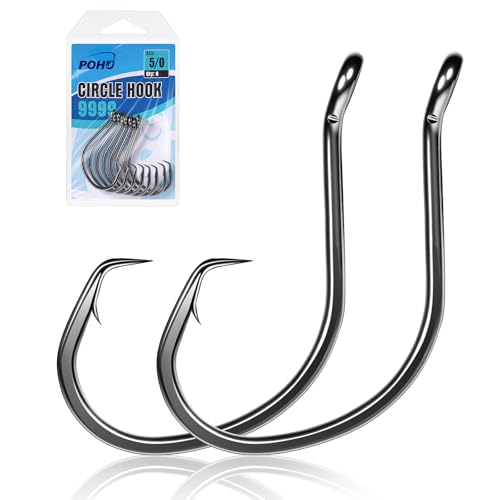
【4X Reinforced Strength】Our circle hooks are forged from Jinlin 80D high carbon alloy steel, delivering >2300MPa tensile strength and HRC 60-62 hardness. Reinforced forged shank resists bending/breaking, perfect for battling monster catfish, saltwater big game like tuna, shark, and grouper.
Other Bass Fishing Gear
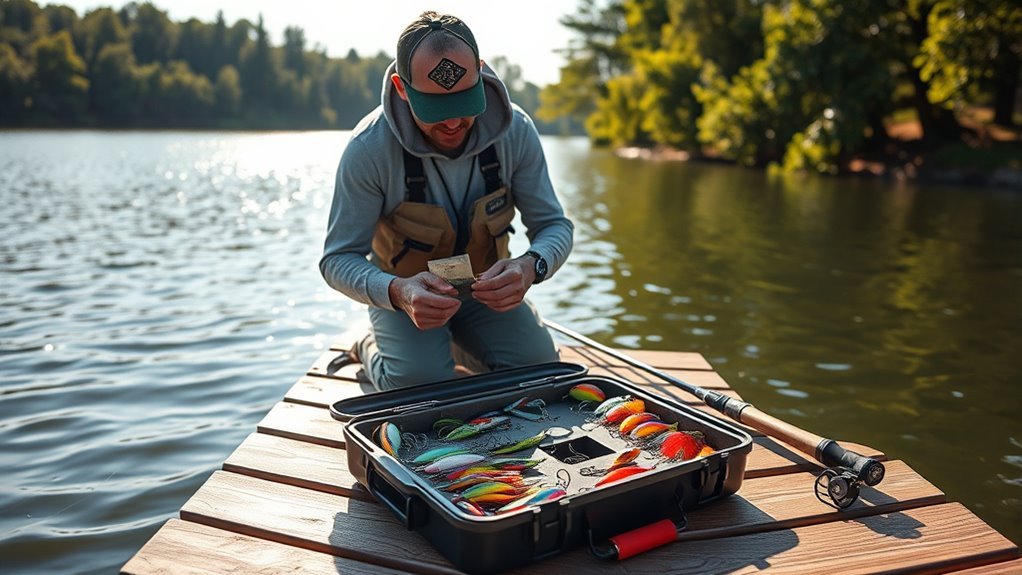
While you’ve likely got your rod and reel picked out, other bass fishing gear plays an essential role in your overall success on the water.
Quality fishing tackle includes spinning reels for lighter lines and finesse presentations, along with baitcasting reels for heavier lures, stronger line, and accurate casting around cover.
Choosing the right fishing line is important. Braided line offers strength in heavy cover, monofilament has stretch and works well for many beginner setups, and fluorocarbon is less visible underwater, making it useful in clear water.
Terminal tackle like hooks, weights, and swivels is critical for effective bait presentation. You’ll find hooks in various sizes and styles to suit different bait types and techniques. A worm hook works well for Texas rigs, while a drop-shot hook fits finesse presentations.
A well-organized tackle box or bag guarantees you have quick access to your gear, so you’re always prepared. Keep soft plastics separated when needed, store sharp hooks safely, and carry extra line, pliers, clippers, and a small towel.
Finally, don’t forget a reliable fishing net to safely land larger bass. It protects both the fish and your gear during the catch-and-release process, making it an indispensable part of your bass fishing arsenal.
Polarized sunglasses are also useful because they reduce glare and help you see cover, beds, grass lines, rocks, and following fish. A hat, sunscreen, water bottle, phone, and weather app can make the trip safer and more comfortable.
[Amazon Products Picked for You]

KEY FEATURES - Store up to (6) 3600 size lure boxes with terminal tackle, fishing lures, and fishing tools – Easy access wide-mouth design – double-loop zipper for quick access - Tough and water resistant 600D oxford material - Padded shoulder bag strap and handle for comfort – Integrated pliers holder – Molle straps to secure gear - Tackle bag dimensions fully expanded including pockets 13”x 11”x 11”

【Complete Fishing Tackle Kit】- PLUSINNO 397pcs fishing gear is loaded with 12 fishing rigs for fishing enthusiasts and beginners. It collects nearly all fishing accessories including Fishing Hooks, Round Jig Heads, Round Split Shot, Egg Sinker, Dipsey Swivel Sinker, Drop Shot Weights, Bullet Weights, Nail Weights, Neko Sinkers, Fishing Snap, 4 kinds of different Fishing Swivels, Fishing Sinker Slider, Fish Eye Beads, Wacky Rings and Bobber Stops

【12X Spacious 4-Layer Tackle Box with Tackle Included】- PLUSINNO 4 layers tackle box boasts a spacious 14.5X8.3X8.1 inch capacity, with 12X the capacity of standard tackle boxes, offering ample storage. The removable grid panels create adjustable compartments for fishing lures, while open zones fit bulkier gear. Customize layouts in seconds, keep essentials handy, and carry effortlessly with the ergonomic handle. Ideal for lakeside trips or gifting anglers who crave clutter-free efficiency
Bass Fishing Boats
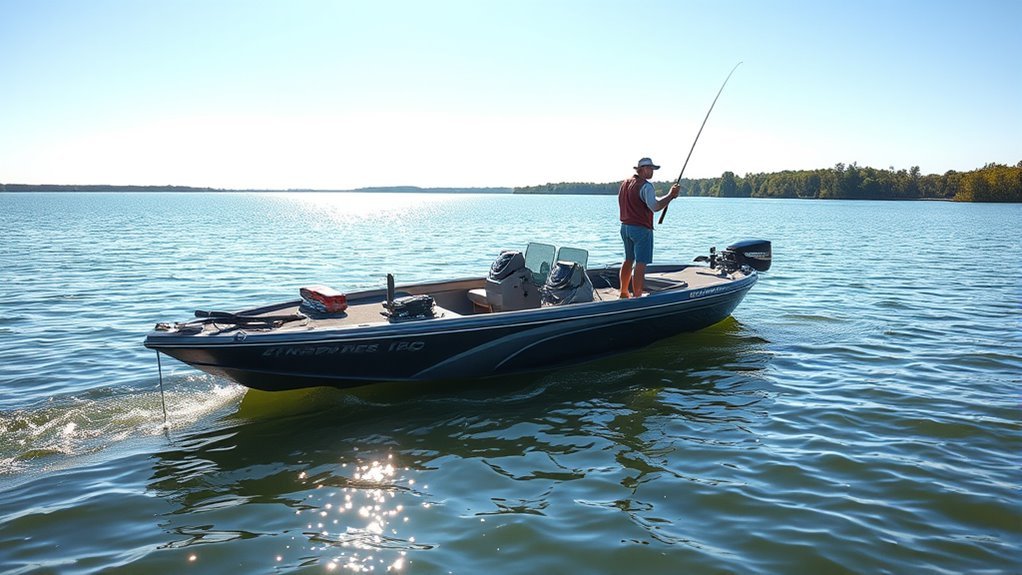
When you’re ready to take your bass fishing to the next level, choosing the right boat becomes vital for your success and enjoyment on the water.
Bass boats are specifically designed for the task, offering features that enhance your fishing experience. Here are some key factors to take into account:
- Storage for tackle accessories: You’ll need ample space for all your gear.
- Livewells: Keeping your catch alive is essential for tournaments or conservation.
- Lightweight design: This helps you maneuver easily, especially in tight spots.
- Stability: Guarantees you can fish comfortably even in rough conditions.
- Fishing needs: Tailor your choice based on whether you’re fishing small lakes or larger waters.
Both aluminum and fiberglass options provide safety and stability, so reflect on your intended use. Aluminum boats can be practical for shallow water, smaller lakes, and anglers who want easier towing. Fiberglass bass boats often offer speed, storage, deck space, and smooth performance on larger water.
Kayaks, jon boats, canoes, and small electric-motor boats can also work well for bass fishing. These options are often easier to store and launch, but they require extra attention to weight balance, weather, wind, and personal flotation devices.
Making the right choice will enhance your bass fishing adventures and help you enjoy every moment on the water.
Warning: Wear a properly fitted personal flotation device when fishing from a boat, kayak, canoe, or other watercraft. Weather, current, boat wakes, and sudden slips can create risk even on calm water.
How to Find Bass
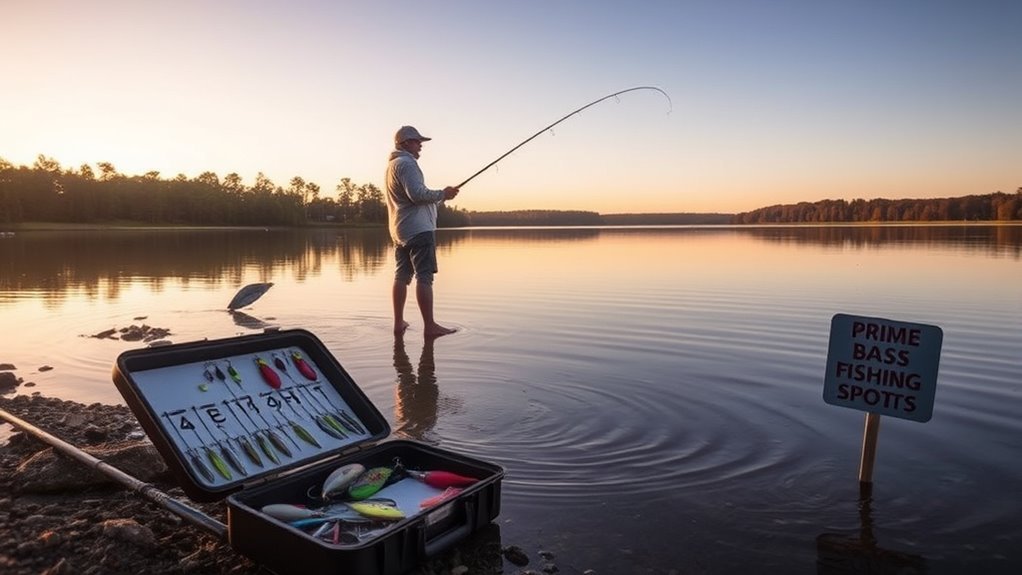
Finding bass can be a rewarding adventure if you know where to look. As a bass angler, you’ll want to explore various freshwater environments like ponds, lakes, rivers, and streams.
Look for structural elements such as stumps, rocks, and grass beds, as these spots offer bass shelter and ambush points for hunting prey. In rivers, focus on current areas, especially eddies and pinch points that carry forage downstream.
Pay attention to water clarity. Bass often thrive where they have enough visibility to feed but enough cover to feel protected. In clear water, use natural colors and longer casts. In stained water, use vibration, darker silhouettes, or brighter colors that help fish locate your bait.
During warmer months, bass may retreat to mid-depth areas, so understanding seasonal depth changes is essential. A bank that drops quickly into deeper water can produce better than a flat bank during hot, bright conditions.
Watch for clues before casting. Baitfish flipping near the surface, bluegill popping along the bank, frogs in grass, insects falling from trees, or birds diving can all point toward feeding activity.
Electronics can help boat anglers find depth changes, grass edges, brush piles, and bait schools. Bank anglers can use visual clues instead, including shoreline shape, shade lines, water movement, and visible cover.
Safety First
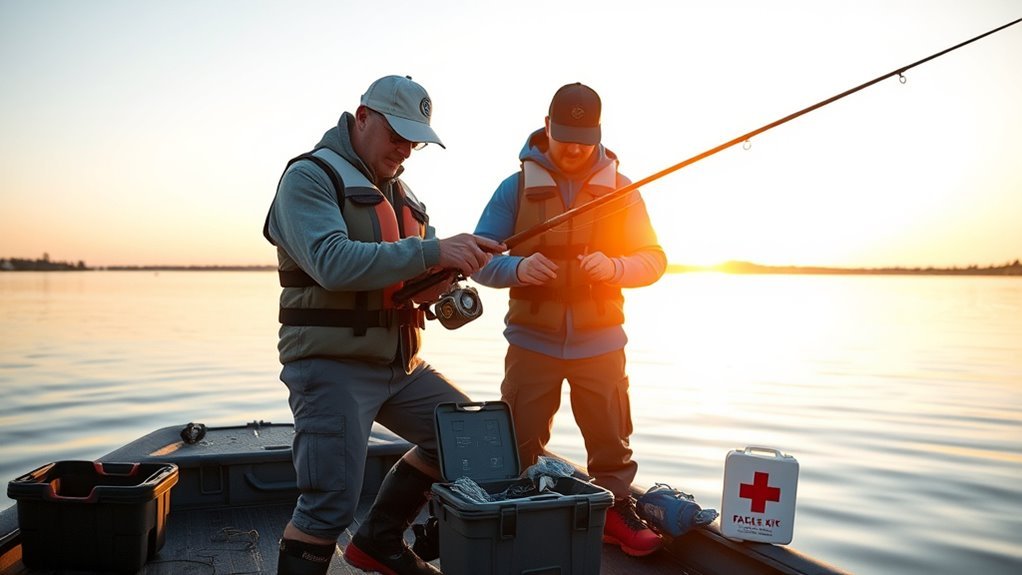
As you gear up for a day of bass fishing, keeping safety in mind is just as important as honing your angling skills.
To guarantee a safe and enjoyable experience, consider these essential items and tips:
Ensure a safe and enjoyable fishing trip by following essential safety tips, checking local rules, and packing the right gear before you leave.
- Always wear a properly rated personal flotation device when fishing from a boat.
- Stay hydrated by bringing plenty of drinking water, especially in warm weather.
- Pack a first aid kit for minor injuries and unexpected weather changes.
- Apply sunscreen to protect your skin from harmful UV rays.
- Be aware of your surroundings to avoid fishing hazards and other anglers.
If you’re prone to motion sickness, consider speaking with a medical professional or pharmacist about safe options before heading out. Follow label directions for any over-the-counter medication and avoid anything that affects alertness while operating a boat.
Check the forecast before you fish. Lightning, high wind, fast-rising water, extreme heat, and cold-water exposure can turn a simple trip into a dangerous one. Leave early if weather changes faster than expected.
Handle hooks, knives, and fish carefully. Use pliers when removing hooks, keep your tackle box closed when walking, and watch your footing on wet rocks, muddy banks, boat ramps, and docks.
Change Tactics
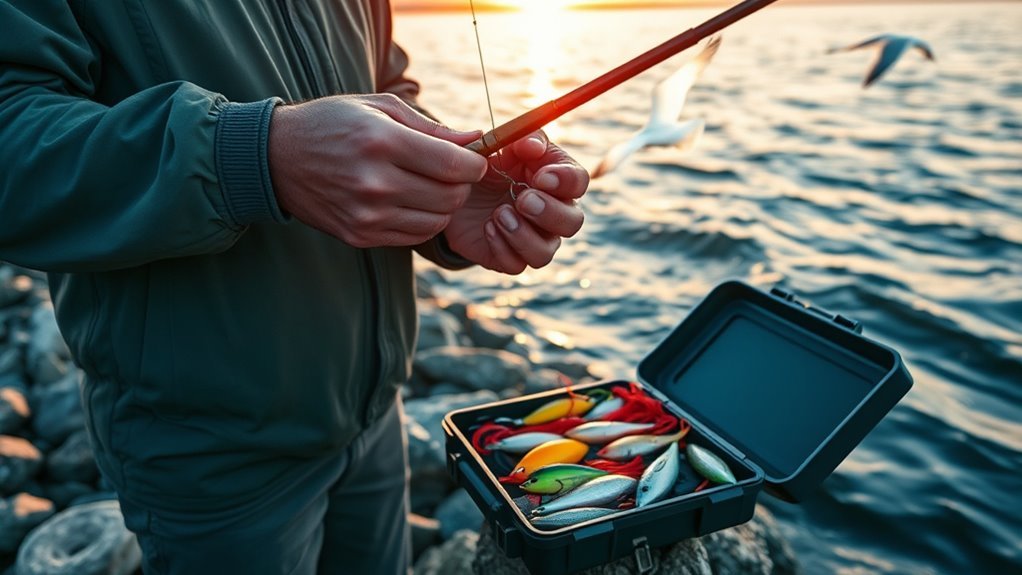
If you’re not getting bites, it’s time to shake things up and change your tactics. Start by experimenting with different baits. Sometimes a jig, spoon, crankbait, spinnerbait, or soft plastic can entice fish that aren’t responding to your current lure.
If you’re fishing in one spot without success, don’t hesitate to relocate to find more active fish. A short move from a sunny bank to shade, from shallow flat to drop-off, or from still water to light current can make a big difference.
Adjust the color or size of your bait to mimic natural prey, as matching the local forage can make all the difference. If bass are feeding on tiny baitfish, a large bulky lure may look wrong. If the water is muddy, a subtle lure may be hard for fish to find.
Also, consider the depth of your bait. Adding or removing weights can help you discover where fish are more active in the water column. Count a lure down before retrieving it so you can repeat the same depth after a bite.
Finally, vary your retrieval speed. A slow, steady retrieve might outperform a fast one, especially in cooler water. In warm water, a quicker reaction bait may work better if bass are aggressive.
By trying these tactics, you’ll increase your chances of a successful fishing trip. The smartest approach is to change one variable at a time. That way, when you catch a fish, you know whether location, depth, speed, color, or lure style made the difference.
Common Beginner Bass Fishing Mistakes
Most beginners do not fail because they lack expensive gear. They struggle because they fish unproductive water, move too fast, ignore cover, or use the same retrieve all day.
- Casting only straight out: Many bass sit close to the bank, especially around grass, shade, wood, and rocks.
- Fishing too fast: Slow down with soft plastics, jigs, and finesse rigs when bass are not chasing.
- Ignoring wind and shade: Wind can push bait, and shade can position bass during bright conditions.
- Using hooks that are too dull: Sharp hooks improve hooksets and reduce lost fish.
- Changing lures nonstop: Give each lure a fair chance in the right location before switching.
- Not checking the drag: A drag that is too tight can break line, while a drag that is too loose can miss hooksets.
Focus on location first, presentation second, and lure details third. A simple worm placed beside the right stump often beats a perfect lure thrown into empty water.
Related Guides
Frequently Asked Questions
What is the 80/20 rule in fishing?
The 80/20 rule in fishing means a small percentage of your choices often creates most of your success. For bass, that usually means focusing on the best cover, best timing, and most productive water instead of casting randomly across an entire lake or pond.
How do you bait fish for bass as a beginner?
Start with a legal bait such as a nightcrawler, minnow, shiner, or crawfish where allowed. Use a simple hook, a small weight if needed, and cast near cover such as docks, grass, rocks, timber, or shaded banks. Keep slight tension on the line and wait for taps, steady pressure, or sideways movement before setting the hook.
What is the 90/10 rule in fishing?
The 90/10 rule means most fish are usually found in a small portion of the water. For bass fishing, that small portion often includes cover, structure, current breaks, shade, baitfish areas, spawning zones, drop-offs, and seasonal feeding locations.
What is the best bait for beginner bass fishing?
A soft plastic worm is one of the best beginner baits because it is simple, affordable, and effective around many types of cover. Live nightcrawlers and minnows can also work well where legal. For artificial lures, spinnerbaits and shallow crankbaits are easy choices for covering water.
What line should a beginner use for bass fishing?
Many beginners can start with 8 to 12 lb monofilament or fluorocarbon on a spinning reel. If you fish heavy grass, frogs, or thick cover, braided line may be better. Match your line to your lure, cover, reel type, and the size of bass you expect to catch.
Why am I not catching bass?
You may be fishing the wrong depth, wrong location, wrong speed, or wrong time of day. Move closer to cover, fish during low-light periods, slow down your retrieve, change lure size or color, and target areas with baitfish, shade, structure, or current.
Conclusion
Now that you’ve got the basics of bass fishing down, it’s time to get out there and put your skills to the test. Start with simple gear, fish during better feeding windows, target cover, and adjust your tactics when bass do not respond.
Spring can be a productive season because many bass move shallower, but every season offers opportunities when you understand depth, cover, weather, and forage. Stay safe, follow local rules, handle fish carefully, and enjoy the process of learning one cast at a time.
Happy fishing, and may your lines be tight!
Sources
- U.S. Fish & Wildlife Service — Fishing — supports fishing access, stewardship, and the importance of following regulations.
- Take Me Fishing — How to Catch Bass — supports beginner bass fishing basics, habitat, and lure guidance.
- National Weather Service — Weather Safety — supports checking weather risks before outdoor trips.
- U.S. Environmental Protection Agency — Sun Safety — supports sunscreen and sun protection reminders for anglers.