Think of a reservoir as a folded map of hidden rooms, each one holding its own quiet promise. You’ll learn to pick spots from charts and shore, set up sensible tackle, and watch how depth, water level, light, and weather shape fish behavior. Start simple, try a few proven techniques, and adjust as you go. These basics will help you fish reservoirs with more confidence, more patience, and less wasted casting.
Quick Answer
To fish a reservoir well, start with maps, points, coves, creek channels, dams, and recent catch reports. Match your bait to the depth where fish are feeding, use tackle that fits your target species, and adjust for water clarity, temperature, and water-level changes.
Key Takeaways
- You do not need to fish the whole reservoir. Focus on high-percentage areas such as points, drop-offs, coves, docks, creek mouths, and stocked zones.
- Fish often hold near the depth that gives them food, cover, oxygen, and comfort. Keep your bait in that feeding zone as much as possible.
- Use a heavier setup for bass and catfish, and a lighter setup for bluegill, crappie, and other panfish.
- Reservoir conditions change often, so adjust your lure size, color, retrieve speed, and fishing depth each trip.
At a Glance
| Best Starting Spots | Points, coves, docks, creek channels, drop-offs, riprap, dam areas, and stocked access points |
| Difficulty | Beginner to intermediate |
| Useful Gear | Two rod setups, hooks, sinkers, floats, swivels, live bait, lures, pliers, line cutters, map app, and safety gear |
| Best Mindset | Cover water, watch conditions, keep notes, and adjust instead of guessing |
Initial Thoughts on Fishing Reservoirs

Even though a reservoir can look intimidating because of its size, you do not have to fish every square inch to catch fish. Most reservoirs hold fish in repeatable areas where food, cover, oxygen, and comfortable water overlap.
You’ll find fishing reservoirs easier when you treat them in sections. Instead of casting at random, break the lake into zones: shallow coves, main-lake points, creek channels, docks, standing timber, rocky banks, riprap, flats, and deeper basins.
Start by focusing on resident fish. They have lived in the reservoir long enough to follow daily and seasonal patterns. Stocked fish can also provide action, especially near release areas, but local rules and stocking schedules vary by waterbody.
Simplify your approach. Pick a few key depths and structural features to target rather than chasing every ripple. A basic plan often beats a crowded tackle box.
Do quick background research before you leave home. Maps, water-level updates, fishery pages, and recent catch reports can give you useful clues. Keep your rig simple, stay observant, and trust that concentrated effort in the right zones will produce more bites than exhausting the whole reservoir.
Note: Reservoirs change more than many natural lakes because water levels may rise or fall with rain, drought, dam operations, and seasonal use. Always check local access rules and current conditions before your trip.
Choosing the Right Location
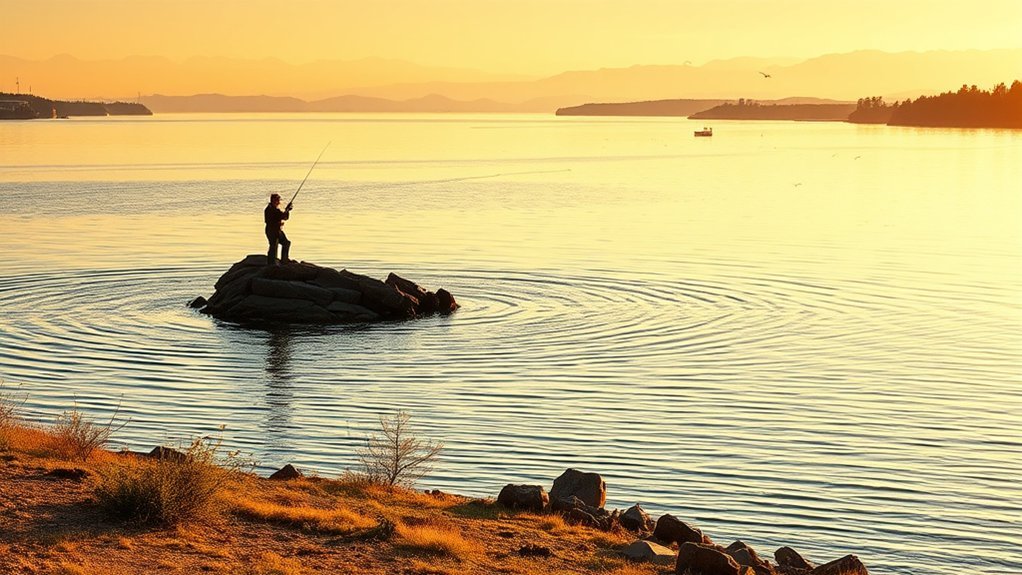
You’ve already narrowed the scope by focusing on resident fish and scouting maps. Now use that intel to pick the best places to fish.
Start by researching the reservoir. Check fishery websites, park pages, lake maps, and recent catch reports to find productive areas. Look for boat ramps, fishing piers, shore access, creek arms, old roadbeds, humps, and contour changes.
If the reservoir is stocked, review the local stocking schedule when one is available. Recently stocked fish may stay near access points, coves, or release areas at first. Over time, they spread out and begin using the same food and cover patterns as other fish.
Compare previous season’s catch reports to spot recurring hotspots and patterns. Those themes often point to reliable water, especially when several anglers mention the same type of structure or depth.
Prioritize places where resident fish are abundant, since they are often easier to pattern than fish that have just been released. Combine map features, stocking notes, water level, and past reports to pinpoint likely holding areas.
That focused approach to choosing the right location frees you from random casting and gets you to water that rewards patience and skill. Stay adaptive, trust your research, and you’ll fish smarter, not harder.
Best Reservoir Spots to Check First
- Main-lake points: These are natural travel routes where fish can move from shallow to deep water quickly.
- Coves and pockets: These areas often hold baitfish, especially in spring, early summer, and during low-light periods.
- Creek channels: Old channels act like underwater highways for bass, crappie, and catfish.
- Riprap and dams: Rock holds heat, attracts bait, and gives predators a place to ambush food.
- Docks and shade: Shade can hold fish during bright, hot parts of the day.
- Brush, timber, and vegetation: Cover gives small fish protection and gives larger fish a feeding edge.
Reading Depth and Fish Behavior
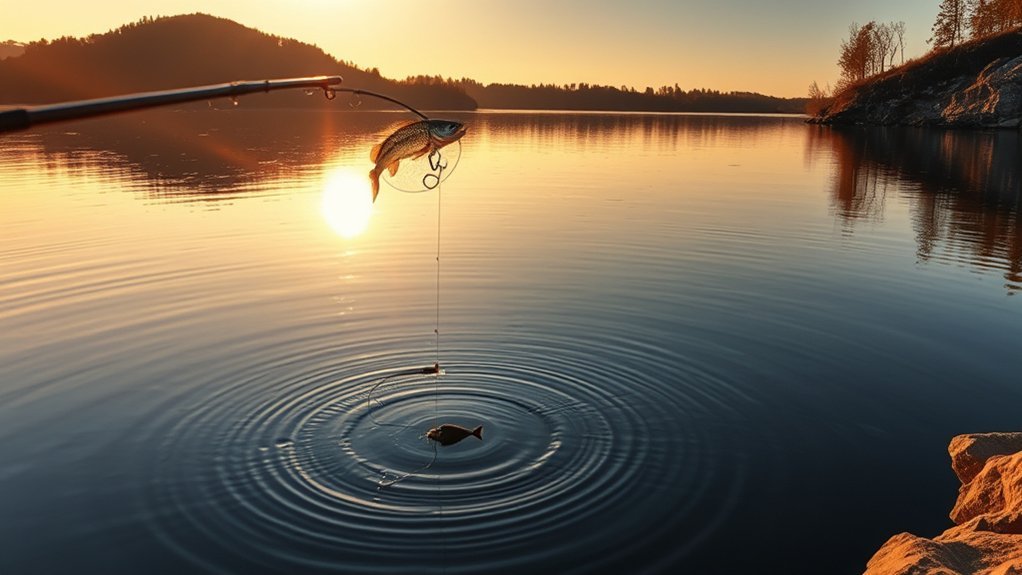
When you match your bait or lure to the depth where fish are feeding, your hookup rate improves. Fish often feed close to their eye level, so finding that layer is one of the biggest keys to reservoir fishing.
You learn to read depth like reading a map to freedom. Use a depth finder, contour map, marker buoy, slip float, or local knowledge to locate the productive band where fish concentrate.
Seasonal shifts, stocking, water clarity, temperature, oxygen, and baitfish movement all change where that band sits. Check conditions and adapt instead of assuming fish are where they were last time.
Present your offering at eye level. Use a suspended float rig for mid-water species like crappie, a bottom rig for catfish, or a crankbait that dives to the same depth as bass holding near structure.
Think of fish behavior as a pattern you can tune into rather than a mystery. Adjust retrieve speed, lure weight, float depth, sinker size, and casting angle until your bait spends more time in the strike zone.
How Fish Position by Season
Reservoir fish move through the year. You do not need to memorize every detail, but knowing the broad pattern helps you start in the right zone.
- Spring: Fish often move shallower as water warms. Look for protected coves, flats near deeper water, brush, and spawning areas.
- Summer: Fish may feed early and late, then slide deeper or tighter to shade during bright, hot hours.
- Fall: Baitfish often move into creek arms and coves, which can pull bass, crappie, and other predators with them.
- Winter: Fish usually slow down and may hold deeper. Smaller baits, slower retrieves, and patient presentations often work better.
Pro Tip: When you catch one fish, do not leave too fast. Reservoir fish often group by depth and structure, so one bite can reveal a larger pattern.
Selecting Tackle and Line Setup
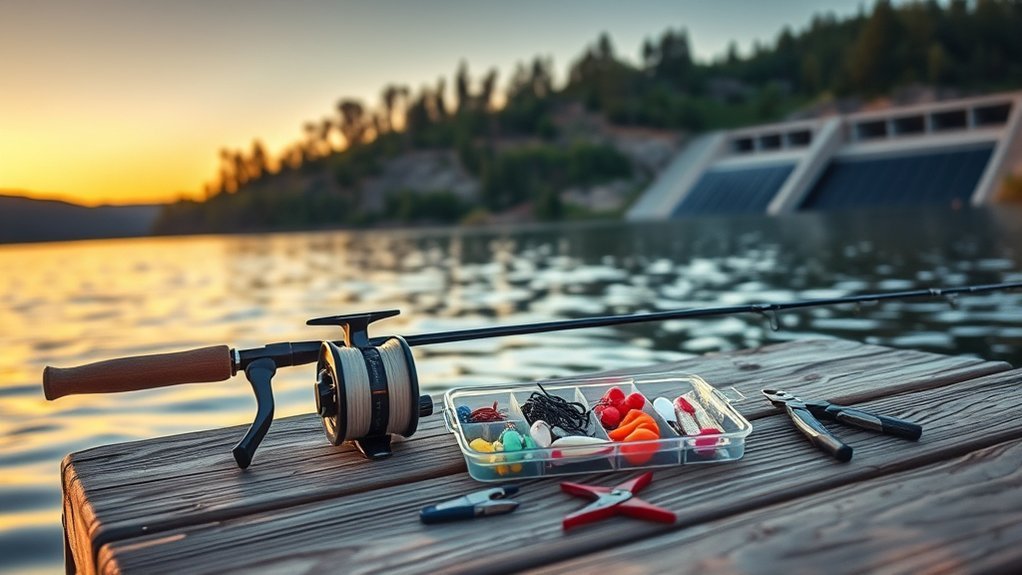
You’ll want two rod-and-reel setups if you plan to target several common reservoir species. A stiffer, stronger outfit spooled with 10–12 lb test works well for many bass and smaller catfish situations, while a lighter 4 lb test rig keeps things fun and sensitive for panfish.
Pair the heavier setup with rods suited for distance casting, hook control, and working lures near cover. A medium or medium-heavy spinning or casting rod can handle many reservoir bass tactics.
Use the lighter setup when bluegill, crappie, and smaller fish are biting. Light line helps small baits move naturally and lets you detect soft bites.
Use appropriate hooks and terminal tackle. Circle hooks in the 1/0–2/0 range can work well for many catfish rigs. Barrel swivels help reduce line twist, egg sinkers keep bait near bottom, and smaller hooks help when bluegill or crappie peck at bait.
Rod and Reel Pairing
Although lighter AFTM #3–5 rods are common in some reservoir fishing styles, you’ll often find that stepping up to a stiffer, stronger blank makes casting longer and handling big fish easier, especially when targeting bass or catfish.
For effective rod and reel pairing, choose a reel with smooth drag and enough line capacity to match the blank. Spinning reels suit lighter setups and finesse tactics, while baitcasters help with heavier lures, stronger line, and more accurate casting around cover.
Overloading the rod by one line weight may simplify casting in some fishing styles, but avoid pushing the rod beyond its rating. Use the manufacturer’s lure and line recommendations as your starting point.
Match your spool to the intended species. Do not fear trying 10–12 lb test for bass and smaller catfish, while reserving lighter lines for panfish. If you fish heavy cover, rocks, or larger catfish, consider stronger line and heavier tackle.
Pair circle hooks and simple sinker rigs when appropriate, and experiment confidently to free yourself from rigid setups.
Line Strength Choices
Pick line strength based on the fish you expect to catch, the cover you are fishing, and how natural your presentation needs to look. The right line gives you control without making your bait look stiff or unnatural.
A 10–12 lb test gives you backbone for many bass and smaller catfish situations, while a 4 lb test keeps presentations delicate for bluegill and crappie. You’ll avoid lost fish from weak line and missed bites from overly heavy line.
For larger fish, pair stronger line with a stiffer rod to cast better and control fights. For panfish, go light and sensitive so you can feel subtle takes. Stay practical, free, and confident. Match tackle to target and you’ll fish on your terms.
- 10–12 lb for many bass and smaller catfish situations; durability and control
- 4 lb for bluegill and crappie; finesse and sensitivity
- Heavier line for rocks, timber, heavy vegetation, or larger catfish
- Match rod stiffness to your line strength choices
Hooks and Terminal Tackle
When you’re choosing hooks and terminal tackle, match sizes and styles to the species and presentation so your setup works rather than fights you. For example, circle hooks in 1/0–2/0 are useful for many catfish rigs, while small bait hooks or jig hooks suit bluegill and crappie.
You’ll pick 10–12 lb test for many bass and catfish outings and 4 lb test for panfish. Add barrel swivels to reduce line twist, and try slip bobbers or egg sinkers to adapt to changing depths.
Balance line weight and rod rating. A well-matched setup casts smoother, protects light line, and keeps enough power in reserve for the fish you expect to hook.
| Target | Hook size | Terminal tackle tip |
|---|---|---|
| Catfish | 1/0–2/0 | Egg sinker + swivel |
| Bass | 2–6 | 10–12 lb line |
| Panfish | 6–10 | Slip bobber, light leader |
Techniques for Targeting Common Reservoir Species
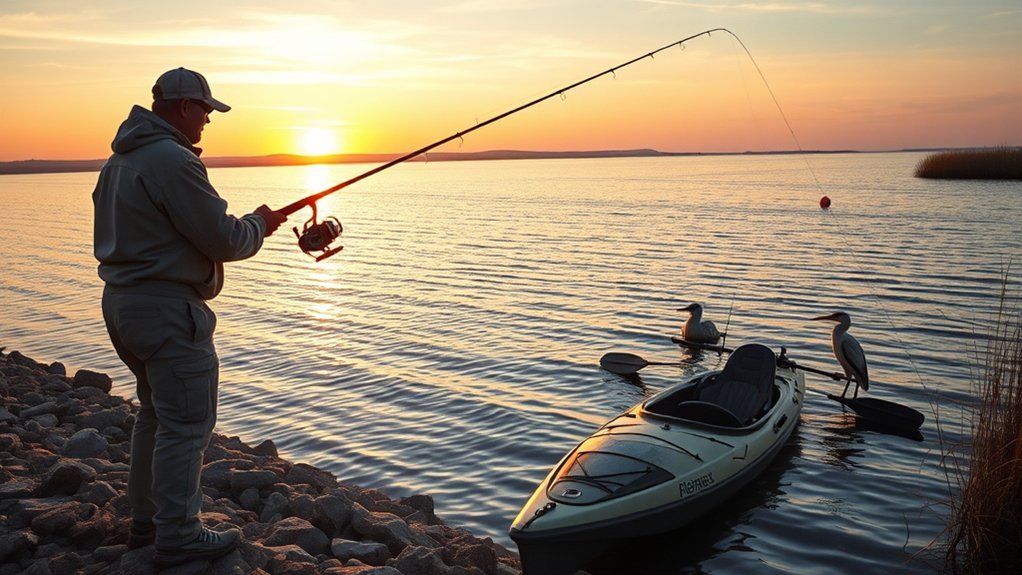
Start by matching simple, proven presentations to each species so you’ll spend more time catching fish and less time tinkering with gear.
You want straightforward methods that free you from overthinking. For catfish, fish worms, cut bait, or other legal bait on the bottom with a circle hook and skip the bobber in deeper areas. For bass, throw crankbaits, soft plastics, spinnerbaits, or jigs to cover structure.
For crappie, suspend live minnows or small jigs around brush, docks, standing timber, or channel edges. Use slip bobbers from shore when you need to control depth. For bluegill, fish worms, small jigs, or crickets a few feet under a small bobber, and upsize hooks if they steal bait without getting hooked.
- Use inline spinners as a go-to lure that targets multiple types of fish across the reservoir.
- Prioritize simple rigs, such as circle hooks, J hooks, slip bobbers, split shot, and egg sinkers, that match each species’ feeding zone.
- Keep a small, versatile tackle kit so you stay mobile and self-reliant on the water.
These tactics let you catch more, learn faster, and feel more confident each time you fish.
Bass Techniques
Bass often relate to edges. Look for weed lines, rock transitions, dock shade, brush piles, points, and ledges. Cast past the target when possible, then bring your lure through the zone where bass can ambush it.
Use crankbaits when you want to cover water, soft plastics when fish are slower, and jigs when you need to work close to bottom or cover. If bass follow but do not strike, slow down or switch to a smaller profile.
Catfish Techniques
Catfish often use deeper holes, channel bends, flats near current, and areas where food collects. A simple bottom rig with an egg sinker, swivel, leader, and circle hook keeps bait near the fish.
Let the fish load the rod before you pull hard when using circle hooks. This helps the hook rotate into position and can reduce missed fish.
Crappie Techniques
Crappie often suspend around brush, docks, timber, and channel edges. They may sit above cover rather than buried inside it, so experiment with depth until you find the active layer.
A slip bobber helps you keep minnows or small jigs at the right depth from shore. From a boat, slow trolling or vertical jigging can help you stay close to schools.
Bluegill and Panfish Techniques
Bluegill and other panfish are great targets for beginners because they bite often and teach you how to read small details. Fish small hooks, light line, and tiny pieces of worm near docks, weeds, brush, and shallow cover.
If small fish keep stealing bait, use a slightly smaller piece of bait or a hook size that better matches their mouth. Keep your bobber small enough that light bites still show clearly.
Assessing Conditions and Adapting Your Approach
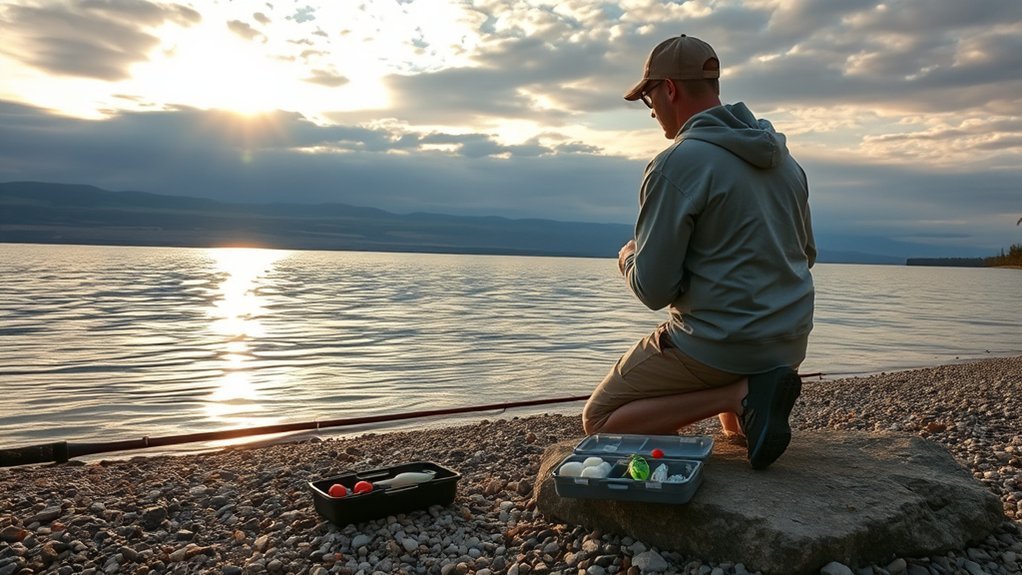
Check water clarity and temperature before you pick a spot, since visibility and thermal comfort tell you where fish are likely holding.
Watch for recent changes in water level. Rising or falling shorelines can push fish into new structure, fresh cover, deeper water, or staging areas.
Then adjust your presentations and lure size accordingly. Use slower, bolder profiles in murkier water and finer, more natural techniques when it’s clear.
Water Clarity & Temperature
One quick look at water clarity and temperature before you cast will tell you a lot about how fish are behaving and what approach may work best.
You’ll read the surface first. Clear water favors natural colors, lighter line, longer casts, and subtle presentations. Murky water calls for stronger silhouettes, vibration, scent, or slower retrieves that help fish find the bait.
Warmer water often boosts activity up to a comfortable range for the species, while colder water can slow feeding. Match speed to the temperature and watch how fish respond.
Check local fishery reports, weather, and water conditions to stay informed.
- In murky water, use larger profiles, vibration, scent, or contrasting colors to create a stronger target.
- In clear water, downsize baits and use natural patterns to avoid spooking fish.
- Adjust retrieve speed with temperature: faster when fish are active, slower when fish seem cold or reluctant.
Recent Water Level Changes
When water levels change suddenly, you’ll notice fish shifting their patterns. Some move to deeper basins for stability, while others push into newly flooded shallows to feed.
Paying attention to these movements lets you target the right zones and presentations. Incoming water can change temperature, visibility, oxygen, and food movement. Those clues tell you whether to explore deep structure or chase submerged edges.
Low-visibility water calls for slower retrieves and larger profiles to give your lure more presence. In clear water, you can test finer baits, varied speeds, and subtle presentations.
Keep evaluating levels and fish response each trip. Adapt quickly, and you’ll break free from routine patterns and stay effective no matter how the reservoir changes.
Warning: Reservoir banks can be steep, muddy, rocky, or slippery, especially when water levels rise or fall. Wear suitable footwear, keep children away from drop-offs, and use a life jacket when fishing from a boat, kayak, or unsafe bank.
Shore Fishing vs. Boat Fishing in Reservoirs
You can catch reservoir fish from shore or from a boat, but each approach changes how you choose spots. Shore anglers need to think about access, casting angles, safety, and how fish use banks. Boat anglers can reach more structure, but they still need a plan.
From shore, focus on areas where deep water comes close to the bank. Points, dams, riprap, bridges, piers, creek mouths, and outside bends often give you better access to fish without needing long casts.
From a boat, use maps and electronics to search for depth changes, brush, baitfish, and structure. Do not spend too long in one dead area. If you see no bait, no bites, and no signs of life, move until you find better water.
Shore Fishing Tips
- Arrive early or fish late when shallow fish feel safer near the bank.
- Cast at angles along the shoreline instead of always casting straight out.
- Use slip bobbers, Carolina rigs, or bottom rigs to reach different depths.
- Pack light so you can move between spots without hassle.
Boat Fishing Tips
- Use contour maps to find points, humps, ledges, and creek channels.
- Watch for baitfish on the surface or on sonar.
- Fish windy banks when safe because wind can push bait toward shore.
- Keep a safe distance from dams, spillways, restricted areas, and other boats.
Common Reservoir Fishing Mistakes
Many beginners struggle because they fish too randomly. Reservoirs reward observation. When you know why a fish should be in a spot, your odds improve.
- Fishing only easy access areas: Popular spots can produce, but pressured fish may need a slower or more natural presentation.
- Ignoring depth: If your bait is above or below the active feeding layer, fish may never see it.
- Using one lure all day: Change size, speed, color, and depth when fish do not respond.
- Leaving too soon after one bite: One fish may reveal a school or pattern.
- Overpacking gear: Too much tackle slows you down. Carry a small kit that covers the main species and depths.
- Skipping local rules: Size limits, creel limits, bait rules, and seasonal closures vary, so check before you fish.
Related Guides
Frequently Asked Questions
What is the 80/20 rule in fishing?
The 80/20 rule in fishing means a small part of the water often holds most of the active fish. In reservoir fishing, that usually means focusing on high-percentage areas such as points, cover, creek channels, docks, and depth changes instead of casting everywhere.
What is the 90/10 rule in fishing?
The 90/10 rule is a stronger version of the same idea. It suggests that most fish may be concentrated in a very small part of the lake. Use maps, reports, visible cover, baitfish activity, and bites to narrow the reservoir until you find those productive zones.
What is the best bait for reservoir fishing?
The best bait depends on the fish you want to catch. Worms are a simple choice for bluegill and catfish, minnows work well for crappie and some bass, and lures such as crankbaits, inline spinners, jigs, and soft plastics help you cover water for active fish.
How do you fish in reservoirs?
You fish reservoirs by scouting productive spots, matching bait to depth, using tackle that fits your target species, and adapting to water clarity, temperature, and water-level changes. Start with points, coves, docks, creek channels, and riprap, then move until you find active fish.
What depth should I fish in a reservoir?
Start by fishing near visible structure and depth changes, then adjust until you get bites. In warm months, try shallow water early and late, then deeper edges during bright hours. In colder water, slow down and check deeper, more stable zones.
Can beginners catch fish from the bank at a reservoir?
Yes. Bank fishing can be productive when you choose spots with quick access to depth, cover, or moving bait. Try dams, riprap, points, fishing piers, bridges, creek mouths, and shaded docks where legal access is allowed.
Conclusion
You’ll learn to read water like a map, with each ripple, depth change, shoreline edge, and piece of cover guiding your next move. Reservoir fishing feels big at first, but it becomes simpler when you break the water into patterns.
When your bobber dips or your line sings, think of it as a small lighthouse, a signal that you’ve tuned into the reservoir’s rhythm. Stay patient, adapt your tackle and spots, and practice simple techniques until they feel natural.
Over time, those quiet casts become routine beacons. They show you not just where the fish are, but how you’ve grown as an angler.