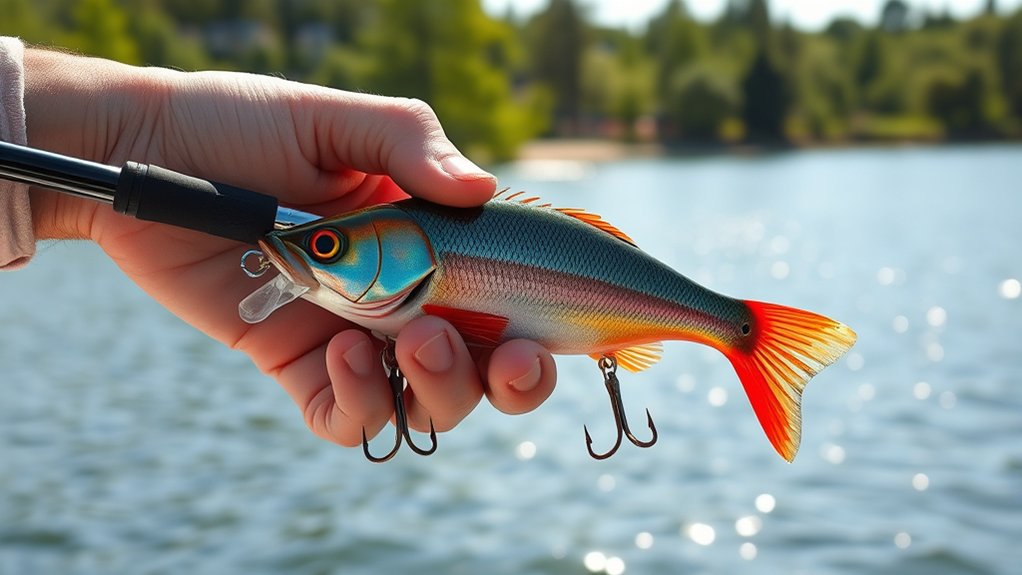
Crankbait fishing gets easier when you stop guessing and match the lure to the water in front of you. The right crankbait depends on depth, cover, water clarity, season, and how active the bass seem that day. Once you understand those basics, you can choose a bait with more confidence, make better casts, and use retrieves that trigger more strikes.
Quick Answer
For crankbait fishing, choose a lure that runs slightly deeper than the water or cover you want to hit. Use square-bills around shallow cover, round-bill divers for mid-depth or deep structure, and lipless crankbaits over grass or open flats. Match color to water clarity, then adjust retrieve speed until bass respond.
Key Takeaways
- Pick crankbaits by running depth first, then choose shape, wobble, and color.
- Square-bill crankbaits shine around shallow wood, rocks, docks, and grass edges.
- Round-bill crankbaits help you reach ledges, points, channel swings, and deeper cover.
- Lipless crankbaits work well over grass, flats, and open water because you control their depth.
- A medium or medium-heavy moderate-action rod helps keep treble-hooked bass pinned.
At a Glance
| Time Required | 15 to 30 minutes to choose a bait and pattern; a full trip to refine the retrieve. |
| Difficulty | Beginner-friendly, with better results as you learn depth control and contact with cover. |
| Tools Needed | Crankbait rod, baitcasting or spinning reel, fluorocarbon or monofilament line, crankbait box, pliers, and replacement treble hooks. |
| Cost | Low to moderate. You can start with a few shallow, medium, deep, and lipless crankbaits. |
Types of Crankbaits
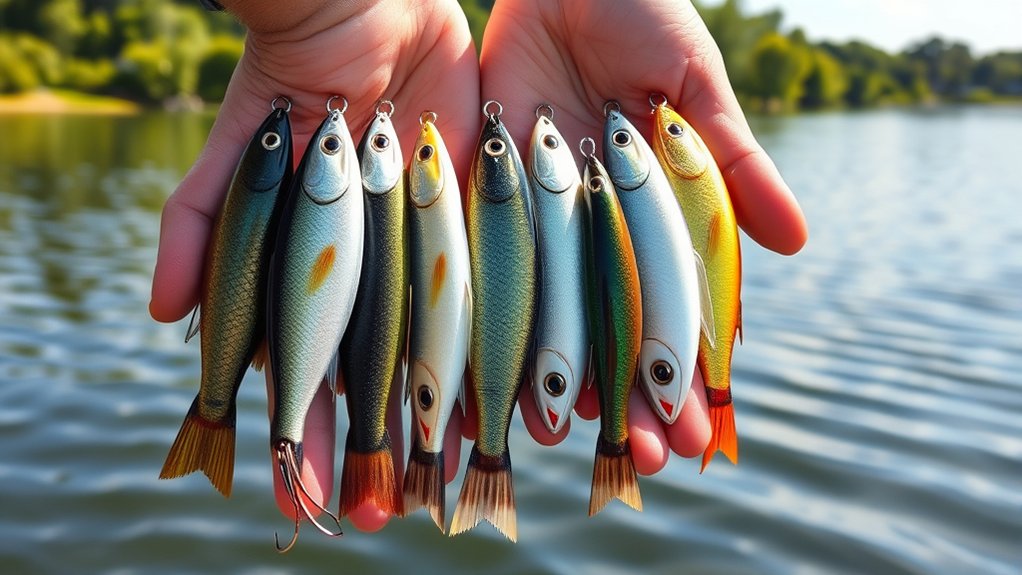
When you start with crankbait fishing, understanding the main crankbait types helps you choose the right lure faster. Most crankbaits fall into three useful groups: round-bill crankbaits, square-bill crankbaits, and lipless crankbaits. Each one has a different running depth, action, and best use around cover.
Round-bill crankbaits usually have a rounded diving lip that helps the lure dig, wobble, and reach a set depth range. Depending on the model, bill size, line size, cast length, and retrieve speed, round-bill crankbaits may run from shallow water to deep zones. They are useful around points, ledges, creek channels, rock transitions, and deeper brush.
Square-bill crankbaits have a squared lip that helps the lure bounce and kick off hard cover. They work well in shallow water, often around wood, rocks, stumps, docks, riprap, and shallow grass edges. That deflection is important because many crankbait strikes happen right after the lure bumps cover and changes direction.
Lipless crankbaits do not have a diving bill. They sink, vibrate tightly, and let you control the running depth with rod angle, line size, retrieve speed, and countdown time. They are strong choices over submerged grass, across flats, along weed edges, and through open-water baitfish schools.
Each style gives you a different way to cover water and trigger bass. Instead of choosing by color first, start by asking one simple question: where do you want the lure to run?
Selecting the Right Depth and Action
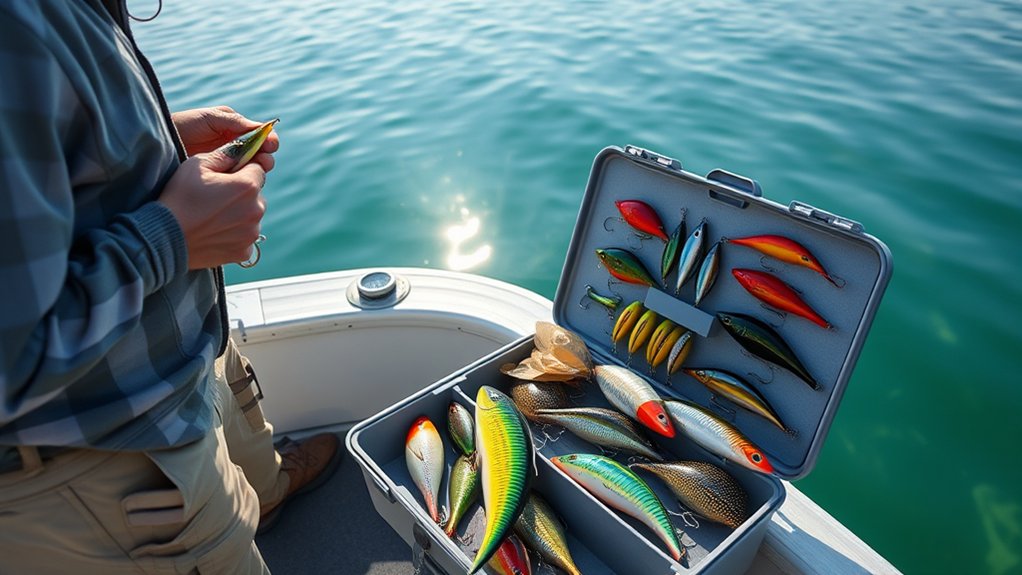
Selecting the right depth and action for your crankbait is one of the most important parts of the process. A crankbait usually works best when it runs close to the fish, bumps the bottom, ticks grass, or deflects off cover. If the bait runs too high, bass may ignore it. If it digs too deep into heavy cover, you may snag more than you catch.
For shallow water, square-bill crankbaits are often a smart choice. They can grind through rocks, bounce off wood, and create an erratic action that makes bass react. Around shallow cover, choose a bait that runs just deep enough to make contact without burying itself on every cast.
For mid-depth banks, points, and flats, a medium-diving round-bill crankbait gives you more control. Try to choose a lure rated for the depth you are fishing, then use line size and rod angle to fine-tune how deep it runs. Lighter line often helps a crankbait dive deeper, while heavier line can keep it slightly higher.
For deep structure, deep-diving crankbaits work best when you can make long casts and keep the lure in the strike zone. Cast past the target, crank until the lure reaches depth, then slow down enough to keep it digging or ticking cover. Deep crankbait fishing takes patience, but it can be very effective when bass hold on ledges, offshore humps, or channel drops.
If you are fishing above the bottom or over weed beds, lipless crankbaits give you more freedom. You can burn them over grass, yo-yo them through deeper water, or rip them free when they catch strands of vegetation. That ripping motion often triggers reaction bites from bass hiding in grass.
Action matters too. In colder water, a tighter wobble can look more natural because baitfish and crawfish often move slower. In warmer water, wider wobble, stronger vibration, and erratic actions can help trigger aggressive fish. Always keep the fish’s location, water temperature, and cover type in mind before choosing your bait.
Note: The depth printed on a crankbait package is a guide, not a guarantee. Casting distance, line diameter, current, rod position, and retrieve speed can all change how deep the lure actually runs.
Color Selection for Crankbaits
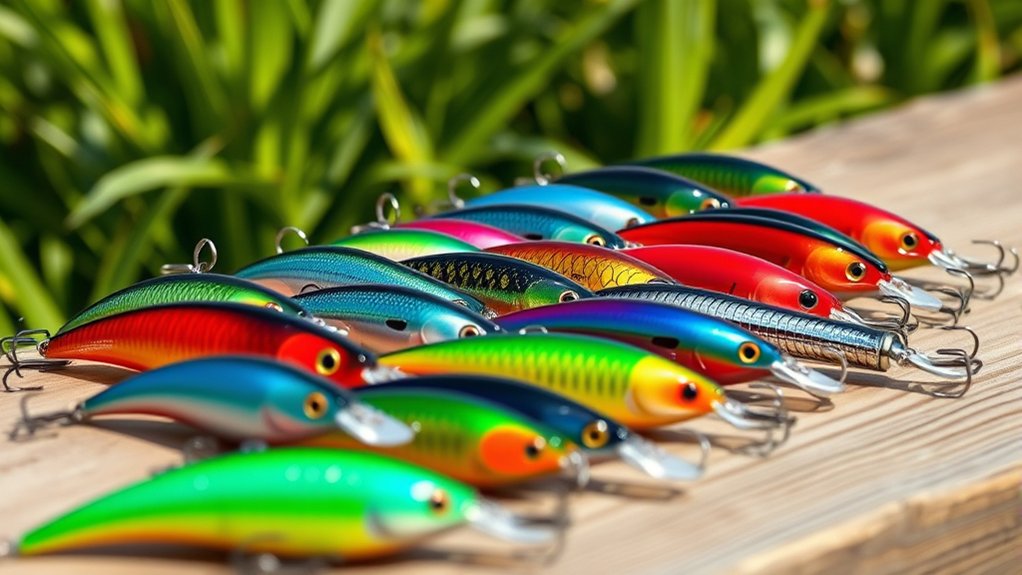
How do you choose the right color for your crankbaits? Start with a simple system based on water clarity, available forage, light level, and season. You do not need dozens of colors to catch bass. A small set of natural, bright, and craw-style patterns can cover most situations.
In clear water, use lifelike colors that match local forage such as shad, bluegill, perch, or crawfish. Shad-style patterns, translucent finishes, ghost colors, and subtle silver or pearl sides can work well when bass have a clear look at the bait.
In stained water, choose colors that create more contrast. Chartreuse with a black back, firetiger-style patterns, orange accents, and stronger side flash can help bass find the lure. During off-colored water or low-light conditions, chartreuse is often a useful option because it stands out better than many natural patterns.
Seasonal changes also affect color. Red craw and orange craw patterns can work well when bass feed around rocky banks or when crawfish are a major food source. Shad patterns can be strong around baitfish schools, points, and open flats. Bluegill colors may be useful around shallow grass, docks, and spawning areas where bass guard territory.
Popular options for effective crankbait fishing include chartreuse with a black back, sexy shad, natural shad, bluegill, and red craw patterns. Instead of changing colors after only a few casts, first make sure your bait is running at the right depth and contacting the right cover. Depth and presentation usually matter more than a small color change.
Recommended Gear for Crankbait Fishing
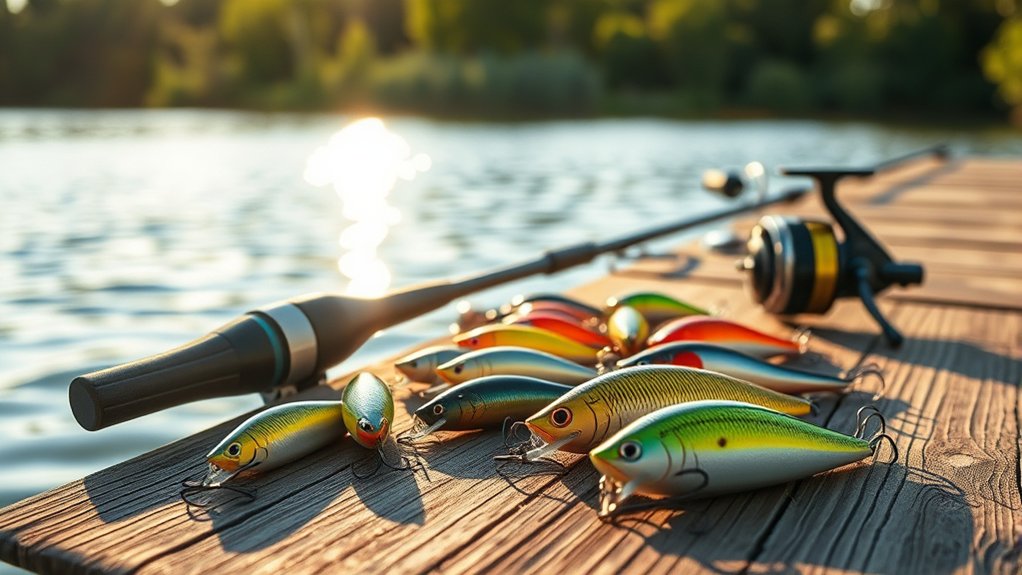
To maximize your success in crankbait fishing, use gear that helps the lure work correctly and keeps treble-hooked bass connected. Crankbaits usually perform best with a rod that loads smoothly during the cast and bends when a fish surges. That softer bend can reduce pulled hooks.
A medium-heavy rod around 7 to 7.6 feet long with a moderate taper works well for many crankbait sizes. For smaller shallow crankbaits, a medium-power rod may feel better and cast lighter baits more easily. For large deep-diving crankbaits, a longer medium-heavy rod can help with casting distance and leverage.
Pair the rod with a baitcasting reel that matches the crankbait style. A gear ratio between 6:1 and 7:1 works well for many square-bill and lipless crankbaits because it lets you control speed without overworking the lure. For deep-diving crankbaits, some anglers prefer a slower reel because it reduces fatigue and helps keep the bait digging steadily.
Line choice also affects depth and action. 15-pound fluorocarbon is a solid starting point for shallow water and heavier cover. For crankbaits running around 4 to 7 feet, 12- to 14-pound fluorocarbon works well in many situations. If you need a bait to reach deeper water, 12-pound line or lighter can help the lure dive more efficiently.
Monofilament is another useful choice, especially for beginners. It has more stretch than fluorocarbon and can be forgiving with treble hooks. Fluorocarbon sinks and can help keep the lure lower in the water column. Both can work, so choose based on depth, cover, and how much feel you want.
Do not overlook premium hooks from brands like Gamakatsu or VMC, as sharp hooks can improve hook-up ratios. Check your treble hooks often, especially after grinding through rocks, wood, or shell beds. If a hook point slides across your fingernail instead of catching, it may need sharpening or replacing.
Organizing your crankbaits into three plastic boxes by depth categories, such as shallow, medium, and deep, makes bait selection faster. You can also separate lipless crankbaits, craw colors, and shad colors if you carry more lures. A simple system saves time and keeps you fishing instead of digging through tackle.
Warning: Crankbaits use exposed treble hooks. Use pliers when unhooking fish, keep hooks away from your hands, and check local rules for hook limits, seasons, and protected areas before fishing.
Techniques for Effective Crankbait Fishing
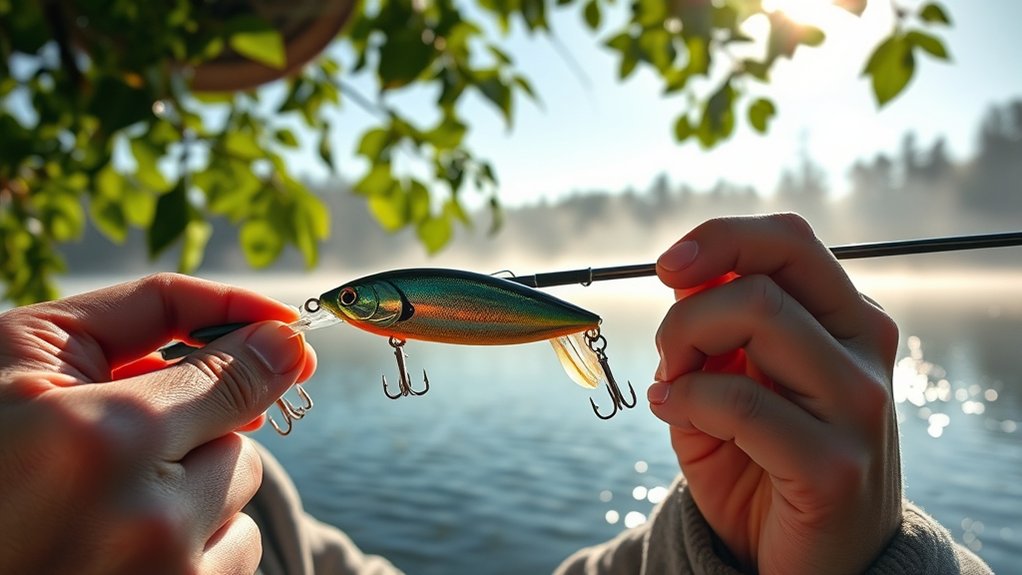
Effective crankbait fishing depends on more than casting and reeling. You need to control depth, make contact with cover, and change your retrieve when bass stop reacting. The best retrieve can change by hour, so treat every trip like a test.
- Steady Retrieve: Maintain a consistent medium pace while targeting structure. When the lure deflects from logs, rocks, stumps, or dock posts, it can trigger bass that are waiting nearby.
- Crank and Pause: After the lure bumps into an object, pause for about two seconds. This brief stop can make the bait look vulnerable, especially when bass follow but hesitate to strike.
- Adjust for Seasonal Changes: Use faster retrieves in warm water when bass are active. Slow down during colder months, especially when bass are holding deeper or tight to cover.
- Experiment in Open Water: Try different angles with a reel-and-pause method, such as 10 cranks followed by a 2-second pause. This can help you dial into the bass’s preference.
Using a medium-heavy rod from 7′ to 7’6″ and a 6:1 or 7:1 gear ratio reel can improve control and sensitivity. Still, your retrieve matters most. If bass are swiping and missing, slow down or add a pause. If they are not reacting, speed up, change angles, or choose a bait with more vibration.
Where to Cast Crankbaits
Crankbaits are search baits, which means they help you cover water and find active fish. Focus on areas where bass can ambush prey. These spots usually include changes in depth, current, cover, shade, or bottom type.
- Rock banks and riprap: Cast parallel to the bank so the lure stays in the strike zone longer.
- Wood cover: Use a square-bill crankbait and let it deflect off stumps, laydowns, and branches.
- Grass edges: Run a lipless crankbait over the grass, then rip it free when it catches.
- Points and ledges: Use medium or deep divers to contact the bottom where bass feed.
- Docks: Cast beside posts, corners, and shade lines with shallow or medium crankbaits.
- Wind-blown banks: Try shad or baitfish colors where wind pushes food toward the shoreline.
Boat position and casting angle matter. A crankbait works better when it travels naturally through the target zone. Cast past the cover when possible, then bring the lure through it instead of landing directly on top of the fish.
Pro Tip: If you are not hitting anything, change something. Move shallower, move deeper, switch bill styles, cast at a new angle, or use lighter line to help the bait reach more depth.
Common Crankbait Mistakes to Avoid
Many beginners struggle with crankbaits because they fish them too randomly. A crankbait is not just a lure you throw anywhere. It performs best when you know the depth, choose a matching bait, and make it contact cover or the bottom.
- Fishing above the fish: If bass hold near the bottom, a crankbait running too shallow may never get noticed.
- Using one retrieve all day: A steady retrieve works, but pauses, speed changes, and deflections often create more bites.
- Changing colors too soon: Before switching colors, make sure your lure is reaching the right depth and passing near fish.
- Using a rod that is too stiff: Extra-fast rods can pull treble hooks free when a bass jumps or surges.
- Ignoring hook sharpness: Dull treble hooks cost fish, especially when bass nip at the back of the bait.
- Setting the hook too hard: With crankbaits, keep pressure and sweep into the fish instead of using a violent hookset.
If you keep losing fish, check your drag, rod action, hook sharpness, and hookset style. A smooth drag and steady pressure often land more bass than a hard pull.
Seasonal Crankbait Strategy
Crankbait choice changes with the season because bass location and activity change. In cold water, bass often hold near deeper breaks, rock, or slow-moving forage. Tight-wobbling crankbaits and slower retrieves can be more effective.
In spring, crankbaits can shine around shallow banks, warming rocks, grass, and spawning flats. Red craw patterns, square-bills, and medium divers are all worth trying. Cast around transition areas where bass move from deep water toward shallow cover.
In summer, bass may feed early and late around shallow cover, then move deeper during bright or hot periods. Use square-bills around shallow shade, lipless crankbaits around grass, and deep divers on ledges, points, and offshore structure.
In fall, baitfish often become the main target. Shad-style crankbaits can work well along wind-blown banks, creek arms, points, and flats. In winter, slow your retrieve, choose tighter actions, and focus on high-percentage areas instead of covering random water.
Troubleshooting Crankbait Problems
If your crankbait is not producing, make one change at a time. This helps you learn what matters instead of guessing. Start with depth, then retrieve speed, then action, then color.
- The lure keeps snagging: Use a shallower-running crankbait, raise your rod tip, or switch to a square-bill around heavy cover.
- The lure never touches bottom: Use a deeper-diving model, lighter line, a longer cast, or a lower rod tip.
- Bass follow but do not strike: Add pauses, change speed, deflect off cover, or try a more subtle color.
- Bass miss the bait: Slow down, check hook sharpness, and avoid jerking the rod too hard.
- The lure runs sideways: Check for bent line ties, damaged bills, weeds on hooks, or line wrapped around the front treble.
Small adjustments can make a major difference. When you find a pattern, repeat it. Pay attention to the exact depth, cover, color, retrieve, and casting angle that produced the strike.
Related Guides
Frequently Asked Questions
How do you fish a crankbait for beginners?
Choose a crankbait that runs near the depth you want to fish, then cast past cover such as rocks, grass, docks, or wood. Retrieve it steadily until it bumps something, then pause or slow down. Keep steady pressure when a bass bites so the treble hooks stay pinned.
What is the 80/20 rule in fishing?
The 80/20 rule in fishing means a large share of your catches often comes from a small share of your spots. Instead of fishing random water, focus on high-percentage areas such as points, cover, shade lines, grass edges, current breaks, and depth changes.
What is the 90/10 rule for bass fishing?
The 90/10 rule suggests that most bass may use a small portion of available water at any given time. For crankbait fishing, that means you should spend more time around structure, cover, baitfish, and depth changes instead of casting across empty-looking water.
What is the best setup for a crankbait?
A good all-around crankbait setup is a 7-foot medium or medium-heavy rod with a moderate action, a baitcasting reel in the 5:1 to 7:1 range, and 10- to 15-pound line. Use lighter line for deeper diving baits and heavier line around shallow cover.
Should a crankbait hit the bottom?
A crankbait does not always need to hit the bottom, but contact usually helps. Bumping rocks, ticking grass, or deflecting off wood can trigger reaction bites. In open water, you can also catch bass by running the bait through baitfish schools without touching bottom.
What color crankbait should I start with?
Start with natural shad or bluegill colors in clear water, chartreuse or high-contrast colors in stained water, and red craw patterns around rocks or during crawfish-focused periods. Keep your color choices simple until you understand depth and retrieve control.
Conclusion
In crankbait fishing, better results come from matching the lure to the depth, cover, water clarity, and bass activity level. Choose square-bills for shallow deflection, round-bill divers for deeper targets, and lipless crankbaits when you need speed, vibration, and depth control. Then fine-tune your color, gear, and retrieve until the fish show you what they want.
Do not overcomplicate the process. Start with a few proven crankbaits, organize them by depth, keep your hooks sharp, and focus on high-percentage areas. When your lure makes the right contact at the right speed, each cast gives you a better chance to trigger a strike.