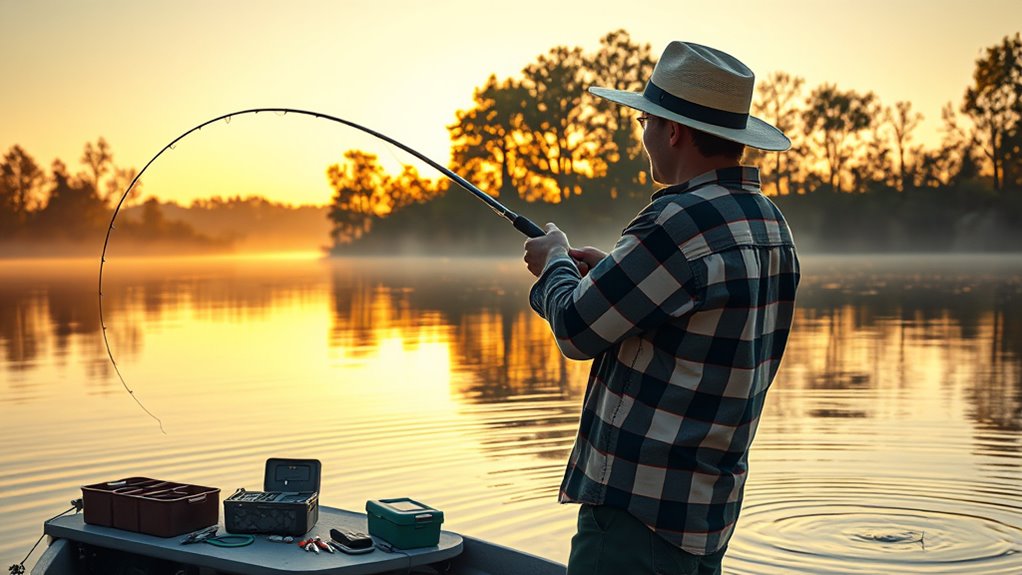
Bass fishing gets easier when you start with a simple setup, a small group of proven baits, and a clear plan for where to cast first. You do not need a huge tackle box to catch your first bass. You need gear you can control, lures that match common bass behavior, and enough patience to learn from each cast.
Quick Answer
To start bass fishing, use a 7-foot medium-power or medium-heavy rod, a 2000 to 3000 size spinning reel, and 8- to 12-pound line. Fish ponds, docks, weeds, rocks, and shallow cover with plastic worms, spinnerbaits, crankbaits, or live bait. Focus on early morning, late afternoon, spring, and fall.
Key Takeaways
- Start with a simple spinning setup before buying advanced rods, reels, and specialty lures.
- Plastic worms, spinnerbaits, crankbaits, and live bait give beginners enough variety for most ponds and small lakes.
- Bass often hold near cover, shade, weeds, docks, rocks, logs, drop-offs, and current breaks.
- Low light periods, mild water temperatures, and stable weather usually create better beginner fishing conditions.
- Handle bass gently, keep them wet, remove hooks quickly, and release them carefully when you do not plan to keep them legally.
At a Glance
| Time Required | 1 to 3 hours for a beginner pond trip |
| Difficulty | Beginner-friendly |
| Tools Needed | Rod, reel, fishing line, hooks, pliers, baits, license, and a small tackle box |
| Cost | Budget-friendly starter gear is enough for your first trips |
Getting Started in Bass Fishing
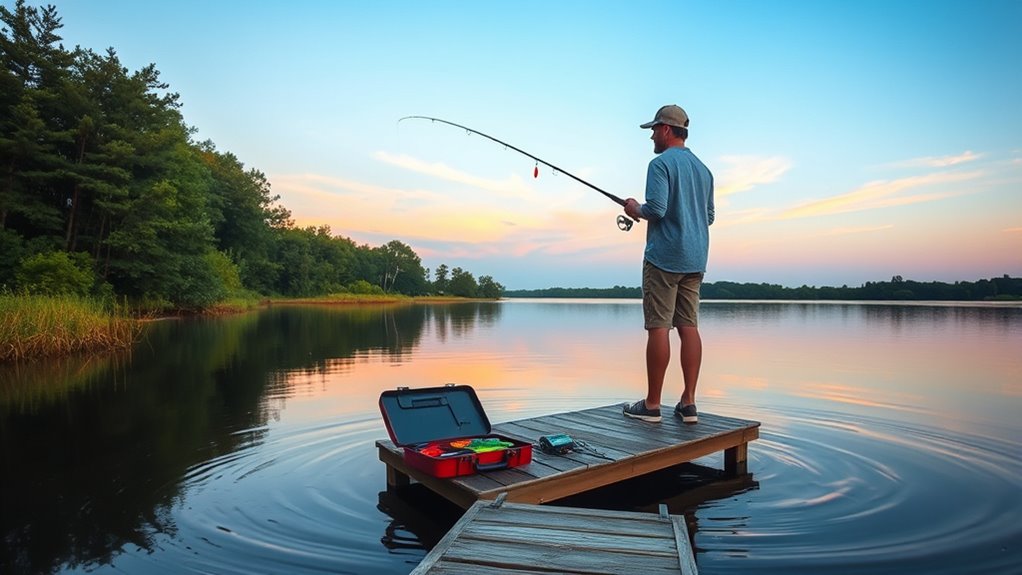
When you’re getting started in bass fishing, choose equipment that feels easy to cast and control. A 7-foot rod gives you enough length for distance, line control, and solid hooksets. A medium or medium-heavy power rod works well for many beginner bass techniques.
Pair that rod with a 2000 to 3000 size spinning reel. A spinning reel is usually easier for beginners than a baitcaster because it handles lighter lures well and reduces backlash problems. A closed-face push-button reel can work for young anglers, but most adults will get better performance from a basic spinning reel.
Use 8- to 12-pound monofilament or fluorocarbon line for a simple starter setup. Lighter 6- to 8-pound line can work in clear water or open ponds, but it gives you less strength around weeds, wood, and rocks. If you want one safe all-around choice, start near 10-pound line.
Start simple: one reliable rod, one spinning reel, one good line, and a few proven baits will teach you more than an overloaded tackle box.
Small ponds are great places to build confidence. They often hold catchable bass, and you can learn how fish react without needing a boat. Walk the bank slowly, cast near visible cover, and watch how bass respond when you change speed, depth, and lure style.
After you hook a bass, keep steady pressure on the fish. Avoid jerking the rod wildly or letting the line go slack. Guide the bass away from heavy cover, then land it with wet hands or a landing net.
Practice matters. Regular casting in open areas, shallow banks, and different wind conditions will improve your control. The more accurately you cast near cover, the more often you will put your bait where bass are waiting.
Warning: Always check your state or local fishing rules before you fish. License rules, bass seasons, size limits, slot limits, and harvest rules can change by waterbody.
Starting Baits for Beginners
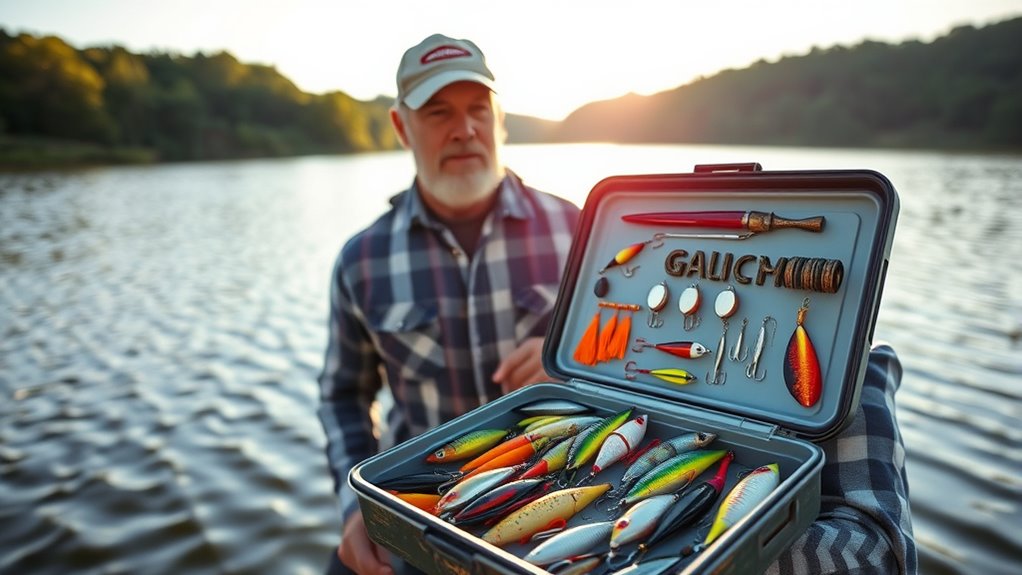
To target bass as a beginner, start with a few key baits: plastic worms, spinnerbaits, crankbaits, and live bait where legal. These options cover slow fishing, moving water, shallow banks, weeds, wood, and open pond edges.
Choose colors that mimic natural prey, such as green pumpkin, watermelon, black, bluegill, shad, and crawfish patterns. Keep a few brighter colors for stained water or cloudy days, but do not buy every color on the shelf.
Focus on mastering a small selection before expanding your tackle box. You will catch more fish by learning how each bait moves than by switching lures every few casts.
Essential Beginner Baits
A plastic worm is one of the best beginner bass baits because it works in ponds, lakes, and slow rivers. Rig it weightless, Texas-rigged, or on a small hook when bass are shallow or feeding slowly. Green pumpkin and watermelon red are strong starter colors because they look natural in many water conditions.
Crankbaits help you cover water quickly. Use shallow-diving crankbaits along banks, rocks, and grass edges. Use deeper-diving crankbaits when bass move away from the bank or hold near drop-offs. A steady retrieve works, but adding a short pause can trigger strikes.
Spinnerbaits are useful around wood, grass, stained water, and windy banks. A 3/8-ounce spinnerbait is a good all-around size for beginners. The flash and vibration help bass find it when visibility is low.
Live bait, such as nightcrawlers, minnows, shiners, and crayfish, can also catch bass when allowed by local rules. Live bait teaches you how bass bite, fight, and move around cover. Check regulations first because bait rules vary.
Avoid over-purchasing tackle. A small box with three or four bait styles will keep your choices clear and help you learn faster.
Color and Size Selection
Choosing the right color and size can improve your bass fishing success. In clear water, start with natural colors. In muddy or stained water, use darker colors, brighter colors, or lures that create vibration.
For plastic worms, 4- to 7-inch sizes work well for many beginner situations. Smaller worms can help when bass are pressured or feeding lightly. Larger worms can draw bigger bites around weeds and shallow cover.
For crankbaits, carry both shallow and deep divers. A shallow crankbait works near banks, docks, and rocks. A deeper bait helps when bass hold off the bank during heat, cold fronts, or bright sun.
For spinnerbaits, start with 3/8 ounce. It casts well, runs at useful depths, and works around common pond cover.
| Bait Type | Recommended Size | Suggested Colors |
|---|---|---|
| Plastic Worms | 4 to 7 inches | Green Pumpkin, Watermelon Red Seed, Black, Junebug |
| Crankbaits | Shallow and deep divers | Natural Shad, Bluegill, Crawfish, Bright Colors |
| Spinnerbaits | 3/8 oz | White, Chartreuse, Bluegill, Natural, Bold Colors |
Pro Tip: Change one thing at a time. Before you switch lures, try changing your retrieve speed, casting angle, or depth. This helps you learn what actually triggered the bite.
Beginner Bass Fishing: Where to Fish First
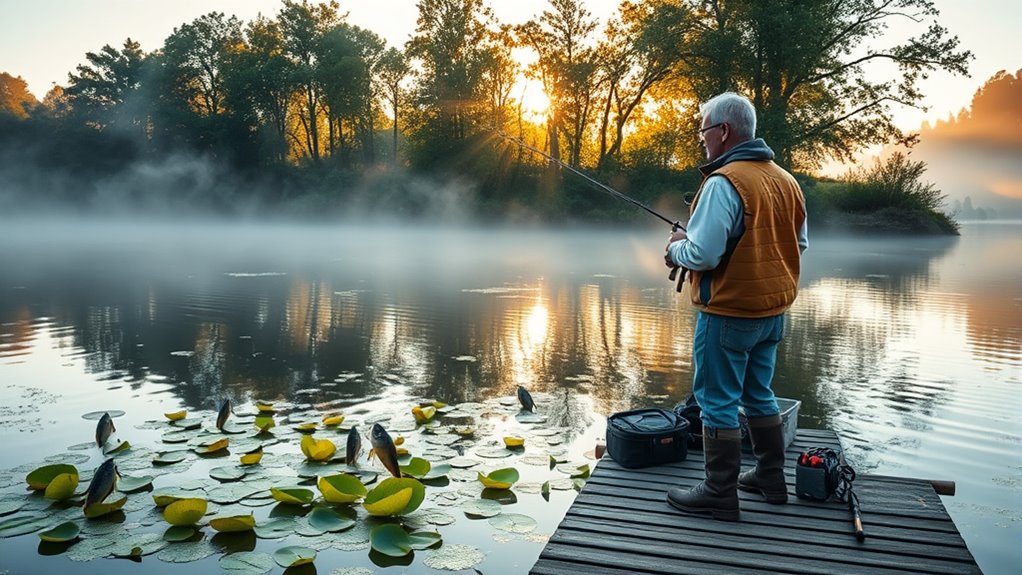
Beginners often find the fastest success in small ponds, neighborhood lakes, farm ponds, and park ponds that allow fishing. These places usually offer easy bank access, visible cover, and enough shallow water to make casting simple.
Start by fishing shallow areas near cover. Bass use cover as shade, protection, and ambush space. Boat docks, laydown trees, submerged logs, rocks, lily pads, reeds, grass lines, and drain pipes can all hold fish.
Focus on shallow areas and key structures like docks, weeds, rocks, and logs. These spots give bass shade, cover, and easy ambush points.
Look for changes in the environment. A muddy bank that turns into gravel, a grass edge that meets open water, or a shallow flat that drops into deeper water can attract bass. These transition zones help fish move between feeding and resting areas.
Experiment with different pond locations instead of standing in one place all morning. Make several fan casts from one spot, then move a few steps down the bank. Covering water helps you find active fish faster.
Pay attention to what happens after each bite. Note the depth, cover type, lure, retrieve speed, and time of day. Bass often repeat patterns, so one bite can tell you where to cast next.
Where to Find Bass
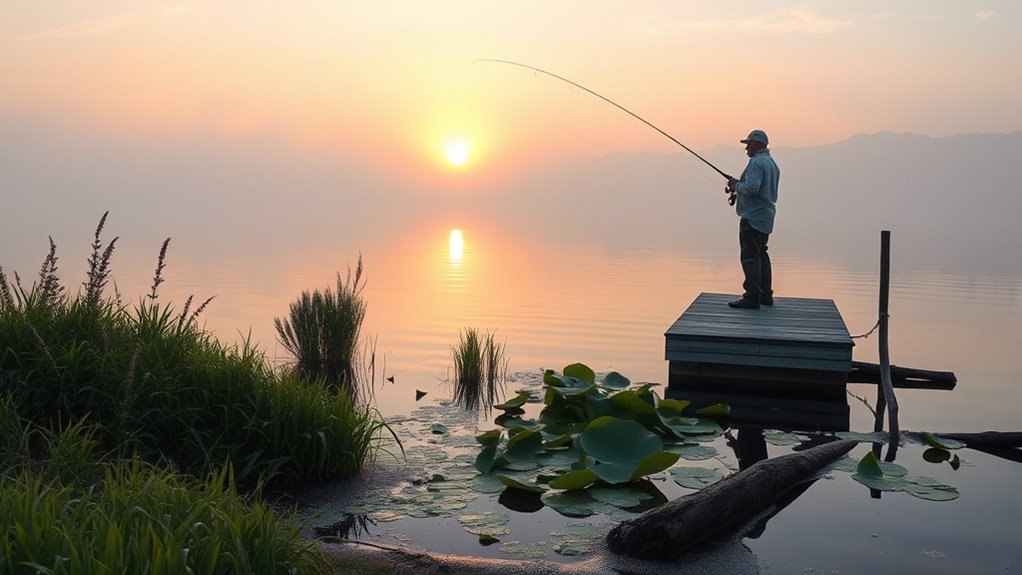
Although bass can be elusive, knowing where to find them greatly increases your chances of a successful catch. Bass rarely scatter at random. They usually relate to food, cover, depth, temperature, oxygen, and safety.
- Shallow Water: Focus on banks near docks, lily pads, reeds, grass beds, and shaded pockets. Bass often feed shallow when light is low or water temperatures are comfortable.
- Hard Cover: Look for rocks, logs, laydowns, brush piles, riprap, and stumps. These places give bass a strong ambush position.
- Vegetation: Grass beds, weed lines, pads, and hydrilla edges can hold baitfish and insects. Cast along the outside edge first, then work openings and pockets.
- Current Areas: In rivers and creeks, target eddies, bends, bridge pilings, laydowns, and submerged objects that break the flow. Bass often wait where current brings food to them.
- Depth Changes: Drop-offs, points, channels, and pond dams can hold bass during bright sun, cold fronts, or hot afternoons.
- Seasonal Areas: In spring, bass often move shallow to spawn. In summer, they may use shade, weeds, deeper water, and night feeding windows. In fall, they often follow baitfish back into shallower feeding zones.
Methods of Catching Bass
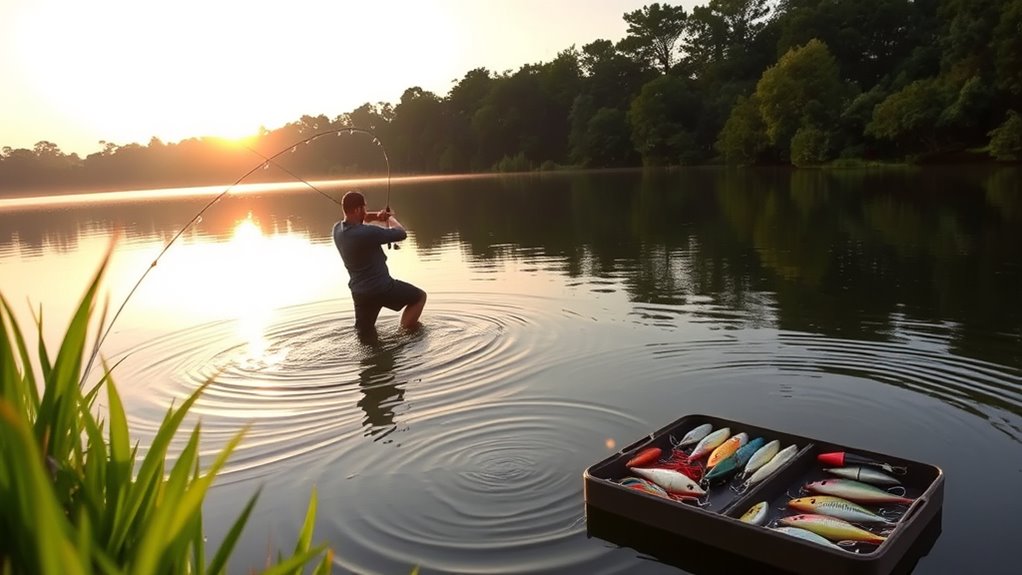
After you find likely bass locations, choose a method that matches the cover and fish activity. Beginners should learn a few dependable techniques instead of trying every advanced rig at once.
Crankbaits work well when bass chase baitfish or feed along rocks, banks, and points. Cast past the target, reel steadily, and let the lure bump cover when possible. That sudden deflection can trigger a reaction strike.
Spinnerbaits are strong choices around wood, grass edges, and stained water. Their blades flash and vibrate, so bass can find them even when visibility is poor. Keep your rod tip up around shallow cover and slow down when the lure passes a target.
Texas-rigged plastics are ideal for weeds, brush, docks, and thick cover. Slide a bullet weight onto your line, tie on a worm hook, rig the plastic straight, and bury the hook point lightly. This setup comes through cover better than many exposed-hook baits.
Weightless plastic worms are excellent for calm ponds and shallow bass. Cast near cover, let the worm sink slowly, and watch your line. Many bites happen as the worm falls.
Drop shot worms work well in clearer or pressured water. Keep movement small and controlled. This method can catch bass that ignore faster lures.
Live bait can help beginners learn how bass bite. Use a small hook, a bobber or light weight when needed, and enough patience to let the fish take the bait before you set the hook.
Always use a strong knot and check your line often. Bass can fray line around rocks, wood, and weeds. Retie if you feel rough spots near the lure.
Note: If you miss a strike, cast back to the same spot right away. Bass often stay near the same cover after a short bite or missed hookset.
Best Times to Fish for Bass
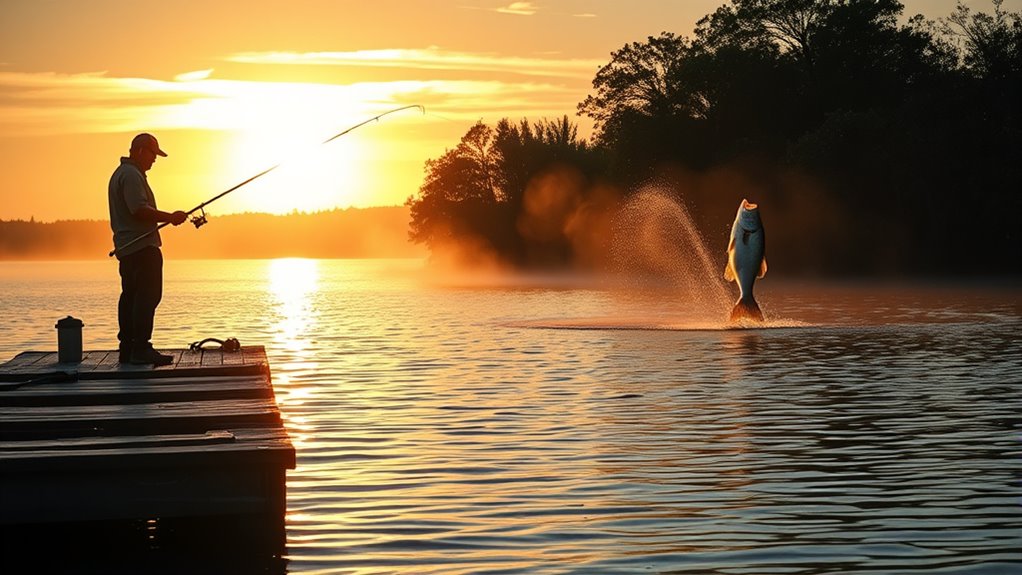
To maximize your bass fishing success, focus on low-light periods. Early morning and late afternoon often give beginners the best chance because bass feel safer moving shallow to feed.
Spring and early summer can be excellent because bass become more active as water warms. When water temperatures are comfortable, bass often move toward shallower cover, spawning areas, and feeding zones.
Seasonal patterns matter, but daily weather also changes bass behavior. Stable weather can keep fish active. A sudden cold front can make bass slower and more likely to hold tight to cover or deeper water.
Early Morning Success
Early morning can be your best window for beginner bass fishing. Light levels are low, boat traffic is often lighter, and baitfish may be active near the bank.
Here are four reasons to prioritize early morning fishing:
- Low Light Conditions: Bass feel safer in dim light, so they may move shallow and strike more confidently.
- Shallow Feeding: Bass often feed near banks, grass, docks, and laydowns before the sun gets high.
- Comfortable Temperatures: Morning water can be cooler during hot months, which may improve activity.
- Better Topwater Chances: Calm morning water can make topwater lures, weightless worms, and shallow moving baits more effective.
Seasonal Activity Patterns
Understanding seasonal activity patterns helps you choose better locations and baits. In spring, bass often move shallow as water warms. In summer, they may feed early, late, or at night, then hold near shade, weeds, or deeper water during hot afternoons.
Fall can produce strong fishing because bass often feed heavily before winter. In winter, bass usually slow down and hold deeper or near stable cover, so slower presentations often work better.
| Season | Best Time | Recommended Location |
|---|---|---|
| Spring | Sunrise and sunset | Shallow areas, spawning pockets, cover, and warm banks |
| Summer | Early morning, evening, and night | Shade, grass, docks, deeper water, and oxygen-rich areas |
| Fall | Morning through late afternoon | Shallow feeding zones, points, baitfish areas, and wind-blown banks |
Essential Equipment for Beginners
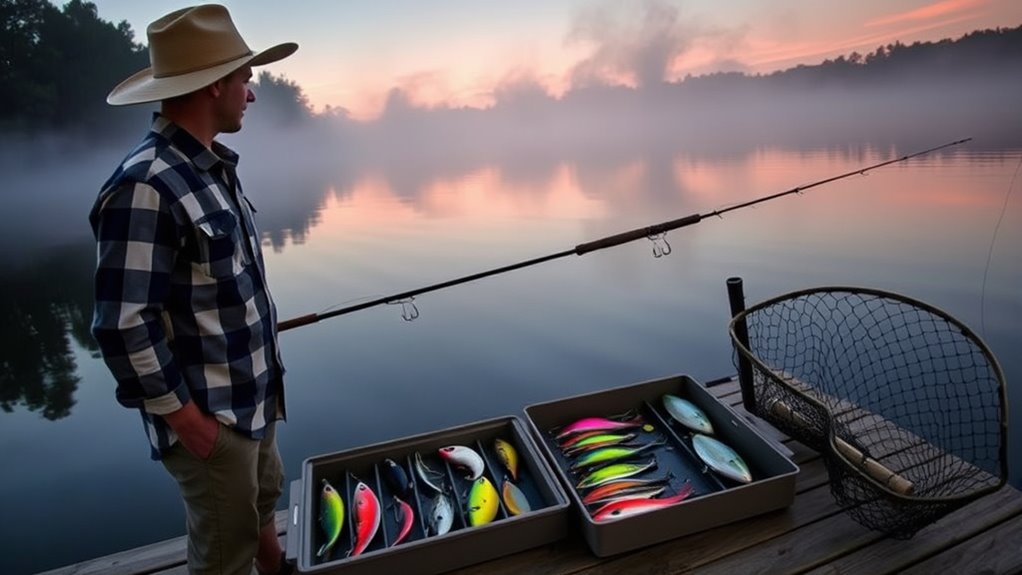
A solid beginner bass fishing setup should be simple, durable, and easy to use. You do not need expensive gear to start. You need gear that helps you cast accurately, feel bites, set the hook, and land fish safely.
To make sure you’re equipped for success, consider these essentials:
- Rod: Choose a 7-foot medium or medium-heavy spinning rod. Medium power works well for lighter lures and open water. Medium-heavy power helps around weeds, docks, and wood.
- Reel: Use a 2000 to 3000 size spinning reel. It should feel smooth, balance well with your rod, and hold enough line for long casts.
- Fishing Line: Start with 8- to 12-pound monofilament or fluorocarbon. Use lighter line in clear open water and stronger line near cover.
- Hooks and Weights: Carry worm hooks, small bait hooks, bullet weights, split shot, and a few jigheads. These let you fish soft plastics and live bait in different ways.
- Essential Lures: Stock up on plastic worms, shallow crankbaits, 3/8-ounce spinnerbaits, and a few natural-color options.
- Tools: Bring needle-nose pliers, line cutters, a small tackle box, sunscreen, water, and a landing net if you have one.
- Safety Gear: Wear a personal flotation device when fishing from a boat, kayak, dock, or steep bank. Keep hooks covered when you transport rods.
- License: Carry the fishing license required in your area. Some ponds or private waters may also have separate permission rules.
Keep your first setup practical. A modest starter budget can still buy gear that catches bass and lasts through many trips.
How to Set the Hook and Land a Bass
Setting the hook correctly helps you land more fish. The right hookset depends on the bait. With single-hook plastics, reel down until the line tightens, then sweep the rod back firmly. With treble-hook crankbaits, use steady pressure instead of a hard snap.
Once the bass is hooked, keep your rod bent. The bend acts like a shock absorber and helps keep the hook pinned. If the fish jumps, lower your rod tip slightly and keep steady pressure so the line does not go slack.
Guide the fish away from weeds, rocks, dock posts, and branches. If it gets into cover, stay calm and keep pressure steady. Pulling too hard can break the line or tear the hook loose.
When the bass gets close, avoid lifting it high on light line. Use a net, lip the fish carefully, or slide it gently into shallow water if conditions are safe.
Common Beginner Mistakes to Avoid
Many new anglers struggle because they change baits too often, fish too fast, or ignore obvious cover. Slow down and focus on making accurate casts to high-percentage spots.
- Using too much tackle: A packed tackle box can create confusion. Start with a few proven options.
- Fishing too quickly: Bass may need a slower retrieve, especially during cold fronts or bright sun.
- Ignoring line movement: With soft plastics, watch for jumps, twitches, or sideways movement in the line.
- Standing too close to the bank: Bass can hold near your feet. Make a few short casts before walking to the edge.
- Forgetting to retie: Rocks, wood, and fish teeth can weaken your line. Check it often.
- Skipping local rules: Always know license, season, size, and harvest rules before keeping fish.
Frequently Asked Questions
What is the best season for bass fishing?
Spring is often one of the best seasons for bass fishing because bass move shallower as water warms. Fall can also be excellent because bass feed heavily before winter. In summer, focus on early morning, evening, night, shade, and deeper water.
How do I properly release a caught bass?
Wet your hands before touching the bass, remove the hook with pliers, support the fish horizontally, and keep it out of water for as little time as possible. Lower it into the water and let it swim away when it has regained strength.
Can I fish for bass from the shore?
Yes, you can catch bass from shore. Focus on cover you can reach from the bank, such as grass, rocks, docks, logs, shade, drain pipes, and drop-offs. Walk quietly and cast before you step right to the water’s edge.
What licenses do I need to fish for bass?
You usually need a valid fishing license for the state or province where you fish. Rules vary by age, residency, waterbody, and season. Check the local fish and wildlife agency before your trip so you understand license, size, and harvest rules.
How do weather changes affect bass fishing?
Weather changes can affect bass activity. Warm, stable weather may improve feeding, while sudden cold fronts can make bass less active. Cloud cover can keep fish shallow longer. Bright sun often pushes bass toward shade, vegetation, docks, or deeper water.
What is the easiest lure for a beginner bass angler?
A soft plastic worm is one of the easiest beginner lures. You can fish it slowly, cast it near cover, and use it in ponds, lakes, and calm water. Spinnerbaits are also easy because you can cast and retrieve them steadily.
Conclusion
Now that you’ve got the basics of bass fishing under your belt, it’s time to hit the water and put your knowledge into practice. Think of each fishing trip as a puzzle. Each bait, cast, location, and retrieve teaches you something useful.
Start with simple gear, fish easy-access ponds, and focus on visible cover. Use plastic worms, spinnerbaits, crankbaits, or live bait, then adjust based on water clarity, weather, and bass activity.
With patience and persistence, you’ll develop your skills and confidence. Every cast gives you a chance to learn. Grab your gear, follow local rules, and enjoy the process of becoming a better bass angler.