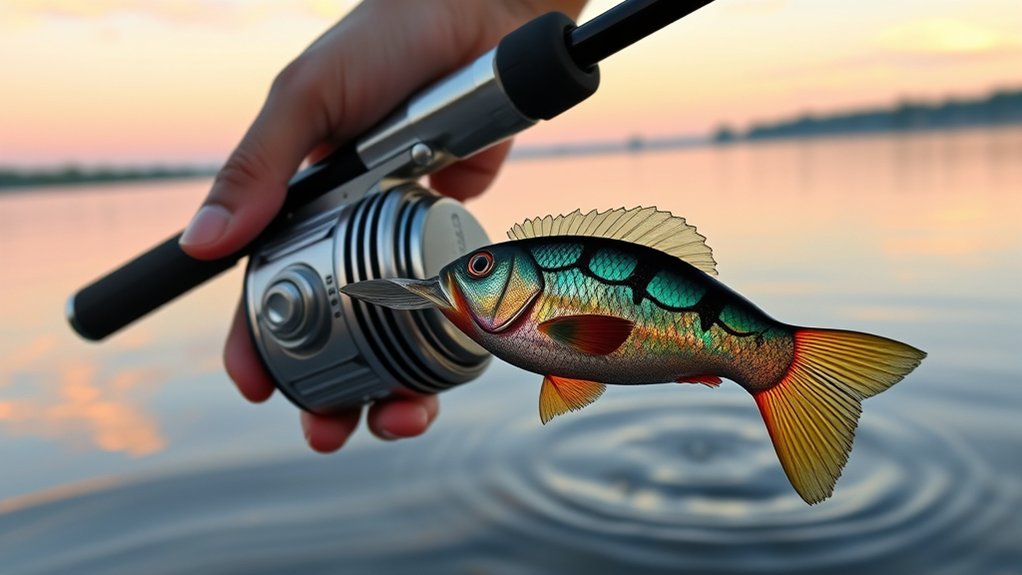
If you’re new to fishing with jerkbaits, you’re in for a fun and productive way to catch bass. These hard baits mimic injured or dying baitfish, which can trigger predatory fish to strike even when they are not feeding aggressively. Once you understand where to cast, how to work the lure, when conditions are right, and which setup to use, you can make every trip more focused and effective.
Quick Answer
Fish a jerkbait around clear-water points, wind-blown banks, brush piles, rocky edges, pockets, and baitfish schools. Cast long, work the lure with sharp rod snaps, then pause so it suspends like an injured baitfish. Use faster cadences for active fish and longer pauses in cold water.
Key Takeaways
- Jerkbaits work best when bass can see them, so clear water, wind-blown banks, and visible baitfish activity are strong signs to start casting.
- The pause matters as much as the jerk. Cold or pressured fish often need longer pauses, while active fish may chase a faster retrieve.
- Match jerkbait size, color, and running depth to the local forage, water clarity, and cover you are fishing.
- A medium-power rod, fluorocarbon line, and a reel that manages slack well will make the bait easier to control.
At a Glance
| Best Skill Level | Beginner to advanced |
| Best Seasons | Prespawn, spring, fall, and clear-water cold fronts |
| Best Conditions | Clear to lightly stained water, wind, baitfish activity, and active bass |
| Basic Gear | Suspending jerkbait, medium rod, fluorocarbon line, and baitcasting or spinning reel |
Where to Throw a Jerkbait
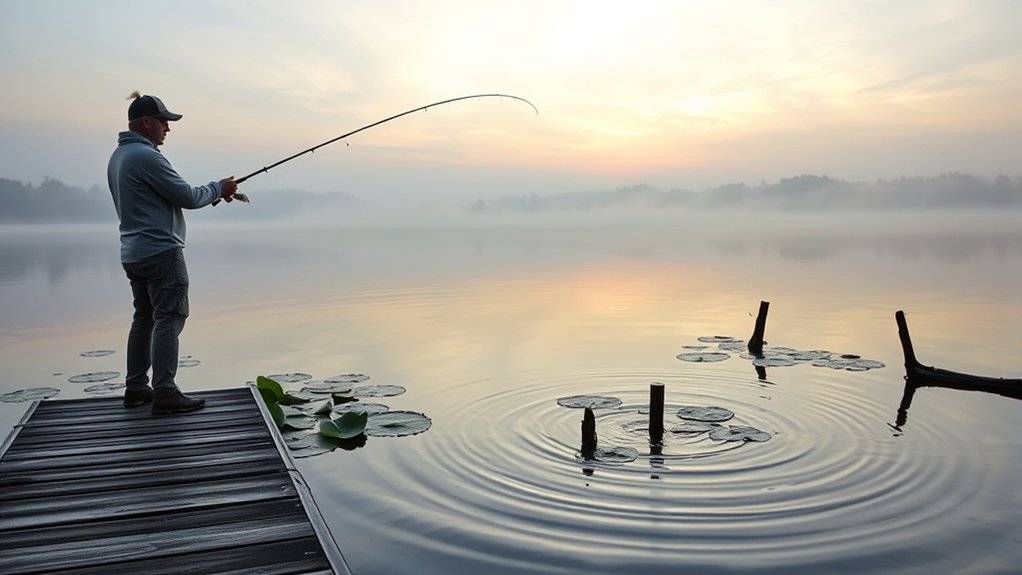
When you’re out on the water, knowing where to throw a jerkbait can greatly increase your chances of landing a big bass. Jerkbaits shine when bass are using sight, speed, and reaction to hunt baitfish, so your best areas usually combine visibility, cover, structure, and nearby forage.
Focus on fishing around isolated cover like brush piles, standing timber, dock posts, laydowns, grass edges, and single pieces of cover on otherwise clean banks. These spots often hide hungry bass because they give fish a place to ambush passing baitfish.
In clear water, your jerkbait becomes even more effective because bass can track the bait from farther away. This is one reason jerkbaits often work well on rocky lakes, highland reservoirs, clear ponds, and natural lakes with strong baitfish populations.
Fishing around isolated cover like brush piles can lead to uncovering hungry bass, especially in clear water where jerkbaits stand out and trigger reaction strikes.
Windy conditions can work to your advantage too. The moving water breaks up the surface, makes baitfish less cautious, and helps bass feed more confidently near wind-blown points, banks, pockets, and channel swings.
Don’t overlook open water. Jerkbaits can attract schools of bass suspended near baitfish, especially when you see birds diving, shad flickering on the surface, or fish chasing bait in the upper part of the water column.
Pay attention to pockets and areas with structure, since these locations often hold active fish willing to chase down your lure. Good targets include secondary points, riprap banks, bluff ends, bridge pilings, grass lines, rocky transitions, and the outside edges of spawning flats.
Pro Tip: Cast past the target instead of directly on top of it. This lets the jerkbait reach depth before it enters the strike zone, which gives bass more time to track and commit.
How to Work a Jerkbait
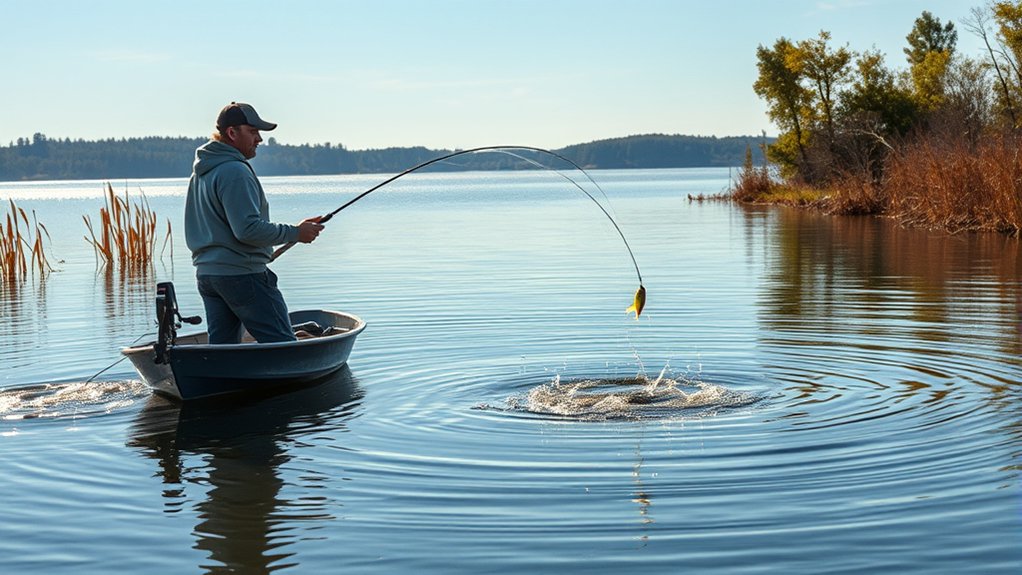
To effectively work a jerkbait, use a series of erratic jerks paired with pauses that mimic dying baitfish. Bass often strike during the pause, so resist the urge to move the lure too quickly after every twitch.
Start with a simple cadence: twitch, twitch, pause. Then vary it until the fish show you what they want. Some days bass want short, hard snaps. Other days they want soft pulls, long pauses, or a more subtle side-to-side glide.
Adjust your retrieve speed based on the species you’re after. Spotted bass often like quick movements and shorter pauses, while largemouth often respond better to slower, more deliberate actions with longer stops.
Pay attention to how bass react to your jerkbait, and don’t hesitate to tweak your technique to increase your chances of a strike. If fish follow but do not bite, slow down, change pause length, switch color, or try a smaller bait.
Erratic Jerking Techniques
While mastering erratic jerking techniques can take some practice, they’re essential for working a jerkbait effectively. Start by employing a series of erratic jerks followed by pauses to mimic dying baitfish, which is key to attracting bass.
Keep some slack in your line before each snap. A jerkbait usually darts better when you snap the rod tip on semi-slack line instead of dragging the lure forward on a tight line. After the snap, quickly reel enough slack to stay connected without pulling the bait out of position.
Adjust your jerking cadence based on the fish’s mood. Spotted bass often favor fast, erratic movements, while largemouth bass typically respond better to slower retrieves with longer pauses. Pay attention to how bass react. If they follow but don’t bite, tweak your speed or the length of your pauses.
In colder water, longer pauses may be necessary because bass often move more slowly. In warmer conditions, shorter pauses and faster movements may trigger more aggressive strikes. Incorporate snapping techniques on slack line with 2 to 3 quick snaps followed by a pause to maximize effectiveness.
Note: Many jerkbait bites feel like extra weight, not a hard hit. When the line jumps, stops early, or feels heavy after a pause, reel down and sweep into the fish.
Adjusting Cadence for Success
Mastering the art of jerkbait fishing involves more than just erratic jerking techniques. It also requires a keen understanding of how to adjust your retrieve cadence to match the fish’s mood, water temperature, and feeding activity.
Spotted bass often prefer fast, erratic jerks with minimal pauses, while largemouth bass respond better to slower retrieves with intermittent pauses. Smallmouth bass can be very aggressive around jerkbaits, especially near rock, clear water, and baitfish schools.
To enhance your success, consider these tips:
- Use erratic jerks followed by pauses to mimic dying baitfish.
- Experiment with pause durations; longer pauses often work better in colder water.
- Pay attention to bass reactions; if they follow but don’t bite, adjust your cadence.
- Tailor your tempo based on the species and their feeding behavior.
- Use softer pulls around pressured fish and sharper snaps when bass are chasing bait.
- Let the lure suspend beside cover before moving it again.
Common Jerkbait Retrieve Patterns
You do not need a complicated system to fish a jerkbait well. A few basic retrieve patterns cover most situations and give you a starting point when you arrive at the lake.
- Twitch, twitch, pause: This is the classic beginner pattern and works well in clear water around points, pockets, and cover.
- Three quick snaps, pause: Use this when fish are active, chasing bait, or feeding in wind.
- Single twitch, long pause: Try this in cold water or when fish follow the bait without striking.
- Soft pull, pause: This subtle retrieve works well in calm water, shallow areas, and pressured lakes.
- Fast rip, short pause: Use this to trigger reaction bites from suspended bass or schooling fish.
When to Throw a Jerkbait
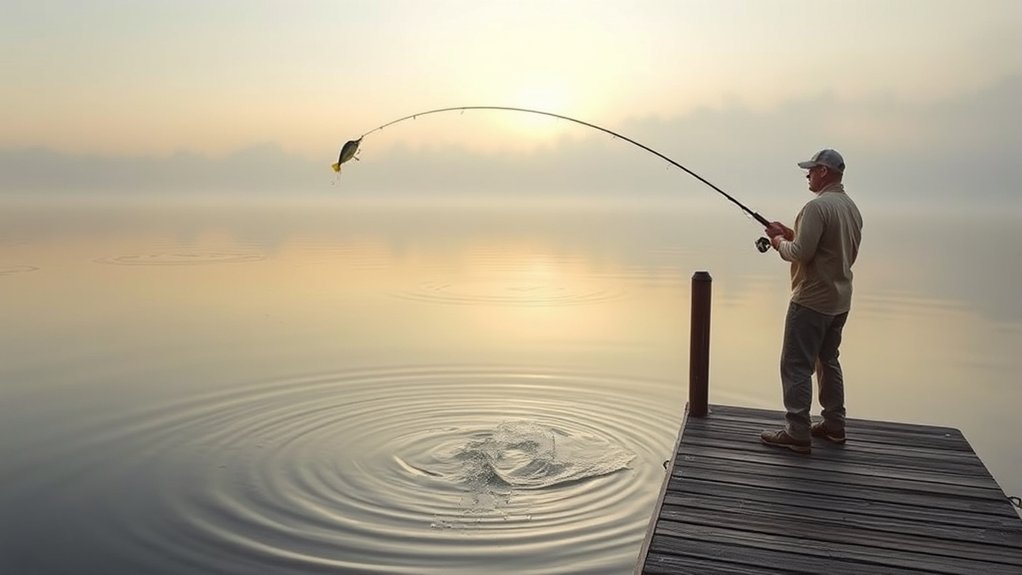
When it comes to jerkbait fishing, timing is everything. Jerkbaits can catch fish all year, but they are especially strong when bass are feeding on baitfish and willing to move several feet to strike.
You’ll often find the best success during spring and fall, when bass are actively feeding on baitfish. Spring prespawn fishing is a classic jerkbait window because bass stage near points, channel swings, and spawning pockets before moving shallow.
Pay attention to weather conditions and fish behavior, as these factors can greatly influence your catch. Wind, cloud cover, water clarity, baitfish movement, and sudden temperature changes can all affect how aggressively bass respond.
Seasonal Effectiveness
Although jerkbaits can be effective throughout the year, their true potential shines during the prespawn season when bass are aggressively feeding on baitfish. During this time, look for active fish willing to chase down your lure.
Jerkbaits also work well in fall, when shad and other baitfish move into creeks, pockets, and shallow feeding areas. In summer, they can still catch suspended bass over deep water, along shade lines, or around schooling fish. In winter, a suspending jerkbait with long pauses can tempt sluggish bass that will not chase faster lures.
Here are some key factors to take into account for seasonal effectiveness:
- Windy conditions: They enhance jerkbait effectiveness by disrupting surface clarity and making bass more comfortable feeding.
- Match the forage: Use jerkbaits that resemble the primary prey of bass for better results.
- Watch for signs: Look for schooling, surface activity, birds, bait balls, or fish chasing bait.
- Experiment: Don’t hesitate to try different baits, colors, cadences, and locations to find what works best.
- Slow down in cold water: Longer pauses can keep the bait in front of inactive fish long enough to trigger a bite.
With these tips, you’ll maximize your chances of catching more bass when using jerkbaits.
Optimal Weather Conditions
Ideal weather conditions can significantly enhance your success with jerkbaits, especially during key times of the fishing season. Windy days are your friends because they break up the surface and encourage bass to feed with more confidence. The prespawn season is prime time, as bass actively feed on baitfish.
Clear water helps fish see the lure from a distance, but stained water can still produce if you choose louder colors, larger profiles, or jerkbaits with more flash. Low-light periods, such as early morning, evening, cloudy days, and windy conditions, can also help bass commit.
Here’s a handy breakdown of optimal conditions:
| Condition | Effect on Jerkbait | Best Time to Fish |
|---|---|---|
| Windy | Breaks up the surface and helps trigger reaction bites | Anytime during prespawn or active feeding windows |
| Clear Water | Enhances lure visibility and natural baitfish appeal | Mid-morning to late afternoon, or whenever bait is active |
| Stained Water | Can still work with brighter colors, flash, or a stronger silhouette | Early morning, late evening, or windy banks |
| Matching Forage | Improves confidence because the lure resembles what bass are eating | When bass are actively feeding on shad, minnows, perch, or other baitfish |
| Observing Activity | Guides where and how fast you should work the bait | When fish are chasing bait, schooling, or following your lure |
Active Fish Behavior
Understanding active fish behavior is key to effectively using jerkbaits. You’ll find the best success when bass are on the hunt, particularly during the prespawn season when they chase baitfish aggressively.
Watch how fish respond during the first few casts. If bass strike hard, keep moving and cover water. If they follow the lure or swipe at it without connecting, slow your pause, change your cadence, or try a jerkbait that runs slightly deeper.
Keep an eye on the following factors:
- Windy conditions: Increased surface disturbances often trigger fish to chase.
- Schooling activity: Bass respond better when they’re actively targeting prey.
- Water temperature: Jerkbaits can work across a wide range, but many anglers see strong results when bass are feeding in cool to moderate water.
- Forage matching: Use jerkbaits that resemble the size, shape, and color of the prey bass are pursuing.
- Follower behavior: If fish trail the bait, add longer pauses or downsize your lure.
Selecting the Right Jerkbait
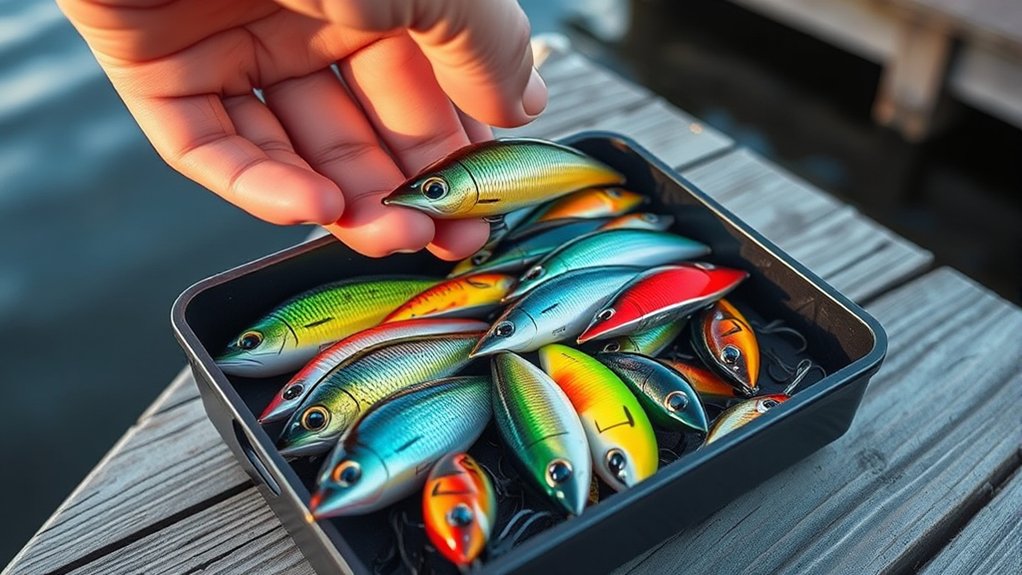
When selecting the right jerkbait, start by matching the bait to your water depth, water clarity, local forage, and the mood of the fish. A jerkbait that looks right but runs too shallow or too deep may miss the strike zone completely.
Start by considering the depth capability. Jerkbaits with larger bills usually dive deeper, making them useful for submerged cover, deeper points, bluff ends, and suspended fish. Shallow-running jerkbaits work better over grass, shallow flats, riprap, and banks with scattered cover.
Next, match the size of your jerkbait to the local forage bass are feeding on, typically ranging from 2 1/2 to 8 inches. Research or observe the local baitfish species to mimic their appearance, size, and action more closely.
Color matters most when it helps the bait stand out without looking unnatural. In clear water, natural shad, minnow, translucent, silver, and ghost patterns often work well. In stained water, white, chartreuse, gold, or brighter patterns can help bass find the lure faster.
Don’t overlook the importance of hook size and style. Light wire hooks work well in open water because they penetrate easily with lighter pressure. Heavy-duty hooks are more useful around heavy cover, bigger fish, or situations where you need more control.
Finally, opt for high-quality jerkbaits from reputable brands like Lucky Craft, Rapala, and Megabass. Investing in reliable products helps with consistent action, better suspension, sharper hooks, and stronger durability, giving you a better shot at landing those elusive bass.
Floating, Suspending, and Sinking Jerkbaits
Not all jerkbaits behave the same way when you pause them. Understanding the difference helps you choose the right one for the conditions.
- Floating jerkbaits: Rise during the pause. They work well over shallow cover, grass, or wood where you need to avoid snagging.
- Suspending jerkbaits: Stay nearly still during the pause. They are the most popular choice for bass because they sit in the strike zone longer.
- Sinking jerkbaits: Fall during the pause. They help reach deeper fish, but they require more attention around cover.
Warning: Check local regulations before fishing, especially around size limits, seasonal closures, restricted waters, and hook rules. Also handle treble-hooked jerkbaits carefully because loose hooks can catch your hand, clothing, net, or boat carpet.
Happy fishing starts with choosing a bait that fits the water in front of you. When in doubt, carry a shallow runner, a medium-depth suspending jerkbait, and a deeper model so you can adjust quickly.
Choosing the Right Jerkbait Setup
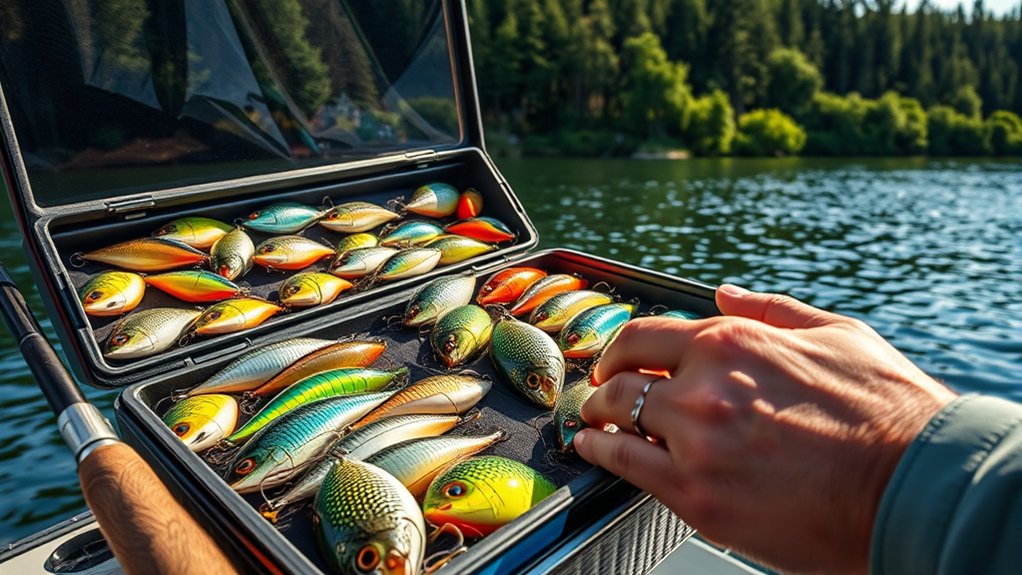
Choosing the right jerkbait setup can greatly impact your success on the water. The right rod, reel, and line make it easier to cast accurately, work the bait cleanly, detect light bites, and keep fish pinned on treble hooks.
To maximize your effectiveness, consider the following components:
- Line: Use 10 or 12-pound fluorocarbon for strong sensitivity, good abrasion resistance, and a little extra depth compared with floating lines.
- Reel: Opt for a high gear ratio reel around 6.4:1 to retrieve quickly, manage slack efficiently, and set hooks during aggressive strikes.
- Rod: Select a rod between 6 to 7 feet with medium power and moderate action to enhance casting accuracy and jerkbait action.
- Rigging: Verify your jerkbait is rigged correctly, paying close attention to hook size, split rings, and hook placement for maximum attraction.
A shorter rod can help if you are working the bait with downward rod snaps from a small boat, kayak, or bank. A longer rod can help with casting distance, especially when fish are spooky in clear water.
Fluorocarbon is a common jerkbait line because it sinks, stays fairly sensitive, and helps many suspending baits reach their intended depth. If your bait sinks too quickly, use lighter hooks, smaller split rings, or a slightly heavier line. If it floats too fast, try lighter line or a deeper-running bait.
Spinning vs. Baitcasting Gear
Both spinning and baitcasting setups can work for jerkbaits. Baitcasting gear gives you strong accuracy and quick slack pickup, especially with medium and larger jerkbaits. Spinning gear can be easier for lighter jerkbaits, windy days, and anglers who prefer finesse presentations.
If you are just starting, use the setup you can cast accurately and work comfortably for several hours. Jerkbait fishing involves repeated rod snaps, so comfort matters more than using the most expensive gear.
Extra Tips From KVD
To elevate your jerkbait fishing game, take a cue from the legendary Kevin VanDam. He stresses the importance of varying your retrieve speed and cadence to match the fish’s mood, maximizing your chances of a bite.
Don’t forget to use high-quality, sharp hooks. They’re critical for effective hook penetration when you finally get a strike, especially because many jerkbait fish swipe at the lure instead of fully eating it.
Incorporate pauses between your jerks to mimic the erratic behavior of dying baitfish, which bass find irresistible. Keep your eyes on the line during the pause because that is when many strikes happen.
VanDam also suggests fishing during low-light conditions, such as early mornings or late evenings, when fish are more actively feeding. Cloud cover and wind can extend that bite window throughout the day.
Finally, don’t hesitate to experiment with different jerkbait colors and sizes to match the local forage that bass are targeting. If you see shad, minnows, perch, bluegill, or other baitfish, use those clues to choose your lure.
With these tips from KVD, you’ll be well on your way to enhancing your jerkbait fishing success.
Happy fishing, and remember that the best jerkbait anglers keep changing cadence until the fish reveal the pattern.
Sam Hanggi
Sam Hanggi stands out in the world of jerkbait fishing, renowned for his expert techniques and strategies that consistently yield impressive results.
To enhance your jerkbait fishing game, consider these valuable tips from Hanggi:
- Adjust your jerkbait cadence based on the bass’s mood; use fast retrieves for spotted bass and slower retrieves with pauses for largemouth bass.
- Equip yourself with a 7-foot medium-action Dobyn’s Champion XP Casting Rod and 10 or 12-pound fluorocarbon line for ideal performance.
- Target wind-blown points, banks, and pockets, as these areas attract more active fish.
- Research local forage to effectively match the size and color of your jerkbaits to the baitfish bass are feeding on.
Hanggi’s approach reinforces a simple lesson: jerkbait fishing is about adjustment. The right lure matters, but your cadence, casting angle, pause length, and location often decide whether bass follow or bite.
Jerkbait Mistakes to Avoid
Many beginners struggle with jerkbaits because they fish them like crankbaits. A jerkbait is not just a cast-and-reel lure. It needs rhythm, slack, pauses, and constant adjustment.
- Retrieving too steadily: A straight retrieve removes the wounded-baitfish action that makes jerkbaits effective.
- Ignoring the pause: Bass often strike when the lure stops, so give them time to commit.
- Using the wrong depth: If your jerkbait runs above or below the fish, you may miss the strike zone.
- Fishing dirty water the same way as clear water: Use more flash, contrast, or brighter colors when visibility drops.
- Setting the hook too hard: With treble hooks, a firm reel-down and sweep often works better than a violent hookset.
- Not checking hooks: Dull hooks cost fish, especially when bass barely nip the bait.
Frequently Asked Questions
How do you properly fish a jerkbait?
To properly fish a jerkbait, cast past your target, let the bait reach its running depth, then work it with sharp twitches and pauses. Keep slight slack in the line so the lure darts side to side. Watch for bites during the pause, then reel down and sweep into the fish.
When should you fish a jerkbait?
You should fish a jerkbait when bass are feeding on baitfish, especially during prespawn, spring, fall, windy days, and clear-water conditions. Jerkbaits can also work in winter with long pauses and in summer around suspended fish or schooling bass.
What colors of jerkbaits work best?
Natural shad, minnow, silver, translucent, and ghost colors work well in clear water. In stained water, try white, chartreuse, gold, or patterns with more flash and contrast. Match the color to local forage first, then adjust based on water clarity and fish response.
What is the best reel ratio for jerkbaits?
A reel ratio around 6.4:1 is a solid all-around choice for jerkbaits because it helps you pick up slack without moving the bait too far. Faster reels can also work if you control your retrieve and avoid pulling the lure out of the strike zone.
Do jerkbaits work from the bank?
Yes, jerkbaits can work very well from the bank. Target points, riprap, docks, grass edges, creek mouths, and visible baitfish activity. Use a shallow or medium-depth jerkbait if the water near shore is not very deep.
Should a jerkbait float, sink, or suspend?
For most bass fishing, a suspending jerkbait is the most versatile option because it stays in the strike zone during the pause. Floating models help around shallow cover, while sinking models can reach deeper fish but require more care around snags.
Conclusion
In the world of fishing, a jerkbait can feel like a secret weapon because it turns pauses, twitches, and small adjustments into reaction bites from lurking predators. By mastering the basics, from where to cast to how to retrieve, you’ll give yourself a better chance every time you hit the water.
Focus on clear-water targets, wind-blown banks, baitfish activity, and isolated cover. Then adjust your cadence until the fish show you what they want. Stay patient, watch your line, and remember that each outing gives you another clue. Grab your gear, embrace the excitement, and let the water reveal its hidden treasures. Happy fishing!
Sources
- Take Me Fishing — general fishing tips, tackle basics, and beginner fishing guidance.
- National Park Service Fishing — fishing safety, stewardship, and responsible angling guidance.
- U.S. Fish & Wildlife Service — fish conservation and aquatic resource information.