When you approach freshwater fishing, understanding the diverse species you may encounter is vital. You can identify fish by checking color patterns, mouth shape, fin placement, body size, and habitat. These details help you target the right species, follow local fishing regulations, and handle fish more responsibly. With a few simple observation habits, you can make better choices on the water and support sustainable fishing practices.
Quick Answer
To identify freshwater fish, look at the fish’s body shape, color markings, mouth size, fin placement, tail shape, and habitat. Then compare those traits with a trusted field guide, fishing app, or state wildlife resource before you keep the fish.
Key Takeaways
- Freshwater fish identification starts with visible traits such as color, fins, mouth shape, body size, and markings.
- Habitat gives useful clues because trout, bass, catfish, bluegill, crappie, and walleye often prefer different water conditions.
- Accurate identification helps you follow size limits, bag limits, seasonal rules, and protected-species regulations.
- Use a field guide, state wildlife website, or fish identification app when you are unsure.
- When in doubt, take a photo, release the fish carefully, and confirm the species before keeping one.
Fish Identification
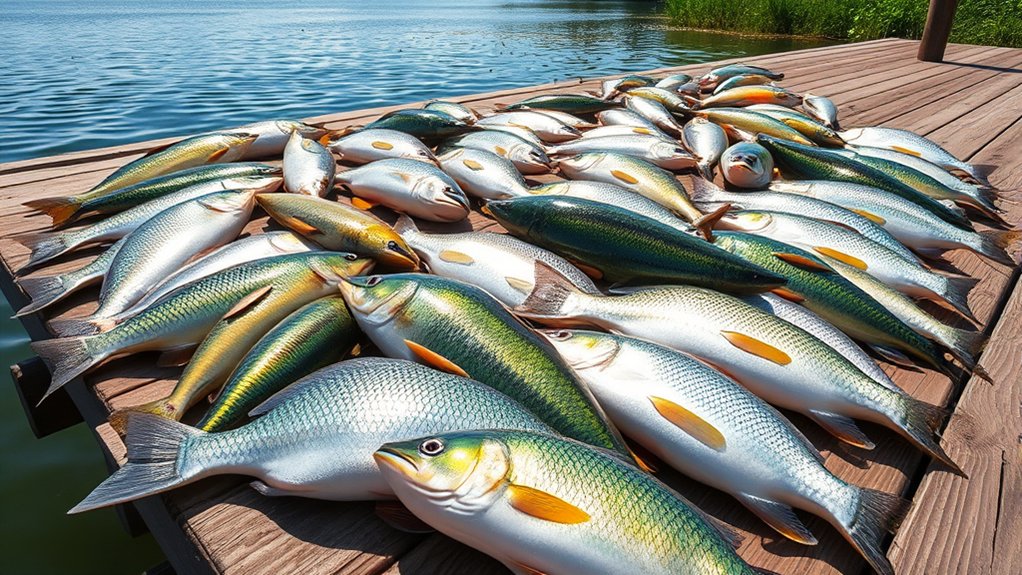
When you’re out on the water, being able to accurately identify fish species is essential. It helps you follow local rules, avoid keeping protected fish, and support healthy fish populations.
Start with the obvious traits. Look at the fish’s color patterns, mouth shape, fin placement, body depth, tail shape, and overall size. These features often separate similar species, especially bass, sunfish, trout, and catfish.
Identification also helps you understand fish behavior. A large mouth may suggest a predator that eats minnows or frogs. A small mouth may point toward insects, larvae, or smaller food sources. Body shape can also show whether a fish is built for fast current, open water, or cover.
Using fish identification apps, printed field guides, and state wildlife resources can improve your skills. These tools give you quick references when two fish look similar. They also help you check size limits, bag limits, and seasonal rules before you keep a catch.
Warning: If you cannot identify a fish with confidence, release it carefully. Keeping the wrong species can break local regulations and harm vulnerable fish populations.
Being aware of protected species also builds better fishing habits. Some species may be illegal to harvest, while others may have special rules during spawning seasons. Learning these differences supports conservation efforts and helps future anglers enjoy the same waters.
A Comprehensive Guide to Identify Freshwater Fish Species
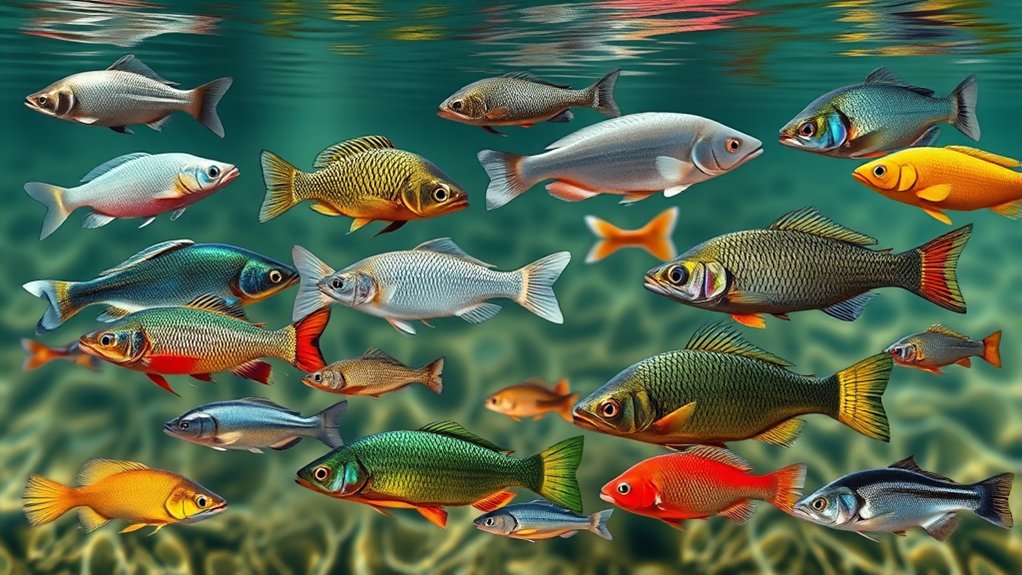
How can you effectively identify the diverse array of freshwater fish species in your local waters? Use a step-by-step process instead of relying on one feature alone.
Start by examining the main traits that separate one species from another:
- Color Patterns: Observe stripes, spots, bars, dark lines, speckles, and changes in color along the back, sides, and belly.
- Mouth Shape: Note whether the mouth is large, small, upward-facing, downward-facing, or extends past the eye.
- Body Size: Measure length when possible, and estimate weight only when you can do so safely.
- Body Shape: Look for a deep, round body, long narrow body, flat head, forked tail, or heavy shoulder area.
- Fin Placement: Check the dorsal fin, tail fin, pelvic fins, and whether the fish has spines or soft rays.
- Habitat Preferences: Identify where the fish came from, such as rocky current, deep pools, grass beds, clear streams, muddy bottoms, or open water.
- Local Regulations: Check size and bag limits before you keep any fish, since rules can change by state, waterbody, season, and species.
Pro Tip: Take a clear side photo of the fish before release. Include the full body, fins, tail, mouth, and markings so you can compare it later with a trusted guide.
Common Freshwater Fish Identification Traits
Many freshwater fish share similar colors, especially in stained water or during different seasons. That means you should compare several traits together before deciding on a species.
- Bass: Usually have large mouths, strong bodies, and markings such as horizontal stripes, vertical bars, or spots depending on the species.
- Bluegill and Sunfish: Often have deep, rounded bodies, small mouths, and bright markings near the gill plate or ear flap.
- Crappie: Usually have thin, deep bodies with speckled markings and a larger mouth than bluegill.
- Catfish: Have whisker-like barbels, smooth skin, and often prefer slower water, deeper holes, or muddy bottoms.
- Trout: Often have streamlined bodies, small scales, and spots. They usually prefer cooler, clearer water.
- Walleye: Have glassy-looking eyes, sharp teeth, and a long body built for low-light hunting.
Season can affect color, too. Some fish become brighter during spawning periods. Others look darker in clear water or lighter in muddy water. Because of this, shape, fins, mouth position, and habitat matter as much as color.
Freshwater Fish Species
Understanding the diversity of freshwater fish species is essential for anglers and conservationists alike. Each species plays a role in its ecosystem, whether it feeds on insects, controls smaller fish, stirs bottom habitat, or becomes prey for larger wildlife.
In the United States, freshwater anglers commonly target species such as bluegill, crappie, largemouth bass, smallmouth bass, trout, catfish, walleye, pike, and perch. Some waters also hold regional species that require extra attention because they may look similar to more common fish.
Native species, including many bass, sunfish, trout, and catfish populations, are important for ecological balance and local recreation. Non-native species can sometimes compete with native fish, alter food webs, or spread into waters where they do not belong.
Fish are often grouped by temperature preference. Coldwater species such as trout thrive in cooler, oxygen-rich water. Warmwater species such as bluegill and largemouth bass often prefer warmer ponds, lakes, and slow rivers. Coolwater species such as walleye often use mid-range temperatures and may move deeper when water warms.
Fishing techniques also vary by species. Bass may respond well to soft plastics, crankbaits, jigs, and topwater lures. Trout often take small spinners, flies, and natural bait where legal. Catfish commonly respond to cut bait, worms, prepared bait, or other scent-based options. Matching your bait to the fish’s feeding habits increases your chance of success.
Native vs. Non-Native Freshwater Fish
Native fish naturally occur in a region’s rivers, lakes, and streams. They evolved with the local habitat, food sources, predators, and seasonal patterns. Non-native fish were introduced outside their natural range, either intentionally or by accident.
Not every non-native fish causes the same level of harm, but some can create serious problems. They may compete with native fish for food, eat young fish, spread disease, or hybridize with closely related native species.
You can often tell whether a fish is native by checking a state wildlife agency species page or a regional field guide. Distribution maps are helpful because they show where a species naturally occurs and where it may have been introduced.
Note: Do not move live fish, baitfish, or water from one lake, pond, river, or stream to another. Moving fish can spread invasive species, parasites, and diseases.
Where to Catch Them
Locating the right fishing spots is key to successfully targeting freshwater species. Fish use different areas for feeding, resting, spawning, and hiding from predators, so habitat can reveal a lot about what you may catch.
Finding the ideal fishing location starts with matching the species to its preferred habitat, water temperature, cover, and current.
Here are prime locations to explore when you are targeting bass species in flowing freshwater systems:
- Altamaha Bass: Look for rocky areas with cool flowing water, especially in the Yellow, Alcovy, Towaliga, and Oconee Rivers down to Milledgeville.
- Bartram’s Bass: Target natural structures in rivers, where rocky conditions and flowing water are prevalent.
- Chattahoochee Bass: Focus your efforts around wood and undercut banks, where they tend to congregate.
- Redeye Bass: Seek out habitats featuring rocky areas and large woody debris in cooler rivers and small streams.
- Shoal Bass: Fish in current breaks near flowing water, particularly in shoals or behind submerged trees.
For other freshwater species, adjust your location based on water type and season. Bluegill often hold near docks, grass, brush, and shallow cover. Crappie may suspend around timber, bridge pilings, brush piles, and deeper edges. Catfish often use deep holes, channel bends, logjams, and current seams. Trout prefer cool streams, riffles, pools, and oxygen-rich water.
How Season and Water Temperature Affect Fish Location
Freshwater fish move throughout the year. During spring, many species move shallow to feed or spawn. In summer, fish may use shade, deeper water, current, or vegetation to stay comfortable. In fall, feeding often increases as fish prepare for colder months. In winter, many fish slow down and hold deeper or near stable water temperatures.
Water temperature affects metabolism. Warmer water usually increases activity up to a species’ comfort range. Cold water slows many warmwater fish, while trout and other coldwater species may stay active when conditions suit them.
Oxygen also matters. Hot, stagnant water can hold less dissolved oxygen, which may push fish toward current, springs, deeper areas, or wind-blown banks. After heavy rain, muddy water can change feeding behavior and move fish closer to cover.
Tips for Identifying Freshwater Fish
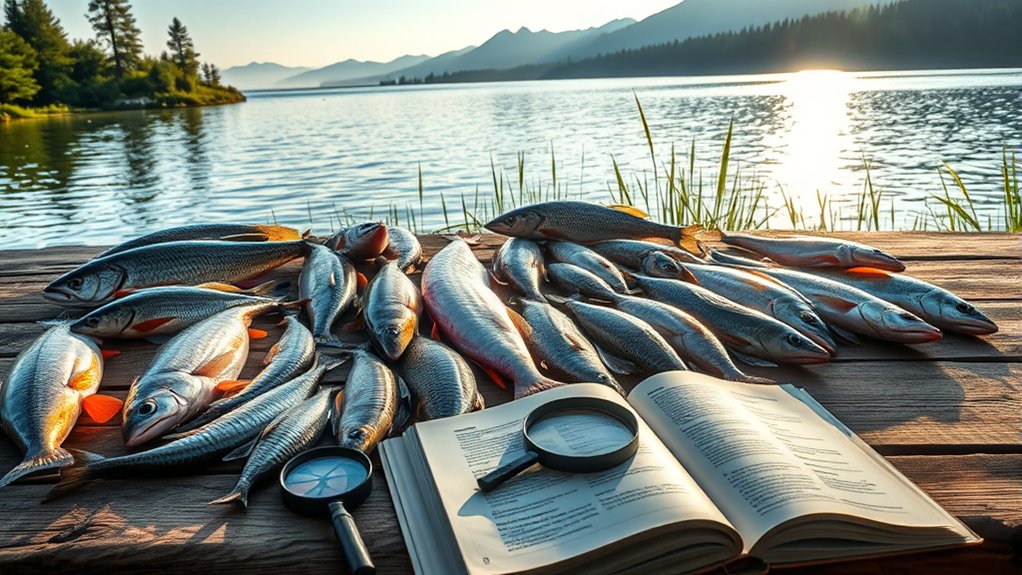
Identifying freshwater fish requires keen observation of physical traits and behavior. Start by examining color patterns and markings. For instance, the Largemouth Bass often has a dark horizontal stripe, while the Smallmouth Bass commonly shows vertical bars or mottled markings.
Pay attention to mouth shape. A Largemouth Bass usually has a mouth that extends past the eye when closed. A Smallmouth Bass usually has a smaller mouth that does not extend as far past the eye.
Size is another clue, but it should not be your only clue. Young fish can look different from adults, and fish size varies by habitat, food supply, and age. Fin placement can also help. For example, dorsal fin shape, tail shape, and fin spacing can separate similar bass, sunfish, and trout species.
Finally, consider habitat preferences. Rainbow Trout often thrive in cold, clear streams, while Largemouth Bass usually prefer warmer, shallow waters with weeds, docks, wood, or other cover. Observing where you caught the fish can support your identification.
Safe Handling While Identifying Fish
Good fish identification should not harm the fish. Wet your hands before touching a fish, avoid squeezing the belly, and keep the fish close to the water or boat floor while you inspect it. This reduces the chance of dropping it.
If the fish has sharp teeth, spines, or gill plates, use proper tools and handle it with extra care. Needle-nose pliers, a rubber landing net, and a measuring board can make identification and release safer.
Keep the fish out of water for as little time as possible. If you plan to release it, take a quick photo, remove the hook gently, and let the fish recover facing into the current or upright in calm water.
Common Identification Mistakes to Avoid
Many anglers misidentify fish because they focus on one trait. Color alone can be misleading because light, water clarity, spawning season, and stress can change how a fish looks.
- Relying only on color: Use mouth shape, fins, body shape, and habitat along with markings.
- Ignoring local range: Check whether the species actually lives in that watershed.
- Confusing young fish with adults: Juvenile fish may have different markings than mature fish.
- Forgetting hybrids: Some related species can hybridize, making identification harder.
- Skipping regulations: Rules can differ between nearby lakes, rivers, and seasons.
Freshwater Fish Identification Checklist
Use this quick checklist before you keep a fish:
- Check the mouth size and whether it extends past the eye.
- Look for stripes, spots, bars, blotches, or a dark lateral line.
- Compare the body shape with common local species.
- Check the dorsal fin, tail fin, and any sharp spines.
- Notice the habitat where you caught the fish.
- Measure the fish according to local rules.
- Confirm the season, size limit, and bag limit.
- Release the fish if you are unsure of the species.
Frequently Asked Questions
What tools can help with freshwater fish identification?
You can use printed field guides, state wildlife websites, mobile fish identification apps, and online species databases. A measuring board, camera, rubber landing net, and needle-nose pliers also help you identify and handle fish safely.
How can I differentiate between native and non-native species?
Compare the fish’s physical traits, local range, and habitat with a trusted regional guide. Native species occur naturally in that watershed, while non-native species were introduced outside their original range and may affect local ecosystems.
Are there seasonal fishing regulations I should know about?
Yes. Seasonal fishing rules vary by state, waterbody, and species. They may cover open seasons, closed seasons, spawning protections, gear limits, size limits, and daily harvest limits. Always check local regulations before fishing.
What are the best bait types for different freshwater species?
For bass, try plastic worms, jigs, crankbaits, or live bait where legal. For trout, use worms, small spinners, flies, or prepared trout bait. For catfish, use cut bait, worms, or scent-based bait. Match the bait to the fish’s natural diet.
How do water temperature changes affect fish behavior?
Water temperature affects fish metabolism, feeding, and location. Warmer water can make many fish more active, while colder water often slows warmwater species. Fish may also move deeper, shallower, or closer to current as conditions change.
What should I do if I catch a fish I cannot identify?
Keep the fish wet, take a clear photo, and release it carefully if you cannot identify it quickly. Then compare your photo with a trusted guide or state wildlife resource before targeting or keeping that species again.
Conclusion
In freshwater fishing, knowledge is your best lure. When you understand species identification, habitats, seasonal movement, and regulations, you improve your success and support conservation efforts.
Take time to observe each fish before you decide what to do next. Check the mouth, fins, body shape, markings, and habitat. Then compare your catch with reliable local guidance. Each fish tells a story about its environment, food sources, and behavior.
Stay informed, respect the limits, and release any fish you cannot identify with confidence. Responsible choices help protect freshwater ecosystems and make every trip more rewarding.