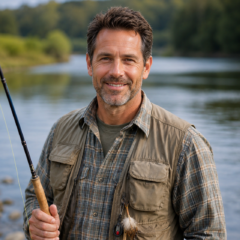
Fishing with kids works best when you keep the day simple, safe, and fun. You are not only trying to catch fish. You are helping kids enjoy the outdoors, learn patience, notice wildlife, and feel proud of small wins. With the right prep, easy gear, short sessions, and a relaxed attitude, a simple fishing trip can become a memory they want to repeat.
Quick Answer
To start fishing with kids, choose a safe, easy-access spot with plenty of small fish, pack snacks and sun protection, use simple kid-sized gear, and keep the trip short. Let kids help with prep, practice casting at home, celebrate every small success, and stop before they get tired or frustrated.
Key Takeaways
- Make the trip about fun first, not the number or size of fish caught.
- Pick calm, easy-access spots such as docks, ponds, piers, or shorelines with room to move.
- Use simple rods, small hooks, bobbers, and easy bait so kids can see bites and stay engaged.
- Pack safety basics, including life jackets near water, sunscreen, water, snacks, first-aid items, and pliers.
- Watch your child’s mood, energy, and interest level. A short happy trip beats a long frustrating one.
At a Glance
| Time Required | 1 to 3 hours for young beginners; half-day trips work better after kids already enjoy fishing. |
| Difficulty | Easy, with close adult supervision and simple gear. |
| Tools Needed | Kid-sized rod and reel, small hooks, bobbers, split shot, bait, pliers, towel, bucket, sunscreen, water, snacks, and a small first-aid kit. |
| Cost | Low to moderate. You can start with one basic rod combo, simple tackle, and inexpensive bait. |
Fishing With Kids: the What

When you take kids fishing, the main goal is to create an enjoyable experience they remember fondly. Focus on fun, confidence, and time outside rather than how many fish you catch. Choose easy-to-catch species like bluegill, sunfish, perch, or catfish, and use simple tackle that helps kids see bites quickly.
Kids usually enjoy fishing more when they get to help. Let them carry a small tackle box, choose a bobber color, help pack snacks, or pour bait into a container. These little jobs give them ownership before the first cast even hits the water.
Encourage hands-on fun by letting kids help with simple jobs, observe wildlife, and celebrate small wins throughout the trip.
Simplicity is key. A child’s first fishing trip should not feel like a serious tournament. Keep the gear basic, the expectations low, and the mood light. Prepare by involving them in the planning and practicing casting at home. This builds anticipation and helps them feel more confident near the water.
Remember to emphasize patience. Let kids set the pace of the outing. If they want to explore, look at frogs, skip stones, or take snack breaks, go with the flow. Those moments still count as part of the fishing experience.
Keeping the atmosphere relaxed and enjoyable will keep them engaged and happy. When kids leave with good memories, they are far more likely to ask for another fishing trip.
Pre-Trip Prep for Fishing With Kids
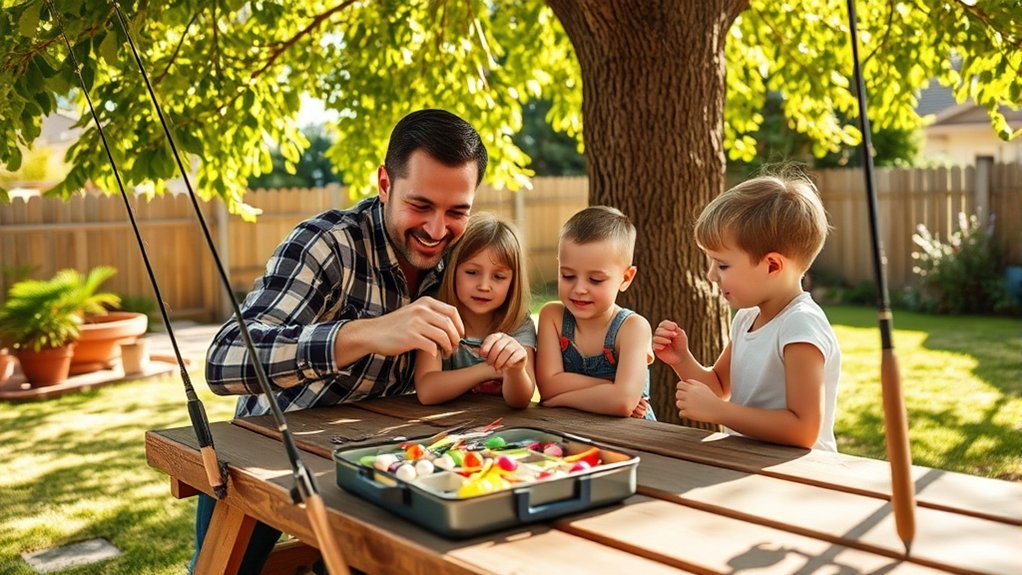
Planning a fishing trip with kids can turn a simple outing into a memorable adventure. Start by choosing your fishing destination, checking access rules, and deciding how long you want to stay. For beginners, a short morning trip often works better than a full-day plan.
Choose a place with easy parking, safe footing, bathrooms if possible, and plenty of space away from crowds. Docks, small ponds, family-friendly piers, and calm shorelines are often better than steep banks or fast-moving water.
Make sure you understand local license rules before you go. Adult anglers often need a fishing license, while children may be exempt depending on age and location. In Maryland, for example, many youth anglers under 16 do not need a recreational fishing license, but rules can change by water type and activity. Always check your state fish and wildlife agency before the trip.
To improve the experience, opt for live bait or easy natural bait when allowed. Worms, nightcrawlers, crickets, small pieces of shrimp, or corn can work well for beginner-friendly fish in many areas. Local bait shops can help you choose options that match the season and the water you plan to fish.
Packing plenty of food and drinks is essential. Kids can get hungry and thirsty fast, especially in warm weather. Bring water, simple snacks, and a small trash bag so you can leave the area cleaner than you found it.
Finally, check the weather forecast ahead of time. If storms, high winds, extreme heat, or unsafe water conditions are expected, postpone the trip. A safe, comfortable day gives kids a much better first impression of fishing.
Warning: Always supervise kids closely near water. Young children and weak swimmers should wear a properly fitted life jacket around docks, boats, steep banks, or deep water.
Before the Fishing Trip With Kids

Before you head out on your fishing adventure, get the kids excited in simple ways. Watch a short fishing video together, look at pictures of the fish you may catch, or show them the pond, lake, or pier on a map.
Involve them in picking out gear, bait, and tasty snacks. This helps them feel like part of the plan instead of just a passenger. You can also let them choose small extras, such as a hat, sunglasses, water bottle, or fishing towel.
Don’t forget to practice casting in the yard or driveway. Tie on a casting plug or use a bobber without a hook. A few minutes of practice can reduce tangles and frustration once you reach the water.
Build Excitement Together
Getting kids excited about a fishing trip can be easy when you make the build-up part of the fun. Start by watching engaging fishing videos together. Keep them short and age-appropriate, then talk about what they saw.
Next, share your plans for the trip. Tell them where you are going, what fish live there, what bait you will use, and what they can help with. This helps them picture the adventure before it starts.
Involve them in shopping for fishing gear, snacks, and bait. You do not need to buy expensive items. Even choosing a bobber, a small tackle box, or a snack bag can make a child feel included.
Don’t forget to practice casting in the yard. It boosts their skills and confidence. It also gives you time to teach simple rules, such as looking behind before casting and never swinging a hook near another person.
Encourage them to ask questions and share their thoughts about fishing. This builds a deeper connection to the activity and helps you understand what they are excited or nervous about.
Involve Kids in Prep
Involving kids in the preparation for a fishing trip can transform their excitement and sense of responsibility. Start by creating a checklist together. Include fishing gear, snacks, drinks, sun protection, safety items, and cleanup supplies.
Take them shopping for supplies when possible. Let them pick out their own bait or tackle within your limits. This deepens their connection to the experience and gives them something to look forward to using.
Watch fishing videos beforehand to build anticipation and discuss techniques. Keep the lesson simple. Show them how a bobber moves when a fish bites, how to reel slowly, and how to avoid touching sharp hooks.
Practicing casting in the backyard boosts their skills and confidence. It also gives you a chance to adjust the rod, reel, or line before the real trip.
Encourage them to share thoughts and questions during prep. If they seem nervous about touching bait or fish, do not force it. Let them watch first, then join when they feel ready.
Pro Tip: Pack one small “kid helper” box with bobbers, a towel, snacks, wipes, and a magnifying glass. It gives kids something useful to manage while you handle hooks and line.
While Fishing
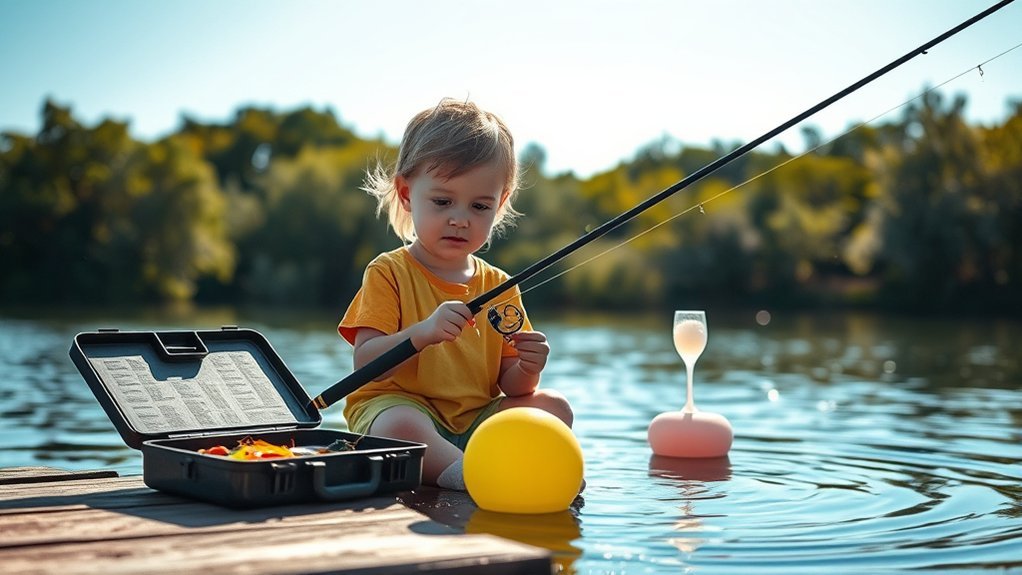
While fishing, embrace the art of patience. Remind your kids that waiting is part of the adventure. A bobber sitting still does not mean the trip is failing. It gives you time to talk, watch wildlife, and enjoy being outside together.
Encourage them to explore the wildlife and natural beauty around them. Point out birds, insects, clouds, ripples, plants, and animal tracks. This makes the day about more than just catching fish.
Keep an eye on their energy levels and enjoyment. Kids may not tell you directly when they are tired, bored, hot, or frustrated. Watch for cues and adjust the plan early.
Patience and Safety Measures
Fishing is an exciting adventure that teaches kids valuable lessons about patience and safety. While waiting for that big bite, encourage your child to enjoy the stillness. Patience becomes easier when they know waiting is normal.
Supervise them closely to prevent accidents with fishing gear. Use barbless hooks or pinch down barbs when practical, especially with young beginners. This can make accidental snags easier to handle and can reduce harm to fish you plan to release.
Teach kids to be aware of their surroundings before every cast. They should look behind them, keep space between people, and avoid casting near trees, pets, or other anglers.
When a fish is on the line, remind them to stay calm. Excitement can lead to tangles, dropped rods, or unsafe movements near the water. Coach them with short instructions: “Keep the rod up,” “Reel slowly,” and “Walk back from the edge.”
By instilling patience and safety practices, you help foster a love for fishing that lasts a lifetime.
Wildlife and Nature Exploration
As you cast your line, take a moment to observe the vibrant world around you. A fishing spot is often full of wildlife waiting to be discovered.
Look for birds flying overhead, insects buzzing near the bank, turtles sunning on logs, and aquatic creatures moving beneath the surface. Each discovery can keep kids curious during slow fishing moments.
Each fishing trip is a chance to learn about the plants and trees that thrive near the water. Talk about how shade, roots, rocks, weeds, logs, and clean water create shelter for fish and other animals.
Listen closely to the sounds of nature, such as bird calls, rustling leaves, frogs, splashes, and wind through grass. These small details can turn a quiet wait into an outdoor lesson.
Discuss how local water bodies support diverse wildlife. Emphasize conservation by explaining that clean water and healthy habitats are essential for fish, birds, insects, and people. This helps kids see fishing as a way to enjoy nature, not just take from it.
Kids’ Enjoyment and Cues
Understanding how your kids are feeling during the fishing trip is essential for making the experience enjoyable for everyone. Pay attention to their body language and verbal cues. Encourage open communication without making them feel like they are complaining.
Regular check-ins can help you adapt activities based on their feedback. Ask simple questions, such as “Do you want to cast again or take a snack break?” and “Do you want to fish here or look around for a few minutes?”
Celebrate their small successes to keep spirits high. A good cast, a worm on the hook, a spotted turtle, or a tiny fish can all count as wins.
Here are some tips to enhance their enjoyment:
- Ask them how they feel about the experience.
- Look for signs of frustration, hunger, heat, cold, or boredom.
- Shift the focus if needed, such as exploring nature or taking photos.
- Celebrate catching a fish, seeing wildlife, or enjoying the scenery.
- Encourage them to say when they want a break.
- Stop the trip while they are still having fun, not after they are worn out.
Note: A child who spends half the trip exploring rocks, bugs, and shoreline plants is still learning to love the outdoors. That matters just as much as catching fish.
After Fishing

Once you’ve wrapped up your fishing adventure, encourage kids to clean and properly store their equipment. This extends the life of their gear and teaches them to care for their belongings.
Start with simple jobs. Kids can wipe down rods, close tackle boxes, throw away trash, rinse a bucket, or help check that hooks are stored safely. Keep sharp tools and hooks under adult control.
Take a moment to discuss the day’s experiences. Share laughs about missed catches, celebrate the ones that got away, and ask what they liked most. These conversations help kids process the experience and look forward to next time.
Consider keeping a fishing journal together. Document fish species caught, weather conditions, bait used, favorite spots, funny moments, and wildlife sightings. Younger kids can draw pictures instead of writing full notes.
Teach kids about proper fish handling and release techniques. Wet your hands before touching fish, support the fish gently, avoid squeezing, and return it to the water quickly when practicing catch and release. Emphasize the importance of conservation and respect for aquatic life.
Finally, discuss environmental stewardship. Talk about the impact of litter and the importance of leaving nature as you found it. Instilling these values helps kids become responsible anglers and stewards of the environment.
Fishing With Kids: the How
After reflecting on your fishing experiences, it’s time to gear up for the actual adventure of fishing with kids. A good setup keeps the trip smooth and helps beginners avoid common problems.
To ensure a fun and successful outing, follow these key tips:
Keep the first few trips short, simple, and positive. Confidence grows faster when kids can cast, watch a bobber, and get help without pressure.
- Target easy-to-catch fish like white perch, bluegill, sunfish, spot, perch, and catfish to keep kids engaged.
- Use ultra-light rods or spincast tackle, which are easier for small hands and can reduce tangles.
- Replace old or poor-quality factory fishing line on beginner combos for smoother casting and fewer knots.
- Start with simple tackle, small hooks, split shot, and bobbers to build confidence and improve catch rates.
- Encourage kids to practice casting in the yard before the trip to build skills and excitement.
- Use pliers or a hook remover so adults can handle hooks quickly and safely.
- Bring a towel, wipes, and a small trash bag to manage bait, fish slime, snacks, and cleanup.
Choose the Right Beginner Setup
A beginner setup should be easy to hold, easy to cast, and simple to fix when something goes wrong. A short rod paired with a spincast reel often works well for young kids because the button-style reel feels less intimidating than an open-face spinning reel.
For many kids, a bobber rig is the easiest place to start. A bobber gives them something visual to watch. When it wiggles, dips, or disappears, they can see the bite happen. That instant feedback keeps them interested.
Use small hooks that match the fish you expect to catch. A hook that is too large can make it harder for small fish to bite. Add only enough split shot to keep the bait down while still letting the bobber move naturally.
Keep Bait Simple
Kids often enjoy bait almost as much as fishing itself. Worms, crickets, small pieces of shrimp, dough bait, or corn can all work depending on local rules and fish species. Check local regulations before using any bait, especially in trout waters, protected areas, or special management zones.
If a child feels nervous about touching live bait, do not push. Let them watch, use a bait holder, or help in another way. Some kids become comfortable after a few minutes. Others prefer to cast and reel while an adult handles the bait.
Teach One Skill at a Time
Kids learn faster when you teach one skill at a time. Start with holding the rod safely. Then teach casting. After that, show them how to watch the bobber, reel slowly, and keep the rod tip up.
Avoid correcting every small mistake. Too much instruction can make fishing feel like a test. Instead, praise what they do well and give one simple tip at a time.
Fishing Locations and Equipment
Finding the right fishing location and equipment is essential for a successful outing with kids. Morning trips are often a strong choice because fish may be more active and temperatures are usually more comfortable. Evening trips can also work well when the weather is hot.
Docks are fantastic spots to teach beginners the ropes. They are usually easy to access and often hold sunfish, bluegill, perch, or other small fish that are perfect for young anglers to catch. Ponds and calm shorelines can also work well when the bank is safe and open.
When it comes to gear, opt for kid-sized rods and reels designed for small hands. These are easier to manage and help minimize tangles, making the outing more enjoyable.
Avoid choosing gear based only on cartoon characters or bright packaging. While those sets look fun, some are harder to cast or less durable. Instead, look for beginner rod and reel combinations that feel smooth, fit your child’s hands, and use line that casts well.
Don’t forget to check local resources, such as fishing guides, park websites, state fish and wildlife pages, or local bait shops. These can help you find family-friendly lakes, public ponds, fishing piers, and youth fishing events where you can create lasting memories with your kids.
What to Pack for a Kids’ Fishing Trip
A little extra packing can save the day when fishing with kids. Bring enough supplies for comfort, safety, and cleanup.
- Kid-sized rod and reel
- Small hooks, bobbers, split shot, and extra line
- Live bait or approved bait for your location
- Needle-nose pliers or a hook remover
- Small towel, wet wipes, and hand sanitizer
- Sunscreen, hats, sunglasses, and bug protection
- Water bottles and easy snacks
- Life jackets when fishing near deep water, boats, docks, or steep banks
- Small first-aid kit with bandages and antiseptic wipes
- Trash bag for wrappers, line scraps, and bait containers
Common Mistakes to Avoid
The most common mistake is making the first trip too long. Kids may start strong, then lose focus quickly. Plan for a short outing and treat extra time as a bonus.
Another mistake is using gear that is too complicated. Heavy rods, large hooks, and complex rigs can make kids feel frustrated. Keep the setup simple until they build confidence.
A third mistake is focusing too much on catching fish. Even in good spots, fishing can be slow. Make the day successful by adding nature watching, snacks, casting practice, and small challenges such as spotting three birds or finding a smooth rock.
Finally, avoid unsafe habits around hooks and water. Teach kids to walk, not run, near the bank. Keep hooks covered when not in use. Pick up loose fishing line because it can harm wildlife and tangle around feet or hands.
Related Guides
Frequently Asked Questions
How do you start fishing with kids?
Start by involving your kids in planning, practicing casting at home, and choosing an easy, safe fishing spot. Use kid-friendly gear, simple bait, and close supervision. Keep the first trip short, pack snacks, and focus on fun instead of catching lots of fish.
What is the 80/20 rule in fishing?
The 80/20 rule in fishing means a large share of fish are often found in a smaller share of the water. For beginners, that means you should focus on promising areas such as docks, weed edges, shaded banks, rocks, fallen trees, and other structures where fish can feed or hide.
What is the 90/10 rule in fishing?
The 90/10 rule is another way to say that most fish may hold in a small part of the available water. Instead of casting randomly, look for fish-friendly features such as drop-offs, cover, current seams, vegetation, shade, and areas where baitfish gather.
What age should kids start fishing?
Many kids can start fishing around ages 3 to 5 with close adult help, short sessions, and safe gear. Some children may be ready earlier to watch, hold a rod, or help with small tasks. Match the trip to the child’s attention span, comfort near water, and ability to follow safety directions.
What fish are easiest for kids to catch?
Bluegill, sunfish, perch, stocked trout, white perch, spot, and catfish are often good beginner targets, depending on your location. Choose fish that are common, legal to catch, and likely to bite simple bait near shore, docks, or piers.
How long should a first fishing trip with kids last?
A first fishing trip with kids should usually last about 1 to 2 hours. Younger children may enjoy even shorter outings. End while the mood is still good, even if the fishing is active. A happy short trip builds more excitement for next time than a long tiring one.
Conclusion
Fishing with kids is all about creating memories, building bonds, and sparking a love for nature. By preparing together, choosing simple gear, exploring the great outdoors, and celebrating each catch or discovery, you make the experience enjoyable and rewarding.
Embrace the patience, cherish the laughter, and nurture their curiosity. Some trips will bring fish. Others will bring muddy shoes, snack breaks, bird sightings, and stories about the one that got away. All of those moments matter.
With every trip, you’re not just teaching them to fish. You’re helping them connect to water, wildlife, and outdoor time with you. Keep it safe, keep it simple, and let the adventure grow one cast at a time.
Sources
- Maryland Department of Natural Resources Fisheries — state fishing rules, youth fishing information, and license guidance.
- U.S. Coast Guard Boating Safety Division — life jacket safety guidance around boats and water.
- U.S. Fish & Wildlife Service Fish and Aquatic Conservation — conservation, aquatic habitat, and responsible fishing context.
- Take Me Fishing — beginner fishing education, gear basics, and family fishing guidance.