You’ll learn where to look, what to use, and how to hook perch gently so you can catch more fish without overcomplicating your day. This guide gives you simple, effective perch fishing advice for lakes, ponds, slow rivers, and ice season. You’ll pick gear that feels right, choose bait perch can’t resist, and focus on spots that hold schools. Keep going for practical tips that make bites happen.
Quick Answer
For perch fishing, use light spinning gear, 4–6 lb line, small hooks, and bait such as worms, minnows, maggots, waxworms, or small jigs. Target weed edges, drop-offs, rocky points, submerged wood, and current breaks. Start near bottom, adjust depth often, and fish dawn, dusk, or active daytime feeding windows.
Key Takeaways
- Perch often school near weeds, rocks, logs, drop-offs, and other structure, so move until you find the group.
- Light tackle helps you feel soft bites and keeps small perch fun to catch.
- Live bait works well, but small jigs, spinners, and mini crankbaits can outfish bait when perch feed aggressively.
- Season, water clarity, light, and depth should guide your bait, lure color, and presentation.
- Handle released perch with wet hands, short air exposure, and quick unhooking to protect the fish.
At a Glance
| Time Required | 1–4 hours for a basic trip; longer if you are searching new water |
| Difficulty | Beginner-friendly |
| Tools Needed | Light spinning rod, small reel, 4–6 lb line, small hooks, split shot, bobbers, jigs, bait, pliers, and a small net |
| Cost | Low to moderate, depending on whether you already own basic fishing gear |
Understanding Perch and Their Habitats
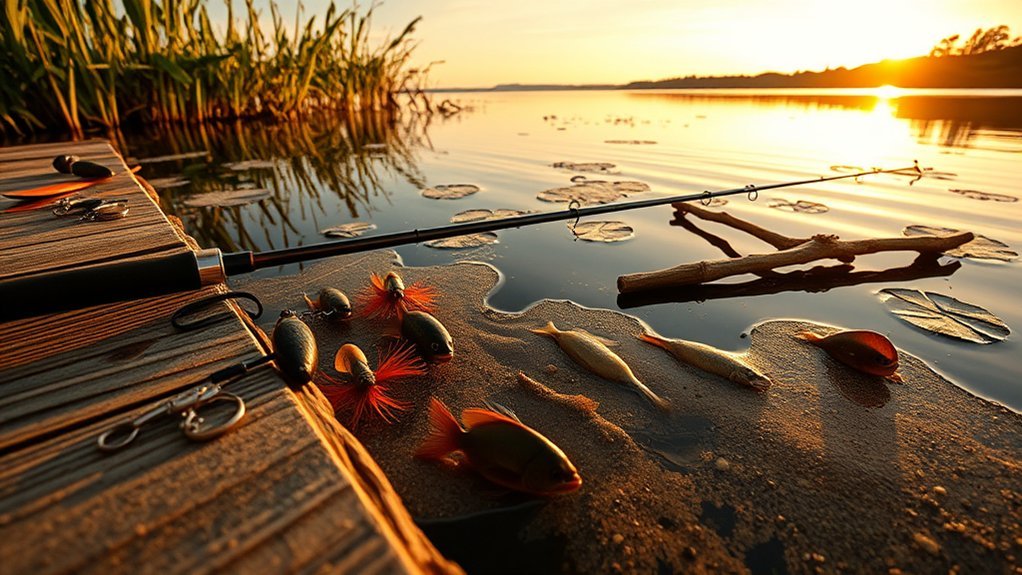
When you’re scouting freshwater lakes, ponds, or slow rivers for perch, start with clear water, healthy vegetation, and easy access to deeper water. Yellow perch often use weed edges, sand flats, rocky areas, and shallow spawning zones. European perch also use structure, moderate depths, and cooler water when conditions warm.
Both species are schooling fish, so finding one perch usually means more are nearby. That schooling behavior is one reason perch fishing feels so rewarding for beginners. Once you locate the first group, you can often catch several fish from the same small area before the school moves.
You’ll spot habitat patterns fast when you focus on vegetation edges, submerged structures, rocky outcrops, docks, brush, and cooler mid-depths. Perch shift with the seasons. They move shallow around the spring spawn, drop deeper after spawning, roam weed lines in summer, feed hard in fall, and stay active under ice when oxygen and baitfish keep them nearby.
Your freedom on the water comes from reading these signs. Watch surface activity, baitfish, small insects, bird activity, and bottom contours. Perch are mainly daytime feeders, and they eat small fish, insects, larvae, worms, and crustaceans. Plan your trip when light, temperature, and bait movement give them a reason to feed.
Read the water first. Surface ripples, baitfish, weed edges, and bottom contours often reveal where perch will feed before you ever make a cast.
Once you tune into habitat cues and schooling behavior, you’ll find more consistent success. You’ll also enjoy the simplicity of fishing on your own terms instead of guessing at random spots.
Choosing the Right Gear for Perch Fishing
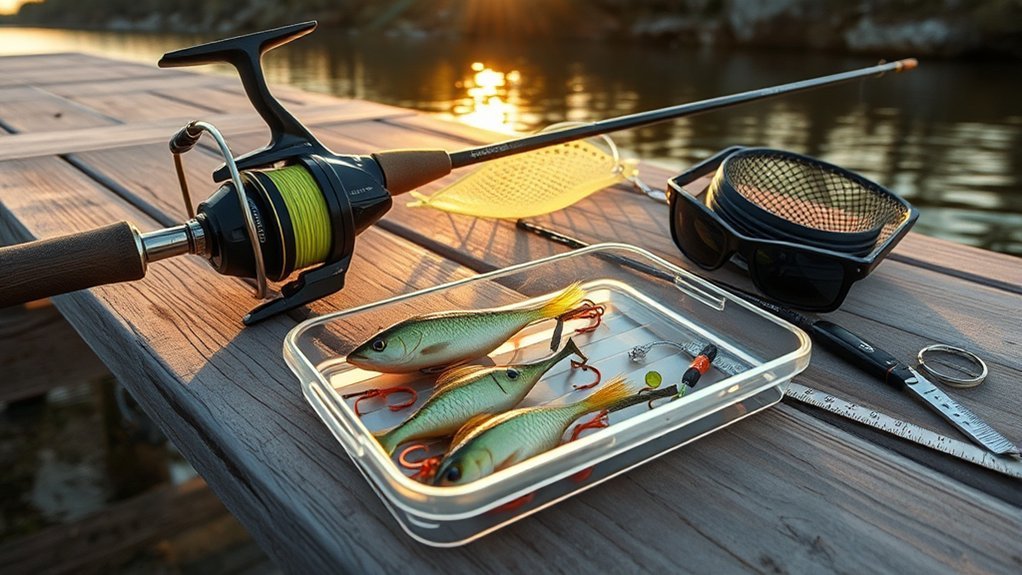
You’ve found the spots where perch hang out. Now outfit yourself to take advantage of those bites. Perch do not require heavy tackle, and using gear that is too stiff can make soft bites harder to feel.
You’ll want a light to medium-light spinning rod rated for 2–6 lb test or a similar light-line range. That setup gives you sensitivity and control. It lets you feel tentative taps, cast small baits, and fight fish without using more power than you need.
Pair the rod with a size 1000 spinning reel spooled with 4–6 lb monofilament for easy handling and forgiving stretch. You can also use thin braid with a light fluorocarbon or monofilament leader when you need extra sensitivity around deeper water or light current.
Use light wire hooks that match your bait size. Perch have small mouths, so oversized hooks cause missed bites. Keep hooks sharp with a tiny file or replace dull hooks before they cost you fish.
Carry a few hard baits for perch, such as small crankbaits or rippin’ plugs, plus soft baits like 2-inch curly tail grubs and 2.8–3 inch swimbaits. Smaller lures usually work best when perch are cautious, while slightly larger profiles help you target bigger fish.
Pack spare leaders, split shot, slip bobbers, small floats, ice jigs if needed, forceps or pliers, and a compact net. Gear this way and you’ll fish light, move freely, and land more perch with confidence.
Pro Tip: If perch keep stealing bait, downsize your hook before changing locations. A smaller hook often turns tiny taps into clean hookups.
[Amazon Products Picked for You]

TEAR-DROP DESIGN: A tear-drop shape helps each jig fall fast and stay balanced on the drop, so you can work the strike zone quickly between bites through the ice

Only one set of fishing gear is needed for fishing. Full Kit with Carrier Bag - 1 Fishing Rod + 1 Fishing Reel +100m Fishing Line + Various Fishing Lures + Fishing Hooks + Some Necessary Accessories + 1 Carrier Bag.
Live Bait Options and Presentation
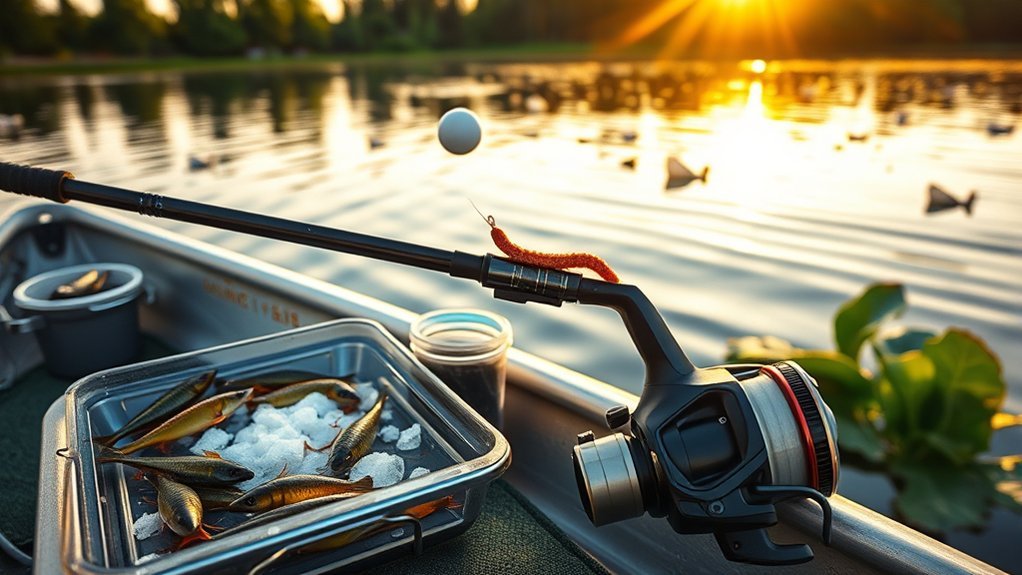
Grab the right live bait for the season and water. Nightcrawlers and red worms work well in low light and shallow water. Minnows hooked through the lips or back can be excellent in summer and ice season. Maggots, waxworms, and mealworms shine when perch feed on small, easy prey in cold water.
Hook each bait so it moves naturally. Then place it at the depth where perch are feeding. A bait that looks alive and stays in the strike zone will usually beat a bigger bait that spins, drags, or sits too far above the fish.
Try different baits, hook sizes, and depths until you find what the perch want that day. Perch can be aggressive one hour and picky the next, so small changes matter.
[Amazon Products Picked for You]

Sport type: Fishing

【 Bait Holding Design】FishTrip baitholder fishing hooks feature double barbs on the shank to securely hold worms, minnows, and soft plastics. This unique design effectively prevents the bait from slipping, making it an ideal bait hook choice for various fishing scenarios

600pcs Fishing Hooks Set: This comprehensive bait holder hooks set Includes 600 baitholder hooks in 3#(30pcs), 4#(30pcs), 5#(30pcs), 6#(30pcs), 7#(30pcs), 8#(90pcs), 9#(90pcs), 10#(90pcs), 11#(90pcs), 12#(90pcs), with a variety of fish hooks sizes and quantities, this baitholder hook assortment meets a wide range of fishing needs and will last you through the entire fishing season. It’s perfect for avid anglers, family fishing trips, or sharing with friends.
Best Live Bait
Live bait can make the difference between an empty stringer and a great day on the water, so pick options and present them with purpose. You’ll want live bait like nightcrawlers and red worms in shallow, active water at dawn or dusk. Minnows, including golden or emerald shiners where legal, shine in summer and under-ice winter trips when you keep their natural movement.
In cold months, maggots, waxworms, and mealworms fished just off the bottom can be clutch. Always tweak fishing techniques and ideal presentation to match perch mood. Hook placement, bait size, and depth matter more than using one “best” bait every time.
| Bait Type | Best Use |
|---|---|
| Nightcrawlers/Red worms | Shallow dawn/dusk |
| Minnows | Summer/ice; natural movement |
Hooking Techniques
One simple change, how you hook and present bait, can turn slow bites into steady action.
You’ll use hooking techniques to keep live bait lively. Thread a small piece of worm onto the hook or hook it once through a firm section so it still wiggles. That works well in shallow water during morning and evening feeding windows.
Hook minnows through the lips for a natural forward swimming action, or lightly through the back when you want them to struggle in place. Both methods draw perch in summer and even under ice.
In colder months, choose maggots, waxworms, or mealworms and rig them so they float or hover just off the bottom. That presentation mimics struggling prey and gives perch an easy target.
Watch feeding patterns and vary how high you suspend bait because perch often cruise low or just above bottom. That small attention to detail frees you from frustration and puts steady fish on your line.
Presentation and Depth
Now that you’ve got hooking down, fine-tune how and where you present bait so perch actually find it.
You’ll favor shallow water with nightcrawlers or red worms at dawn and dusk because feeding patterns often push perch up. In summer or under ice, use minnows hooked through the lips or back to mimic prey; they work when perch hold at varying depths.
In cold months, keep maggots, waxworms, or mealworms close to the bottom, but not buried in weeds or mud. A bait hanging 6–18 inches above bottom often stays visible and easy for perch to eat.
Adjust depth deliberately. Probe different levels until you match where fish are holding. Hook live bait properly so presentation stays lifelike. Fish with confidence and freedom: control your setup, read the water, and let the bait do the talking.
Best Artificial Lures and How to Use Them
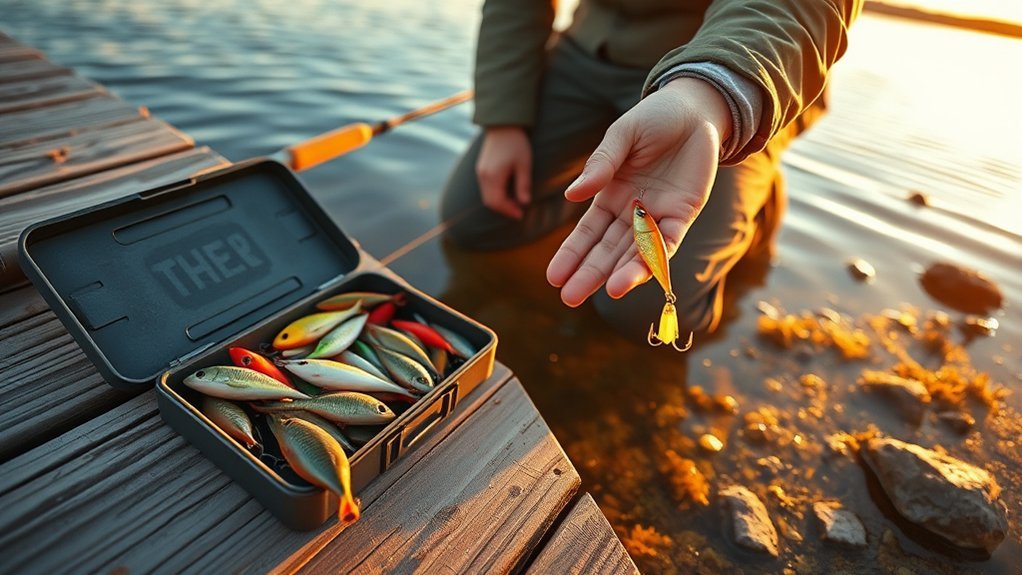
Color and action matter more than size alone when you’re choosing lures for perch. Small spinners, soft plastic jigs, and mini crankbaits each have moments when they outshine the rest, so match the lure to water clarity, light conditions, and how perch are feeding.
For clear water and low light, small spinners shine. Their flash and vibration mimic tiny fish or insects and can trigger aggressive strikes. In stained water, a brighter spinner or lure with more vibration may help perch find it.
Jigs, especially soft plastic jigs, work when you want subtlety. Bounce them near the bottom to imitate worms, larvae, or small baitfish. Keep the movement natural with short lifts, pauses, and slow drops.
Mini crankbaits are your dawn-and-dusk go-to. Their erratic action sparks bites when perch feed actively. Cast around weed edges, rocky points, docks, and drop-offs, then vary your retrieve until fish respond.
The best artificial lures list is less a rulebook and more a toolkit. Carry a few of each and keep experimenting with different types of lures, colors, and retrieval speeds.
You’ll free yourself from one-size-fits-all thinking and catch more fish by adapting to prey behavior and water conditions.
Note: When perch follow but do not strike, slow down first. Add longer pauses, use a smaller lure, or switch to a natural color before leaving the spot.
[Amazon Products Picked for You]

[KNOW EXACTLY WHAT YOU GET] 5 plain-blade spinners (2.56 in / 0.11 oz) + 5 feathered treble spinners (2.2 in / 0.14-0.25 oz), sorted in a labeled tackle box - pick the right bait in seconds, no more guessing which weight ties on best.
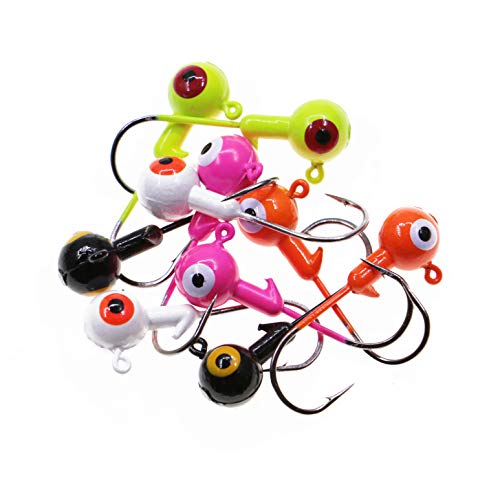
Constructed with premium high-carbon steel sharp hooks and strong double-eye design.

4 3/4-inch slender minnow/jerkbait trolls to around 27 feet deep and swims with a wide, searching action
Perch Fishing Techniques for Different Waters
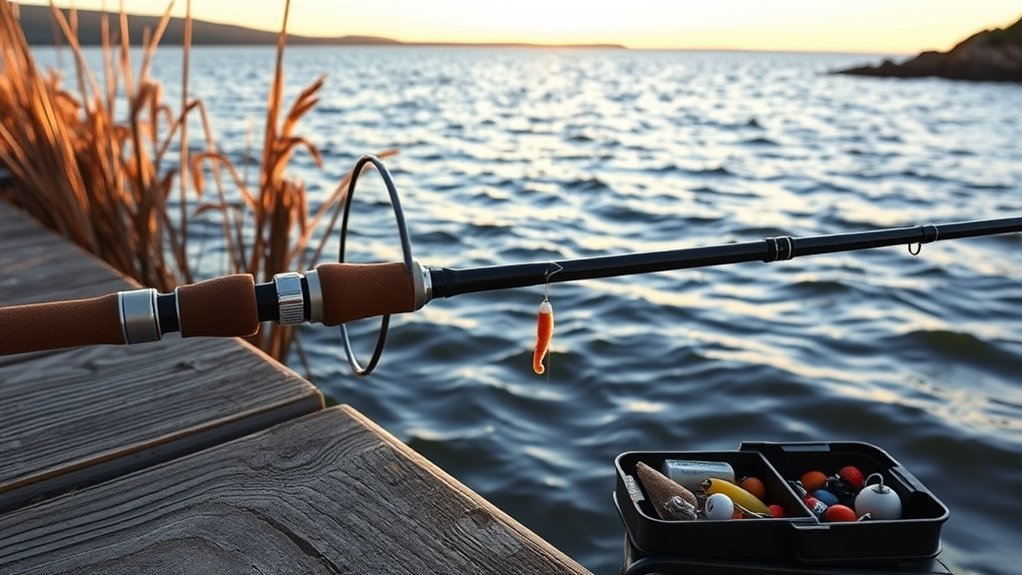
When you’re on still water, work spots slowly. Use live bait or vertical jigs around weed edges, docks, rocks, and submerged structure to entice perch.
On moving water, fish breaks and bends by drifting bait or casting into slower seams where perch ambush prey. Perch do not usually hold in the strongest current for long. They prefer softer water close to food.
Adjust lure size and color for clarity. Use subtle colors and smaller profiles in clear water. Use brighter, louder, or slightly larger options in murkier conditions.
Still-Water Tactics
You’ll find that in still water, perch stick close to structure. Weed beds, sunken logs, docks, hard-bottom flats, and rocky outcrops are favorite hangouts. Start by targeting those spots, especially in the dim hours of early morning and late evening when perch may feed shallow.
Bring light tackle and a basic minnow rig. Live bait presents naturally and keeps perch interested in quiet, confident ways.
Stay mobile enough to explore lone rocks and weed edges, but patient enough to work each good spot. Soft bites are common, so sensitivity matters.
Try slow retrieves or gentle jigging off the bottom to provoke strikes. These techniques free you from guesswork. Observe, adapt, and trust simple setups.
You’ll land more perch when you fish smart, stay bold, and own the still waters.
Moving-Water Methods
In flowing water, perch hug the edges of current breaks. Bends, confluences, bridge pilings, eddies, and areas behind submerged logs can all gather food and give perch a calmer place to feed.
In moving waters, you’ll want a spreader rig when local rules allow it and when you need to present multiple hooks without tangling. It can help when freshwater fish gather around structure.
Drift downriver to cover water and find scattered schools. Let your offering sweep naturally past rocks, seams, and submerged logs.
In deeper runs, try vertical jigging to reach suspended or bottom-hugging perch. Short, sharp lifts imitate trapped prey, while slow drops give perch time to strike.
Match your retrieve to the current. Slow it in fast stretches so the bait stays in the strike zone. Speed it up where flow eases and fish are actively chasing.
These effective techniques free you from guesswork and put control back in your hands.
Finding Productive Perch Locations
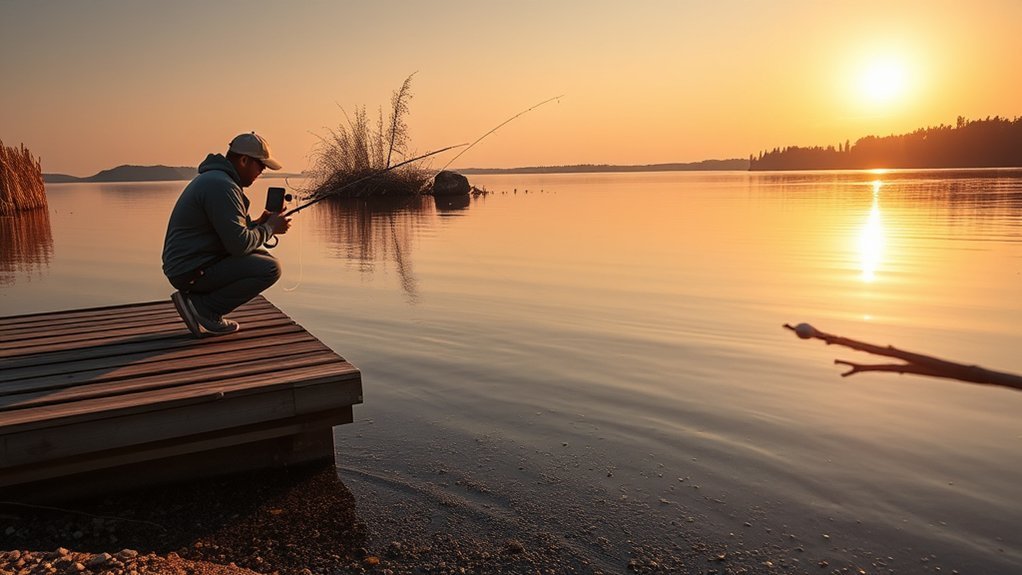
If you want steady perch action, start by scanning for structure. Weedbeds, submerged logs, rocky outcrops, docks, points, and drop-offs are where perch hide and feed. These areas also concentrate bait, so you’ll get more bites in less time.
Pinpoint productive perch locations by hunting underwater structures that offer cover and ambush points. In rivers, look for bends, confluences, eddies, and breaks in current where food accumulates and perch loaf.
Hunt underwater structure. Cover, bends, drop-offs, and current breaks concentrate food where perch like to hold.
You’ll want to seek schools of perch with a fishfinder or down imaging when you have one. Look for tight groups near bottom, along weed edges, or suspended close to baitfish. Once you see targets, work the area deliberately before moving.
Don’t ignore shallow waters near structure. Perch often stack there, especially when prey is abundant. Move freely between spots until you feel the pattern. Freedom on the water helps you press advantages others miss.
Stay observant, mark promising structure, and return with intention. Finding perch is as much about reading the environment as it is about patience and boldness.
Seasonal Tactics and Timing for Better Catches

Because perch move with temperature and food, timing your trips around seasonal changes gives you a big advantage. In early spring, perch often move from deeper water into shallow bays, hard-bottom areas, and vegetation edges to spawn as water warms.
Target dawn and dusk in summer when perch may slip deeper during bright hours but feed actively near weed edges and drop-offs. In fall, return to shallow feeding zones, especially mornings and evenings, as perch feed before winter.
Embrace those seasonal patterns. Plan spring outings around warming days and focus on hard structure, protected bays, and shallow flats. Use light line and live bait to tempt fish that are moving and feeding.
In summer, chase the good times of the day. Cast to drop-offs, weed edges, docks, and deeper pockets near baitfish. When the sun gets high, slow down and fish closer to bottom.
Come fall, hit shallow flats and shifting zones as perch gorge before cold sets in. If you ice fish, start with safe ice only, then look for weeds, basin edges, and bottom transitions where perch cruise in schools.
That timing makes your trips feel freeing and effective.
Learn to read temperature and structure, adapt rigs and bait, and you’ll find the best perch fishing becomes less luck and more liberation.
Warning: For ice fishing, never assume ice is safe because other anglers are present. Check local ice conditions, carry safety gear, and avoid thin ice, current areas, springs, and pressure cracks.
Ethical Practices and Care for Released Perch
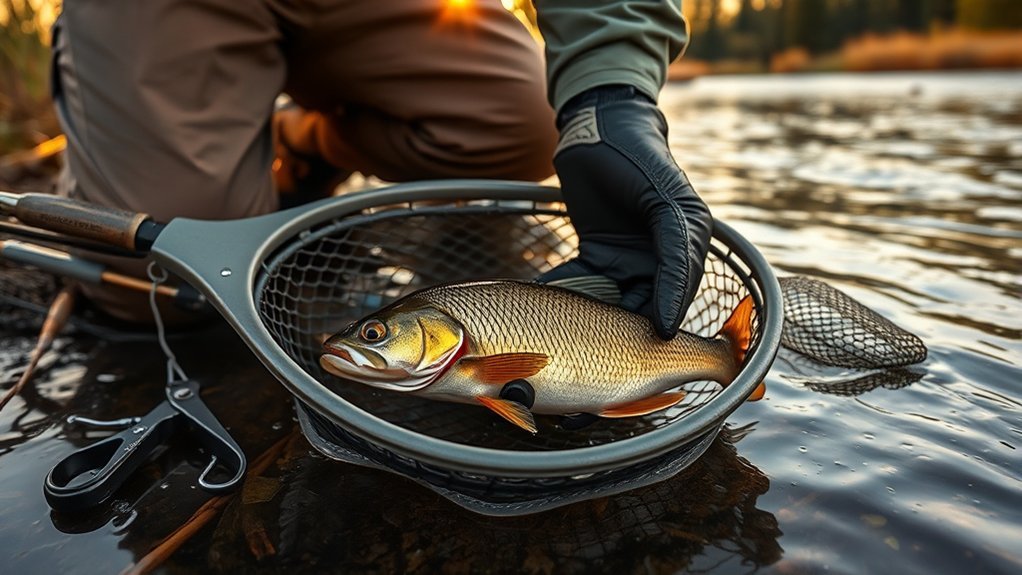
When you’re handling perch, wet your hands first and work fast. You’re protecting their slimy coating, which helps guard against infection and injury. Getting them back in the water quickly also improves their chance of swimming away strongly.
Treat catch-and-release as a commitment. Use barbless hooks or pinch barbs down so unhooking is quick and clean. Keep fights short to reduce exhaustion, especially in warm water or deep water.
Respect local regulations on size and bag limits. They are your map to sustainable freedom for fish and anglers alike. Rules can change by state, province, lake, season, and species, so check the current regulation guide before keeping fish.
Minimize air exposure. Photograph and measure swiftly, then revive perch by holding them upright in clean water until they swim off on their own. Do not drag fish on dry ground, squeeze their gills, or keep them out of water while you prepare a camera.
That little extra care raises the survival rate and preserves healthy populations for future liberation on the water.
You can fish hard and still practice ethical practices. It’s about being efficient, humane, and proud of the ecosystem you help protect.
Common Perch Fishing Mistakes to Avoid
One of the biggest perch fishing mistakes is staying in one place too long without signs of fish. Perch school and move, so a quiet spot can stay quiet. Give a promising area time, but do not spend your whole trip waiting on empty water.
Another mistake is using tackle that is too heavy. Heavy line, large hooks, and stiff rods make small bites harder to detect. Perch often tap bait before taking it, so light gear helps you react faster.
Many anglers also fish too high in the water column. Perch often hold near bottom, especially in cold water or bright conditions. Start close to bottom, then raise your bait if you see fish suspended or get bites higher up.
Finally, avoid using one bait all day. If perch nip but do not commit, change bait size, hook style, depth, or retrieve speed. Small adjustments often matter more than a full location change.
Frequently Asked Questions
How do you perch fish for beginners?
Start with light perch fishing gear, such as a light spinning rod, small reel, 4–6 lb line, small hooks, split shot, and a simple bobber or jig. Fish ideal locations like weedbeds, drop-offs, docks, rocks, and current breaks. Use worms, minnows, or small jigs, then adjust depth until you find the school.
What is the best setup for perch fishing?
The best all-around perch setup is a light or medium-light spinning rod, a size 1000 reel, 4–6 lb monofilament, small light-wire hooks, and simple tackle such as split shot, bobbers, jigs, and small soft plastics. This setup keeps bites easy to feel and lets you cast small baits accurately.
How far off the bottom do you fish for perch?
Fish close to bottom first, often about 6–18 inches above it. If perch are suspended or chasing baitfish, raise your bait a little at a time. Depth changes with season, water temperature, light, and food location, so keep testing until bites improve.
What is the best bait to use for perch fishing?
Minnows, worms, maggots, waxworms, and mealworms are all strong perch baits. Minnows often work well for bigger perch, while worms and small larvae-style baits help when fish are picky. Small jigs, spinners, and mini crankbaits can also work when perch feed actively.
What time of day is best for perch fishing?
Perch are usually daytime feeders, but dawn and dusk can be especially productive because low light pushes baitfish and perch closer to structure. In summer, early and late periods often beat bright midday conditions. In cooler seasons, midday warmth can also trigger feeding.
Can you catch perch from shore?
Yes, you can catch perch from shore if you can reach weeds, docks, rocks, shallow flats, or drop-offs. Use a slip bobber, small jig, or live bait rig and cover water until you locate a school. Shore fishing is often best in spring, fall, and low-light summer windows.
Conclusion
You’ve got the basics to get out there and catch perch with confidence. Use light gear, try live bait or small jigs, fish structure and weed edges, and adjust your depth until you contact the school.
Perch fishing rewards curiosity. Watch how fish respond, change bait size when bites get soft, move when a spot goes quiet, and match your tactics to the season. Practice gentle catch-and-release when you release fish, and follow local limits when you keep a meal.
Stay curious, tweak your tactics with conditions, and enjoy the thrill of consistent, rewarding perch fishing.
Sources
- U.S. Fish and Wildlife Service — general fish habitat, conservation, and responsible angling context
- National Park Service: How to Catch and Release Fish — fish handling and release practices
- Pennsylvania Fish and Boat Commission: Fishing Regulations — example of checking current local fishing rules before keeping fish
- Minnesota Department of Natural Resources: Fishing — seasonal fishing, regulations, and freshwater angling guidance