To set the hook while fishing, first recognize the bite, remove slack from your line, and use a controlled rod motion that matches your lure, hook, and target species. Pause briefly for subtle surface takes, react faster to hard strikes, and avoid jerking so early that you pull the bait away. With the right timing and steady pressure, you can turn more bites into landed fish.
Quick Answer
To set a hook, point the rod toward the fish, reel until the line is tight, then lift or sweep the rod with firm, controlled pressure. Use a quick upward set for many single hooks, a sideways sweep for moving baits, and steady reeling pressure for circle hooks.
Key Takeaways
- A good hook set starts before the strike: keep slight tension, watch your line, and stay ready.
- Reel in slack before you lift the rod, because loose line absorbs power and leads to missed fish.
- Match your hook set to the setup: hard hook sets fit some single hooks, while circle hooks need steady pressure instead of a sharp snap.
- Do not yank on every bite. Timing changes with topwater lures, live bait, soft plastics, flies, and nymph rigs.
At a Glance
| Time Required | A few seconds during the bite, plus practice on different lures and rigs |
| Difficulty | Beginner to intermediate |
| Tools Needed | Rod, reel, line, hook or lure, and a properly set drag |
| Cost | No extra cost if your current tackle matches the fish and bait |
Understanding the Importance of Hook Setting
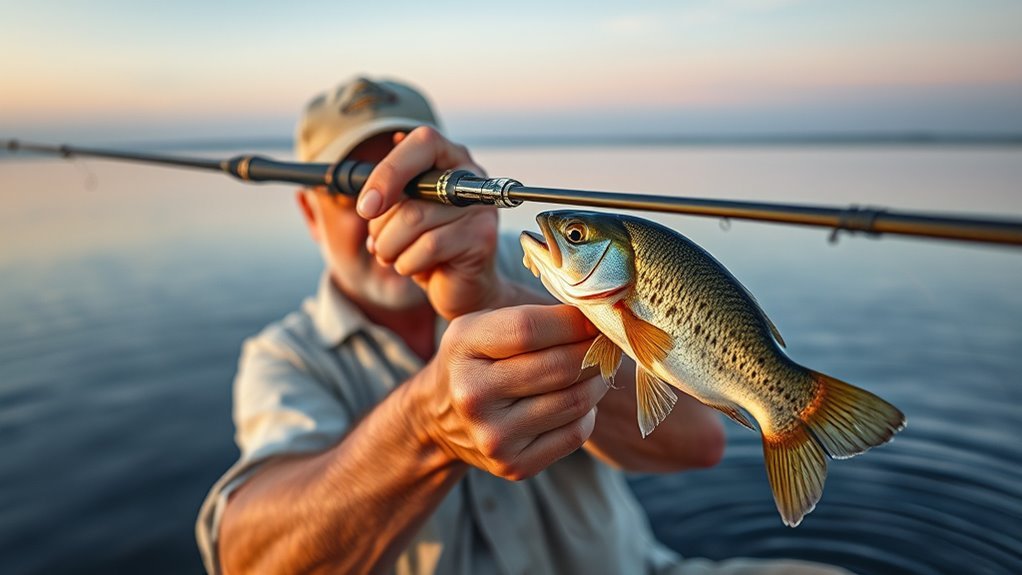
While you might be eager to reel in your catch, understanding the importance of hook setting is essential for successful fishing. A hook set drives the hook point into the fish’s mouth and helps keep steady pressure as the fish turns, shakes, or runs.
To properly set the hook, you usually need to feel the weight of the fish after the bite. This step helps confirm that the fish has taken the bait, lure, or fly instead of only bumping it.
Different fish species and presentations call for different reactions. A largemouth bass crushing a jig may need a strong sweep or upward set. A trout sipping a dry fly often needs a short pause. A catfish taking bait on a circle hook usually needs steady reeling pressure instead of a sharp jerk.
Adapting your hook-setting technique to different fish behaviors is one of the simplest ways to improve your landing rate.
Maintaining tension on the line is equally important. Slack line can delay your reaction, reduce hook penetration, and give the fish room to spit the bait. When you feel weight, execute your hook set with confidence while keeping the line taut.
Mastering this timing and technique boosts your catch rates and makes fishing more enjoyable. With practice, you’ll learn the difference between a nibble, a bump, and a committed bite.
Recognizing Fish Takes
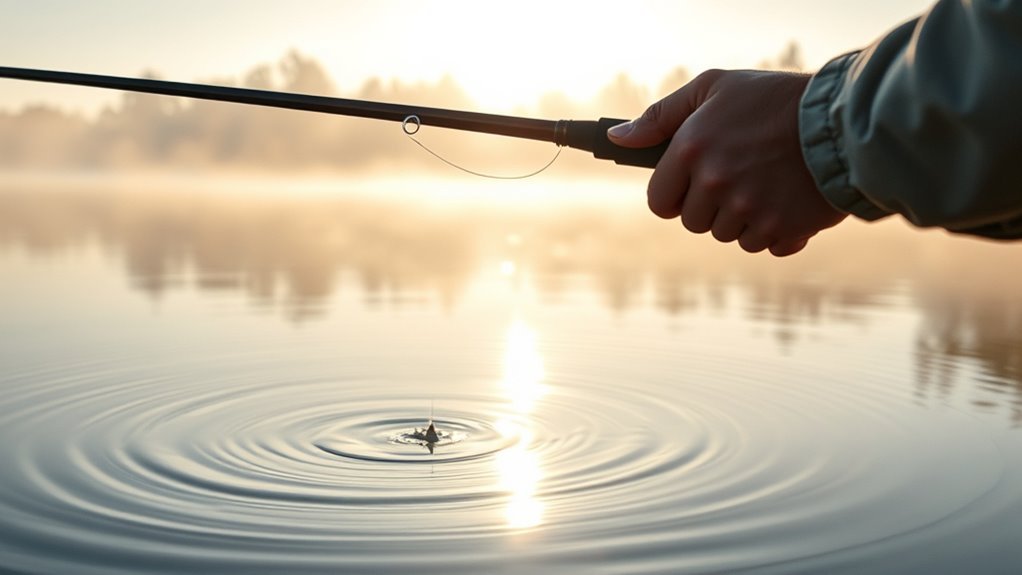
Recognizing fish takes is essential for successful hook setting. Some bites feel like a hard thump, while others look like a twitch in the line, a dip in a float, or a small surface swirl.
The sip take is subtle. When fish feed on surface flies or tiny topwater baits, wait briefly before setting the hook. This pause helps you avoid pulling the fly or lure from the fish’s mouth.
The swirl take creates visible movement on the surface. You may see a boil, roll, or wake near the bait. A slight delay can help maintain pressure as the fish turns away.
Aggressive strikes, or all-out attack takes, require a faster reaction. When a fish hammers a lure and you feel direct weight, reel down and set the hook with firm pressure.
When nymph fishing, pay attention to your indicator, leader, and line. Any hesitation, dip, sideways slide, or unnatural stop can signal fish activity. A quick rod motion helps secure the hook before the fish releases the fly.
With live bait, watch for steady line movement instead of reacting to every tap. Small pecks may come from baitfish or a fish mouthing the bait. Once the line tightens or moves with purpose, apply the correct hook-setting method for your hook type.
Note: Your line often tells you about the bite before your rod does. Watch for ticks, jumps, sideways movement, sudden slack, or a line that stops falling too soon.
Proper Form for Setting the Hook

After identifying the type of take, focus on proper form. A strong hook set is not just a hard yank. It is a short, controlled movement that transfers power from your body through the rod and line.
To make your hook set more consistent, follow these key steps:
- Stable Stance: Position your feet about shoulder-width apart with your knees slightly bent. This helps you stay balanced when the fish hits, especially from a boat, bank, dock, or slippery shoreline.
- Relaxed Upper Body: Keep your shoulders loose and your grip firm without locking your arms. A relaxed posture lets you react quickly and keeps the motion smooth.
- Controlled Movement: Keep your elbows close to your sides as you lift the rod tip up over your shoulder or sweep it to the side. This improves leverage while keeping the line tight.
- Steady Follow-Through: After the hook set, do not drop the rod tip or stop reeling. Keep the rod loaded so the hook stays pinned.
Your rod angle matters. If the rod tip is too high before the bite, you may have little room left to set the hook. If the rod tip is too low with too much slack, your movement may not reach the hook point. A moderate rod angle gives you room to reel down, lift, and keep pressure.
How to Set the Hook Step by Step
A simple process helps you avoid panic when a fish bites. Use this basic method for many common lure and bait setups, then adjust it for your fishing style.
- Stay ready before the bite. Keep slight tension in the line, hold the rod in a comfortable position, and watch the line as your bait or lure moves.
- Recognize the strike. Look for a tap, thump, line jump, sudden heaviness, surface swirl, or float movement.
- Reel down to remove slack. Turn the reel handle until the line tightens and you feel the fish’s weight.
- Set with controlled force. Lift the rod upward or sweep it sideways, depending on your rig and hook type.
- Keep pressure on the fish. Continue reeling while keeping the rod bent. Avoid giving the fish slack during jumps, head shakes, or direction changes.
- Let the drag work. If the fish runs, keep the rod loaded and allow the drag to release line smoothly instead of clamping down too hard.
Pro Tip: Before every cast, check that your drag is firm enough to drive the hook home but loose enough to protect your line from sudden runs.
Techniques for Different Types of Fishing

Understanding the techniques for different types of fishing is essential for setting the hook well. The right move depends on hook style, lure type, rod power, line stretch, and how the fish eats.
For bass fishing, when you feel a strong bite on a jig, Texas rig, frog, or soft plastic, quickly reel down and raise your fishing rod with a firm motion. This helps the hook penetrate, especially when the fish has the bait inside heavy cover or vegetation.
With topwater lures, avoid reacting only to the splash. Wait until you feel the fish load the rod, then sweep or lift. This keeps you from pulling the lure away too soon.
If you’re fly fishing with dry flies, wait a moment after the fish takes the bait before setting the hook with a short upward motion. A small lift often works better than a hard snap, especially with light tippets.
While nymph fishing, watch for subtle hesitations or dips, then use a quick rod set or cross-current motion to secure the hook. Keep the motion compact so you can continue the drift if the fish was not there.
For aggressive strikes on streamers, do not always set the hook immediately with the rod tip high. Keep tension, strip again if needed, and use a firm strip set before lifting the rod. This can improve hook placement and reduce missed fish.
When using live bait for catfish, opt for a circle hook when appropriate. This design is meant to catch as the fish moves away and the line tightens, so you usually reel steadily instead of snapping the rod upward.
Mastering these techniques can greatly improve your success with various species of fish.
Hook Setting by Hook Type
Your hook type changes how hard and how fast you should set the hook. Using the wrong motion can cost you fish, even when the bite is clear.
- J-hooks: Reel down and use a firm lift or sweep. These hooks often need direct pressure to drive the point into the fish’s mouth.
- Circle hooks: Do not use a dramatic snap set. Let the fish move off, tighten the line, and reel steadily until the rod loads.
- Treble hooks: Use a smoother sweep instead of a violent jerk. Treble hooks can grab easily, but too much force can tear them free.
- Weedless hooks: Use a stronger hook set because the hook point may need to pass through soft plastic before contacting the fish.
- Small fly hooks: Use a compact lift or strip set. Too much force can break light tippet or pull the fly away.
Warning: Avoid a hard overhead hook set when using circle hooks. Sharp jerking can pull the hook out before it rotates into position.
Common Mistakes to Avoid
When you’re out fishing, even good techniques can fall short if you make common mistakes while setting the hook.
Here are key pitfalls to avoid:
- Setting the hook too early: Especially during topwater fishing, if you yank too soon, the fish’s mouth may not be fully closed around the bait. Wait until you feel weight before driving the hook.
- Not reeling in slack line: If you do not reel in slack before you set the hook, you risk a weak connection. Slack absorbs the hook-setting motion and can let the fish escape.
- Waiting too long with live bait: This can lead to deep-hooked fish. A good rule of thumb is to set the hook promptly once the fish has the bait and the line tightens.
- Using too much force: A violent hook set can tear a hole in a fish’s mouth, bend light hooks, or snap thin line.
- Using too little force: A soft lift may not drive a heavy hook through a plastic bait or into a tough jaw.
- Dropping the rod after the set: Lowering the rod too soon creates slack. Keep the rod bent and reel smoothly.
Best Practices for Successful Hook Setting
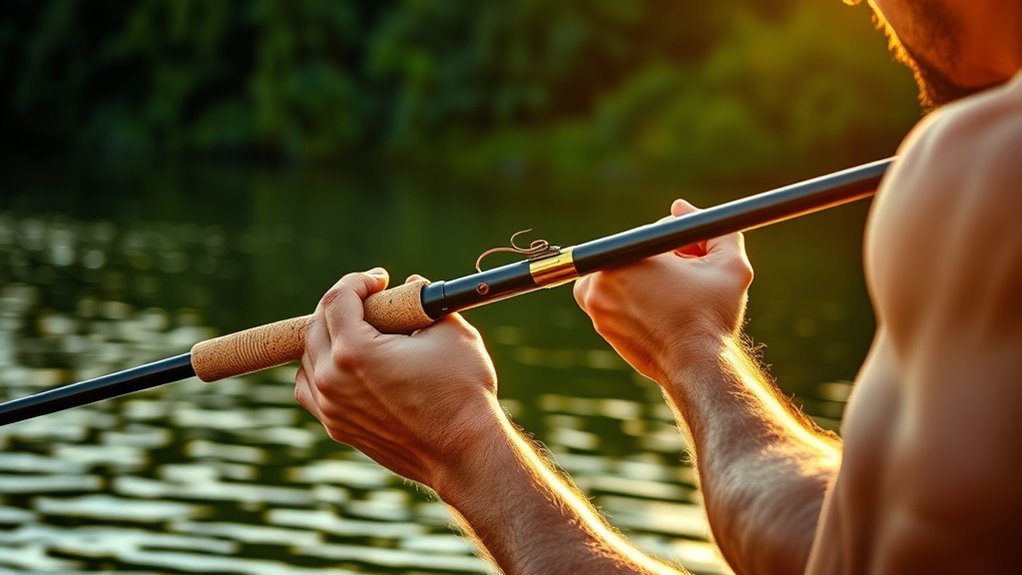
To set the hook successfully, focus on habits that improve your chances of landing the fish.
First, maintain a stable stance with your legs shoulder-width apart and knees slightly bent for balance. Wait to feel the weight of the fish before you set the hook. This helps confirm that the fish has taken the bait.
Maintain a stable stance, remove slack, and wait for the fish’s weight before setting the hook for better results.
Minimize slack in your fishing line by reeling before you execute the hook set. A tight line increases sensitivity and transfers more power to the hook point.
When you’re ready, use a side set motion by twisting your waist to generate more power. This technique allows for better leverage on the fish and works well when your lure is moving sideways or the fish is swimming away from you.
Finally, adjust your hook-setting technique based on the species you’re targeting. Different fish require different timing, pressure, and follow-through.
Troubleshooting Missed Hook Sets
If you keep missing fish, do not assume the fish are simply biting poorly. Small changes in timing, line control, and tackle can make a big difference.
- If you feel taps but never connect: Wait until the line tightens or the rod loads before setting the hook.
- If fish come off after a few seconds: Keep steady pressure and check whether your hooks are sharp.
- If your line breaks on the hook set: Loosen your drag slightly, inspect for frays, and use a smoother motion.
- If the hook does not penetrate: Use sharper hooks, remove slack, and match your rod power to the lure and hook size.
- If you pull bait away from fish: Delay your reaction on surface bites and use a sweep instead of a straight upward snap.
Related Guides
Frequently Asked Questions
How do you properly set a hook when fishing?
To properly set a hook when fishing, wait until you feel the fish’s weight, reel in slack, and use a quick but controlled lift or sweep. Adjust your technique based on hook type, fish species, lure style, tackle selection, and line strength.
How do you tie a fishing hook step by step?
Choose a knot that matches your line and hook, such as an improved clinch knot, Palomar knot, or loop knot. Thread the line through the hook eye, form the knot carefully, moisten it, pull it tight, and trim the tag end. A strong knot helps your hook set transfer power without slipping.
How do you set up a hook and weight for fishing?
Choose a hook that fits your bait and target fish, then match your line strength to the setup. For many basic bait rigs, place the weight 12 to 24 inches above the hook to help the bait move naturally while keeping enough sensitivity to feel bites.
How long should you wait to set the hook?
Wait until you feel the fish’s weight or see the line tighten. For hard strikes, set quickly. For topwater bites or cautious fish, pause briefly so the fish can take the bait. With circle hooks, reel steadily instead of making a sharp hook set.
Should you set the hook hard every time?
No. A hard hook set works for some single-hook rigs, but it can hurt your success with treble hooks, circle hooks, light line, and small flies. Use firm pressure, not uncontrolled force, and match the motion to your tackle.
Why do I keep losing fish after setting the hook?
Common reasons include dull hooks, too much slack, a drag set too tight or too loose, weak knots, poor rod angle, or stopping your retrieve after the hook set. Keep the rod bent and maintain steady pressure until the fish is landed.
Conclusion
In summary, mastering the art of hook setting is essential for successful fishing. The best hook set is not always the hardest one. It is the one that matches the bite, the hook, the line, and the fish.
By understanding the signs of a fish take, removing slack, and using the right motion, you’ll increase your chances of landing that big catch. Keep practicing with different rigs and species, and you’ll learn when to pause, when to sweep, and when to simply reel into the fish.