
You might not realize that the English word “stroller” has several natural Spanish translations. The best choice depends on where your listener is from, what type of stroller you mean, and whether you want a general or very specific term. In many places, cochecito de bebé works well. In Mexico, carriola is often the everyday word. You may also hear sillita de paseo for a lighter pushchair-style stroller.
Quick Answer
“Stroller” in Spanish is usually cochecito de bebé, but the most natural word changes by region. In Mexico, people commonly say carriola. In Spain and many general Spanish-learning contexts, cochecito or cochecito de bebé is widely understood. For a light stroller, sillita de paseo can also fit.
Key Takeaways
- Cochecito de bebé is a clear, widely understood translation for “baby stroller.”
- Carriola is especially common in Mexico and Mexican Spanish.
- Sillita de paseo often refers to a lighter stroller or pushchair used for walks.
- Context matters because Spanish terms for baby gear can change across countries and communities.
- When speaking with parents, caregivers, stores, or airlines, use the local term when you know the region.
Understanding the Term Stroller
When you translate “stroller” into Spanish, you are not choosing only one word. You are choosing the word that best matches the region, the stroller style, and the conversation. That is why Spanish speakers may use cochecito, cochecito de bebé, carriola, or sillita de paseo.
In many general situations, cochecito de bebé is the safest choice because it clearly means a stroller for a baby. In Mexico, however, carriola often sounds more natural in daily conversation. If you are talking about a lighter stroller used for walks, sillita de paseo may be more precise.
This difference matters when you ask for directions in a store, talk to a caregiver, read airline rules, or compare stroller features. Using the local word helps you avoid confusion and makes your Spanish sound more natural.
Note: If you are not sure which country’s Spanish your listener uses, say cochecito de bebé. It is specific enough that most Spanish speakers will understand you.
Common Translations in Spanish
The word “stroller” translates into Spanish in several common ways. Each term can be correct, but each one carries a slightly different regional or practical meaning.
- Cochecito de bebé: A clear and formal way to say “baby stroller.” This is useful when you want to avoid confusion.
- Cochecito: A shorter version that many Spanish speakers understand from context.
- Carriola: A common everyday word in Mexico for a baby stroller.
- Sillita de paseo: A term often used for a lighter stroller, pushchair, or stroller meant for walks.
- Cochecito doble: A useful phrase when you mean a double stroller for two children.
Understanding these translations helps you speak more clearly with Spanish-speaking parents, caregivers, store workers, and travel staff. It also helps when you search for stroller accessories, compare stroller models, or ask about rules for bringing a stroller on a flight.
For most learners, the best approach is simple: use cochecito de bebé for general Spanish, use carriola when speaking Mexican Spanish, and use sillita de paseo when the stroller is lightweight or used mainly for walks.
Regional Variations of Stroller
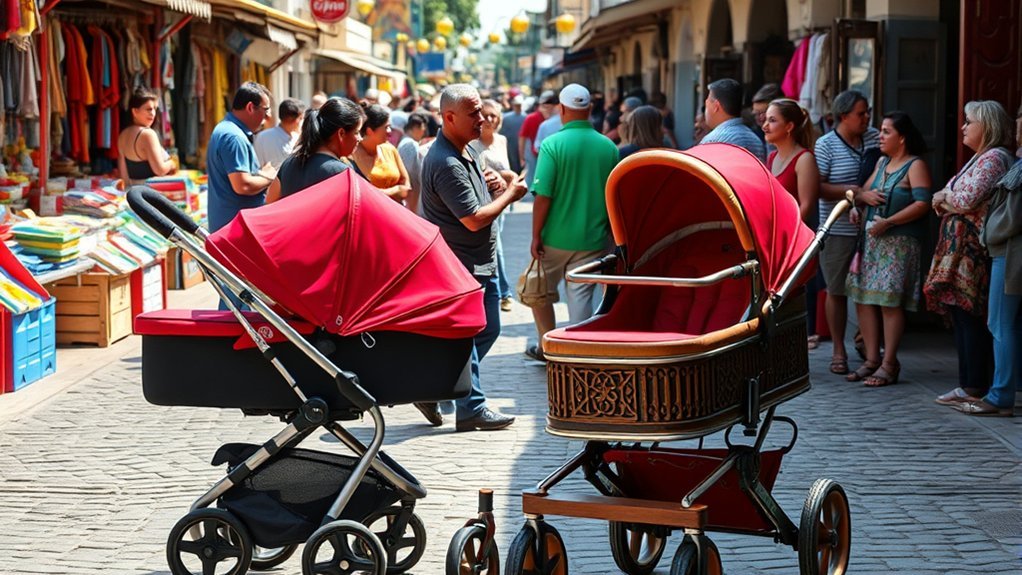
When you discuss strollers in Spanish, you will notice that regional word choice matters. The same item may have a different everyday name depending on whether someone is from Mexico, Spain, the United States, or another Spanish-speaking community.
These differences do not mean one term is “right” and the others are “wrong.” They show how Spanish changes across countries and communities. A word that sounds normal in one region may sound formal, uncommon, or slightly unclear in another.
[Amazon Products Picked for You]

Dual seating for two dolls up to 18 inches each. Perfect for children who love playing with twins or siblings, this twin stroller accommodates two dolls simultaneously for shared imaginative adventures and cooperative play experiences

Twin doll stroller with dual seating: This double baby doll stroller features a side-by-side configuration that seats two dolls up to 18 inches, perfect for siblings or friends to play together and bond during imaginative adventures

Vintage-inspired classic design: This beige and black doll pram captures the timeless charm of traditional baby carriages, bringing nostalgic elegance to every playtime adventure and creating memorable role-play experiences for children ages three and up
Terms by Region
Understanding regional variations in the term “stroller” makes your Spanish more practical. In the United States, Spanish speakers may use cochecito, cochecito de bebé, or sillita de paseo, depending on family background and local usage. In Mexico, carriola is a very common choice.
In Spain, cochecito and silla de paseo are both useful terms, though the best word may depend on the stroller type. A full baby carriage, a compact pushchair, and a travel stroller may not always use the same term in casual speech.
Even when a word is widely understood, local preference can still affect how natural it sounds. By learning these variations, you can communicate more smoothly and avoid awkward explanations.
Common Usage Differences
While exploring Spanish-speaking countries and communities, you will quickly see that stroller terms vary considerably. In many U.S. Spanish contexts, cochecito is easy to understand. In Mexico, carriola often sounds more natural. In some places, sillita de paseo describes a lighter model that folds easily and works well for short trips.
These regional variations can affect everyday parenting conversations. For example, if you ask a Mexican store worker for a cochecito, they may still understand you, but carriola may sound more familiar. If you say sillita de paseo, some listeners may picture a lighter stroller rather than a full-size baby stroller.
As a bilingual parent, traveler, or Spanish learner, knowing these differences helps you ask better questions. You can describe the stroller style, child’s age, and use case more clearly.
Examples of Stroller in Sentences
Examples make these terms easier to remember. You can use the following sentences when shopping, traveling, asking for help, or talking with other parents.
Stroller Usage in Context
Strollers play an essential role in daily parenting, especially during walks, errands, airport trips, and public transportation. These examples show how the main Spanish terms work in real sentences:
- Necesito un cochecito de bebé para viajar. — I need a baby stroller for traveling.
- ¿Dónde puedo comprar una carriola? — Where can I buy a stroller? This sounds natural in Mexican Spanish.
- La sillita de paseo se pliega fácilmente. — The lightweight stroller folds easily.
- Tenemos un cochecito doble para los gemelos. — We have a double stroller for the twins.
- Voy a llevar el cochecito al parque. — I am going to take the stroller to the park.
These examples also show why context matters. If you only say cochecito, the listener will usually understand from the baby or parenting context. If the setting is unclear, cochecito de bebé removes doubt.
Regional Terminology Differences
Understanding the regional terminology differences for “stroller” can greatly improve your communication with Spanish speakers. In the United States, “stroller” is often translated as cochecito de bebé. In Mexico, you will commonly hear carriola. In some areas, sillita de paseo describes a lighter stroller used for walks.
For example, you might hear: Los padres paseaban a sus niños en sillitas de paseo por el parque. This means, “The parents walked their children in strollers through the park.” The phrase sounds natural when the speaker is referring to small, walk-friendly strollers.
Recognizing these variations strengthens bilingual parenting conversations and helps you connect with Spanish-speaking communities. It also helps when you read stroller descriptions, childcare notes, store labels, or travel rules in Spanish.
Items Associated With Baby Strollers
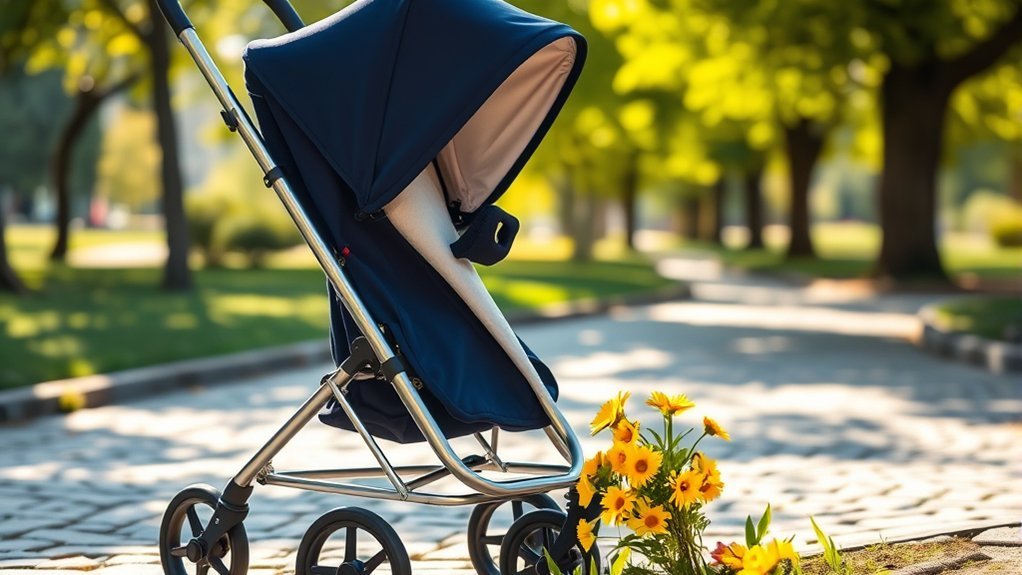
While learning stroller vocabulary, it also helps to know the Spanish words for common stroller accessories. These items often appear in product descriptions, travel conversations, and parenting discussions.
- Cup Holders: In Spanish, you may see portavasos. These keep a drink within reach during walks.
- Storage Baskets: A stroller storage basket may be called cesta or canasta de almacenamiento. It holds diaper bags, snacks, toys, and other essentials.
- Rain Covers: A rain cover may be called cubierta para lluvia or protector de lluvia. It helps protect your child from sudden weather changes.
Other useful stroller-related words include ruedas for wheels, freno for brake, arnés for harness, capota for canopy, and manillar for handlebar. These words make it easier to ask about safety, comfort, and stroller features.
Investing in the right accessories can improve your stroller’s everyday usability. More importantly, knowing the right Spanish terms helps you ask for the exact item you need.
[Amazon Products Picked for You]

PREMIUM QUALITY: Boasting a food-grade EVA material and frosted PVC of half-clear part, IvyWind Stroller Rain Cover is odorless, soft and waterproof, ensuring both comfort and security; Utilize an enhanced 0.2mm thick EVA, offering unparalleled durability

ULTIMATE PROTECTION - Our high-quality stroller rain cover is designed to provide ultimate protection for your baby. Made with safe and resilient materials, including food-grade EVA, it shields your little one from rain, wind, snow, cold, and dust.

Seamless & Full Protection ·-· Our stroller rain cover is made of high-durability food-grade EVA material, thickened and tear-resistant, with seamless one-piece construction, providing complete protection against rain, wind, snow, and dust, giving your baby a 360° dry and comfortable space.
Airline Policies Regarding Strollers
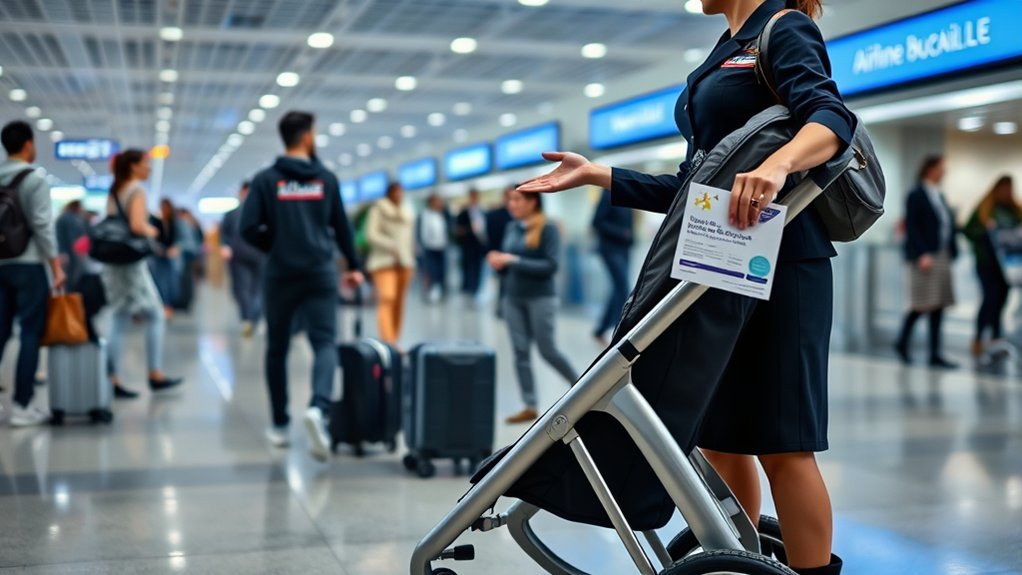
When you travel with a baby or toddler, understanding airline policies for strollers is essential. Airlines often have their own rules for gate checking, regular check-in, stroller size, stroller weight, and whether the stroller must be folded or bagged.
If you are speaking Spanish at an airport, you may need phrases like facturar el cochecito for checking the stroller, llevar la carriola hasta la puerta de embarque for taking the stroller to the gate, or plegar la sillita de paseo for folding the stroller.
[Amazon Products Picked for You]
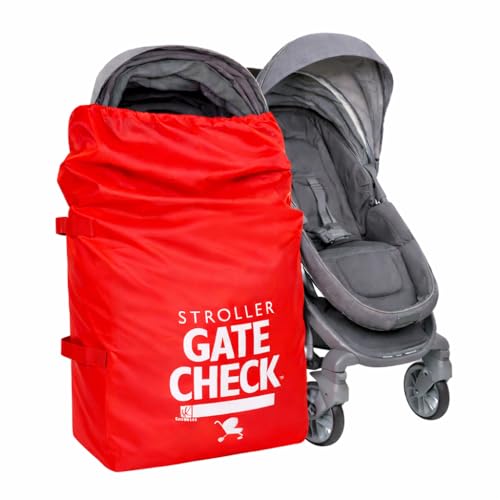
TRAVEL WITH LESS WORRY - Protects your stroller from airport dirt and handling while making family travel a little more manageable. Use to gate check when boarding the airplane.
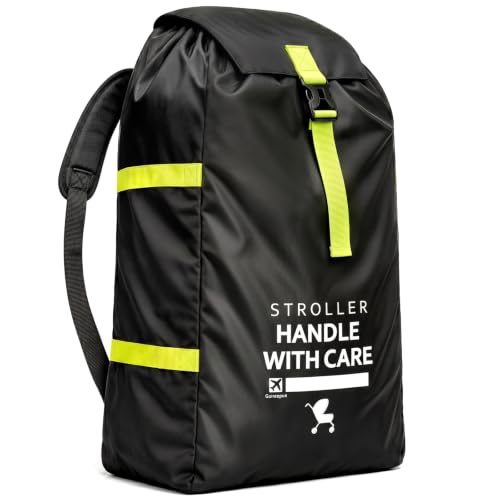
Universal Compatibility: The stroller bag for airplane fits most large , double and jogging strollers, the stroller bag size is 47”H x 24” W x 15” D. It is compatible with most mainstream strollers, such as UPPAbaby, Chicco, Evenflo, Graco, Baby Jogger, Nuna, Mockingbird, but it doesn't fit UPPAbaby Minu V2, Graco EZLite, Evenflo Minno Single. Please measure your folded stroller before purchasing.

TRAVEL WITH LESS WORRY - Protects your stroller from airport dirt and handling while making family travel a little more manageable. Use to gate check when boarding the airplane.
Stroller Check-in Procedures
Maneuvering stroller check-in procedures becomes easier when you know both the travel rules and the useful Spanish vocabulary. Here are three key points to consider:
- Check-in Options: Airlines may allow stroller check at the ticket counter or at the gate. Ask your airline before travel so you know what to expect.
- Stroller Safety: Some airlines require strollers to be folded, tagged, or placed in a protective bag before loading.
- Inspection Awareness: Airport security may inspect your stroller, just as they inspect other travel items.
Many airlines allow free stroller check-in for families, but you should confirm the exact policy before your trip. This helps you avoid confusion, delays, or unexpected fees at the airport.
Warning: Do not assume every airline uses the same stroller policy. Check your airline’s current baggage rules before you fly, especially if your stroller is large, heavy, or does not fold compactly.
Size and Weight Regulations
Understanding size and weight regulations for strollers can make travel smoother. Airlines may set specific stroller dimensions and weight limits to make sure the stroller fits in storage areas or cargo spaces. Some may require compact folding, while others may treat oversized strollers differently.
Before your trip, review your stroller’s manual and the airline’s family travel policy. If your stroller has removable parts, learn how to fold or disassemble it before you reach the gate. This saves time during check-in and security screening.
You should also label your stroller with your name and contact information. A simple luggage tag can help if the stroller is misplaced or sent to a different pickup area.
The Importance of Context in Translation
Context plays an essential role in translation because the meaning of a word can change based on region, object type, and situation. “Stroller” is a good example. One Spanish speaker may say cochecito, while another may say carriola, and both may be correct.
- Regional Variations: In Mexico, carriola is common. In many general Spanish contexts, cochecito de bebé is clear and widely understood.
- Linguistic Nuances: The term changes depending on whether you mean a baby stroller, a lightweight pushchair, or a person who is strolling.
- Cultural Context: The listener’s background affects which word sounds most natural.
It is also important not to confuse stroller as a baby item with stroller as a person who strolls. A person walking leisurely is not a cochecito or carriola. In that case, Spanish would use a word such as paseante or a phrase like persona que pasea.
Community Insights on Stroller Terminology
Community insights show that stroller terminology can vary considerably across Spanish-speaking regions. This difference reflects local speech patterns, family habits, product labels, and cultural preferences.
Here is a helpful breakdown of common stroller terms:
| Region | Terminology | Best Use |
|---|---|---|
| Mexico | carriola | Everyday word for a baby stroller |
| United States | cochecito | Common in many bilingual parenting contexts |
| United States (smaller) | sillita de paseo | Useful for lightweight stroller or pushchair |
| Spain | cochecito | Common for baby stroller or pram-style use |
| General (double stroller) | cochecito doble | Clear phrase for a stroller for two children |
These terms show how regional differences shape the vocabulary around child transport. For instance, carriola is especially useful in Mexican Spanish, while cochecito appears across broader Spanish-speaking contexts. By recognizing these distinctions, you can better navigate conversations and avoid misunderstandings.
Pro Tip: When shopping online in Spanish, try more than one search term. Search for cochecito de bebé, carriola, and sillita de paseo to compare more results.
Learning Resources for Spanish Terms

While exploring Spanish terms for “stroller,” it helps to use learning resources that show both translation and real-life examples. A dictionary can give you the word, but example sentences and native-speaker discussions show how people actually use it.
- SpanishDictionary.com: This platform offers translations, example sentences, and learning tools that can help you compare stroller vocabulary.
- Online Forums: Parent forums and language communities can reveal how real families use terms like carriola, cochecito, and sillita de paseo.
- Language Learning Platforms: Apps and tutoring platforms can connect you with native speakers who can explain which word sounds natural in their country.
You can also learn from product listings, airport pages, baby store categories, and childcare forms written in Spanish. These sources often show practical vocabulary in context.
As you study, write down the term, region, and example sentence together. This makes the word easier to remember and helps you avoid using the wrong term in the wrong setting.
Engaging With Native Speakers for Clarity
Engaging with native speakers is one of the best ways to understand the nuances of stroller vocabulary. Native speakers can tell you whether a word sounds natural, formal, regional, or outdated in their community.
For example, you can ask, ¿Cómo se dice “stroller” en tu país? This means, “How do you say ‘stroller’ in your country?” You can also ask, ¿Dirías cochecito, carriola o sillita de paseo? This invites the speaker to compare the most common options.
Language exchange programs, parenting groups, and community conversations can help you hear these words in real use. Native speakers may also correct your pronunciation and explain when one term feels more specific than another.
Through these discussions, you build more than vocabulary. You gain cultural awareness, confidence, and a better sense of how Spanish changes across regions.
Frequently Asked Questions
What is the origin of the word “stroller” in English?
The English word “stroller” comes from “stroll,” which means to walk in a relaxed or leisurely way. Over time, “stroller” also became a common word for a baby carriage or pushchair used while walking with a child.
Are there any slang terms for stroller in Spanish?
Spanish stroller terms are usually regional rather than slang. Carriola is common in Mexico, while cochecito and sillita de paseo are used in other Spanish-speaking contexts. Local families may also use shorter casual phrases, so region matters.
How do you say “folding stroller” in Spanish?
“Folding stroller” can be translated as cochecito plegable. In Mexican Spanish, you may also say carriola plegable. If you mean a compact travel model, you can say cochecito de viaje plegable or carriola de viaje plegable.
What are the cultural differences regarding stroller usage?
Stroller usage can vary by city layout, public transportation, sidewalk access, family routines, and parenting habits. In some places, compact strollers are more practical because streets, buses, and apartment spaces are smaller. In other places, larger strollers may be easier to use for long walks or shopping trips.
Can you use “carrito” to refer to a stroller?
You may hear carrito in some contexts, but it can also mean a small cart, shopping cart, or toy car. For clarity, use cochecito de bebé, carriola, or sillita de paseo when you specifically mean a baby stroller.
What is the safest Spanish word for “stroller” if I do not know the region?
The safest general phrase is cochecito de bebé because it clearly means a stroller for a baby. It may not be the most local term everywhere, but it is specific and easy to understand in most Spanish-speaking conversations.
How do you ask “Do you have strollers?” in Spanish?
You can ask, ¿Tienen cochecitos de bebé? In Mexico, you can ask, ¿Tienen carriolas? If you want a lightweight stroller, you can ask, ¿Tienen sillitas de paseo?
Conclusion
Learning how to say “stroller” in Spanish is simple once you understand the regional choices. For general use, cochecito de bebé is clear and widely understood. In Mexico, carriola is often the most natural word. For a lighter walking stroller, sillita de paseo can be the better fit.
The best translation depends on your audience and situation. If you are shopping, traveling, talking with caregivers, or reading product details, choose the term that matches the region and stroller type. This small vocabulary difference can make conversations smoother and help you sound more confident in Spanish.
Sources
- SpanishDictionary.com — Supports common Spanish translations and example usage for “stroller.”
- Real Academia Española — Supports Spanish dictionary usage related to “coche” and related forms.
- Real Academia Española — Supports Spanish dictionary usage related to “silla,” which appears in phrases like “silla de paseo.”
- Transportation Security Administration — Supports the need to prepare strollers for airport security screening.
