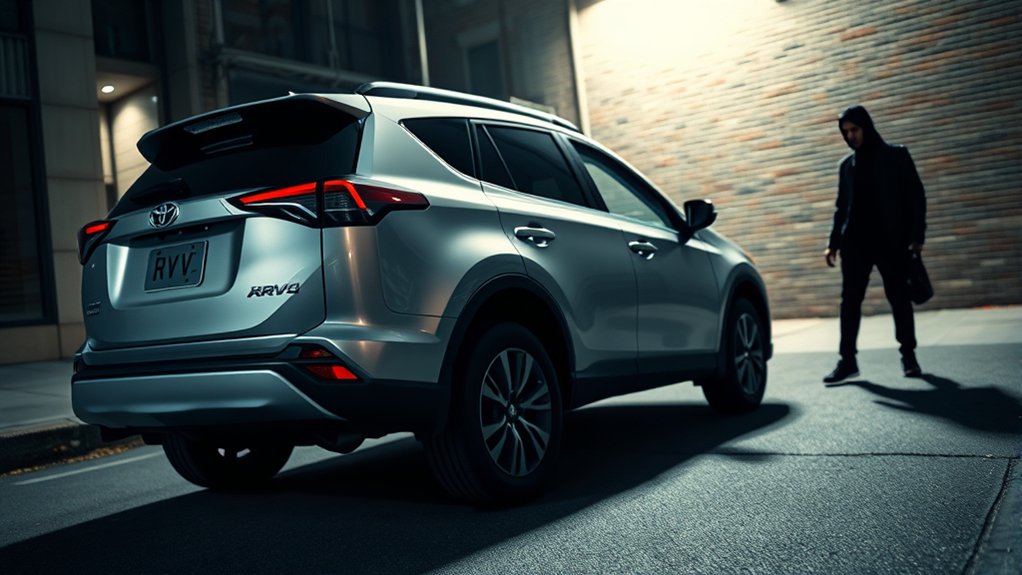
Toyota RAV4 theft prevention works best when you layer simple habits, visible barriers, electronic protection, and a recovery plan. No steering lock, Faraday pouch, immobilizer, alarm, or tracker can guarantee security. However, combining several independent measures can make your RAV4 slower, noisier, and less attractive to steal.
Quick Answer
Protect your Toyota RAV4 by locking it in a secure, well-lit location, keeping smart keys away from exterior walls, testing a signal-blocking pouch, using a visible steering-wheel lock, and considering a professionally installed secondary immobilizer and hidden tracker. Keep your VIN and insurance details ready in case theft occurs.
Key Takeaways
- Use layers: secure parking, a steering-wheel lock, smart-key protection, an alarm or immobilizer, and tracking.
- A Faraday pouch helps only with relay-style keyless theft, so test it regularly and do not rely on it alone.
- CAN-based theft and key-programming attacks target vehicle electronics, making a separate professionally installed immobilizer worth considering.
- Factory and aftermarket tracking can support recovery, but coverage, power, subscription status, and device concealment affect performance.
- After a theft, call police first, then your insurer and any active tracking or Toyota connected-service provider. Never confront a suspected thief.
Last updated: July 13, 2026
Why RAV4 Owners Should Be Concerned About Rising Theft Rates

Vehicle theft remains a serious problem, but risk varies by country, city, model year, trim, parking location, and local criminal activity. Avoid assuming every RAV4 has the same vulnerability or that one theft method applies to every vehicle.
In the United States, the National Highway Traffic Safety Administration reports that more than 650,000 vehicles were stolen in 2025. Victoria’s latest official crime data also shows that motor-vehicle theft remains elevated, so Australian owners should review the Crime Statistics Agency Victoria for current local figures.
The strongest theft-prevention plan does not depend on one device. It creates several separate obstacles that take time and tools to defeat.
RAV4 owners should focus on practical risk reduction rather than fear. A locked garage, visible steering-wheel lock, protected smart key, professionally installed immobilizer, and active tracker each address a different part of the theft process.
Vulnerabilities in Toyota Security Systems
Factory locks, alarms, smart keys, and immobilizers provide useful protection, but no mass-market vehicle is theft-proof. Criminal methods also change faster than many owners update their habits.
Some thefts target the wireless communication between a passive-entry key and the vehicle. Others target key programming or the vehicle’s internal electronic network. The 2025 systematization of research on remote and passive keyless systems describes relay, replay, and newer connected-system risks across the automotive industry.
These methods are not equally effective against every RAV4. Hardware, software, regional specifications, and security updates can differ by model year and market. Ask a Toyota dealer to check your VIN for open recalls, service campaigns, software updates, and the number of keys registered to the vehicle.
Note: A vehicle’s factory location feature is not the same as a dedicated theft-recovery service. Availability depends on the model, region, equipment, cellular coverage, and an active subscription.
What Thieves Do to Bypass Toyota RAV4 Security?
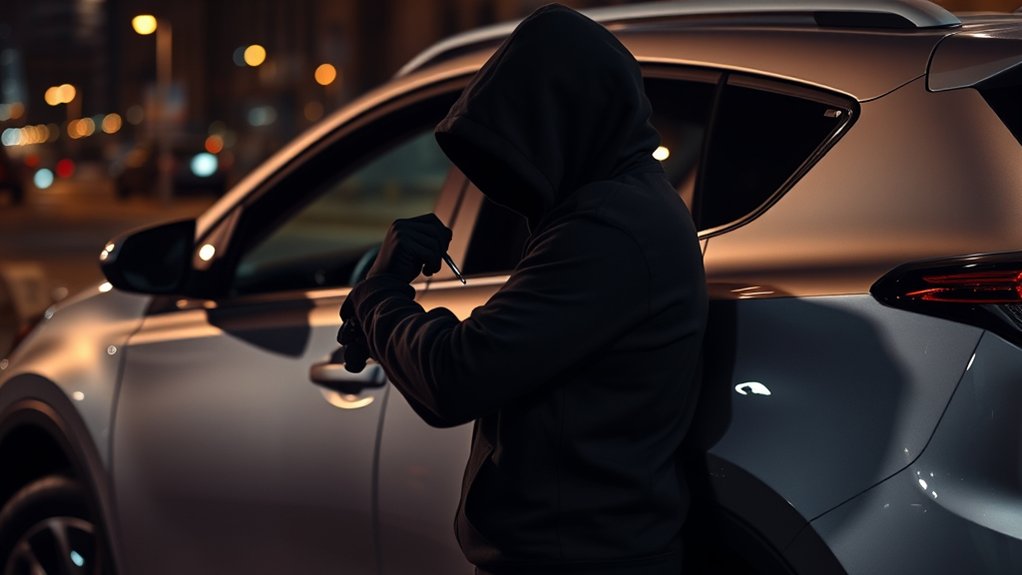
Understanding theft methods helps you choose defenses, but you do not need technical details to protect your RAV4. Most prevention steps aim to block access, delay movement, attract attention, or make the vehicle easier to locate.
Common Theft Techniques Used
- Key theft: A criminal takes the original key during a burglary, robbery, or unattended moment.
- Relay-style keyless theft: Electronic equipment extends communication between a passive-entry key and the vehicle.
- Key programming or diagnostic abuse: A criminal attempts to register another key or misuse vehicle electronics.
- CAN-based electronic attack: A device sends unauthorized messages through part of the vehicle’s internal network.
- Towing or physical removal: A vehicle is moved without starting it, which is why secure parking and tracking still matter.
Physical barriers remain valuable because they can slow several methods at once. A steering-wheel lock cannot stop every attack, but it gives a thief another visible problem to solve.
Exploiting CAN Bus Vulnerabilities
The controller area network, or CAN bus, allows electronic control modules to communicate. In some modern thefts, criminals attempt to introduce unauthorized messages that imitate legitimate commands.
This is different from stealing or relaying the smart-key signal. A Faraday pouch may reduce relay risk, but it does not protect the vehicle’s wiring or internal network. That is why layered protection matters.
A professionally installed secondary immobilizer can require an additional authorization step before the vehicle moves. Choose a qualified automotive-security installer who understands your exact model year and does not interfere with safety, hybrid, airbag, or diagnostic systems.
Warning: Do not cut factory wiring or install a do-it-yourself kill switch unless you have the required automotive electrical expertise. Poor installation can cause no-start conditions, battery drain, warning lights, safety-system faults, or warranty disputes.
Signal Relay Attacks Explained
A relay attack does not usually copy a permanent key code or disable the immobilizer. Instead, it extends the live communication between a passive-entry key and the vehicle, making the vehicle behave as though the authorized key is nearby.
Keep primary and spare keys away from doors, windows, and exterior walls. The official Police.uk vehicle-theft guidance recommends a screened or signal-blocking pouch and advises owners to test it every few months.
Place the key inside the pouch, close it fully, and approach the locked vehicle. If passive entry still works, replace the pouch or adjust how the key is stored. Check your owner’s manual or ask Toyota whether your fob’s passive wireless function can be disabled when not needed.
Top Aftermarket Security Enhancements to Protect Your RAV4
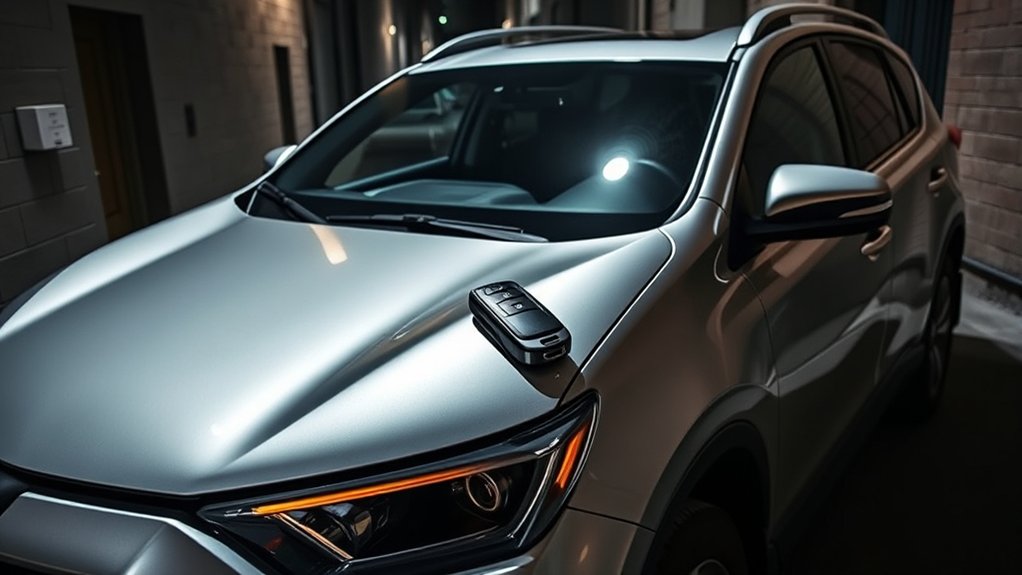
Choose security upgrades by the threat they address. A visible device may deter an opportunist, while an immobilizer or tracker can add protection when a thief uses electronic tools.
- Steering-wheel lock: Use a strong, highly visible lock that fits the wheel securely and does not damage the airbag cover or controls.
- Secondary immobilizer: Consider a professionally installed system that requires a separate PIN, tag, button sequence, or other authorization.
- Alarm with tilt, glass-break, and movement sensing: These sensors can help detect entry, jacking, towing, or forced movement.
- Hidden tracking device: Look for real-time alerts, dependable cellular coverage, backup power, tamper notification, and clear cooperation procedures for police.
- Secure diagnostic access: Ask a qualified installer about model-appropriate protection for diagnostic or key-programming access without blocking legitimate servicing.
- Driveway or garage security: Lighting, cameras, locked gates, and properly anchored parking posts can add another physical layer.
Before installation, obtain a written quote, product details, warranty terms, removal procedure, and confirmation that the installer carries appropriate insurance. Ask your Toyota dealer and insurer whether the modification affects service, coverage, or an anti-theft discount.
Pro Tip: Spend your first security dollars on independent layers. A steering lock, tested key pouch, immobilizer, and tracker protect against different failure points better than several devices that all address the same threat.
Manage Your Smart Key Effectively to Prevent Theft
Store every smart key, including the spare, away from the vehicle and the outside edges of your home. Use a tested signal-blocking pouch or container if your RAV4 has passive entry.
Do not leave a key in the vehicle, garage, coat pocket near the front door, or an easy-to-find household key bowl. Keep the mechanical key and any tag with the key code secure as well.
If a fob is lost, stolen, or unaccounted for, ask Toyota or a qualified automotive locksmith to remove the missing key from the vehicle’s authorized-key list. When buying a used RAV4, confirm how many keys are registered and have unknown keys deleted.
You normally cannot improve security by “changing the key code” yourself or choosing a different rolling-code system. Use the features provided for your model and have key registration handled through proper diagnostic procedures.
How to Park Your RAV4 Safely
Parking choices affect both theft opportunity and the amount of time a criminal can work without being noticed. Favor places that increase visibility, restrict access, and make removal difficult.
Optimal Parking Locations
- Locked garage: Close and lock the vehicle, garage door, and any internal door leading into your home.
- Well-lit, active area: Choose a visible location near people, businesses, staff, or regular traffic.
- Managed car park: Prefer staffed or access-controlled facilities with working cameras.
- Blocked-in position: At home, place a less-targeted vehicle behind the RAV4 when practical and safe.
Never leave the RAV4 running unattended, even for a brief warm-up or delivery. Take the key, close the windows, lock every door, and confirm the vehicle actually locked.
Enhance Visibility Options
Use motion-activated lighting and cameras that cover the vehicle, driveway entrance, and likely approach routes. Position cameras high enough to resist tampering while still capturing faces and license plates.
A visible steering-wheel lock, alarm indicator, VIN etching, or security decal can signal that the vehicle will require extra time. NHTSA lists steering-wheel locks, window etching, alarms, immobilizing devices, and recovery systems as established anti-theft categories.
Keep shopping bags, electronics, tools, garage remotes, registration documents, and other valuables out of view. A break-in can expose personal information or provide access to your home even when the vehicle itself is not stolen.
Secure Garage Practices
- Close and lock the garage every time, including during short stops at home.
- Disable or secure the emergency-release cord where local fire and building rules allow.
- Do not leave garage remotes, spare keys, or access cards inside a vehicle parked outdoors.
- Inspect side doors, windows, hinges, locks, and automatic-door settings regularly.
- Use lighting, cameras, and an alarm so the garage is not a single point of failure.
Making Your RAV4 Less Appealing to Thieves
Your goal is to increase time, noise, visibility, uncertainty, and recovery risk. Thieves often prefer the easiest suitable target, so obvious layers can influence that choice.
Keep the cabin empty, fit the steering lock every time, and avoid predictable long-term parking in isolated places. Do not advertise expensive audio, tools, outdoor equipment, or aftermarket parts through stickers or visible storage.
Record your VIN, license plate, color, trim, distinguishing marks, accessory serial numbers, and clear vehicle photos. Store this information in a secure cloud account or home file, not only in the vehicle.
Join local alert or neighborhood-watch groups, but verify reports before sharing them. Send video and identifying evidence directly to police rather than posting live tracker locations that could encourage confrontation.
Using GPS Tracking for Quick Recovery of Stolen Toyota RAV4s
Tracking can improve the information available after a theft, but it does not guarantee recovery. A device may lose power, cellular service, satellite view, or communication if it is found or disabled.
Benefits of GPS Tracking
- Movement alerts: A notification may tell you that the RAV4 moved unexpectedly.
- Location history: Recent route data can help police understand where the vehicle traveled.
- Geofencing: Some systems alert you when the vehicle leaves a defined area.
- Recovery support: A current location can help authorities prioritize and coordinate a response.
Use tracking as a recovery layer, not as permission to follow the vehicle. Share information with police and follow their instructions.
Choosing the Right Device
Compare coverage, alert speed, battery backup, installation method, subscription cost, privacy policy, and law-enforcement support. Confirm that the service operates in every area where you drive.
| Feature | Why It Matters |
|---|---|
| Real-time or frequent updates | Reduces the delay between movement and a usable location. |
| Backup battery | May continue reporting after the main vehicle battery is disconnected. |
| Tamper and movement alerts | Provides earlier warning of interference or unauthorized movement. |
| Police-assistance procedure | Clarifies who can release location data and what case information is required. |
Consider two independent tracking methods if theft risk is high, but install them legally and protect your account with a unique password and multifactor authentication.
Recovery Expectations and Limitations
Avoid claims that any tracker produces a fixed recovery rate. Results depend on reporting speed, police resources, device operation, network coverage, concealment, and whether the vehicle is moved indoors or dismantled.
Eligible U.S. Toyota vehicles with an active Safety Connect subscription may include Stolen Vehicle Locator. Toyota instructs owners to file a police report, obtain the case number, and contact the response center so agents can provide location information to police.
Check your Toyota app and subscription before a theft occurs. Do not assume a parking-location feature, phone app, or expired trial will provide active stolen-vehicle tracking.
What to Do if Your RAV4 Is Stolen
- Confirm it was not moved or towed: Check household members, parking records, signs, and the local towing authority without delaying a police report when theft is likely.
- Call police immediately: Provide the plate, VIN, year, color, trim, distinguishing marks, last location, time window, and any safe-to-share tracker data.
- Do not pursue the vehicle: Send live locations, images, or video to police and follow their instructions.
- Contact your insurer: Report the theft promptly and provide the police case number, keys, finance details, receipts, and photos requested.
- Contact tracking providers: Activate the stolen-vehicle process for Toyota Safety Connect or an aftermarket service.
- Protect related accounts: Change garage, toll, parking, and connected-app credentials if the vehicle contained remotes, cards, documents, or saved personal data.
- Preserve evidence: Save camera footage, alerts, app screenshots, witness details, and signs of tampering without disturbing the area unnecessarily.
Understanding RAV4 Insurance Coverage
Read your policy before a loss. Coverage names and rules vary by country and insurer, so confirm whether theft, attempted-theft damage, towing, rental transport, personal property, accessories, and aftermarket security equipment are included.
For U.S. policies, the National Association of Insurance Commissioners explains that comprehensive coverage generally includes theft, while comprehensive coverage itself is optional unless a lender or lessor requires it.
Ask how the insurer values a stolen vehicle, what deductible applies, and whether custom equipment needs separate limits or receipts. Keep installation invoices, serial numbers, and photos of every security upgrade.
Some insurers may offer anti-theft discounts, but eligibility differs. Get any discount or required-device condition confirmed in writing rather than relying on a sales claim.
Community Resources for Enhanced Vehicle Security
Local information can help you match precautions to current theft patterns. Check police alerts, verified neighborhood notices, parking-facility reports, and insurer guidance for your area.
- Join a well-managed neighborhood-watch or resident alert group.
- Ask local police which theft methods and parking locations are currently common.
- Use a Toyota dealer to check key registration, recalls, campaigns, and available connected services.
- Use a qualified automotive-security specialist for model-specific alarms, immobilizers, and trackers.
- Report suspicious activity promptly and preserve useful camera footage.
Community awareness should support police work, not replace it. Never publish a live stolen-vehicle location or organize a confrontation.
Frequently Asked Questions
What are the most common methods used to steal RAV4s?
Methods vary by region and model year. They can include stealing the original key, relaying a passive-entry signal, abusing key-programming access, targeting vehicle electronics, or physically towing the vehicle. Layered protection works better than a device aimed at only one method.
How can I tell if my RAV4 has been tampered with?
Look for fresh damage near locks, lights, trim, wheel wells, windows, or wiring; unexplained warning lights; disturbed diagnostic-area trim; an alarm event; a dead battery; or unfamiliar keys shown by a dealer scan. Photograph the condition, avoid touching possible evidence, and contact police if an attempted theft is likely.
Are certain RAV4 models more vulnerable to theft than others?
Risk can differ by model year, trim, keyless-entry equipment, market specification, software, and local theft trends. No reliable rule says every newer or older RAV4 is safer. Ask Toyota about your VIN and compare current local police or insurer data.
Does a Faraday pouch stop every type of RAV4 theft?
No. A working pouch can reduce relay-style attacks involving a passive-entry key, but it does not stop stolen keys, forced entry, towing, key-programming abuse, or attacks on vehicle electronics. Test the pouch regularly and combine it with physical and electronic layers.
What should I do immediately after my RAV4 is stolen?
Call police, provide the plate and VIN, obtain a case number, and share tracker information without following the vehicle. Then contact your insurer and any active Toyota or aftermarket tracking service. Save camera footage, alerts, screenshots, and witness details.
Can vehicle tracking or anti-theft devices affect my insurance rate?
Possibly. Some insurers offer discounts for approved anti-theft devices, while others do not. Device type, installation, location, and policy rules can affect eligibility. Ask your insurer for written confirmation before buying a system mainly for a discount.
Conclusion
You cannot make a Toyota RAV4 impossible to steal, but you can make it a much harder target. Start with secure parking, locked doors, empty seats, protected keys, and a visible steering-wheel lock. Add a professionally installed immobilizer, alarm, and tracker when your local risk justifies them.
Review your keys, connected services, insurance, VIN records, and emergency contacts before you need them. The best plan combines prevention, early warning, and a safe police-led recovery process.
Sources
- National Highway Traffic Safety Administration: Vehicle Theft Prevention — U.S. theft data, prevention measures, anti-theft device categories, and post-theft steps.
- Police.uk: Preventing Car and Vehicle Theft — relay-theft explanation, key storage, Faraday pouch testing, parking, locks, immobilizers, and trackers.
- Toyota Connected Services: Safety Connect — Stolen Vehicle Locator availability, subscription requirement, police report, and response-center process.
- Crime Statistics Agency Victoria: Latest Victorian Crime Data — current official regional crime and motor-vehicle theft reporting.
- National Association of Insurance Commissioners: Auto Insurance — comprehensive theft coverage and anti-theft discount considerations in the United States.
- Bianchi et al.: Remote Keyless Entry Security Review — research overview of relay, replay, passive-keyless, and connected-system attack and defense methods.

