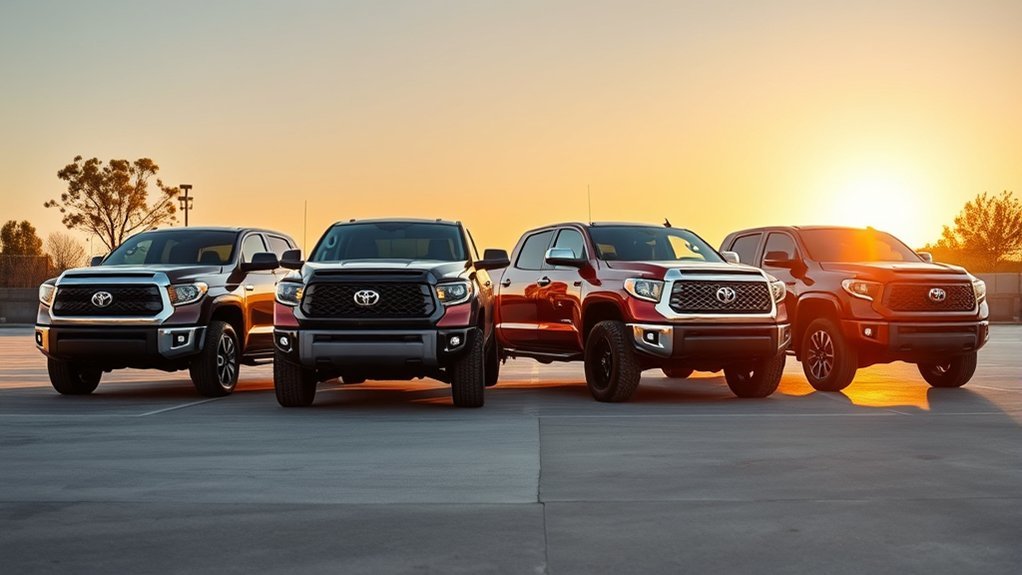
The Toyota Tundra has evolved significantly through its three generations. Toyota designed the first generation (2000-2006) with a reliable V6 and optional V8 engines. The second generation (2007-2021) brought a bolder design and a powerful 5.7L V8. The third generation (2022-present) introduced a turbocharged 3.5L V6 with hybrid options, advanced safety features, and a larger infotainment display. Each generation improves performance, durability, and technology. These consistent upgrades make the Tundra a standout choice for truck buyers.
Quick Answer
The Toyota Tundra is a full-size pickup truck that has evolved through three main generations since its launch in 2000. It transitioned from smaller V6 and V8 engines to modern twin-turbo and hybrid powertrains, currently offering up to 437 horsepower and a 12,000-pound towing capacity.
Key Takeaways
- The first-generation Tundra (2000-2006) built Toyota’s full-size truck reputation with durable V6 and V8 engines.
- The second-generation (2007-2021) scaled up the truck’s size and introduced a 5.7L V8 that towed over 10,000 pounds.
- The third-generation (2022-present) replaced the V8 with a highly efficient 3.5L twin-turbo V6 and hybrid powertrain.
- Current models feature advanced safety tech, including Toyota Safety Sense and up to a 14-inch touchscreen.
The Toyota Tundra’s Generational Evolution: Key Changes and Features
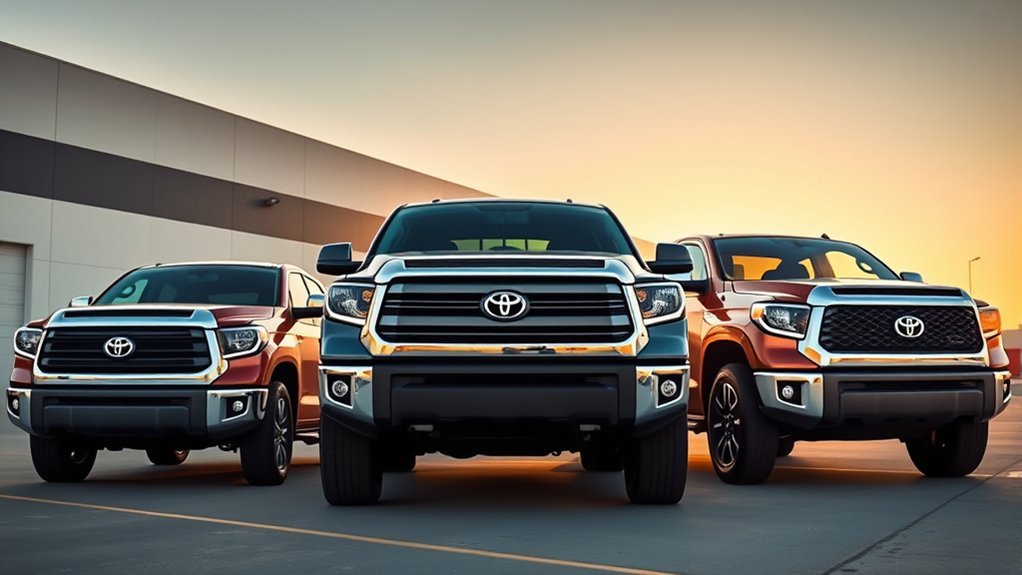
Since its debut in 2000, the Toyota Tundra has undergone major changes. These updates reflect changing consumer needs and rapid advancements in automotive engineering.
Toyota launched the first generation with a versatile lineup. It featured a standard 3.4L V6 engine known for its steady towing capacity and long-term durability.
The second generation (2007-2021) brought a complete redesign. Toyota gave the truck a bulkier body and added a powerful 5.7L V8 option. This upgrade pushed the towing capacity past 10,000 pounds.
The third generation (2022-present) shifts completely to turbocharged innovation. Toyota offers a 3.5L twin-turbo V6 engine, available in standard and hybrid variants. Engine performance peaks at 437 horsepower and 583 lb-ft of torque for the hybrid model.
The latest Tundra features a 3.5L twin-turbo V6, delivering impressive power with up to 437 horsepower and 583 lb-ft of torque.
Toyota also equips the latest models with advanced safety features. Blind-spot monitoring and a 10-speed automatic transmission improve both the driving experience and the truck’s safety ratings.
[Amazon Products Picked for You]

Elegant Design: The highly elastic cargo net is designed for holding items in place without lashing while transporting compact loads. Fits in all Trucks/Van/ATV/UTV/SUV.

High Quality Material: The coaster is made of environmentally friendly silicone, safe, non-toxic and odorless. Soft with toughness, easily embedded in the cup holder. Very durable, wear-resistant, long service life. High temperature resistance, can withstand 100 ℃ high temperature water cups.

CUSTOM DESIGN - Our antenna mast is made specifically for your Tundra 2007 - 2026, being a perfect replacement for the original car antenna. Attention: antenna of this tvpe may not fit other car models.
First Generation Features and Innovations (2000-2006)
The first-generation Toyota Tundra set a new standard in the full-size pickup market. It offered impressive engine options, including a robust V6 and optional V8s.
Toyota designed the truck to handle varied tasks. The manufacturer offered different cab configurations that appealed to a wide range of buyers.
This model showcased Toyota’s engineering skills. It quickly established itself as a reliable choice for drivers needing serious hauling capabilities.
Engine Options Evolution
The first-generation Tundra blended power and practicality. Initially, Toyota equipped the Tundra with a 3.4-liter V6 engine producing 190 hp. Later models received a stronger 4.7-liter V8 engine pushing 245 hp and 315 lb-ft of torque.
In the final two years, Toyota introduced a 4.0-liter V6 option rated at 236 hp. Buyers could also add a TRD supercharger to considerably boost power output for both the V6 and V8 engines.
With towing capacities ranging from 6,900 to 7,100 pounds, the first-generation Tundra proved highly capable throughout its production run.
Pro tip: If you buy a first-generation Tundra today, verify that the timing belt on the 4.7L V8 was replaced at the recommended 90,000-mile interval.
Design and Versatility Features
The first-generation Tundra (2000-2006) stands out for its thoughtful design. You could choose between a 2-door regular cab and extended 4-door configurations.
Its simple but durable exterior design emphasized function. Toyota added a stepside pickup bed in 2003, giving the truck a sportier aesthetic.
Toyota Tundra Engine Options: A Generational Comparison
You will notice massive changes in engine offerings as you trace the Tundra’s history.
The first generation offered a standard 3.4L V6 engine, eventually adding 4.7L and 4.0L V8s.
During the second generation (2007-2021), Toyota focused heavily on V8 power. The lineup featured a robust 5.7L V8 generating 381 hp. Toyota eliminated all V6 options after 2018.
The third generation (2022-present) pivots back to six cylinders. Toyota uses a turbocharged 3.4L V6 engine delivering 348 to 389 hp. A hybrid variant reaches up to 437 hp. Toyota pairs these engines with a new 10-speed automatic transmission.
[Amazon Products Picked for You]

GENUINE OEM: Direct replacement Toyota air filter manufactured by Denso, ensuring perfect fitment and optimal engine performance
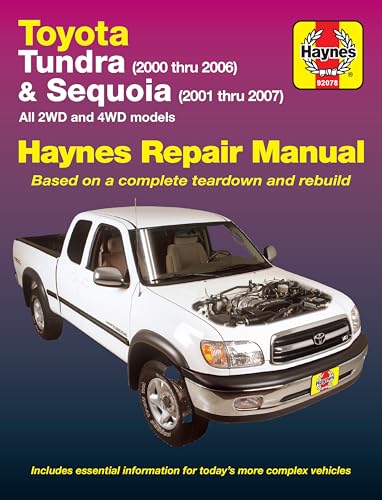
Complete Repair Coverage: Step-by-step repair procedures specific to your vehicle — from routine maintenance like oil changes and air filter replacement to complex engine and transmission repairs

And Vehicle Specific
Innovations in the Third Generation: Engine, Design, and Technology
The third-generation Tundra drops the traditional V8 entirely. Instead, Toyota uses turbocharged engine options that enhance both performance and fuel efficiency.
Toyota heavily upgraded the safety systems. The new Tundra incorporates standard advanced features like blind-spot monitoring and automatic high beams.
[Amazon Products Picked for You]

Precision Fit, Factory Quality: Tundra screen protector 14 inch fits with laser-cut precision, tailor-made for the 2022-2026 Toyota Tundra/Sequoia 14-inch screen. Enjoy precision fitment that aligns perfectly with your display, delivering a factory finish

Precision Fit, Factory Quality: Tundra screen protector 14 inch fits with laser-cut precision, tailor-made for the 2022-2026 Toyota Tundra/Sequoia 14-inch screen. Enjoy precision fitment that aligns perfectly with your display, delivering a factory finish

【14In Matte Tempered Glass】for 2022 2023 2024 2025 2026 Tundra (Limited/Platinum/1794 Edition/Limited i-Force Max/Platinum i-Force Max/1794 Edition i-Force Max/TRD Pro/Capstone), for Toyota Tundra 14-inch Infotainment Touch Screen, 2024 2025 2026 Tundra Accessories
Turbocharged Engine Options
The 2022 redesign changed the truck’s engineering focus. Toyota installed a powerful 3.5-liter twin-turbo V6 engine. This motor produces between 348 and 389 horsepower depending on the trim level.
If you select the hybrid variant, an electric motor pairs with the V6. This combination generates 437 horsepower and 583 lb-ft of torque. It marks a clear commitment to modern, fuel-efficient powertrains.
The new 10-speed automatic transmission provides smoother shifts and faster acceleration. Inside the cabin, a massive 14-inch infotainment display controls navigation and media.
Advanced Safety Features
The third-generation Tundra prioritizes safety technology. The truck includes blind-spot monitoring and rear cross-traffic alert to boost your awareness on the highway.
The Insurance Institute for Highway Safety (IIHS) awarded the new Tundra a Top Safety Pick+ rating, confirming its crashworthiness.
Every new model includes Toyota Safety Sense. This suite provides adaptive cruise control, lane departure alert, and pre-collision systems.
Performance Metrics of the Latest Tundra
The 2022 Tundra delivers excellent power. The standard turbocharged 3.4-liter V6 engine generates up to 389 horsepower. The hybrid option boosts output to 437 horsepower and 583 pound-feet of torque.
The 2022 Tundra’s turbocharged V6 engine delivers up to 437 horsepower, with an impressive hybrid option enhancing performance.
The Tundra tows up to 12,000 pounds when properly equipped. It handles a maximum payload capacity of 1,940 pounds, giving you plenty of room for heavy cargo. The 10-speed transmission keeps the engine in its optimal power band while hauling.
Why Buyers Choose the Toyota Tundra

Buyers choose the Toyota Tundra for its reliability, performance, and high resale value. Victor Sheppard famously drove his 2007 Tundra over one million miles with the original engine and transmission, cementing the truck’s reputation for extreme durability.
Current buyers appreciate the luxurious cabin space. High-end trims like the 1794 Edition and TRD Pro offer leather seating, panoramic roofs, and off-road capability.
Here is a quick look at core Tundra features:
| Feature | Details |
|---|---|
| Reliability | Proven million-mile durability history |
| Towing Capacity | Up to 12,000 lbs |
| Engine Options | Twin-turbo V6 & i-FORCE MAX Hybrid |
| Interior Space | Spacious CrewMax cab options |
| Trim Options | SR, SR5, Limited, Platinum, 1794, TRD Pro, Capstone |
Frequently Asked Questions
What is the difference between Gen 1 and Gen 2 Tundra?
The Gen 1 Tundra features a more compact design similar to a mid-size truck and offers smaller V8 options. The Gen 2 Tundra grew significantly in physical size, introduced a robust 5.7L V8 engine, and dramatically increased towing capacity and interior space, reflecting broad advancements in reliability.
What year of Tundra should I stay away from?
Many mechanics advise caution with 2007 to 2008 models due to early secondary air injection pump failures and frame rust recalls. While Toyota addressed these issues with warranty extensions, buyers should inspect these specific years carefully before purchasing.
What year was the worst year for Toyota Tundra?
Some automotive platforms cite 2014 as a difficult year due to infotainment glitches and stiff ride complaints. However, compared to other truck brands, even the Tundra’s “worst” years maintain above-average reliability scores.
What are the different generations of Toyota Tundra?
The Toyota Tundra spans three generations. The first generation ran from 2000 to 2006. The second generation spanned from 2007 to 2021. The third generation launched in 2022 and continues today.
Conclusion
The Toyota Tundra adapts continuously to meet modern towing, technology, and efficiency demands. The transition from heavy V8s to smart, twin-turbo hybrid engines proves Toyota remains committed to long-term performance. Whether you buy an older model for its legendary 5.7L reliability or a brand-new hybrid for its advanced technology, the Tundra delivers immense value. Test drive a newer model to experience the power of the i-FORCE MAX engine firsthand.
References
- Toyota USA Newsroom — Toyota Motor Sales, U.S.A., Inc.
- Vehicle Safety Ratings: Toyota Tundra — Insurance Institute for Highway Safety (IIHS)
- Million-Mile Tundra Tear Down — MotorTrend, 2016
