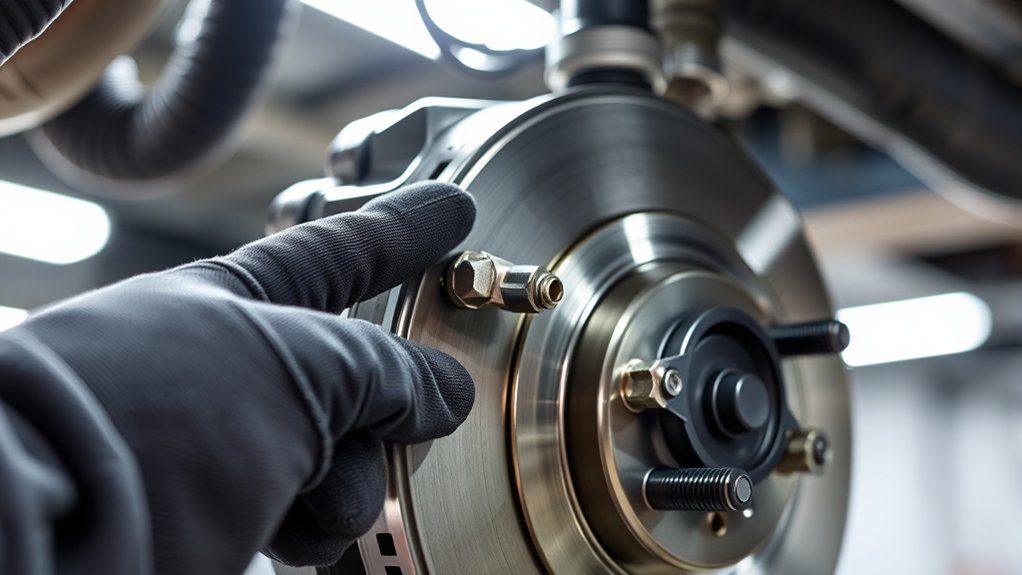
Last updated: September 11, 2026 — checked against current Toyota model information, Toyota/NHTSA recall records, and current U.S. repair-cost data.
Toyota Camry brake booster problems do not have one universal test or repair. Many non-hybrid Camrys use vacuum-assisted braking, while Camry Hybrids use electronically controlled hydraulic brake assistance that works with regenerative braking. A hard pedal, sudden increase in pedal effort, hissing on a vacuum system, brake warnings, or reduced stopping performance can signal lost assist, but the failed part may be the booster, vacuum pump, hose, check valve, brake actuator, power supply, or another brake component. Identify the model year and powertrain before testing anything.
Quick Answer
A Toyota Camry brake booster or electronic brake actuator reduces the pedal force needed to create effective braking pressure. A suddenly hard pedal, reduced assistance, hissing on a vacuum-assisted model, brake warnings, or longer stopping distances requires prompt diagnosis. Certain 2018–2019 Camrys were recalled for vacuum-pump defects that could cause sudden loss of brake assist, while Toyota issued separate customer-support programs for specified brake-booster or pump faults on some earlier Camry Hybrids. Stop driving and arrange towing if braking ability has clearly decreased.
Key Takeaways
- Confirm the Camry’s model year and powertrain before performing a brake-assist test.
- A hard pedal often points toward lost assistance, while a soft, spongy, or sinking pedal more often indicates a hydraulic problem.
- A warning light, hissing sound, or pump noise does not identify the failed part by itself.
- The 2025 and 2026 U.S. Camry are all-hybrid models and should not be judged with a generic vacuum-booster test.
- Certain 2018–2019 Camrys were included in NHTSA recall 21V-890 for a vacuum-pump condition that could cause sudden loss of power brake assist.
- Toyota also issued customer-support programs for specified brake-booster and brake-booster-pump faults on certain 2012–2017 Camry Hybrids; coverage and current eligibility are program- and VIN-specific.
- Limit home diagnosis to safe observations. Booster, actuator, master-cylinder, hydraulic-line, bleeding, and calibration work requires model-specific procedures.
- Check the owner’s manual and search for open recalls or service campaigns using the vehicle’s VIN.
At a Glance
| Time Required | About 10 minutes for safe preliminary observations |
| Difficulty | Easy for observation; professional skill and equipment required for diagnosis or repair |
| Tools Needed | Owner’s manual, flashlight, note-taking device, and a safe parking area |
| Cost | Preliminary observations cost nothing; diagnosis and repair vary widely by model and failed component |
Warning: Do not continue driving if the pedal suddenly becomes very hard, stopping distance increases, the red brake warning remains on, brake fluid is leaking, or pedal response changes dramatically. Do not open hydraulic lines, unplug a hybrid brake actuator, or attempt brake bleeding without the exact service procedure. Pull over safely and arrange professional assistance or towing.
How Do You Know If a Toyota Camry Brake Booster Is Bad?

A failing brake-assist system often changes how the pedal feels, but hydraulic, electronic, tire, and mechanical faults can create similar symptoms. Treat the following signs as reasons to arrange diagnosis, not as proof that the booster or actuator itself has failed. If the main symptom is a soft or sinking pedal rather than a hard pedal, see the separate Toyota Camry soft brake pedal guide for hydraulic causes and next steps.
| Symptom | What It May Mean | Recommended Action |
|---|---|---|
| Hard brake pedal | Loss of vacuum or hydraulic assistance, a damaged hose or check valve, a failed vacuum pump, an actuator fault, or a pedal obstruction | Do not ignore it. Seek prompt diagnosis, especially if stopping effort has increased. |
| Hissing near the pedal | Possible vacuum leakage at the booster, hose, seal, or check valve on a vacuum-assisted model | Have the vacuum system inspected. The sound alone does not identify the failed part. |
| Engine idle changes while braking | A significant vacuum leak may affect engine operation on an applicable non-hybrid model | Arrange inspection of the booster hose, check valve, vacuum source, and related connections. |
| Brake, ABS, or stability warning | Low fluid, a sensor fault, hydraulic trouble, actuator trouble, ABS failure, low system voltage, or another brake-system condition | Follow the model-specific manual and obtain a capable diagnostic scan. |
| Longer stopping distance | Reduced assistance, worn or contaminated friction parts, tire trouble, hydraulic faults, excess vehicle load, or poor road conditions | Stop driving if braking performance has noticeably decreased. |
| Soft, spongy, or sinking pedal | Air in the hydraulic system, a fluid leak, hose expansion, or master-cylinder trouble rather than a typical booster failure | Treat it as a serious hydraulic-brake problem and arrange inspection. |
| Frequent or prolonged pump operation on a hybrid | The system may be replenishing pressure normally, or it may have a pressure-loss, accumulator, actuator, electrical, or sensor problem | Record when it occurs. Seek diagnosis if operation becomes unusually frequent, continues for long periods, or appears with warnings or abnormal pedal feel. |
A brief electric-pump sound can be normal on some hybrid Camrys as the brake system prepares or restores pressure. A new pattern of frequent cycling, extended operation, warning messages, or changed pedal feel is more concerning. Compare the behavior with the owner’s manual rather than judging the pump by sound alone. If warning lamps are part of the symptom, use the separate Toyota Camry brake-system warning-light guide to separate general warning-light causes from a suspected assist fault.
A hard pedal usually points toward lost assistance. A soft or sinking pedal more often points toward a hydraulic problem. Either condition can be unsafe.
Note: Warning-light meanings and required actions vary by Camry model year. Use Toyota’s owner-manual lookup instead of assuming that one light identifies the booster or actuator.
What Is the Brake Booster in a Toyota Camry?
The brake booster is the assist device between the brake pedal and hydraulic braking system on many vehicles. When you press the pedal, the assist system adds force before or while the hydraulic system builds pressure. That pressure operates the wheel-end friction brakes. Disc-brake calipers press pads against rotors, while some older configurations may use rear wheel cylinders that move brake shoes against drums.
Many non-hybrid Camrys use a vacuum-assisted booster. A pressure difference across an internal diaphragm helps move the booster’s output rod toward the master cylinder. Depending on the engine and model year, the vacuum source may include engine intake vacuum, a mechanical or electric vacuum pump, a hose, and a one-way check valve.
Hybrid Camrys require a different explanation. Their systems coordinate regenerative braking with hydraulic friction braking and use electronically controlled components to manage pressure and pedal response. For a deeper explanation of that handoff, see Toyota Camry brake blending explained. Toyota introduced the ninth-generation U.S. Camry as an exclusively hybrid model for model year 2025, and the 2026 U.S. Camry also uses an all-hybrid powertrain. Identify the year, market, and powertrain before testing or replacing a brake-assist component.
Identify Your Camry’s System Before Testing
| Vehicle Clue | What to Do |
|---|---|
| Hybrid badge, energy-flow display, or READY indicator | Treat the vehicle as an electronically controlled hybrid brake system. Do not perform a generic vacuum-booster test. |
| 2025 or 2026 U.S.-market Camry | It is an all-hybrid model. Use the correct hybrid owner and service information. |
| Confirmed non-hybrid model | Check the exact year and engine before assuming that a conventional vacuum test or component layout applies. |
| System type is uncertain | Skip system-specific tests. Use the VIN, owner’s manual, or a Toyota dealer or qualified repair facility to identify it. |
| Feature | Accurate Description |
|---|---|
| Main purpose | Reduces the pedal effort needed to generate effective braking pressure |
| Vacuum-assisted operation | Uses a pressure difference to add force to the master-cylinder input on a compatible non-hybrid model |
| Hybrid operation | Coordinates regenerative and hydraulic braking through model-specific electronic and hydraulic components |
| Common warning signs | Hard pedal, reduced assistance, warning messages, abnormal pump operation, hissing on vacuum systems, or longer stopping distance |
How Brake Assistance Improves Braking Performance
Brake assistance does not replace the hydraulic brakes. It helps turn your pedal input into the force needed to operate them, giving you more manageable pedal effort and predictable control during routine and emergency stops.
- You press the brake pedal. The pedal and pushrod transmit your input toward the assist unit and hydraulic system.
- The assist system adds force. A vacuum booster uses a pressure difference. An electronically controlled system manages hydraulic pressure according to its design and operating conditions.
- Hydraulic pressure develops. The master cylinder or integrated actuator pressurizes the appropriate brake circuits.
- The wheel brakes apply. Pads contact rotors or, on an applicable drum-brake configuration, shoes contact drums to create friction and slow the car.
- Electronic controls may intervene. ABS can regulate wheel lock, while stability-control and emergency-braking functions can request or adjust brake pressure under specified conditions.
The assist system cannot create unlimited grip. Stopping distance also depends on tire condition, brake condition, road surface, weather, speed, vehicle load, and driver response.
Vacuum-Assisted vs. Hybrid Camry Brake Systems
Vacuum-assisted non-hybrid Camrys
A conventional vacuum system may include a booster housing, diaphragm, vacuum hose, one-way check valve, and an engine-driven or electric vacuum source. Loss of stored vacuum or a major leak can make the pedal much harder to press.
Several firm pedal applications with the engine off can normally use up stored vacuum assistance. The pedal may therefore become firmer during an engine-off screening test. The important question is whether assistance returns as expected when a confirmed compatible system starts—not whether the pedal stays soft indefinitely with the engine off.
Hybrid Camrys
A hybrid Camry coordinates regenerative braking from the motor-generator with hydraulic friction braking. Its electronic brake actuator, pressure source, sensors, and control modules influence pedal response and wheel-brake pressure. The system may generate or retain hydraulic pressure without the gasoline engine continuously running.
Hybrid pedal feel and pump operation can change with vehicle state, battery conditions, pressure demand, and diagnostic faults. A scan tool capable of communicating with the brake-control modules may be needed to interpret warning messages and pressure data.
Warning: Do not use a vacuum-booster test to judge a hybrid Camry. Do not disconnect actuator wiring, open hydraulic lines, or attempt brake bleeding without the exact model-specific procedure. Residual pressure, electronically controlled valves, and required scan-tool steps can create safety and service problems.
Brake Booster vs. Toyota Brake Assist
The booster or actuator reduces the effort needed during normal pedal use. Toyota Brake Assist is a control function that can recognize rapid emergency pedal application and help provide stronger braking. ABS helps prevent wheel lock. Toyota’s Pre-Collision System may provide automatic emergency braking when its operating conditions are met. These functions interact with the braking system, but they are not the same component.
You can review Toyota’s current descriptions on the official Toyota Safety Hub.
Which Camry Years Have Brake-Assist Recalls or Support Programs?
Toyota has issued both safety recalls and customer-support programs related to brake-assist components on specific Camry populations. These programs are not interchangeable, and model year alone does not prove that an individual vehicle is covered. Use the VIN to confirm open recalls, and ask Toyota or a dealer about any customer-support program that may apply.
| Camry Population | Program | What It Covered |
|---|---|---|
| Certain 2018 Camrys | NHTSA recall 18V-211 / Toyota campaign J0K | A vacuum-pump manufacturing condition that could lead to sudden loss of power brake assist on affected vehicles. |
| Certain 2018–2019 Camrys | NHTSA recall 21V-890 / Toyota campaign 21TA09 | A vacuum-pump vane-cap condition that could cause sudden loss of power brake assist. NHTSA listed 227,490 potentially involved Camrys. |
| Certain 2012–2017 Camry Hybrids | Toyota customer-support programs including ZKK, 21TE03, and 21TE04 | Specified internal brake-booster or brake-booster-pump faults on covered vehicles. These were customer-support programs, not blanket safety recalls, and coverage is program- and VIN-specific. |
For the earlier hybrid programs, Toyota documents identify diagnostic trouble codes such as C1391, C1252, C1256, and C1253 in specified conditions. A code by itself still does not prove current coverage or identify the failed part without the program criteria and model-specific diagnosis.
Recall check: Enter the 17-character VIN in Toyota’s recall and service-campaign lookup and the NHTSA recall lookup. For older customer-support programs, contact Toyota or a dealer because eligibility and time or mileage limits may differ from an open safety recall.
Why Brake-System Inspection Matters
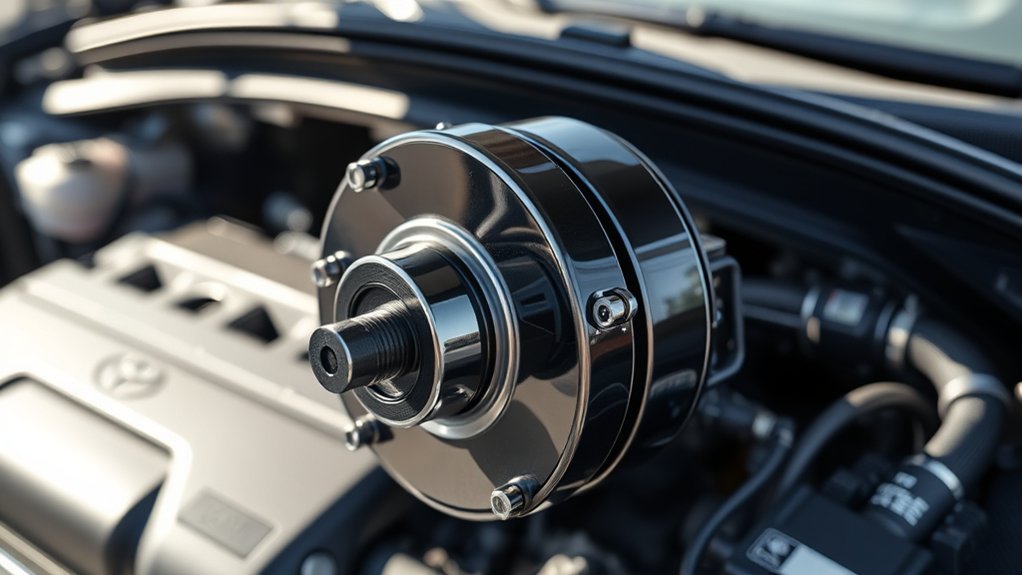
A healthy brake-assist system helps you apply the brakes with predictable effort. Inspection can uncover a damaged hose, leaking seal, low brake fluid, stored fault code, weak electrical supply, loose connection, or abnormal actuator operation before the condition becomes more severe.
Do not rely on a universal annual booster interval. Follow the maintenance guide for your Camry’s year, powertrain, and market. Request a brake-system inspection sooner when you notice a change in pedal feel, a new warning, fluid leakage, unusual pump operation, hissing, or reduced stopping performance.
A complete brake inspection should consider more than the booster. Pads, rotors, drums where fitted, calipers, wheel cylinders, hoses, brake fluid, wheel-speed sensors, the master cylinder, tires, electrical supply, and electronic brake controls can all affect how the car stops. For routine inspection timing, see the separate Toyota Camry brake inspection interval guide.
Pro Tip: Record when the symptom occurs. Note whether the engine or hybrid system is on, which warning lights appear, whether the pedal is hard or soft, how often a pump runs, and whether a sound comes from the pedal area or engine compartment. These details can shorten diagnostic time.
How Do You Test a Toyota Camry Brake Booster?
You can make a few preliminary observations without opening the hydraulic system. These checks cannot identify every failure and do not replace professional diagnosis.
1. Confirm the Exact Symptom
Park on level ground away from traffic. Decide whether the pedal is unusually hard, soft, spongy, low, or slowly sinking. Note whether stopping effort has changed and whether the condition is constant or intermittent. These descriptions point technicians toward different parts of the system.
2. Identify the Model and Powertrain
Check the model year, VIN, owner’s manual, hybrid badges, instrument display, and READY indicator. A 2025 or 2026 U.S. Camry is a hybrid. Skip the conventional vacuum test whenever the vehicle is hybrid or the system type is uncertain.
3. Check for Visible Safety Problems
- Make sure the floor mat is properly secured and no object is restricting pedal movement.
- Look beneath the car and around the wheels for obvious fluid leakage.
- Check the brake-fluid reservoir only as directed by the owner’s manual.
- Record any brake, ABS, stability-control, master-warning, or charging-system indicators.
- Note whether pump operation, hissing, or an engine-idle change occurs when the pedal is pressed.
Low fluid can result from friction-material wear or a leak. It does not prove that the booster has failed. Do not simply add fluid and continue driving when leakage or reduced braking may be present.
4. Perform a Basic Test Only on a Confirmed Compatible Vacuum-Assisted Camry
- With the vehicle safely parked and the engine off, press the brake pedal several times to use stored vacuum assistance.
- Keep steady pressure on the pedal.
- Start the engine while continuing to hold the pedal.
- On a functioning conventional vacuum-assisted system, the pedal will usually move downward slightly as assistance becomes available.
If the pedal does not change, the cause could involve the vacuum source, hose, check valve, pump, booster, pedal linkage, or another component. This is a screening check only. It does not prove that the booster needs replacement.
5. Listen for a Vacuum Leak on an Applicable Model
A steady hiss that changes when you press the pedal can indicate escaping air. A technician may measure available vacuum, inspect the hose, test the one-way valve, and determine whether the booster holds vacuum after shutdown.
6. Treat Hybrid Warnings and Pump Behavior Differently
On a hybrid Camry, frequent pump operation, warning messages, an abnormal pedal, or several brake-related lights may require model-specific diagnostic equipment. A technician may check actuator pressure, pump operation, the 12-volt electrical supply, sensor data, stored fault codes, and the hydraulic system for leakage. Toyota’s historical Camry Hybrid support-program documents reference codes including C1391, C1252, C1256, and C1253 for specified booster or pump conditions, but the diagnostic procedure and program criteria must be checked before drawing a conclusion.
7. Check Recalls and Service Campaigns Using the VIN
Recall and campaign eligibility depends on the individual vehicle, not only the model name or year. Enter the 17-character VIN in Toyota’s official recall and service-campaign lookup and the NHTSA recall lookup.
NHTSA notes that a VIN result may not show a recall that has already been repaired, some very recent campaigns for which VINs are still being identified, most recalls more than 15 years old, or recalls involving an international-market vehicle. Contact Toyota or a dealer if the lookup result is unclear.
8. Repair the Confirmed Cause
The correct repair may involve a vacuum hose, check valve, vacuum pump, booster, master cylinder, pedal linkage, electrical connection, sensor, brake actuator, hydraulic component, or power-supply problem. Replacing the booster without testing the rest of the system can waste money and leave the original fault unresolved.
Booster and actuator replacement may require moving or disconnecting the master cylinder, adjusting linkage, depressurizing the system, bleeding the hydraulic circuits, clearing codes, or running scan-tool calibration procedures. A qualified technician should perform this work unless you have the exact service information, required equipment, and brake-system training.
What a Professional Diagnosis May Include
- Scanning the ABS, stability-control, hybrid, and brake-control modules for stored and current fault codes
- Reviewing live sensor, pressure, voltage, and pump-operation data
- Measuring vacuum supply on a compatible conventional system
- Testing the vacuum hose and one-way check valve
- Inspecting the booster, master cylinder, actuator, lines, hoses, and wheel brakes for leakage
- Checking the 12-volt battery and charging system when electronic brake faults are present
- Following Toyota procedures for depressurization, bleeding, initialization, and calibration
Other Problems That Can Mimic Brake Booster Failure
- Master-cylinder failure: The pedal may sink while steady pressure is applied.
- Air or moisture in the hydraulic system: The pedal may feel soft or spongy.
- Brake-fluid leak: Fluid level may fall, and braking ability can decrease.
- Worn or contaminated brake parts: Stopping distance may increase even when assistance works normally.
- Collapsed or damaged brake hose: One wheel may drag or receive poor hydraulic pressure.
- Vacuum pump or check-valve trouble: The booster may be functional but lack a reliable vacuum supply.
- Electrical or actuator fault: Hybrid and electronically controlled systems may set warning codes or enter a reduced-assistance mode.
- Weak 12-volt battery or charging fault: Low system voltage can affect electronic brake controls on some models.
- Pedal obstruction: An unsecured mat or object can interfere with normal pedal movement.
- Tire or traction problem: Poor grip can increase stopping distance even when the hydraulic and assist systems are operating.
How Much Does Toyota Camry Brake Booster Repair Cost?
A reliable universal price cannot be given without the model year, powertrain, location, labor rate, and confirmed failed part. As of September 3, 2026, RepairPal’s U.S. estimate for a 2018 Toyota Camry brake-booster replacement is about $1,358–$1,569. Other model years and locations can differ, and that conventional-booster estimate is not a quote for an integrated hybrid brake actuator.
Replacing a hose or check valve is a different job from replacing a vacuum pump, conventional booster, master cylinder, or integrated hybrid brake actuator. Hybrid repairs may also require depressurization, scan-tool bleeding, calibration, software procedures, or additional diagnostic time. Ask for an itemized estimate that separates diagnosis, parts, labor, brake fluid, programming, and calibration. Confirm recall or customer-support-program eligibility before authorizing customer-paid work.
Related Guides
Frequently Asked Questions
What are the most common Toyota Camry brake booster symptoms?
Common signs of lost brake assistance include a suddenly hard pedal, much higher pedal effort, hissing on a vacuum-assisted model, brake or ABS warnings, unusual pump behavior on a hybrid, or longer stopping distance. A soft or sinking pedal more often points to a hydraulic fault than to a conventional booster failure.
Is there a Toyota Camry brake booster recall?
Yes, some Camrys have had brake-assist-related recalls. NHTSA recall 21V-890 covered certain 2018–2019 Camrys for a vacuum-pump condition that could cause sudden loss of power brake assist. An earlier recall, 18V-211, covered certain 2018 Camrys. Toyota also issued separate customer-support programs for specified brake-booster or pump faults on some 2012–2017 Camry Hybrids. Check the VIN for the individual vehicle.
How much does a Toyota Camry brake booster replacement cost?
Repair cost depends on the year, powertrain, failed component, labor rate, and location. RepairPal’s U.S. estimator listed about $1,358–$1,569 for a 2018 Camry brake-booster replacement as of September 3, 2026. Other model years and locations can differ, and hybrid actuator repairs can follow a different procedure and cost structure.
How does a vacuum brake booster assist braking?
A vacuum booster maintains a pressure difference across an internal diaphragm. Pressing the pedal allows that pressure difference to help move the booster output rod toward the master cylinder, reducing the leg force needed to create hydraulic braking pressure.
How does Toyota Brake Assist work?
Brake Assist is a control feature rather than the physical booster. When the system identifies rapid emergency pedal application, it can help provide stronger braking pressure. It works alongside the normal brakes and may interact with ABS and stability-control functions.
How does a brake booster work?
The assist unit adds force between the pedal and hydraulic braking system. A conventional system may use vacuum and atmospheric pressure, while a hybrid or electronically controlled system may use hydraulic pressure, pumps, sensors, valves, and electronic control.
What braking system does a Toyota Camry use?
The design depends on the model year, powertrain, and market. A non-hybrid Camry may use a vacuum-assisted hydraulic system. A hybrid Camry blends regenerative and friction braking through electronically controlled hydraulic components. The 2025 and 2026 U.S. Camry are all-hybrid models.
Can you drive a Camry with a bad brake booster or actuator?
Do not continue driving when the pedal is much harder than normal, assistance is intermittent, stopping distance has increased, or a serious brake warning appears. The brakes may retain some response, but the extra effort and unpredictable performance can make the vehicle unsafe. Arrange towing.
Does a hard brake pedal always mean the booster has failed?
No. A hard pedal can result from a damaged vacuum hose, faulty check valve, failed vacuum pump, pedal obstruction, electronic actuator fault, pressure-source problem, or another brake-system condition. Test the assistance source before replacing the booster.
Can a bad brake booster cause a soft or sinking pedal?
A conventional booster failure more commonly causes a hard pedal or increased effort. A soft, spongy, low, or sinking pedal more often indicates air, leakage, hose expansion, master-cylinder trouble, or another hydraulic fault. Treat either condition as a reason for prompt inspection.
Does hybrid brake-pump noise mean the actuator is failing?
Not necessarily. Brief pump operation can be normal as the system restores pressure. A new pattern of frequent cycling, prolonged operation, warning lights, stored fault codes, or abnormal pedal feel is more concerning and should be diagnosed with model-specific equipment.
Conclusion
Your Toyota Camry’s brake booster or electronically controlled brake actuator helps you stop with manageable pedal effort. A hard pedal, hissing on a vacuum-assisted model, warning messages, abnormal pump behavior, or reduced braking deserves prompt attention, but none of those symptoms identifies one failed part by itself.
Identify the model year and powertrain, check the VIN for open recalls, consult the correct owner’s manual, and limit home diagnosis to safe observations. Use a conventional vacuum test only on a confirmed compatible non-hybrid system. If pedal effort or stopping ability changes significantly, stop driving and arrange professional inspection or towing. Accurate testing protects you from unsafe braking and unnecessary parts replacement.
Sources
- Toyota Manuals and Warranties — model-specific warning-light, operating, and maintenance information
- Toyota USA Newsroom: Ninth-Generation Camry — confirms the hybrid-only 2025 U.S. Camry and re-engineered braking system
- Toyota: 2026 Camry — confirms the current U.S. Camry’s all-hybrid powertrain
- Toyota Safety Hub — descriptions of Brake Assist, ABS, stability control, and automatic emergency braking functions
- National Highway Traffic Safety Administration Recall Lookup — VIN-specific safety recall information and lookup limitations
- Development of Vehicle Dynamics Management System for Hybrid Vehicles — engineering background on Toyota electronically controlled braking
- NHTSA Recall 18V-211 Report — certain 2018 Camry vacuum-pump recall information
- NHTSA Recall 21V-890 Report — certain 2018–2019 Camry vacuum-pump recall population and defect description
- Toyota Customer Support Program ZKK — brake-booster and brake-booster-pump coverage for certain 2012–2014 Camry Hybrids
- Toyota Customer Support Program 21TE04 Dealer Instructions — brake-booster and pump support information covering specified 2015–2017 Camry Hybrid populations
- RepairPal: 2018 Toyota Camry Brake Booster Replacement Cost — current U.S. repair-cost reference used for the dated planning range

