
Most Toyota Tacomas feature a 2-inch receiver hitch, typically classified as a Class III or Class IV hitch depending on the specific manufacturing year and factory tow package. Before you connect any trailer, always verify your specific vehicle’s towing capacity and the hitch’s stamped weight ratings to ensure safe operation.
Quick Answer
Most Toyota Tacoma trucks come equipped with a 2-inch receiver. You must verify your specific model year and tow package to confirm if your hitch is a Class III or Class IV unit. Always check the physical stamp on the hitch receiver to confirm the maximum gross trailer weight and tongue weight limits for your truck.
Understanding Tacoma Receiver Hitch Specs

Toyota commonly installs a 2-inch receiver on the Tacoma. This standard size supports a wide variety of ball mounts and accessories. While many factory hitches handle up to 6,800 pounds of towing capacity, the specific hitch rating often differs from the truck’s total capability. Check the manufacturer sticker on your hitch crossbar for exact weight limits.
Never assume a hitch fits your needs simply because it looks like a standard unit. If you need to tow loads that exceed your current setup, you might consider an aftermarket upgrade to a higher class. Always prioritize your truck’s GCWR (Gross Combined Weight Rating) over the hitch’s maximum potential rating.
Tacoma Model Years and Hitch Standards
Toyota standardized the 2-inch receiver across most Tacoma models from 2005 through the present day. You will find this receiver size on the base, PreRunner, TRD Sport, and Limited trims. These units provide a solid foundation for most towing tasks, including utility trailers, small boats, and campers.
If you drive a model from 2005 to 2015, verify the mounting brackets if you decide to replace a damaged unit. Modern Tacomas often include the tow package as an integrated part of the rear bumper or frame assembly. Confirm your specific build sheet to see if your truck includes the factory-installed oil cooler and improved cooling system often paired with these hitches.
Measure the Receiver and Coupler in Three Steps
Before you connect a trailer, measure your equipment to ensure a secure fit. Proper geometry prevents dangerous sway and undue stress on your truck frame.
Measure the receiver and coupler in three simple steps to ensure safe, precise hitching.
- Measure the receiver opening: Use a tape measure to check the inside width and height. A standard receiver measures 2 inches square.
- Inspect the coupler: Look for a metal stamp on the trailer tongue that lists the required ball size, such as 1-7/8 inches, 2 inches, or 2-5/16 inches.
- Check height and weight alignment: Measure the distance from the ground to the receiver and the coupler. Calculate the necessary rise or drop so the trailer sits perfectly level while attached.
Always verify the Gross Trailer Weight (GTW) and tongue weight against your trailer’s manual. If you have any doubt about the integrity of your current hitch, consult a professional mechanic.
Match Tacoma Weight Ratings to Equipment
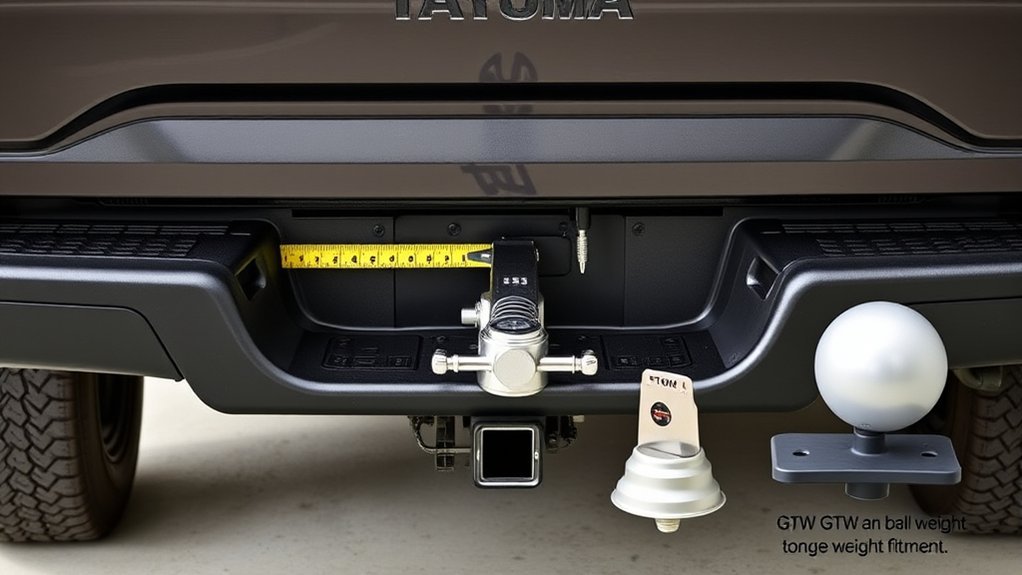
Your Tacoma has specific weight limits defined in the owner’s manual. You must keep the loaded trailer weight and tongue weight within these factory specifications to maintain vehicle control.
Aim for a tongue weight that equals 10 to 15 percent of the total trailer weight. If your trailer feels unstable during turns or braking, move your cargo to adjust this balance. If the total weight approaches your truck’s limit, remove non-essential gear from the trailer. Never exceed the weight limits stamped on the hitch receiver or the truck’s door jamb sticker.
Always consult a qualified professional before making decisions based on this information.
Choosing the Right Hitch Ball and Mount
Match your hitch ball size to your trailer coupler exactly. A loose fit causes excessive wear and creates a high risk of disconnection while driving.
[Amazon Products Picked for You]

Extensive compatibility: Designed for a 2-inch receiver, the 1-inch trailer ball hole accommodates various sizes including 1-7/8 inches, 2 inches, and 2-5/16 inches, ensuring versatile usage.

HIGH STRENGTH: Adjustable trailer hitch ball mount is rated for 7500 lbs gross trailer weight this hitch adapter is constructed from quality steel to offer dependable strength

Versatile Multi-Ball Head: Equipped with 1-7/8", 2", and 2-5/16" chrome hitch balls to connect different trailers with ease. Supports up to 6,000 lbs, 7,500 lbs, and 10,000 lbs GTW, making it suitable for utility trailers, campers, boats, and more
Matching Ball Size
The ball diameter must match the coupler interior perfectly. Most Tacoma owners use a 2-inch ball, but double-check your trailer specs to ensure you don’t need a 2-5/16 inch size. Ensure the ball shank fits the mount hole and stays torqued to the manufacturer’s suggested setting.
Selecting a Ball Mount
Choose a ball mount that provides the correct rise or drop to keep your trailer level. A slanted trailer shifts weight unevenly, which impacts your braking efficiency. Check the shank for a weight rating label and confirm it meets or exceeds your trailer’s total weight.
Upgrading to Larger Hitch Receivers
If you tow professional or industrial-grade equipment, you might require a receiver larger than the standard 2-inch unit. While a 2.5-inch or 3-inch receiver allows for heavy-duty towing, you cannot increase your Tacoma’s physical towing capacity by simply changing the hitch.
Upgrading usually involves removing the stock hitch and welding or bolting on a new assembly. This process often requires cutting, drilling, and specific frame reinforcements. Before you perform these modifications, verify that your engine and transmission can safely handle the increased load.
[Amazon Products Picked for You]
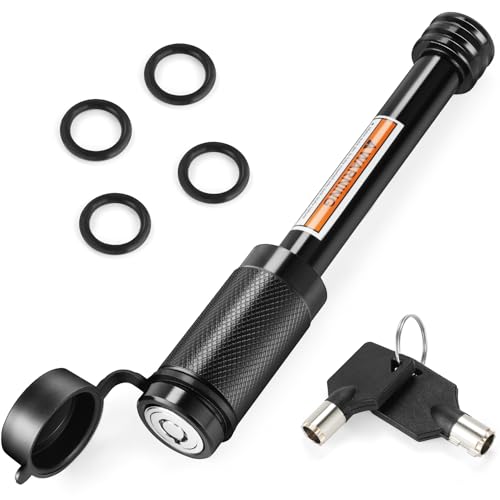
NIVERSAL COMPATIBILITY:The trailer hitch lock is designed with a 5/8"diameter hitch pin and a length of 3-1/2"of effective pin length,fits most class III IV 2" and 2-1/2" hitch receivers for towing, trailer, boat, RVs, truck, car and tractors

AMERICAN OWNED, FAMILY OPERATED - Join the Rhino USA Family and Support a Father/Son Business With the Best USA-Based Customer Support.

EXTRA LONG PIN FITS 2" and 2-1/2" RECEIVERS - Extra long 5/8" diameter locking hitch pin with maximum active length 3-1/4", fits Class III/IV hitches with 2" and 2-1/2" receivers. Solid hardened steel tow hitch lock pin with black e-coated on zinc plated finish. * Before purchase, please verify all dimensions of your hitch, to get a great fit of the hitch lock pin
Factory vs. Aftermarket Hitch Installation
Factory hitches offer the best compatibility and require no permanent changes to your truck frame. They align with your Tacoma’s existing mounting holes for a stable, reliable fit.
Aftermarket hitches provide higher weight ratings but often require more complex installations. Some aftermarket options extend deeper into the frame to distribute weight more effectively. Choose factory gear for standard tasks and aftermarket components only when you have a documented need for higher capacity. Always inspect your frame for rust or damage before installing any new hardware.
[Amazon Products Picked for You]

Genuine Toyota Hitch Cover

Hitch Cover

Made with a vehicle-specific design for a custom fit
Avoiding Common Fitment Mistakes
Do not rely on labels or verbal advice alone. Always verify the physical measurements of your receiver and coupler.
Reading Coupler Stamps
Coupler markings can fade over time or mislead you if the part was replaced previously. Measure the coupler opening directly with a caliper if you are unsure of the ball size. Using the wrong ball size creates a dangerous gap that leads to catastrophic failure on the road.
Managing Tongue Weight
Ignoring tongue weight causes the rear of your truck to sag and lightens the load on your front tires. This reduces steering response and increases stopping distance. Use a scale to check your tongue weight periodically, especially after adding heavy cargo to your trailer.
Pre-Tow Safety Checklist
Confirm all systems are ready before you depart. Following a set routine helps you catch potential issues before they become emergencies.
- Confirm the hitch receiver size matches the ball mount.
- Verify your Tacoma’s towing capacity and the hitch’s load ratings.
- Inspect the hitch ball for wear and ensure the nut is tightened to spec.
- Secure the hitch pin and safety clip.
- Check your trailer lights and brake controller functionality.
Perform these checks every time you prepare to tow. This habit ensures your safety and protects your vehicle from avoidable damage.
Related Guides
Frequently Asked Questions
What size hitch receiver is standard on a Toyota Tacoma?
Most Toyota Tacomas come with a 2-inch square receiver. This standard size accommodates most hitch balls, bike racks, and cargo carriers.
How do I identify if my hitch is Class III or Class IV?
Look for the manufacturer’s sticker or stamp on the hitch assembly. This label lists the weight ratings and the hitch class. If the label is missing, verify the receiver dimensions and consult your owner’s manual for factory equipment details.
Can I increase my towing capacity by installing a larger hitch?
No. The towing capacity of your truck depends on the engine, transmission, cooling system, and frame strength. A larger hitch receiver does not raise these limits.
What is the difference between Class IV and Class V hitches?
Class IV hitches typically support up to 10,000 pounds of gross weight, while Class V hitches handle much higher capacities, often exceeding 17,000 pounds. You should only use these higher classes if your truck’s specific build rating supports such heavy loads.
Conclusion
Safe towing requires precise measurements and an honest assessment of your truck’s capabilities. Always verify your receiver size, match your trailer weight to your truck’s limits, and inspect your connections before every trip. Taking these simple steps keeps you and other drivers safe while protecting your vehicle from unnecessary wear.
