If your Toyota Tacoma pulls left or right, don’t assume it only needs an alignment. Unequal tire pressure, tire construction, uneven tread wear, a dragging brake, worn steering parts, wheel damage, road slope, or an uneven load can produce similar symptoms. Identifying when the pull occurs helps you inspect the right components without replacing parts unnecessarily.
Last updated: July 13, 2026
Quick Answer
A Toyota Tacoma may pull to one side because of unequal tire pressure, tire-related radial pull, incorrect alignment, a sticking brake, worn steering or suspension parts, a bent wheel, road crown, or uneven cargo. Check cold tire pressure and visible damage first, then have the tires, brakes, suspension, and four-wheel alignment inspected.
Key Takeaways
- First determine whether the Tacoma pulls constantly, only while braking, after tire service, or only on sloped roads.
- Check all tires cold and use the pressure listed on the driver-side placard, not the maximum pressure molded into the tire.
- A tire can create a pull even when its pressure, tread depth, and alignment readings appear acceptable.
- A strong braking pull, burning odor, smoke, grinding, or a very hot wheel needs prompt professional inspection.
- Alignment adjustments should follow the exact specifications for your Tacoma’s year, configuration, tires, ride height, and suspension.
At a Glance
| Time Required | About 20–30 minutes for basic pressure and visual checks; professional diagnosis may take longer. |
| Difficulty | Beginner for pressure and visual checks; advanced equipment and training are needed for brakes, alignment, and steering repairs. |
| Tools Needed | Accurate tire-pressure gauge, flashlight, tread-depth gauge or ruler, gloves, and a notepad. |
| Cost | Basic checks may cost nothing if you own a gauge. Diagnostic and repair costs vary by the cause, model year, parts, and local labor rates. |
Warning: Stop driving and arrange an inspection if the pull starts suddenly or comes with smoke, a burning smell, grinding, severe vibration, visibly damaged tires, loose steering, brake-fluid loss, or a wheel that becomes much hotter than the others. Never crawl under a Tacoma supported only by a jack.
Common Reasons Your Tacoma Might Pull to One Side
A Tacoma can move toward one side for several reasons, and more than one problem may be present. Before ordering an alignment, note whether the steering wheel turns by itself, the truck merely drifts, or the symptom appears only while braking.
- Unequal tire pressure: A pressure difference across the front axle can change rolling resistance and steering response.
- Tire-induced pull: Internal tire construction, sometimes called radial pull or conicity, can create a side force even when the tread looks normal.
- Wheel alignment: Incorrect camber, caster, toe, or rear thrust angle can prevent the truck from tracking straight.
- Brake drag: A sticking caliper, restricted brake hose, contaminated friction surface, or uneven pad condition can pull the truck during braking or while cruising.
- Worn steering or suspension: Loose tie-rod ends, ball joints, control-arm bushings, wheel bearings, or related components can change alignment while the truck moves.
- Wheel or tire damage: A bent wheel, tire belt damage, bulge, separated tread, or excessive runout can affect stability.
- Road and load conditions: Road crown, crosswinds, uneven cargo, trailer tongue weight, and accessories can influence tracking.
- Vehicle modifications: A lift, leveling kit, different wheel offset, or oversized tires may change steering geometry and alignment requirements.
A mild drift to the right on a crowned road may be normal because many roads slope toward the shoulder for drainage. A strong pull on a flat, calm road is more likely to indicate a tire, brake, alignment, steering, or suspension problem.
How to Diagnose Pulling Problems in Your Tacoma
Diagnose the problem in a controlled order. Begin with checks that require no disassembly, then move to tire testing, alignment measurement, brakes, and suspension.
Identify When the Pull Happens
Choose a safe, level road with little traffic and dry pavement. Keep both hands on the wheel and avoid testing at high speed.
- Pulls while coasting: Check tire pressure, tire construction, alignment, wheel damage, cargo, and road crown.
- Pulls only while braking: Suspect uneven braking force, a sticking caliper, hose restriction, pad contamination, or a rotor problem.
- Started after new tires or rotation: Suspect pressure differences, incorrect installation, tire damage, or tire-induced radial pull.
- Started after a pothole or curb impact: Inspect the tire, wheel, steering, suspension, and alignment.
- Changes with the road: Road crown, grooves, wind, or an aggressive tread design may be influencing the truck.
- Changes with cargo or a trailer: Redistribute the load and verify that axle, payload, and tongue-weight limits are not exceeded.
Note: Do not test by releasing the steering wheel. Observe the steering effort needed to keep the truck centered while maintaining full control.
Check Tire Pressure While the Tires Are Cold
Check all four tires before driving or after the truck has been parked long enough for the tires to cool. Use the recommended pressure shown on the driver-side Tire and Loading Information label or in the manual for your exact Tacoma.
The National Highway Traffic Safety Administration recommends checking tire pressure at least monthly while the tires are cold. Do not use the maximum pressure molded into the tire sidewall as the normal inflation target.
- Record the pressure in every tire before adding air.
- Compare the left and right tires on each axle.
- Adjust them to the vehicle placard specification.
- Inspect the valve stems and tread for punctures or slow leaks.
- Retest the truck on the same road.
Do not rely only on the low-pressure warning light. Federal TPMS requirements address significant underinflation, and the system may not warn you about a smaller side-to-side difference that affects handling. The regulation also states that TPMS is not a substitute for proper tire maintenance.
Inspect the Tires and Wheels
Look across the full width and circumference of every tire. Compare the left and right sides rather than inspecting each tire in isolation.
- Check for bulges, cuts, exposed cords, embedded objects, or tread separation.
- Measure tread depth at the inner, center, and outer portions of each tire.
- Look for feathering, cupping, one-sided wear, and flat spots.
- Confirm that tire sizes and load ratings match the approved setup for the truck.
- Verify that directional tires face the correct way.
- Look for a bent wheel lip, crack, air leak, missing balance weight, or visible wobble.
A tire can cause a pull without showing obvious wear. If the problem began after tire installation or rotation, ask a qualified tire technician to test for radial tire pull or road-force variation. The technician may reposition or swap tires only when the tire direction, wheel size, tread pattern, and Toyota rotation instructions permit it.
Pro Tip: If the direction of the pull changes after a technician safely repositions the front tires, the tires are more likely to be causing the problem. If the direction stays the same, alignment, brakes, suspension, or road conditions need closer inspection.
Inspect Alignment Settings Thoroughly
Correct tire pressure cannot repair an alignment problem. Request a complete four-wheel measurement and a printed before-and-after report. The technician should compare camber, caster, toe, steering-wheel position, and thrust angle with the specifications for your Tacoma’s exact model year and configuration.
Alignment readings can be misleading when a component is loose, bent, binding, or installed at the wrong ride height. Before adjusting angles, the technician should inspect the tires, wheels, steering linkage, suspension, wheel bearings, ride height, and mounting hardware.
Do not ask a shop to add negative camber or otherwise move an angle outside specification simply to hide a pull. The proper repair is to identify the source of the unequal force, replace damaged parts, and align the truck within Toyota’s applicable limits.
Evaluate Suspension Components Effectively
Steering and suspension parts must hold the wheels in the measured position while the truck is moving. A static alignment can appear acceptable even though worn parts allow the angles to change under braking, acceleration, or bumps.
- Tie-rod ends: Check for looseness, damaged boots, and delayed steering response.
- Ball joints: Inspect for play, noise, binding, and torn protective boots.
- Control arms and bushings: Look for cracks, movement, collision damage, and deteriorated rubber.
- Wheel bearings: Check for looseness, grinding, humming, or rough rotation.
- Shocks and struts: Inspect for leakage, damage, unequal ride height, and poor damping.
- Rear suspension and U-bolts: A technician should check for shifted, damaged, or loose components and use the correct service procedure and torque specification.
- Frame and mounting points: Collision damage or corrosion can prevent a reliable alignment.
Wheel offset and tire width also affect scrub radius and steering feel. Aftermarket wheels, spacers, lift kits, and leveling systems should be included in the technician’s diagnosis.
Quick Fixes for Pulling Issues
Some pulling complaints improve after simple corrections. These steps are appropriate only when no tire, brake, wheel, or steering damage is present.
Correct Tire Pressure and Load
- Set every tire to the correct cold placard pressure.
- Remove or redistribute heavy cargo that is concentrated on one side.
- Check that a camper, bed rack, recovery gear, or tool storage system is mounted evenly.
- Confirm that trailer tongue weight and cargo remain within the truck’s ratings.
- Retest the truck on a level road after making one change at a time.
Inspect Suspension Components Thoroughly
A quick visual check can reveal a loose shield, damaged tire, leaking shock, cracked bushing, or obviously bent component. However, steering and suspension play should be measured by a trained technician using safe lifting equipment.
If the truck was recently lifted, leveled, aligned, or fitted with different wheels, return to the installer with the alignment report and parts list. Confirm that all required brackets, control arms, shims, sensor calibrations, and hardware checks were completed for that system.
Schedule a Tire and Alignment Check
If pressure and cargo corrections do not solve the problem, schedule a tire evaluation and four-wheel alignment. Tell the shop exactly when the pull occurs and whether it began after an impact, rotation, tire replacement, brake work, suspension repair, or modification.
The Impact of Tire Pressure on Your Steering Stability
Tire pressure affects the size and behavior of each tire’s contact patch. Unequal pressure can change rolling resistance, steering effort, heat buildup, wear, and braking response.
- Underinflation: Can increase heat and rolling resistance while reducing handling consistency.
- Overinflation: Can reduce ride compliance and concentrate wear near the tread center.
- Side-to-side differences: May contribute to drift or amplify another tire or alignment problem.
- Temperature changes: Can alter pressure, so compare tires under similar cold conditions.
- TPMS limitations: The warning light may stay off even when a smaller pressure difference affects how the truck feels.
Correct pressure is an important first step, but it will not repair a damaged tire, bent wheel, sticking brake, worn suspension part, or incorrect alignment.
Identifying Symptoms of Worn Steering and Suspension Parts
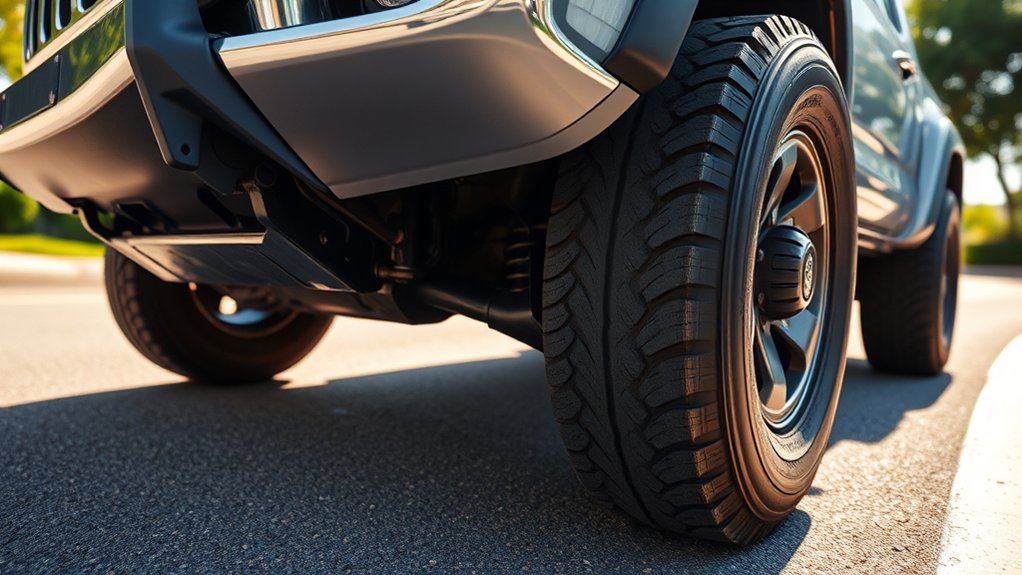
Worn steering and suspension parts may allow the wheel angles to change as the Tacoma accelerates, brakes, or travels over bumps. This movement can cause wandering, pulling, uneven tire wear, and an off-center steering wheel.
Watch for these symptoms:
- Loose, vague, or delayed steering response
- Clunking while turning, braking, or crossing bumps
- A steering wheel that does not return smoothly after a turn
- Unequal ride height from side to side
- Feathered, cupped, or one-sided tire wear
- Repeated alignment loss
- Humming or grinding that changes with speed or direction
- Visible movement in a joint or bushing
Do not continue adjusting alignment around worn components. Repair the looseness or damage first, then measure the alignment again.
The Role of Uneven Brake Wear in Vehicle Pulling
A Tacoma that changes direction mainly when you press the brake pedal may have unequal braking force. The truck usually moves toward the side producing greater braking force, although the exact behavior can vary with the fault and road surface.
Possible causes include:
- A sticking or seized caliper piston
- Caliper slide pins that do not move freely
- A restricted flexible brake hose
- Brake fluid or grease on a pad or rotor
- Uneven pad wear
- A damaged rotor or improperly installed brake component
- Loose steering or suspension parts that shift during braking
After a short drive with limited braking, a technician may compare wheel temperatures using appropriate equipment. One wheel that is much hotter can indicate brake drag, but temperature alone does not identify the failed part.
Warning: A strong braking pull, smoke, burning odor, soft pedal, fluid leak, grinding, or glowing brake component requires immediate attention. Park safely and avoid touching the wheel or brake because it may be extremely hot.
Tire Tread Patterns That Affect Stability
Tread condition and tire construction affect how your Tacoma follows grooves, reacts to road slope, and transfers steering force.
- One-sided wear: Often points toward alignment, damaged parts, or sustained pressure problems.
- Feathering: May indicate an incorrect toe setting or looseness.
- Cupping or scalloping: Can develop with imbalance, damaged components, poor damping, or irregular tire wear.
- Mismatched tires: Different models, tread depths, sizes, or constructions can create uneven response.
- Aggressive tread: Some all-terrain or mud-terrain tires may follow pavement grooves more noticeably than highway tires.
- Internal tire force: A tire may create lateral force even when its tread appears even.
Rotate tires only in the pattern approved for their design and your Tacoma. Directional tires, staggered sizes, different front and rear wheel dimensions, or certain aftermarket setups may limit rotation options.
Signs of Damage to Wheel Rims That Could Cause Pulling
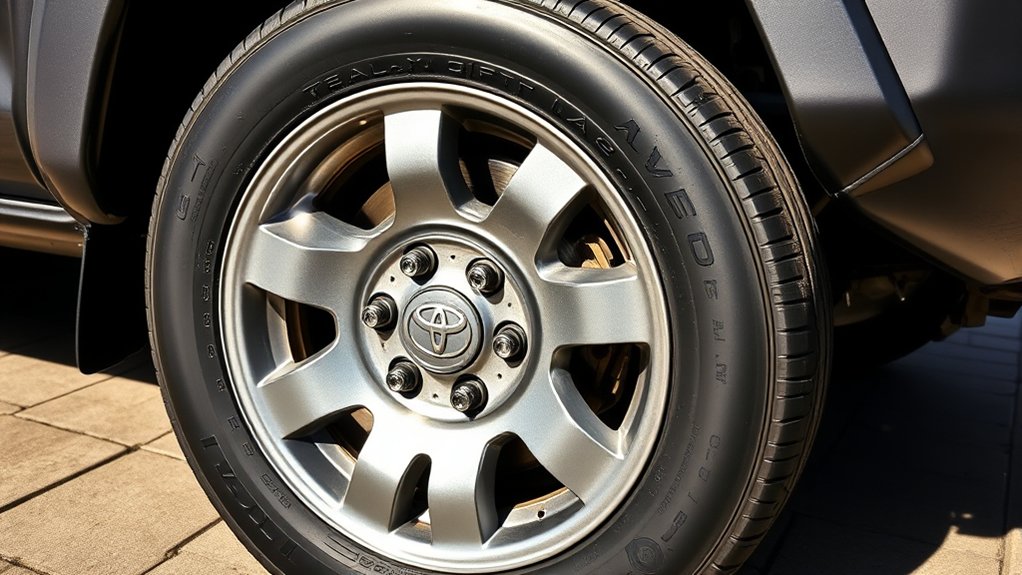
Structural wheel damage can disturb tire seating, balance, runout, and air retention. Cosmetic curb rash alone normally does not change alignment, but it may justify a closer inspection after a hard impact.
Look for:
- Bent inner or outer lip: May cause vibration, runout, or an air leak.
- Cracks: Can weaken the wheel and allow pressure loss.
- Visible wobble: Suggests a bent wheel, mounting issue, or excessive runout.
- Repeated pressure loss: May come from bead-seat damage, corrosion, a crack, valve trouble, or tire damage.
- Missing balance weights: More commonly cause vibration than a steady pull, but should still be corrected.
- Damaged mounting surface: Rust, debris, or impact damage can prevent the wheel from seating correctly.
Have a damaged wheel removed and inspected. Do not attempt to straighten, weld, or reuse a cracked wheel without an assessment from a qualified wheel-repair or replacement specialist.
Road Crown, Cargo, and Modifications
Not every directional tendency comes from a failed part. External conditions and changes to the truck can alter steering feel.
Road Crown and Wind
Many roads slope toward the shoulder, which can produce a mild rightward drift. Crosswinds, standing water, ruts, and pavement grooves may also influence a pickup with wide or aggressive tires. Compare the behavior on more than one safe, level road before diagnosing a mechanical pull.
Uneven Cargo and Trailer Load
Heavy tools, batteries, water tanks, recovery equipment, campers, and trailer tongue weight can change ride height and tire loading. Secure and distribute cargo evenly while staying within the truck’s payload, axle, tire, hitch, and towing limits.
Lift Kits, Leveling Kits, and Wheel Offset
Ride-height changes can alter camber, caster, toe, steering-axis geometry, and component operating angles. Wider wheels, spacers, and different offsets can change scrub radius and increase the steering response to bumps or braking differences.
After a modification, the truck should receive the inspections, hardware checks, calibrations, and alignment procedure required by Toyota and the component manufacturer. A standard alignment alone may not correct poorly matched or incorrectly installed parts.
Symptom-Based Diagnostic Guide
| Symptom | Likely Areas to Check | Next Step |
|---|---|---|
| Pulls constantly on a level road | Pressure, tires, alignment, cargo, steering, suspension | Correct pressure, inspect tires, then obtain a tire evaluation and four-wheel alignment |
| Pulls only while braking | Calipers, hoses, pads, rotors, suspension movement | Arrange a brake and front-end inspection |
| Started after new tires or rotation | Pressure, tire placement, radial pull, damage, installation | Return to the tire shop for inspection and tire-force testing |
| Started after a pothole or curb impact | Tire, wheel, tie rods, control arms, alignment | Inspect before further high-speed driving |
| Pull changes between roads | Road crown, grooves, wind, tread design | Compare on a safe, flat road before authorizing repairs |
| Pull with clunking or loose steering | Tie rods, ball joints, bushings, wheel bearings, mounting points | Limit driving and arrange a steering and suspension inspection |
| One wheel is unusually hot | Dragging brake or bearing problem | Stop driving and have the truck inspected promptly |
When to Seek Professional Help for Alignment Issues
Professional diagnosis is appropriate when the pull remains after pressure and load corrections, returns after alignment, or appears with braking, vibration, noise, looseness, or abnormal heat.
| Sign | Potential Issue | Recommended Action |
|---|---|---|
| Pull persists after correct inflation | Tire force, alignment, brake, or suspension problem | Request a complete tire and chassis diagnosis |
| Repeated alignment loss | Loose, bent, binding, or incorrectly installed parts | Inspect components before another adjustment |
| Uneven or rapid tire wear | Pressure, alignment, balance, damping, or component wear | Have the tires and suspension measured |
| Pull during braking | Unequal brake force or suspension movement | Arrange a brake and steering inspection |
| Loose steering, grinding, smoke, or severe vibration | Potential safety-critical failure | Stop driving and arrange towing or immediate service |
Bring the technician your tire-service history, modification list, alignment printouts, and notes about when the symptom occurs. Ask for measured results rather than an adjustment based only on a short test drive.
You can also check your VIN through the NHTSA recall lookup and consult the Toyota owner-manual portal for information specific to your Tacoma’s year and configuration.
Frequently Asked Questions
What is the most common cause of a vehicle pulling to one side?
No single cause is most common in every vehicle. Start with unequal cold tire pressure and visible tire damage because they are quick to check. Tire-induced pull, alignment, road crown, brakes, steering parts, suspension wear, and uneven loading are also frequent possibilities.
Which problems are most likely to make a Tacoma pull to one side?
Common causes include unequal tire pressure, a tire producing lateral force, incorrect alignment, a sticking brake, worn steering or suspension parts, a bent wheel, uneven cargo, and road crown. The timing of the symptom helps narrow the list.
Why is my Tacoma pulling to the right?
A slight rightward drift may come from road crown. A stronger pull on a flat road can result from pressure differences, tire-related pull, alignment, brake drag, suspension wear, wheel damage, or uneven loading. Test on more than one safe road before assuming an alignment fault.
How do I fix my Tacoma when it pulls to one side?
Correct the cold tire pressure, inspect the tires and wheels, remove uneven cargo, and note when the symptom occurs. If it remains, have a technician test the tires, inspect the brakes and steering components, and perform a four-wheel alignment using the correct Toyota specifications.
Can a new tire make my Tacoma pull even when the alignment is correct?
Yes. Internal construction differences can cause a tire to generate lateral force. This is often called radial tire pull or conicity. A tire technician can test the assembly and reposition tires when their design and the truck’s setup permit it.
Can a leveling kit or lift cause a Tacoma to pull?
Yes. Changing ride height can alter caster, camber, toe, steering geometry, and component angles. Incorrect installation, mismatched parts, wheel offset, or insufficient alignment adjustment may create pulling or wandering.
Conclusion
A Toyota Tacoma that pulls to one side needs a structured diagnosis rather than an automatic alignment. Begin with cold tire pressure, tire and wheel condition, road slope, and cargo. Then separate a constant pull from one that appears during braking, after tire service, or following an impact.
Persistent pulling, abnormal heat, loose steering, vibration, smoke, grinding, or rapid tire wear requires professional attention. Ask for tire-force testing when appropriate, a complete brake and suspension inspection, and a printed four-wheel alignment report based on the specifications for your exact Tacoma.
Sources
- Toyota Manuals and Warranties — model-year-specific owner information and maintenance instructions.
- NHTSA TireWise — cold tire-pressure, placard, tread, rotation, and tire-safety guidance.
- 49 CFR 571.138: Tire Pressure Monitoring Systems — TPMS warning requirements and maintenance limitations.
- NHTSA Recall Lookup — vehicle, tire, equipment, investigation, complaint, and manufacturer-communication searches.
