If your Toyota Tacoma’s heater is not working, first separate an airflow problem from a heat problem. If little or no air comes from the vents, focus on the blower motor, fuse, blower resistor or controller, cabin air filter, and wiring. If airflow is strong but stays cold, check coolant level, engine warm-up, heater-core flow, and the temperature blend door or actuator.
Quick Answer
A Toyota Tacoma heater that blows cold air is commonly caused by low coolant, a thermostat that keeps the engine too cool, restricted coolant flow through the heater core, trapped air, or a temperature-door problem. If there is little or no airflow instead, check the blower circuit and cabin air filter first.
Key Takeaways
- Check the coolant level only when the engine is cold. Repeated coolant loss means you should look for a leak rather than continually topping it off.
- Strong airflow that stays cold usually points away from the blower motor and toward coolant temperature, coolant flow, or the temperature blend door.
- A large temperature difference between the two heater hoses can indicate restricted heater-core flow, but it does not prove the core itself is clogged.
- If the engine takes unusually long to reach normal temperature, a thermostat stuck open can reduce heater output.
- Tacoma HVAC hardware varies by model year, so verify whether your truck uses a heater water valve, cable, servo, or another air-mix control before ordering parts.
At a Glance
| Time Required | About 20–45 minutes for basic diagnosis |
| Difficulty | Easy to moderate for visual and temperature checks |
| Tools Needed | Flashlight, gloves, safety glasses, infrared thermometer; multimeter optional |
| Cost | $0 for inspection; coolant, filter, electrical parts, or professional repair cost extra |
Warning: Never remove a radiator cap or coolant reservoir pressure cap while the engine is hot. Hot coolant can be under pressure and cause serious burns. Let the engine cool completely before checking or adding coolant.
Identifying Common Heater Problems in Your Tacoma
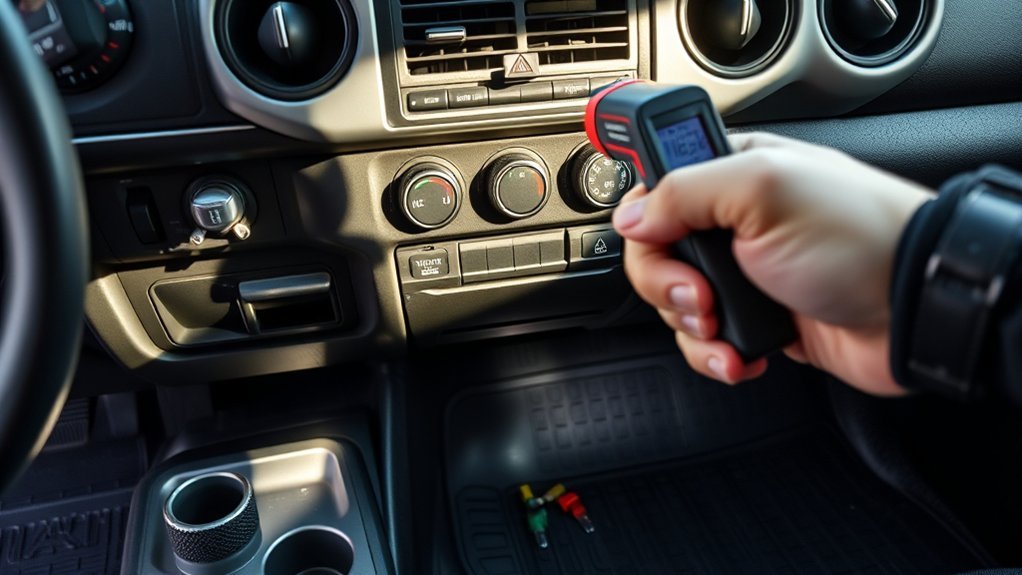
When troubleshooting heater problems in your Toyota Tacoma, start with the symptom you actually have. Low coolant can reduce circulation through the heater core, while a restricted core can reduce heat even when the engine itself reaches normal temperature.
A temperature-control problem can also come from the HVAC air-mix system. Depending on model year and equipment, your Tacoma may use a cable, heater water valve, electric servo, or blend/air-mix door to control cabin temperature. That is why model-year verification is important before replacing parts.
The blower motor affects airflow rather than coolant temperature. If no air comes from the vents, or airflow is very weak at every fan setting, investigate the blower circuit and cabin filter. If a strong stream of air comes from the vents but remains cold, the blower motor is probably not the main cause.
Strong airflow but no heat points you toward coolant temperature, heater-core flow, and temperature-door control—not immediately toward the blower motor.
How to Diagnose a Non-Working Heater
Diagnosing a non-working Toyota Tacoma heater is easier when you test one system at a time instead of replacing parts based on symptoms alone.
- Check whether air comes from the vents. Test low, medium, and high fan speeds.
- Check the coolant level with the engine completely cold. Low coolant can prevent consistent flow through the heater core.
- Watch engine warm-up. If the engine remains unusually cool or takes a very long time to warm up, investigate thermostat operation.
- Set the heater to maximum temperature. Listen for clicking or repeated movement behind the dashboard while changing the temperature setting.
- Compare heater-hose temperatures. After normal warm-up, an infrared thermometer is safer than grabbing hot hoses by hand.
- Look for coolant-leak clues. A sweet odor, repeated coolant loss, unusual windshield film, or damp passenger-side carpet can point toward heater-core leakage.
Pro Tip: Diagnose airflow before temperature. If the fan barely moves air, fix the airflow problem first. If airflow is strong but cold, move to coolant temperature, heater-core flow, and blend-door checks.
Match the Heater Symptom to the Most Likely Area
| Symptom | Start Checking |
|---|---|
| No airflow at any speed | Fuse, blower motor, connector, wiring, blower control circuit |
| Fan works only on some speeds | Blower resistor or electronic blower controller, depending on model |
| Strong airflow but cold air | Coolant level, engine temperature, heater-core flow, blend/air-mix door |
| Heat gets warmer when engine RPM increases | Low coolant, trapped air, restricted heater core, or another coolant-flow problem |
| Engine warms very slowly and heater stays weak | Thermostat operation |
| Sweet smell, fogging, damp carpet | Possible heater-core or coolant leak |
Checking Coolant Levels: The First Step
Checking coolant levels is essential because an engine cooling system that is low on coolant may not maintain consistent flow through the heater core.
Check the coolant reservoir only when the engine is cold and parked on level ground. If the level repeatedly drops after being corrected, look for a leak rather than treating repeated topping-off as normal maintenance.
Importance of Coolant Levels
Low coolant can introduce air into the cooling circuit and interfere with heater performance. It can also be an early warning of a leak that may eventually contribute to engine overheating.
If the cooling system was recently drained, repaired, or opened, trapped air is another possibility. Air pockets can reduce heater-core circulation even when the reservoir appears to contain coolant.
Checking for Leaks
With the engine cold, inspect accessible cooling-system areas for dried coolant residue, damp hose connections, or fresh leakage. Pay particular attention to heater-hose connections near the firewall.
Inside the cabin, a persistent sweet coolant odor, unexplained window film or fogging, dampness on the passenger-side carpet, or continuing coolant loss can indicate a leaking heater core.
If coolant continues disappearing and no external leak is obvious, professional cooling-system pressure testing is appropriate.
Coolant Type Recommendations
Use the coolant specified for your exact Tacoma model year. Toyota’s current documentation specifies Toyota Super Long Life Coolant or a compatible high-quality ethylene-glycol coolant meeting Toyota’s stated chemistry requirements. Toyota also warns not to use plain water alone.
Do not assume that every Tacoma in every market should be filled with the same owner-mixed 50/50 ratio. Follow the label on the approved coolant and the owner’s manual for your model year and market.
Check Engine Warm-Up and Thermostat Operation
A heater core cannot provide strong cabin heat if the engine coolant never gets hot enough. After a cold start, the engine should gradually reach its normal operating temperature.
If the temperature indication remains unusually low during normal driving, the engine takes much longer than expected to warm up, and the heater produces only lukewarm air, a thermostat that is stuck open is one possible cause.
Do not replace the thermostat solely because the heater feels weak. Confirm the coolant level first and rule out airflow, heater-core-flow, and temperature-door problems.
Note: If the engine is overheating rather than running cool, stop treating the problem as a simple cabin-heater issue. An overheating engine can indicate a more serious cooling-system fault that should be addressed immediately.
Inspecting Your Toyota Tacoma’s Heater Control System

Tacoma heating-system hardware varies by model year, so do not assume every truck has the same heater control valve. Some Tacoma configurations use a heater water valve in the coolant circuit, while other systems control cabin temperature primarily with air-mix doors and electric servos.
Toyota Genuine Parts documentation describes both heater water valves that regulate coolant delivery and HVAC servos that move climate-control doors.
Heater Control Valve Location
If your specific Tacoma is equipped with a heater water valve, it will be part of the heater coolant plumbing rather than a universal component found in the same place on every generation. Older Tacoma designs may use a cable-operated valve, while later systems can rely on HVAC air-door control instead.
Before buying a valve, check your model year, VIN-specific parts information, and the physical heater-hose routing under the hood.
Signs of a Valve or Temperature-Control Failure
On a truck that actually has a heater water valve, failure to open can restrict hot coolant flow to the heater core. On a system that controls temperature with an air-mix door, the coolant may be hot while the vents still blow cold because the door is not directing air through the heated path correctly.
That distinction is why heater-hose temperature testing and actuator observation are more useful than replacing a valve based only on a lack of cabin heat.
Replacement and Maintenance Tips
- Identify your system first: Confirm whether your Tacoma uses a heater water valve, cable, servo, or air-mix actuator.
- Inspect accessible heater hoses: Look for leakage, deterioration, kinks, or signs of previous improper repairs.
- Observe control movement: When accessible, watch the relevant cable or actuator while changing the temperature setting.
- Do not force an electric servo: Internal gears can be damaged if the actuator or attached door is forced beyond its normal travel.
How to Check Your Blend Door Actuator
A blend or air-mix actuator controls the position of an HVAC door that helps determine outlet temperature. Toyota describes HVAC servos as electric actuators used to move climate-control doors.
With the ignition and HVAC system operating as appropriate for your model, change the temperature setting from cold to hot and listen near the dashboard. Repeated clicking, knocking, or grinding can indicate stripped actuator gears or a binding door.
If the actuator is visible after removing an accessible trim panel or glovebox on your model, observe whether it moves when the temperature setting changes. Do not pry or force the actuator while it is attached.
A multimeter can help diagnose power, ground, or circuit problems when used with the correct wiring diagram, but simple continuity alone does not prove every type of actuator is good or bad. Modern servos can include internal electronics or position feedback.
Assessing Your Blower Motor’s Performance
The blower motor moves air through the HVAC housing. It does not create the heat itself, so diagnose it primarily when airflow is missing, weak, noisy, or available only at certain speeds.
- Test all fan speeds: No operation can point to a fuse, motor, connector, wiring, relay, or control issue. Operation only on certain speeds can point toward a resistor or electronic controller, depending on the system.
- Listen for abnormal noises: Squeaking, scraping, grinding, or vibration can indicate a worn motor, fan obstruction, or damaged blower wheel.
- Inspect the electrical supply: Check the correct fuse and accessible connectors before condemning the motor.
- Check airflow restriction: A heavily loaded cabin air filter can reduce airflow even when the blower motor itself is spinning normally.
If strong air comes from the vents at the selected speeds but it remains cold, shift your diagnosis toward coolant temperature, coolant flow, and the temperature-control door.
Troubleshooting Heater Core Blockages

A restricted heater core can cause poor cabin heat, but it should be diagnosed rather than assumed.
After the engine reaches normal operating temperature and the heater is set to hot, compare the temperature of the heater-core inlet and outlet lines near the firewall. An infrared thermometer provides a safer comparison than gripping hot hoses.
Both lines should become hot when hot coolant is circulating. Some temperature drop through the core is normal because the heater removes heat from the coolant. However, one line remaining dramatically cooler than the other can indicate restricted flow.
A restriction is not the only explanation. Low coolant, trapped air, a flow-control valve where equipped, or another circulation problem can produce a similar temperature difference.
Warning: Do not disconnect heater hoses or attempt to flush a hot, pressurized cooling system. If a heater-core flush is appropriate, use a controlled low-pressure procedure and the correct coolant-refill/air-bleeding method for your model. Excessive pressure can damage the heater core.
Signs of a Leaking Heater Core
A heater core can fail by leaking rather than clogging. Watch for a sweet coolant odor inside the truck, unexplained coolant loss, persistent windshield film or fogging, and dampness near the passenger-side floor area.
A leaking heater core should be repaired rather than repeatedly topped off because coolant loss can eventually create cooling-system and engine problems.
Check for Trapped Air After Cooling-System Work
If the heater stopped working after a coolant change, hose replacement, water-pump repair, thermostat replacement, or another cooling-system service, trapped air should be considered.
An air pocket can reduce coolant circulation through the heater core and may cause gurgling sounds, inconsistent heat, or heat that changes as engine speed changes.
The correct refill and air-purging procedure depends on the engine and model year. Follow Toyota service information rather than repeatedly opening the cooling system or randomly adding coolant.
The Role of Cabin Air Filters in Heater Functionality
The cabin air filter affects airflow, not coolant temperature. A heavily clogged filter can make the heater feel weak because the blower cannot move enough air through the vents.
Common signs include reduced vent airflow, increased blower noise, debris from the vents, or persistent odors. Replace the filter according to the maintenance schedule for your specific Tacoma and sooner when operating in unusually dusty conditions.
Do not use a universal 15,000- or 30,000-mile interval for every Tacoma without checking the applicable maintenance guide. Toyota publishes model-specific schedules and notes that operating conditions can shorten filter life.
Top Maintenance Tips for Your Tacoma Heater
| Maintenance Task | Description |
|---|---|
| Check Coolant Level | Check only when the engine is cold. Investigate repeated coolant loss instead of continually topping it off. |
| Use the Correct Coolant | Use Toyota Super Long Life Coolant or the equivalent specified for your exact model year and market. |
| Inspect Blower Operation | Test all fan speeds and investigate abnormal noise, weak airflow, failed speeds, damaged connectors, or blown fuses. |
| Replace Cabin Air Filter | Follow the applicable Toyota maintenance schedule and replace sooner when driving conditions load the filter heavily. |
| Watch Engine Warm-Up | Unusually slow warm-up and weak heat can justify thermostat diagnosis. |
| Inspect Heater Controls | Listen for clicking and verify temperature-door or cable movement without forcing the mechanism. |
Toyota’s maintenance schedule also calls for periodic cooling-system inspection and model-specific coolant replacement. Consult the applicable Toyota Warranty & Maintenance Guide rather than relying on a single interval for every Tacoma generation.
When to Seek Professional Help for Heater Issues
Professional diagnosis is appropriate when basic checks do not identify the problem or when cooling-system work would require opening a hot-fluid circuit, removing major dashboard components, or performing electrical testing beyond your experience.
Seek qualified service when you find any of the following:
- Repeated coolant loss: Especially when no obvious external leak is visible.
- Possible heater-core leak: Sweet odor, damp passenger carpet, unusual windshield film, or persistent interior fogging.
- Large heater-hose temperature difference that persists: This can require cooling-system flow diagnosis.
- Temperature control does not respond: Especially with clicking or actuator fault symptoms behind the dashboard.
- Engine overheating: This is a cooling-system problem that can damage the engine and should not be treated as only a comfort issue.
- Complex electrical fault: Blower controllers, servos, wiring, and HVAC control modules can require wiring diagrams and scan-tool testing.
Frequently Asked Questions
Why is my Toyota Tacoma heater not blowing hot air?
If airflow is strong but cold, check the coolant level, confirm the engine reaches normal operating temperature, compare heater-core inlet and outlet temperatures, and verify the temperature blend door responds. Low coolant, trapped air, restricted heater-core flow, thermostat problems, or air-mix control faults can all cause poor heat.
Why is my truck blowing cold air when the heat is on?
Cold air with normal blower airflow usually means the air is not receiving enough heat. Possible causes include low coolant, an engine that is not warming normally, restricted heater-core circulation, trapped air, or a temperature blend door that is stuck on the cold side.
What would cause my heat not to kick on?
If the fan does not run at all, check the blower fuse, blower motor, connector, wiring, resistor, or electronic blower controller as applicable. If the fan runs but the air stays cold, diagnose coolant temperature, heater-core flow, and the temperature-control system instead.
How can I tell if my Toyota heater core is clogged or bad?
A major temperature difference between the heater-core inlet and outlet after full engine warm-up can indicate restricted coolant flow. A leaking heater core may instead cause coolant loss, a sweet odor, windshield film or fogging, or damp carpet. Neither symptom should be diagnosed from hose temperature alone.
Why does my Tacoma heater get hotter when I accelerate?
Heat that improves as engine speed rises can point to a coolant-flow problem such as low coolant, trapped air, or restriction in the heater circuit. Check the coolant level when cold and diagnose the cooling system before assuming the heater core must be replaced.
Can a bad thermostat make the Tacoma heater blow cold?
Yes. A thermostat stuck open can make the engine warm very slowly or run cooler than intended, leaving less heat available for the heater core. Confirm abnormal engine warm-up before replacing the thermostat because several other faults can produce the same cabin-heater symptom.
Conclusion
When a Toyota Tacoma heater stops working, diagnose the symptom before replacing parts. Start with coolant level and engine warm-up, then separate airflow problems from temperature problems. Strong cold airflow points toward coolant flow, thermostat, heater-core, or air-mix controls, while weak or missing airflow points toward the blower system or cabin filter. Because Tacoma HVAC designs vary by model year, verify the exact components on your truck before ordering a heater valve, actuator, resistor, or other part.
Sources
- Toyota 2024 Tacoma Owner’s Manual — Maintenance Data — coolant type and Toyota coolant requirements.
- Toyota 2024 Tacoma Warranty & Maintenance Guide — model-specific cooling-system and maintenance guidance.
- Toyota Genuine Heater Water Valve Assembly — function of a heater water valve in Toyota HVAC coolant plumbing.
- Toyota Genuine Air Conditioner Servo Assembly — function of electric HVAC air-door actuators.
- Toyota 2026 Tacoma Owner Manuals — current Toyota owner-documentation reference for model-specific procedures.