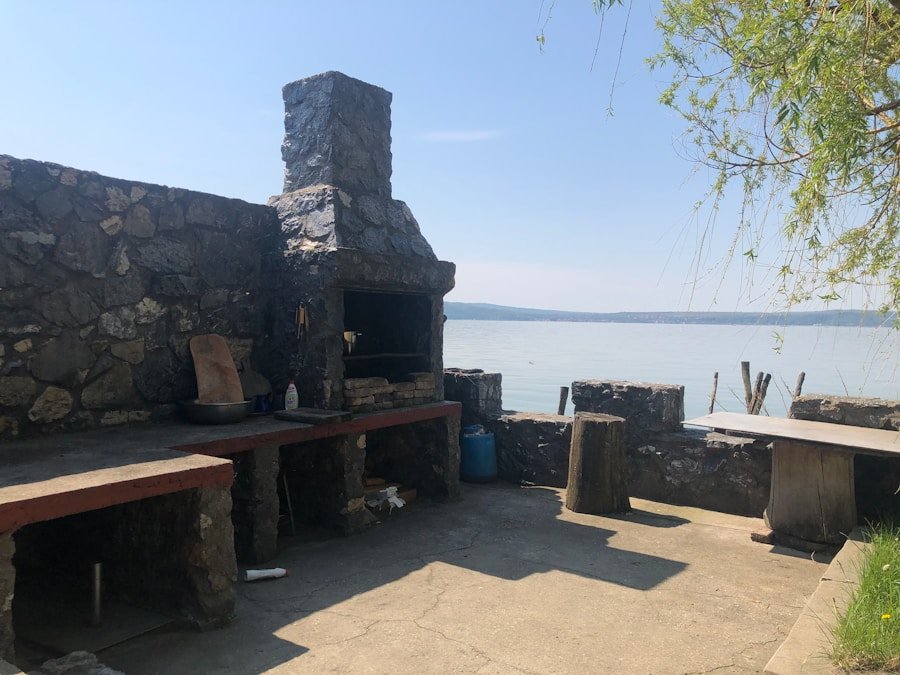
Choosing an outdoor kitchen starts with a clear plan, not a catalog of appliances. Before you buy a grill, cabinets, countertops, or seating, look at how much space you have, how often you cook outside, and what kind of meals you want to serve. A smart design helps you cook safely, entertain comfortably, and avoid costly upgrades later.
Quick Answer
To choose an outdoor kitchen, match the layout, appliances, materials, seating, and budget to the way you cook and entertain. Prioritize weather-resistant materials, safe utility connections, enough prep space, comfortable dining areas, and easy maintenance so your outdoor kitchen works well for years.
Key Takeaways
- Assess your space and needs before designing your outdoor kitchen so the final setup fits your yard and routine.
- Choose appliances based on your cooking style, not just appearance or size.
- Use durable, weather-resistant materials for cabinets, counters, flooring, and furniture.
- Plan a functional layout with safe traffic flow, enough prep space, and convenient serving areas.
- Budget for installation, utilities, covers, cleaning, seasonal care, and future maintenance.
At a Glance
| Time Required | A few days for planning; several days to several weeks for installation, depending on utilities, custom work, and permits. |
| Difficulty | Moderate to advanced. Simple modular kitchens are easier, while gas, plumbing, electrical, and masonry work usually need licensed pros. |
| Tools Needed | Tape measure, graph paper or design app, level, utility plans, appliance manuals, material samples, and contractor estimates. |
| Cost | Varies widely by size, materials, appliances, utilities, labor, permits, and whether you choose portable, modular, or custom construction. |
Assess Your Space and Needs
When creating an outdoor kitchen, start by assessing your available space and specific needs. Measure the physical dimensions of your patio, deck, or backyard. Then think about how you plan to use the kitchen during a normal week and during special gatherings.
If you have a small patio, you may need compact appliances, foldable prep surfaces, and multifunctional furniture. A long, narrow side yard may work best with a straight-line kitchen. A larger backyard can support separate zones for cooking, dining, serving, and relaxing.
Your lifestyle matters just as much as the size of the space. Are you an avid entertainer who hosts large gatherings, or do you prefer relaxed family dinners? Do you cook outdoors every weekend, or only during holidays and warm months?
Your cooking habits should guide the features you choose. If you often grill or smoke meats, a high-quality grill and smoker should be central to the design. If you want to prepare full meals outside, you may need a sink, refrigerator, storage, and ample prep space.
Also look at practical limits before you commit. Check sun exposure, wind direction, drainage, access to the house, privacy, and the location of gas, water, and electrical lines. These details affect comfort, safety, and installation cost.
Note: Keep the outdoor kitchen close enough to the indoor kitchen for convenience, but far enough from doors, windows, and overhangs to manage heat, smoke, and traffic safely.
Consider Your Cooking Style
Your cooking style plays a pivotal role in shaping the design and functionality of your outdoor kitchen. If you are a grilling enthusiast, investing in a premium grill may be the most important decision. A strong gas, charcoal, pellet, or hybrid grill can support searing, smoking, roasting, and rotisserie cooking.
Think about the meals you make most often. Burgers, steaks, ribs, and vegetables need a different setup than pizza, seafood, stir-fry, or full-course dinners. A side burner, flat-top griddle, warming drawer, or built-in smoker may matter more than a larger grill if it matches your actual cooking habits.
If you enjoy preparing gourmet meals outdoors, you may want appliances that mimic your indoor kitchen. This could include a built-in oven, an outdoor-rated refrigerator, a sink for cleanup, and storage for cookware and serving pieces.
The layout should support a smooth workflow. Place the grill near the prep zone and serving area so you can cook, plate, and serve without walking across the entire yard. Keep cold storage, trash, and utensils within easy reach.
Also consider the type of fuel you prefer. Natural gas works well for fixed kitchens when a safe gas line is available. Propane gives you more flexibility. Charcoal and wood add flavor but need more cleanup and careful ash disposal.
Pro Tip: Design around the meals you already cook most often. You can always add accessories later, but the core grill, prep space, and storage should match your real routine from day one.
Choose the Right Appliances

Selecting the right appliances is a critical part of designing an outdoor kitchen that meets your needs and improves your cooking experience. The market includes traditional grills, pellet grills, outdoor ovens, pizza ovens, griddles, side burners, refrigerators, ice makers, sinks, and beverage centers.
When choosing appliances, focus on outdoor rating, durability, ventilation needs, and performance in local weather conditions. Stainless steel is often used for outdoor appliances because it resists rust and corrosion better than many standard indoor finishes. Even so, quality varies, so choose products built specifically for outdoor use.
Start with the main cooking appliance. A built-in grill works well for a permanent setup, while a freestanding grill gives you more flexibility. A pizza oven, smoker, or griddle can be useful if you will use it often. Avoid crowding the space with appliances that look impressive but rarely serve your cooking style.
A built-in refrigerator can keep beverages cold and ingredients fresh without frequent trips indoors. If you entertain often, an outdoor bar with a sink and storage for glassware and utensils can make hosting easier. Sealed storage also helps keep tools, towels, and serving pieces ready for use.
Ventilation matters, especially for covered patios, semi-enclosed kitchens, and built-in grill islands. Proper clearance and airflow help manage smoke, heat, and odors. Always follow the appliance manual for installation clearances, fuel connections, and enclosure requirements.
Warning: Do not install gas, electrical, or plumbing connections without checking local codes and manufacturer instructions. Hire licensed professionals for utility work, especially for fixed gas lines, GFCI-protected outlets, and drainage.
[Amazon Products Picked for You]

Premium Stainless Steel Frame For Durability: Designed with a rust-resistant stainless steel frame, this outdoor grill combines exceptional durability with a stylish, modern design. The easy-to-clean surface makes maintenance a breeze

[Dual Fuel Ready] This 4-burner built in grill head operates on liquid propane (LPG) and features a natural gas convertible design. Easily adapt your fuel supply to match your outdoor kitchen setup using a conversion kit (sold separately)

🔥 NATURAL GAS CONVERTIBLE GRILL: Size: 42.34" W x 26.46" D x 20.24" H. This 30-inch 5-burner propane grill includes a free LPG regulator and hose. Easily convert to natural gas with a conversion kit (sold separately) for cost savings and convenience. Enjoy the flexibility to choose your fuel type!
Select Durable and Weather-Resistant Materials
| Material | Durability Rating | Weather-Resistance Rating |
|---|---|---|
| Stainless Steel | Excellent | Excellent |
| Aluminum | Good | Excellent |
| Teak Wood | Excellent | Good |
| HDPE (High-Density Polyethylene) | Excellent | Excellent |
The materials you choose for your outdoor kitchen determine how long it lasts and how much maintenance it needs. Outdoor kitchens face sunlight, rain, wind, humidity, grease, food spills, and temperature changes. Materials that work indoors may fail quickly outside.
For countertops, granite, concrete, porcelain, and some outdoor-rated quartz options can work well when installed correctly. Granite is popular because it is strong and heat resistant, while porcelain slabs can resist stains and moisture. Concrete offers a custom look but may need sealing to reduce staining and cracking.
For cabinetry, stainless steel, marine-grade polymer, powder-coated aluminum, and HDPE are strong choices. Marine-grade polymer cabinets resist moisture and UV exposure while providing useful storage. Wood can look beautiful, but it often requires more sealing, cleaning, and seasonal care.
For flooring, porcelain tile, pavers, sealed concrete, and natural stone are common choices. Look for slip resistance, drainage, and comfort underfoot. Smooth surfaces may look elegant, but they can become slippery when wet or greasy.
Weather-resistant materials reduce long-term maintenance and help protect your investment. They also improve safety because cabinets, counters, and flooring stay more stable under outdoor conditions.
[Amazon Products Picked for You]

Precision Opening: Overall dimensions: 762x533x46 mm / 30x21x2 inches, installation size: 27x18inch/677x448mm, it is recommended to reserve an additional 0.08inch/2mm on this basis for better operation. The door is designed specifically for outdoor kitchens and barbecue islands. With precise dimensions, it is easy to process, install, or dismantle. Available in various sizes and styles, it is perfect for indoor/outdoor kitchens and all other outdoor weather conditions.

Commercial 304 Stainless Steel Construction– holds against weather

Durable Stainless Steel: Made with Food-grade stainless steel, this stainless steel cabinet provides dependable durability and value in dry, low-corrosion environments for daily commercial use
Design a Functional Layout
A well-planned layout helps you cook faster, serve more easily, and keep guests comfortable. The design should place the main cooking, prep, storage, and serving areas in a logical order. You want fewer steps, safer movement, and less crowding around hot appliances.
One effective approach is to use the kitchen work triangle concept. In an outdoor kitchen, this usually means placing the grill, prep area, and cold storage or sink close enough to work together. You do not need a perfect triangle, but you do need a clear workflow.
Plan counter space on both sides of the grill when possible. One side can hold raw ingredients, while the other can hold cooked food and serving plates. This simple detail makes outdoor cooking cleaner and more organized.
Traffic flow also matters. Guests should be able to reach seating, drinks, and serving areas without walking behind the cook or near the hottest appliances. If you entertain frequently, an island or bar seating area can create a welcoming space while adding prep and serving room.
Consider shade structures, pergolas, umbrellas, or covered areas to protect against harsh sun and light rain. However, covered cooking areas need proper clearance and ventilation. The more enclosed the space feels, the more carefully you need to plan heat, smoke, and airflow.
A good outdoor kitchen layout keeps hot zones, prep zones, serving zones, and guest seating connected, but not crowded.
Incorporate Comfortable Seating and Dining Areas

Comfortable seating and dining areas turn an outdoor kitchen into a gathering space. The right seating should match your yard, your style, and the number of people you usually host. Options range from dining tables and chairs to bar stools, built-in benches, lounge chairs, and sectional seating.
If space allows, include more than one seating type. Bar stools near the cooking area work well for casual conversation, while a dining table gives everyone a place to eat. Lounge seating can create a relaxed area for guests after the meal.
Place the dining area close enough to the cooking zone for easy serving, but not so close that guests deal with smoke, grease, or heat. If your yard has a garden, pool, or view, position seating so guests can enjoy it.
Weather protection also improves comfort. Shade, umbrellas, outdoor curtains, and pergolas can help during sunny afternoons. Fire pits, patio heaters, and wind screens can extend the use of the space into cooler months.
Choose outdoor-rated cushions, fabrics, and furniture frames. Materials such as powder-coated aluminum, teak, HDPE, and resin wicker can hold up well when maintained properly. Store cushions or use covers during storms and long periods of nonuse.
Add Stylish and Practical Accessories
Accessories play a significant role in making your outdoor kitchen useful and attractive. Start with practical items such as cutting boards, grill brushes, tongs, spatulas, thermometers, serving trays, trash bins, and weatherproof storage. Choose tools designed for outdoor cooking so they can handle heat, grease, and frequent use.
Beyond cooking tools, add accessories that make the space easier to use. Hooks, drawers, paper towel holders, bottle openers, spice storage, towel bars, and covered trash areas can reduce clutter. Small details often make the biggest difference during busy gatherings.
Style also matters. Potted herbs can add color and give you fresh ingredients within reach. Outdoor rugs, planters, serving pieces, and cushions can tie the space to your home’s design. Choose colors and textures that complement your patio, siding, landscaping, and furniture.
Outdoor lighting is one of the most important accessories. Task lighting helps you cook safely after sunset. Ambient lighting creates a relaxed mood for dinner. Path lights and step lights improve safety around traffic areas.
Note: Use fixtures rated for outdoor locations, and make sure outlets near the outdoor kitchen are protected for exterior use according to local electrical requirements.
Plan for Utilities, Permits, and Safety
Utilities can shape the entire outdoor kitchen plan. A simple grill station may only need a level surface and safe clearance. A larger kitchen with a sink, refrigerator, lighting, outlets, gas line, and drainage requires more planning.
Gas lines, propane storage, electrical outlets, plumbing, and drainage should be planned before counters and cabinets are installed. Moving utility lines later can be expensive and messy. If you are building a permanent kitchen, talk with qualified professionals early in the process.
Local rules may affect where you place the kitchen, what permits you need, and how utilities must be installed. Homeowners associations may also have rules about outdoor structures, rooflines, built-in grills, and noise.
Safety should be part of the design, not an afterthought. Keep hot appliances away from flammable materials. Leave enough clearance around grills and ovens. Store propane tanks correctly. Keep a fire extinguisher nearby and make sure adults know where it is.
Warning: Never operate grills, smokers, or outdoor cooking appliances in enclosed spaces. Outdoor kitchens still need open airflow to reduce fire, smoke, and carbon monoxide risks.
Think About Climate and Weather Protection
Your local climate should influence almost every outdoor kitchen decision. A kitchen in a hot, dry climate has different needs than one in a humid, coastal, snowy, or rainy area. Sun, salt air, freeze-thaw cycles, and heavy rain can all affect materials and appliances.
In sunny regions, shade and UV-resistant finishes matter. In rainy areas, drainage, covered storage, and slip-resistant flooring become more important. In coastal areas, corrosion resistance should be a top priority because salt air can damage metals faster.
If you live in a cold climate, ask whether water lines need winterization. Sinks, ice makers, and refrigerators may need seasonal shutoff, draining, or covers. Choose materials that can handle temperature swings without cracking or warping.
Weather protection can include grill covers, cabinet covers, roof extensions, pergolas, awnings, and storage areas. Covers are simple, but they work best when appliances are clean and dry before covering.
Budget and Maintenance Considerations
Establishing a budget is an essential step in planning your outdoor kitchen project. Costs can vary significantly based on size, materials, appliances, utilities, permits, site preparation, and labor. A small portable setup may cost far less than a custom masonry kitchen with built-in appliances.
Begin by outlining your priorities. Decide which features are non-negotiable and which ones can wait. For example, you may choose a better grill and simpler cabinetry now, then add a refrigerator, bar area, or pizza oven later.
Researching materials and appliances can help you find options that fit your budget without sacrificing durability. Avoid choosing the cheapest materials if they will need frequent repair or replacement. Outdoor kitchens face tougher conditions than indoor kitchens.
Maintenance should also be part of your budget planning. Wood cabinetry may look warm and natural, but it can require regular sealing or refinishing. Stainless steel may need cleaning to remove grease, fingerprints, and water spots. Stone counters may need sealing depending on the material.
Plan for ongoing costs such as covers, cleaning supplies, replacement parts, propane, fuel pellets, lighting, seasonal service, and repairs. A slightly higher upfront investment in durable materials can reduce maintenance and replacement costs over time.
Match the Outdoor Kitchen Type to Your Home
Outdoor kitchens generally fall into three broad types: portable, modular, and custom-built. Each one can work well, but the best choice depends on your space, budget, and long-term plans.
A portable outdoor kitchen is the simplest option. It may include a freestanding grill, rolling prep cart, folding table, and movable storage. This setup works well for renters, small patios, or homeowners who want flexibility.
A modular outdoor kitchen uses ready-made units that fit together. You can often choose grill cabinets, storage cabinets, sink modules, refrigerators, and bar sections. Modular systems can save planning time while still giving the space a built-in feel.
A custom-built outdoor kitchen offers the most design freedom. You can match the layout, materials, counters, appliances, and seating to your exact yard. This option usually costs more and may need professional design, permits, utility work, and longer installation time.
When comparing types, think about how long you plan to stay in the home, how often you cook outside, and how much maintenance you want to handle. The right choice should improve your lifestyle without overbuilding for your needs.
[Amazon Products Picked for You]

Exceptional Multi-Functionality: This outdoor kitchen island functions as a grill cart, outdoor table with storage, outdoor bar, serving cart, food prep station, or pizza oven stand. Its sturdy construction makes it suitable for the patio, backyard, garage, or even indoor kitchen use
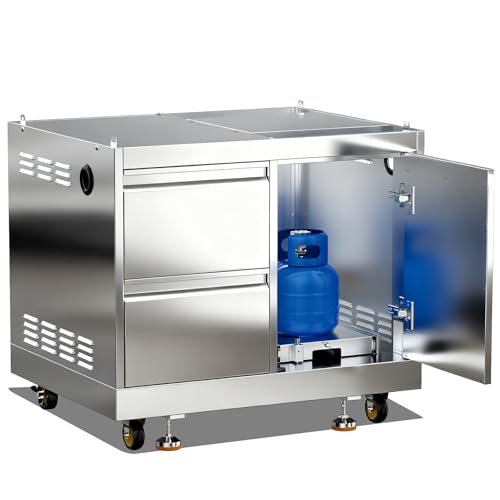
VERSATILE OUTDOOR KITCHEN CABINETS: – Outdoor Kitchen Drawer Grill for 30-inch Countertop Propane Grills with 2 Drawers and Propane Tank Storage, Stainless Steel Outdoor Grill Cabinet.This premium Stainless-Steel outdoor storage cabinet set helps you create a professional outdoor kitchen in your backyard area which is great for making meals, hosting friends, and enjoying outdoor cooking.

VERSATILE: Maximum preparation and storage space
Common Mistakes to Avoid
One common mistake is buying appliances before planning the layout. A large grill or refrigerator may look appealing, but it can overwhelm a small patio or create awkward traffic flow. Start with measurements and workflow before shopping.
Another mistake is underestimating prep space. Outdoor cooks often need room for raw food, cooked food, utensils, spices, plates, and drinks. Without enough counter space, even a great grill can feel frustrating to use.
Many homeowners also forget shade, lighting, and storage. A beautiful kitchen may go unused if it gets too hot during the day or too dark at night. Lack of storage can force you to carry tools and supplies back and forth from the house.
Finally, avoid choosing indoor-rated materials or appliances for outdoor use. Outdoor kitchens need products designed to handle moisture, sun, heat, and temperature changes. Choosing the right materials upfront helps prevent rust, swelling, cracking, fading, and early failure.
When choosing an outdoor kitchen for your home, it’s important to consider the durability of the materials used. A related article on the most durable children’s tableware can provide insight into long-lasting options for your outdoor kitchen. Additionally, efficiency is key when selecting appliances for your outdoor space. Check out the most efficient smart power strips for ways to save energy and money. And don’t forget about serving trays for your outdoor gatherings – the best indoor-outdoor serving trays can add style and functionality to your outdoor kitchen setup.
Related Guides
Frequently Asked Questions
What factors should I consider when choosing an outdoor kitchen for my home?
Consider your available space, cooking habits, entertaining needs, local climate, utility access, safety requirements, maintenance expectations, and budget. Also think about how close the kitchen should be to your indoor kitchen, seating area, and main traffic paths.
What are the different types of outdoor kitchens available?
The main types are portable, modular, and custom-built outdoor kitchens. Portable kitchens are flexible and budget-friendly. Modular kitchens use ready-made sections. Custom kitchens offer the most design freedom but usually require more planning, labor, and utility work.
What materials are commonly used for outdoor kitchens?
Common outdoor kitchen materials include stainless steel, stone, brick, concrete, porcelain tile, marine-grade polymer, aluminum, HDPE, and teak. These materials are often chosen because they can handle outdoor exposure better than many indoor-only materials.
What appliances and features should I consider for my outdoor kitchen?
Start with essentials such as a grill, storage cabinets, countertops, lighting, and safe waste storage. Depending on your cooking style, you may also want a sink, refrigerator, side burner, smoker, pizza oven, griddle, ice maker, or outdoor bar.
How can I ensure that my outdoor kitchen is built to last?
Use high-quality outdoor-rated materials, follow appliance installation instructions, hire experienced professionals for utilities, protect surfaces with covers, clean grease regularly, and complete seasonal maintenance. Proper drainage and ventilation also help extend the life of the kitchen.
Do I need permits for an outdoor kitchen?
You may need permits if the project includes gas lines, electrical work, plumbing, drainage, roof structures, masonry, or major construction. Rules vary by location, so check local building requirements before installation begins.
How much counter space does an outdoor kitchen need?
Plan for counter space near the grill, sink, and serving area. Even a small kitchen should have enough room for prep, cooked food, plates, and tools. More counter space is especially useful if you entertain often or cook full meals outside.
What is the best layout for a small outdoor kitchen?
A straight-line layout or compact L-shaped layout usually works best for small spaces. Keep the grill, prep area, storage, and serving surface close together. Use vertical storage, rolling carts, fold-down counters, and slim furniture to save space.
Sources
- U.S. Fire Administration: Grilling Fire Safety — supports grill safety, clearance, and outdoor cooking precautions.
- U.S. Consumer Product Safety Commission: Grill Safety — supports safe grill use, fuel handling, and fire prevention guidance.
- U.S. Department of Energy: Lighting Choices — supports efficient lighting considerations for outdoor living areas.
- U.S. Environmental Protection Agency WaterSense: Outdoors — supports water-conscious outdoor planning and fixture considerations.
