
Choosing between synthetic and conventional oil is not simply a matter of buying the more expensive option. The correct oil must match your engine’s required viscosity, performance specification, and maintenance schedule. Synthetic oil usually provides stronger temperature and oxidation resistance, while conventional oil can remain suitable when your vehicle’s manufacturer allows it.
Quick Answer
Synthetic oil is usually the better choice for modern, turbocharged, heavily used, or temperature-stressed engines. Conventional oil can be a practical lower-cost option when the owner’s manual permits it. Always choose the specified viscosity and approval, then follow the vehicle’s oil-life monitor or maintenance schedule rather than a universal mileage rule.
Key Takeaways
- The required viscosity and performance specification matter more than the words “synthetic” or “conventional” on the bottle.
- Synthetic oil generally performs better in very cold starts, high heat, turbocharged engines, and demanding service.
- Conventional oil can work well in engines that permit it, especially when you prefer a lower upfront cost and follow the required interval.
- There is no universal 3,000-mile, 5,000-mile, or 20,000-mile interval for every vehicle.
- You can normally switch to synthetic during a regular oil-and-filter change without flushing the engine.
Key Differences Between Synthetic and Conventional Oil

Both synthetic and conventional motor oils contain base oils plus additives that control wear, deposits, corrosion, foaming, oxidation, and viscosity. The main difference is how the base oil is produced and refined.
Conventional oil is primarily made from refined mineral base stocks. Synthetic oil uses more highly processed or chemically engineered base stocks that can provide more consistent performance across a wider temperature range. A synthetic blend combines conventional and synthetic base stocks to balance price and performance.
| Feature | Full Synthetic | Conventional |
|---|---|---|
| Cold-temperature flow | Usually stronger, especially in low-viscosity formulations | Adequate when the correct winter viscosity is used |
| High-temperature stability | Generally better resistance to oxidation and deposits | Suitable for normal use when approved by the manufacturer |
| Upfront price | Usually higher | Usually lower |
| Typical applications | Modern engines, turbochargers, severe service, extreme temperatures, or manufacturer-required use | Engines whose manuals allow conventional oil under the intended operating conditions |
| Change interval | Set by the vehicle manufacturer, oil-life monitor, and approved product | Set by the vehicle manufacturer, oil-life monitor, and operating conditions |
The best motor oil is not automatically the most expensive one. It is the oil that matches the viscosity, specification, approval, and interval required for your engine.
[Amazon Products Picked for You]
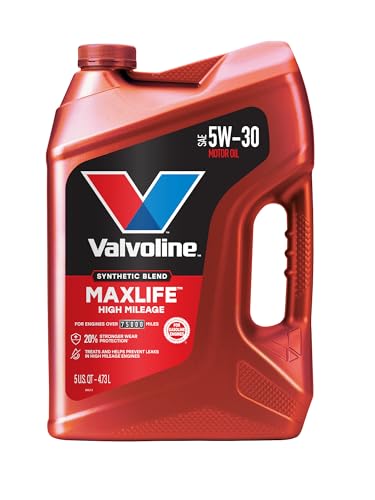
Formulated for engines with 75,000 miles or more, Valvoline MaxLife High Mileage synthetic blend is formulated with seal conditioners to help prevent oil leaks and reduce oil consumption

Advanced protection against the four main causes of engine breakdown: wear friction heat and deposits

Helps extend engine life, even in severe conditions
Oil Type Versus Viscosity and Specification
“Synthetic” describes the oil’s formulation, but it does not tell you whether the oil is correct for your engine. You must also check:
- Viscosity grade: Examples include 0W-20, 5W-30, and 10W-30. Use the grade or permitted range listed in the owner’s manual.
- Performance category: Look for the API service level or other standard required by the manufacturer.
- OEM approval: Some European, diesel, high-performance, and extended-service engines require a specific manufacturer approval rather than a general viscosity match.
- Engine type: Gasoline, diesel, hybrid, motorcycle, classic, and racing engines can have different lubrication requirements.
The American Petroleum Institute recommends checking the owner’s manual before selecting an oil category. An oil with the correct viscosity but the wrong specification may not provide the required deposit, wear, emissions-system, or turbocharger protection.
Warning: Do not substitute a thicker, thinner, or differently approved oil solely because it is synthetic. Using the wrong viscosity or specification can affect oil pressure, cold-start lubrication, fuel economy, emissions equipment, and warranty-related service decisions.
Benefits of Synthetic Oil
Synthetic oil is often selected because it can maintain useful properties across demanding operating conditions. The exact benefit depends on the formulation, viscosity, approvals, engine design, and driving pattern.
- Better cold-start flow: Many synthetic formulations circulate more readily in low temperatures, helping oil reach critical components sooner after startup.
- Improved high-temperature resistance: Synthetic base oils generally resist oxidation and thickening more effectively during sustained heat.
- Deposit control: High-quality synthetic oils can help limit sludge, varnish, and turbocharger deposits when used at the correct interval.
- Lower volatility: Some synthetic formulations lose less oil through evaporation, although they cannot correct worn piston rings, valve seals, or external leaks.
- Strong severe-service performance: Synthetic oil is useful for towing, repeated short trips, heavy traffic, extreme climates, high loads, and turbocharged engines.
- Potentially longer service capability: Some vehicles and approved products allow longer intervals, but the manufacturer’s schedule remains the limit unless it specifically permits otherwise.
Synthetic oil may also be required rather than optional. Many engines are designed around low-viscosity oils, turbocharger protection, emissions-system compatibility, or manufacturer-specific approvals that are mainly available in synthetic formulations.
Pro Tip: If your engine is turbocharged, frequently tows, operates in very cold or hot weather, or spends much of its time in short-trip traffic, synthetic oil is often worth the higher purchase price even when it is not mandatory.
[Amazon Products Picked for You]

6X better wear protection on critical engine parts than industry standards**
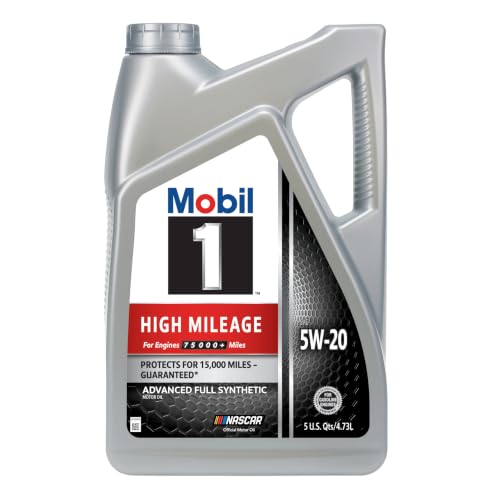
High Mileage for engines 75,000+ miles

Advanced protection against the four main causes of engine breakdown: wear friction heat and deposits
Advantages of Conventional Oil: When to Choose It
Conventional oil can still be an appropriate choice when the vehicle manufacturer permits it and the product meets every required specification. Its main advantage is usually a lower upfront price.
Conventional oil may make sense when:
- Your owner’s manual explicitly permits it.
- The required viscosity and approval are available in a conventional formulation.
- You follow a relatively short manufacturer-specified interval.
- Your engine operates under moderate conditions without sustained high heat or heavy loads.
- You prefer lower service costs and do not need an extended-drain product.
Do not choose conventional oil solely because a vehicle is old. Some older engines perform well with synthetic or high-mileage synthetic oil, while certain classic engines require specialized additive levels that neither a typical modern conventional nor synthetic passenger-car oil provides.
What About Synthetic Blend and High-Mileage Oil?
A synthetic blend uses both mineral and synthetic base oils. It usually costs less than full synthetic while offering better temperature and oxidation performance than a basic conventional product. However, the term “blend” does not reveal the percentage of synthetic base oil or guarantee a particular drain interval.
High-mileage oil is formulated for engines that have accumulated substantial use, often around 75,000 miles or more. It may include seal conditioners, detergents, anti-wear additives, or viscosity characteristics intended for aging engines. High-mileage products are available as conventional, synthetic blend, and full synthetic oils.
Note: High-mileage oil may help manage minor seepage or consumption in some engines, but it cannot repair a failed gasket, cracked seal, worn piston ring, or mechanical fault.
How Often Should You Change Synthetic or Conventional Oil?
There is no single oil-change interval that applies to every synthetic or conventional oil. Use the first applicable instruction from the following sources:
- The maintenance schedule in your owner’s manual.
- The vehicle’s oil-life monitoring system.
- The normal-service or severe-service schedule that matches your driving.
- The oil manufacturer’s limit, but only when it does not exceed the vehicle manufacturer’s limit.
A bottle that advertises protection for a high mileage does not automatically authorize that interval in every vehicle. The engine, filter, oil capacity, operating temperature, fuel dilution, contamination, driving cycle, and warranty requirements all affect service life.
Normal Service Versus Severe Service
Driving that feels ordinary may qualify as severe service under a manufacturer’s maintenance schedule. Examples can include:
- Repeated short trips that do not fully warm the oil.
- Extended idling or stop-and-go traffic.
- Towing, hauling, or mountain driving.
- Dusty roads or off-road operation.
- Very hot or very cold temperatures.
- Commercial, delivery, taxi, rideshare, or police use.
- Frequent high-speed or high-load driving.
Under severe service, the required interval may be shorter even when full synthetic oil is used.
Time Limits and Oil-Life Monitors
Low mileage does not always mean the oil can remain in the engine indefinitely. Moisture, fuel dilution, acids, and contaminants can accumulate when a vehicle is driven infrequently or only for short distances. Follow the calendar limit in the maintenance schedule even if you have not reached the mileage limit.
An oil-life monitor estimates remaining service life from operating data such as temperature, engine speed, load, and trip patterns. It usually does not test the oil directly. Reset it only after the oil and filter have actually been changed.
Warning: Never continue driving with low oil pressure, an unexplained rapid drop in oil level, metallic engine noise, or a serious leak merely because the mileage interval has not been reached. Stop safely and investigate the cause.
How to Transition From Conventional to Synthetic Oil

For most passenger vehicles, switching from conventional to synthetic oil is as simple as performing a normal oil-and-filter change. The engine does not usually need a special flush, staged blend, or seal-adaptation period.
Compatibility With Conventional Oil
Automotive synthetic and conventional oils are generally compatible, which means a small amount of old conventional oil remaining in the engine will not normally create a problem after a synthetic oil change.
You can also top off with a compatible oil in an emergency when the alternative is running the engine below the safe level. The top-off oil should match the required viscosity and specification as closely as possible. Mixing oils may reduce the special benefits of a premium formulation, so return to the preferred product at the next service.
Recommended Transition Steps
- Check the owner’s manual. Confirm the required viscosity, performance category, OEM approval, oil capacity, and interval.
- Inspect the engine. Look for active leaks and check whether the engine already consumes oil.
- Select a certified product. Confirm the bottle displays the required specifications rather than relying only on brand or marketing language.
- Drain the old oil normally. A chemical flush is not required unless a qualified technician recommends one for a diagnosed problem.
- Install the correct filter. Use a filter that meets the vehicle manufacturer’s requirements and is suitable for the intended interval.
- Fill and verify the level. Run the engine, check for leaks, allow the oil to settle, and confirm the dipstick or electronic level reading.
- Keep the factory interval. Do not extend the service interval merely because you switched to synthetic oil.
Monitoring Engine Performance After the Switch
Check the oil level regularly during the first several weeks, especially in an older engine or one with known consumption. Watch for:
- Fresh oil around gaskets, seals, the filter, or the drain plug.
- A falling dipstick level.
- Blue exhaust smoke.
- Burning-oil odors.
- Oil-pressure or oil-level warnings.
Synthetic oil does not normally create a sound seal failure. However, an existing leak may become easier to notice after fresh oil removes deposits or because the engine already has hardened seals, worn components, or excessive crankcase pressure.
Selecting the Right Oil: Synthetic vs. Conventional
Use this order when choosing an oil:
- Match the required viscosity.
- Match the API, ILSAC, ACEA, diesel, motorcycle, or OEM specification listed by the manufacturer.
- Use synthetic oil when the manufacturer requires it.
- Consider synthetic for severe service, temperature extremes, turbocharging, towing, and long-term deposit control.
- Consider conventional oil only when it meets every requirement and suits your operating conditions.
- Follow the vehicle’s interval, not a generic oil-type interval.
[Amazon Products Picked for You]
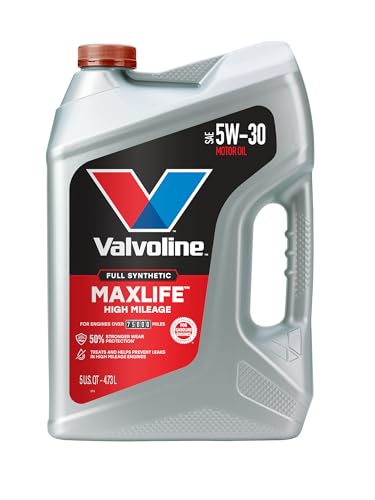
Designed for vehicles with 75,000 miles or more, Valvoline MaxLife Full Synthetic High Mileage Motor Oil helps maximize engine life and performance for the many miles still ahead

3X Stronger than the leading full synthetic*

Designed for vehicles with 75,000 miles or more, Valvoline MaxLife Full Synthetic High Mileage Motor Oil helps maximize engine life and performance for the many miles still ahead
How to Read an Oil Bottle
The front label may emphasize terms such as full synthetic, high mileage, extended performance, or fuel economy. Turn the bottle around and verify the technical information.
- SAE viscosity: The first number with “W” describes low-temperature behavior, while the second number identifies the operating-temperature viscosity range.
- API certification: Certification marks and service categories indicate that the product meets defined testing and licensing requirements.
- OEM approvals: Look for the exact approval code required by your manufacturer. “Recommended for” wording is not always the same as a formally approved product.
- Application limits: Check whether the oil is intended for gasoline engines, diesel engines, motorcycles, or another application.
API’s Engine Oil Licensing and Certification System explains how licensed oils are tested and how certification marks are monitored in the marketplace.
Compare Cost Per Mile, Not Just the Service Price
Synthetic oil usually costs more per quart and may increase the price of an oil change. However, the total value depends on:
- The engine’s oil capacity.
- Whether you perform the service yourself.
- The price and required quality of the filter.
- The interval permitted by the vehicle manufacturer.
- Your driving conditions.
- Potential benefits from improved cold-start and high-temperature performance.
Do not assume synthetic oil will automatically save money through a longer interval. If the vehicle requires the same interval for both oil types, the main reason to pay more is the added performance margin rather than fewer services.
Dispose of Used Oil and Filters Safely
Never pour used motor oil onto the ground, into a storm drain, or into household plumbing. Store it in a clean, leak-proof container and take it to an automotive service facility, recycling center, or approved collection site. Drain and recycle the oil filter where local rules permit.
The U.S. Environmental Protection Agency recommends recycling used oil because it can be re-refined into lubricants or processed for other useful applications.
Frequently Asked Questions
Does it matter whether you use synthetic or conventional oil?
Yes, but the required viscosity and specification come first. Synthetic oil usually offers a stronger performance margin in extreme temperatures and severe service. Conventional oil can still protect an engine properly when the manufacturer permits it and you follow the required maintenance schedule.
What is the main disadvantage of full synthetic oil?
The main disadvantage is its higher upfront price. It may provide little practical value when the vehicle permits conventional oil, operates under mild conditions, and requires the same short service interval regardless of formulation.
Is synthetic oil worth the extra cost?
It is often worth the cost for turbocharged engines, extreme temperatures, towing, heavy traffic, repeated short trips, or vehicles that require synthetic oil. For a lightly used engine that permits conventional oil, the added expense may be optional rather than necessary.
When should you not use synthetic oil?
Do not use a synthetic oil that has the wrong viscosity, lacks the required manufacturer approval, or is intended for a different engine type. Engine age by itself is not a reason to avoid synthetic oil. Specialized classic, racing, diesel, and wet-clutch motorcycle engines may require application-specific products.
Can you mix synthetic and conventional motor oil?
They are generally compatible for topping off, provided the oils are appropriate for the engine. Match the required viscosity and specification whenever possible. Mixing can dilute the performance advantages of the better oil, so it should not be used as a reason to extend the service interval.
Does synthetic oil cause leaks in older engines?
Synthetic oil does not normally create a leak in a sound engine. An older engine may already have hardened seals, worn gaskets, excessive crankcase pressure, or deposits hiding seepage. Inspect and repair an active leak instead of relying on a different oil type to solve it.
Do you need to flush the engine before switching to synthetic oil?
No special flush is normally required. Drain the old oil, replace the filter, add the correct synthetic oil, check the level, and continue using the manufacturer’s maintenance interval. A flush should be used only for a diagnosed condition and with appropriate professional guidance.
Can synthetic oil always stay in the engine longer?
No. Synthetic oil may have greater resistance to degradation, but the permitted interval is still controlled by the vehicle manufacturer, oil-life monitor, operating conditions, oil specification, filter, and calendar limit. A long-life claim on the bottle does not override the owner’s manual.
Conclusion
Synthetic oil usually provides the strongest protection margin for modern engines, extreme temperatures, turbochargers, towing, and severe driving. Conventional oil remains a reasonable lower-cost option when it meets every requirement in your owner’s manual.
Start with the specified viscosity and performance approval, then consider your climate, engine condition, driving pattern, and service cost. Follow the manufacturer’s interval or oil-life monitor, check the oil level regularly, and address leaks or consumption as mechanical issues rather than assuming a different oil type will repair them.
Sources
- American Petroleum Institute: Oil Categories — owner-manual priority, service categories, backward compatibility, and application cautions.
- American Petroleum Institute: Engine Oil Licensing and Certification System — certification marks, testing, viscosity standards, monitoring, and marketplace enforcement.
- U.S. Environmental Protection Agency: Managing, Reusing, and Recycling Used Oil — safe handling, collection, recycling, and environmental guidance.
