
Great mashed potatoes come from controlling starch, moisture, heat, and mixing. Choose Russets for a fluffy mash or yellow potatoes for a denser, buttery texture. Cut them evenly, cook them until completely tender, drain them well, and fold in warm butter and dairy without overworking the potatoes.
Quick Answer
For light, creamy mashed potatoes, use Russet or yellow potatoes, cut them into even chunks, and simmer them from cold water until fork-tender. Drain and steam-dry them, then rice or gently mash while hot. Fold in warm butter and milk gradually, season to taste, and stop mixing as soon as the texture is smooth.
Key Takeaways
- Russets make the fluffiest mash, while yellow potatoes create a richer, creamier result.
- Cut potatoes evenly and start them in cold water so the centers and outsides cook at a similar rate.
- Drain thoroughly and let steam escape before mashing to prevent watery potatoes.
- Use a ricer, food mill, or hand masher. Avoid blenders and food processors, which can make potatoes gluey.
- Warm the butter and dairy, add them gradually, and adjust salt only after tasting.
At a Glance
| Time Required | About 40 to 50 minutes |
| Difficulty | Easy |
| Tools Needed | Large pot, colander, small saucepan, knife, cutting board, and ricer, food mill, or potato masher |
| Cost | Varies by ingredients; no specialty equipment is required |
Choose the Best Potatoes for Mashed Potatoes
Potato type controls whether your mash turns out fluffy, creamy, firm, or sticky. Potatoes USA describes Russets as ideal for light, fluffy mashed potatoes and yellow potatoes as naturally smooth and buttery. Red potatoes have a waxier texture and hold their shape better, so they work best when you want a rustic, denser mash rather than an airy one.
| Potato Type | Best Result | What to Expect |
|---|---|---|
| Russet | Light and fluffy | High-starch, dry flesh that breaks down easily and absorbs butter and dairy well |
| Yellow, including Yukon Gold | Creamy and buttery | Medium-starch flesh with a naturally rich flavor and a slightly denser texture |
| Red or other waxy potatoes | Rustic and firm | Moist flesh that holds its shape and can become sticky if aggressively mixed |
| Half Russet, half yellow | Balanced | A blend of Russet fluffiness and yellow-potato flavor |
“Idaho potato” describes where a potato was grown, not one universal variety. Many Idaho potatoes are Russets, but you should still check the variety on the bag when texture matters.
Pro Tip: Choose potatoes of a similar size and avoid tubers with extensive green areas, deep soft spots, or heavy sprouting. Before peeling or cutting, rinse them under running water and scrub the surface with a clean produce brush.
[Amazon Products Picked for You]

One 5 pound bag of Russet Potatoes

Grown in United States

Base Ingredients for Creamy Mashed Potatoes
This flexible formula makes about six side-dish servings. Start with the lower amount of milk or cream, then add more only if the potatoes need it.
| Ingredient | Amount | Purpose |
|---|---|---|
| Russet, yellow, or mixed potatoes | 2 pounds | The base of the mash |
| Unsalted butter | 1/2 cup | Adds richness and lets you control the salt |
| Whole milk, half-and-half, or heavy cream | 1/2 to 3/4 cup | Loosens the potatoes and controls creaminess |
| Garlic | 2 cloves, minced or roasted | Optional savory flavor |
| Salt | About 1 teaspoon, plus salted cooking water | Seasons the potatoes throughout |
| Black pepper | 1/2 teaspoon | Adds gentle heat |
| Chives | 2 tablespoons, chopped | Optional fresh garnish |
How to Make Perfect Mashed Potatoes Step by Step
[Amazon Products Picked for You]

HIC Kitchen Dual-Action Potato Masher And Ricer: Innovative kitchen tool combines wire masher and built-in ricer disc to create smooth, creamy mashed potatoes without lumps in one action

Unique twisting action makes ricing potato easier

Mashing Potatoes Made Easy - Don’t you wish you can create perfectly smooth and fluffy mash potato with less effort? With our PriorityChef ricer masher kitchen tool, you can achieve a creamy, heavenly dish quickly and conveniently. Simply squeeze on the long handle of our potato press for perfect mash
1. Wash, Peel, and Cut the Potatoes Evenly
Rinse the potatoes under running water before you peel or cut them. The U.S. Food and Drug Administration recommends rinsing produce before peeling so dirt and bacteria are not transferred from the surface by a knife or peeler.
Peel the potatoes for the smoothest result, or leave thin skins on for a rustic mash. Cut the potatoes into uniform chunks about 1 to 1 1/2 inches wide. Even pieces cook at a similar rate, which reduces the chance of hard centers and waterlogged edges.
2. Start the Potatoes in Cold, Salted Water
Place the cut potatoes in a large pot and cover them with cold water by about 1 inch. Salt the water, bring it to a boil, then reduce the heat to a steady simmer. Starting with cold water gives the centers time to heat while the outside cooks.
Simmer for about 15 to 25 minutes, depending on the variety and chunk size. The potatoes are ready when a thin knife or fork slides into the center with almost no resistance and the edges begin to look slightly soft.
3. Drain and Steam-Dry Thoroughly
Drain the potatoes in a colander, then leave them for one to two minutes so excess steam can escape. For an even drier mash, return them to the warm pot over low heat for 30 to 60 seconds, shaking the pot gently. Stop before the potatoes brown or stick.
The best texture comes from potatoes that are fully tender but not waterlogged, then mashed while they are still hot.
4. Rice or Mash While Hot
Pass the hot potatoes through a ricer or food mill for the most even, airy texture. A hand masher also works well when you use short, gentle strokes. Do not use a blender, immersion blender, or food processor. Fast blades break too many starch cells and can turn the mash sticky.
5. Fold in Warm Butter and Dairy Gradually
Warm the butter and your chosen milk or cream in a small saucepan until the butter melts and the liquid is steaming but not boiling. Add part of the mixture to the potatoes and fold gently with a spatula or wooden spoon. Continue adding only enough to reach your preferred consistency.
Cold dairy rapidly cools the potatoes and is harder to blend evenly. Warm dairy keeps the mixture hot and lets you adjust the texture without excessive stirring. The Potatoes USA mashed-potato guide also recommends warming the dairy and adding it gradually.
6. Season, Taste, and Serve
Add salt and black pepper, taste, and adjust in small amounts. Fold in roasted garlic, chives, cheese, sour cream, or other flavorings after the base texture is correct. Serve immediately, or hold the potatoes covered over very low heat or in a warm slow cooker, stirring only when needed.
The Role of Butter and Cream in Mashed Potatoes
Butter supplies fat, which makes mashed potatoes taste richer and feel smoother. Unsalted butter gives you better control because the salt level of salted butter varies by brand. Melted butter also spreads through the hot potatoes more evenly than cold, firm pieces.
Whole milk creates a lighter mash, while half-and-half or heavy cream makes it richer. Sour cream and Greek yogurt add tang and body but should be folded in gently. Plant-based butter, unsweetened oat milk, unsweetened soy milk, or warm vegetable broth can produce a dairy-free version, though each option changes the flavor.

Note: Dairy amounts are flexible. Potato variety, cooking time, and drainage change how much liquid the mash can absorb, so use the recipe amount as a range rather than a fixed target.
[Amazon Products Picked for You]
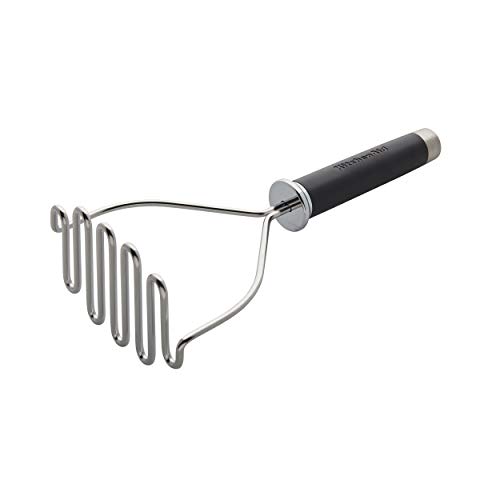
IDEAL FOR MASHING VEGETABLES : Perfect for mashing root vegetables, avocadoes, apples, and nuts

2 Types Potato Mashers - This potato masher set includes two stainless steel mashers with different heads: one zigzag wire design and one flower-shaped with round holes design. Both potato smasher are thoughtfully sized to fit most standard mixing bowls, making them easy to use and suitable for various kitchen tasks. The smooth edges of the flower-shaped masher kitchen tool are safe to touch, and its unique design improves mashing efficiency while helping to reduce splashing and slipping.

Do you find yourself struggling to get the lumps out of your mash?Joyoldelf have the answer with our heavy duty stainless steel potato masher.
Seasoning and Flavoring Your Mashed Potatoes
Salt matters more than any other seasoning. Salt the cooking water, then taste the finished potatoes before adding more. This approach seasons the inside of the potato pieces and reduces the risk of an overly salty final dish.
For garlic mashed potatoes, roast whole cloves for a mellow, sweet flavor or briefly cook minced garlic in the butter for a sharper result. Fresh chives, parsley, dill, or rosemary add color and aroma. Parmesan, cheddar, goat cheese, horseradish, mustard, smoked paprika, or a small pinch of cayenne can create stronger variations.
Add concentrated or salty ingredients gradually. Cheese, broth, bacon, and prepared horseradish may already contain substantial salt, so taste after each addition.
Techniques for Mashing Potatoes
Potato Ricer
A ricer produces fine, even strands with minimal handling. It is the most reliable tool for a smooth, fluffy result, especially with Russets.
Food Mill
A food mill handles a larger batch and removes some small skin pieces. It creates a smooth texture without the high-speed blades that can overwork potato starch.
Hand Masher
A hand masher makes a thicker, more rustic texture. Press only until the largest lumps disappear, then switch to folding when you add butter and dairy.
Fork or Whisk
A fork works for a small serving. A whisk can smooth already-mashed potatoes, but vigorous whisking may make waxy potatoes sticky. Use it briefly and stop as soon as the texture is even.
Tools to Avoid
Blenders, immersion blenders, and food processors work too aggressively for most mashed potatoes. They release excess starch and often create a gluey, elastic texture.
Avoiding Common Mashed Potato Mistakes
Most mashed-potato problems come from uneven cooking, excess water, cold additions, or too much mixing. Correcting those four areas prevents nearly every texture failure.
- Uneven chunks: Large and small pieces finish at different times, leaving some hard and others waterlogged.
- Undercooking: Firm centers do not mash smoothly and create stubborn lumps.
- Poor drainage: Water trapped on the potato surface dilutes the flavor and makes the mash loose.
- Cold butter or dairy: Cold ingredients cool the potatoes and require more mixing to incorporate.
- Overmixing: Repeated stirring or high-speed blending releases too much starch and creates a sticky texture.
- Seasoning only at the end: Unsalted cooking water can leave the centers bland even when the surface tastes salty.

How to Fix Common Mashed Potato Problems
| Problem | Likely Cause | Best Fix |
|---|---|---|
| Gluey or sticky | Overmixing or using a blender | Stop mixing. Serve as-is, or spread in a baking dish, top lightly, and bake as a potato casserole. |
| Watery | Poor drainage or too much liquid | Warm gently over low heat while folding, or add a small amount of separately cooked, riced potato. |
| Too thick | Not enough liquid or cooling during service | Fold in warm milk or broth one tablespoon at a time. |
| Lumpy | Undercooked or uneven pieces | Press the hot potatoes through a ricer. If dairy is already mixed in, avoid high-speed blending. |
| Bland | Too little salt or fat | Add salt in small pinches, then taste. Butter, roasted garlic, herbs, or cheese can deepen the flavor. |
| Too salty | Salted butter, salty mix-ins, or excessive seasoning | Mix in unsalted cooked potato. A little unsalted dairy may help, but it will also loosen the texture. |
Creative Additions and Variations
Mashed potatoes are a flexible base, so you can change the flavor without changing the core method. Keep wet additions modest and fold them in only after the potatoes are smooth.
- Roasted garlic: Mash in soft roasted cloves for a mellow, caramelized flavor.
- Cheddar and chive: Fold in finely shredded cheddar and chopped chives while the potatoes are hot.
- Sour cream and herb: Replace part of the milk with sour cream, then add parsley, dill, or chives.
- Cauliflower blend: Combine well-drained steamed cauliflower with the potatoes for a lighter vegetable blend. Keep enough potato in the mixture to maintain body.
- Olive oil and garlic: Use fruity olive oil and warm vegetable broth instead of dairy for a savory dairy-free mash.
- Smoky or spicy: Add smoked paprika, roasted poblano, prepared horseradish, or a small pinch of cayenne.
Make-Ahead, Storage, and Reheating Tips
You can prepare mashed potatoes one or two days ahead. Transfer them to a shallow covered container and refrigerate promptly. When reheating, add a small splash of milk or cream, cover the dish, and heat gently on the stove, in the oven, or in the microwave. Stir only enough to distribute the heat.
Warning: Refrigerate perishable mashed potatoes within two hours, or within one hour when the surrounding temperature is above 90°F (32°C). Reheat leftovers to 165°F (74°C). If you hold them hot for serving, keep them at 140°F (60°C) or above.
These temperatures follow FoodSafety.gov guidance for chilling and hot holding and its safe reheating temperature for leftovers.
Serving and Presentation Ideas
Spoon the potatoes into a warm serving bowl and create shallow swirls with the back of a spoon. The ridges catch melted butter, gravy, or herb oil. Finish with chives, parsley, cracked black pepper, browned butter, or a light sprinkle of cheese.
For individual portions, use ramekins or pipe the potatoes with a large star tip. Piping works best with a smooth, lump-free mash. Avoid adding large herb stems, bacon pieces, or coarse cheese before piping because they may block the tip.
Kitchen gadgets that free your hands can make recipe preparation easier, but the texture still depends on potato choice, even cooking, thorough drainage, and gentle mixing. Focus on those fundamentals before adding decorative finishes or elaborate flavor combinations.
Related Guides
Frequently Asked Questions
What are the best potatoes for mashed potatoes?
Russets are best for a light, fluffy mash. Yellow potatoes, including Yukon Gold, create a creamier, naturally buttery result. A half-Russet, half-yellow blend gives you a balance of fluffiness and flavor.
Should I peel potatoes before mashing them?
Peel them for the smoothest texture. Leave thin skins on when you prefer a rustic mash with more texture. Always rinse and scrub the potatoes before peeling or cutting them.
Should potatoes start in cold or boiling water?
Start cut potatoes in cold, salted water. The gradual rise in temperature helps the centers and outsides cook more evenly. After the water boils, lower the heat and maintain a steady simmer.
How long should I boil potatoes for mashed potatoes?
Uniform 1- to 1 1/2-inch chunks usually need about 15 to 25 minutes at a simmer. Use tenderness rather than the clock as your final test. A knife should slide through the center with almost no resistance.
Why did my mashed potatoes turn gluey?
Gluey potatoes usually result from overmixing or using a blender or food processor. Use a ricer, food mill, or hand masher, and stop working the potatoes as soon as they are smooth.
Can I make mashed potatoes without milk or cream?
Yes. Use warm vegetable or chicken broth, unsweetened oat or soy milk, olive oil, or plant-based butter. Add the liquid gradually because different substitutes change flavor and consistency.
How do I reheat mashed potatoes without drying them out?
Add a small splash of milk, cream, or broth, cover the potatoes, and heat gently. Stir only as needed. For food safety, reheat leftovers to 165°F (74°C).
Sources
- Potatoes USA: Potato Types — potato characteristics and recommended cooking uses.
- Potatoes USA: The Ultimate Guide to Perfect Mashed Potatoes — preparation, mashing tools, dairy temperature, and mixing guidance.
- U.S. Food and Drug Administration: 7 Tips for Cleaning Fruits and Vegetables — washing produce before peeling or cutting.
- FoodSafety.gov: 4 Steps to Food Safety — hot holding, prompt refrigeration, and safe handling.
- FoodSafety.gov: Safe Minimum Internal Temperatures — reheating leftovers to 165°F (74°C).
