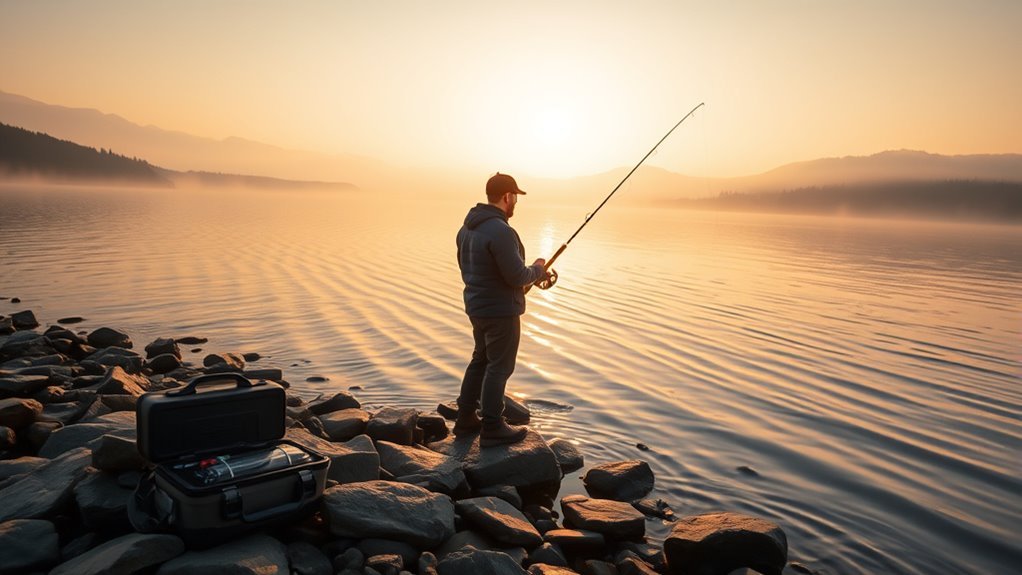
The Lake District draws visitors for a mix of forecast-driven planning, accessible trails, and dense scenery in a compact region. Seasonal weather shifts can alter route choice, packing, and transport timing, especially for first-time travelers. Grasmere, Windermere, and other key stops offer different tradeoffs in access and crowd levels. The practical question is not whether to go, but when, where, and how to move efficiently through conditions that change fast.
Why Visit the Lake District?
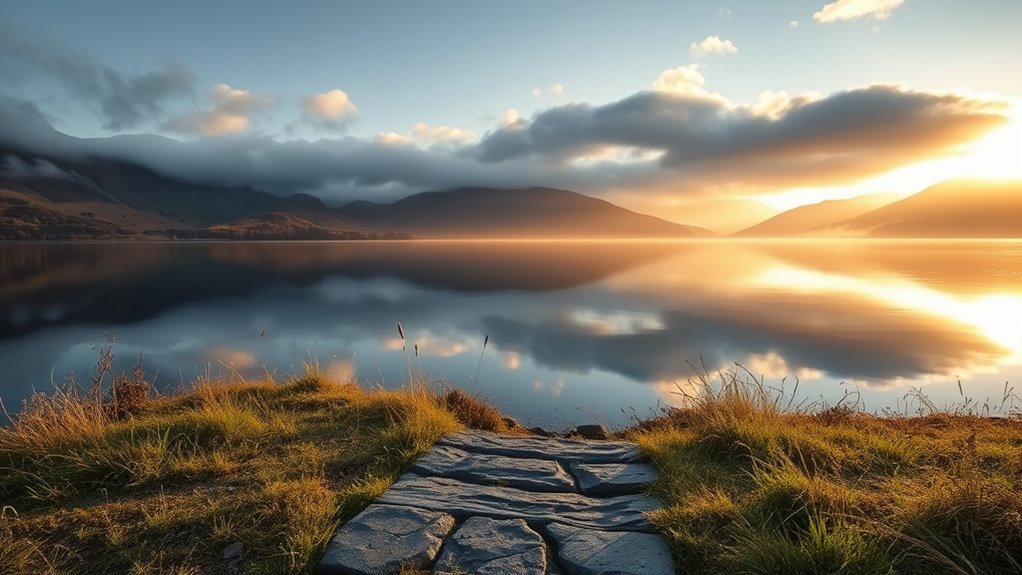
The Lake District is a major visitor destination for clear geographic and cultural reasons.
The Lake District, a UNESCO World Heritage Site since 2017, spans about 912 square miles and receives roughly 18 million visitors each year. Its terrain combines Windermere, England’s largest lake, Scafell Pike, the country’s highest peak, and a dense network of valleys, lakes, and stone villages.
A UNESCO World Heritage Site, the Lake District blends vast scale, highest peaks, and iconic lakes into one destination.
This concentration of natural beauty produces a high-value setting for outdoor adventurers seeking hiking, climbing, water sports, and scenic drives. More than 214 Wainwright peaks expand route choice and reduce congestion across the landscape.
Cultural significance is equally measurable: the region shaped Romantic writers such as William Wordsworth, linking landscape to literary history. Local food, including Cumberland sausage and sticky toffee pudding, adds a practical cultural layer.
For visitors seeking unrestricted movement, varied terrain, and heritage depth, the Lake District offers a complete, high-density destination.
Lake District Weather and Best Times to Go
The Lake District has a maritime climate, producing highly changeable conditions and frequent rain, especially from October to March.
For most outdoor travel, June to August offers the warmest averages at 15°C to 20°C, while spring and autumn provide milder, lower-rainfall windows with strong hiking and photography value.
Forecast-based packing should account for layered clothing, waterproof outerwear, and cold-weather gear when higher elevations or winter conditions are expected.
Seasonal Weather Patterns
Seasonal conditions in the Lake District are governed by a maritime climate, producing mild temperatures, frequent rainfall, and annual precipitation that exceeds 2,000 mm in some locations.
These seasonal weather patterns shape mobility, visibility, and outdoor access throughout every season.
Summer delivers the most stable conditions, with daytime averages of 15°C to 20°C, supporting hiking, boating, and efficient getting around.
Autumn lowers temperatures, reduces crowd density, and adds high-contrast foliage for photography.
Winter often drops below 0°C at elevation, with snow and quiet terrain; this can affect a trip to the Lake but also opens winter-sport terrain.
Spring brings rising temperatures and active bloom cycles, improving trail conditions and ecological visibility.
Best Months To Visit
Late spring, especially May to June, and early autumn, particularly September, are generally the most favorable periods for visiting the Lake District, as they combine mild temperatures with reduced crowding and more stable access conditions. These are the best months to visit for balanced conditions, family fun, and efficient planning your lake itineraries.
| Period | Conditions | Use Case |
|---|---|---|
| May-Jun | Mild, lower traffic | Hiking, boating |
| Jul-Aug | Warm, busy | Peak tourism |
| Sep | Stable, scenic | Photography |
Summer delivers warm, vivid landscapes but attracts heavy demand, with roughly 18 million annual visitors. Late September to early October provides strong foliage for photography. Winter is quieter and can support snow sports, though trail access may tighten. Rain remains common year-round, so insider tips favor flexible scheduling and route freedom.
Packing For Forecasts
For trips in the Lake District, packing should match the region’s volatile forecast profile: warm layers, a waterproof outer shell, and sturdy footwear help offset rapid shifts in temperature and precipitation, particularly at higher elevations.
This packing for forecasts strategy is essential for any first time visitor seeking autonomy on exposed routes. Conditions can change at every turn, so gear selection should remain adaptive rather than minimal.
From May to September, milder weather and longer daylight improve range, yet summer demand raises lodging pressure. Autumn adds foliage and lower crowd density.
Hikers should bring plenty of water and snacks, because remote trails often exceed service access. Efficient preparation reduces dependency and preserves mobility across variable terrain, enabling safer, freer movement through the landscape.
Top Places to Visit in the Lake District
Grasmere, Windermere, and Keswick represent three high-value Lake District stops with distinct visitor profiles.
Grasmere is defined by village-scale heritage and local specialty retail.
Windermere is characterized by major-lake access and leisure infrastructure.
Keswick features a concentrated mix of outdoor activity and cultural attractions.
Together, these sites provide a compact baseline for route planning under varying weather and mobility conditions.
Grasmere Village Charm
Set amid the central Lake District, this village combines heritage and access: it is closely linked to William Wordsworth through nearby Dove Cottage, and it serves as a practical base for short and extended outings.
Grasmere presents a compact village core, strong visitor services, and direct reach to scenic walks. The Grasmere Gingerbread Shop anchors local identity, offering a long-running product traceable to the 1850s.
Terrain around Grasmere supports controlled movement, with the 4.5-mile lake loop and Helm Crag routes delivering efficient exposure to fells and water.
Annual September Sports add cultural throughput.
- Grasmere: literary heritage
- William Wordsworth: Dove Cottage link
- scenic walks: lake loop access
- Grasmere Gingerbread Shop: historic stop
Windermere Lakeside Highlights
Windermere stands as the Lake District’s largest natural lake, extending over 10.5 miles and descending to depths of 220 feet, making it a high-value destination for waterside recreation and landscape viewing.
In Bowness-on-Windermere, the lakefront supports Windermere Lake Cruises, enabling efficient surface transit and broad visual access to the shoreline. Nearby, the Lakeside and Haverthwaite Railway adds a steam-era transport layer, useful for visitors seeking heritage mobility.
Orrest Head provides a short ascent with panoramic lake-and-fell readings, suitable for varied fitness levels. The World of Beatrix Potter in Bowness supplies an interactive cultural node, linking literature with local identity.
Together, these sites create a compact, liberated route through the Lake District, balancing movement, elevation, and accessible interpretation.
Keswick Adventure Hub
Keswick functions as the Lake District’s primary adventure node, with direct access to hiking routes, mountain biking terrain, and water sports on Derwentwater. It operates as adventure capital, consolidating outdoor activities into a compact, high-efficiency base for liberated movement.
Central positioning reduces transit friction across surrounding fells and lakes, while local shops supply gear and route intelligence.
- Derwentwater: paddling and sailing access
- Aira Force: 65-foot waterfall trails
- Derwent Pencil Museum: industrial heritage exhibit
- Theatre by the Lake: scheduled performances
This mix supports technical trip planning: terrain, culture, and resupply align within a walkable grid.
For visitors seeking autonomy, Keswick delivers measurable access density, making it a strategic launch point for multi-day exploration and flexible weather-adjusted itineraries.
Best Beginner Hikes and Scenic Walks
For beginners seeking low-risk routes with strong visual payoff, the Lake District offers several efficient options:
Orrest Head near Windermere delivers panoramic views in about 1–2 hours. Aira Force provides a well-maintained 30-minute walk to a 65-foot waterfall, and the Buttermere Loop extends 4.5 miles on flat terrain with a typical duration of 2–3 hours.
These are among the best beginner scenic walks for travelers prioritizing clarity, access, and freedom of movement. Loughrigg Fell adds a gentle 5-mile round trip with elevated sightlines over Grasmere and Windermere, usually completed in 2–3 hours.
Rydal Water supplies a 3-mile circular option with calm lakeside conditions and family-level accessibility. Collectively, these routes minimize technical exposure while maximizing landscape return.
Walkers can select based on time, elevation tolerance, and desired visual intensity without compromising safety or autonomy.
Where to Eat in the Lake District
After a day on beginner-friendly routes, the Lake District’s dining network offers efficient recovery options across price tiers and service types.
In the Lake District, dining options range from traditional English pubs to luxury-hotel tasting menus, giving visitors choice without constraint. Local menus commonly include Cumberland sausage and sticky toffee pudding, which function as reliable regional benchmarks for quality and value.
In Keswick and Windermere, cafes, tea rooms, and takeaways support rapid, low-friction meals for walkers seeking autonomy over schedule.
- Woolpack Inn, Eskdale: large menu, consistently high-rated plates
- Lakeside restaurants: scenic views paired with structured service
- Tea rooms: compact menus, tea, cakes, quick turnaround
- Town centers: flexible dining options for casual or formal needs
These favorite places reduce decision overhead while preserving culinary variety.
For travelers prioritizing liberation, the region’s mix of casual, elevated, and view-led service models performs well under variable forecast conditions and supports efficient post-hike replenishment.
Where to Stay in the Lake District
Accommodation in the Lake District spans luxury hotels, B&Bs, hostels, Airbnb rentals, and campsites, allowing visitors to match price point, comfort level, and trip structure to forecast conditions.
These accommodation options are distributed across towns and villages, with Windermere and Keswick serving as efficient bases because they combine lodging supply, eateries, and core amenities.
Popular choices include YHA hostels, which deliver budget-friendly dormitory layouts for solo or group travelers, and Airbnb units that often provide distinct interiors and elevated views.
Camping remains a low-cost variable, typically near £20 per night, while wild camping is possible only under regulations that prioritize environmental conservation.
During summer and other peak periods, demand rises sharply, so reservations are recommended to preserve autonomy and avoid constrained availability.
Selection should be driven by tolerance for crowding, desired privacy, and exposure to weather, not by inertia or convention.
How to Get Around the Lake District
Although the Lake District can be reached by train at key stations such as Kendal, Windermere, and Penrith, car travel remains the most flexible option for accessing narrow roads and remote areas.
Though trains serve key stations, cars offer the greatest flexibility for reaching the Lake District’s remote roads and corners.
In the Lake District, this is the highest-control method for self-directed movement, especially on the official Lake routes.
Bus networks connect major towns and attractions, with day tickets typically £8-12, reducing parking dependency and expanding options in the Lake for non-drivers.
Local services also reach hiking trailheads and viewpoints, supporting a Guide to the Lake that prioritizes mobility without ownership.
Fuel availability is limited, so refuelling in major villages or tourist nodes is operationally prudent.
Penrith offers direct London links, while Windermere and Kendal improve regional rail access.
- Car: maximum route freedom
- Bus: low-cost, park-free access
- Train: efficient long-distance entry
- Fuel: plan stops strategically
Essential Lake District Tips for First-Time Visitors
For first-time visitors, advance planning is essential in the Lake District, where roughly 18 million annual visitors concentrate across 900 square miles of protected landscape.
The Lake District, England’s largest national park and a UNESCO World Heritage Site since 2017, rewards preparation with greater freedom and fewer constraints. Accommodation should be reserved early, especially in summer, because demand compresses availability and pricing.
Hiking remains the dominant activity; the 214 Wainwright peaks provide routes for varied ability levels, so first-time visitors should match terrain to fitness and daylight.
Essential tips include using local buses for access to major attractions and trailheads, with train connections from Kendal and Windermere as practical entry points.
Weather shifts quickly, so layered clothing, a waterproof jacket, and adequate water are non-negotiable.
With these essentials, visitors can navigate independently, reduce friction, and focus on the landscape rather than logistics.
Frequently Asked Questions
What Permits Are Needed for Camping in the Lake District?
Camping in the Lake District typically requires no universal permit, but permission depends on land ownership and site rules.
Public land may allow wild camping only under strict camping regulations, while private estates, campsites, and designated areas often require booking or permit types.
Seasonal restrictions, group limits, and fire bans can apply, especially near protected zones.
Compliance is essential; authorities and landowners can issue penalties for unauthorized camping, preserving access through regulated freedom.
Are Dogs Allowed on All Lake District Walking Trails?
No, dogs are not allowed on all Lake District walking trails. Access varies by route, with dog friendly trails common, but some paths impose leash requirements, seasonal restrictions, and local regulations to protect livestock, nesting birds, and sensitive habitats.
Trail status should be verified before departure, as policy changes by land manager. A data-driven approach reduces conflict and supports liberated movement through compliant, low-friction route selection.
How Do Lake Forecasts Affect Boating Safety?
Like a compass in fog, lake forecasts shape boating safety by revealing weather patterns, wind shifts, and precipitation risk.
Accurate updates help operators avoid local hazards such as sudden squalls, rough chop, and cold-water exposure. They also guide compliance with boating regulations and decisions on safety gear, including life jackets and communication devices.
A disciplined forecast check reduces incident probability, preserves autonomy, and supports informed, liberated movement on open water.
What Wildlife Should Beginners Avoid in the Lake District?
Beginners should avoid close contact with common species such as deer, wild boar, adders, nesting birds, and livestock near shorelines.
Wildlife encounters are usually low risk when safe distances are maintained, but sudden movement, feeding, or cornering animals increases incident rates.
Local regulations may restrict access to protected zones and breeding areas.
Technical guidance favors observation from afar, minimizing disturbance, and preserving individual freedom through informed, nonintrusive lake district travel.
Can I Swim Safely in Lake District Lakes?
Yes, swimming in Lake District lakes can be safe, but only with strict swimming safety checks.
Lake currents may shift quickly, especially near inlets, outlets, and windy shores. Water temperature is often low year-round, increasing cold-water shock risk.
For drowning prevention, a swimmer should assess conditions, avoid solo swims, use a tow float, and enter gradually.
Liberation here means informed choice, not reckless exposure to natural hazards.
Conclusion
In conclusion, the Lake District remains a high-value destination for first-time visitors, combining UNESCO status, accessible hikes, and strong transport links with highly variable weather. Data on seasonal conditions supports spring and early autumn as the most efficient travel windows for clear trails and moderate crowds. With proper layers, route planning, and advance booking, travelers can avoid costly mistakes. In short, preparation is the name of the game for a safe, efficient, and rewarding visit.
