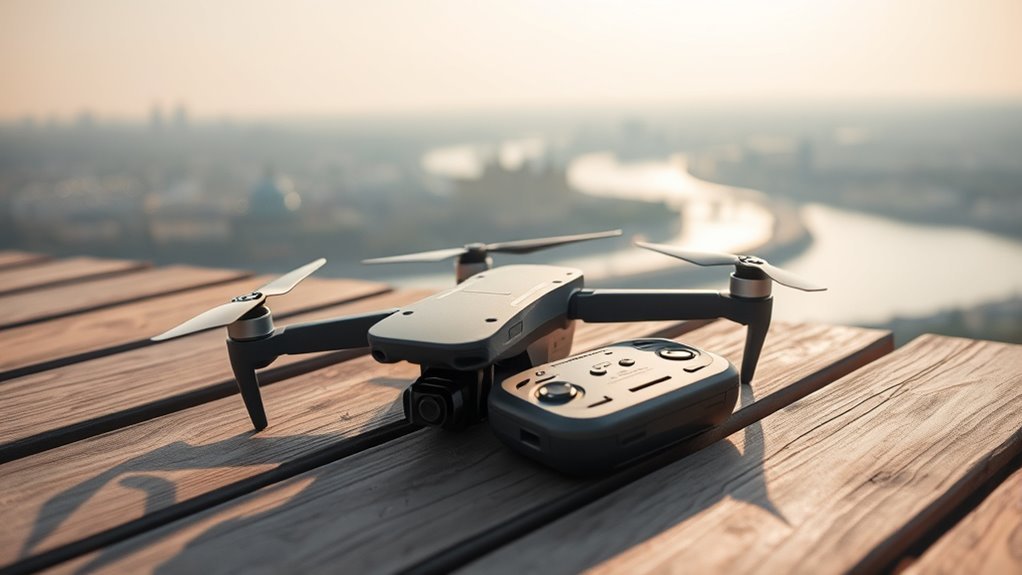
The Potensic Atom 2 enters the sub-249g category with a 4K camera, 12MP stills, and up to 32 minutes of flight time, all at a remarkably low price. Compared with the DJI Mini 4K, it trades some image refinement for greater affordability and beginner-friendly usability. Its real value depends on how much camera performance, wind stability, and feature depth matter in practice, which is where the comparison becomes more interesting.
Potensic Atom 2 Specs and Package
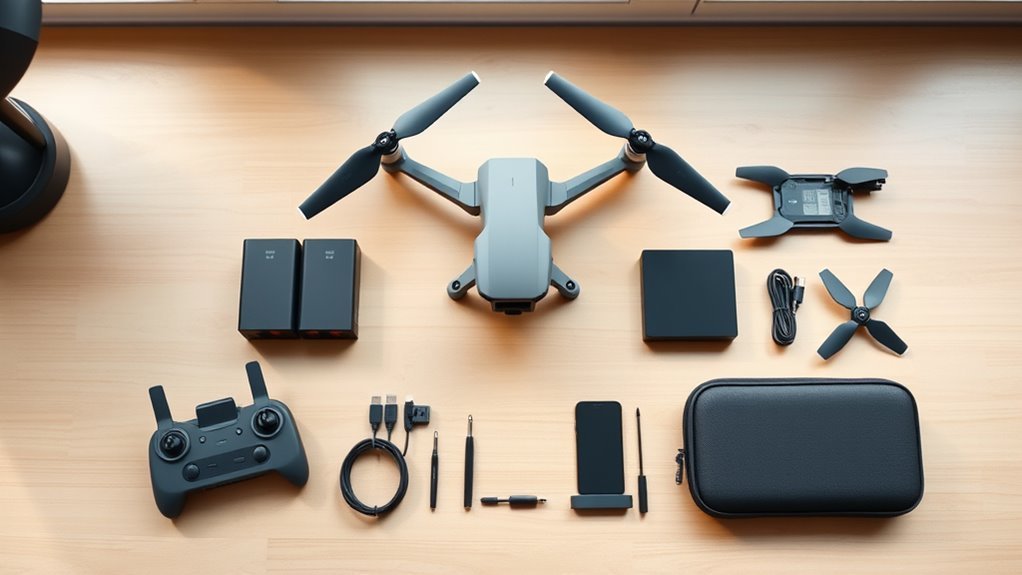
The Potensic Atom 2 positions itself as a compact aerial platform, weighing just 240g and thereby fitting under the 249g threshold that can reduce regulatory burden in many regions. For pilots seeking liberation from heavier, more restricted systems, that mass class is strategically relevant.
The Potensic Atom pairs a 4K camera with 12MP stills and 30 fps recording, giving it specifications that remain competitive for general aerial capture rather than professional cinema. A 3-axis gimbal is included to stabilize footage and limit jitter during turns, climbs, and braking.
Reported flight time reaches up to 32 minutes, which supports longer sorties and fewer interruptions for battery swaps. The package typically adds a smart controller, spare batteries, and useful accessories, so the out-of-box value is unusually complete for this category.
Potensic Atom 2 Vs DJI Mini 4K
The Potensic Atom 2 undercuts the DJI Mini 4K at about $119.99 while remaining a sub-250g platform, making it the stronger value proposition for cost-sensitive buyers.
In camera output, the Mini 4K holds a slight edge in image quality and Sports mode response, whereas the Atom 2 counters with 4K/30fps recording, a 12MP sensor, a 3-axis gimbal, and subject tracking.
Flight endurance is closely matched at roughly 32 minutes for the Atom 2 versus 30 minutes for the Mini 4K, so the comparison shifts mainly to image performance, feature depth, and overall pricing.
Price And Value
At roughly $119.99, the Potensic Atom 2 sits in a distinctly lower price tier than the DJI Mini 4K, which commonly sells for $300 or more. This makes the Atom 2 the more accessible entry point for budget-conscious buyers.
Its price-value equation is strongly budget-friendly, especially for pilots seeking freedom from heavy spend while retaining sub-249g advantages. The Mini 4K justifies its premium through better build quality, reliability, and stronger image quality.
- Atom 2: lower upfront cost
- Mini 4K: higher resale-grade appeal
- Both: sub-249g regulatory ease
- Choice: savings versus refinement
For independent flyers, the Atom 2 delivers notable utility per dollar, while the Mini 4K better rewards those prioritizing polish and community support.
Camera And Video
Camera performance is where the Potensic Atom 2 and DJI Mini 4K separate most clearly: the Atom 2 records 4K at 30fps with a 12MP sensor, delivering capable footage for its price, while DJI’s Mini 4K pairs a higher-quality imaging system with stronger processing and more dependable stabilization.
The Atom 2’s camera and gimbal combination is competent, producing clean daylight video and respectable detail, yet image quality trails DJI in contrast, color consistency, and low-light handling.
The DJI Mini image pipeline is more mature, and its stabilization remains steadier across varied scenes.
For creators seeking practical freedom in a sub-249g package, both drones remain accessible, but DJI’s camera system provides a more refined result.
The Atom 2 prioritizes affordability; the Mini 4K prioritizes visual confidence.
Flight Performance
Flight performance is closely matched on paper, with the Potensic Atom 2 rated for up to 32 minutes of flight time versus roughly 30 minutes for the DJI Mini 4K, and both staying under the 249g threshold for easy transport and lighter regulatory burden.
- Potensic Atom 2 offers slightly longer endurance for freer aerial sessions.
- DJI Mini 4K shows stronger wind handling, a clear engineering edge.
- Each uses 3-axis stabilization, improving smoothness and reducing shake.
- In calm conditions, both deliver competent, dependable flight performance.
The Atom 2’s lighter compliance profile supports liberating travel use, while the DJI Mini 4K remains the more confident choice when weather turns less cooperative.
On balance, endurance is near parity; control refinement separates them.
Atom 2 Camera Quality
A standout feature of the Potensic Atom 2 is its 12MP camera, which records 4K video at 30fps and produces footage that compares favorably with many drones in its price range.
As a compact camera drone, it offers a practical balance of image resolution and portability, making it appealing to users seeking creative autonomy without excess bulk.
The 3-axis gimbal is central to its performance, damping vibration and preserving cleaner motion in handheld-like aerial clips.
The 3-axis gimbal smooths out vibration, delivering cleaner, more stable aerial footage with a polished handheld-like feel.
In practice, the camera returns sharper detail and more dependable color than many budget alternatives, with video quality that has surprised users expecting compromise.
Subject tracking further expands usefulness, allowing the aircraft to follow moving subjects with less manual correction, a valuable advantage for independent filming.
At 240g, the design remains compliant with sub-249g rules, reinforcing its freedom-oriented profile while keeping the imaging system accessible for travel, casual production, and lightweight cinematic work.
Atom 2 Flight Time, Range, and Wind Handling
Battery endurance is one of the Potensic Atom 2’s more practical strengths, with up to 32 minutes of claimed flight time placing it competitively in the sub-250g class.
For pilots seeking freedom from constant battery swaps, the Atom 2 flight time supports longer scouting runs, route planning, and relaxed return margins.
At 240g, it remains in the sub-249g category, which helps preserve portability and regulatory simplicity.
The 6-kilometer range is also notable, giving the aircraft room to operate well beyond short recreational circuits.
In comparisons, that range is generous for a compact model and reinforces its case as a best drone candidate for mobile use.
- 32-minute endurance aids extended sorties
- 6 km range expands operational flexibility
- Level 5 wind handling improves confidence in gusts
- 3-axis gimbal supports steadier footage in turbulence
Atom 2 Features That Matter
At 240g, the Potensic Atom 2 sits below the FAA’s 249g threshold, keeping it in the easier-to-manage sub-250g category for many users while still packing a capable feature set.
Its 4K video resolution at 30fps and 12MP sensor place it in line with entry-level rivals, but the 3-axis gimbal gives smoother stabilization than many lightweight drones in this class. That matters when recording in motion, where micro-vibrations can otherwise degrade footage.
4K at 30fps and a 12MP sensor keep it competitive, while the 3-axis gimbal smooths out in-motion footage.
The advertised flight time of up to 32 minutes is competitive, extending practical shooting windows without frequent battery changes. A maximum range of 6km further expands operational freedom, though local rules still govern real use.
Subject tracking adds a more autonomous dimension, letting the aircraft follow a target with less manual input. Combined with level 5 wind resistance, the Atom 2 presents a technically balanced package for users seeking portability, control, and freedom from heavier registration burdens.
Who Should Buy the Potensic Atom 2
The Potensic Atom 2 is best suited to beginners and casual pilots who want a capable drone without the complexity, cost, or registration burden of heavier models. At 240g, the Potensic Atom 2 stays below the sub-249g threshold, giving users more freedom to fly with fewer regulatory constraints.
Its 4K/30fps camera, 12MP stills, and 3-axis gimbal make it a strong aerial photography tool for first-time operators. The approximately 32-minute flight time also reduces interruption during practice or light creative work.
- Excellent beginner choice for learning stabilized flight.
- Budget-friendly option for users avoiding premium pricing.
- Suitable for casual aerial photography and social content.
- Better for freedom-focused pilots than heavier, registration-prone drones.
Compared with costlier rivals, it emphasizes accessible image quality and manageable controls over advanced autonomy.
For those seeking a practical, liberated entry into drone flying, the Atom 2 is an excellent beginner platform with enough technical refinement to grow into.
Is the Potensic Atom 2 Worth It?
At roughly $119.99, the Potensic Atom 2 presents a strong price-to-performance case, pairing a 240g sub-250g frame with 32 minutes of flight time and a 6km range.
Its 4K/30fps camera, 12MP sensor, and 3-axis gimbal indicate imaging and stabilization that are competitive for recreational use, especially given the added benefit of level 5 wind resistance.
Compared with the DJI Mini 4K, it appears to trade brand pedigree for a lower entry cost while still delivering a capable, regulation-friendly aerial platform.
Price-to-Performance Value
Priced at roughly $119.99, the Potensic Atom 2 delivers an unusually strong feature set for a budget drone, especially when measured against the DJI Mini 4K’s far higher $499 street price.
Its price-to-performance value is clear: a budget-friendly alternative with 4K/30fps capture, a 12MP sensor, and competitive image quality for modest spend. Ease of use also raises its appeal for users seeking aerial autonomy without premium lock-in.
- Low entry cost
- 32-minute flight time
- 6km range
- 3-axis gimbal stability
These specifications do not erase class-leading rivals, yet they place the Atom 2 in a persuasive position for beginners and value-focused pilots.
It offers practical capability, technical credibility, and a lighter financial burden, making ownership feel more liberated than restrictive.
Flight And Camera Quality
Engineering-wise, the Potensic Atom 2 delivers a particularly capable flight-and-camera package for its price class, pairing a 12MP sensor with 4K/30fps recording and a 3-axis gimbal that helps keep footage steady in motion. The result is image quality that appears unusually refined for a compact sub-249g frame.
In practice, the drone’s 32-minute battery life and 6 km range support longer, more liberated shooting sessions, while level-5 wind resistance and subject tracking improve composure outdoors. It is easy to fly, and its control response suits newer pilots without sacrificing precision.
Obstacle sensing is not the headline feature here, but the overall system feels balanced and deliberate. For buyers seeking the best camera drone on a budget, the Atom 2 presents a technically convincing, freedom-oriented option.
DJI Mini 4K Comparison
Against the DJI Mini 4K, the Potensic Atom 2 positions itself as a credible budget alternative rather than a direct image-quality leader: its 12MP camera records 4K at 30fps, while the Mini 4K still has the edge in overall image quality.
- Both drones stay under 249g, so the Potensic Atom 2 preserves regulatory freedom.
- Its 3-axis gimbal and level 5 wind resistance broaden usable flight conditions.
- The DJI Mini 4K answers with quicker Sports mode engagement and cleaner image quality.
- Battery life reaches 32 minutes, slightly below the Mini 4K, but still practical for liberated, low-cost aerial work.
For pilots prioritizing value over absolute refinement, the Atom 2 remains a rational, capable choice.
Frequently Asked Questions
Which Drone Is Better, the DJI Mini 4K or the Potensic Atom 2?
The DJI Mini 4K is generally the better drone, offering stronger drone performance, superior camera quality, and a more reliable user experience.
Its flight time is slightly longer in practice, and it handles dynamic movement more confidently, especially in Sports mode.
The Potensic Atom 2 remains appealing for budget freedom, with decent 4K output and competitive endurance, but it is better viewed as a value alternative rather than the top overall choice.
What Is the Best Drone Under 249 Grams?
The best drone under 249 grams is the Potensic Atom 2, a feather against the sky that still carries serious capability.
Its drone features include a 3-axis gimbal, level 5 wind resistance, 4K/30fps recording, and a 12MP camera, delivering strong camera quality.
With up to 32 minutes of flight time and a 6km range, its user experience feels liberated, practical, and technically competitive for value-conscious pilots.
Which Drone Is Better, the DJI Mini 4K or the Potensic Atom SE?
The DJI Mini 4K is generally the better drone for drone photography, flight stability, and overall user experience. Its image quality, quick activation, and stronger reliability give it an edge for precise aerial work.
The Potensic Atom SE remains attractive for value, lighter regulation pressure, and respectable battery life, but it is more basic.
For users seeking technical freedom with fewer compromises, the Mini 4K is the superior choice.
What Are People Saying About the Potensic Atom 2 Drone?
People say the Potensic Atom 2 delivers strong user experience, with flight performance that feels stable and responsive for its class.
Its camera quality is frequently praised for sharp 4K, 12MP results, while the 3-axis gimbal improves motion control.
Battery life is often cited at up to 32 minutes, making it competitive.
Support feedback is also positive, reinforcing its appeal as a budget option with practical capability and freedom.
Conclusion
The Potensic Atom 2 lands as a shockingly capable sub-249g drone, delivering 4K capture, 32-minute endurance, and beginner-friendly flight controls at a near-budget price. Compared with the DJI Mini 4K, its camera is less refined, yet the value equation is brutally compelling. For new pilots and casual creators, it feels like a miniature aerial workhorse that punches far above its weight. It is not the king, but it is an uncomfortably strong contender.
