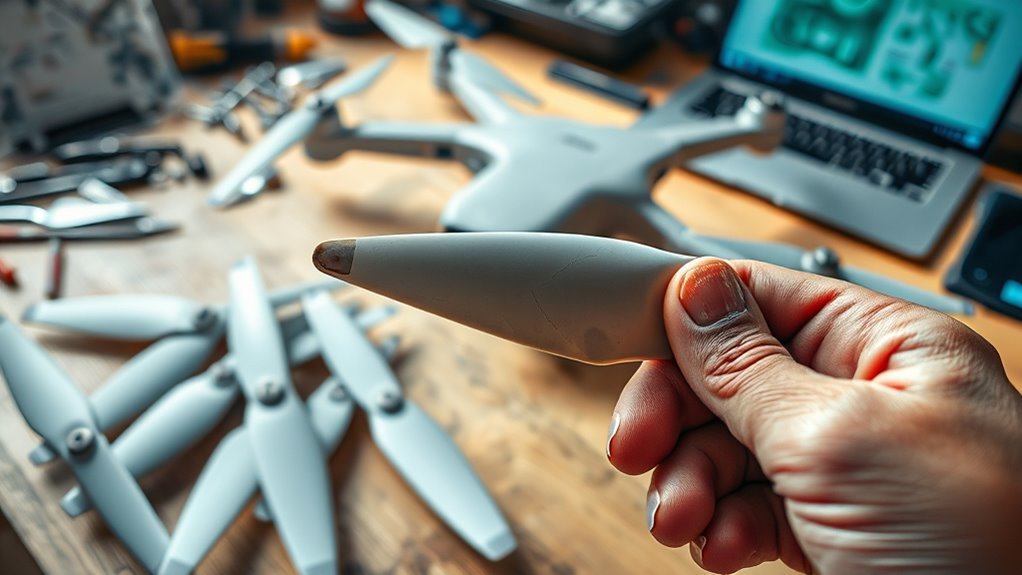
Drone propellers should not be treated as lifetime parts. They warrant inspection before each flight and replacement at the first sign of cracks, chips, warping, or UV discoloration. A practical service interval often falls between 200 and 300 flight hours, though use patterns and manufacturer limits can shift that range. After a crash, replacement is usually mandatory, even if damage is not obvious. The key question is how much risk a worn prop can hide.
When to Replace Drone Propellers?
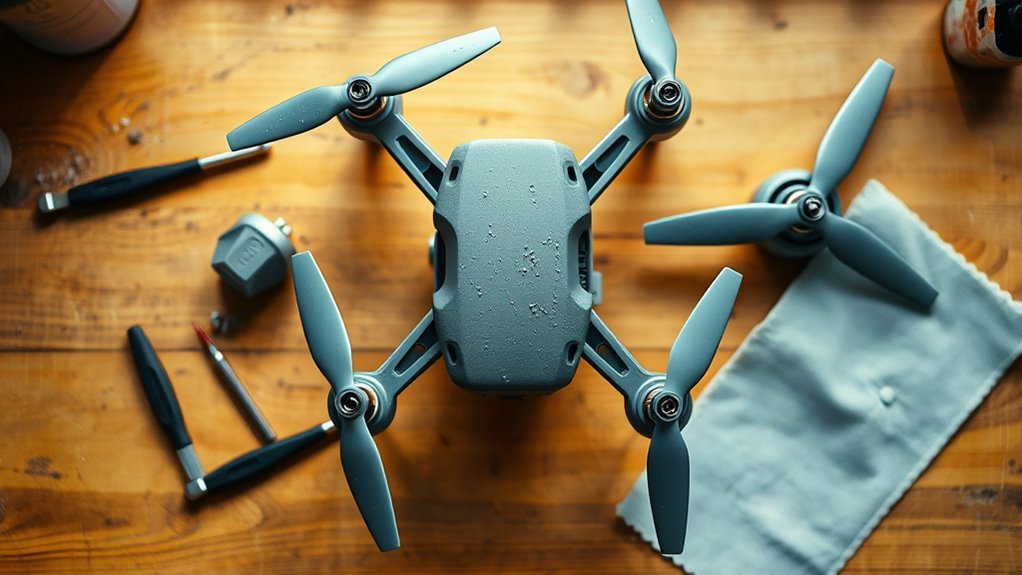
Drone propellers should be replaced at the first sign of damage or performance degradation. Before each flight, inspection must verify that drone propellers are free of cracks, chips, and warping; any detected defect justifies immediate replacement.
A routine replacement interval of 200 to 300 flight hours is generally appropriate, though manufacturer guidance and operating intensity may alter that threshold. After a significant crash or collision, all propellers should be replaced, because internal damage can persist despite an intact exterior.
Material aging also matters: signs of discoloration from UV exposure may indicate reduced structural integrity and should prompt renewal. During operation, unusual noises or vibration merit immediate scrutiny, as they can reflect imbalance or hidden fatigue.
This maintenance discipline preserves flight reliability and reduces exposure to avoidable failure, enabling responsible use of aerial systems with minimal constraint and maximum operational autonomy.
Drone Propeller Wear Signs to Watch For
Routine replacement intervals are only part of propeller maintenance; visual and operational wear signs determine whether a set remains airworthy between scheduled changes.
Key drone propeller wear signs include cracks, chips, nicks, warping, and bending, each indicating compromised structural integrity and possible failure under load. During visual inspections, discoloration from ultraviolet exposure, such as yellowing or whitening, should be treated as evidence of material degradation rather than cosmetic change.
Any distortion that alters blade geometry can degrade flight stability, reduce thrust efficiency, and increase vibration.
Operationally, unusual noises, pitch changes, or roughness in flight suggest imbalance or damage that warrants immediate evaluation. Loose prop screws are also critical, because reduced fastening torque can permit detachment and abrupt loss of control.
A disciplined maintenance posture protects autonomous motion and preserves the operator’s capacity to fly with confidence, rather than accept avoidable mechanical constraint.
How to Inspect Props Before Each Flight
Before each flight, the props should be examined for visible cracks, chips, warping, or other deformation that could compromise lift and safety.
A disciplined drone inspect routine should include a close review of each propeller surface, leading edge, and hub for discoloration, debris, or abrasion. The prop screws should be checked for tight seating, since looseness can alter balance and reduce flight stability.
A light twist test can reveal subtle deformation that is not obvious at rest, helping identify propellers that no longer hold their intended pitch. During startup and spool-up, the operator should also listen for unusual noise, because deviations from the normal sound profile often indicate mechanical irregularity.
Familiarity with baseline acoustics improves detection of emerging faults. This inspection sequence supports safer flight, preserves performance, and gives the pilot greater autonomy by reducing dependence on corrective intervention after failure has already begun.
Replace Props After Crashes or Close Calls
After any significant crash, all propellers should be replaced, even when they appear intact, because impact loads can create hidden internal damage that visual inspection may miss. This rule supports a disciplined approach to replace props after crashes, since structural weakness may persist after the event.
Visual inspections remain useful, but they cannot reliably detect internal delamination, stress fractures, or hub distortion. After minor collisions, propellers should also be examined closely, because micro-cracking can propagate under load and produce sudden failure in flight.
Visual checks help, but hidden delamination and stress fractures can still cause sudden propeller failure.
If any deformation, chipping, or imbalance is suspected, the drone should be grounded immediately until new parts are fitted. Given the low cost of replacement, often about $10 per set, safety a priority is the rational policy.
Regular checks after close calls with obstacles further reduce risk and help preserve stable control, especially when operating in demanding environments.
How Long Drone Props Last
Drone propellers can last for years under normal operating conditions, with some users reporting original sets remaining serviceable since 2020. This makes how long drone props last contingent on duty cycle, maintenance, and exposure rather than age alone.
A practical threshold is 200 to 300 flight hours, after which operators should replace props according to manufacturer guidance. Regular preflight inspection extends service life by catching minor defects before they compound.
- Inspect blades for visible damage, including cracks, chips, and warping.
- Track flight time to estimate cumulative wear and schedule replacement.
- Reduce exposure to UV rays and extreme temperatures, which accelerate degradation.
- Replace props immediately if deformation, imbalance, or unusual vibration appears.
For flight autonomy and safety, the decisive criterion is condition, not sentiment. A propeller that looks sound and remains balanced may continue in service; one with visible damage should be retired without delay.
Frequently Asked Questions
What Is the 1:1 Rule for Drones?
The 1:1 rule for drones states that one hour of flight should be matched by one hour of inspection and maintenance.
This drone maintenance tip supports systematic propeller inspection techniques, helping detect cracks, warping, or imbalance early. Its flight performance impact is significant, as damaged propellers reduce stability and efficiency.
Observance of safety guidelines preserves control, extends component life, and enables disciplined, liberated operation through proactive care and verified reliability.
Why Did the US Ban DJI Drones?
Like a locked gate on a crowded vault, the U.S. restricted DJI drones over drone security and data privacy concerns.
Federal agencies cited risks that foreign-linked systems could collect sensitive information, creating exposure in critical operations.
Government regulations, including Defense Department restrictions and entity-list placement, aimed to reduce dependence on untrusted hardware.
Analysts also noted that market competition and strategic autonomy shaped the response, especially for agencies seeking operational liberation.
What Is the Average Lifespan of a Drone?
A drone’s average lifespan typically ranges from 200 to 300 flight hours, though well-maintained units may last several years.
Performance depends on drone maintenance tips, flight time optimization, battery lifespan, and environmental impacts such as UV exposure and temperature extremes.
Regular inspection, timely component replacement, and conservative operating practices help extend operational freedom.
In favorable conditions, some airframes and propeller sets remain serviceable for many seasons without structural degradation.
How Much Does a Drone Propeller Cost?
A drone propeller typically costs $10 to $30 per set, though specialty models may exceed $50.
By testing the theory that lower upfront cost can still preserve performance, a deeper truth appears: disciplined Propeller maintenance often prevents expensive failures.
Cost comparison favors Quality brands when durability matters.
Replacement frequency depends on use, but buyers seeking operational freedom usually benefit from stocking spares and purchasing from authorized sources for compatibility and reliability.
Conclusion
Drone propellers demand disciplined, data-driven replacement practices. They should be retired at the first indication of cracks, chips, warping, discoloration, or degraded thrust, with preflight inspections performed before every sortie. In practical service, many sets reach replacement thresholds near 200 to 300 flight hours, though manufacturer guidance should govern. After any crash or hard contact, replacement is mandatory, since hidden harm can compromise control, consistency, and overall flight safety.
