A bad smell from your car AC can make every drive feel unpleasant, especially when the odor hits as soon as you turn the fan on. The smell may be musty, sour, chemical-like, stale, or even slightly sweet. Each type of odor can point to a different problem inside the air conditioning system.
Most car AC smells come from moisture, mold, mildew, bacteria, a dirty cabin air filter, trapped debris, or a refrigerant leak. Some causes are simple to fix at home, while others need a professional inspection. Paying attention to the smell, when it happens, and how the AC performs can help you find the likely cause faster.
Quick Answer
Your car AC usually smells bad because moisture collects on the evaporator, allowing mold, mildew, or bacteria to grow. A clogged cabin air filter, blocked drain tube, trapped leaves, or leaking refrigerant can also cause odor. Replace the cabin filter first, then clean the vents and inspect the drain if the smell continues.
Key Takeaways
- Musty car AC smells usually come from moisture, mold, or mildew inside the evaporator case or air ducts.
- A dirty cabin air filter can trap dust, pollen, leaves, and odors, then push stale air into the cabin.
- A sweet, chemical, or solvent-like smell can point to a refrigerant or coolant-related issue that needs professional diagnosis.
- Running the fan before shutting the car off can help dry the evaporator and reduce moisture buildup.
- Persistent smells, weak cooling, wet carpet, or visible leaks are signs that a technician should inspect the AC system.
At a Glance
| Most Common Cause | Moisture on the evaporator causing mold, mildew, or bacteria growth |
| First Thing to Check | Cabin air filter condition and airflow from the vents |
| DIY Difficulty | Easy for filter replacement and vent deodorizing; moderate for drain inspection |
| When to Get Help | Chemical smell, weak cooling, visible leakage, wet floor, or odor that returns quickly |
Common Causes of Bad Smell in Car AC
Several factors can cause unpleasant odors from a car air conditioning system. The most common cause is moisture buildup inside the AC unit. When the AC cools warm air, condensation forms around the evaporator. If that moisture does not drain or dry properly, it can create a damp area where mold and mildew grow.
When you turn the AC on, air moves across those damp surfaces and carries the odor into the cabin. That is why many drivers notice the smell most strongly during the first few seconds after starting the AC.
Bacterial growth can also cause a bad AC smell. Bacteria thrive in damp areas, especially when dust, pollen, leaves, or other organic debris collect inside the system. The smell may be sour, foul, or stale, depending on what is growing inside the ducts or evaporator case.
A clogged cabin air filter is another common cause. The filter traps airborne particles before they enter the cabin. Over time, it can collect dust, pollen, mold spores, pet hair, and road debris. Once it becomes dirty, airflow drops and trapped odors can circulate through the vents.
In some cases, the smell may come from a mechanical issue rather than ordinary moisture. A leaking refrigerant line may create a chemical odor and reduce cooling performance. A coolant leak near the heater core can cause a sweet smell. Electrical overheating may create a burning smell. These odors should not be ignored.
Warning: Stop using the AC and have the vehicle inspected if you notice a burning smell, smoke, eye irritation, dizziness, weak cooling with a chemical odor, or wet carpet near the dashboard.
Mold and Mildew Buildup in the AC System

Mold and mildew are common reasons a car AC smells musty. They grow best in damp, dark spaces, which makes the evaporator housing and air ducts easy places for odor to develop. The smell is often strongest when the AC first turns on after the vehicle has been parked for several hours.
This odor can become more noticeable in humid weather or after rainy days. It may also appear if the vehicle sits unused for a long time. Moisture remains inside the HVAC case, and stale air trapped in the ducts can make the first blast from the vents smell unpleasant.
Most vehicles have an evaporator drain tube that allows condensation to leave the AC system. If that drain tube becomes clogged with dirt, leaves, or debris, water can stay inside the case. That trapped water can lead to stronger odors and, in some cases, wet carpet under the dashboard.
To reduce mold and mildew buildup, keep the drain path clear and replace the cabin air filter on schedule. You can also run the fan without AC for a few minutes before parking. This helps dry the evaporator and lowers the chance of odor returning.
Pro Tip: A simple habit can help prevent musty smells. Turn the AC off but leave the fan running for the last few minutes of your drive to dry moisture from the evaporator.
Bacterial Growth in the AC System
| Time (hours) | Bacterial Count (CFU/ml) | Temperature (°C) |
|---|---|---|
| 0 | 100 | 25 |
| 2 | 500 | 28 |
| 4 | 1500 | 30 |
| 6 | 3000 | 32 |
The table above shows how bacteria can increase quickly in warm, damp conditions. In a real vehicle, growth depends on humidity, airflow, debris, temperature, and how often the AC system dries out. The main takeaway is simple: moisture and organic debris make odors more likely.
Bacterial growth in a car air conditioning system can be just as problematic as mold and mildew. Bacteria can live in the moist environment created by the AC cooling process, especially if dust, pollen, leaves, or other debris sit inside the system.
This growth can lead to unpleasant odors that may smell sour, stale, dirty, or foul. In some cases, biological contaminants inside the HVAC system may also bother passengers with allergies, asthma, or respiratory sensitivity. The odor itself is usually a sign that the system needs cleaning.
To address bacterial growth, keep the cabin air filter clean and reduce debris entering the air intake area. Leaves often collect near the base of the windshield, where fresh air enters many HVAC systems. Removing debris from that area can help reduce odor sources.
Automotive AC cleaning products can also help neutralize bacteria-related smells. These products are usually sprayed into the intake vents or used through a foaming applicator, depending on the product instructions. Always follow the cleaner label and avoid spraying liquid directly into electronics, sensors, or infotainment controls.
Clogged or Dirty Cabin Air Filter
The cabin air filter helps maintain air quality inside your vehicle by trapping dust, pollen, road particles, and other airborne debris. When this filter gets clogged, airflow drops and odors can build up. A dirty filter may smell stale, dusty, musty, or damp.
In some cases, debris trapped in the filter can begin to break down, which makes the smell worse. If the vehicle is parked under trees, leaves and organic material may collect around the intake area and reach the filter faster.
A dirty cabin air filter can also make the AC feel weaker. You may need to turn the fan higher than usual to get the same airflow. The vents may sound louder, but less air may come through. That combination often points to a restricted filter.
To prevent cabin filter odor, check the filter at the interval listed in your owner’s manual. Many drivers replace it about every 15,000 to 30,000 miles, but dusty roads, pollen-heavy areas, wildfire smoke, pets, and city traffic can shorten that interval.
Replacing the filter is often one of the easiest first steps. In many vehicles, it sits behind the glove box. Some vehicles require removing trim panels or clips. If you are unsure, check the owner’s manual or ask a technician during routine service.
Leaking Refrigerant

A refrigerant leak in a car air conditioning system can reduce cooling performance and may create an unusual chemical smell. Drivers sometimes describe this odor as sharp, solvent-like, or similar to ether. The smell may appear with weak cooling, frequent compressor cycling, or warm air from the vents.
Refrigerant should stay sealed inside the AC system. If it escapes, the system cannot cool the air properly. Low refrigerant can also cause extra strain on AC components if the problem is ignored.
Identifying a refrigerant leak usually requires professional equipment. Leaks can occur at hoses, O-rings, the condenser, compressor, evaporator, or service ports. Technicians may use electronic leak detectors, UV dye, pressure testing, or visual inspection to find the source.
Once the leak is found, the damaged part should be repaired before the system is recharged. Simply adding refrigerant without fixing the leak may only provide a short-term result. It can also allow the same odor and cooling problem to return.
Note: Refrigerant service is not the same as deodorizing the vents. If the AC smells chemical and cools poorly, cleaning sprays will not fix the underlying leak.
Other Smells and What They May Mean
Not every car AC odor comes from mold or bacteria. The type of smell can help you decide what to check next. Use the odor as a clue, but do not rely on smell alone for a final diagnosis.
| Smell Type | Possible Cause | What to Do |
| Musty or moldy | Moisture, mold, mildew, or dirty evaporator | Replace the cabin filter, dry the system, and clean the evaporator area |
| Sour or dirty socks | Bacteria or organic debris in the AC system | Clean the intake area, replace the filter, and use an AC-safe cleaner |
| Chemical or solvent-like | Possible refrigerant leak or AC component issue | Have a professional inspect the system |
| Sweet smell | Possible coolant leak near the heater core | Check coolant level and get the vehicle inspected |
| Burning smell | Electrical issue, overheated blower motor, belt issue, or debris | Turn the system off and schedule service quickly |
Tips for Troubleshooting Bad Smell in Car AC
When your car AC smells bad, start with the simplest checks before moving to more complex repairs. First, inspect the cabin air filter. If it looks dark, dusty, damp, or full of debris, replace it. A fresh filter often improves both airflow and odor.
Next, check the cowl area near the base of the windshield. Leaves, pine needles, dirt, and seed pods can collect near the fresh-air intake. Clear away debris by hand or with a gentle vacuum. Avoid forcing water into vents or electrical areas.
Then run the AC and pay attention to when the smell appears. A musty smell at startup that fades after a few minutes often points to moisture on the evaporator. A smell that stays constant may point to a dirty filter, bacterial buildup, or debris inside the duct system.
Another troubleshooting method involves running the AC on high with the windows open for several minutes. This can help push out stale air trapped in the system. After that, turn the AC off and let the fan run on high for several more minutes to dry the vents.
If the smell returns quickly, use an automotive AC cleaner made for evaporators and vents. Follow the product instructions closely. Some sprays go into the outside air intake, while others are designed for cabin vents or drain tube access.
If these steps do not solve the issue, the odor may be deeper inside the evaporator case or caused by a leak. A professional inspection is the safest next step when the smell is strong, unusual, or paired with weak cooling.
Step-by-Step DIY Fix for Musty Car AC Smell
If your AC smells musty but still cools normally, you can try a basic DIY cleaning process. This method targets the most common odor causes without taking the dashboard apart.
- Replace the cabin air filter. Start with a clean filter so old dust and odor do not keep recirculating.
- Clear the outside air intake. Remove leaves and debris from the cowl area near the windshield.
- Run the fan on fresh-air mode. Open the windows, turn off recirculation, and let outside air move through the system.
- Apply an automotive AC cleaner. Use only a product designed for vehicle HVAC systems and follow the label directions.
- Dry the evaporator. Turn the AC off and run the fan for several minutes before shutting the vehicle off.
- Repeat if needed. Mild odors may improve after one cleaning, while older odors may need a second treatment.
This process works best for light to moderate musty smells. It may not fix odors caused by a blocked drain, heavy mold buildup, coolant leaks, refrigerant leaks, or electrical issues.
[Amazon Products Picked for You]


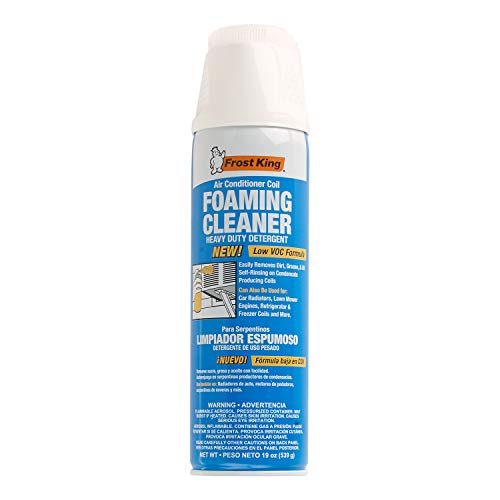
Heavy-duty foam dissolves stains, removes grease & oil, and loosens dirt
Regular Maintenance to Prevent Bad Smell in Car AC
Preventing bad smells in a car air conditioning system depends on regular maintenance. Routine inspections of the cabin air filter and drain tube help keep the system clean and dry. Good airflow also makes it harder for odor-causing moisture to stay trapped.
Change the cabin air filter based on your driving environment. If you drive on dusty roads, park under trees, carry pets, or live in a high-pollen area, inspect it more often. A clean filter reduces odor and helps the blower motor move air more easily.
Keep the area around the windshield intake clean. Leaves and debris can hold moisture and feed bacteria or mold. Cleaning this area during car washes or oil changes can help prevent future odor problems.
Use the vehicle AC system regularly, even during cooler months. Running the AC helps circulate refrigerant and remove moisture from the cabin air. It also helps prevent stagnant conditions inside the HVAC system.
Before parking, turn the AC compressor off and keep the fan running for a few minutes. This helps dry moisture from the evaporator. It is one of the easiest habits for reducing musty smells over time.
A clean cabin filter, clear drain path, and dry evaporator are the three biggest factors in keeping car AC smells from coming back.
DIY Remedies for Bad Smell in Car AC
Several DIY remedies can help with bad smells in a car air conditioning system. One common option is an antimicrobial or deodorizing spray designed for automotive AC systems. These products can help reduce odor at the vents, ducts, and evaporator area when used correctly.
Most automotive AC sprays are applied through the fresh-air intake or cabin vents while the fan runs. Some foam cleaners are applied through the evaporator drain tube. Always read the product label first because application methods vary.
Another simple approach involves using a mild vinegar solution to reduce odors around vents and plastic trim. Mix equal parts water and white vinegar in a spray bottle, then mist a small amount near the intake area or onto a cloth for wiping vent surfaces. Do not soak vents, electrical controls, screens, or sensors.
Baking soda can also help with cabin odors, but it should not be poured into vents. Instead, place an open container of baking soda in the parked vehicle overnight. This may help absorb general cabin smells, but it will not clean mold or bacteria inside the AC system.
Charcoal odor absorbers can provide a similar benefit. They may reduce stale cabin smells, especially after the AC source has been cleaned. However, they are not a replacement for replacing a dirty cabin filter or fixing a blocked drain tube.
Warning: Do not spray household cleaners, bleach, or strong chemicals into your AC vents. Harsh chemicals can damage materials, irritate passengers, and create unsafe fumes inside the cabin.
[Amazon Products Picked for You]

PERFECT STOCKING STUFFERS. These air fresheners make ideal gifts for car lovers, college students, and anyone who enjoys a fresh-smelling space. Great for dorm rooms, bathrooms, closets, and more

CAR FRESHENERS: This car air freshener spray is a revolutionary car freshener and cleaner that works wonders for your vehicle's air conditioning system. Designed with advanced technology, it effectively eliminates the source of unpleasant smells, leaving behind a delightful fragrance that revitalizes your car's interior.

Source Odor Reduction for Stubborn Smells: Car Evaporator Cleaner generates dense foam that penetrates deep into evaporator fins to target dirt and common odor sources, including musty, sour, smoke, pet, and food smells. Instead of simply covering unpleasant scents, the formula works to address odor buildup at the source, supporting consistent indoor air comfort when the car AC is running. Suitable for DIY car owners, ride-hailing drivers, and used car dealers for routine interior AC maintenance
Professional Solutions for Bad Smell in Car AC
DIY remedies can help with minor odor problems, but severe or recurring smells often need professional service. Automotive technicians have tools that can clean deeper areas of the AC system, including the evaporator core and ductwork.
Professional AC cleaning may include foaming evaporator cleaners, disinfecting treatments, drain cleaning, or duct deodorizing. These services target the source of odor instead of only covering the smell with fragrance.
In cases where bacterial growth or mold is severe, technicians may recommend fogging treatments or ozone treatment. These methods can reduce odors throughout the cabin and HVAC system. Ozone should only be used according to proper safety procedures, and passengers should not sit inside the vehicle during treatment.
If the smell is chemical, sweet, or burning, professional diagnosis is especially important. A technician can check refrigerant pressure, inspect for leaks, test the blower motor, examine the heater core area, and look for blocked drains or water intrusion.
Professional help is also the right choice when the AC smells bad and cools poorly. Odor plus weak cooling can point to a refrigerant leak, compressor problem, condenser issue, or contaminated evaporator. Fixing the source protects both comfort and system performance.
[Amazon Products Picked for You]

Source Odor Reduction for Stubborn Smells: Car Evaporator Cleaner generates dense foam that penetrates deep into evaporator fins to target dirt and common odor sources, including musty, sour, smoke, pet, and food smells. Instead of simply covering unpleasant scents, the formula works to address odor buildup at the source, supporting consistent indoor air comfort when the car AC is running. Suitable for DIY car owners, ride-hailing drivers, and used car dealers for routine interior AC maintenance

REMOVES dust, dirt, allergens, and microorganisms from residential and vehicle air conditioners, eliminating bad odours often caused by such contaminants

Evap foam will liquefy dirt, grease, oil, and other residues quickly and easily
When a Bad Car AC Smell Needs Immediate Attention
Some AC smells are annoying but not urgent. Others can signal a safety or mechanical problem. Do not keep driving with the AC running if the smell seems electrical, burning, or chemical. Turn the system off and arrange service.
A sweet smell with foggy windows or damp carpet can point to coolant leaking from the heater core area. Coolant leaks can lower engine coolant level and may cause overheating if ignored. They can also leave a sticky film on glass.
A strong chemical smell with weak cooling can point to a refrigerant leak or contaminated AC component. Refrigerant work should be handled by trained professionals with proper recovery equipment.
A musty smell with wet carpet may mean the evaporator drain is clogged and water is entering the cabin. Water inside the vehicle can damage carpet, insulation, wiring, and interior trim if it continues.
Conclusion and Final Thoughts
A bad smell from your car AC is more than a small nuisance. It can point to moisture buildup, mold, mildew, bacteria, a clogged cabin air filter, trapped debris, leaking refrigerant, or another mechanical issue. The sooner you identify the smell, the easier it is to choose the right fix.
Start with simple maintenance. Replace the cabin air filter, clear debris near the air intake, run the fan to dry the evaporator, and use an automotive AC cleaner if the odor is musty. These steps solve many common odor problems.
If the smell comes back quickly or seems chemical, sweet, or burning, schedule a professional inspection. With regular care and fast attention to warning signs, your car air conditioning system can stay clean, comfortable, and safer for everyone inside.
If you’re looking to improve the air quality in your car, you may also want to consider enhancing the atmosphere in your home. One article that could be helpful is Choosing the Right Holiday Prep for Your Home, which offers tips on creating a welcoming and comfortable environment for your family and guests. Just as maintaining a clean and fresh-smelling car is important, ensuring your home is well-prepared and inviting can make a big difference in your overall well-being.
Frequently Asked Questions
What causes a car AC to smell bad?
The most common cause of a bad smell from a car AC system is mold, mildew, or bacteria growing on damp surfaces inside the HVAC system. Moisture on the evaporator, a clogged drain tube, trapped leaves, and a dirty cabin air filter can all make the odor worse.
How can I get rid of the bad smell from my car AC?
Start by replacing the cabin air filter and clearing leaves or debris near the fresh-air intake. Then run the fan with the windows open to dry the system. If the smell remains, use an automotive AC cleaner or have the evaporator and ducts cleaned by a professional.
Is a bad smell from the car AC harmful to health?
A bad odor is not always harmful by itself, but mold, mildew, dust, or bacteria inside the AC system can irritate people with allergies, asthma, or respiratory sensitivity. If passengers feel irritation or the odor is strong, clean the system and replace the cabin filter.
How can I prevent my car AC from smelling bad?
Use the AC regularly, replace the cabin air filter on schedule, keep the windshield intake area clear, and run the fan for a few minutes after turning the AC off. These habits help dry the evaporator and reduce odor-causing moisture.
Why does my car AC smell bad only when I first turn it on?
A smell that appears only at startup often comes from moisture sitting on the evaporator while the vehicle is parked. Once air starts moving, the first burst carries the stale or musty odor out of the vents. Drying the system before parking can help.
Can a dirty cabin air filter make my AC smell?
Yes. A dirty cabin air filter can trap dust, pollen, leaves, moisture, and odor. When air passes through the dirty filter, it can carry stale or musty smells into the cabin. Replacing the filter is one of the easiest first fixes.
What does a refrigerant leak smell like in a car?
A refrigerant leak may smell chemical, sharp, or solvent-like. It may also come with weak cooling or warm air from the vents. Because refrigerant leaks need proper equipment to diagnose and repair, a technician should inspect the system.
