
You want a drone that makes video work easier, more reliable, and more creative. The right model affects how steady your shots look, how long you can stay in the air, how much gear you must carry, and how much control you have over the final image.
Whether you shoot social clips, travel footage, or paid projects, compare camera quality, stabilization, flight time per battery, control method, obstacle sensing, weight, and transmission claims before buying. Good footage starts with the right tool and a realistic match between portability, automation, and image quality.
Affiliate disclosure:. As an Amazon Associate I earn from qualifying purchases. This roundup is reader-supported. When you click an Amazon link, we may earn a referral commission on qualifying purchases at no extra cost to you.
Quick Verdict
Best overall for most beginners and travelers: Potensic ATOM 2. Best compact option for 4K/60fps: FIMI Mini 3. Best for professional aerial imaging: Autel EVO II Pro V3. Best for automated solo and action content: HOVERAir X1 PROMAX.
Important: Advertised range and flight time are maximum figures, not guaranteed real-world results. Also, a drone under 250 g is not automatically exempt from every registration or Remote ID requirement.
Top Picks
|
Category |
Product |
Best For |
|---|---|---|
|
🎯 Best Overall |
Beginners, travel, and everyday 4K video |
|
|
🔰 Best Compact 4K/60 |
Travel creators who want smoother high-frame-rate footage |
|
|
🏆 Best Professional |
Client work, low light, and advanced manual control |
|
|
🚀 Best for Solo Creators |
Hands-free tracking, action, and fast social content |
Selection Criteria
You care about more than specifications on paper, so this roundup prioritizes factors that affect real-world shooting. Sensor size, resolution, frame-rate options, and exposure control influence how much detail and editing flexibility you get. Mechanical stabilization matters for smooth cinematic movement, while automated tracking can be more useful than manual controls for solo creators.
Flight time is compared per battery whenever possible, not only as a multi-battery bundle total. We also consider weight, controller design, obstacle sensing, storage, transmission claims, portability, and the difference between a traditional camera drone and a self-flying follow camera.
This article compares published specifications and recurring buyer concerns. It does not claim that every model was independently lab-tested, and manufacturer maximums should be treated as best-case figures.
Before You Buy
- Choose your control style: A traditional controller offers more deliberate framing; a self-flying model is faster for hands-free tracking.
- Compare one-battery endurance: Bundle totals can make flight time look longer than a single uninterrupted flight.
- Check sensing coverage: “Obstacle avoidance” may mean full directional sensing, limited rear sensing, or no sensing at all.
- Treat range as a technical maximum: Local laws, visual-line-of-sight rules, interference, terrain, and regional transmission limits can reduce usable distance.
- Confirm current rules: Registration, Remote ID, airspace, and commercial-use requirements depend on where and how you fly.
The ATOM 2 offers a strong balance of portability, stabilization, and beginner-friendly creative modes. Its 1/2-inch Sony sensor, 3-axis gimbal, vertical capture, and tracking tools make it useful for travel vlogs, family events, scenic b-roll, and social content without moving into a larger professional platform.
The three-battery bundle is convenient, but the advertised 96-minute figure is the combined total across three batteries; each battery is rated for up to about 32 minutes under ideal conditions. The model does not provide full obstacle avoidance, so open-space flying and careful route planning still matter.
Who Should Buy This: Beginners, travelers, and hobby creators who want a sub-250 g design, stabilized 4K footage, and useful automated modes in one portable kit.
Who Should Avoid This: Pilots who need omnidirectional obstacle sensing, 4K/60fps, or a larger professional sensor for demanding client work.
What People Say
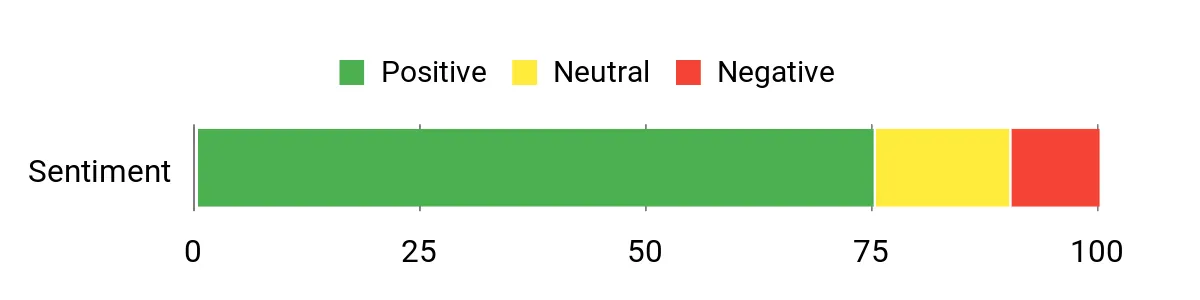
Buyer feedback commonly emphasizes portability, stable footage, and the convenience of the multi-battery kit. Treat the sentiment image below as a directional snapshot rather than independent testing because the underlying sample and methodology are not shown.
Overall Sentiment: Positive
When To Use
|
Situation |
How It Helps |
|---|---|
|
Travel Vlogging |
The lightweight body and three-battery kit make it easier to carry and keep shooting across several short flights. |
|
Vertical Social Content |
Vertical capture and automated shot modes reduce the amount of reframing needed for Reels, Shorts, and Stories. |
|
Learning Manual Flight |
Stable gimbal footage and approachable controls help new pilots practice while still producing usable clips. |
|
Dusk and City Scenes |
The larger sensor for this weight class and night-oriented processing can help, although results still depend on wind, exposure, and available light. |
Versatility
The ATOM 2 works across travel, hobby, and entry-level content work. It is most convincing as an all-purpose portable camera drone rather than a collision-aware professional aircraft.
Key Benefits
- Under-250 g design with three batteries in the featured bundle
- 4K/30fps video and 48MP stills from a 1/2-inch Sony sensor
- 3-axis gimbal, AI-assisted tracking, vertical capture, and night-oriented modes
- Advertised 10 km transmission system, subject to local rules and real-world conditions
Check Current Amazon Availability
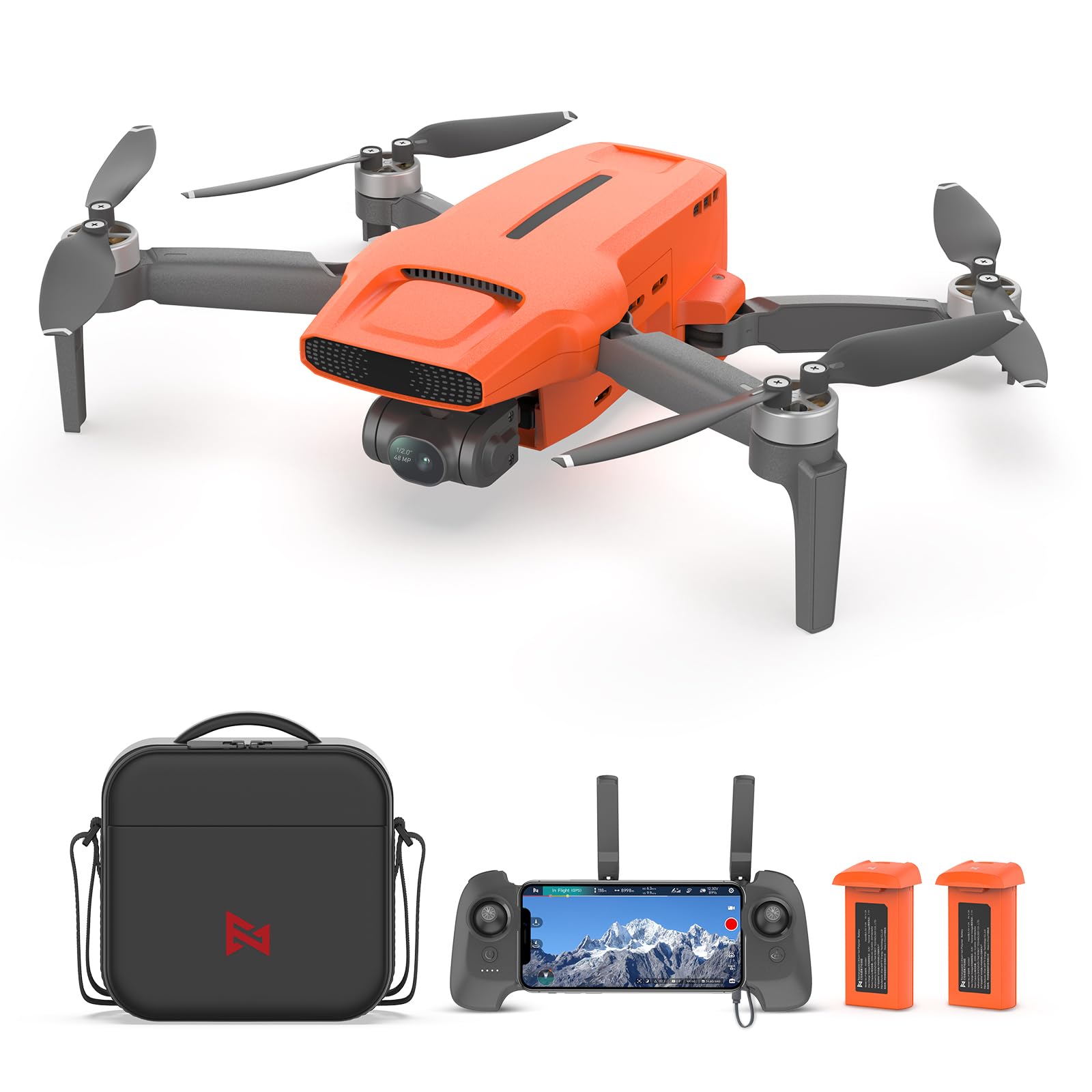
The FIMI Mini 3 is the strongest fit here for travelers who specifically want 4K/60fps in a small package. The higher frame-rate option gives you more flexibility for smoother motion and modest slow-downs in post, while the 3-axis gimbal and 48MP photo mode broaden its usefulness for scenic and social work.
The advertised 64-minute bundle figure represents two batteries, or up to about 32 minutes per battery under ideal conditions. Its current Amazon offer can vary, so verify the seller, included battery count, return terms, and current availability before ordering. Do not assume full obstacle avoidance from the listing.
Who Should Buy This: Travel creators and hobby pilots who prioritize 4K/60fps, compact size, and a two-battery setup.
Who Should Avoid This: Buyers who want a widely supported ecosystem, clearly documented multidirectional obstacle sensing, or a premium large-sensor workflow.
What People Say
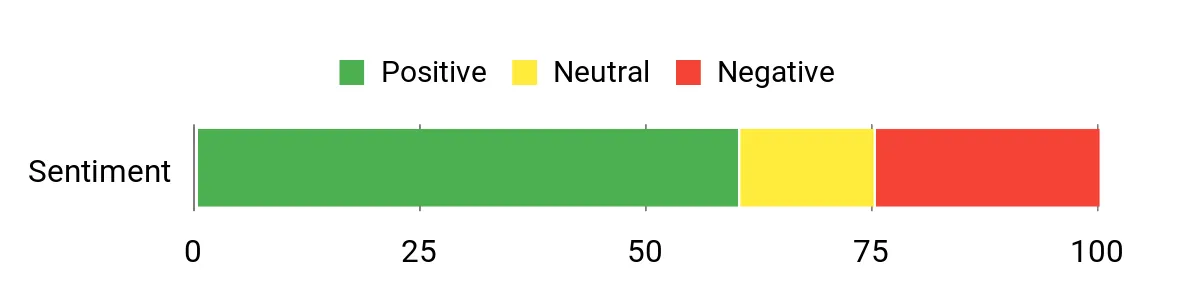
Feedback commonly praises the compact form and image specifications, while some owners report setup, calibration, or connection friction. Treat the chart as a directional snapshot because the source data and methodology are not displayed.
Overall Sentiment: Neutral
When To Use
|
Situation |
How It Helps |
|---|---|
|
Travel Content |
The foldable, lightweight body is easier to pack for scenic b-roll and city shots. |
|
High-Motion Clips |
4K/60fps can render movement more smoothly and gives you extra flexibility when slowing footage in editing. |
|
Dusk Scenes |
Night-oriented processing may improve usability, but careful exposure and calm conditions remain important. |
|
Longer Outings |
Two batteries let you split a session into multiple flights without stopping to recharge immediately. |
Versatility
The Mini 3 is tuned for creators who want high-resolution, high-frame-rate footage in a travel-ready package. It is less persuasive for buyers who need a deeply established accessory and service ecosystem.
Key Benefits
- Compact, foldable design with a listed takeoff weight below 250 g
- 4K/60fps video and 48MP photo capability
- 3-axis gimbal and visual tracking for smoother, easier follow shots
- Two-battery bundle with up to about 32 minutes advertised per battery
Check Current Amazon Availability
The EVO II Pro V3 is the clear step-up choice for serious imaging. Its 1-inch sensor and 6K capture offer more room for low-light work, dynamic-range recovery, cropping, and color grading than the smaller travel models, while the integrated Smart Controller keeps the field setup self-contained.
Its 360-degree sensing adds useful awareness, but no avoidance system replaces pilot judgment. The advertised 15 km transmission and 40-minute endurance are best-case specifications; legal flight distance, wind, temperature, battery age, and recording settings can reduce practical performance.
Who Should Buy This: Advanced hobbyists, commercial pilots, and creators who need a larger sensor, stronger manual control, and a professional field controller.
Who Should Avoid This: Casual travelers who mainly need quick social clips, buyers trying to stay under 250 g, or anyone who does not need the cost and complexity of a premium platform.
What People Say
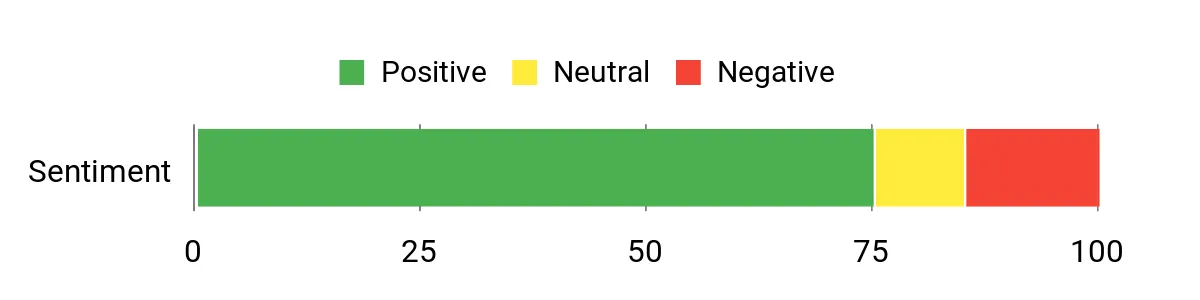
Buyer feedback often highlights image quality, flight stability, and the convenience of the Smart Controller. Some reports mention firmware or hardware friction, so confirm warranty terms and update procedures before relying on it for paid work. The chart is directional and does not disclose its full methodology.
Overall Sentiment: Positive
When To Use
|
Situation |
How It Helps |
|---|---|
|
Client Shoots |
The 1-inch sensor and 6K capture provide more flexibility for professional delivery and post-production. |
|
Low-Light Landscapes |
The larger sensor is better suited to preserving detail and controlling noise than the smaller travel-drone sensors. |
|
Complex Flight Paths |
Multidirectional sensing adds awareness around obstacles, although the pilot remains responsible for a safe route. |
|
Field Work Without a Phone |
The Smart Controller SE provides an integrated display and avoids depending on a personal phone for the main flight interface. |
Versatility
This model suits advanced hobbyists and professionals who need a portable but capable imaging platform. It handles landscape, commercial, and controlled low-light work well, but it is much more aircraft than a casual social creator needs.
Key Benefits
- 1-inch CMOS sensor and 6K capture for stronger detail and grading flexibility
- 360-degree obstacle sensing for added situational awareness
- 6.4-inch Smart Controller SE with an integrated field display
- Advertised transmission range up to 15 km and flight time up to about 40 minutes under ideal conditions
Check Current Amazon Availability
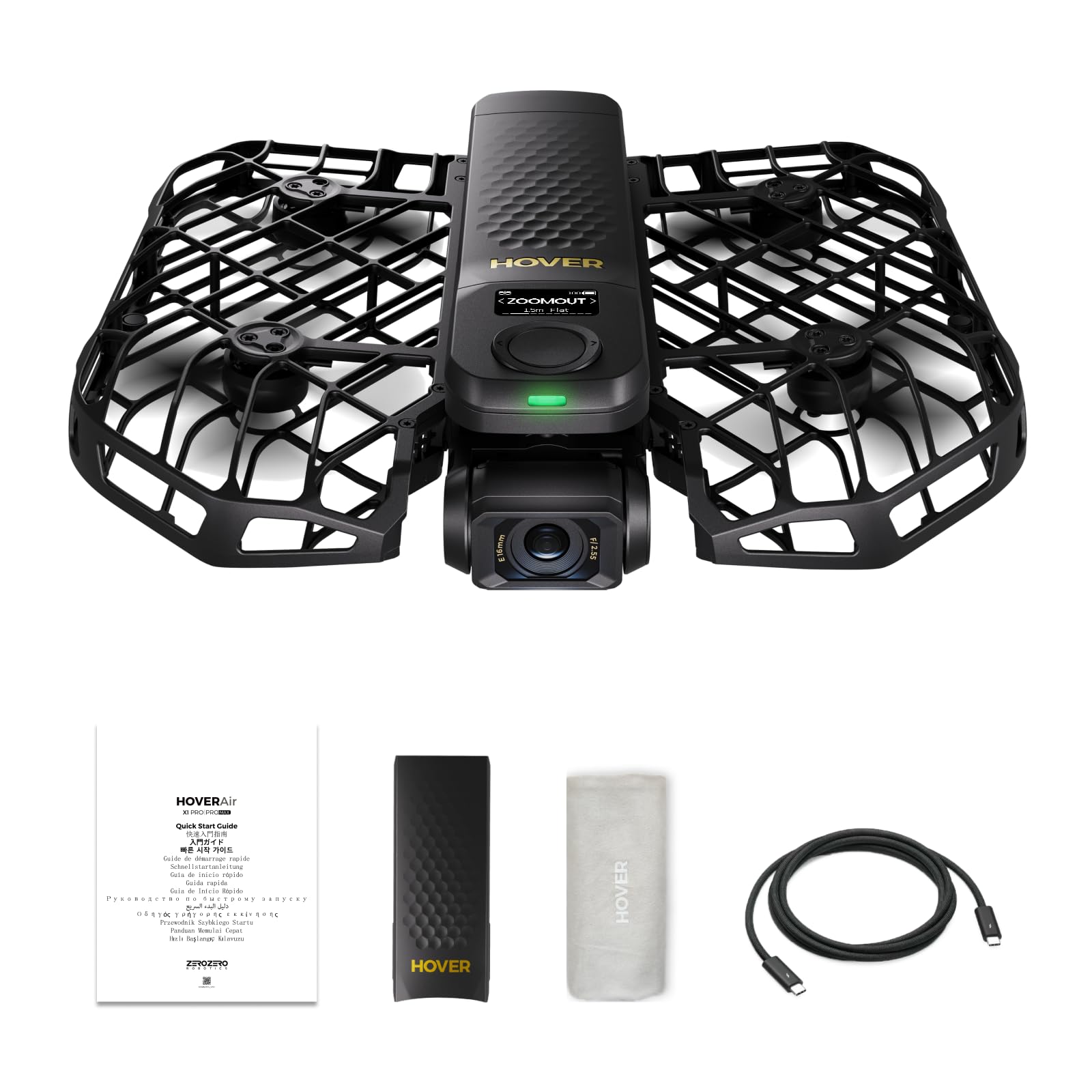
The X1 PROMAX is different from the other picks: it is primarily a hands-free follow camera rather than a traditional long-range camera drone. It is designed to launch quickly, track a solo subject, run automated flight paths, and move clips to a phone with minimal setup.
Its 8K mode gives you cropping flexibility, but image quality and control depth should not be judged by resolution alone. Flight time is rated at about 16 minutes per battery, stabilization combines a 2-axis gimbal with electronic processing, and rear active collision detection is not the same as full omnidirectional avoidance.
Who Should Buy This: Runners, cyclists, travelers, and solo creators who value autonomous tracking and fast social workflows more than manual piloting.
Who Should Avoid This: Buyers who need long continuous flights, a traditional controller-first experience, full directional obstacle sensing, or maximum manual camera control.
What People Say
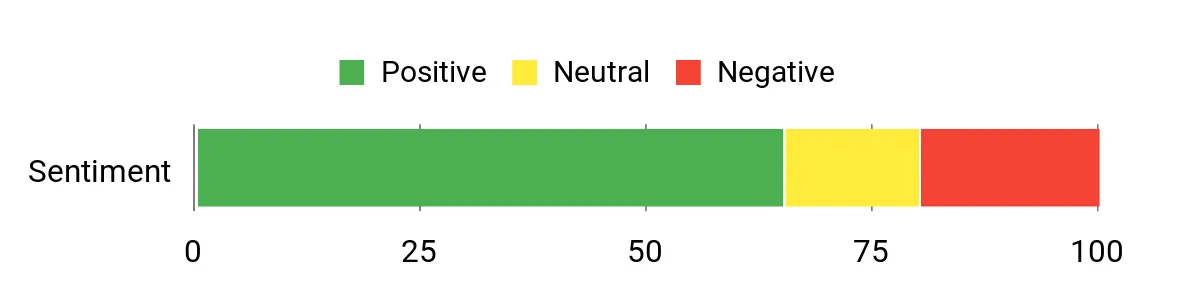
Feedback often praises the fast setup, automated modes, and phone-first workflow. Common concerns include app connectivity, battery drain, and the limits of a short flight window. The chart is a directional summary rather than a substitute for independent testing.
Overall Sentiment: Neutral
When To Use
|
Situation |
How It Helps |
|---|---|
|
Action Sports |
Automated follow modes can keep a moving subject framed without a second operator. |
|
Quick Social Clips |
Fast launch, preset flight paths, and phone transfers reduce setup and editing friction. |
|
Weekend Travel |
The foldable, lightweight design is easy to carry when a full controller-and-aircraft kit feels excessive. |
|
Solo Shoots |
Hands-free tracking creates moving camera angles without asking someone else to pilot. |
Versatility
The X1 PROMAX is highly versatile inside a solo-content workflow but less flexible as a conventional aerial camera. Its strongest advantage is convenience, not professional redundancy or maximum flight endurance.
Key Benefits
- 8K/30fps and 4K capture with useful cropping flexibility
- Foldable, lightweight design for fast travel and action setups
- Automated tracking and preset flight modes for solo operation
- 2-axis mechanical stabilization plus electronic stabilization
- Rear active collision detection, with more limited coverage than omnidirectional systems
Check Current Amazon Availability
FAQ
What Features Matter Most for Video?
Start with sensor size, stabilization, frame-rate options, and exposure control. A 3-axis gimbal usually gives a traditional camera drone smoother mechanical stabilization, while a self-flying camera may combine a smaller mechanical gimbal with electronic stabilization. Also compare bitrate, storage, wind resistance, tracking behavior, and whether the camera can hold exposure consistently during a move.
Do I Need to Register My Drone and Where Can I Fly?
Rules vary by country and by how you use the aircraft. In the United States, a drone under 250 g may avoid registration only when it qualifies for the limited recreational exception; commercial operations under Part 107 generally require registration, and Remote ID requirements apply when registration is required. Always check current aviation-authority guidance, controlled airspace, temporary restrictions, local takeoff rules, and privacy requirements before flying.
Why Do Advertised Flight Time and Range Differ From Real Use?
Manufacturers usually test in controlled conditions with a healthy battery, limited wind, and specific transmission settings. Cold weather, wind, aggressive flying, recording settings, signal interference, battery age, altitude, regional power limits, and reserve power for a safe return can reduce practical results. Bundle totals also combine multiple batteries and do not represent one uninterrupted flight.
Should I Choose a Traditional Drone or a Self-Flying Camera?
Choose a traditional controller-based drone when you want deliberate framing, longer-distance composition, manual camera control, and a wider range of aerial moves. Choose a self-flying camera such as the HOVERAir X1 PROMAX when your priority is quick autonomous tracking, solo action footage, and minimal setup.
How Can I Get Better Results Faster?
Practice basic maneuvers in a wide, legal area, plan each shot before takeoff, and rehearse the route at a safe altitude. Format memory cards, update firmware, inspect propellers, bring charged batteries, and use ND filters when appropriate to control shutter speed in bright conditions. A few planned passes usually improve footage more than changing every setting during flight.
Wrapping Up
The strongest choice depends on how you create. The Potensic ATOM 2 is the most balanced option for beginners and travelers. The FIMI Mini 3 is appealing when 4K/60fps in a compact body is the priority. The Autel EVO II Pro V3 is the premium choice for a larger sensor, advanced control, and professional work. The HOVERAir X1 PROMAX is the specialist pick for hands-free solo and action content.
Do not buy on resolution alone. Compare one-battery endurance, sensing coverage, control style, current seller terms, local flight rules, and the kind of footage you actually plan to make.
Final Recommendation
For the broadest mix of portability, stabilized footage, and learning-friendly features, start with the Potensic ATOM 2. Move to the Autel EVO II Pro V3 only when the larger sensor and professional controls will materially improve your work. Choose the HOVERAir X1 PROMAX when hands-free tracking matters more than traditional piloting.
| Product Name | Image | Video Capture Resolution | Advertised Transmission / Control | Advertised Flight Time |
|---|---|---|---|---|
| Potensic ATOM 2 Drone |
 |
4K/30fps | Up to 10 km | Up to 32 minutes per battery; 96 minutes across the three-battery combo |
| FIMI Mini 3 Drone |
 |
4K/60fps | Up to 9 km | Up to 32 minutes per battery; 64 minutes across the two-battery bundle |
| Autel Robotics EVO II Pro V3 |
 |
6K | Up to 15 km, region-dependent | Up to about 40 minutes |
| HOVERAir X1 PROMAX |
 |
8K/30fps and 4K | App-based control; optional controller accessories can extend control capability | Up to about 16 minutes per battery |
Comparison note: Range and flight-time figures are manufacturer maximums. Real-world results vary with wind, temperature, interference, regional transmission limits, battery condition, payload, flight style, and legal operating restrictions.
This roundup is reader-supported. When you click through links, we may earn a referral commission on qualifying purchases.