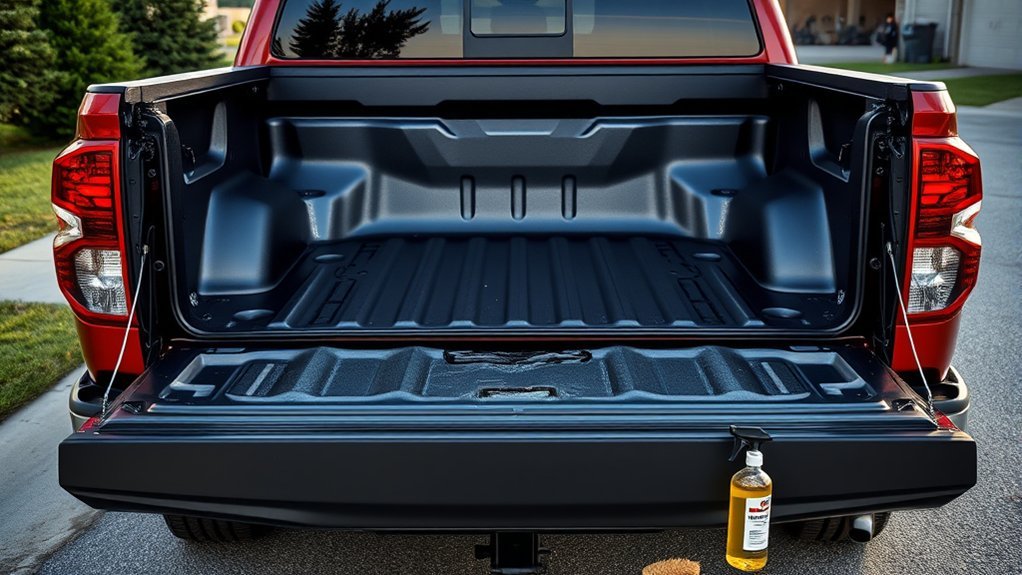
The best Toyota Tundra bed protection depends first on the model year and how you use the truck. The 2022–2026 Tundra has an aluminum-reinforced Sheet-Molded Composite bed, so many owners need extra grip or abrasion protection more than rust protection; a fitted bed mat is the simplest removable option, while Toyota also offers a spray-on bedliner. On 2021-and-earlier Tundras with painted steel beds, protecting damaged paint and preventing trapped moisture are more important because exposed steel can corrode. In every model year, secure cargo, clean spills promptly, and use only cleaners or coatings approved for the bed surface.
Last updated: September 11, 2026
Quick Answer
For a 2022–2026 Toyota Tundra, start with the factory composite bed and add protection only for the job you need: a fitted mat for removable floor grip and abrasion protection, an approved spray-on system for permanent textured coverage, or a tonneau cover for weather protection and keeping cargo out of view. For 2021-and-earlier steel beds, also inspect paint damage and trapped moisture because exposed steel can rust. Never sand or solvent-wipe a composite Tundra bed unless the selected coating system specifically approves that substrate.
Key Takeaways
- The 2022–2026 Tundra uses an aluminum-reinforced Sheet-Molded Composite bed, while earlier Tundras use a conventional painted steel bed.
- A fitted mat is the simplest choice when you mainly want floor grip and removable abrasion protection; an approved spray-on liner provides permanent textured coverage.
- Preparation, solvents, sandpaper grit, temperature, and cure time are product- and substrate-specific. Follow the technical data sheet exactly.
- Clean the bed after spills, road salt, mud, or abrasive debris, and inspect beneath removable liners or mats.
- Surface protection does not replace safe loading. Stay within the truck’s vehicle-specific payload limit and secure cargo to properly rated anchor points.
At a Glance
| Time Required | Routine cleaning or fitting a mat can be quick; coating projects vary by product and require the full manufacturer-specified preparation, recoat, and cure periods |
| Difficulty | Easy for cleaning or adding a fitted mat; moderate for a compatible DIY coating |
| Tools Needed | Hose, automotive soap, soft brush, microfiber towels, and any coating-specific PPE, masking, scuffing, or application tools |
| Cost | Varies by bed length, protection type, surface preparation, coating tier, location, and professional labor |
Editorial basis: This guide was checked against current Toyota information and coating-manufacturer instructions. It does not claim hands-on coating testing.
Toyota Tundra Bed Protection: What Changes by Model Year

A truck bed can suffer cosmetic or structural damage when loose tools, building materials, furniture, or recreational gear slide across it. A suitable liner, mat, or coating can reduce scratches, dents, abrasion, and cargo movement. It can also make routine cleanup easier.
Bed material matters. Toyota introduced an aluminum-reinforced Sheet-Molded Composite bed with the redesigned 2022 Tundra, and the 2026 Tundra continues to use that construction. Toyota describes the current composite bed as providing added protection against normal wear, dents, dings, and rust. The composite surface does not behave like exposed painted steel, although it can still be gouged, stained, drilled incorrectly, or damaged by incompatible chemicals and coatings. You can review Toyota’s current bed description on the official Tundra page.
On a 2021-or-earlier Tundra with a painted steel bed, deep scratches and chips can expose metal to moisture and road salt. Prompt cleaning and paint repair help reduce corrosion risk. On every model year, keeping the bed clean and repairing damage promptly can also preserve appearance and reassure a future buyer that the truck received regular care.
Know Your Tundra Bed Material Before Adding a Liner
Check the model year, inspect the bed surface, and consult the Toyota owner’s-manual portal before modifying the bed.
- 2021 and earlier: These Tundras use conventional painted steel beds. Inspect scratches for exposed metal, surface rust, bubbling paint, or loose factory coating.
- 2022–2026: These Tundras use an aluminum-reinforced composite bed. Use only coatings, adhesives, cleaners, and preparation methods approved for that substrate.
- Previously coated beds: Identify the existing product before recoating. Some coatings require sanding, a compatible primer, or complete removal of loose material.
- Unknown repairs: Look for overspray, mismatched texture, filled holes, or peeling edges that may indicate a previous coating or body repair.
Note: A 2022–2026 composite bed already provides useful impact and corrosion resistance. An additional liner may still improve grip, appearance, or abrasion protection, but it is not automatically required.
Which Toyota Tundra Bed Protection Is Best for Your Use?
Choose protection according to what you haul, how often you use the truck, and whether you want a permanent or removable solution. Before buying a fitted accessory, confirm the model year, cab and bed configuration, bed length, deck-rail setup, outlets, lights, tonneau hardware, tie-down locations, and other installed accessories.
| Option | Best For | Main Strengths | Tradeoffs |
|---|---|---|---|
| Professional spray-on liner | Frequent hauling and permanent protection | Conforms to bed contours, adds grip, and does not shift | Permanent, preparation-sensitive, and must be compatible with the exact bed substrate |
| DIY roll-on or spray coating | Experienced owners working on a specifically approved substrate | Can provide a fitted texture without a separate liner shell | Results depend heavily on substrate approval, preparation, ventilation, application, and cure time |
| Drop-in liner | Removable impact protection | Quick installation, molded coverage, and easy replacement | May move, rub the bed, or collect debris and moisture underneath if not inspected |
| Bed mat | Owners who mainly need floor protection and grip | Removable, simple to clean, and useful for reducing cargo movement | Does not protect the sidewalls or upper rails |
| Tonneau cover | Weather protection and keeping cargo out of view | Helps shield the bed and cargo from sun and precipitation | Does not prevent floor scratches and is not a substitute for securing cargo |
Simple decision rule: For a 2022–2026 composite Tundra used mainly for boxes, tools, groceries, or recreational gear, a fitted mat is usually the least invasive way to add grip and floor protection. Choose an approved professional spray-on system when you want permanent textured coverage over more of the bed. On a 2021-or-earlier steel bed, prioritize protection of chipped paint and regular inspection for trapped dirt or moisture. If your main goal is weather protection or keeping cargo out of view, a tonneau cover addresses a different problem.
2026 OEM reference: Checked September 11, 2026, Toyota lists a Bed Mat at $229 MSRP and a Spray-On Bedliner at $599 MSRP in the current Tundra accessory catalog. Use those as comparison points rather than installed-price quotes, and confirm exact fitment and dealer pricing before purchase. The presence of a Toyota spray-on option also shows that a composite bed is not automatically incompatible with spray-on protection; the coating system simply has to be approved for the application.
A spray-on coating is useful when you want permanent, contour-following coverage. A drop-in liner or bed mat is easier to remove when you need to inspect, clean, or preserve the original surface. If weather protection or cargo security is your main concern, see our Toyota Tundra tonneau-cover guide. Get a written, model-specific quote instead of relying on a broad online installed-price range.
Step-by-Step Guide to Applying a DIY Bed Liner
Apply a DIY coating only when its label or technical data sheet approves your bed material. Products intended for prepared steel or aluminum may not be suitable for the Tundra’s composite bed. When compatibility is unclear, use a professional installer or contact the coating manufacturer before changing the factory surface.
Warning: Bed-liner coatings and preparation solvents can release hazardous vapors and may be flammable. Work with the ventilation, gloves, eye protection, respirator, temperature range, and ignition controls specified by the product label and safety data sheet. Do not smoke, run the engine, or use heaters with open flames nearby.
- Read every product document. Review the label, technical data sheet, safety data sheet, compatible substrates, required primer, temperature range, humidity limit, recoat window, and cure time.
- Inspect the bed. Remove loose debris and look for rust, peeling coatings, cracks, gouges, loose hardware, blocked drains, or previous repairs.
- Remove or protect accessories. Follow Toyota and accessory instructions before removing cleats, rails, plugs, lights, outlets, or tonneau-cover hardware. Mask areas that must not be coated.
- Wash and dry the surface. Use the cleaning method specified by the coating maker. Remove grease, wax, oil, silicone dressing, road salt, and soap residue. Allow the bed to dry fully.
- Repair damage. Remove loose rust and failing paint on a steel bed as directed. Repair composite-bed cracks or deep gouges with an approved system or professional service.
- Scuff only as instructed. Use the exact abrasive and grit range listed for the selected coating and substrate. Do not assume one sandpaper grit is suitable for every liner.
- Use only the specified final wipe. Some systems call for a particular solvent, while others rely on detergent cleaning. Never substitute acetone, mineral spirits, alcohol, or another chemical without approval for the selected coating and substrate.
- Mix and apply the coating. Stir or combine components exactly as directed. Apply the required number of coats within the stated recoat window.
- Reopen functional areas. Remove masking as instructed and confirm drain paths, fastener holes, latches, lights, outlets, and tie-down locations remain usable.
- Allow the full cure period. Keep the bed dry and unloaded for the required time. Light-use and heavy-use cure times may differ.
Manufacturer instructions can vary significantly. For example, Rust-Oleum lists product-specific preparation and cure requirements in its Truck Bed Coating technical data sheet, while Herculiner provides a separate preparation and application process. The cited Rust-Oleum standard Truck Bed Coating guidance is written for metal truck beds. Herculiner describes compatibility with many materials, including most plastics, but that broad statement is not the same as explicit approval for Toyota’s SMC bed. For a 2022–2026 Tundra composite bed, obtain specific compatibility confirmation before sanding, priming, or solvent-wiping the factory surface.
Pro Tip: Photograph the clean bed, masked areas, repaired spots, and finished coating. Keep the product receipt, batch information, and installation instructions with your maintenance records.
Best Practices for Cleaning Your Truck Bed

Clean the bed whenever abrasive dirt, road salt, fertilizer, fuel, oil, paint, or another spill remains on the surface. A quick cleanup reduces staining, odor, trapped moisture, and damage to protective coatings.
- Unload the bed and remove mats or removable liners when practical.
- Sweep or vacuum loose gravel, metal shavings, leaves, and sand before adding water.
- Rinse away loose dirt with low-pressure water.
- Wash with automotive soap and a soft-bristle brush or wash mitt.
- Rinse thoroughly so soap does not dry in the bed texture or drainage channels.
- Dry the surface and inspect seams, corners, drains, rails, fasteners, and the area beneath removable protection.
Cleaning Different Bed Surfaces
- Factory composite bed: Start with mild automotive soap and water. Avoid aggressive solvents, harsh abrasives, or unapproved dressings.
- Painted steel bed: Watch for chips, bubbling paint, and orange staining. Dry exposed areas and repair paint damage promptly.
- Spray-on coating: Follow the coating manufacturer’s care instructions. Rhino Linings, for example, recommends regular car soap and water for routine cleaning.
- Drop-in liner: Periodically remove or lift it according to its instructions. Clean the liner and the bed beneath it before reinstalling.
- Rubber bed mat: Clean and dry both sides. Trapped grit can act like sandpaper when the mat shifts.
A pressure washer may be acceptable for some fully cured liners; Rhino Linings, for example, permits pressure washing as part of routine care. Pressure and distance limits still vary by product. Avoid directing concentrated pressure at peeling edges, seals, electrical outlets, cameras, lights, or damaged coating.
How to Protect Painted Bed Rails and Exterior Surfaces
Paint sealant or automotive wax belongs on compatible painted surfaces such as bed rails, outer bedside panels, and the tailgate. Do not apply a paint product to a textured liner or composite bed unless its manufacturer approves that use. A sealant cannot repair exposed metal, peeling clear coat, or a damaged bed liner.
Consider Your Climate Conditions
- Cold and salted roads: Prioritize frequent rinsing and prompt repair of chips on painted metal.
- Hot, sunny climates: Choose a product that identifies UV protection and compatibility with the painted finish.
- Coastal or humid areas: Clean salt and moisture traps regularly, especially around seams and hardware.
- Industrial or work use: Select a coating or sealant with documented resistance to the chemicals you commonly carry.
Evaluate Verifiable Product Information
Do not rely on an unexplained one-to-ten durability score. Compare information printed by the manufacturer instead.
| What to Check | Why It Matters |
|---|---|
| Approved substrate | Confirms the product is intended for automotive paint, a specific liner, metal, or composite material. |
| UV resistance | Helps reduce fading, chalking, and oxidation where the product is exposed to sunlight. |
| Chemical resistance | Shows whether common worksite fluids or cleaners may soften, stain, or damage the finish. |
| Application conditions | Temperature, humidity, shade, and surface temperature affect bonding and curing. |
| Recoat and cure time | Loading or washing too early can mark or weaken the product. |
| Warranty terms | Professional and DIY products may cover different defects and require documented installation. |
Examine the Application Method
Choose a paint-care product that matches your available work area and experience. Wash and dry the painted surface first, work out of direct sun unless the label allows otherwise, and use clean applicators. Apply only the stated amount, allow the required curing or haze time, and remove residue with a clean microfiber towel.
Follow the reapplication guidance on the product label and your model-year Toyota manual rather than using a fixed schedule for every climate and product.
Easy Ways to Make Your Bed Liner Last Longer
- Remove abrasive debris: Gravel, screws, and metal shavings can gouge a coating or grind against the bed beneath a mat.
- Do not drag sharp cargo: Lift heavy tools, appliances, and scrap metal when possible.
- Use padding: Place protective pads under sharp feet, machinery, furniture, or concentrated loads.
- Clean spills quickly: Check the liner maker’s chemical-resistance information before using a cleaner.
- Inspect high-wear areas: Check the tailgate edge, wheel wells, corners, tie-down points, and the floor near the cab.
- Repair small defects early: Use the manufacturer’s approved touch-up system for cuts, chips, peeling edges, or exposed metal.
- Use compatible UV care: Some liners include UV resistance, while others use an approved topcoat. Do not apply a generic tire shine or petroleum dressing.
Troubleshooting Common Truck Bed Problems
| Problem | Likely Cause | What to Do |
|---|---|---|
| Water or debris beneath a drop-in liner | Blocked drainage, loose fit, or normal debris entry | Remove the liner as directed, clean and dry both surfaces, inspect for wear, and correct the fit before reinstalling. |
| Orange rust on an older steel bed | Paint or coating damage has exposed steel | Remove loose corrosion, treat and prime the area with an approved system, and restore the protective finish. |
| Peeling or bubbling coating | Poor preparation, contamination, moisture, incompatible substrate, or application outside specifications | Stop pulling at the coating. Contact the installer or manufacturer and document the defect before attempting repair. |
| Fading or chalking | UV exposure or normal oxidation of a non-UV-stable coating | Clean the surface and use only the manufacturer’s approved renewal coating or UV topcoat. |
| Deep gouge in a composite bed | Sharp or concentrated impact | Have the damage assessed by Toyota or a repairer familiar with automotive composite materials. |
| Persistent chemical odor or soft coating | Chemical attack, incomplete cure, or incompatible cleaner | Ventilate the area, avoid further chemical use, and contact the coating manufacturer for safe cleanup guidance. |
Secure Cargo Without Damaging the Bed
A liner may improve grip, but it cannot safely restrain heavy cargo by itself. Check the Tire and Loading Information label on your exact truck and the cargo-loading section of your model-year owner’s manual before loading. For a deeper explanation of vehicle-specific limits, see our Toyota Tundra payload-capacity guide.
- Include passengers, accessories, tools, cargo, and trailer tongue weight when calculating the load.
- Keep heavy items low and distribute weight according to Toyota’s guidance.
- Use rated straps and anchor points that fit the direction and weight of the load.
- Check adjustable cleats before each trip and follow their individual load ratings.
- Prevent sharp straps, chains, or cargo edges from cutting into the bed or liner.
- Stop after a short distance and recheck the load.
- Never allow passengers to ride in the cargo bed.
Toyota’s deck rail system information demonstrates why hardware-specific ratings matter. Cleat and rail limits can differ by part and model year, so do not assume every anchor has the same capacity.
Additional Tips for Supporting Your Truck’s Resale Value
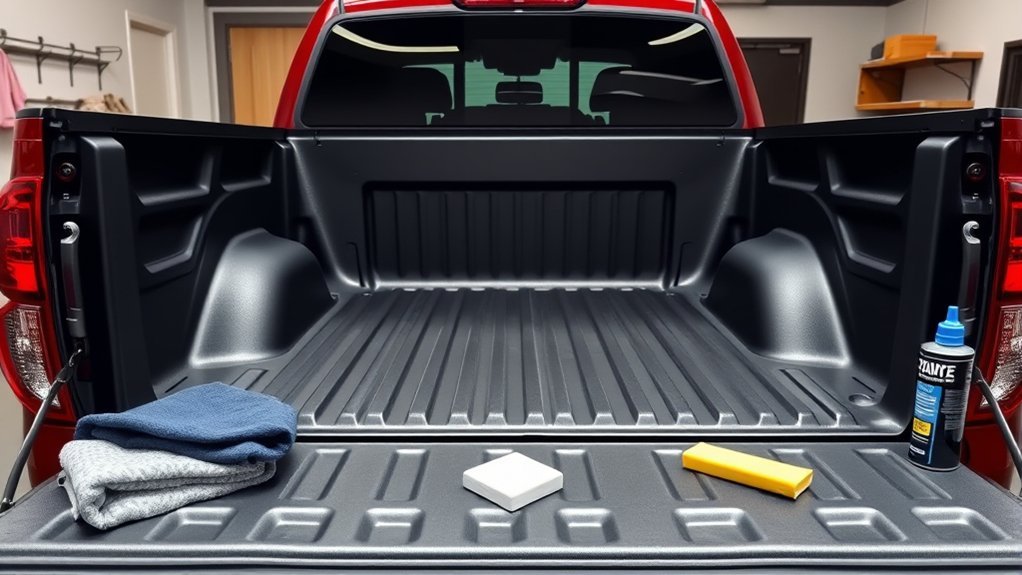
Bed protection cannot guarantee a higher selling price, but clean surfaces, documented repairs, and professional-looking work can improve buyer confidence.
- Clean the bed regularly and remove material that could stain or hold moisture.
- Repair exposed steel, damaged paint, or failed liner edges before the problem spreads.
- Keep installation invoices, warranties, repair orders, and product information.
- Photograph the original bed before a permanent coating is applied.
- Avoid drilling unnecessary holes or covering factory identification, drains, outlets, lights, or hardware.
- Use removable protection when preserving the factory surface is more important than permanent coating.
- Correct rattles, loose liners, damaged cleats, and tonneau-cover problems before listing the truck.
A poorly prepared DIY coating can reduce buyer confidence, especially when it hides rust, damage, or previous repairs. Choose a professional application when you cannot provide the required substrate preparation, ventilation, or curing conditions.
Related Guides
Frequently Asked Questions
Does a 2022–2026 Toyota Tundra need a bed liner?
Not always. The 2022–2026 Tundra already has an aluminum-reinforced composite bed designed to resist normal wear, dents, dings, and rust. A liner or mat may still add grip, reduce abrasion, change the appearance, or better suit the cargo you regularly haul.
Is a bed mat or spray-on liner better for a 2022–2026 Tundra?
A fitted bed mat is usually the simpler choice when you mainly want removable floor grip and abrasion protection. An approved spray-on liner is better when you want permanent textured coverage over more of the bed. Toyota currently offers both types for the 2026 Tundra, so the better choice depends on your cargo, desired coverage, removability, and budget.
Can you apply a spray-on liner to a composite Tundra bed?
Yes, when the coating system or professional installer specifically approves the Tundra’s composite substrate. Toyota currently lists a spray-on bedliner for the 2026 Tundra, but that does not make every third-party DIY product compatible. Do not sand, prime, or solvent-wipe the factory composite bed using instructions written only for steel or aluminum.
How often should you clean a Toyota Tundra bed?
Clean it after dirty jobs, chemical spills, exposure to road salt, or whenever abrasive debris accumulates. A lightly used bed can be inspected during normal vehicle washing, while a work truck may need cleaning after every major load.
Can you pressure-wash a spray-on bed liner?
Many fully cured spray-on liners can be pressure-washed, but you should follow the liner manufacturer’s pressure and distance guidance. Avoid aiming concentrated pressure at damaged edges, electrical components, seals, or uncured repairs.
Can a drop-in liner cause rust?
A drop-in liner does not automatically cause rust. On a steel bed, however, trapped abrasive debris, coating wear, moisture, and blocked drainage can contribute to corrosion. Remove the liner periodically and inspect the bed beneath it.
Should you apply wax or tire shine to a bed liner?
Do not use a generic wax, tire shine, petroleum dressing, or silicone product unless the liner manufacturer approves it. These products may create a slippery surface, attract dirt, interfere with repairs, or damage some liner formulas.
How long should a new bed-liner coating cure before hauling cargo?
Use the exact time stated by the coating manufacturer. Cure schedules differ by formula, coat thickness, temperature, humidity, and intended load. Do not assume that a coating that feels dry is ready for heavy, sharp, or chemical cargo.
Conclusion
Effective Toyota Tundra bed protection starts with identifying the bed material and the problem you actually need to solve. Older steel beds need prompt attention when paint damage exposes metal, while 2022–2026 composite beds already provide strong factory protection but may still benefit from added grip, abrasion protection, or permanent texture.
Choose a fitted mat when you want a simple removable solution, use only an approved coating system when you want permanent coverage, and add a tonneau cover when weather protection or keeping cargo out of view is the priority. Clean the bed after spills and harsh use, inspect beneath removable protection, follow every coating safety and cure instruction, and secure cargo within the truck’s vehicle-specific limits.
Sources
- Toyota Tundra official vehicle page – current composite-bed construction and features
- Toyota USA Newsroom: 2022 Tundra introduction – introduction of the aluminum-reinforced composite bed
- Toyota Tundra Accessories – current 2026 Bed Mat and Spray-On Bedliner MSRP reference
- Toyota Manuals and Warranties – model-year care, loading, and operating guidance
- Rust-Oleum Truck Bed Coating technical data sheet – metal-bed substrate preparation, application conditions, coating, and cure guidance
- Herculiner application process – product-specific cleaning, scuffing, application, and curing steps
- Rhino Linings FAQ – routine spray-on bed-liner cleaning and pressure-washing guidance